20 Skills New York Apartment Dogs Need For Elevators, Shared Hallways, And Crowded Sidewalks
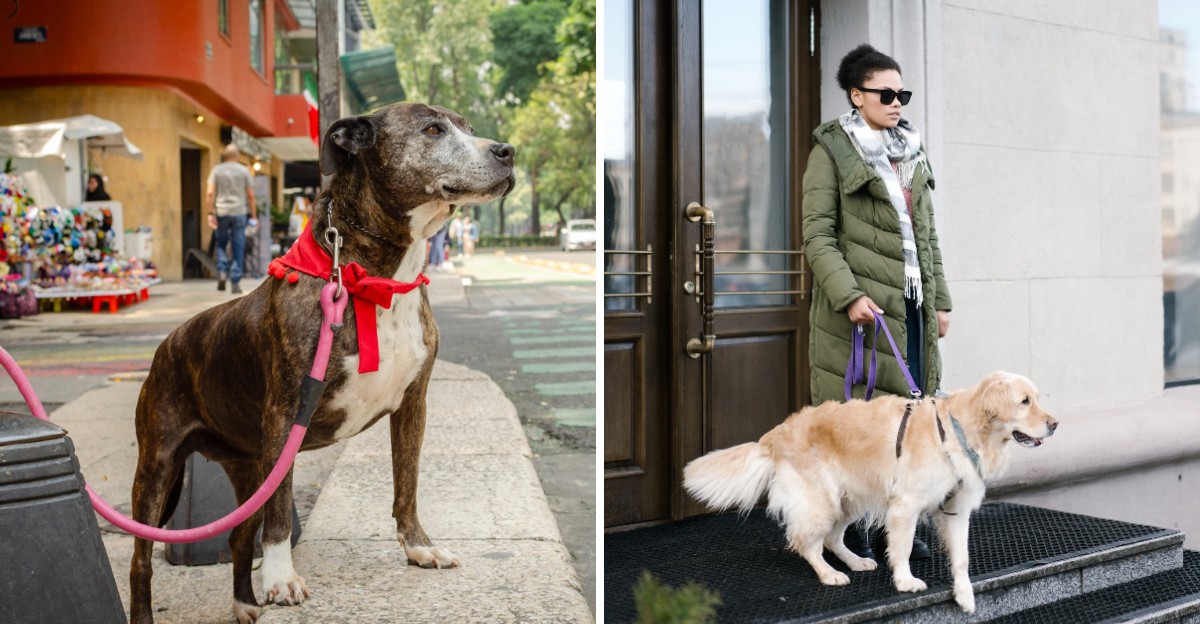
Life with a dog in New York means sharing tight spaces every single day. Your pup meets neighbors in hallways, strangers in elevators, and crowds on busy sidewalks.
The good news is that a few practical skills make all of it calmer and safer. Think of this as friendly advice from someone who has walked these same city blocks.
With patience and small daily practice, any dog can learn to handle city living with confidence.
1. Loose-Leash Walking on Crowded Sidewalks
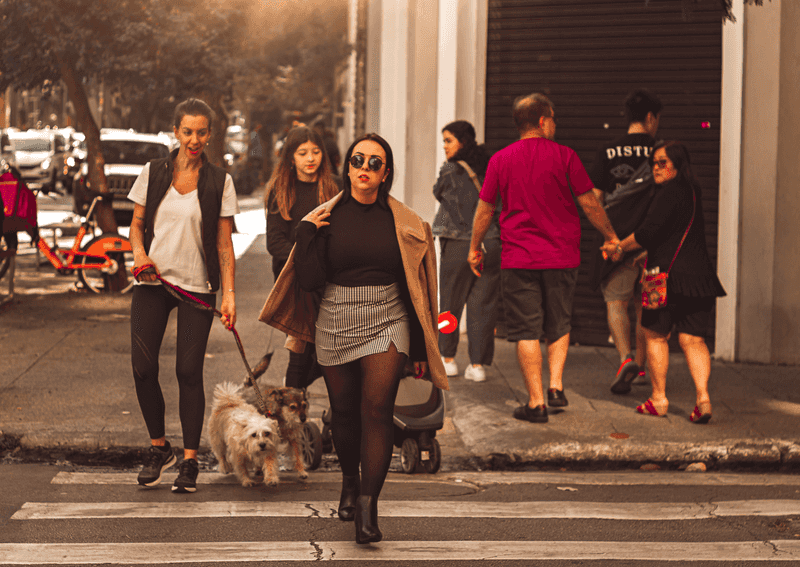
Picture a rush-hour block in Midtown. A dog yanking forward makes every step harder for you and everyone nearby.
A slack leash keeps the walk smooth and safe.
NYC law requires dogs in public to be leashed, with leashes no longer than six feet. Practice on your real daily route, rewarding your dog whenever the leash stays loose.
A front-clip harness can help with pulling while training catches up. Small wins add up quickly.
2. Staying Close in Tight Spaces
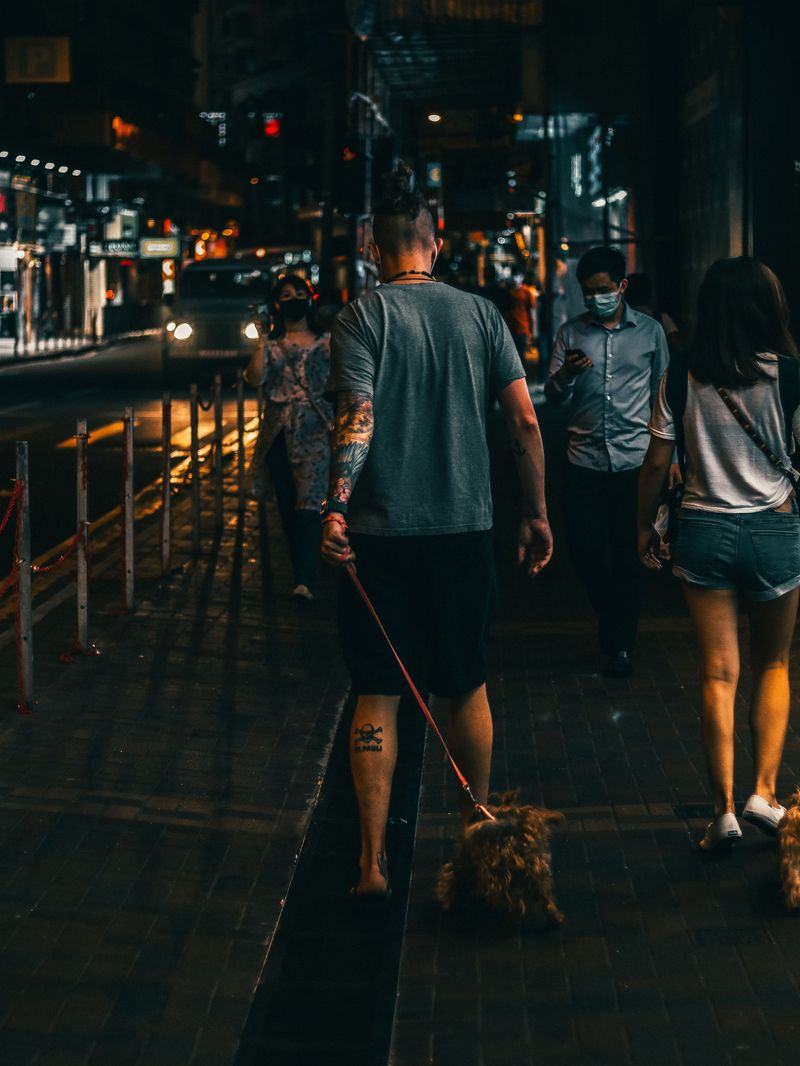
Scaffolding tunnels shrink sidewalks to half their width. In spots like that, your dog needs to tuck in right beside your leg.
Start by rewarding your dog for standing next to you at home. Then add short steps forward, treating every few paces while your pup stays close.
Choose one side and stick with it. Consistency helps your dog know exactly where to be.
Soon, narrow paths will feel easy for both of you.
3. Waiting Calmly at Doors
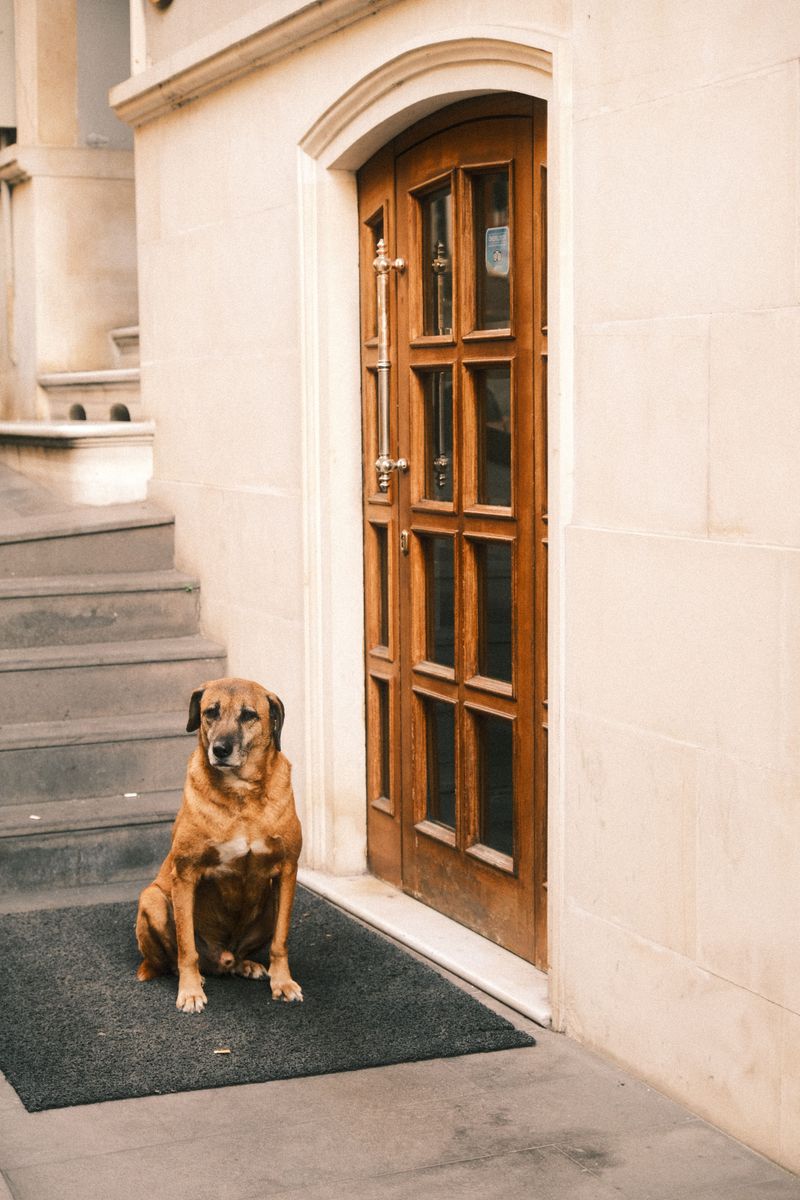
Doors open onto surprises. A neighbor, a delivery worker, or another dog might be right outside.
Teach your dog to pause until you give a release word. The position matters less than the calm.
Many trainers wait for eye contact, then say the cue to move forward.
If your dog rushes, simply close the door gently and try again. Within a week, most dogs understand that patience opens doors.
4. Polite Waiting for Elevator Doors
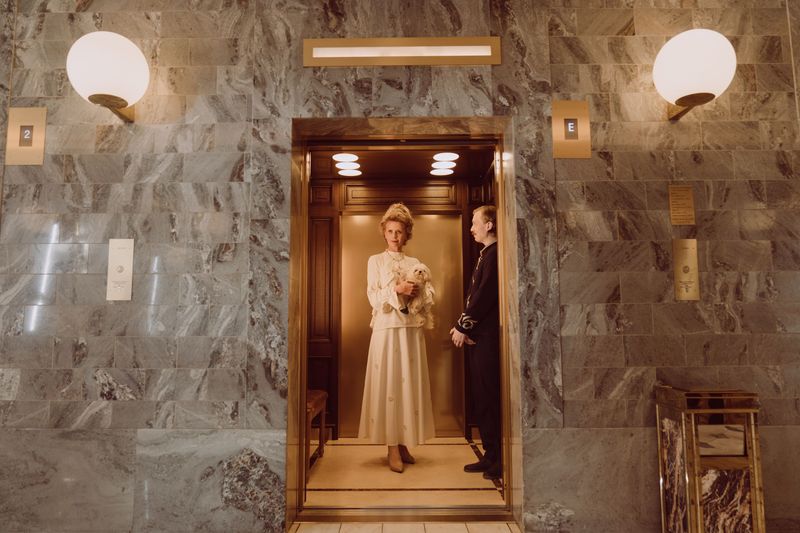
Lobbies are small stages full of action. Packages arrive, people chat, and the elevator dings without warning.
Ask your dog to settle a few feet back from the elevator doors. That space gives exiting riders room and keeps your pup out of the rush.
Bring tiny treats and reward quiet waiting. Practice during slow times first, like midmorning.
Gradually try busier hours as your dog grows comfortable.
5. Entering and Exiting Elevators on Cue
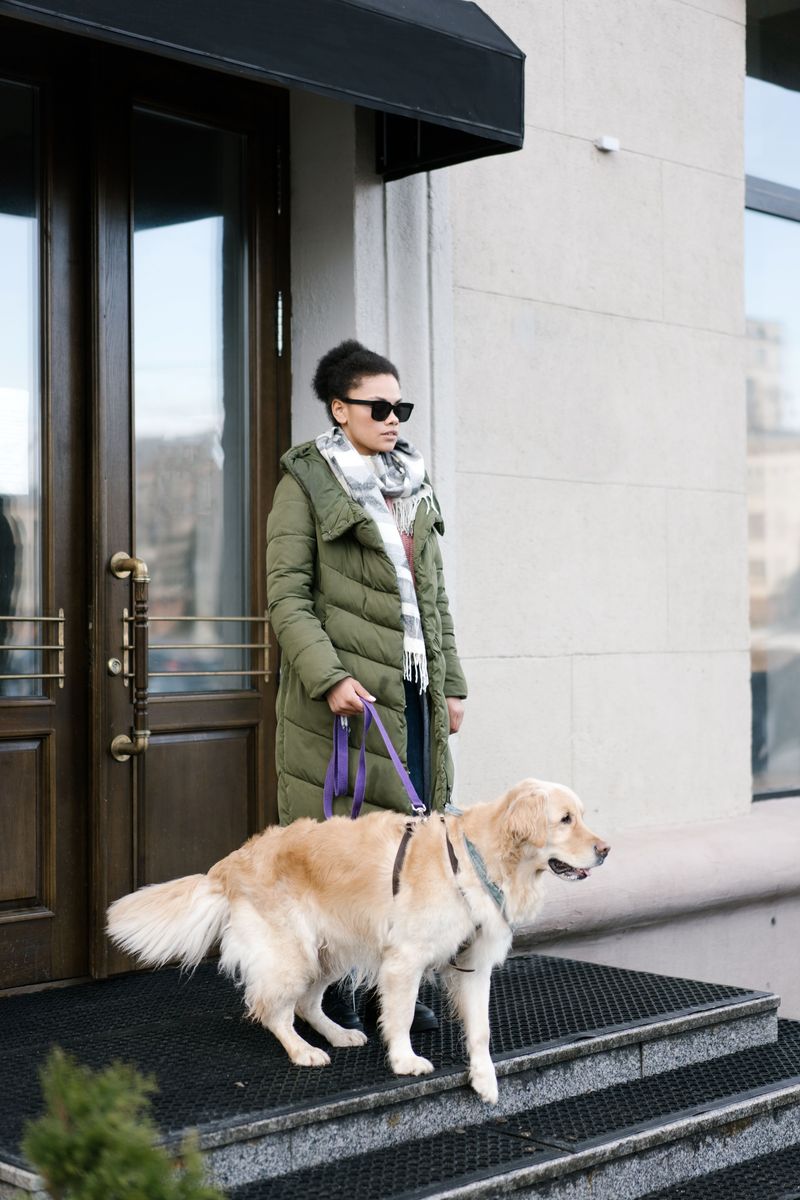
Elevator doors do not wait forever. A dog that hesitates or bolts can cause awkward moments for everyone.
Pick a clear word like “in” or “out” and use it every time. Step through together, keeping the leash short so it never trails across the doorway.
Practice when the elevator is empty. A cooperative doorman or neighbor may hold the door during early sessions.
Calm, confident transitions are the goal.
6. Riding the Elevator Calmly
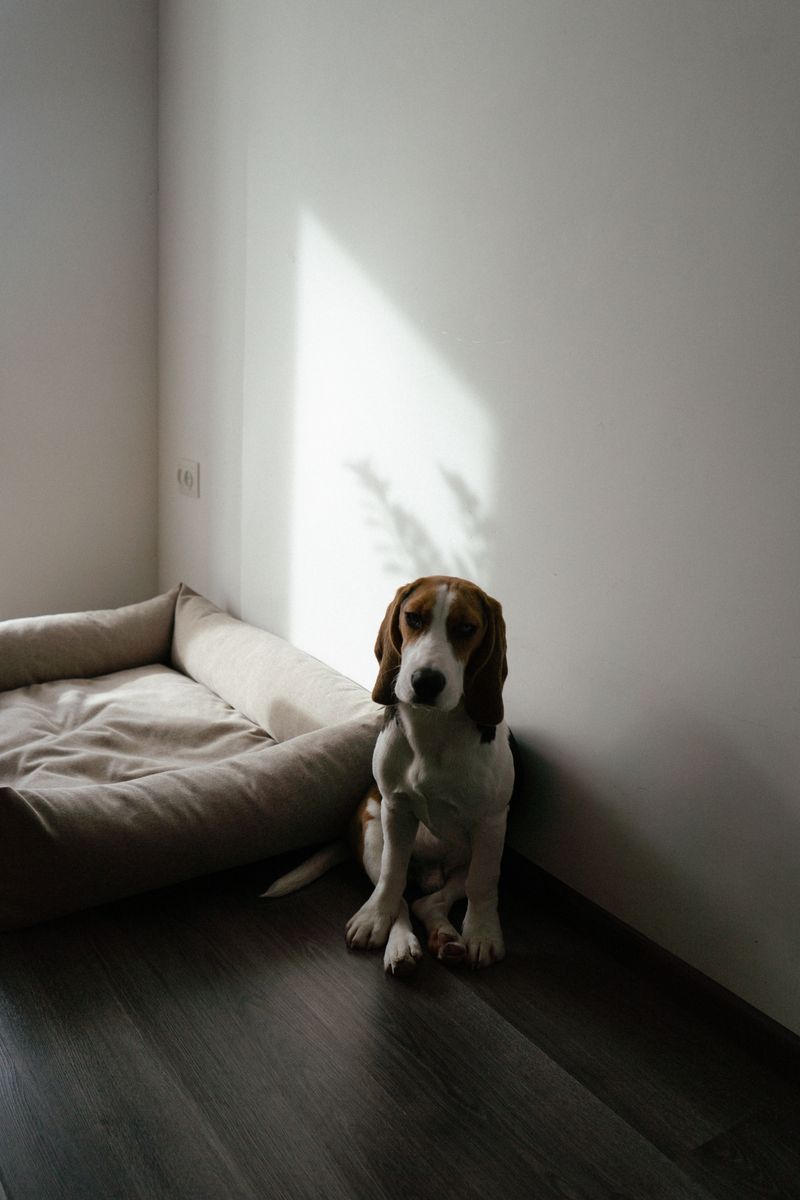
Thirty seconds can feel long in a small box. A dog that sits or stands quietly makes every ride pleasant.
Position your dog in a back corner, with your body between your pup and the door. Keep the leash short and reward stillness.
When an elevator is packed, especially with kids, waiting for the next one is kind. Some buildings have pet rules for elevators, so check with management.
7. Staying Neutral Around Elevator Strangers
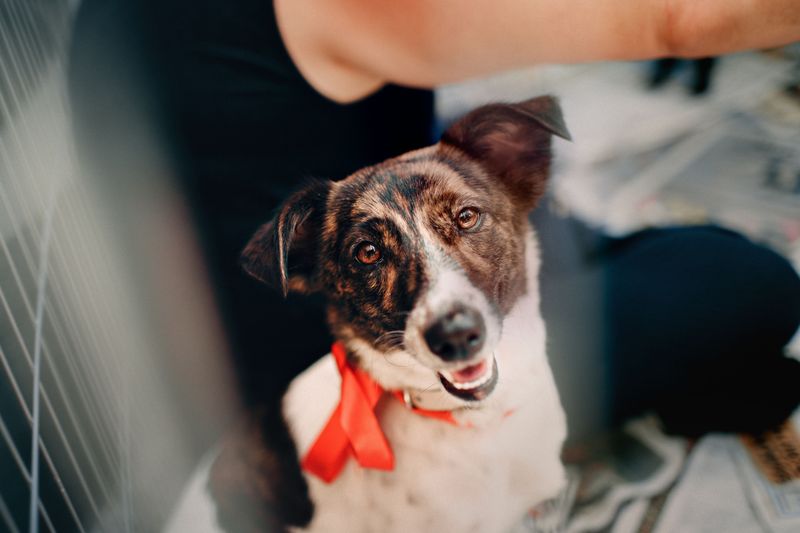
Not every neighbor loves dogs. Some feel nervous, and others may have allergies.
Neutral means your dog notices people but does not sniff, jump, or stare. Reward your pup for looking at you instead of the stranger.
Short, friendly practice helps, starting with one calm helper. A simple “we will keep to ourselves” smile to riders shows respect.
Everyone appreciates a dog with quiet manners in close quarters.
8. Passing Dogs in Narrow Hallways
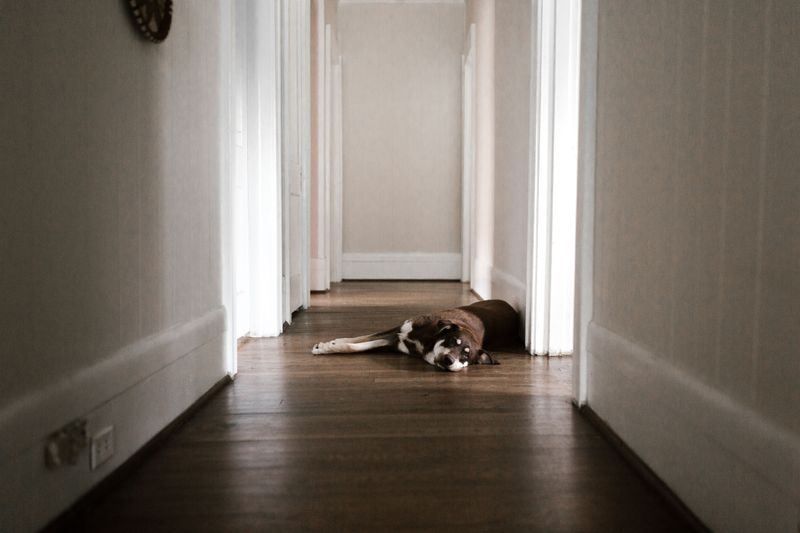
Hallways leave little room to spare. Two dogs meeting nose to nose can quickly feel tense.
Planning ahead is your best friend here. Step into a doorway nook or wait at the hall’s end as the other dog passes.
Keep greetings short or skip them, since tangled leashes cause trouble. Reward your dog for staying focused on you.
Over time, passing neighbors becomes routine rather than a big event.
9. Moving Aside for Neighbors
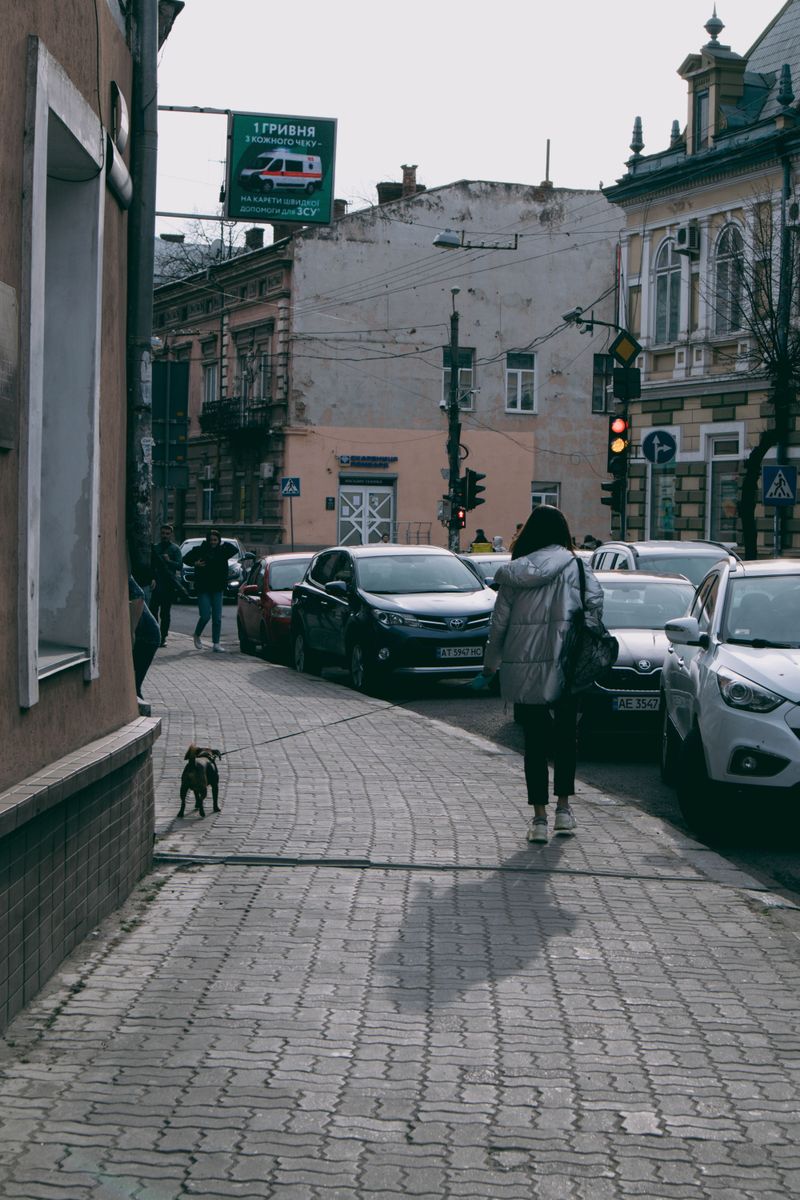
Good city manners mean sharing space. When people approach, dog owners usually yield first.
Teach a cue such as “side” that guides your dog toward a wall or curb. Reward a quick shift out of the walking lane.
Neighbors carrying groceries, pushing strollers, or using canes will notice your effort. Small courtesies build goodwill in your building.
Friendly neighbors make dog ownership much easier over the years.
10. Quieting Hallway Barking
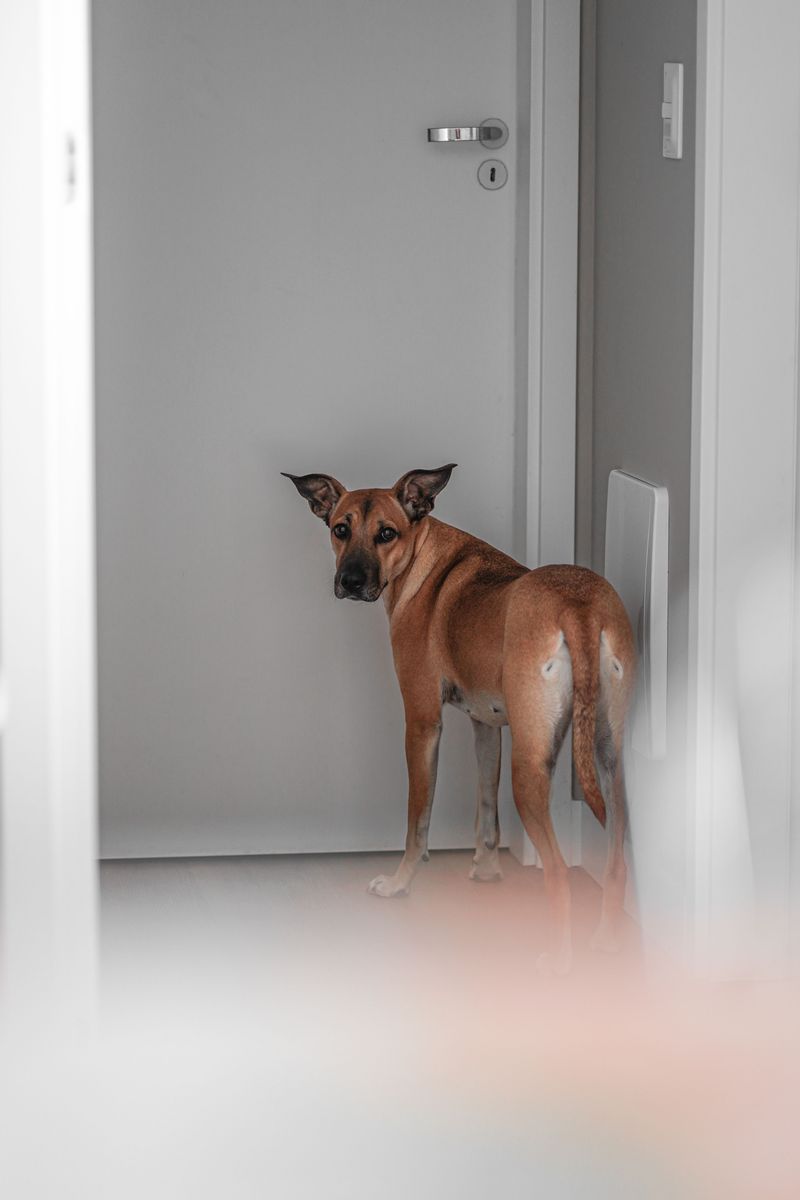
Footsteps, keys jingling, a door slamming down the hall. Apartment dogs hear it all.
First, figure out why your dog barks. Is it alert, worry, or excitement?
Then play recorded hallway sounds at low volume while offering treats.
Limiting access to the front door area can help too. Background music or white noise may soften sounds.
Neighbors share walls, so gentle progress here keeps everyone happier.
11. Answering to Their Name Amid Distractions
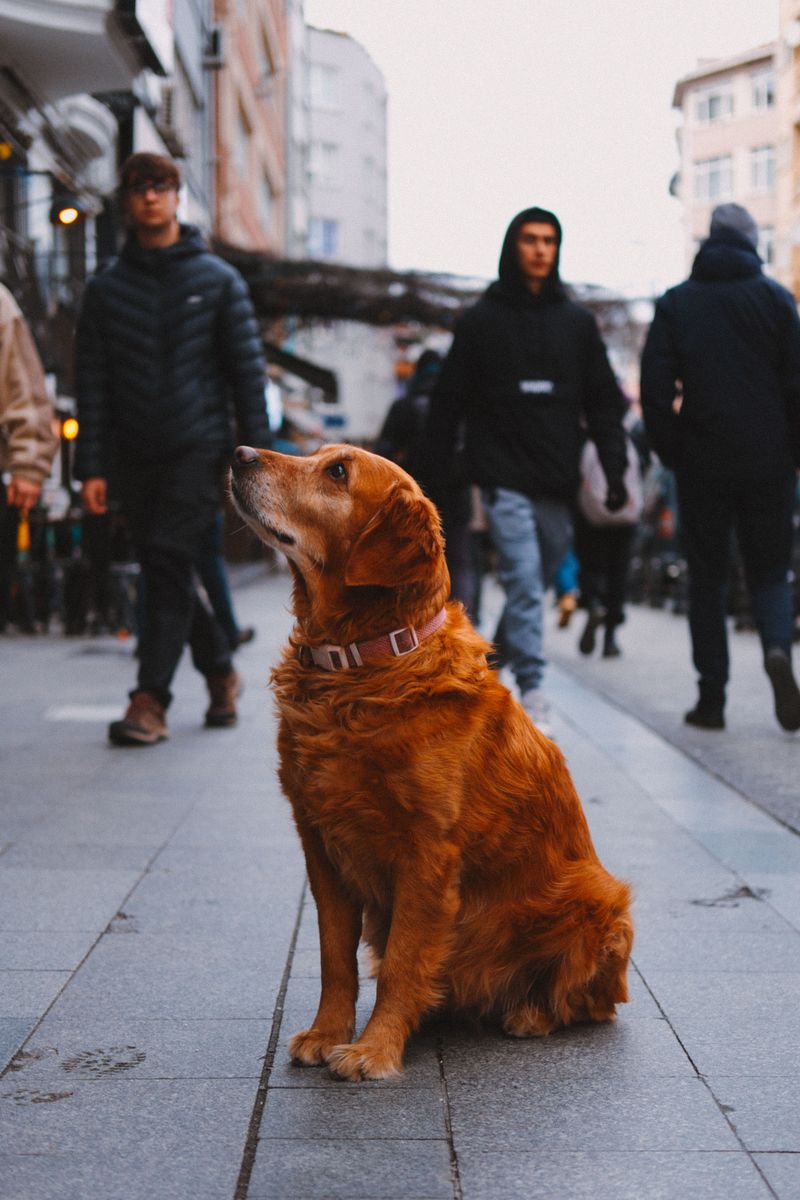
Your dog’s name should work like a doorbell. Say it, and attention snaps back to you.
Fun fact: dogs learn faster when their name always predicts good things. Never use it to scold.
Practice at home, then on quiet streets, then busier blocks. Reward every quick head turn.
A reliable response helps you guide your dog away from traffic, crowds, or tempting chaos within seconds.
12. Mastering Leave It Around Sidewalk Trash
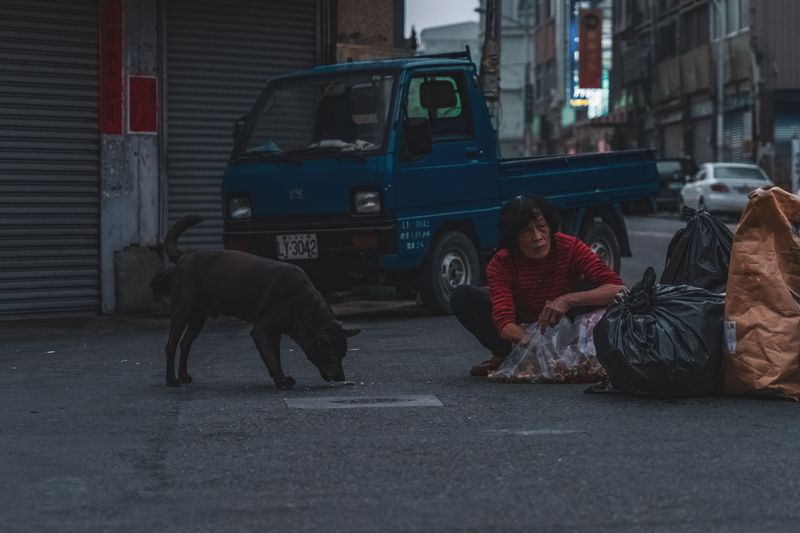
City sidewalks are full of dropped pizza crusts and chicken bones. Some of those finds can upset a dog’s stomach or cause bigger problems.
Start indoors with a treat under your hand. When your dog backs off, reward with something even better.
Slowly add real-world temptations.
For determined scavengers, a properly fitted basket muzzle is a safe management tool. Ask your vet or a trainer about fitting.
13. Letting Go With Drop It
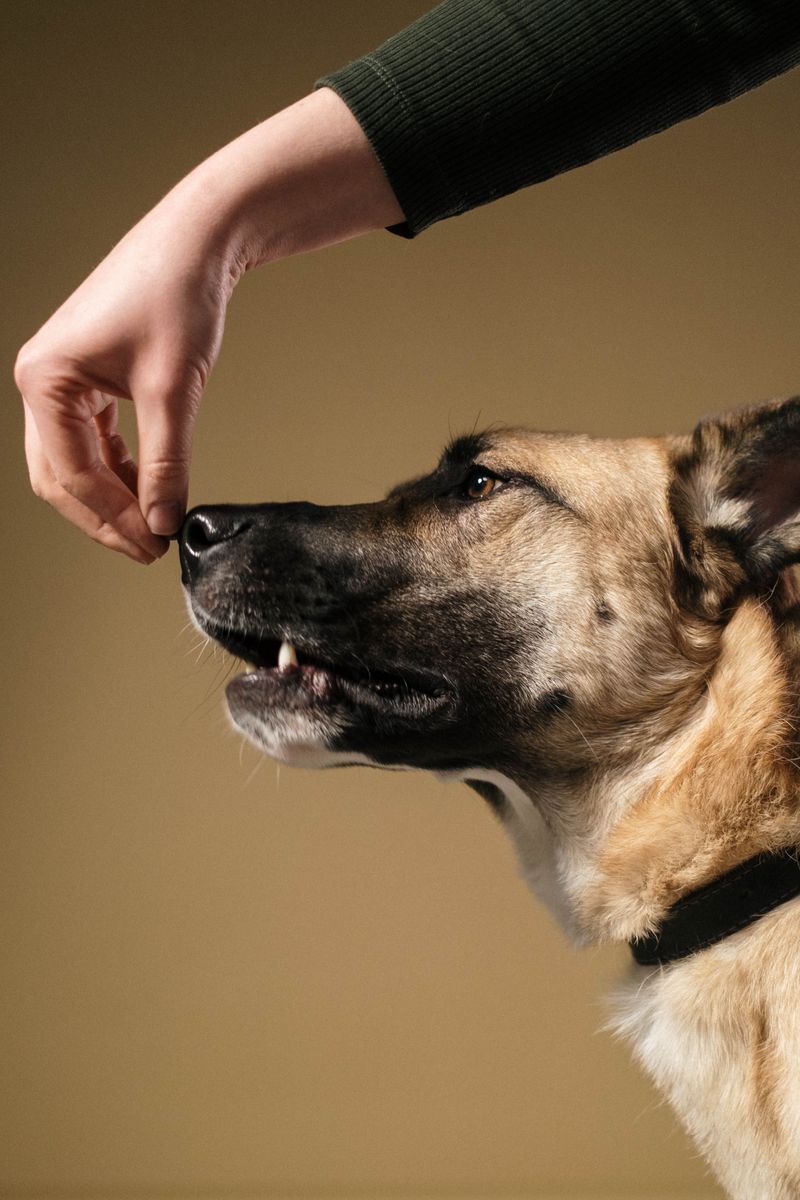
Sometimes the snatch happens too fast. Your dog already has something in its mouth.
That is where “drop it” shines. Practice by trading toys for tasty treats.
Say the cue, offer the reward, and praise the release.
Avoid chasing, since dogs often think it is a game. Keep trades frequent and fun.
A dog that drops items willingly is much easier and safer to walk.
14. Quick U-Turns on Cue
A loose dog ahead. A broken bottle.
A crowd blocking the path. Sometimes the smartest move is simply turning around.
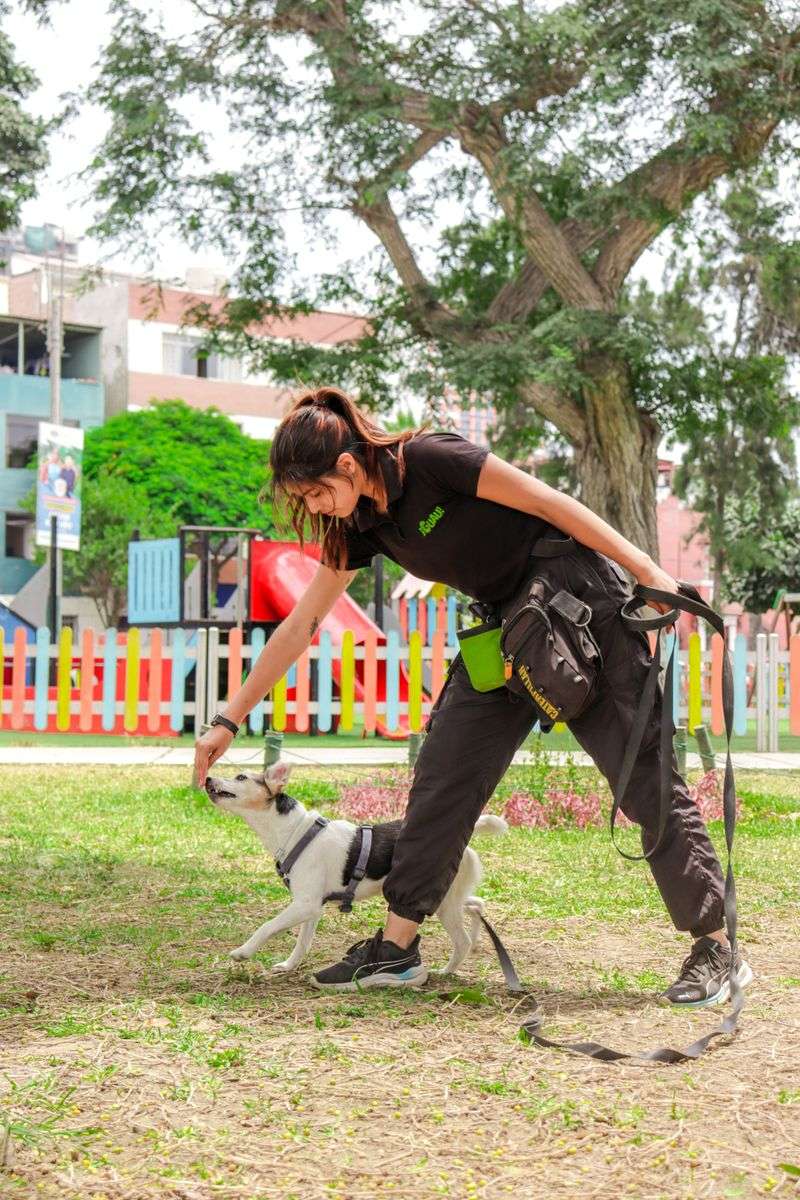
Teach a cheerful cue like “let’s go” and pivot away while your dog follows. Reward right after the turn.
Practice when nothing is happening so it feels like a game. Crossing the street or stepping into a doorway also creates distance.
Quick exits prevent many small conflicts.
15. Sit, Stay, and Settle on Request
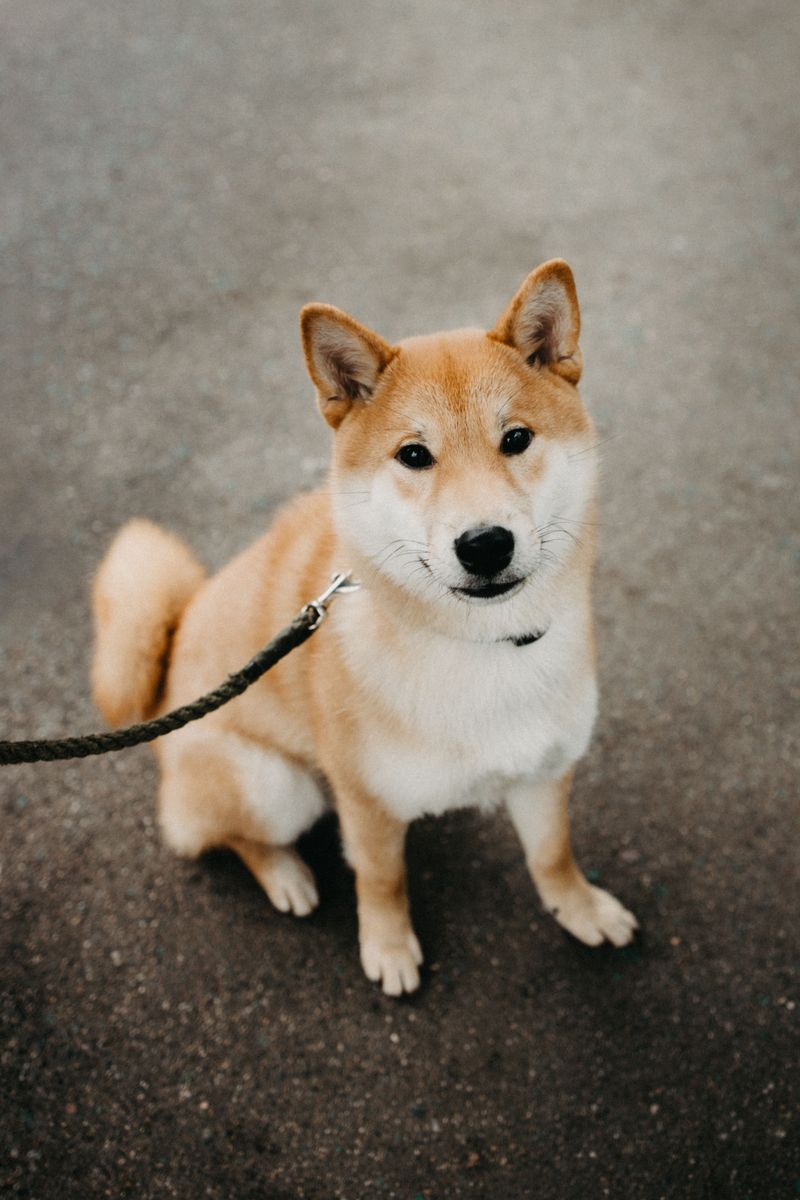
City life involves lots of pauses. You check mail, chat with the super, or wait for a friend.
Basic sit, stay, and settle cues turn those moments into calm breaks. Build duration slowly, starting with a few seconds.
A soft mat at home helps teach settling. Later, practice on park benches and lobby corners.
A dog that can relax anywhere becomes a welcome guest wherever you go.
16. Stopping at Curbs and Intersections
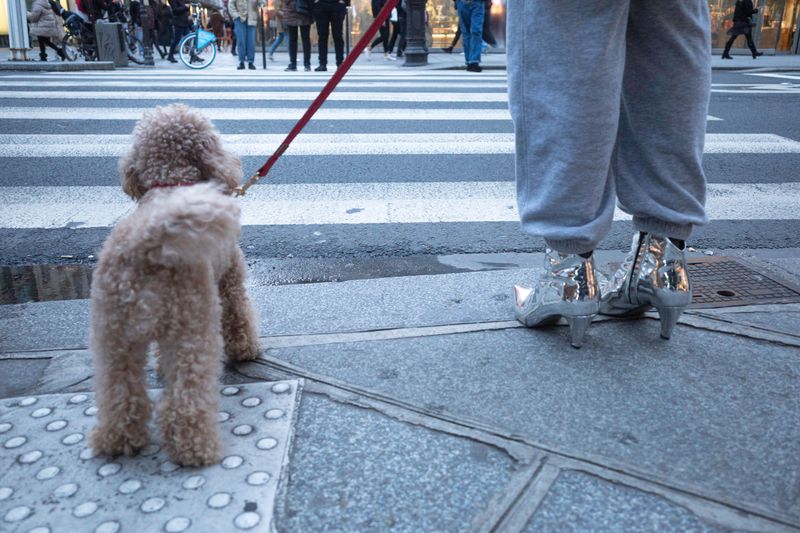
Every curb is a small checkpoint. Dogs should stop at the edge and wait for permission before stepping into the street.
A calm stand often works better than a sit at busy corners. Wet or dirty pavement makes sitting unpleasant anyway.
Start on quiet side streets. Pause, reward, then release with a clear word.
Repetition makes the habit automatic, even when you feel distracted.
17. Crossing Busy Streets Calmly
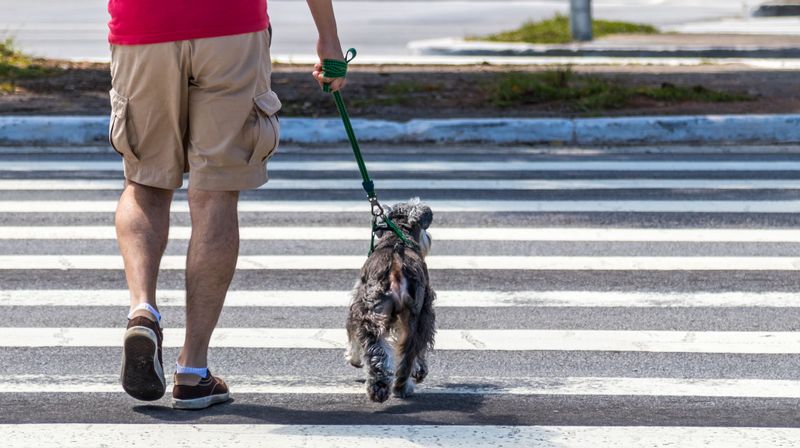
Yellow cabs, buses, and bikes fill every lane. Crossing calmly keeps your dog steady and safe.
Position yourself between your dog and oncoming traffic. Walk at an even pace, with the leash short but relaxed.
Reward once you reach the far side. That ties together the whole sequence: stop, wait, cross.
Always follow crosswalk signals yourself. Your dog learns calm partly by watching your steady example.
18. Keeping Cool Around City Noise
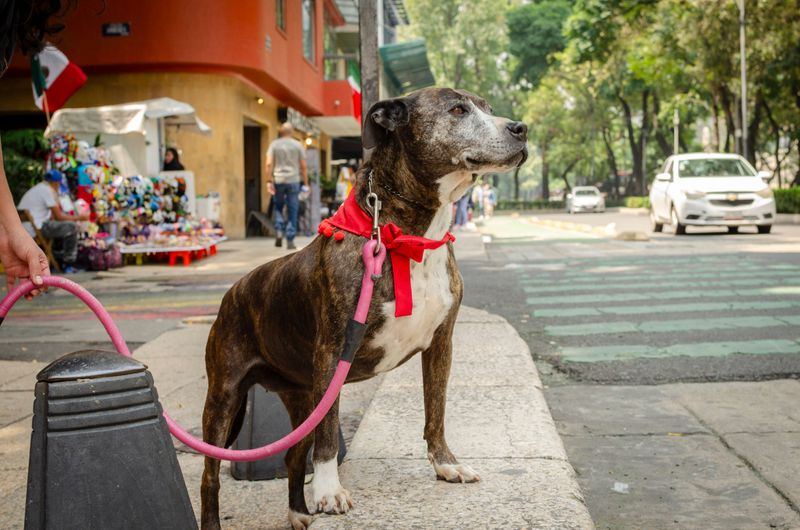
Did you know dogs hear sounds at much higher frequencies than people? Sirens and jackhammers can feel huge to them.
Desensitization helps a lot. Play recordings of horns, trains, and drills at low volume while sharing treats.
Raise the volume very gradually.
At home, offer a quiet safe spot with a cozy bed. If fear seems strong, talk with your veterinarian or a certified trainer for added support.
19. Ignoring Bikes, Scooters, Strollers, and Carts
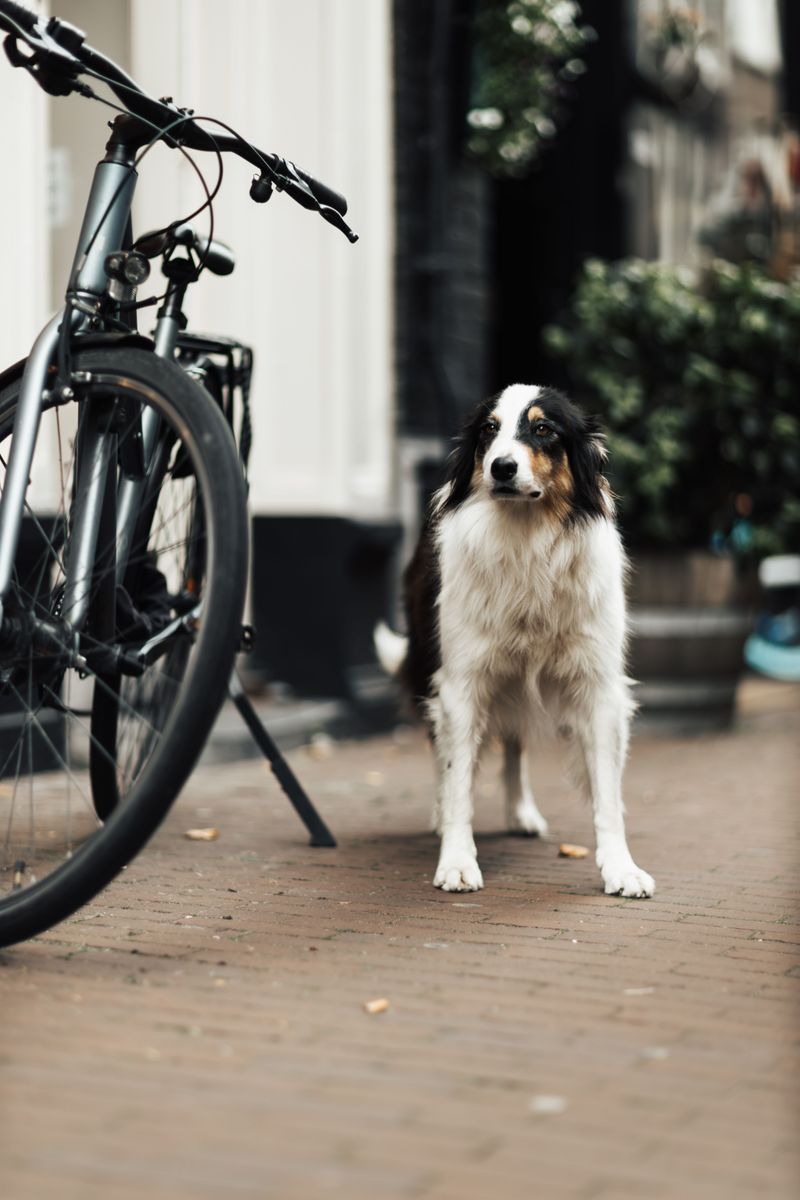
Wheels are everywhere in this city. Delivery bikes zip by, scooters glide past, and strollers roll right beside you.
Moving objects can trigger chasing or lunging. Reward your dog for checking in with you whenever wheels appear.
Begin at a distance, maybe across a quiet park path. Move closer as your dog stays relaxed.
This skill builds naturally on loose-leash walking and good focus.
20. A Reliable Outdoor Potty Routine
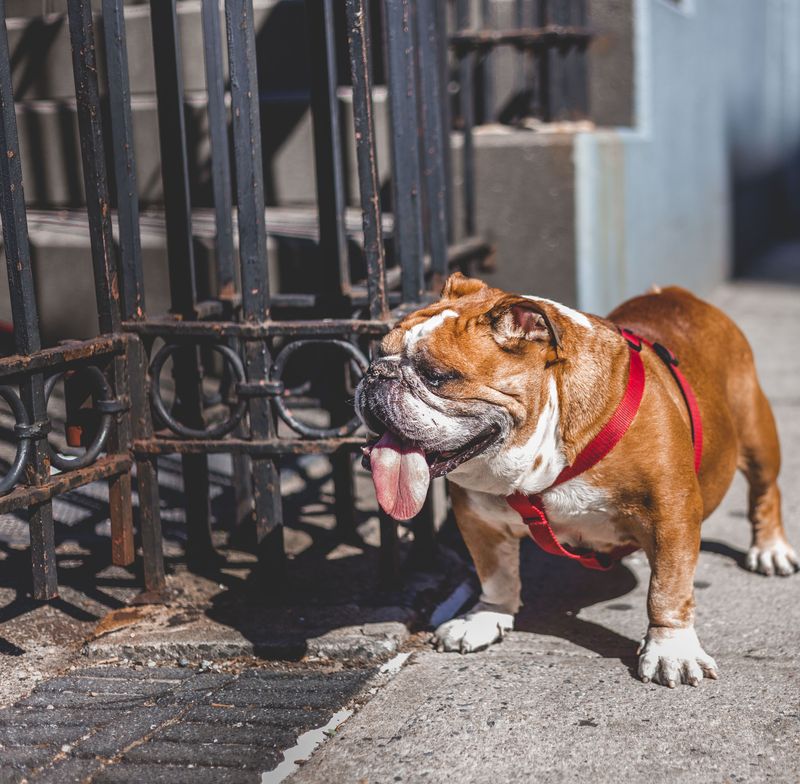
Grass is rare on many city blocks. Apartment dogs often learn to go on pavement near the curb.
Set a steady schedule, such as after waking, meals, and bedtime. Use the same spot and a calm cue word.
NYC’s pooper scooper law requires owners to clean up, with fines possible. Bagged waste can go in trash or public litter baskets, not compost or recycling bins.