19 Everyday Illinois Dog Routines That Change Between Chicago And Farm Country
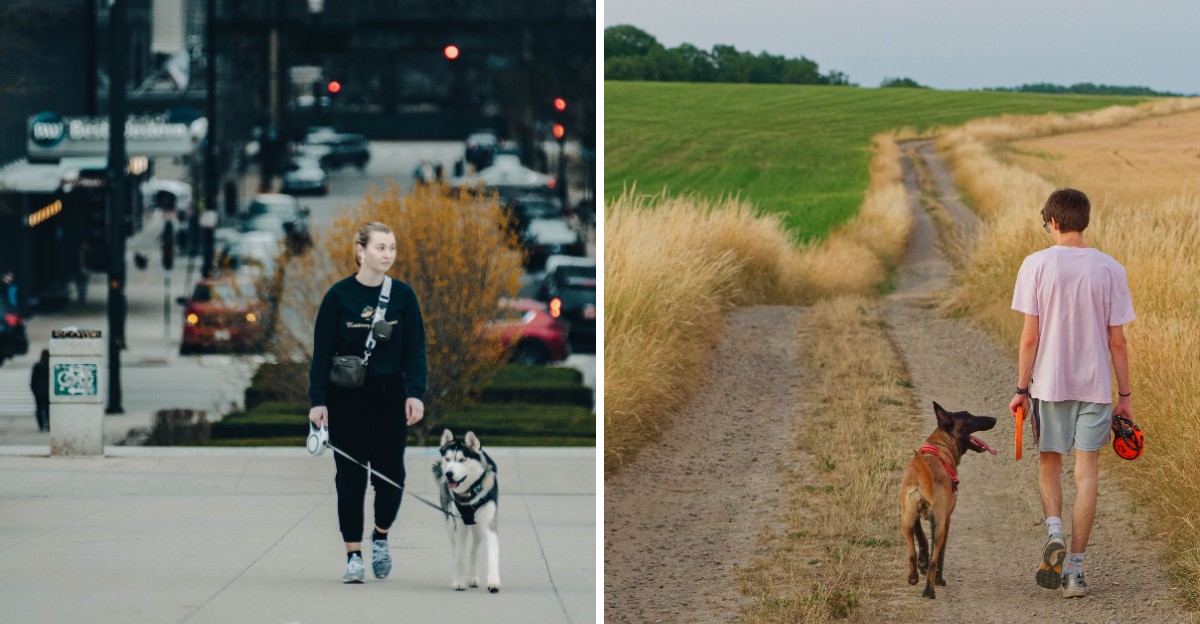
Illinois is one state, but a dog’s day can look very different from place to place. A pup in a Chicago apartment and a pup on a central Illinois farm follow two separate rhythms.
Knowing those differences helps you keep your dog safe, happy, and well-behaved wherever you live. Here is a friendly guide to the daily habits that shift between city blocks and open fields.
1. Dog Park Days Or Open Acres
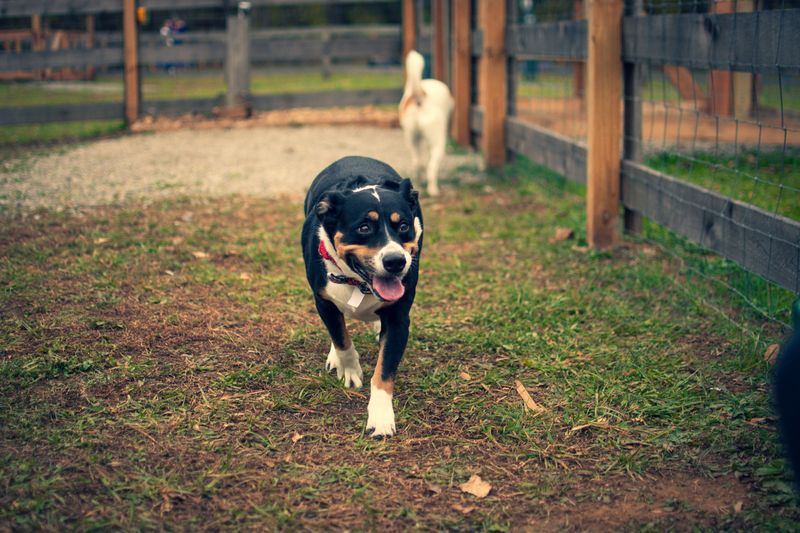
Ever noticed the bright tags on dogs at Chicago dog parks? Those are permits for the Park District’s dog-friendly areas, usually obtained through participating veterinarians.
Without a valid tag, owners risk a fine. Rules can change, so confirm current details with the Chicago Park District.
Farm country pups tend to stretch their legs on family property. Some rural owners also rent private dog fields for safe, fenced play.
2. Bag Dispensers And Designated Potty Spots
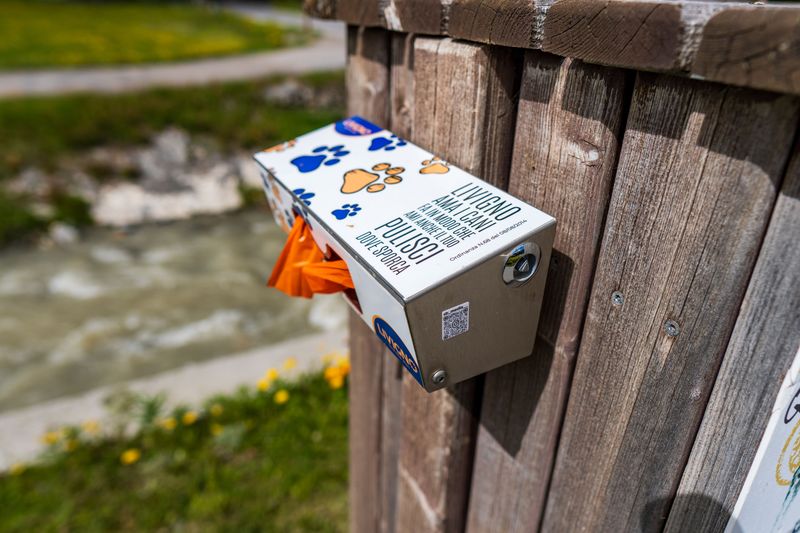
City owners rarely leave home without a roll of bags. Chicago requires prompt cleanup of dog waste on public property or anyone else’s land.
Fines apply when owners skip it, and neighbors definitely notice.
Farm owners often train dogs to use one corner of the yard. Clean it regularly anyway.
Waste can carry parasites and bacteria that wash into soil and water, including wells and ponds.
3. Built-In Crowds Versus Planned Meetups
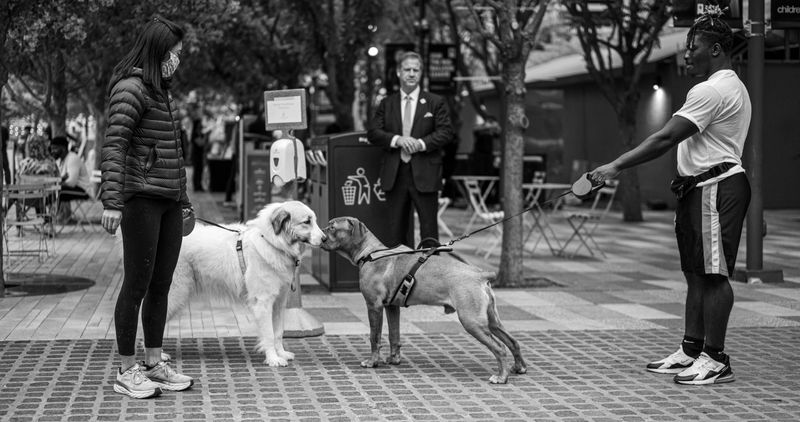
A ten-minute Chicago walk might bring dozens of new faces. That steady exposure helps many city dogs feel relaxed around people.
Still, strangers sometimes reach to pet without asking. Feel free to politely say no if your dog needs space.
Farm dogs may meet fewer visitors. Plan trips to town, pet-friendly stores, or training classes.
Gentle, regular outings keep them confident when company arrives.
4. Squirrels Downtown, Deer In The Treeline
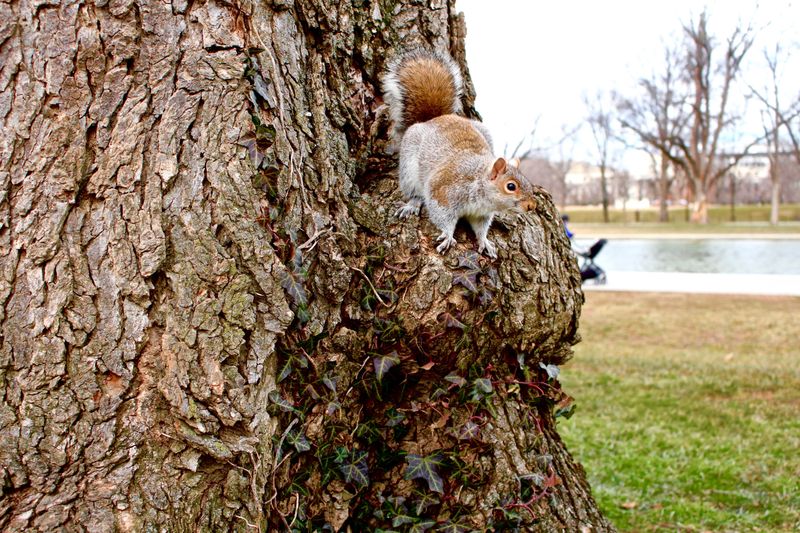
Squirrels practically run the show in Chicago parks. Rabbits and the occasional coyote also share city spaces, so keep leashes snug at dawn and dusk.
Country dogs see a wider cast. Deer, raccoons, groundhogs, and wild turkeys pass through fields and woods.
Know what lives near you. Keep vaccines current, including rabies, and ask your vet about any regional concerns.
Distance is always the friendliest choice.
5. Tick Checks After Every Field Adventure
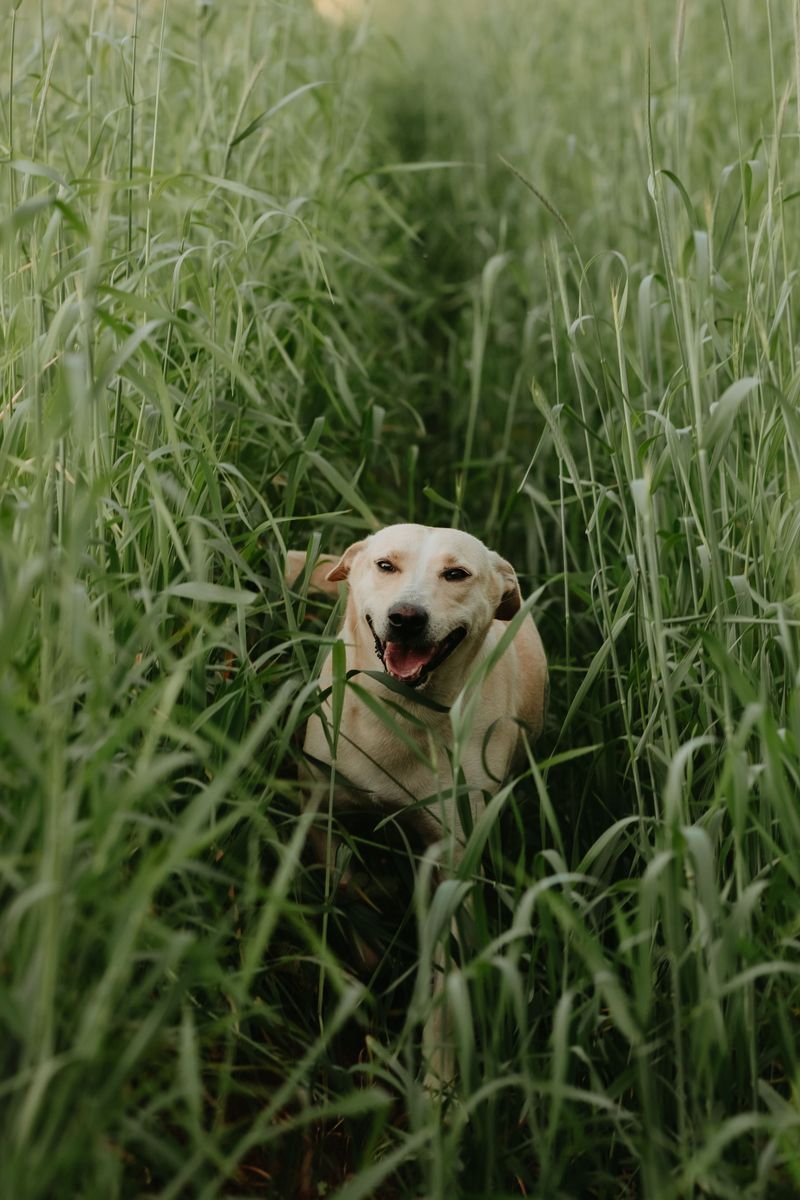
Illinois is home to at least 15 tick species. Blacklegged ticks, which can spread Lyme disease, are established in many counties.
Farm dogs brush through tall grass and woods often, so their exposure tends to be higher. Activity peaks in late spring and summer, though adult deer ticks stay busy into fall.
Run your hands over ears, toes, armpits, and collar areas. Ask your vet about prevention products.
6. Sidewalk Strolls Versus Backyard Breaks
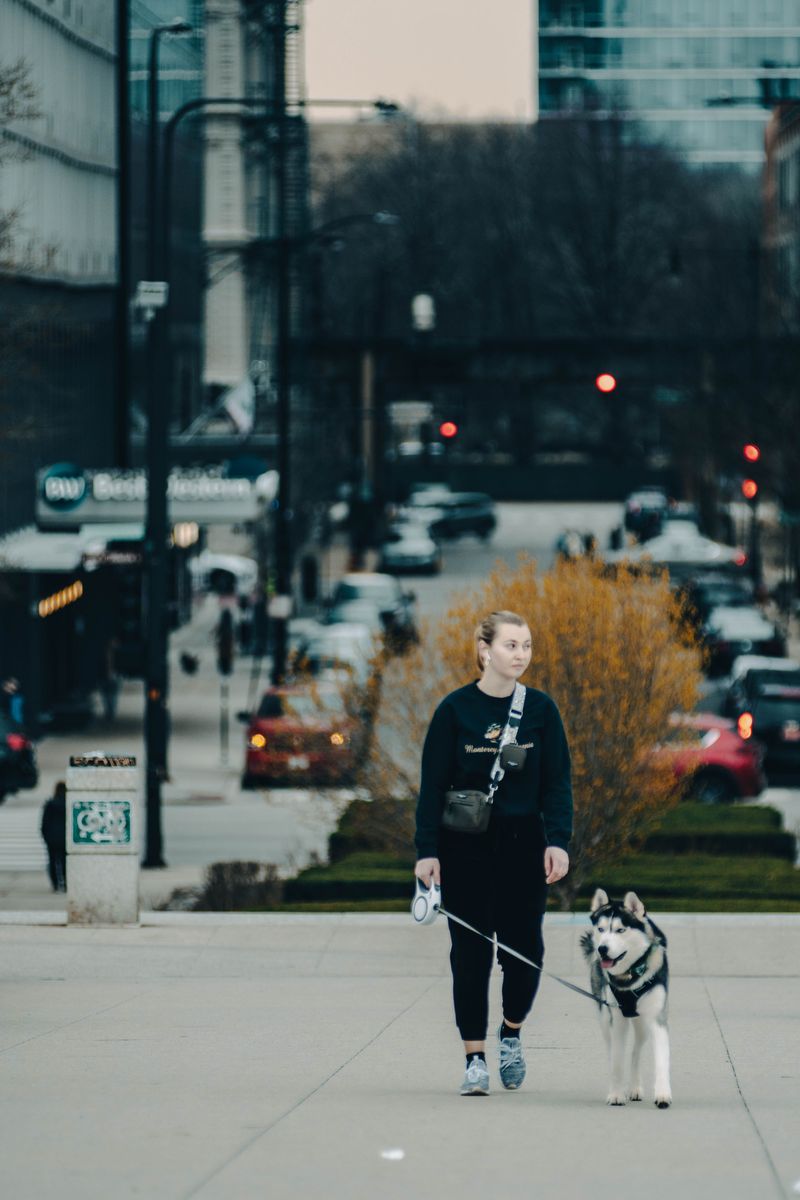
Picture a Chicago morning: a dog, a leash, and a long stretch of concrete. City pups often handle bathroom breaks and exercise on public sidewalks several times a day.
Farm dogs usually step out the back door into a private yard. That convenience is lovely, but yard time alone may not burn enough energy.
Wherever you live, aim for daily walks that mix movement with sniffing. Both give dogs real mental and physical exercise.
7. Leash Rules In Town, Supervised Freedom Out There
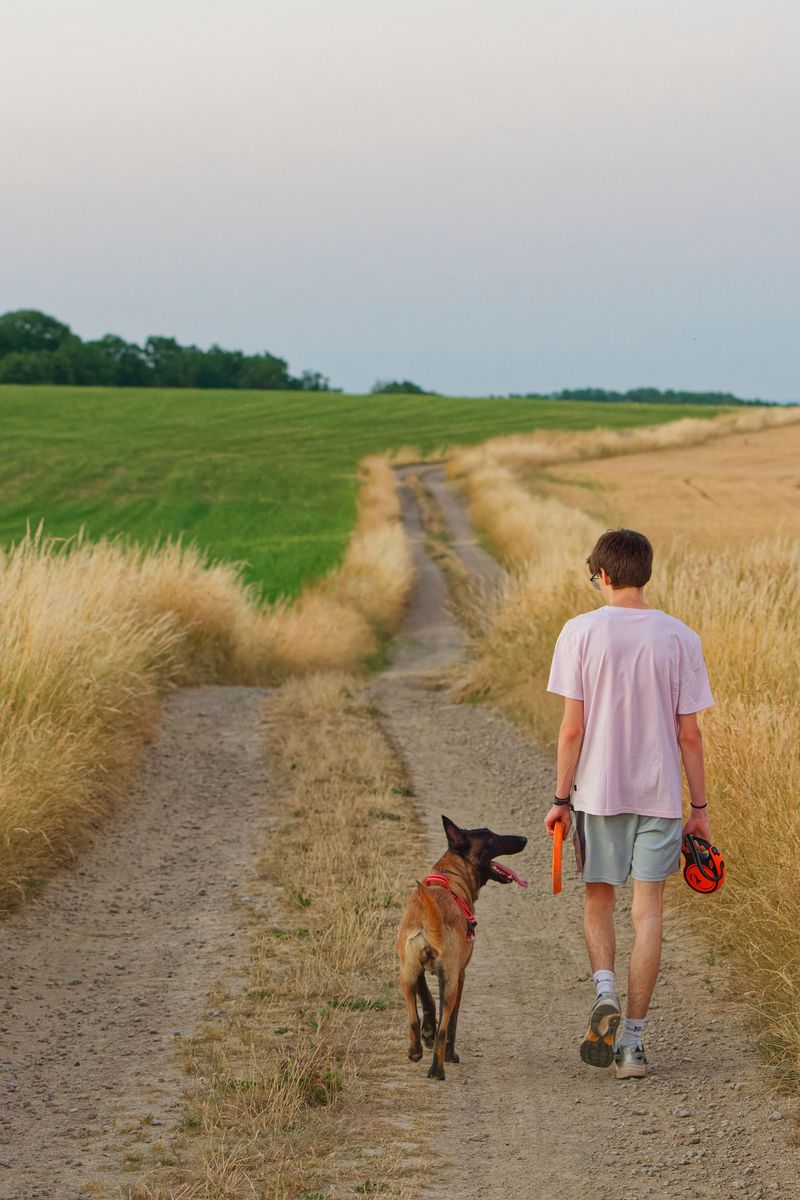
Chicago keeps things simple: dogs on public property must be leashed, with leashes no longer than six feet. Off-leash play is allowed only in designated dog-friendly areas.
Illinois has no single statewide leash law. Counties and towns set their own rules, so check your local ordinance.
On private farmland, some owners let dogs roam under supervision. Secure boundaries matter, since a wandering dog can reach roads or neighbors quickly.
8. Salty Paws Or Muddy Paws
Chicago winters bring heaps of road salt and de-icers. Those crystals can irritate paw pads and upset stomachs if licked off.
Try booties or paw balm before walks. Afterward, rinse and dry feet thoroughly, including between toes.
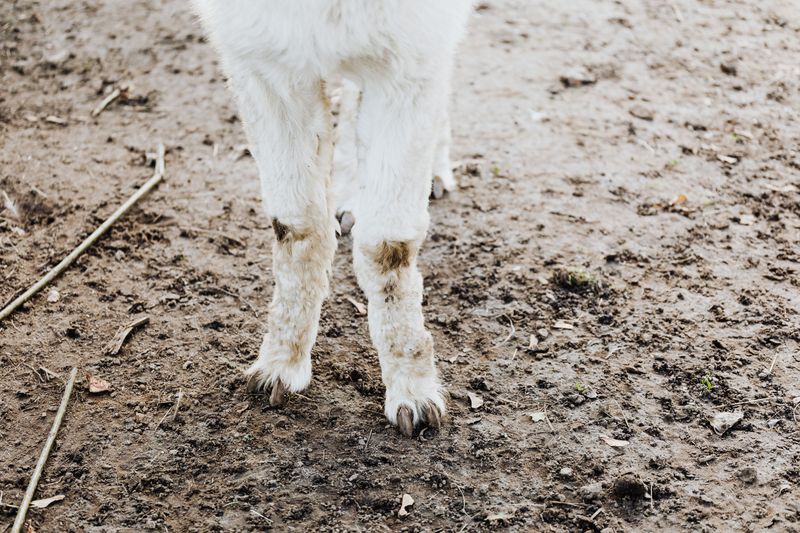
Farm dogs face a messier challenge: mud. Spring thaw turns fields soupy.
Keep a towel and shallow rinse tub by the door to protect floors and skin.
9. Good Manners Around Chickens And Cattle
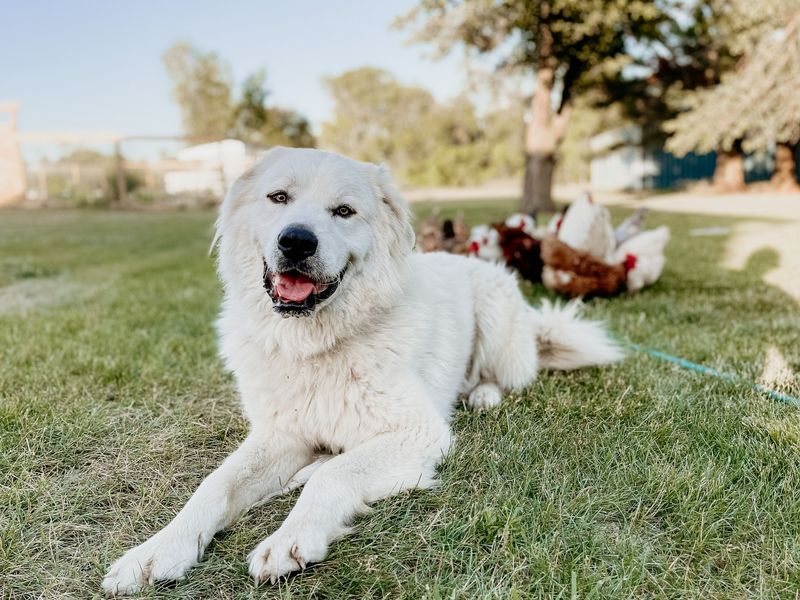
Chickens flapping in the yard can look like a fun game to an untrained pup. Calm manners around livestock take time and patience.
Start on a leash at a comfortable distance. Reward quiet watching, then slowly move closer over many sessions.
Never leave new dogs alone with poultry or cattle. Large animals can kick, and chasing stresses flocks.
A local trainer with farm experience can be very helpful.
10. Sirens On The Block, Engines In The Field
Wailing sirens, rumbling trains, and construction noise fill Chicago days. Some dogs shrug it off, while others feel uneasy.
Pair sudden sounds with treats and a calm voice. Offer a cozy crate or quiet room as a retreat.
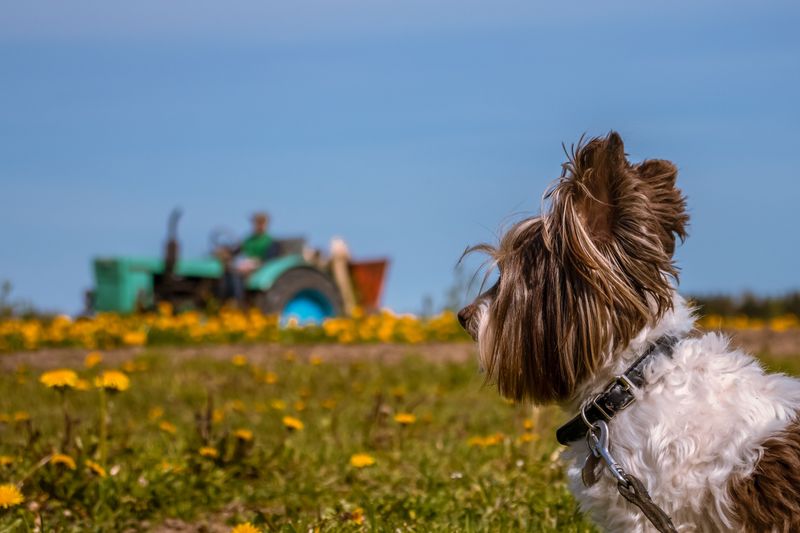
Farm dogs hear tractors, grain dryers, and combines instead. Gradual, positive exposure works there too.
Keep sensitive dogs inside during harvest if loud equipment runs nonstop.
11. Gate Latches And Long Fence Lines
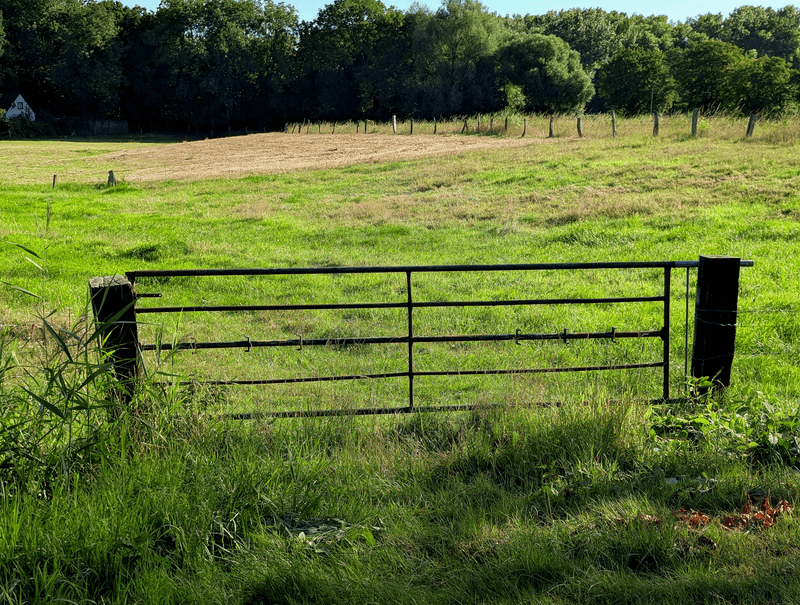
One unlatched gate can send a city dog onto a busy street. Chicago owners benefit from a quick latch check every single time.
Farm properties stretch much farther. Walk fence lines regularly, looking for gaps, sagging wire, or spots dug underneath.
Storms and curious wildlife often cause damage. Pair any fencing with a microchip and current ID tag, just in case your adventurer slips through.
12. Vet Down The Street Or Across The County
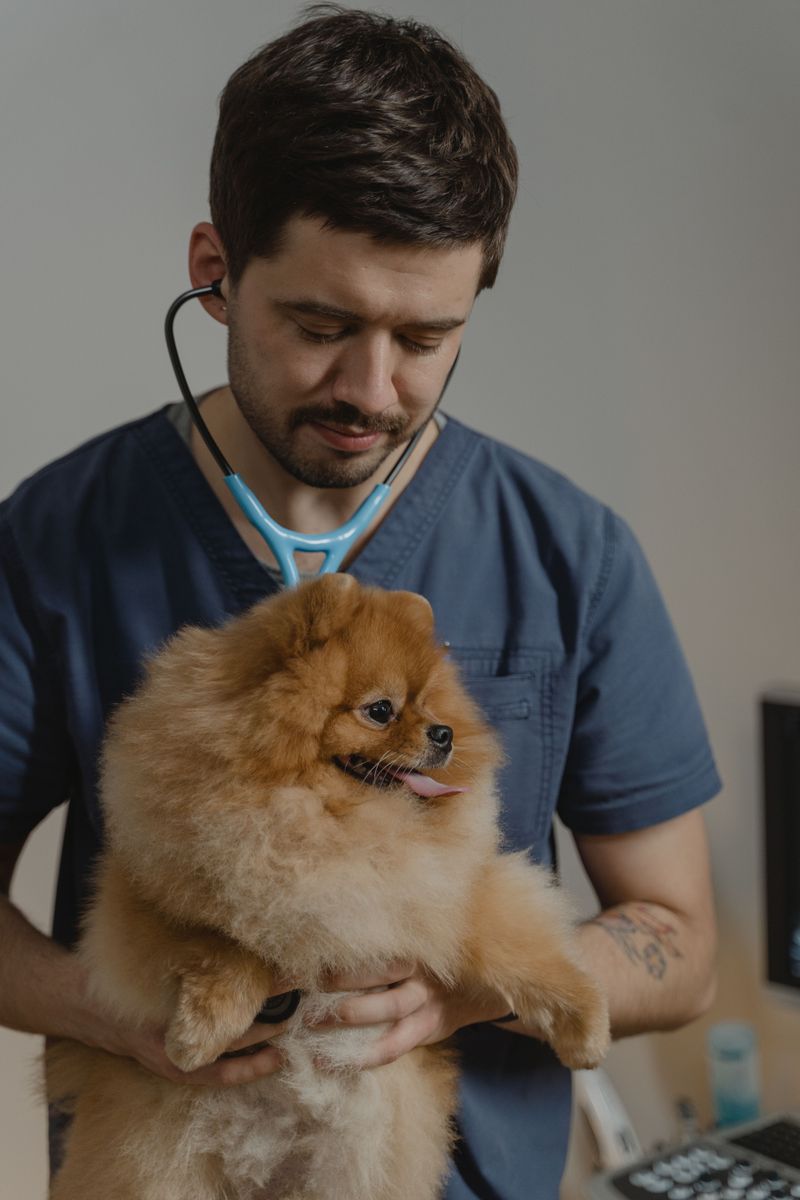
In Chicago, a vet clinic may sit just a few blocks away. Emergency hospitals are also fairly easy to reach.
Rural owners might drive much longer for care. That distance makes preparation especially valuable.
Save the nearest emergency clinic’s number and address in your phone. Keep a basic pet first aid kit at home.
Schedule routine checkups ahead so vaccines and refills never slip.
13. City Grime Meets Country Burrs
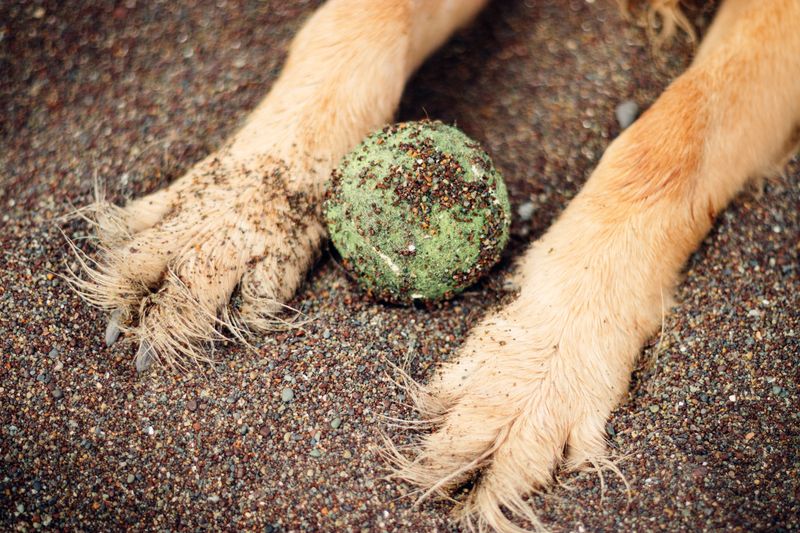
Grooming looks surprisingly different by zip code. City coats pick up sidewalk dust, oily grime, and winter residue.
A quick wipe of paws and belly after walks keeps that from being licked off. Watch for tiny glass cuts too.
Country coats gather burrs, seeds, and sticky plant bits. Brush long-haired dogs after field time.
Check between toes, since seeds can work into skin.
14. Street Snacks And Farm Chemicals
Curious noses find trouble everywhere. Chicago sidewalks may hold dropped chicken bones, wrappers, or gum containing xylitol, which is toxic to dogs.
A solid leave it cue helps a lot on city walks.
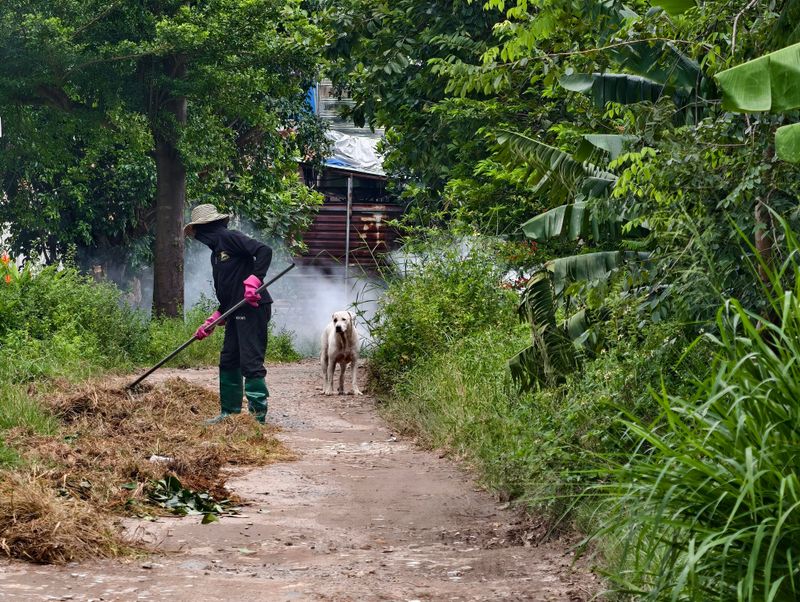
On farms, store pesticides, herbicides, fertilizer, antifreeze, and rodent bait well out of reach. Keep dogs away from freshly treated fields.
If you suspect exposure, call your vet or a pet poison hotline right away.
15. Easy Playdates Or Thoughtful Invitations
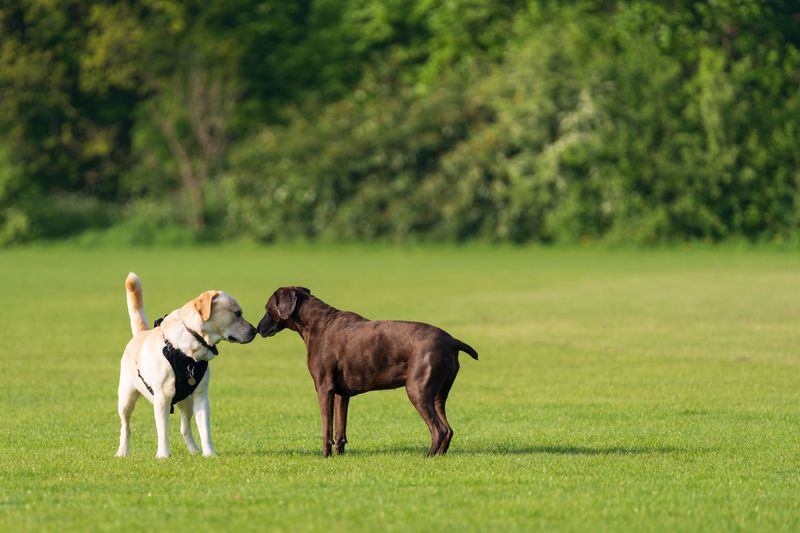
Chicago dog lovers often bump into the same friendly crowd at their neighborhood dog area. Regular buddies form almost naturally.
Rural pups may need an owner who plays social director. Invite a calm neighbor dog over, or meet at a rented private field.
Introduce new friends on neutral ground first. Keep early sessions short and upbeat.
Some dogs prefer one good pal over a big group, and that is perfectly fine.
16. Recall Practice With Different Distractions
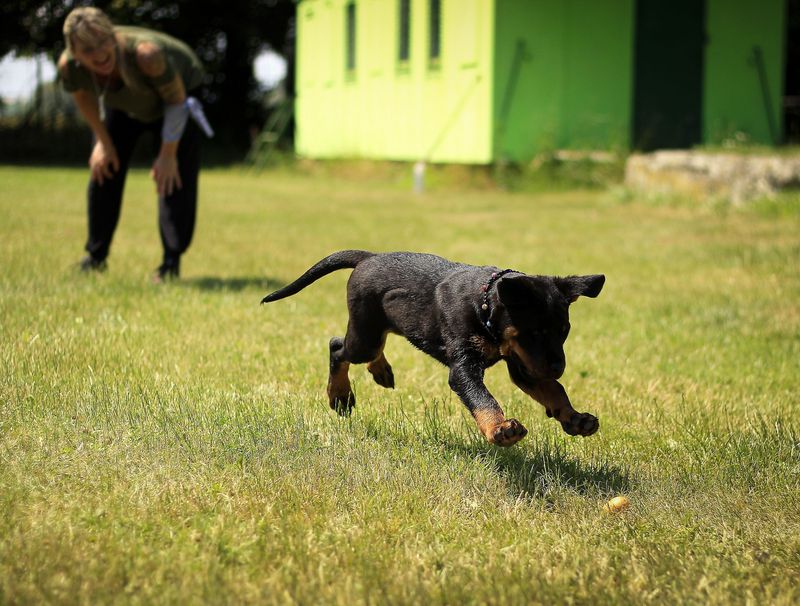
A reliable come cue might be the most useful skill any dog learns. The distractions, however, change with the scenery.
City dogs practice around joggers, strollers, and other pups. Country dogs must return even when deer bolt or cattle move.
Use a long line, high-value treats, and lots of praise. Build difficulty slowly.
Never call your dog to something unpleasant, so coming back always feels rewarding.
17. After-Dark Walks Versus Evening Yard Time
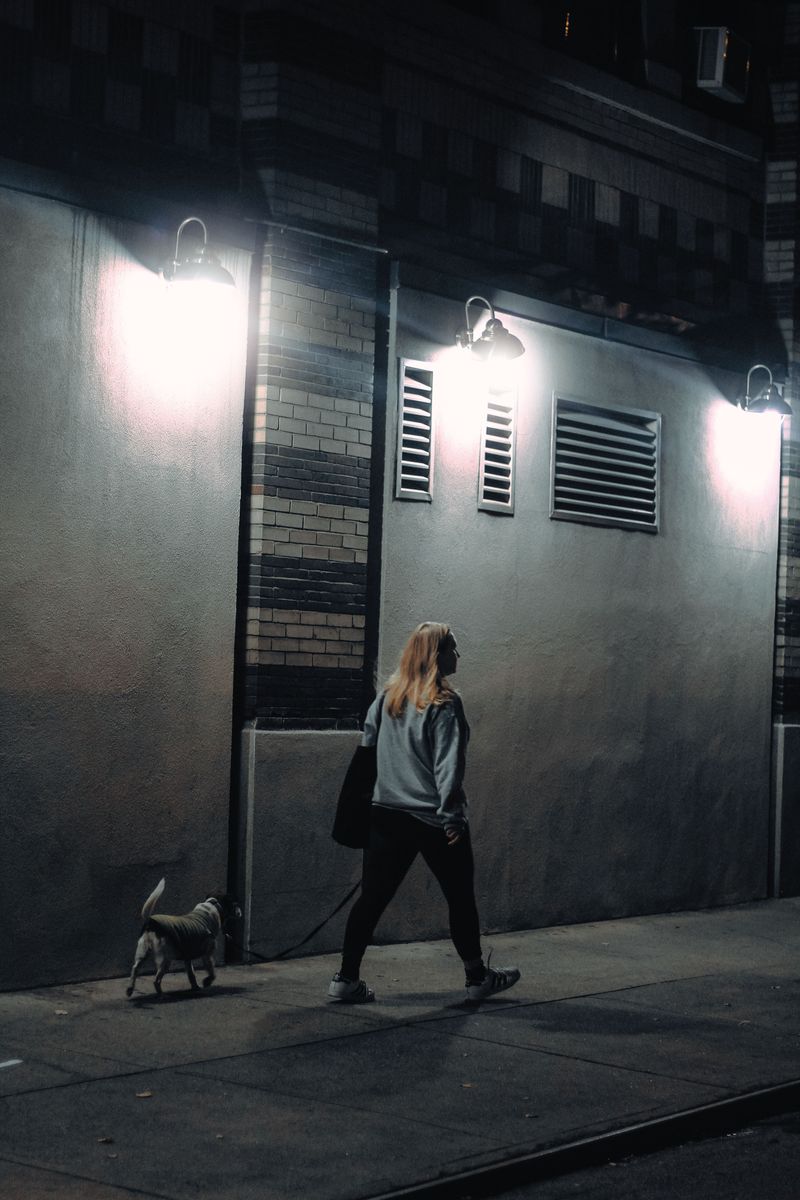
Many Chicago owners fit walks in after work, often after sunset. Reflective leashes, light-up collars, and well-lit routes make you easier to spot.
Stay alert for cyclists and cars turning at corners.
Farm dogs might enjoy evenings in a fenced yard instead. Even then, a light helps you keep watch.
Nighttime brings out raccoons, skunks, and coyotes, so supervise those last potty trips.
18. Crowded Corners And Wide Open Edges
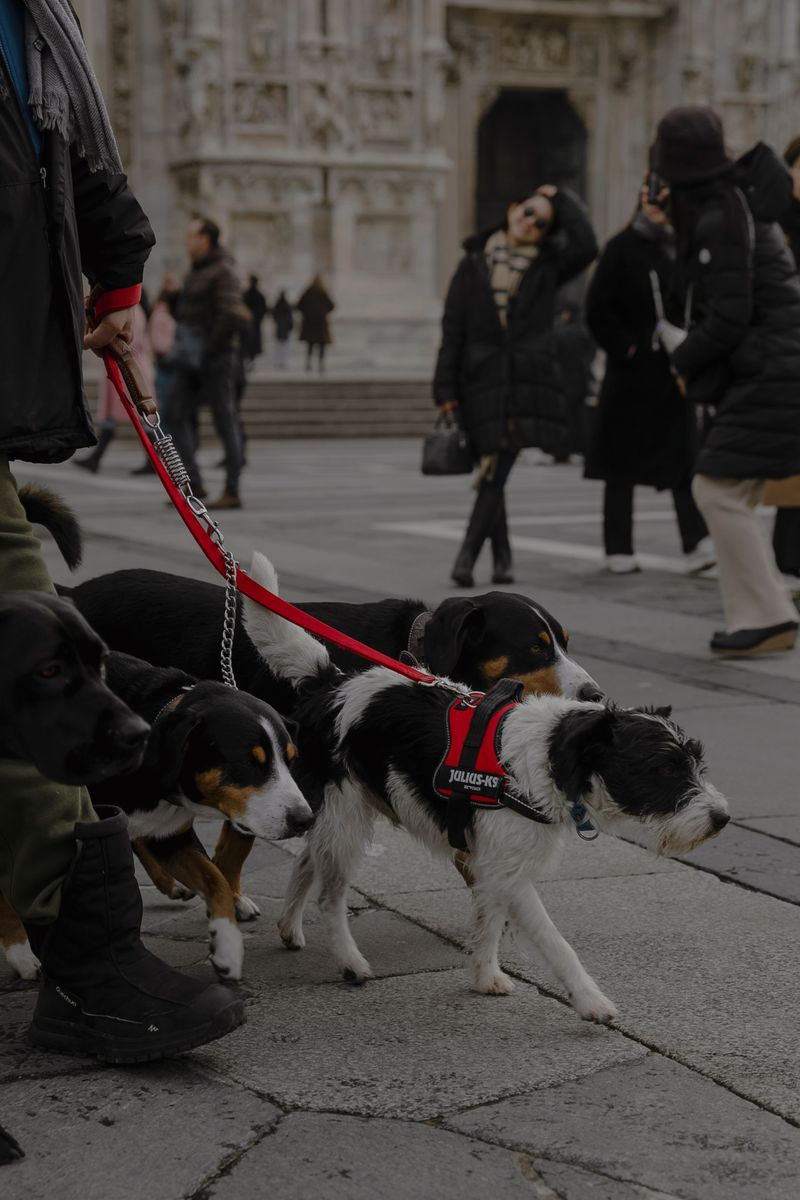
Navigating a packed Chicago sidewalk feels a bit like dancing. Shorten the leash, step aside for others, and give reactive dogs extra room.
Crossing the street early can prevent awkward face-to-face meetings.
Farm owners juggle the opposite problem: too much space. Teach dogs where property lines sit by walking them together often.
Clear boundaries keep pups home and away from roads or neighboring herds.
19. Seasonal Exercise Plans For Salt And Soil
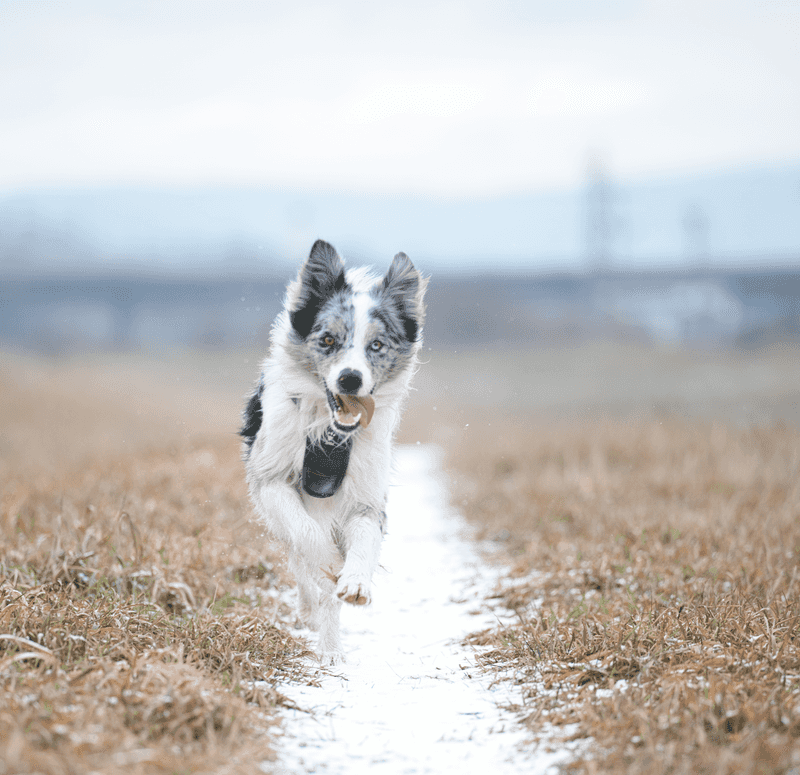
Smart exercise plans follow the calendar. Chicago winters may call for shorter outdoor walks plus indoor games, puzzle toys, and training sessions.
Paw protection and post-walk rinses stay on the checklist all season.
Farm routines shift with planting and harvest. Muddy fields, busy equipment, and fresh treatments may limit roaming.
Choose safer paths during those weeks, and resume wider adventures once things settle down.