19 Ohio Garage Storage Fixes For Dog Owners That Matter More Once Road Salt And Lawn Gear Share The Same Space
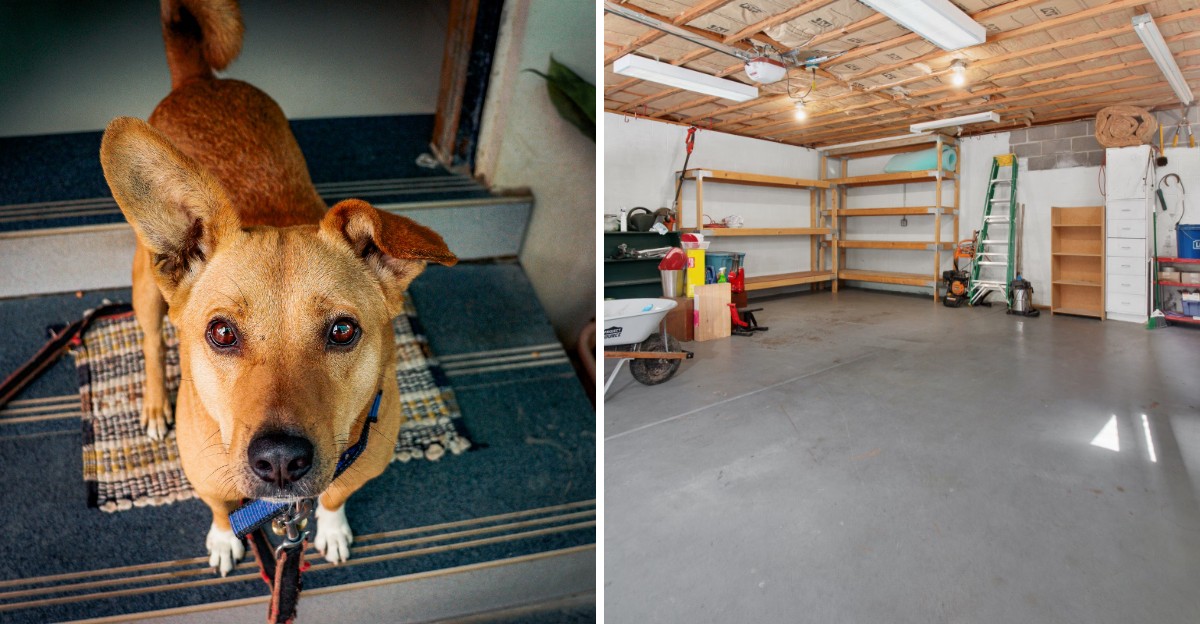
If you live in Ohio, your garage probably works overtime. In winter it holds road salt and ice melt.
By spring, the mower, fertilizer, and garden tools move in too. Add a curious dog to the mix, and good storage starts to matter a lot.
The fixes below are simple, practical, and easy to start this weekend. Think of them as friendly tips from someone who has sorted through the same cluttered shelves.
A few small changes can help your dog stay safe and your garage stay calm all year.
1. Lock Up Ice Melt, Even the Pet Friendly Kind
Here is a surprise for many owners. Ice melt labeled pet friendly can still upset a dog’s stomach if eaten.
Salt free and chloride free options are gentler choices. Still, they belong out of reach.
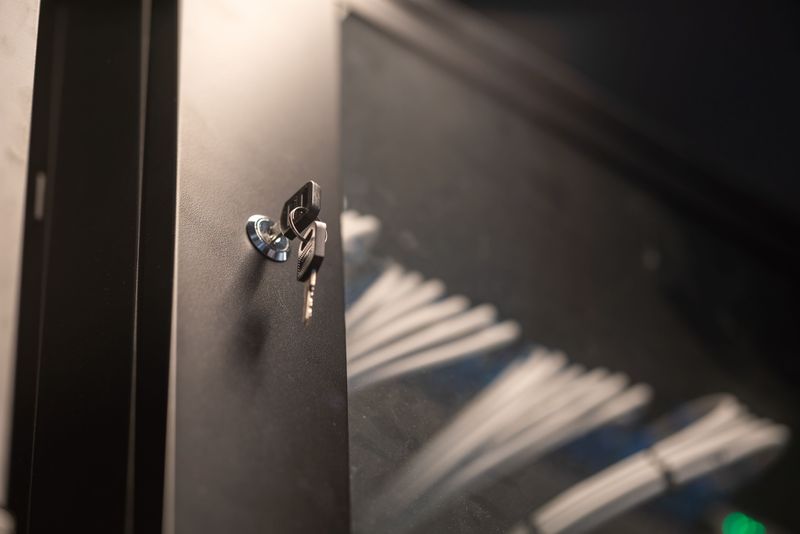
A locking cabinet is the easiest answer, especially for dogs who love to sniff and chew.
Keep a scoop inside the cabinet too. Fewer trips back and forth means fewer spills on the floor.
2. Hang Rakes and Shovels on the Wall
Ever stepped on a rake and had the handle swing up? Dogs can bump into leaning tools too, and the results are never fun.
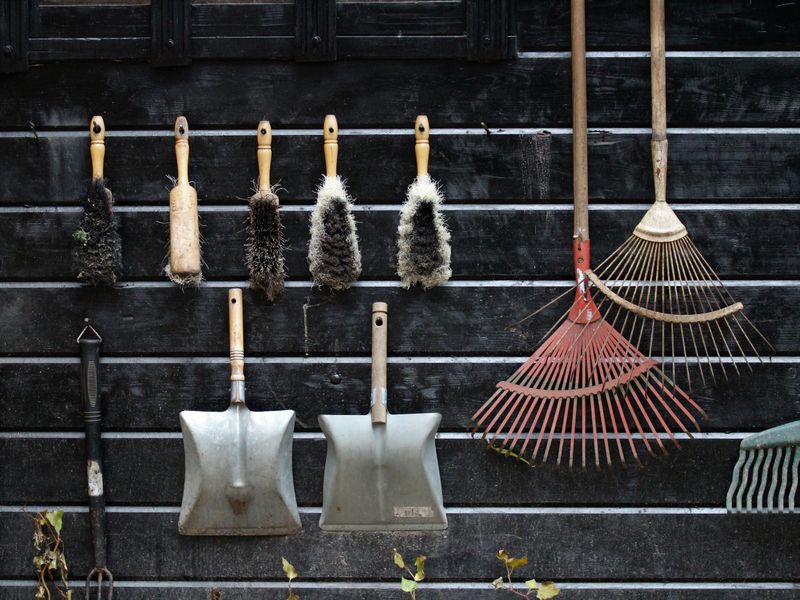
Wall mounted racks lift rakes, snow shovels, and hoes off the floor. Hang sharp ends facing the wall and keep them above your dog’s head height.
Bonus: Ohio owners swap snow shovels for garden tools each spring. A rack makes that seasonal swap quick and tidy.
3. Give Lawn Chemicals a Locked Home
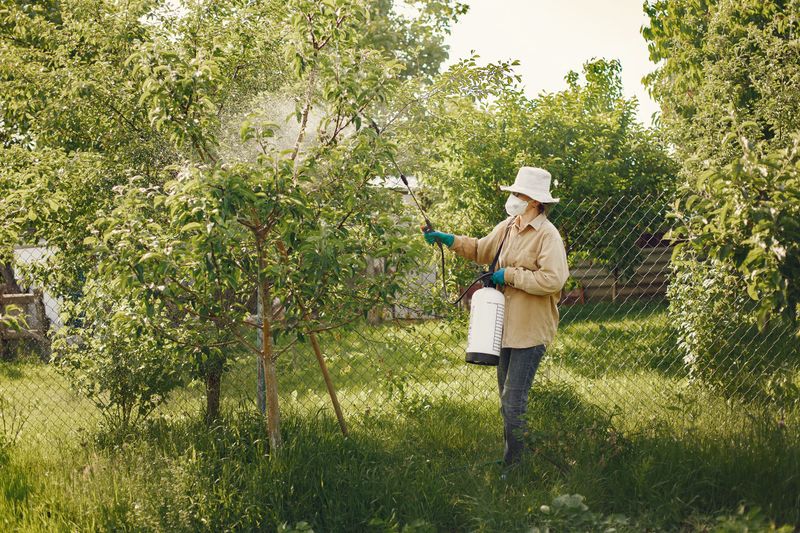
Spring lawn care often brings bags of fertilizer, weed-control products, and bug spray. Many of these products can harm dogs if swallowed.
A locking cabinet is the safest storage choice. Some cabinets built for pesticides include spill trays, which catch drips before they reach the floor.
Always keep products in their original containers. The labels hold first aid and safety directions.
Your vet or a pet poison hotline may ask for that information.
4. Put Antifreeze Behind a Locked Door
Antifreeze has a sweet taste, which is why dogs may be drawn to it. Products with ethylene glycol are highly toxic, even in small amounts.
Store antifreeze, washer fluid, and brake fluid in tightly sealed containers. Then place them in a lockable cabinet.
Wipe up drips under the car right away. If you think your dog swallowed any, call your vet immediately.
Fast care makes a real difference.
5. Lift Pet Supplies Off the Floor
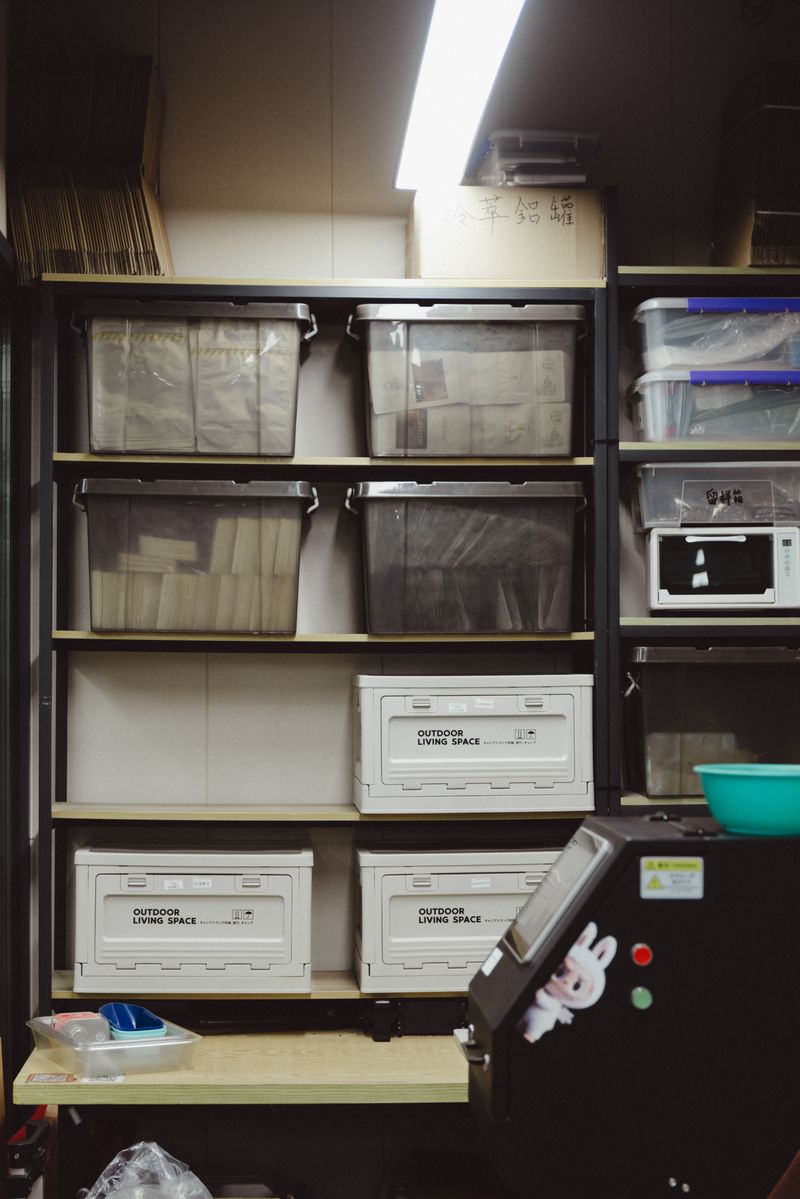
Ohio garages take a beating from melting snow and spring rain. Water creeping under the door can soak anything sitting on the concrete.
Elevated shelving keeps dog food, treats, and supplies dry. Even a bottom shelf a few inches high helps.
Damp food can grow mold and bacteria, which nobody wants in a dog bowl.
Choose metal or plastic shelving. Both handle moisture better than bare wood.
6. Choose Airtight Containers for Kibble
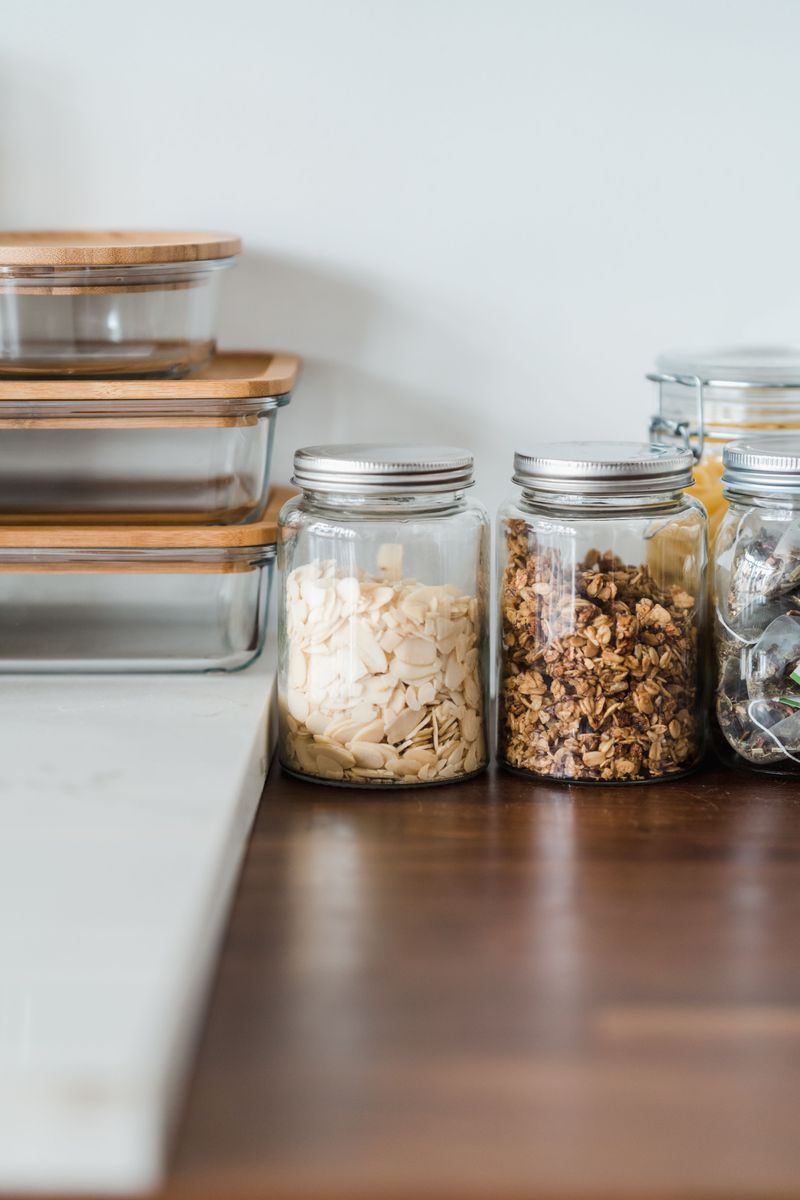
Mice and bugs love a garage buffet. An open kibble bag is basically an invitation.
Airtight, pest resistant containers keep food fresh and lock out critters. They also block the air and moisture that make food stale or rancid.
Here is a smart trick. Keep the kibble in its original bag, then set the bag inside the container.
You keep the lot number handy in case of a recall.
7. Split the Garage Into Clear Zones
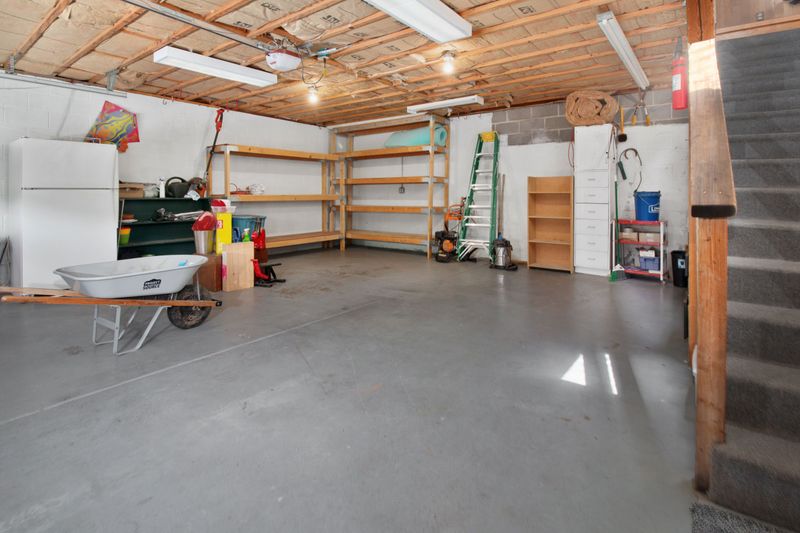
Picture three neighborhoods inside one garage. Pet supplies live in one spot.
Chemicals live in another, and lawn gear gets its own corner.
Zoning keeps fertilizer far from kibble and salt away from dog bowls. Experts advise storing chemicals apart from pet food for exactly that reason.
Painter’s tape or simple floor markers make the zones easy to see. Keep the walkways between them open, so nobody trips while carrying heavy bags.
8. Secure Flea Treatments and Grooming Products

Some owners keep flea drops, shampoos, and pet medicines in the garage for easy grooming days. That works, as long as they stay locked away.
Many of these products are safe on the skin but not in the stomach. A cabinet with a childproof latch keeps curious noses out.
Check temperature directions too. Ohio garages swing from freezing to steamy, and some medicines need steadier storage indoors.
9. Mount Sturdy Hooks for Walking Gear
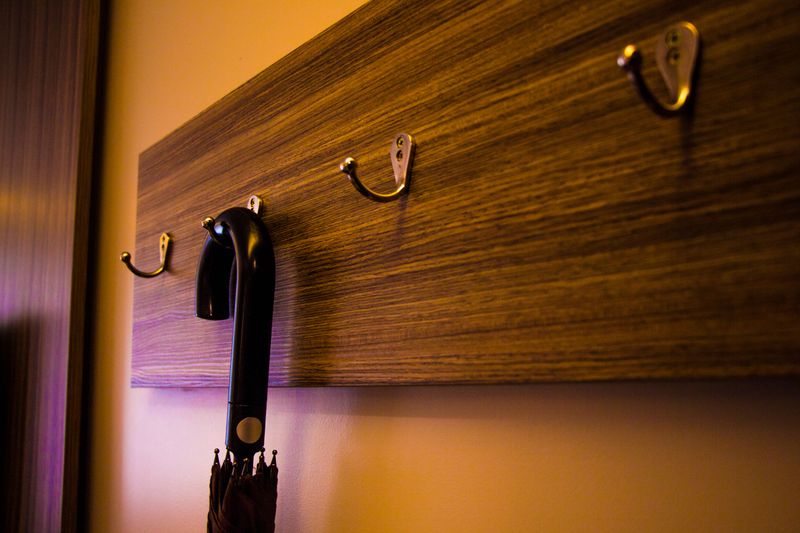
Hunting for a leash while your dog spins in circles is a familiar morning scene. A row of strong hooks fixes that fast.
Mount heavy duty hooks or a slatwall panel near the door. Hang leashes, harnesses, poop bag holders, and reflective vests where you can grab them.
Gear off the floor means fewer chewed straps. It also keeps salty, wet leashes drying in the air instead of in a soggy pile.
10. Build a Mini Mudroom Corner
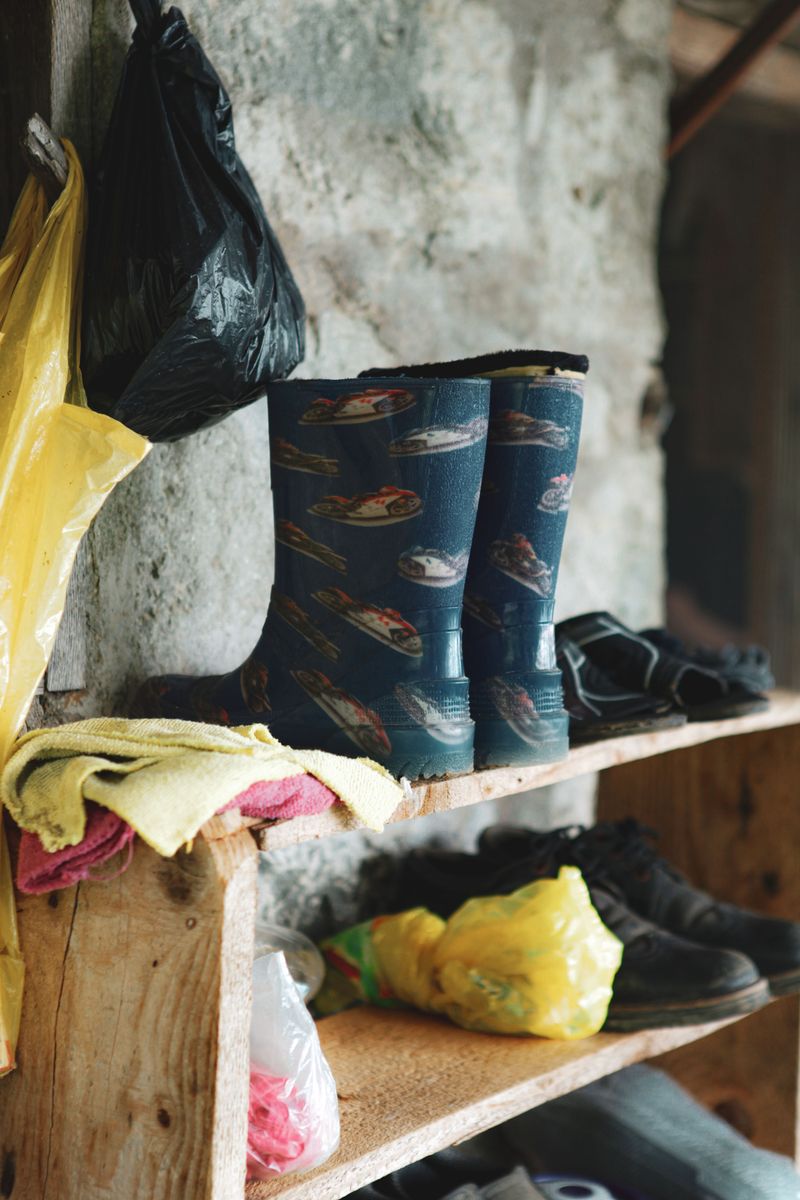
Spring in Ohio means mud. Lots of it.
A small mudroom corner keeps the mess from tracking through your whole house.
Set down a boot tray and a washable mat. Add a hook for towels and a basket for paw wipes.
Toss used towels into a washable bin right after each walk. It keeps the routine simple and stops damp, dirty cloths from sitting around and smelling.
11. Pack Bedding in Waterproof Bins
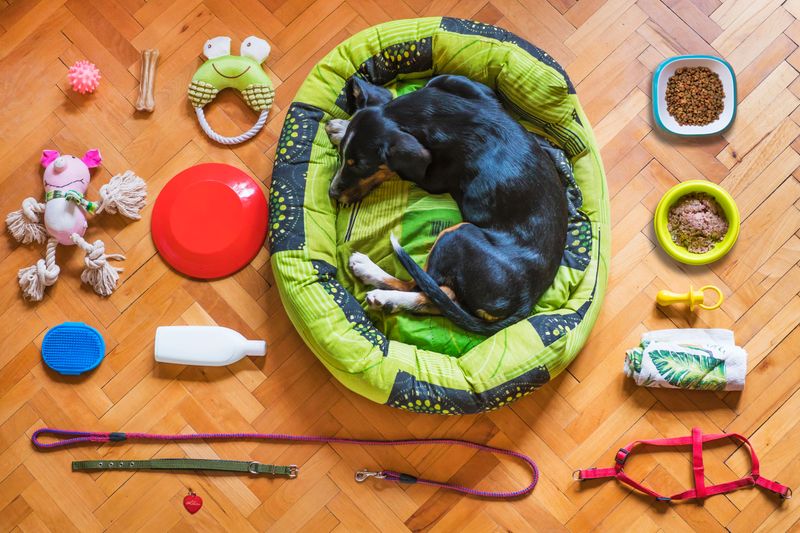
Think about your dog’s summer cooling mat in January. Where does it live?
For many families, the answer is a garage shelf.
Waterproof bins with tight lids protect blankets, beds, and seasonal gear. They block moisture, dust, and nibbling pests.
Wash bedding before packing it away. Clear bins with labels help you spot winter coats or booties quickly when the first snow shows up.
12. Keep Mowers and Trimmers Steady
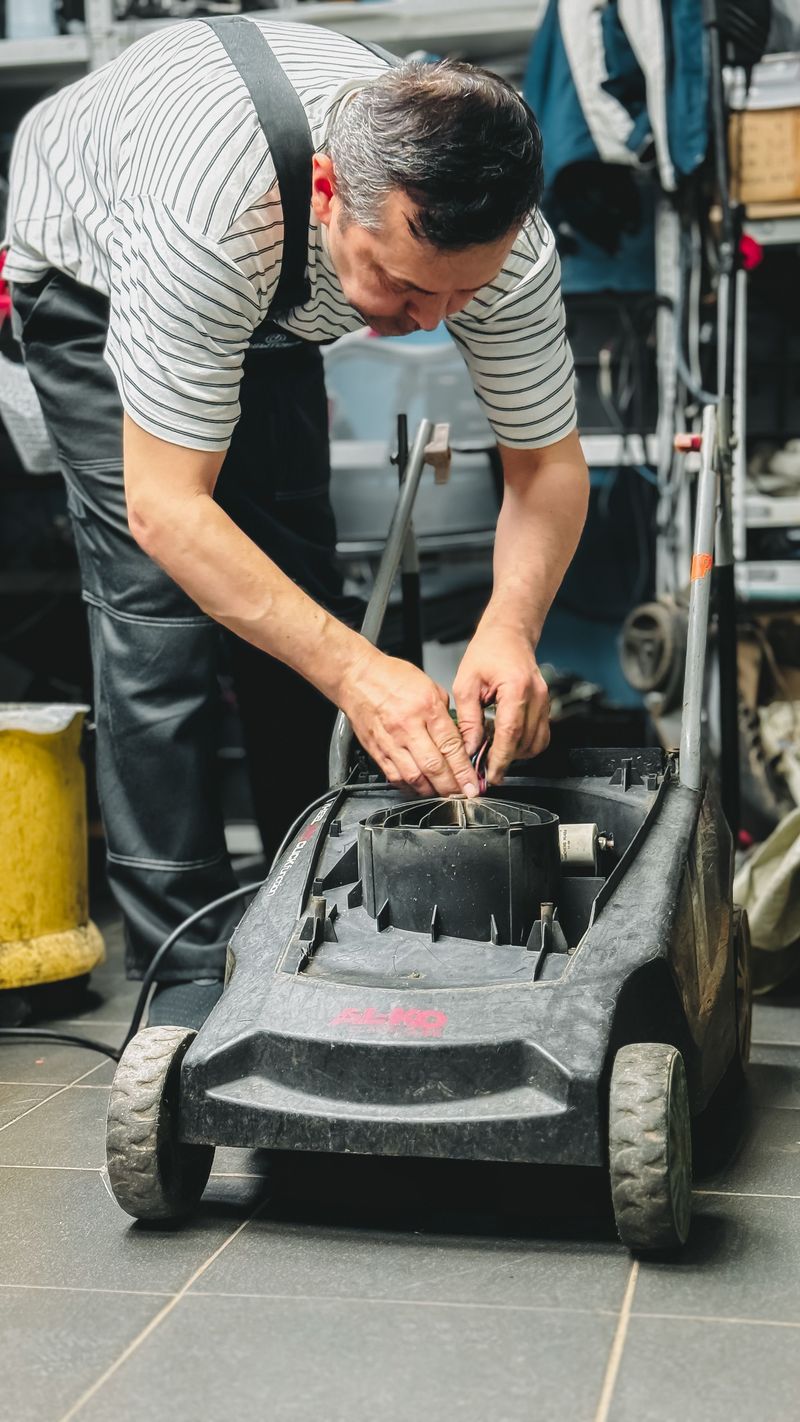
A playful dog can easily bump into a trimmer leaning against the wall. Heavy equipment tipping over is a real concern.
Park mowers on flat ground and set the brake if there is one. Hang trimmers and leaf blowers on sturdy brackets made for their weight.
Store the heaviest items low to the ground. For tall pieces, wall anchors or straps add an extra layer of calm.
13. Store Fuel Safely and Far From Sparks
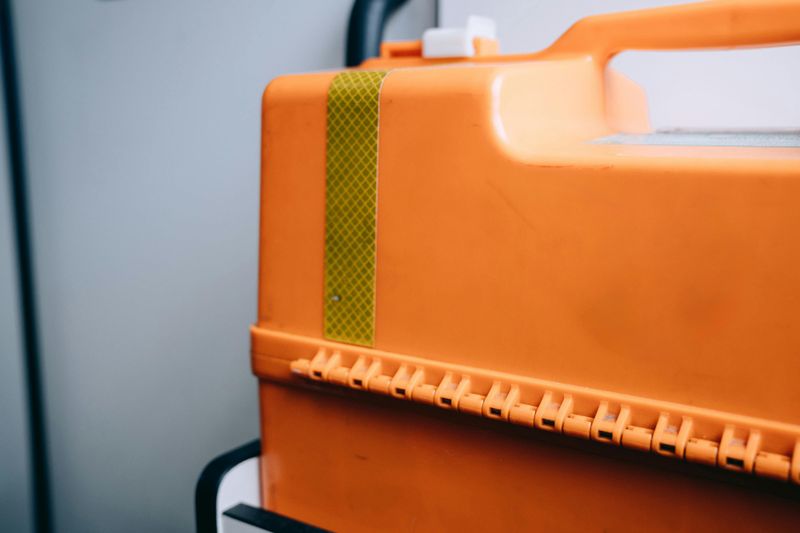
Gasoline is part of mowing season, but it needs careful handling. It is highly flammable, and its fumes travel easily.
Use approved fuel containers with tight caps. Keep them away from furnaces, water heaters, dryers, and any open flame.
Good airflow helps too. Local fire codes may limit how much fuel you can store at home, and rules vary by city.
Check with your fire department if unsure.
14. Add Grip Where Paws Land First
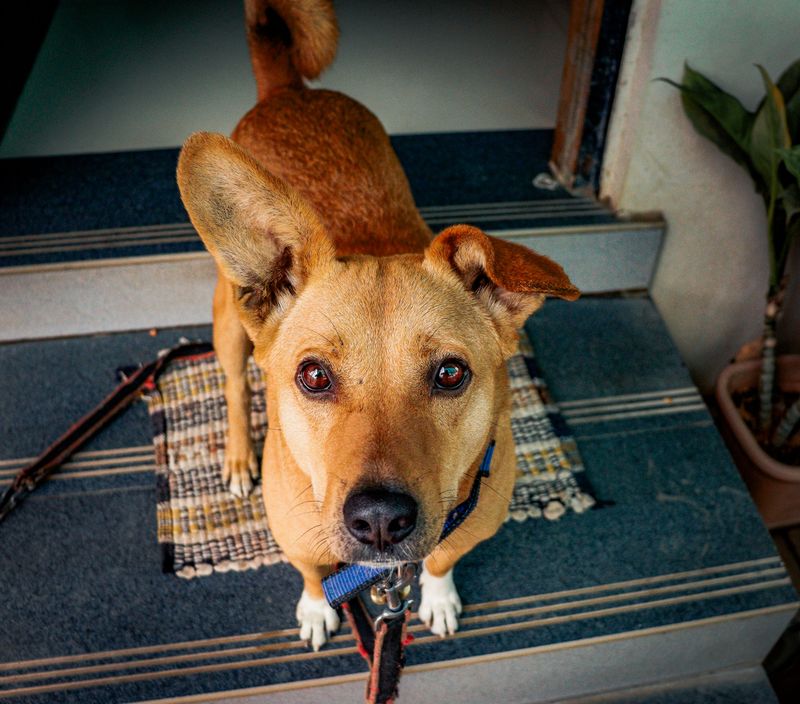
Wet paws on smooth concrete can slide like skates. Older dogs and puppies feel this most.
Lay rubber nonslip mats near every garage entrance. Some owners coat the floor with a textured epoxy for extra traction all year.
Mats also catch snow, salt, and mud before it spreads. Shake them out often, and replace them when the backing starts to crack or curl at the edges.
15. Set Up a Salt Rinse Station
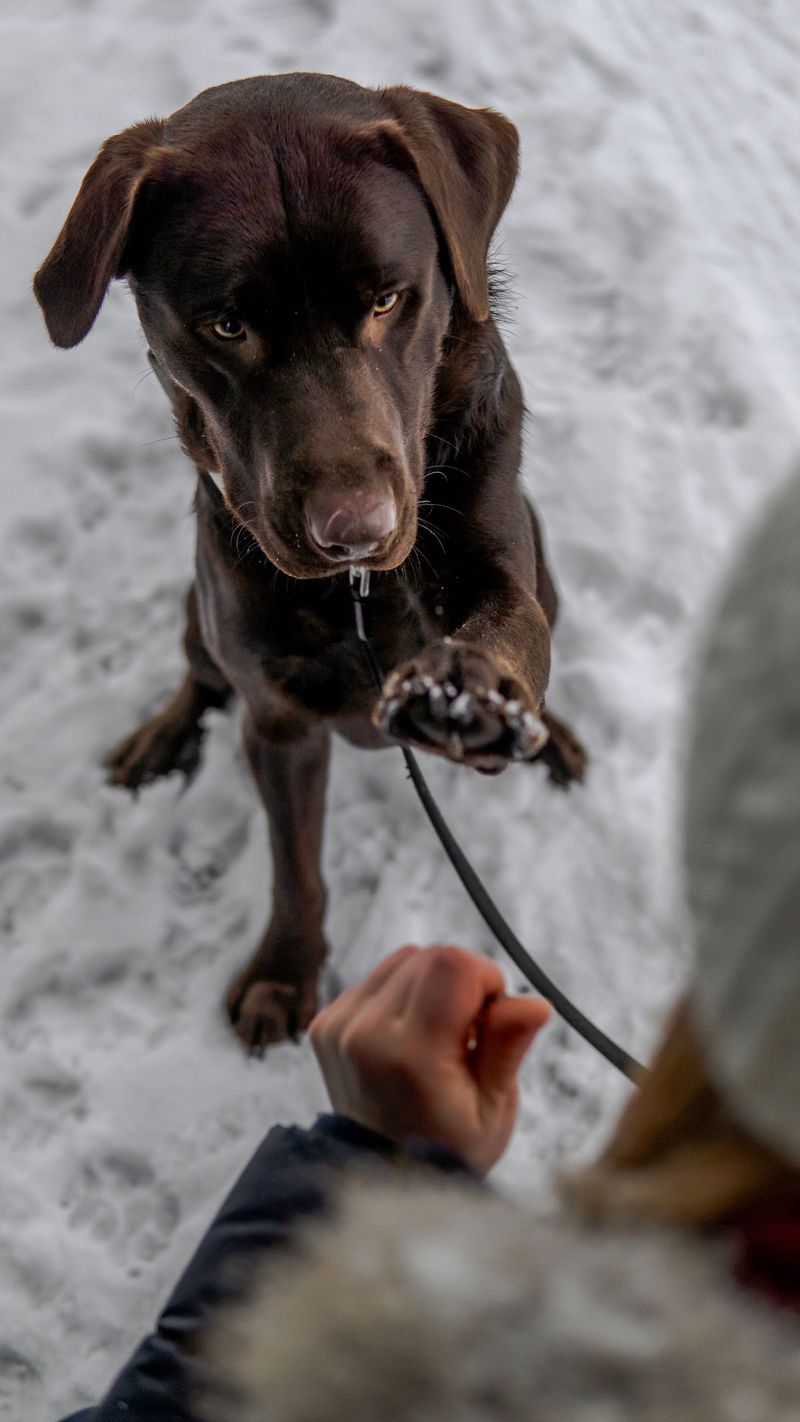
After a winter walk down a salted Ohio sidewalk, those paws carry more than snow. Salt residue can sting and dry out pads.
Keep a shallow basin, soft cloths, and a dry towel by the door. Rinse paws with lukewarm water right after walks.
Dry between the toes carefully. Rinsing also keeps your dog from licking salt off later.
Ask your vet about paw balms for extra protection.
16. Raise Blades and Tame Loose Cords
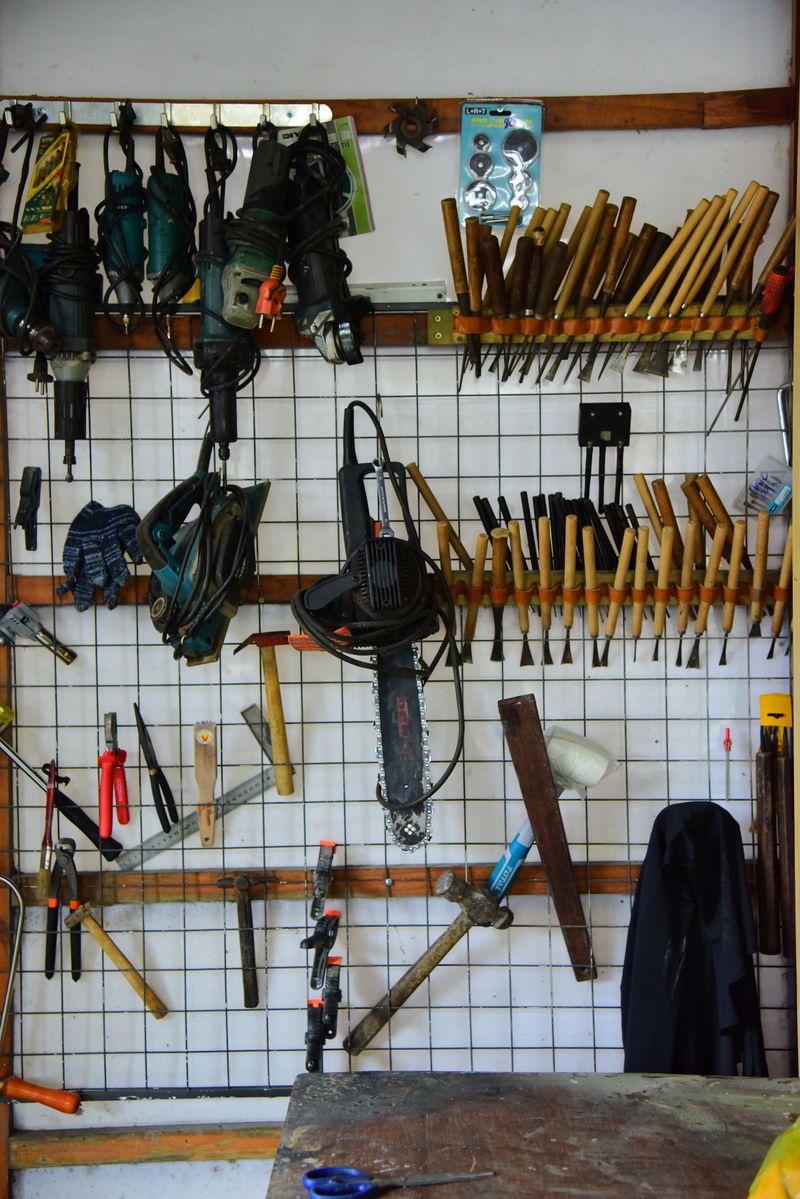
Puppies explore with their mouths. Anything on the floor becomes a possible chew toy, including cords and hedge clippers.
Store pruners, saws, and blades in a locked drawer or high on a pegboard. Coil extension cords and hang them up after each use.
Unplug tools when you finish. Cord covers can protect any wire that must stay along the wall.
A tidy floor gives curious pups nothing tempting.
17. Let the Garage Breathe
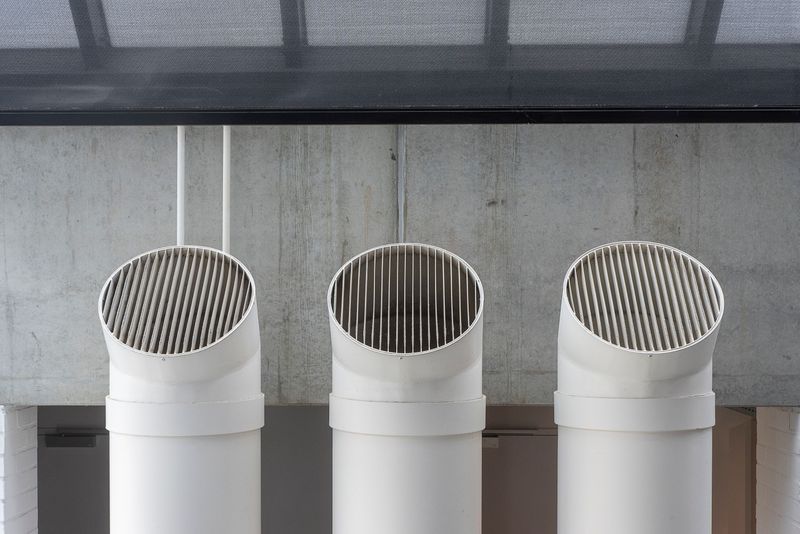
That musty smell in late summer? It usually means moisture is hanging around too long.
Humid garages invite mold and mildew, which can ruin stored pet food and bedding. A vent fan, a small dehumidifier, or simply opening the door on dry days can help.
Fun fact: Ohio summers often feel sticky because of high humidity. A cool, dry space also helps chemicals and supplies last longer.
18. Outsmart Clever Noses With Latches
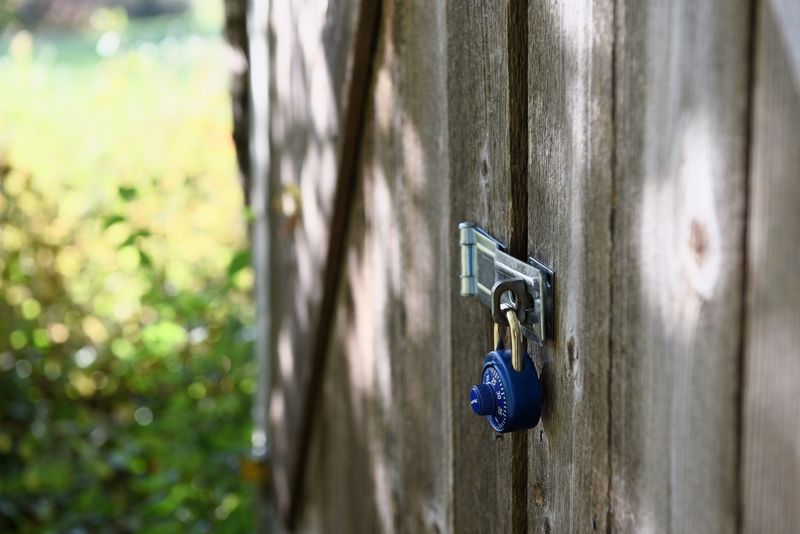
Some dogs learn to nose open cabinet doors in a single afternoon. Clever pups deserve clever latches.
Childproof locks, magnetic latches, or keyed cabinets keep hazardous items sealed. For bigger zones, a pet gate can block off the chemical corner completely.
Test each latch by giving it a firm push. If it pops open easily, upgrade it.
Peace of mind costs only a few dollars here.
19. Walk the Garage Once a Month
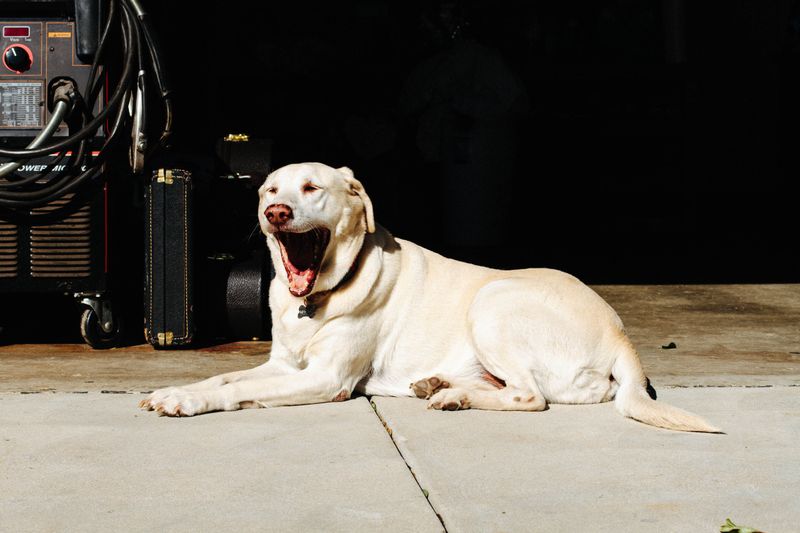
A quick monthly walkthrough catches small problems early. Grab a flashlight and take ten minutes.
Look for salt spills, sticky drips, cracked jugs, and torn bags. Check for droppings or chewed corners, which point to mice.
Inspect container seals and wash food bins between refills. Swap seasonal items as the weather turns.
Over time, this simple habit keeps the whole garage safer and calmer for everyone.