15 North Carolina Storm-Drain And Retention-Pond Hazards Around Growing Suburbs
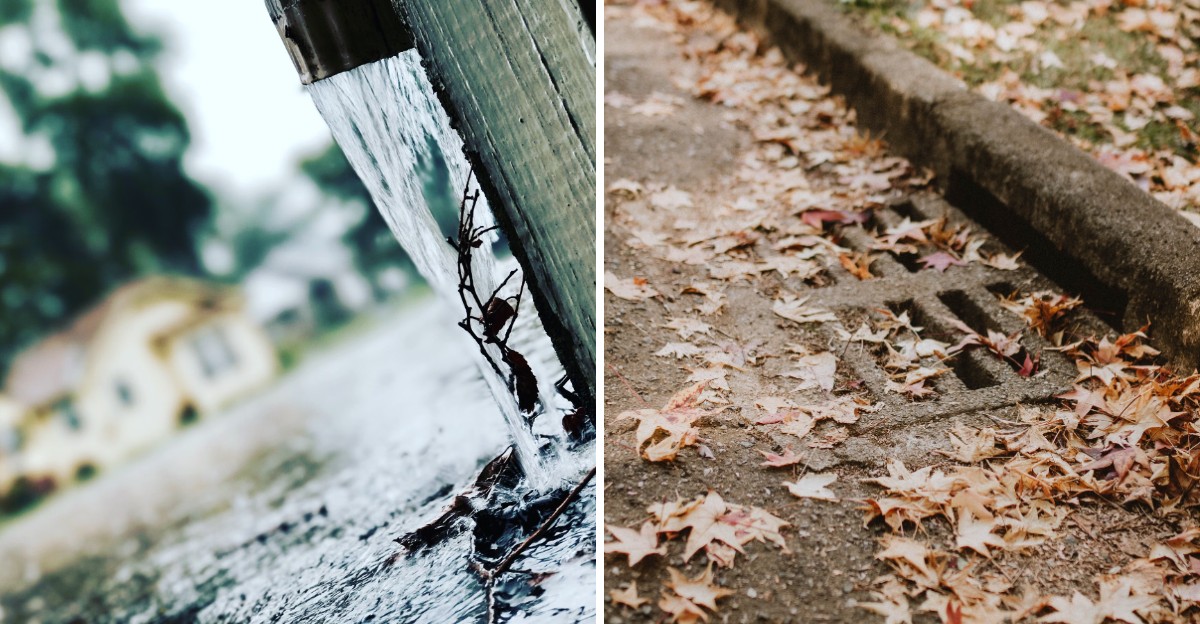
If you walk your dog through one of North Carolina’s fast-growing neighborhoods, you have probably passed a storm drain or a retention pond without a second thought. These features handle rainwater for our streets, but they can surprise a curious pup.
Knowing what to watch for makes your daily walks calmer, not scarier. Here is a friendly rundown of the stormwater situations local dog owners run into most, plus simple ways to handle each one.
1. Fast-Rising Water Around Storm Drains And Dogs
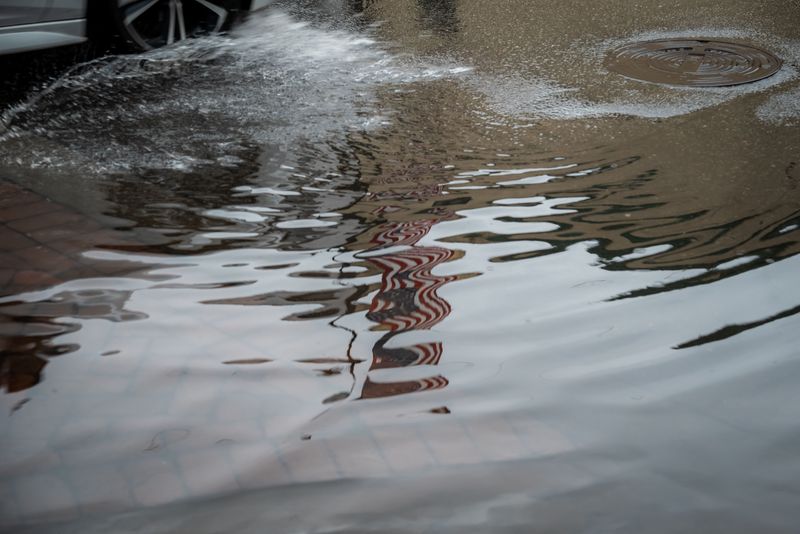
Rain can turn a quiet curb into a moving channel in minutes. Water levels near drains climb faster than most owners expect during a strong Carolina downpour.
Even confident swimmers struggle against that kind of push. Local rescue crews have pulled dogs from swollen drainage areas after sudden storms.
Keep your dog leashed and well back from flowing curbs. When rain is heavy, choose an inland sidewalk route or simply wait it out indoors.
2. Strong Flow Near Drain Inlets
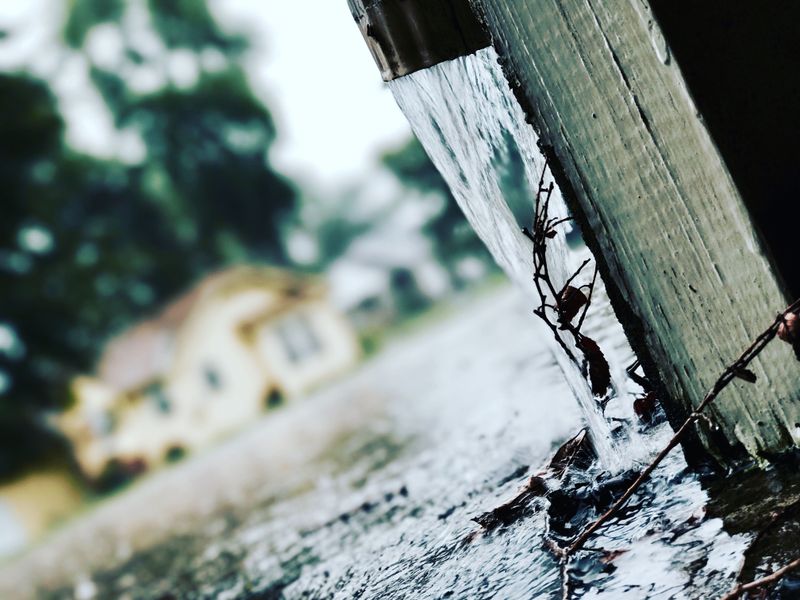
Inlets are designed to collect stormwater quickly, and flowing water around an opening can become difficult to cross safely. During heavy rain, the current near an inlet can be swift and forceful.
A dog paddling there may get turned around or pulled off balance. Small breeds feel it first, though larger dogs are not immune.
Use a short leash near curb inlets during wet weather. Cross the street instead of letting your pup sniff along the gutter line.
3. Open Storm-Drain Structures That Can Trap Dogs
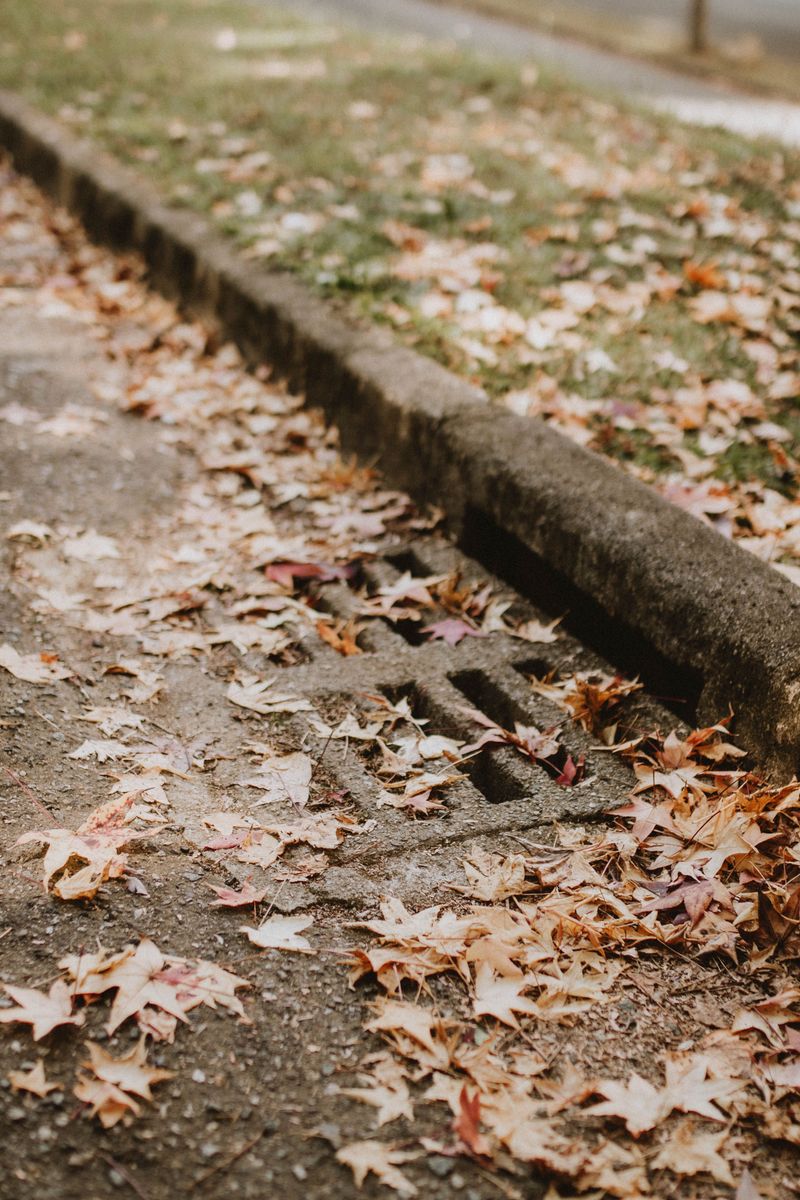
Not every grate stays where it belongs. Covers get shifted, damaged, or left open during maintenance in newer developments.
Openings can be wide enough for a dog to slip through. In Raleigh, firefighters and animal control rescued a dog that was found about 10 to 15 feet inside a storm drain in 2025.
Scan the sidewalk edge as you walk. Report an uncovered structure to your city or county stormwater office right away.
4. Flooded Streets Can Hide Drop-Offs For Dogs
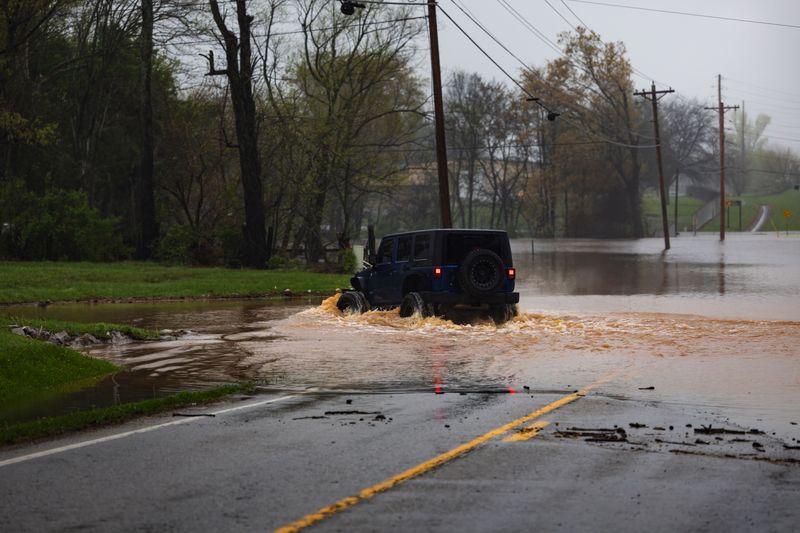
Standing water flattens everything visually. Curbs, ditches, and open drains vanish under a brown, glassy surface.
Your dog reads that puddle as shallow and walks straight in. A single step can drop into a much deeper channel.
Treat any water crossing a road as unknown depth. Turn around, take the high sidewalk, and save the splashing for a fenced yard you already know well.
5. Retention Ponds With Deep Water
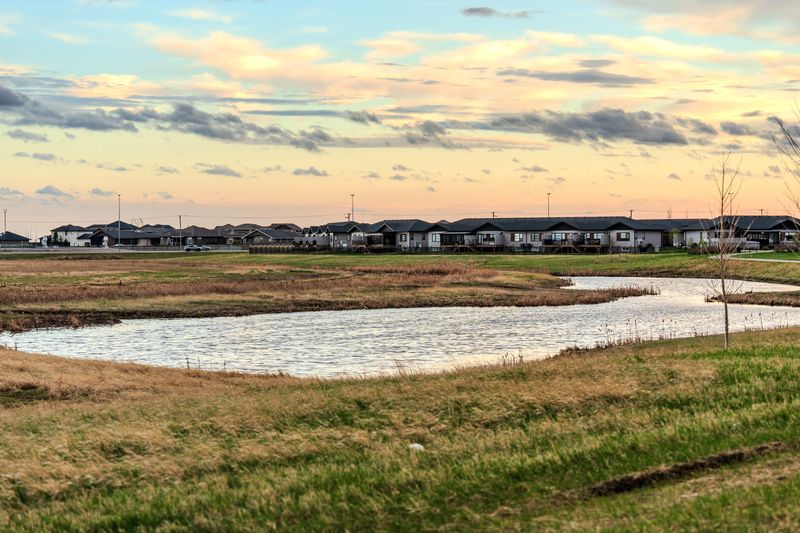
Those tidy neighborhood ponds look like friendly little lakes. Many are engineered several feet deep, with steep sides just under the surface.
Three feet is already over the head of plenty of dogs. Cold water and sudden depth can lead to panic and quick tiring.
Leash up near pond edges, even with a strong swimmer. Note where any gentle exit ramp or shallow bank exists before your dog needs one.
6. Slippery Pond Banks After Rain
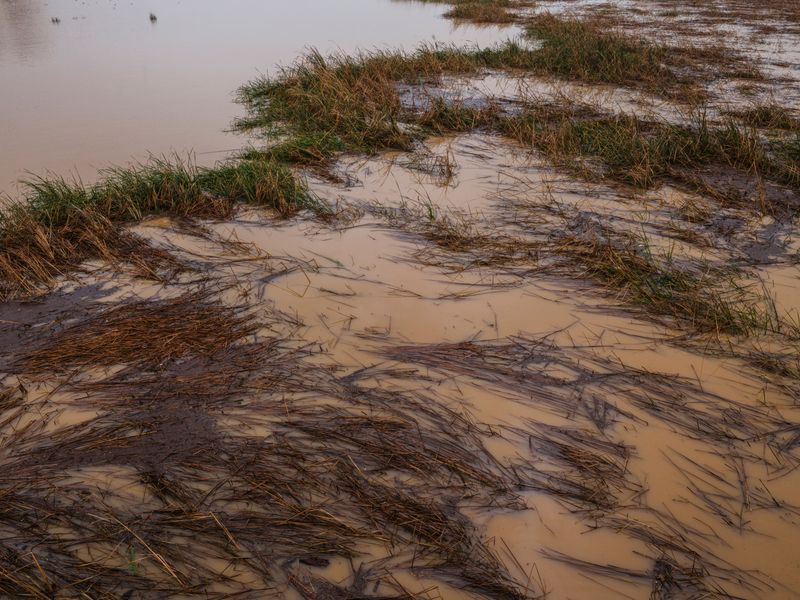
Carolina clay gets greasy when it soaks. A bank that felt firm on Tuesday can slide underfoot on Thursday.
Wet grass, loose sediment, and mud all cut traction. Getting back out is the hard part, especially on a steep slope.
Give pond banks a wide berth for a day or two after storms. Walk the paved loop instead, and let the ground dry before any shoreline sniffing sessions.
7. Steep Slopes Around New Subdivisions
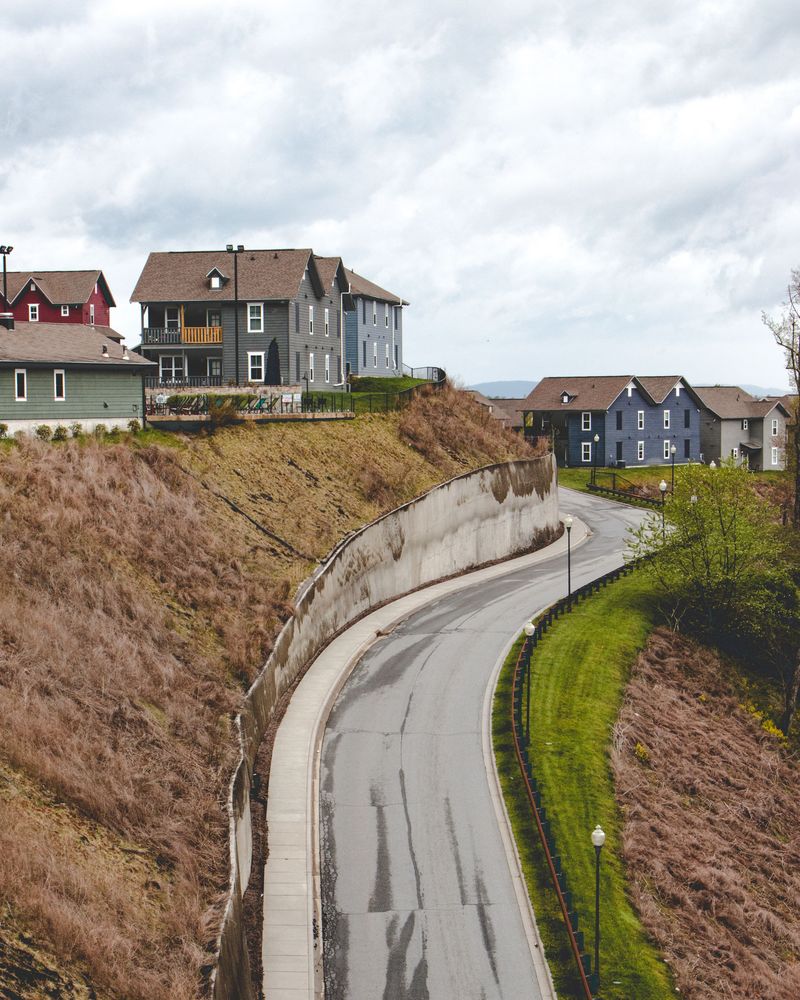
Builders grade land aggressively to move water where they want it. The result is sharp inclines tucked between new houses and drainage basins.
Dogs chasing a squirrel rarely check the grade first. A quick slide can end in a ditch with standing water at the bottom.
Keep the leash short in freshly built sections. Straw matting and bare dirt are good clues that the slope is newer than it looks.
8. Sudden Overflow After Heavy Rain
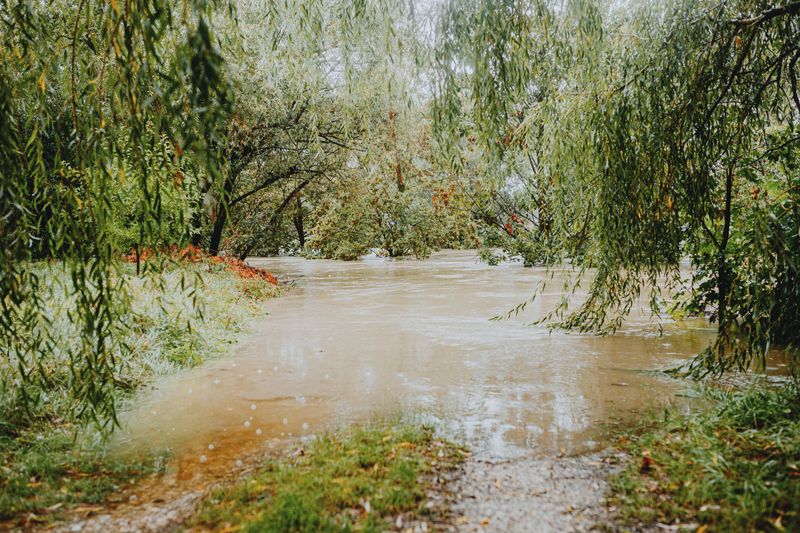
Every basin has a limit. When rain outpaces the design capacity, water leaves through spillways or spreads across the grass nearby.
That shift happens quickly, sometimes while the sky is already clearing upstream. A dry path can be ankle deep within minutes.
During flood watches, skip the pond loop entirely. Check your county or city alerts, since thresholds and warning systems differ from one municipality to the next.
9. Blocked Drains And Standing Water For Dogs
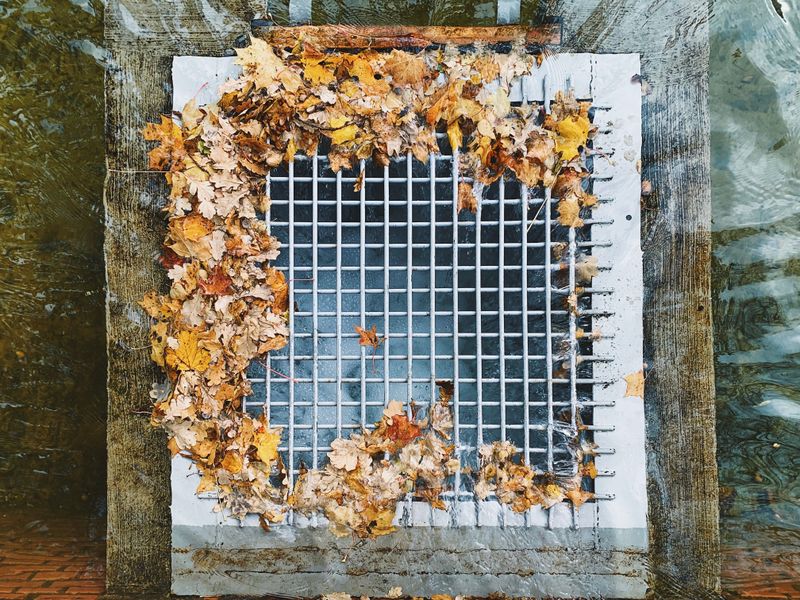
Leaves, grass clippings, and stray litter pile up fast on grates. Once flow stops, puddles linger for days along the curb.
Standing water can provide conditions where bacteria and other contaminants persist, while mosquitoes can breed in stagnant water. Dogs can also encounter pathogens such as Leptospira and parasites through contaminated water or runoff, so it is best to discourage roadside drinking.
Discourage roadside drinking, and carry a water bottle on walks. Clearing leaves from the grate in front of your own home helps the whole street.
10. Eroded Pond Edges And Outfalls
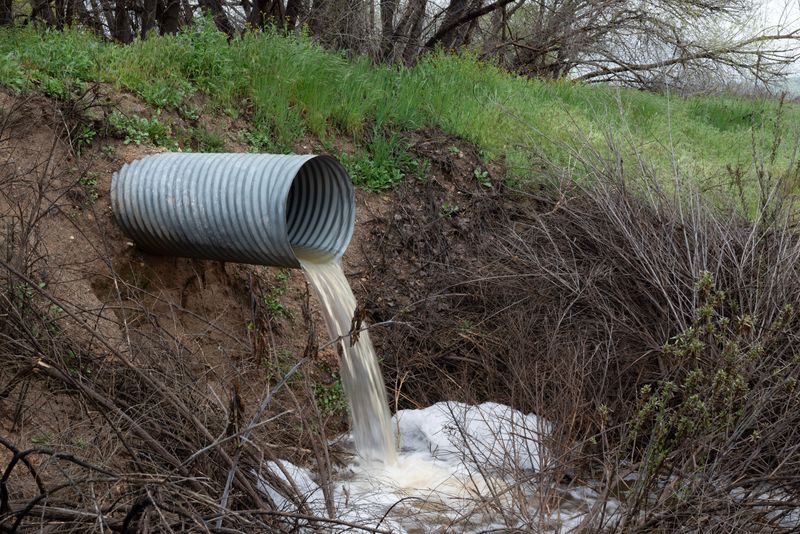
Water carves. Over the years, pond edges and outfall areas lose soil and vegetation, leaving undercut lips that look solid from above.
Those overhangs can give way under a dog’s weight. Exposed pipe rims and broken concrete add sharp edges to the mix.
Sediment is one of North Carolina’s biggest water pollutants, so erosion is common here. Steer around bare, crumbling shorelines and report them to your HOA or stormwater staff.
11. Damaged Stormwater Structures
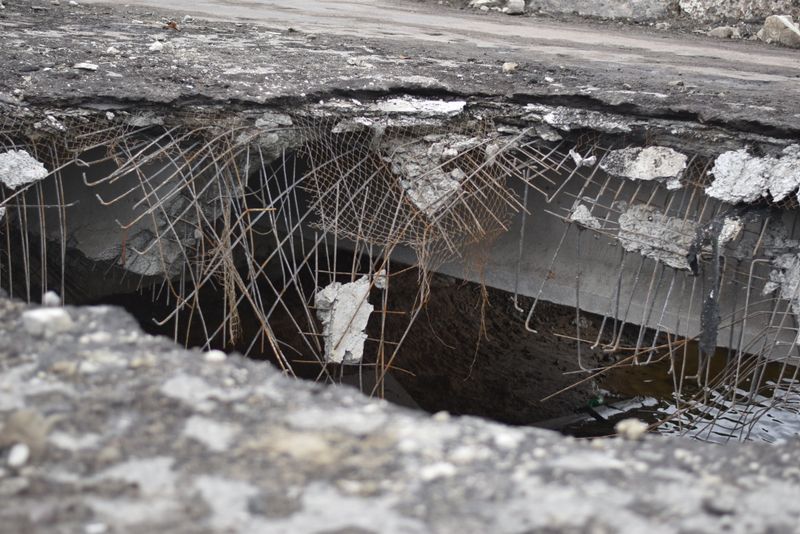
Age, weather, and heavy trucks take a toll on grates, culverts, and pipes. Bent bars and cracked concrete show up in older sections of otherwise new neighborhoods.
Sharp metal and exposed rebar can nick paws. Broken components also change how water moves, creating surprise flow across sidewalks.
Photograph anything damaged and send it to your local public works department. Most North Carolina towns accept reports online or by phone.
12. Muddy Construction Areas And Curious Dogs
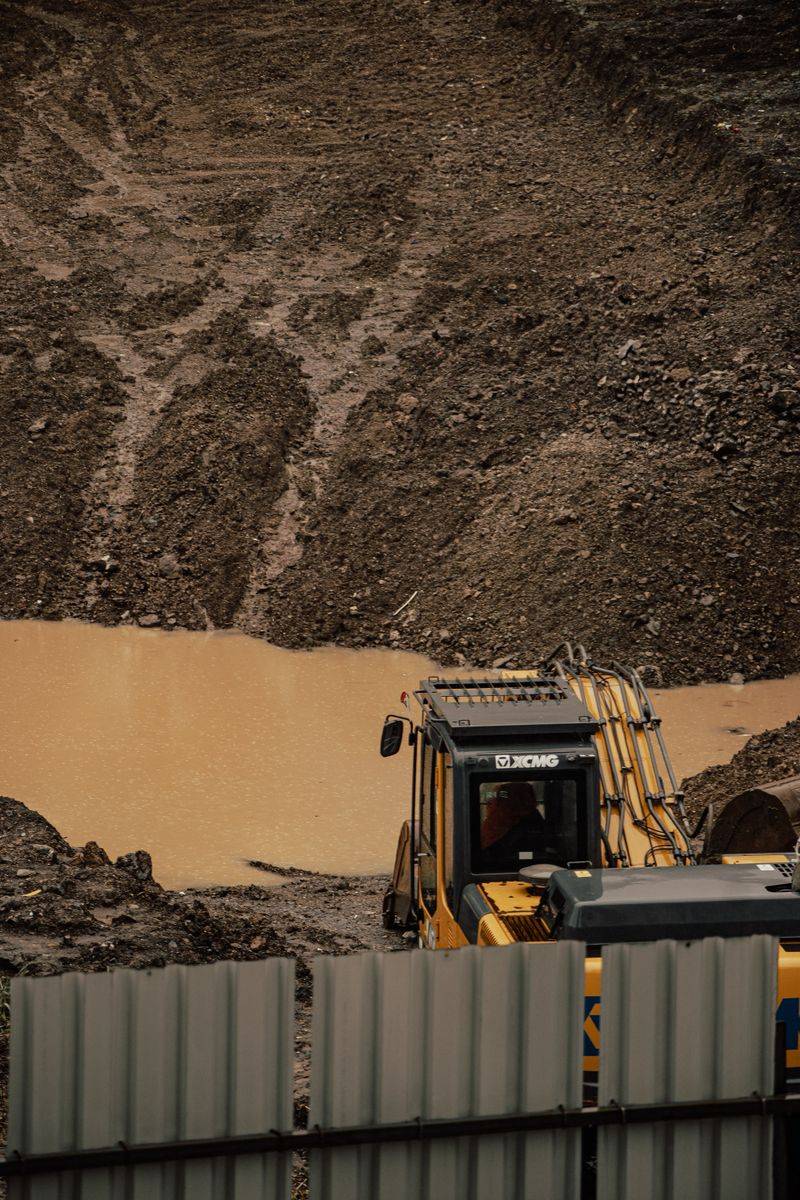
Growth means bulldozers, and bulldozers mean mud. Disturbed soil turns soupy after rain and holds nails, glass, and scrap.
Deep, sticky mud can also hold a paw longer than a dog expects. Silt fences mark the edges for a reason.
Walk past construction zones on the far sidewalk, and rinse paws afterward. A quick check between the toes catches debris before it becomes a vet visit.
13. Contaminated Runoff Around Neighborhood Drains
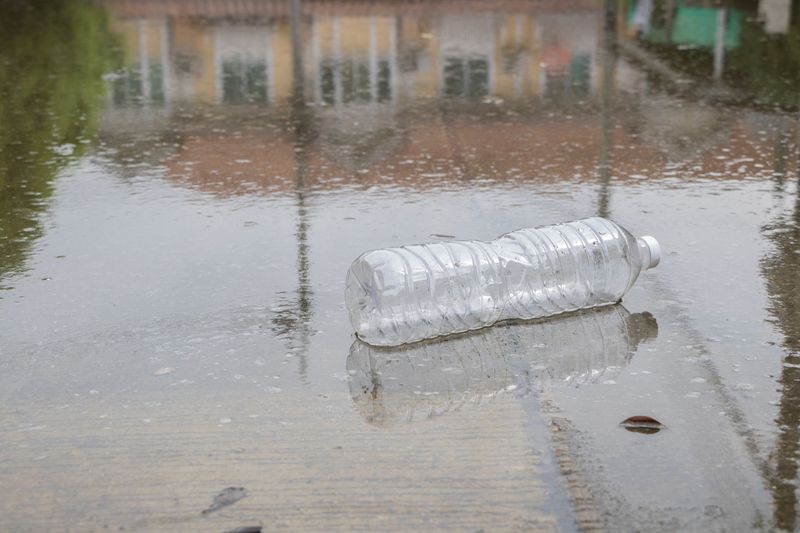
Here is something many owners miss: in North Carolina, storm drains generally carry runoff to local waterways rather than to a wastewater treatment plant. Pollutants picked up from streets and other surfaces can travel with that runoff.
That mix can include lawn fertilizer, pesticides, motor oil, and pet waste. Uncollected waste carries E. coli plus parasites like giardia and roundworms.
Bag every deposit, even in wooded buffers. Keep your dog from lapping gutter water, and rinse paws after walks through runoff.
14. Algae In Retention Ponds Can Harm Dogs
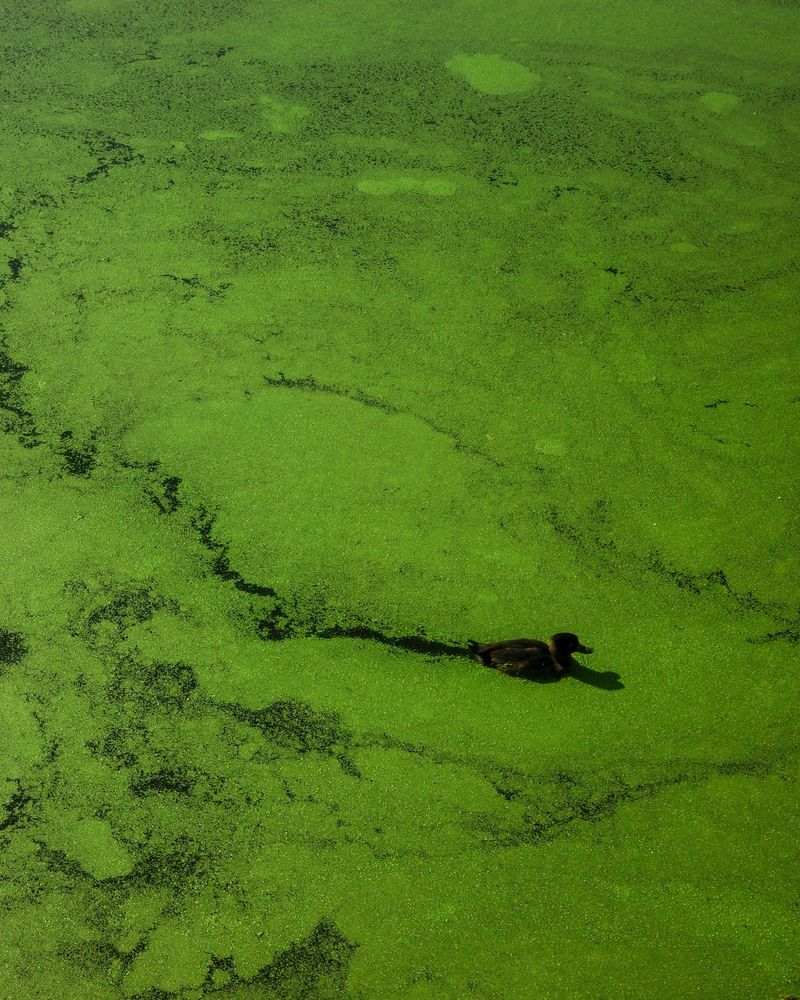
Warm, still freshwater in summer can grow cyanobacteria, often called blue-green algae. Some blooms produce toxins that are seriously harmful to dogs.
Watch for water resembling pea soup, or a green paint-like scum along the edge. Signs after contact may include vomiting, wobbliness, or breathing trouble.
Keep your dog out of discolored water entirely. North Carolina health officials advise contacting a veterinarian immediately if symptoms appear after exposure.
15. Lingering Stormwater Hazards After The Rain
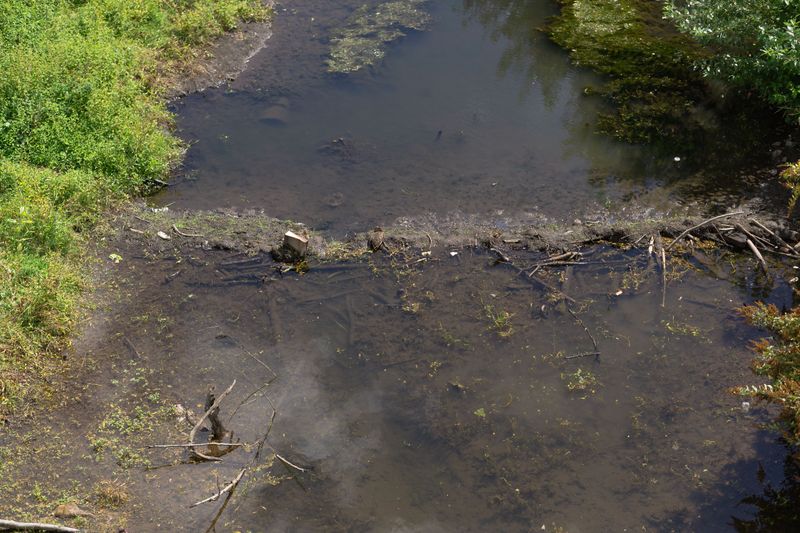
Clear skies do not reset the ground. Ditches and low spots hold water for days or even weeks after a Carolina storm system passes.
Still, warm, standing freshwater can expose dogs to Leptospira bacteria and, less commonly, Pythium insidiosum, an aquatic organism that can cause pythiosis. Exposure through contaminated water or through wounds can increase the risk of certain infections.
Bring fresh water on every outing, and ask your vet about leptospirosis vaccination. Staying alert after the rain is the habit that matters most.