15 Skills Georgia Farm Dogs Need Before Gates, Tractors, And Livestock Become Part Of The Routine
A Georgia farm offers your dog plenty to explore, from shady barns to busy pasture gates. Before those places become familiar, a few basic skills can make daily chores calmer for everyone.
You can build good habits through short lessons, clear rewards, and safe spaces away from equipment and animals. Start small, follow your dog’s pace, and treat training as preparation rather than permission to roam.
1. Build Reliable Recall and a Separate Emergency Cue
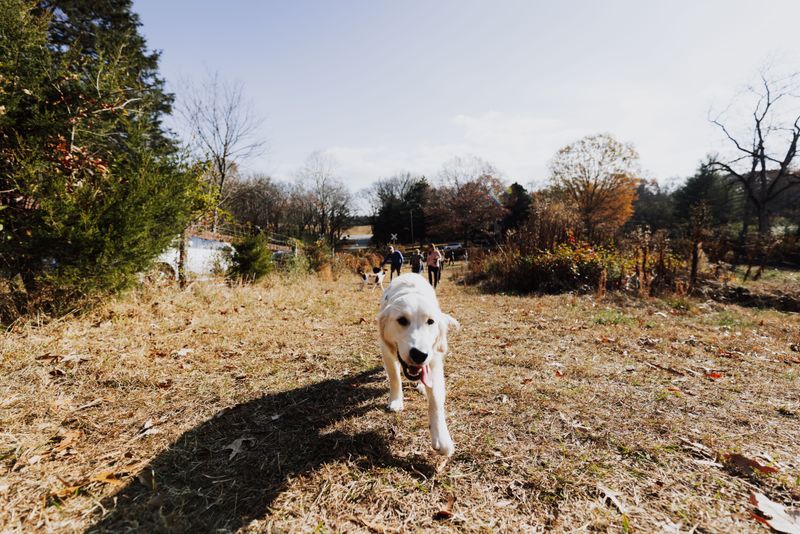
Your voice should mean something better than whatever caught your dog’s attention. Start recall games inside, then practice within a secure fenced area.
Reward every return with treats, praise, or play.
Add a separate emergency cue, saving especially valued rewards for practice. Keep long lines away from livestock and equipment, where they can tangle.
Never punish a returning dog, even after a delay. Neither cue replaces fencing, supervision, or careful planning during daily farm chores.
2. Hold a Stay While Gates Open
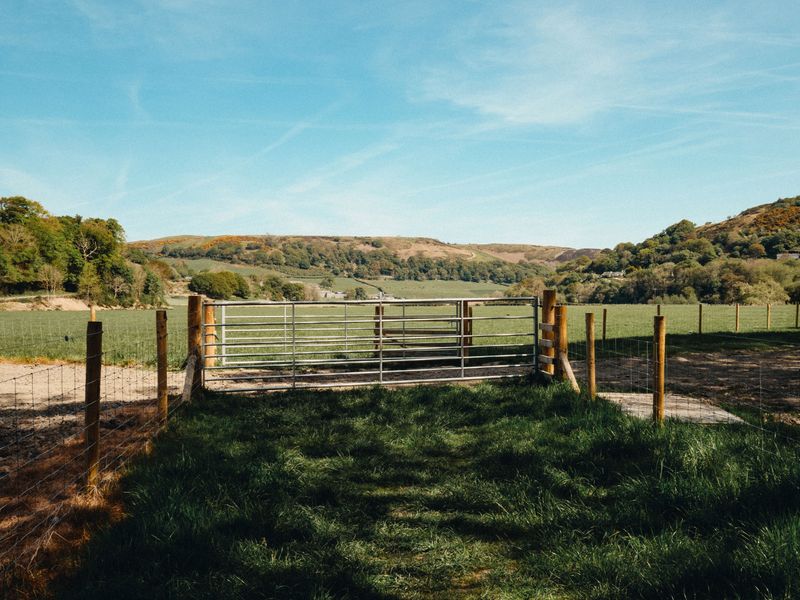
An open gate should not become an invitation to sprint. Teach a stay several feet behind the gate before touching its latch.
Reward stillness, then release your dog with one clear word.
Gradually add small gate movements while keeping another barrier in place. Practice without livestock nearby first.
If your dog gets up, quietly reset and simplify the lesson. During actual animal movements, secure your dog elsewhere instead of relying on a stay alone outdoors.
3. Walk Politely on a Loose Leash
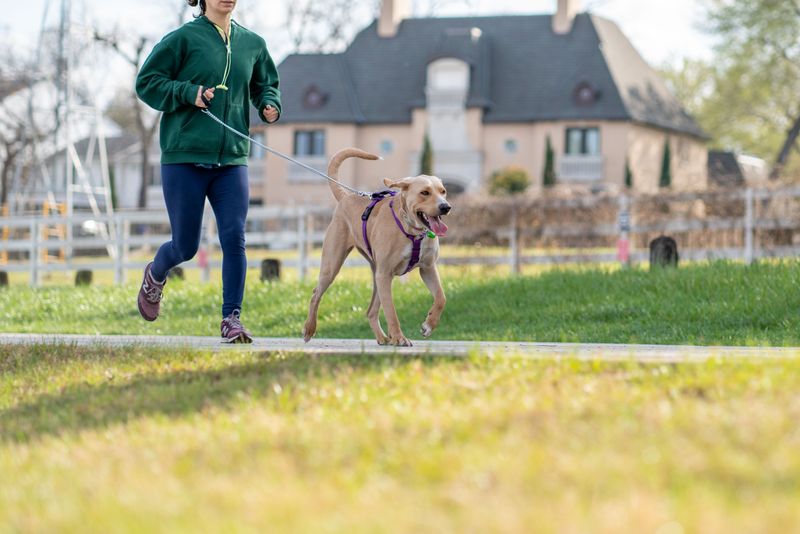
A slack leash makes narrow paths and busy yards easier to handle. Begin on a quiet stretch, rewarding your dog for staying near you.
Stop when pulling starts, then continue once the leash loosens.
Use comfortable, properly fitted equipment rather than leash jerks. Practice turns, pauses, and passing parked objects before adding distractions.
Georgia afternoons can feel sticky, so choose cooler hours. Carry water and keep lessons short enough for your dog to remain comfortable.
4. Watch Livestock Without Getting Involved
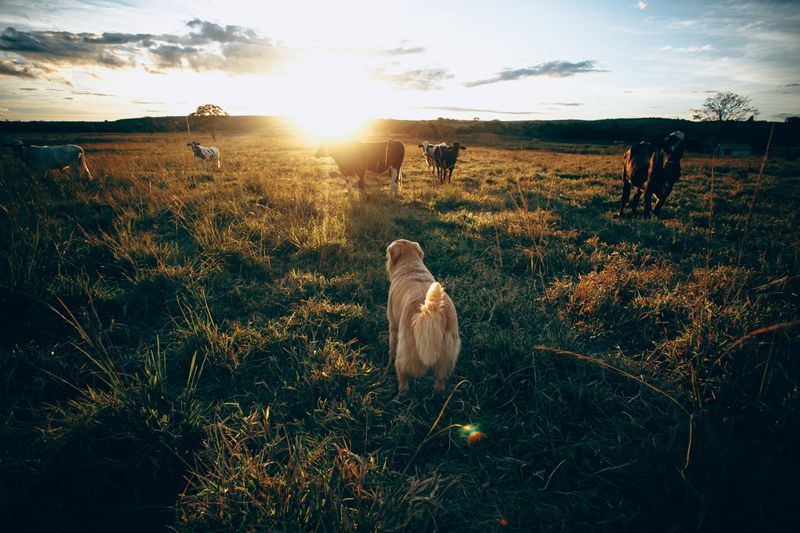
Cattle, horses, sheep, and goats need space from curious dogs. Begin outside a secure fence, far enough away that your dog can relax.
Reward looking back at you instead of staring or barking.
Increase distance whenever either animal seems unsettled. Do not allow nose contact through fencing or access to young animals.
Ordinary farm companions should ignore livestock, not manage them. Herding work requires suitable dogs, skilled instruction, and a separate training plan for safety.
5. Become Comfortable With Equipment Sounds
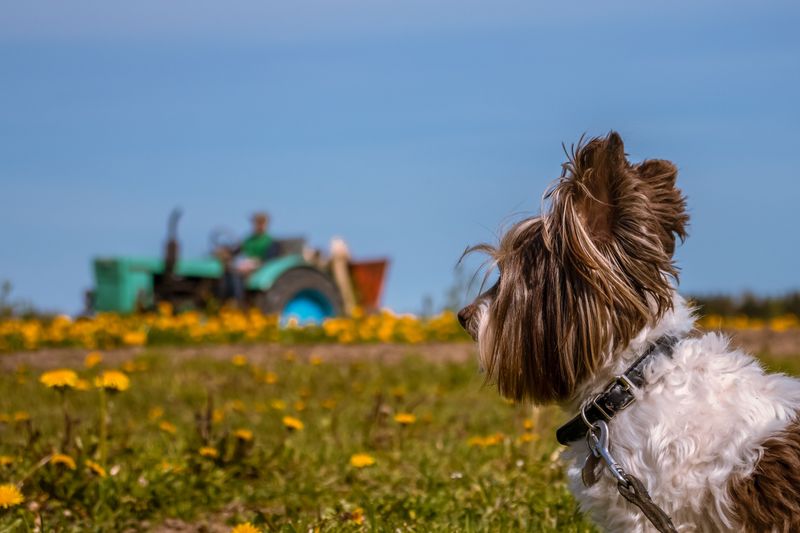
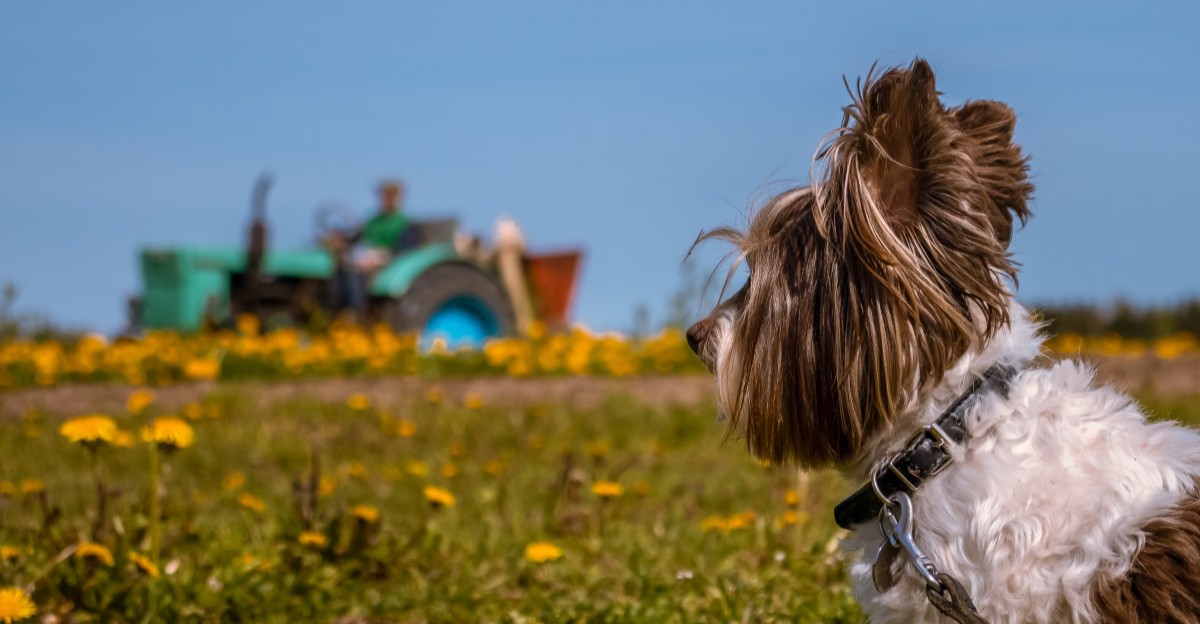
The first tractor lesson should happen before an engine starts. Let your dog notice parked equipment from a comfortable distance.
Pair that sight with treats, then leave while your dog remains relaxed.
Introduce quiet recordings or distant engine sounds gradually, always allowing retreat. Refusing food, crouching, or repeated barking means the lesson needs adjusting.
Never tether a dog beside running machinery. Calm behavior around noise does not make approaching equipment safe during regular farm work.
6. Enjoy a Safe Crate, Kennel, or Secure Run
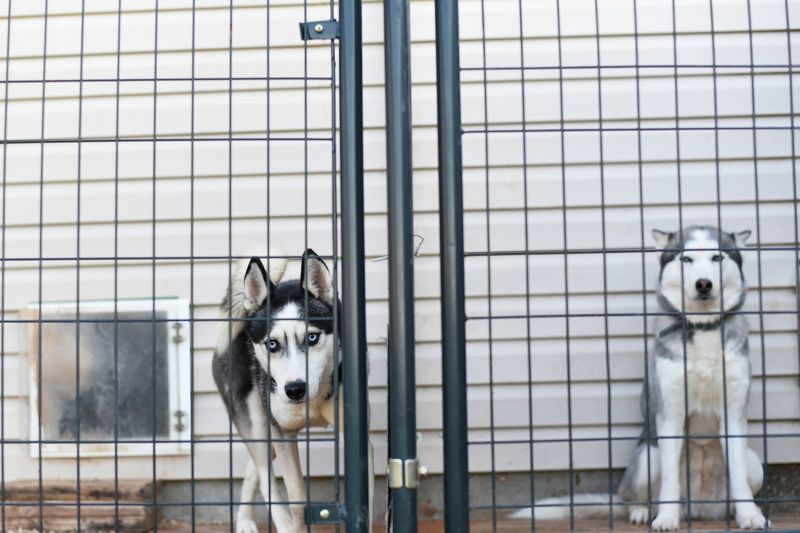
Every farm dog needs somewhere comfortable when the yard gets busy. Choose a crate, kennel, or secure run away from traffic.
Introduce it with meals and brief, pleasant visits before closing any door.
Provide suitable shelter, ventilation, clean water, and protection from Georgia heat. Increase confinement time gradually while checking your dog’s comfort.
A crate should never become punishment or replace exercise. Inspect latches, fencing, and shade regularly, since conditions can change throughout the day.
7. Leave Tempting Objects Alone
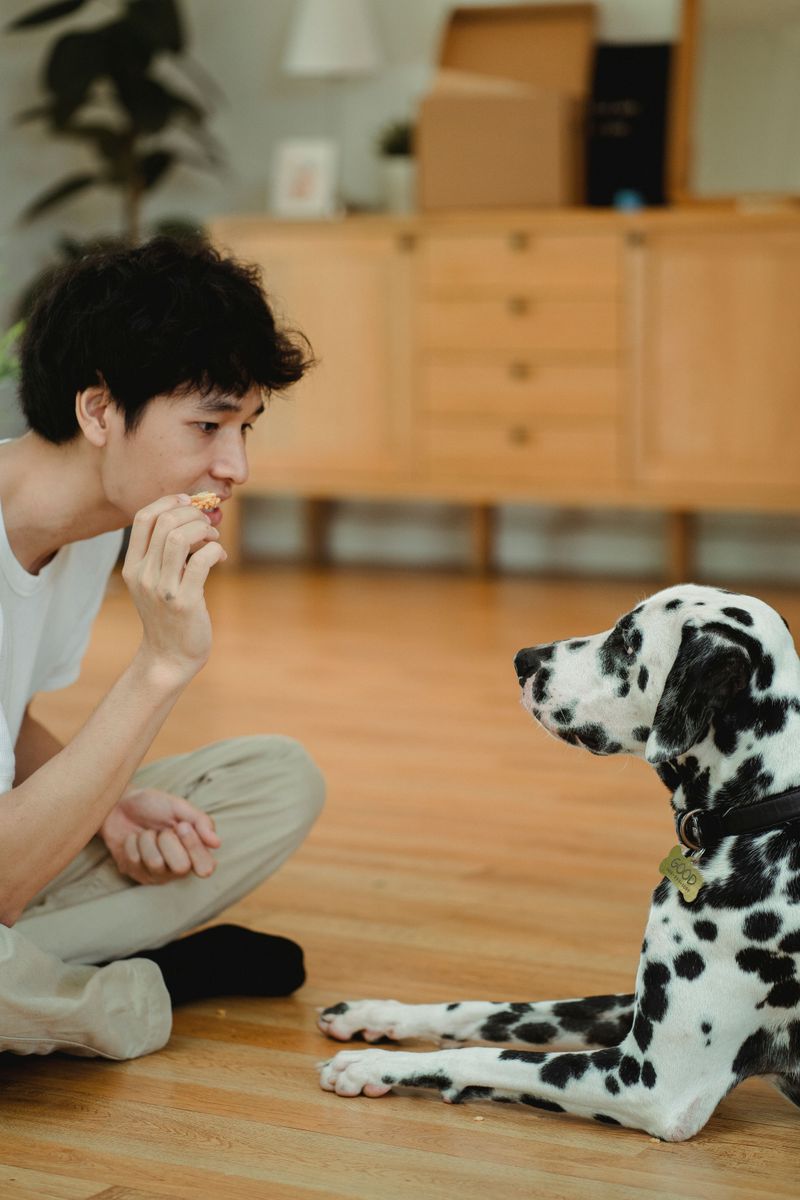
A dropped feed scoop can attract more interest than you expect. Teach leave it using a boring object and better rewards.
Mark the moment your dog looks away, then reward from your hand.
Practice with safe household objects before trying supervised farm distractions. Store pesticides, medicines, fertilizer, and treated seed securely regardless of training.
Avoid testing the cue with anything hazardous. If exposure happens, contact your veterinarian promptly rather than waiting for visible symptoms afterward.
8. Move Away From Machinery on Cue
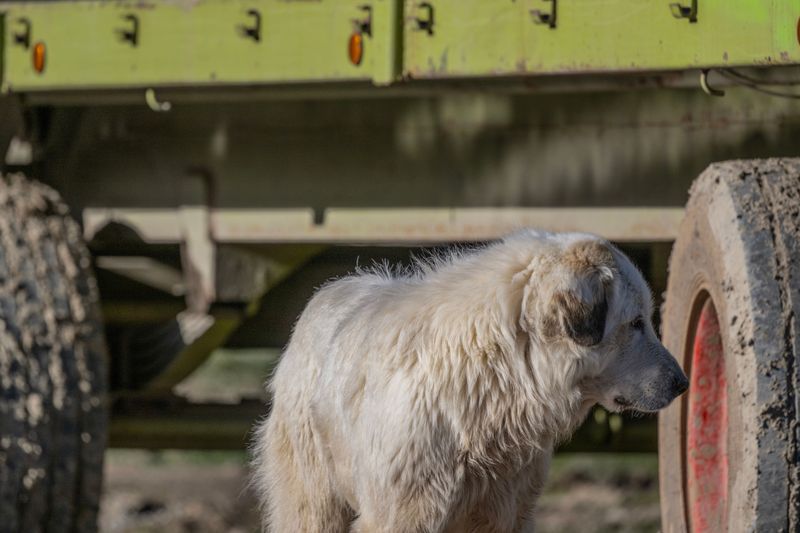
Moving toward safety is more useful than freezing beside a wheel. Teach an away cue that sends your dog toward you or a protected area.
Begin far from equipment, rewarding the movement generously.
Rehearse around parked machinery only when it is off and secured. Before anyone starts an engine, confirm your dog is physically contained.
Operators may not see dogs near wheels or attachments. Training supports that routine, but cannot replace separation from moving machinery.
9. Pause Before Entering Barns and Sheds
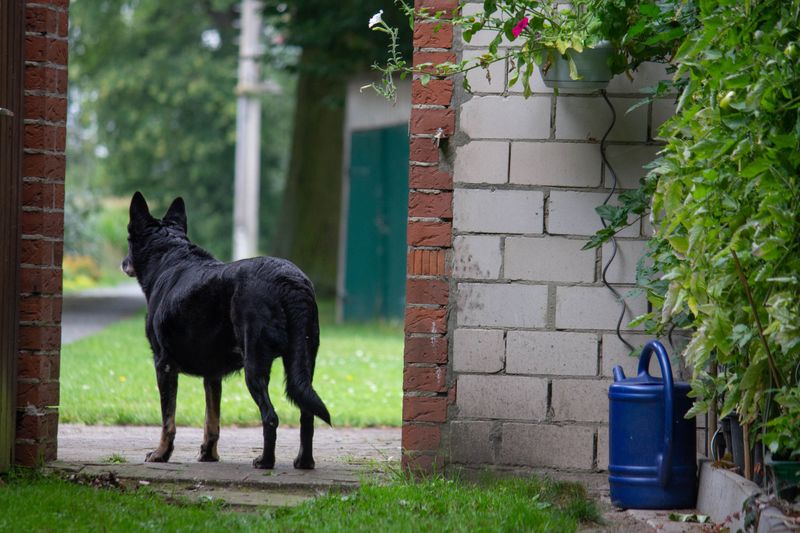
Barn doorways hide more activity than a dog can judge. Build a pause outside each entrance, using a leash during practice.
Reward waiting until you check the space and give permission.
Keep storage rooms containing chemicals, tools, or feed off limits. Look for loose animals, spilled materials, and equipment before allowing entry.
Some buildings should remain dog free permanently. A reliable doorway pause gives you time to decide, rather than letting curiosity make that choice.
10. Greet Farm Visitors With Calm Manners
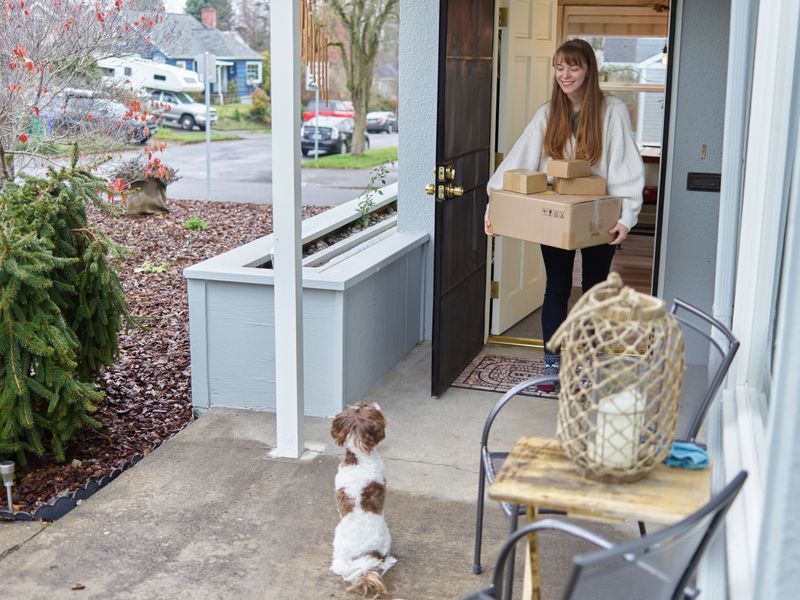
Delivery drivers and visiting neighbors should not need dog handling skills. Practice greetings with a helper while your dog stays leashed.
Reward four paws on the ground and attention toward you.
Allow distance if your dog seems unsure, and never force contact. Place your dog behind a secure barrier before vehicles enter.
Ask visitors to avoid feeding or calling your dog without permission. Predictable greetings make the farm easier to navigate for guests and workers.
11. Step Confidently Across Different Surfaces
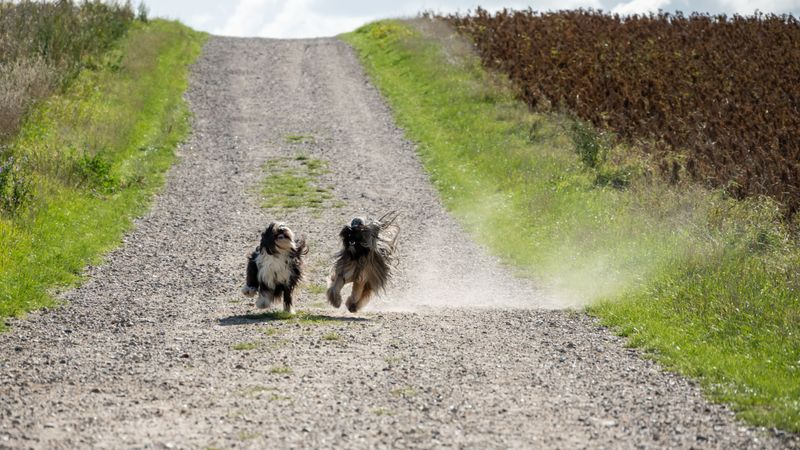
Gravel, wooden floors, and red clay can feel surprisingly different under paws. Offer short, voluntary walks across clean, stable surfaces.
Reward small steps rather than pulling your dog into unfamiliar footing.
Check boards for damage and metal surfaces for heat before practicing. Wet Georgia clay can become slick, so slow down after rain.
Skip unstable stacks, open grates, and questionable bridges. Confidence grows through safe choices, not pressure to cross every surface on the property.
12. Learn Fence Lines and Property Boundaries
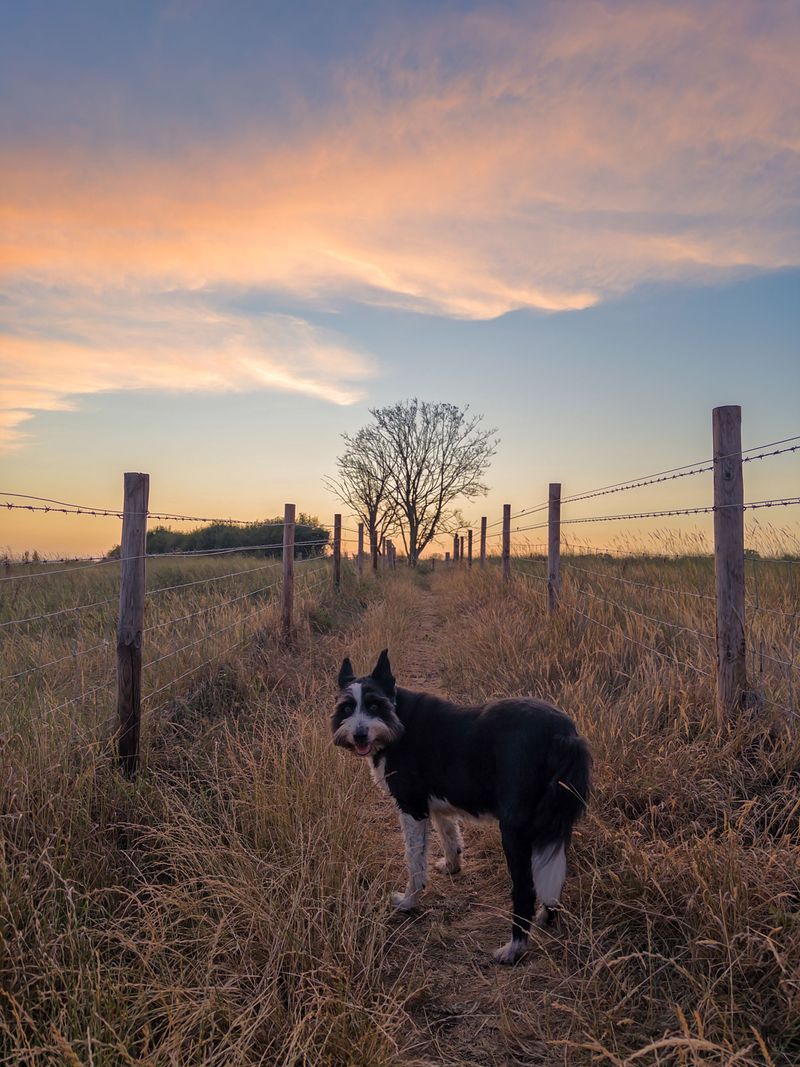
A familiar boundary is helpful, but it is not a barrier. Walk your dog inside secure fencing and reward turning back toward you.
Check regularly for gaps, loose wire, and digging spots.
Never assume repeated walks will prevent wandering after wildlife or another dog. Use physical containment suited to your dog and property.
Local roaming rules vary across Georgia communities. Ask animal control about requirements, and keep identification and microchip contact details current for recovery.
13. Turn Away From Chickens and Small Animals
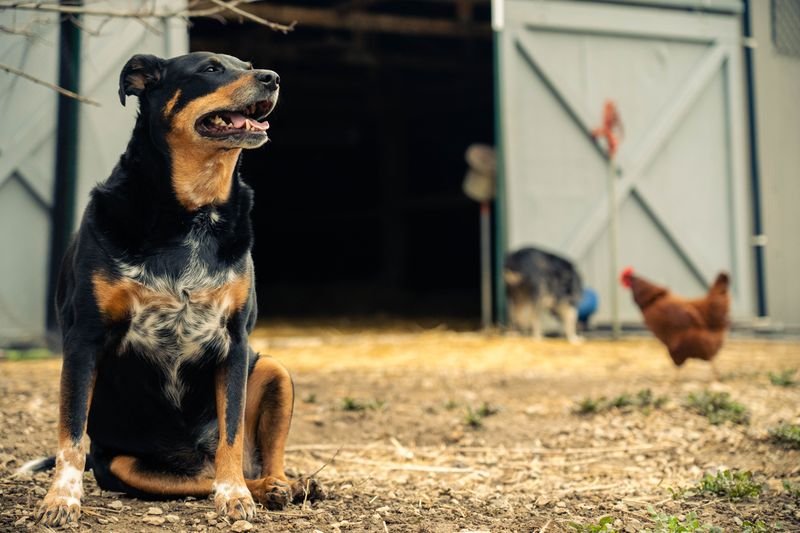
Fluttering wings can awaken chasing even in an otherwise gentle dog. Start well away from a secure poultry enclosure with your dog leashed.
Reward turning toward you when chickens move.
End practice before staring, stalking, or lunging builds. Never allow chasing as entertainment, since rehearsal strengthens the habit.
Some dogs need lifelong separation from poultry, rabbits, and other small animals. Secure housing and supervised routines matter more than expecting training to erase natural chasing instincts.
14. Recover Calmly From Sudden Activity
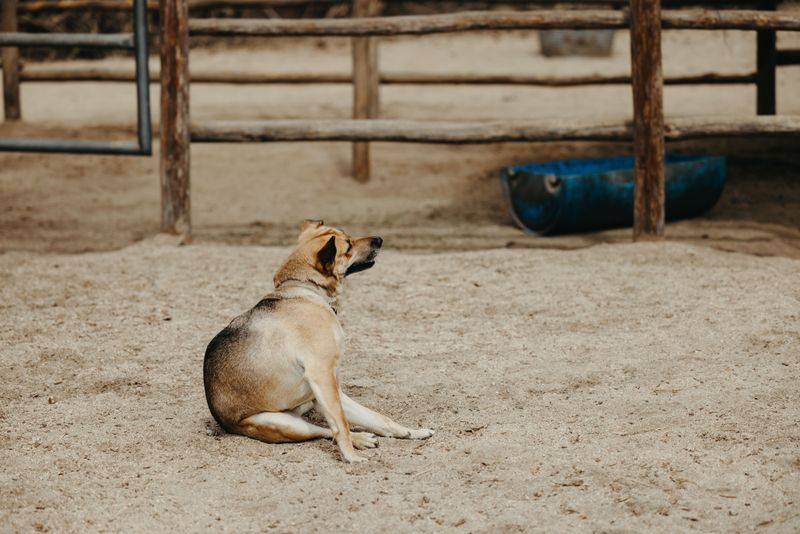
A falling bucket or flapping tarp can surprise an experienced dog. Introduce mild changes one at a time, from a comfortable distance.
Pair each with something pleasant, then return to familiar activities.
Let your dog move away instead of holding them near frightening sounds. Avoid creating loud surprises to test bravery.
If fear persists, ask your veterinarian about qualified behavior help. Gradual practice builds recovery skills without requiring your dog to tolerate every busy situation.
15. Settle Comfortably While You Work
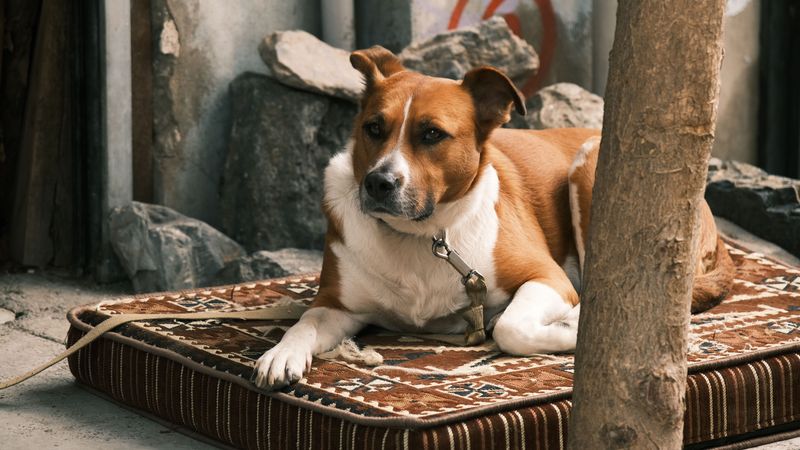
Not every chore needs a canine assistant at your heels. Teach resting on a mat in a quiet, protected spot.
Reward relaxed behavior, starting with seconds before slowly extending the time.
Offer breaks, water, and appropriate activity between resting periods. Keep the spot separate from livestock routes and equipment traffic.
If your dog cannot settle, reduce distractions or shorten the session. Small lessons, steady routines, and secure boundaries help farm life feel manageable for everyone.