14 Texas Fort And Mission Grounds With Outdoor Routes Open To Leashed Dogs
A mission wall or old fort trail can turn a simple walk into a small Texas history lesson. The trick is knowing which paths welcome dogs and where access stops, especially around churches and restored buildings.
These stops offer outdoor options, but some routes sit beside historic grounds rather than inside them. Use the access notes below, then confirm current rules with each site before packing water and clipping on the leash.
1. Mission Concepción: A Quiet Start in San Antonio
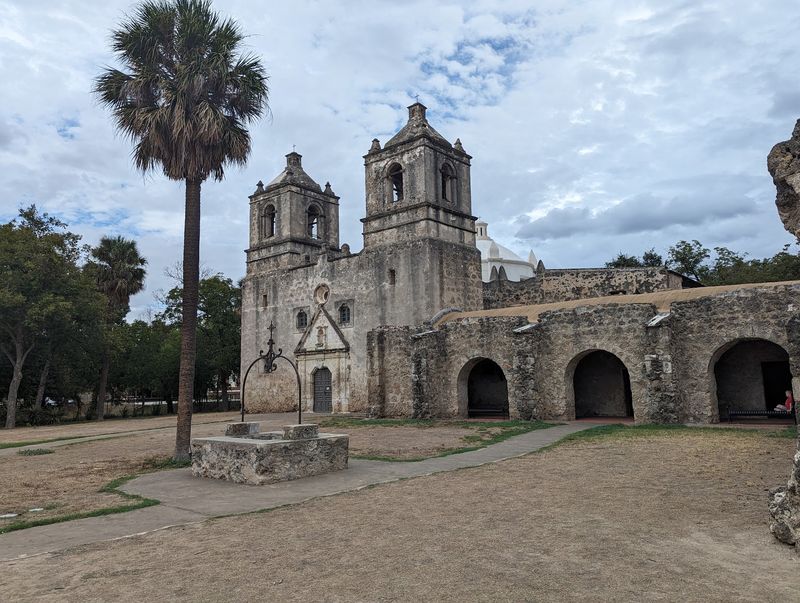
Twin towers rise above the lawn, giving your morning walk a striking backdrop. Mission Concepción in San Antonio welcomes dogs in outdoor areas on leashes no longer than six feet.
Keep church entrances clear, since services still happen here.
Pets cannot enter the church or federal buildings. Bring a bowl for water breaks, and collect every bag of waste.
A slow circuit outside offers plenty to notice without turning your outing into a long hike.
2. Mission San José: Big Views, Short Leashes
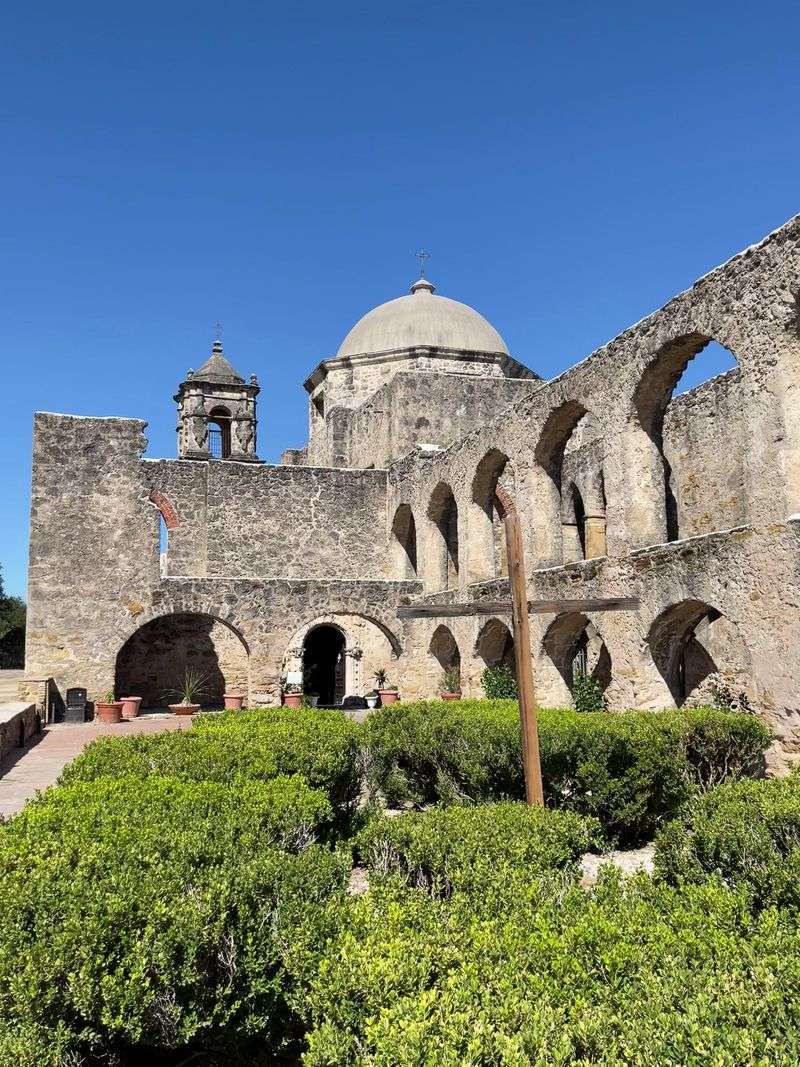
Broad grounds make the stonework feel grand before you even reach the church. At Mission San José in San Antonio, dogs may explore outdoor areas on leashes measuring six feet or less.
Leave indoor exhibits and the active church for a separate visit without your pet. Pause away from entrances when people gather for programs or services.
Morning visits help with heat, while a filled water bottle keeps your walking buddy ready for another sniff.
3. Mission San Juan: Room for a Slower Stroll
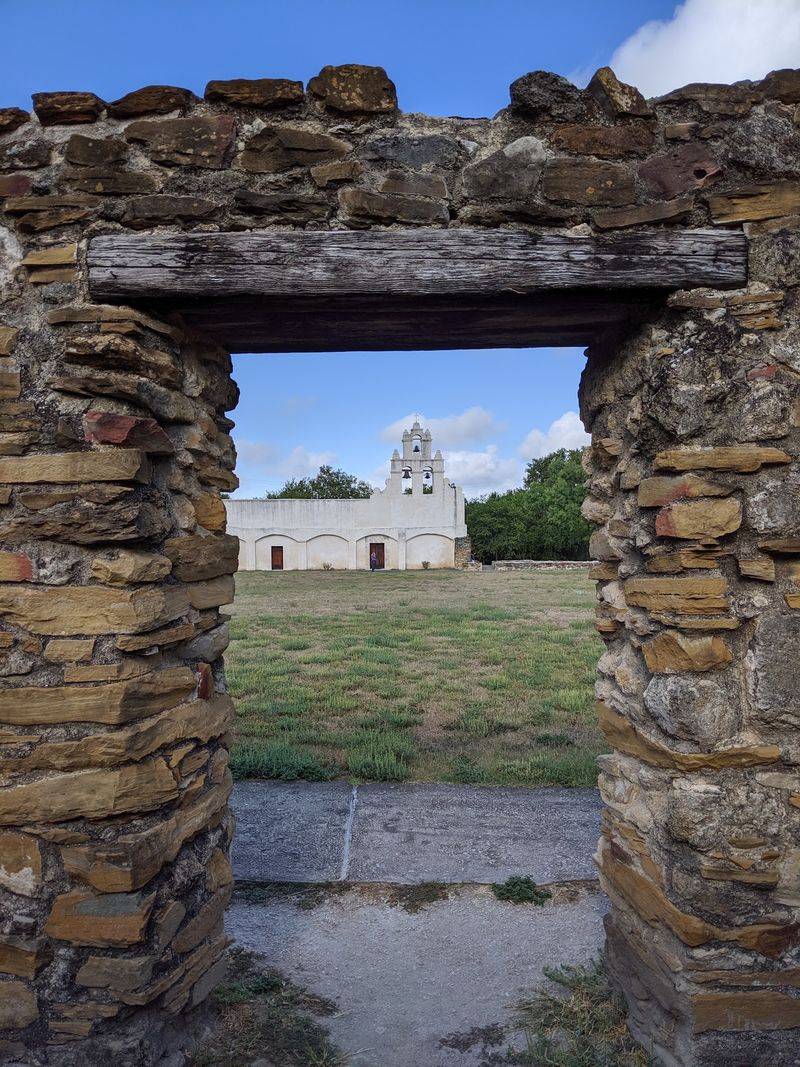
A white bell wall gives this stop a softer, quieter feel. Mission San Juan in San Antonio allows leashed dogs outdoors, with a maximum leash length of six feet.
Its church remains an active place of worship.
Keep your route outside federal buildings and the church itself. Choose a comfortable pace rather than racing between missions.
Nearby river paths can extend your outing, but check access, weather, and your dog’s energy before adding extra distance.
4. Mission Espada: Follow the Outdoor Story
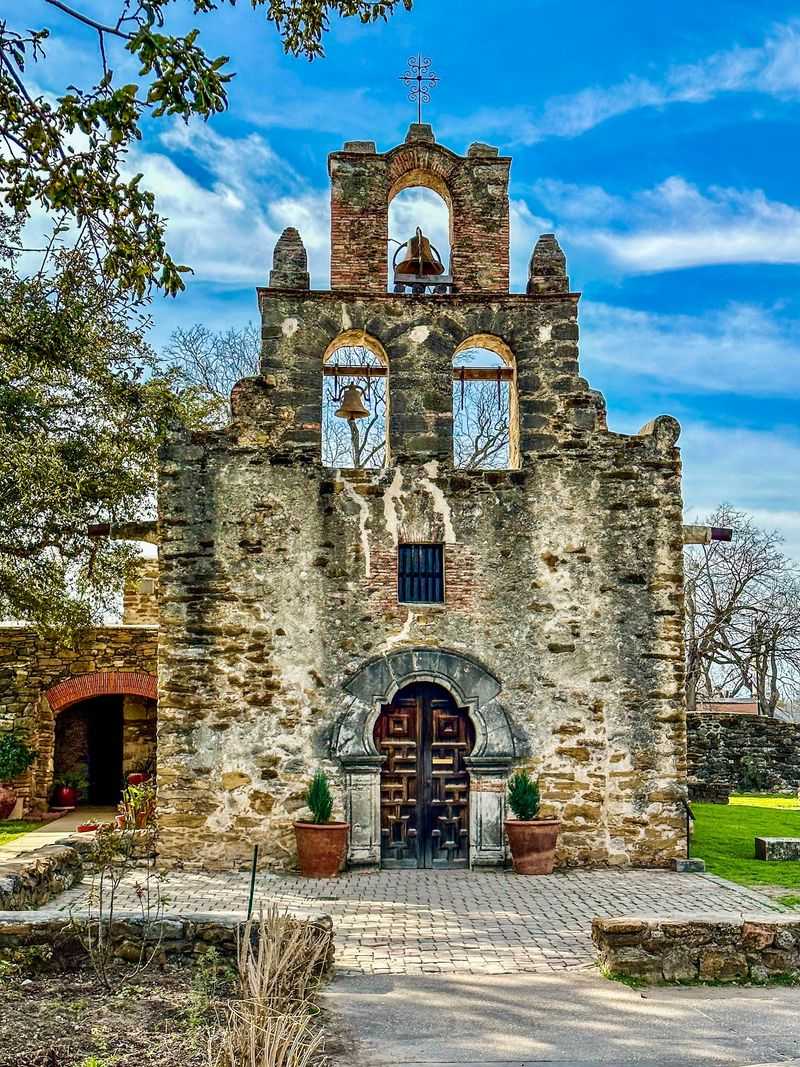
Rough stone and a small church invite a closer look at everyday mission life. Mission Espada in San Antonio permits dogs throughout outdoor areas when leashes stay six feet or shorter.
Church interiors and federal buildings remain off limits to pets. Study the walls from established paths, without letting paws climb fragile features.
Bring drinking water even when refill stations are available. A short visit here pairs nicely with another mission, provided everyone still feels comfortable.
5. Mission Espíritu Santo: Choose the Surrounding Park
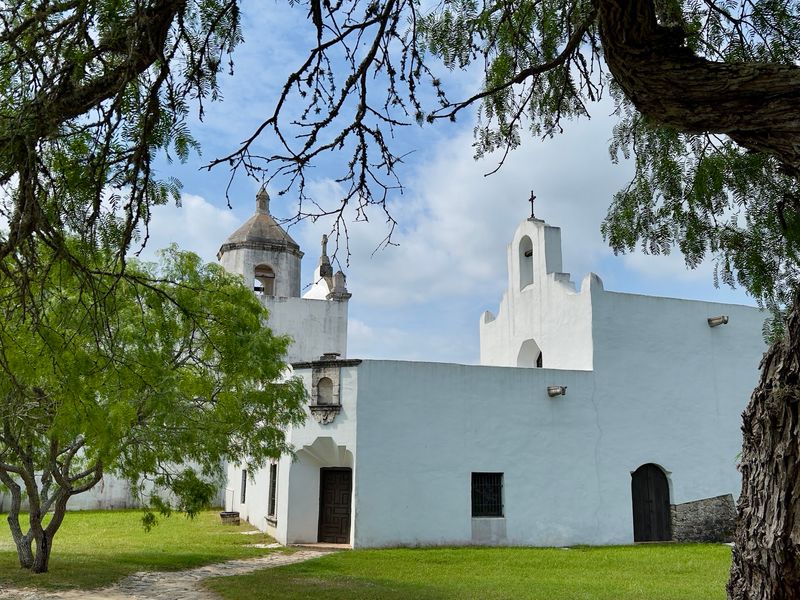
Here is the access detail that can save your afternoon: dogs are allowed in outdoor areas of Goliad State Park, including the grounds around Mission Espíritu Santo, but they cannot enter park buildings. Mission Espíritu Santo in Goliad sits within the park, where surrounding trails also offer walking options.
Keep your dog on a leash no longer than six feet and follow posted signs around historic structures and restricted areas. River scenery makes the nearby walk worthwhile.
If someone wants to visit the chapel or indoor exhibits, take turns while another adult stays outside with the dog.
6. Fort Leaton: Plan Around Desert Heat
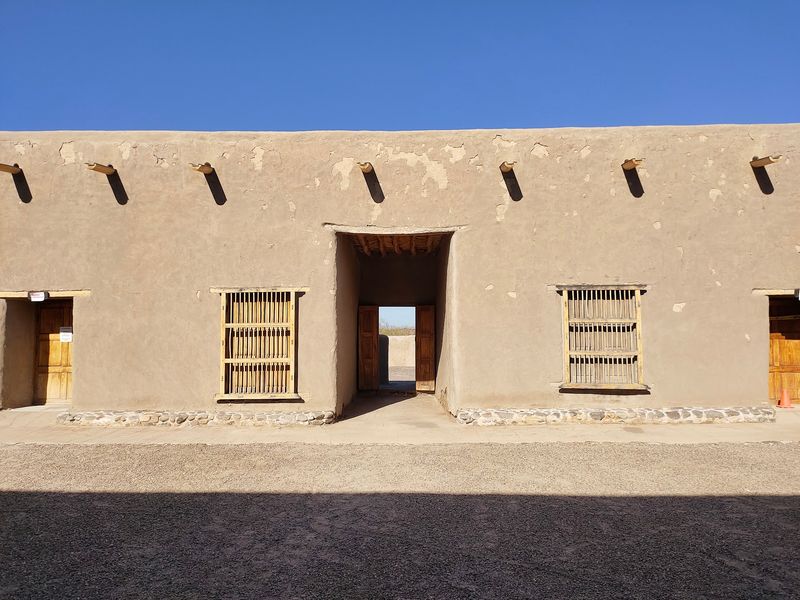
Adobe walls glow warmly near Presidio, but the ground can warm up just as quickly. Fort Leaton State Historic Site allows leashed pets on outdoor grounds, not inside buildings.
Ask staff which exterior routes are currently open.
Start early, carry more water than expected, and test surfaces before paws touch them. Shade can be limited around this former trading post.
Nearby Big Bend Ranch has separate pet restrictions, so permission here does not transfer to other trails.
7. Fort Richardson: Let the Park Trails Lead
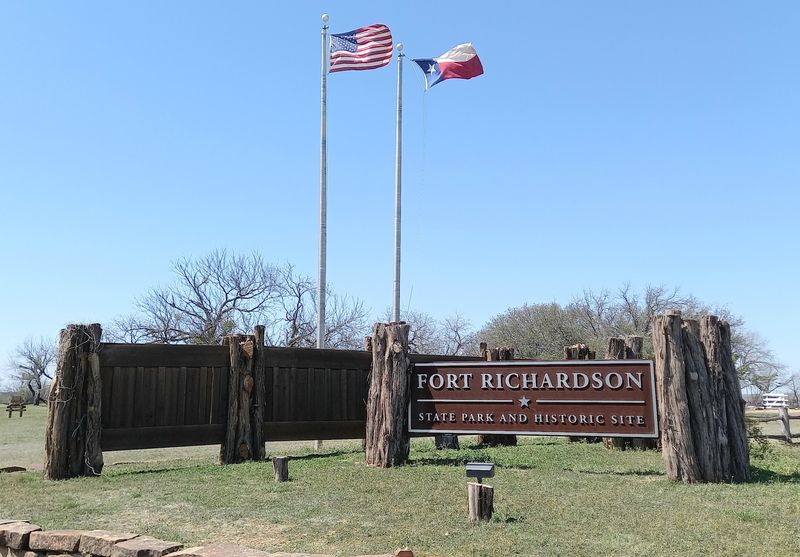
Creekside scenery gives your dog something different from another stroll around stone walls. Fort Richardson State Park and Historic Site in Jacksboro welcomes leashed pets on park trails and in campgrounds.
Do not assume the historic fort area shares that access. Confirm boundaries with staff, and keep dogs outside buildings, swimming areas, and the lake.
Pick a trail matching your dog’s stamina. The park setting makes this a useful stop when walking matters more than touring interiors.
8. Fort McKavett: A Walk Among Limestone Landmarks
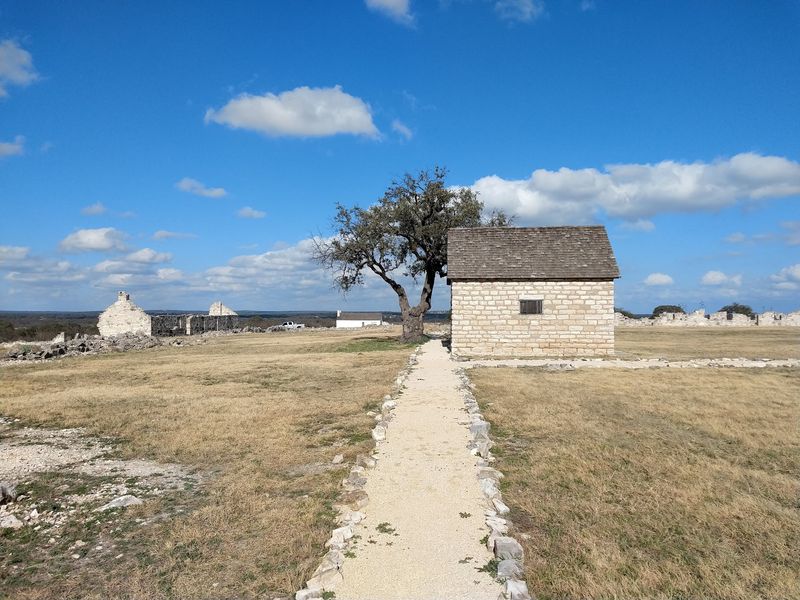
Rows of pale buildings make the old post feel like a small town. At Fort McKavett State Historic Site in Menard County, leashed dogs can accompany you across outdoor grounds.
Keep the visitor center and other buildings off your pet’s route. Exterior views still reveal barracks, former workspaces, and the scale of daily life here.
Buffalo Soldier regiments served at this post. Allow time for reading signs, water breaks, and simply enjoying the open Hill Country setting.
9. Fort Griffin: Give the Longhorns Their Space
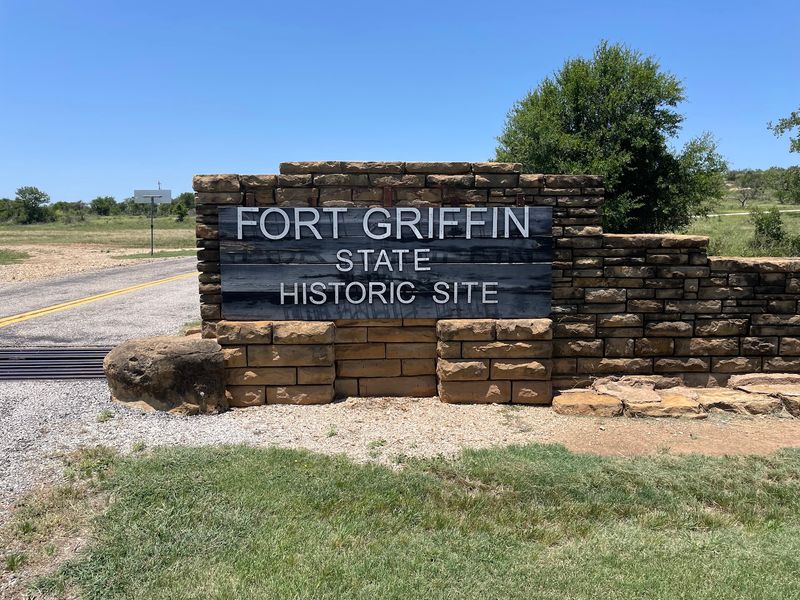
Longhorns add a distinctly Texas twist to the landscape near this old post. Fort Griffin State Historic Site near Albany welcomes leashed dogs on hiking trails and in campgrounds.
Give the official state longhorn herd generous space, even if your dog seems curious rather than excited. Never approach fencing for a closer introduction.
Ask staff about outdoor historic routes before exploring. With ruins above the river country, this stop rewards calm walking more than a hurried photo chase.
10. Fannin Battleground: A Compact History Break
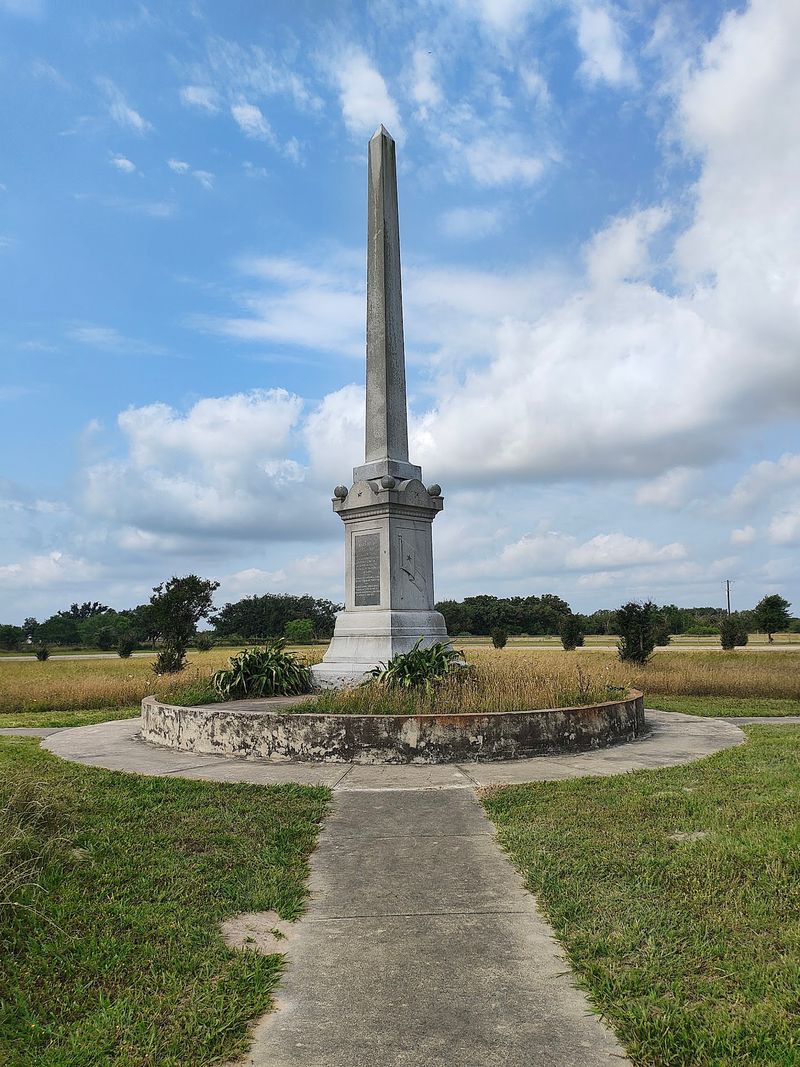
A stone obelisk anchors a small site that suits an unhurried roadside pause. Fannin Battleground State Historic Site in Fannin welcomes leashed pets outdoors, while buildings remain closed to dogs.
The grounds preserve an important chapter of the Texas Revolution. Keep the mood respectful around memorial features, and use established routes instead of climbing stonework.
Pack a picnic if conditions suit your plans. This manageable stop works well for dogs who prefer shorter walks with plenty of pauses.
11. San Jacinto Battleground: Look Up, Then Look Around
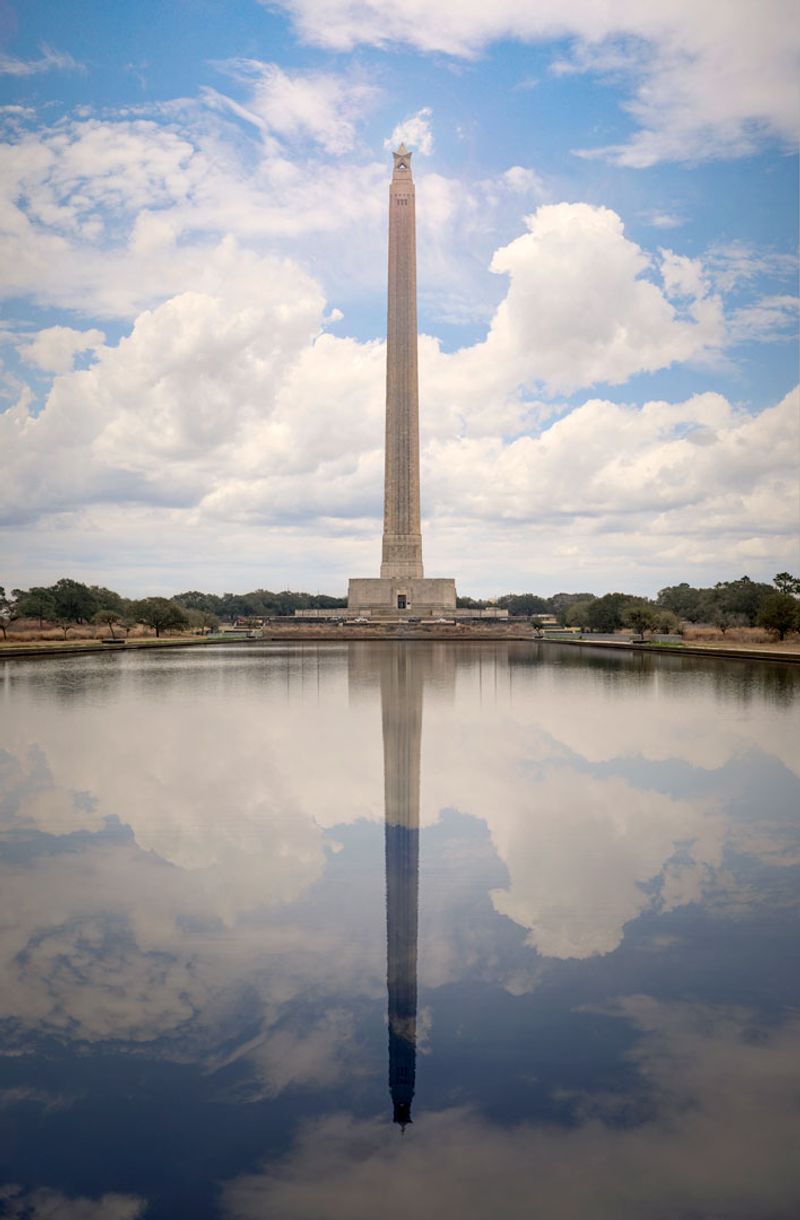
The monument pulls your eyes upward, but the surrounding landscape deserves attention too. San Jacinto Battleground State Historic Site in La Porte permits leashed dogs on outdoor grounds.
Museums and other buildings are not pet spaces.
Choose your walking distance around the weather, not the monument’s impressive size. Exposed stretches can feel hot, especially during humid afternoons.
Bring water and watch for birds near wetland areas. Check current trail access before promising your dog a longer circuit outside.
12. Sabine Pass Battleground: A Breezy Coastal Pause
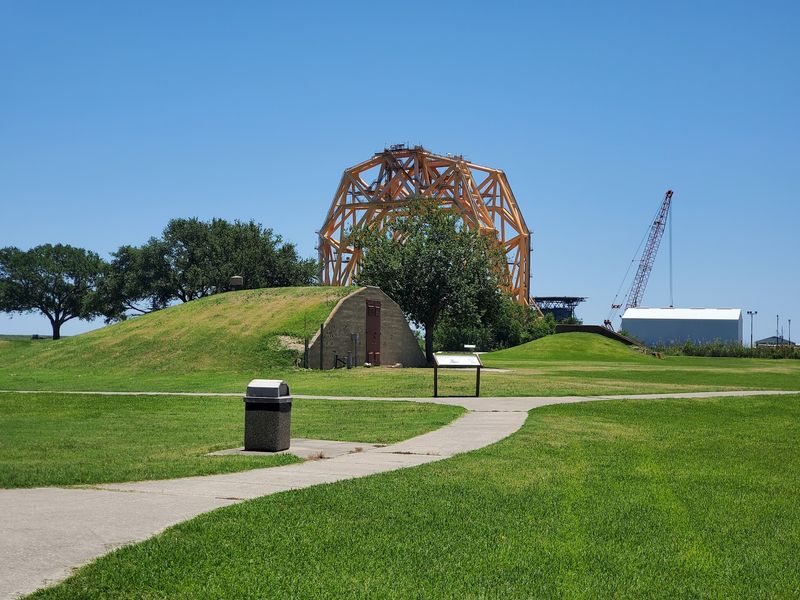
Coastal air brings a different rhythm to this history stop near the water. Sabine Pass Battleground State Historic Site in Sabine Pass welcomes dogs outdoors on leashes no longer than six feet.
Explore markers and memorials while keeping a firm grip when birds catch your dog’s attention. Stay clear of water edges and fishing activity.
Pack drinking water rather than letting your pet sample nearby water. Wind, insects, and sudden showers make a flexible visit especially helpful here.
13. San Felipe de Austin: Trace a Town Outdoors
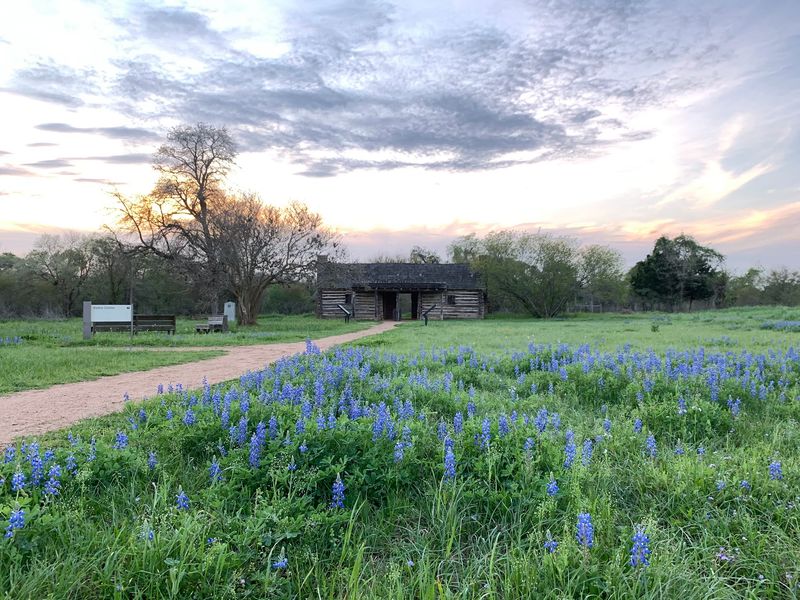
Instead of one grand building, this stop asks you to picture an entire early town. San Felipe de Austin State Historic Site in San Felipe allows leashed pets on outdoor grounds.
Dogs cannot enter the museum or reconstructed buildings, so plan an exterior visit together. Read outdoor signs and follow marked routes to understand the settlement’s layout.
Bring another adult if you want to trade museum time. Check hours before driving, since outdoor access follows site operating rules.
14. Monument Hill: Finish With a Valley View
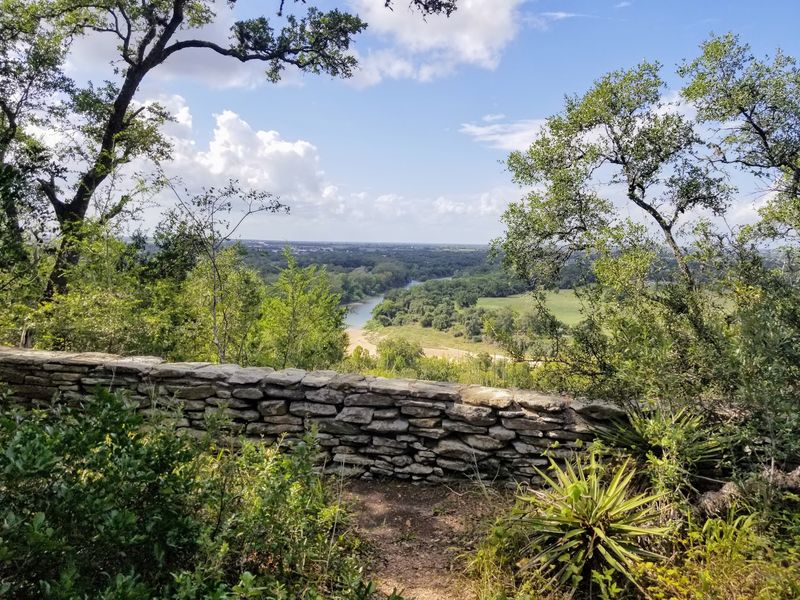
A view across the Colorado River valley gives this final stop a satisfying finish. Monument Hill State Historic Site in La Grange welcomes leashed dogs on grounds and hiking trails.
Follow posted boundaries around memorials, slopes, and historic structures. Guided tours may enter areas where pets cannot follow, so confirm arrangements first.
Choose comfortable footwear and keep your dog close near overlooks. Then fill the water bowl, gather your bags, and let Texas history set your next pace.