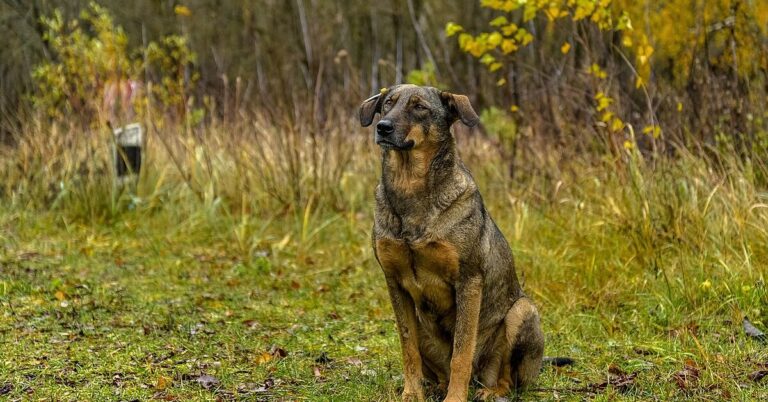
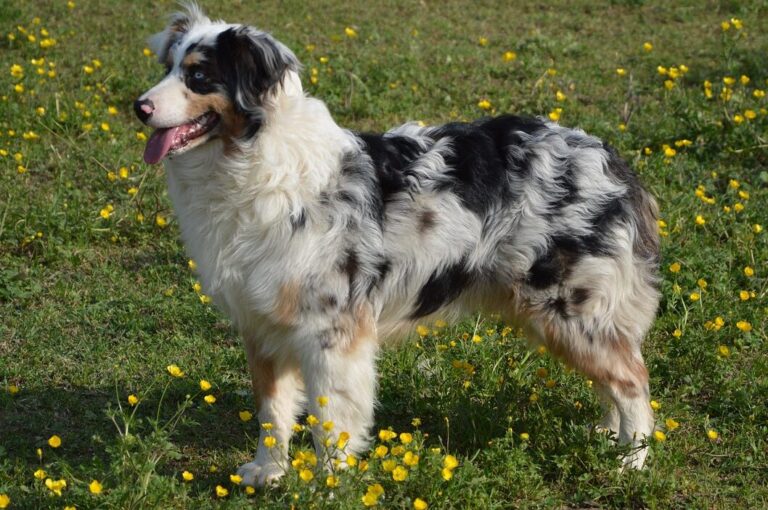
15 Colorado Activities That Work Better For Dogs Who Cannot Hike Like They Used To
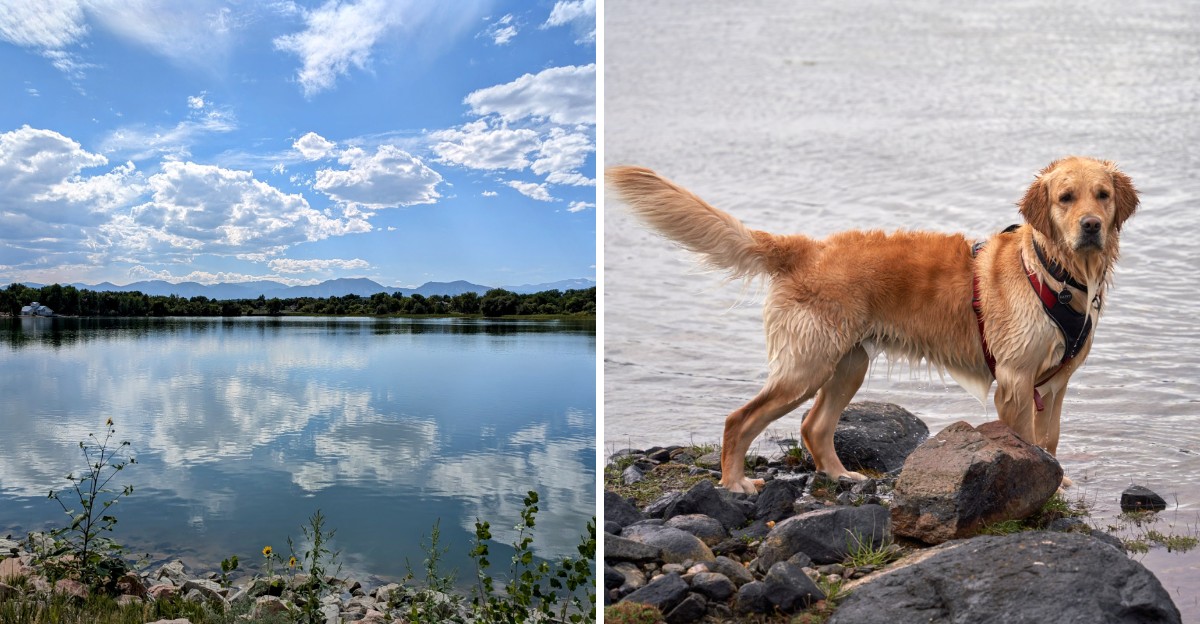
Your dog may still love an adventure, even when long climbs no longer feel good. Colorado offers plenty of places where sniffing, resting, and watching the water can replace a demanding hike.
A shorter outing can still bring fresh smells and happy time together. Ask your veterinarian about changing mobility, then choose routes that match your dog’s comfort rather than yesterday’s mileage.
1. Enjoy a Gentle Lakeside Walk at Cherry Creek State Park
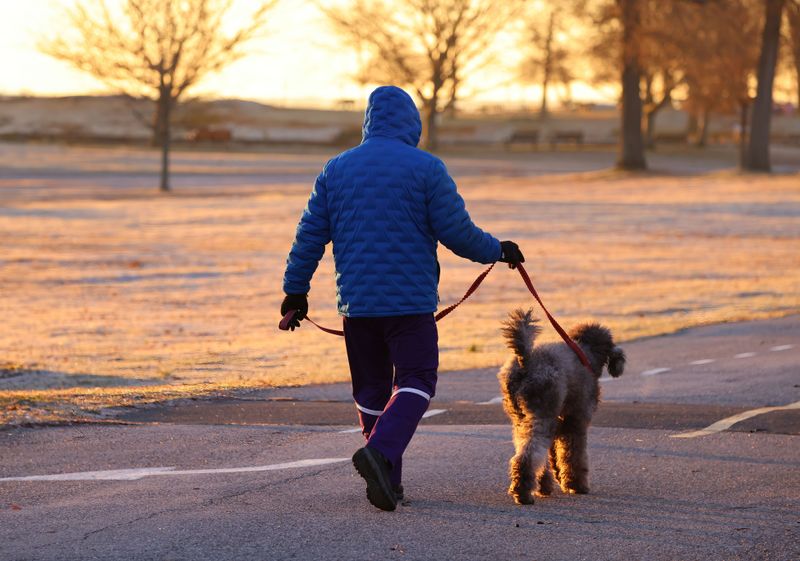
A familiar breeze off the reservoir can make a short walk feel like a proper adventure. At Aurora’s Cherry Creek State Park, choose a paved stretch near convenient parking instead of committing to distance.
Keep your dog leashed outside the designated off-leash area, and avoid swimming beaches. Bring drinking water and turn back before your dog tires.
The separate dog area requires an additional pass, but a quiet walk may suit your companion better today.
2. Spend a Relaxed Afternoon at Chatfield State Park
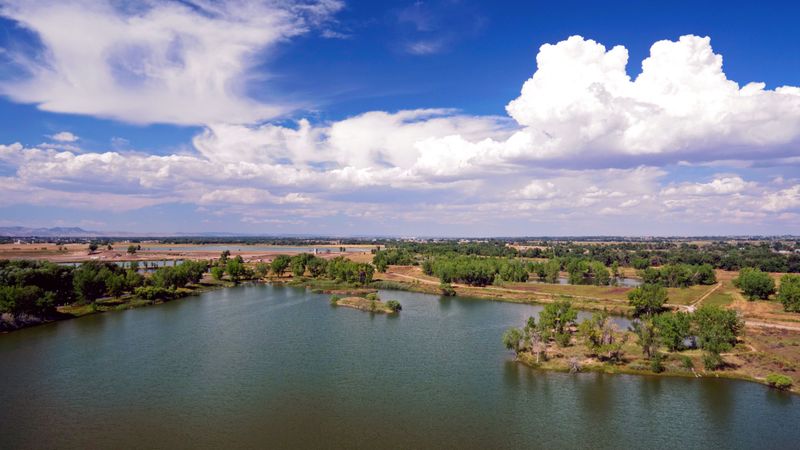
Pack a picnic blanket, and let resting become part of the plan. Chatfield State Park offers reservoir scenery without requiring a long trail outing.
Choose a permitted picnic spot, then add a brief walk on nearby firm ground. Dogs need leashes outside the designated dog area, which requires a separate pass.
Skip busy entrances if your companion dislikes energetic greetings. Check current park notices before leaving, since water levels and access conditions can change seasonally.
3. Follow an Easy Paved Path at Boyd Lake State Park
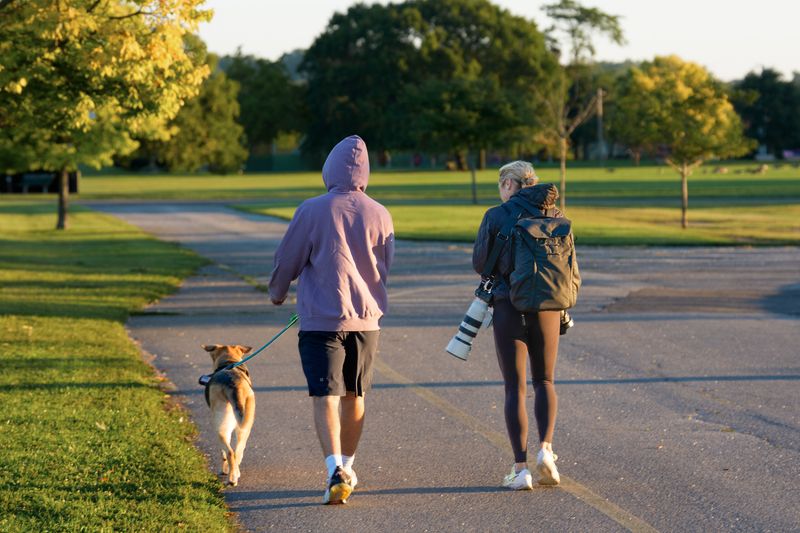
Smooth pavement can make footing more predictable for a dog with stiff joints. Boyd Lake State Park in Loveland connects visitors with paved recreation paths and broad lake views.
Start with a short out-and-back route rather than chasing a mileage goal. Keep the leash six feet or shorter, and stay off designated swimming beaches with your dog.
Exposed pavement can become hot, so visit early and check the surface before asking sensitive paws to continue.
4. Enjoy Flat Pondside Paths at St. Vrain State Park
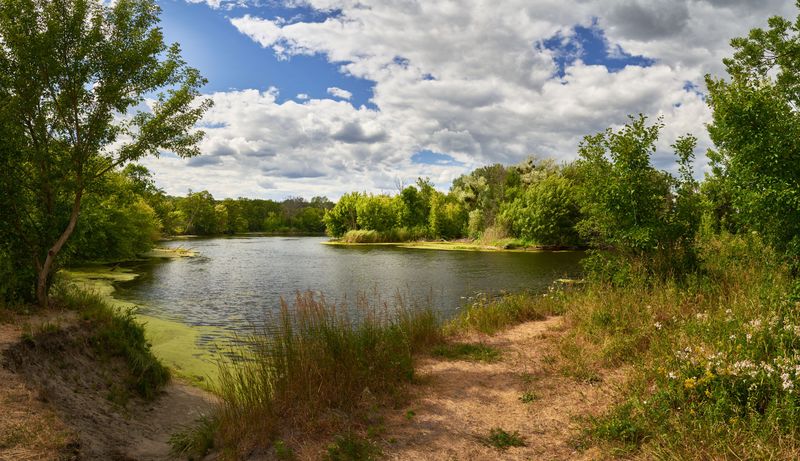
Birdwatching gives both of you a reason to slow down. St. Vrain State Park has pondside routes across relatively level ground, with accessible options shown on park maps.
Pick a short section near your parking area, and let your dog investigate safe trailside smells. Maintain a leash no longer than six feet and give nesting birds space.
Shade can be limited, so carry water and choose cooler hours rather than depending on a shady bench.
5. Take a Short Accessible Walk at Trinidad Lake State Park
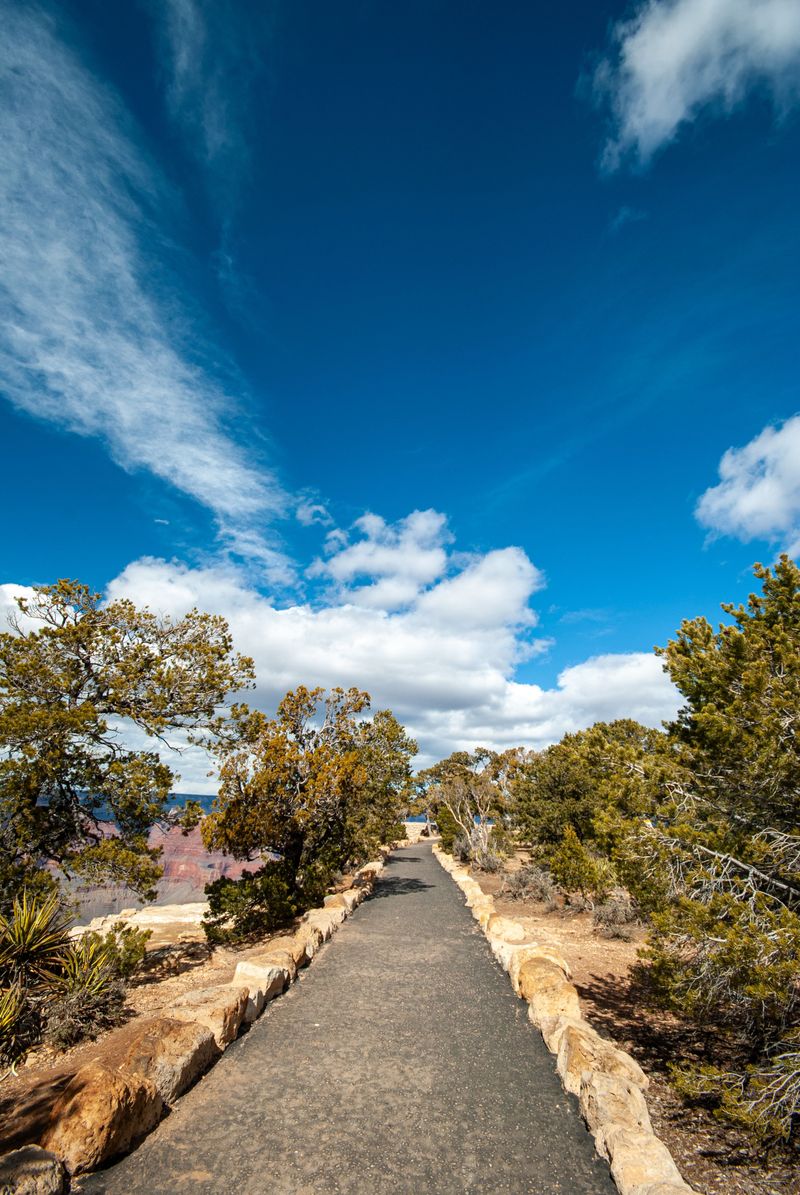
Southern Colorado scenery does not have to come with a steep climb. At Trinidad Lake State Park, ask staff about current conditions on the paved Park View and Sunset Point routes.
Choose only the section your dog can comfortably retrace. Accessible paths may still feel demanding when joints hurt or temperatures rise.
Keep your companion leashed, pack water, and pause at a viewpoint. A few unhurried minutes outside can be enough for a satisfying visit.
6. Enjoy Mountain Views Along Ridgway State Park’s Easier Paths
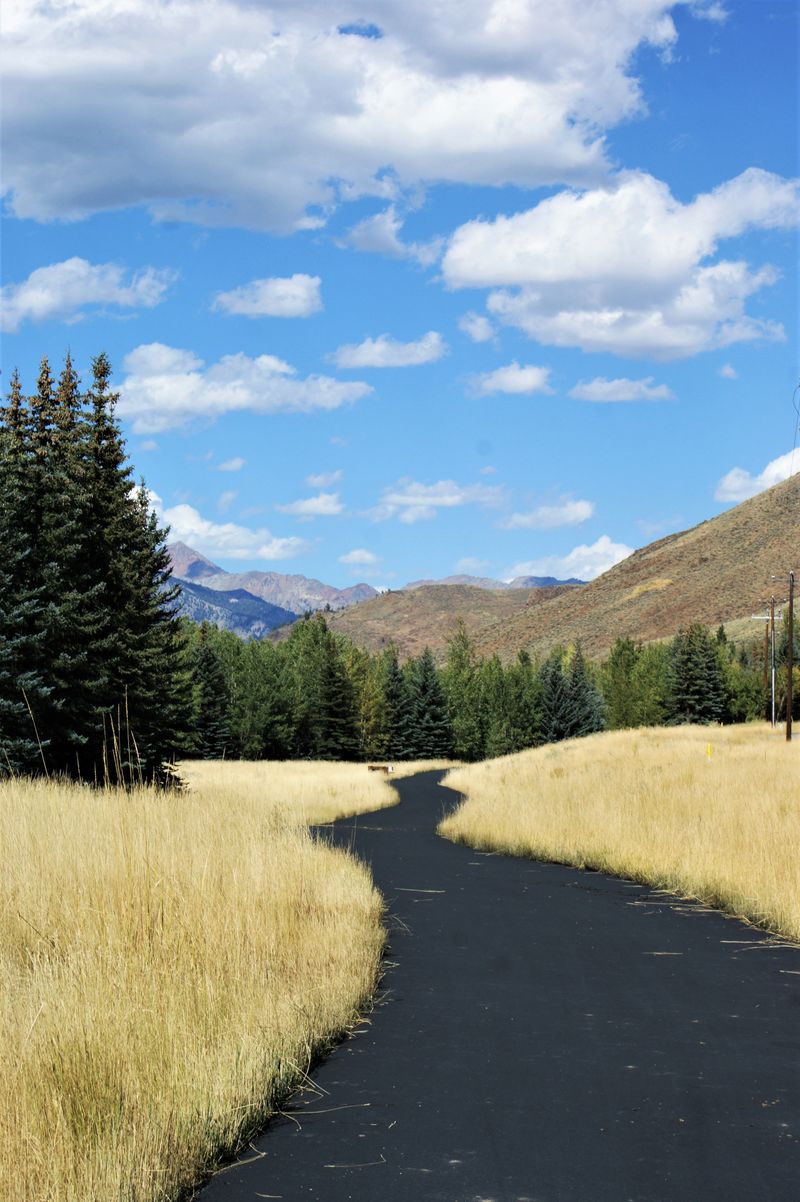
The San Juan Mountains can provide the adventure while your dog supplies the company. Ridgway State Park offers easier developed paths, including the paved Mears Bay route.
Confirm the best entrance and current surface conditions with park staff before choosing your turnaround point. Keep your dog on a leash no longer than six feet.
Mountain sunshine can feel strong even during cool weather, so bring water and plan pauses wherever permitted shade or seating allows.
7. Explore the Lakeside Trails at Connected Lakes
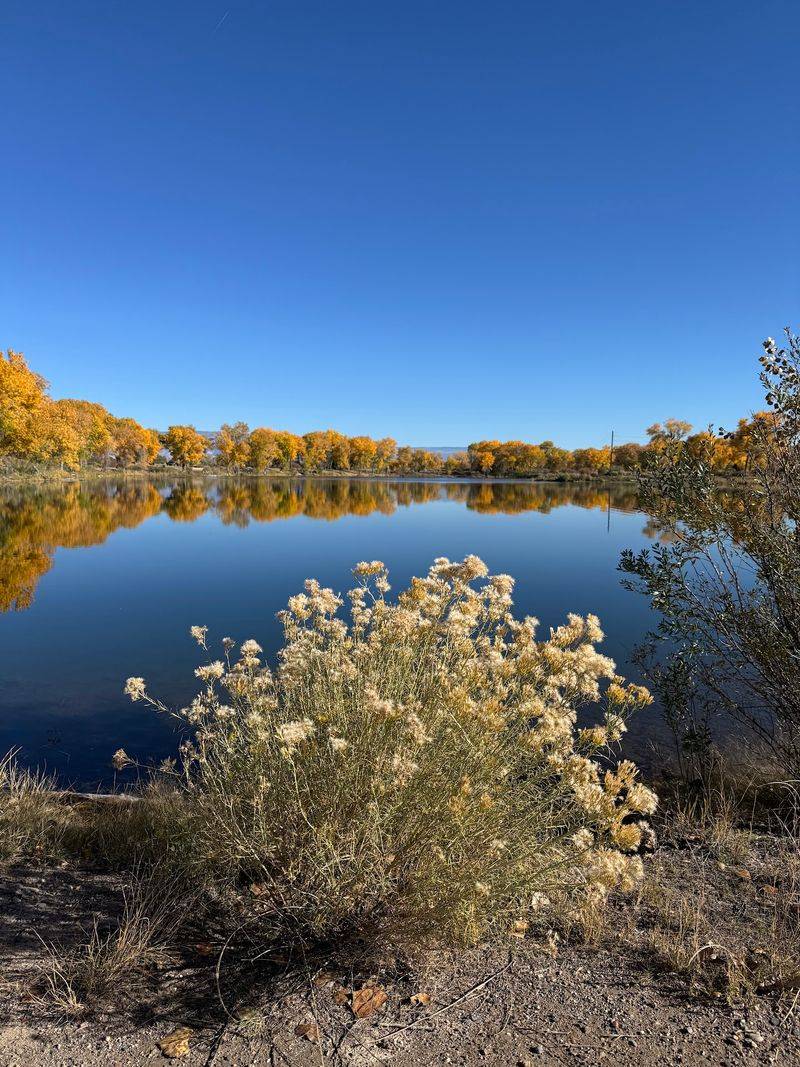
Cottonwoods and still water offer a welcome change from rocky desert trails. Connected Lakes belongs to James M.
Robb Colorado River State Park in Grand Junction.
Its mix of trail surfaces lets you choose a short outing that suits your dog’s footing. Inspect gravel and uneven edges before continuing, especially after wet weather.
Keep your companion leashed and away from riverbanks. Western Colorado afternoons can grow hot, making an early visit the more comfortable choice.
8. Take a Leisurely Loop Around Waneka Lake
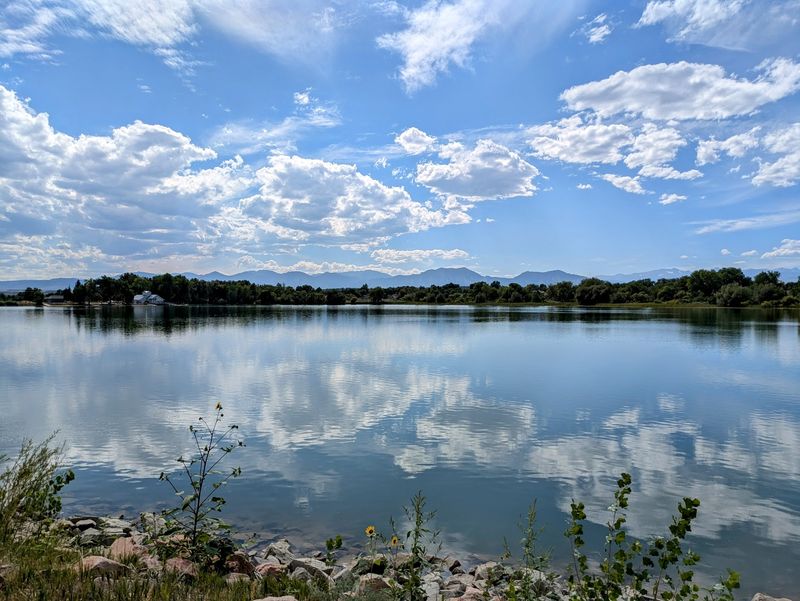
There is no prize for finishing the loop. Waneka Lake in Lafayette has a roughly 1.2-mile circuit, but a shorter visit works just as well.
Start near a convenient entrance and use your dog’s pace to set the distance. The mostly soft-surface path may feel different after rain, so check footing before continuing.
Keep your dog leashed and leave waterbirds undisturbed. A lakeside pause can replace extra walking without taking away the pleasure of exploring.
9. Enjoy a Quiet Nature Outing Near Morrison Nature Center
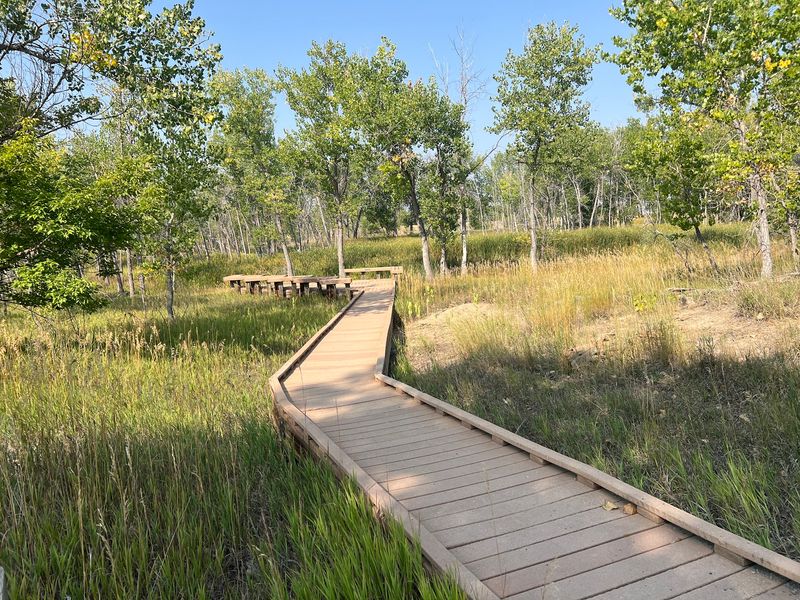
Rustling cottonwoods can be more interesting than another busy sidewalk. Around Morrison Nature Center at Aurora’s Star K Ranch, plan a brief outing on trails where dogs are permitted.
Check the posted map first, since dogs are not permitted on the wetland loop. Keep your dog leashed on the other permitted trails and respect every closure sign.
Choose firm ground near the entrance rather than assuming every route suits limited mobility. Quiet observation makes a rewarding activity here, too.
10. Follow the River at River’s Edge Natural Area
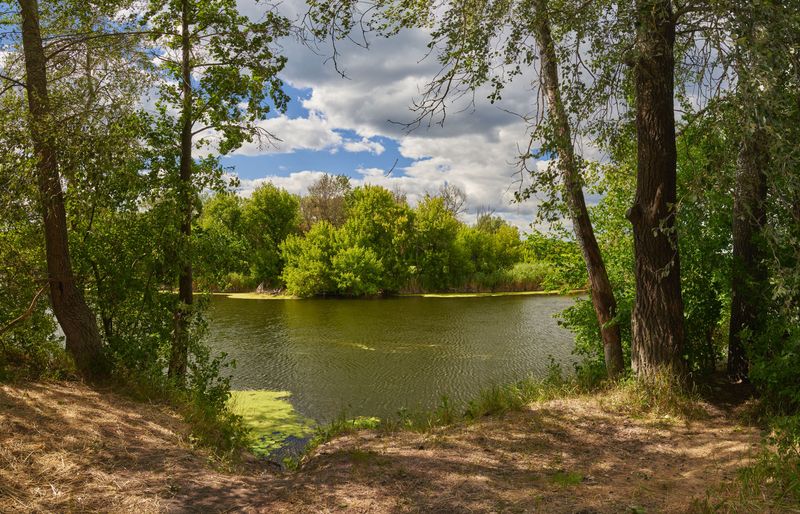
Loveland’s River’s Edge Natural Area offers ponds, river scenery, and room for an unhurried sniffing session. You do not need to explore its whole trail network.
Choose a short route with stable footing, keeping your dog leashed and away from steep banks. Natural surfaces can develop mud or ruts, so review closures after storms.
Bring your own drinking water rather than using ponds. If your companion starts lagging, turn around while the return still feels manageable.
11. Let Your Dog Enjoy a Calm Visit to Bear Creek Dog Park
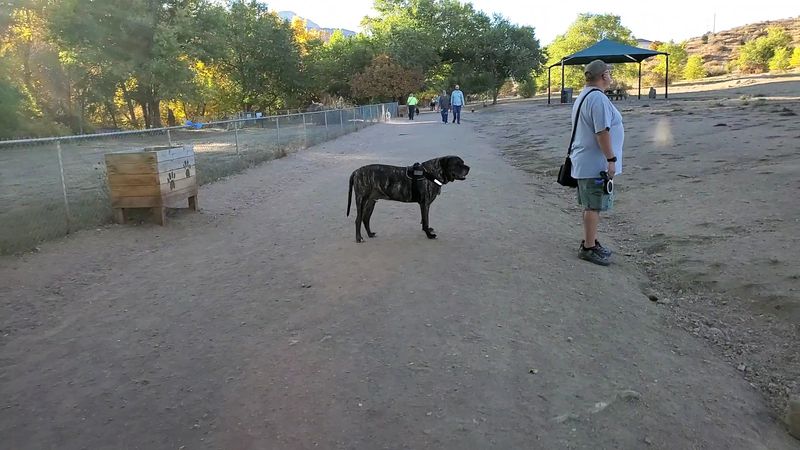
Social time sometimes matters more than covering ground. Bear Creek Dog Park in Colorado Springs includes a separate small and senior dog area.
Watch the activity before entering, because a designated enclosure does not guarantee calm play. Leave if greetings become pushy or your dog seems uncomfortable.
Bring water, supervise closely, and avoid creek access when conditions look unsuitable. For dogs who dislike surprises, a quiet leashed walk elsewhere may be the kinder afternoon choice instead.
12. Choose a Neighborhood Stroll at Belmar Park or Berkeley Lake Park
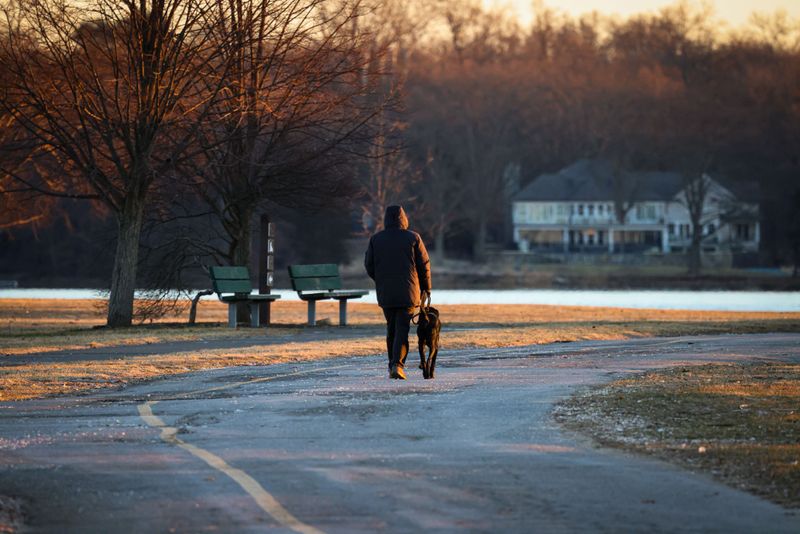
A nearby park can spare your dog a tiring car ride. Lakewood’s Belmar Park and Denver’s Berkeley Lake Park both offer waterside scenery for shorter neighborhood outings.
Pick whichever location gives you easier parking and a simple return route. Keep your companion leashed in general park areas, and inspect the surface for ice or heat.
Berkeley’s dog enclosure is optional, not essential. At either park, a bench break can turn a modest stroll into quality time.
13. Give Your Dog a Chance to Enjoy the Water at Coot Lake
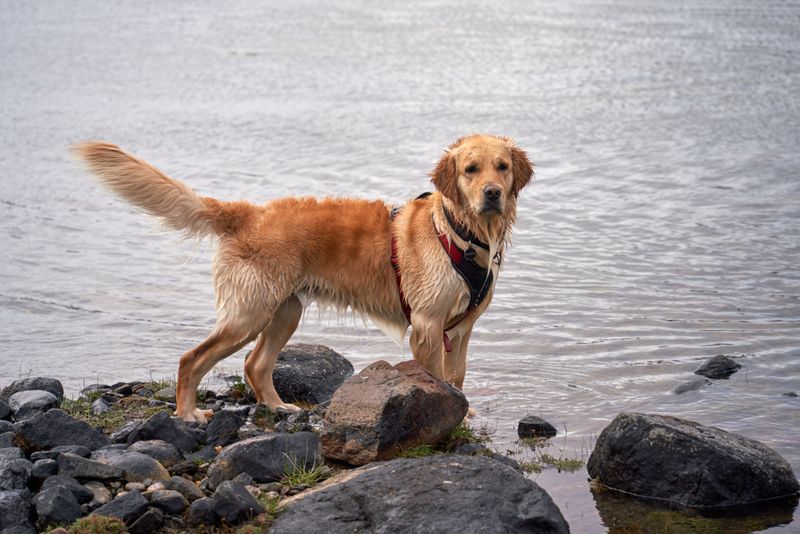
For a water-loving dog, even watching ripples can be a treat. Coot Lake near Boulder offers a relatively flat loop and designated shoreline access.
Check current signs for swimming permissions, seasonal restrictions, and water-quality warnings before approaching the water. Off-leash access requires compliance with Boulder’s Voice and Sight program wherever allowed.
Never assume swimming suits sore joints or reduced stamina. Ask your veterinarian first, and let a comfortable shoreline visit count as the whole adventure today.
14. Enjoy a Gentle Outdoor Visit at Cheyenne Mountain State Park
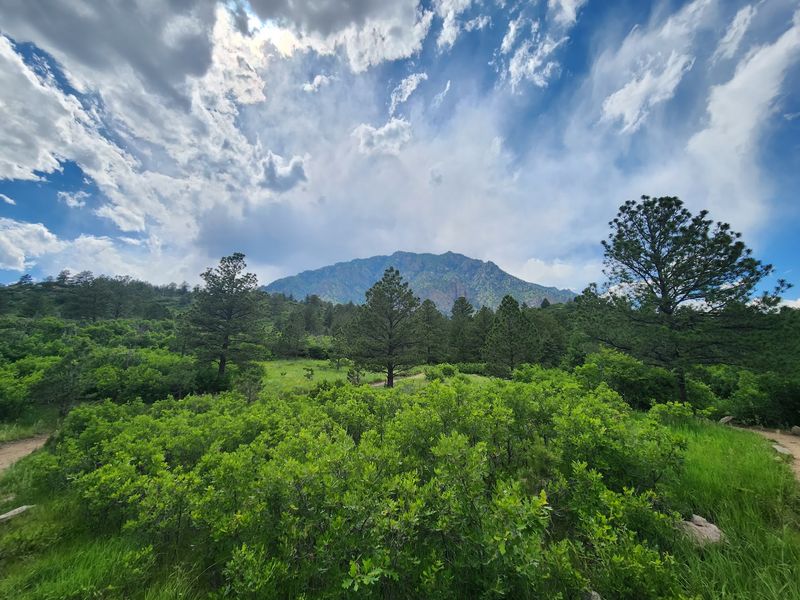
Trail selection matters especially at Cheyenne Mountain State Park. Dogs are allowed only on designated trails, not throughout the park’s full network.
Ask staff about Acorn Alley, Bobcat Way, Raccoon Ridge, and the permitted portion of Soaring Kestrel. Choose a brief section rather than assuming a complete loop will feel easy.
Keep the leash six feet or shorter. Uneven ground and climbing can still challenge older dogs, so turn back whenever their stride or enthusiasm changes noticeably.
15. Choose a Spacious Outing at Westminster Hills Open Space
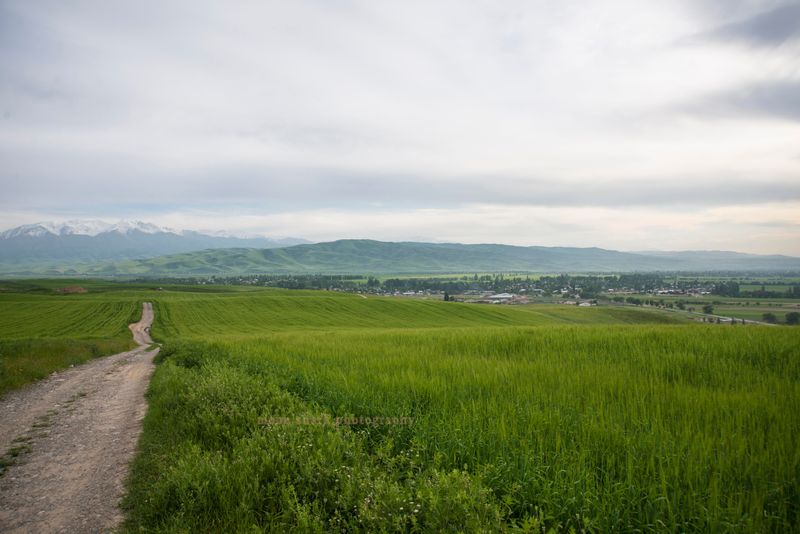
Wide views can feel freeing without requiring a long ramble. Westminster Hills offers open grassland, but its hills and busy dog traffic will not suit every slower companion.
Check Westminster’s current access rules and designated off-leash boundaries before visiting. Stay near your exit, carry water, and avoid depending on seasonal water sources.
Choose another destination if your dog needs predictable space. The best outing is not the longest one, but the one you both enjoy comfortably.