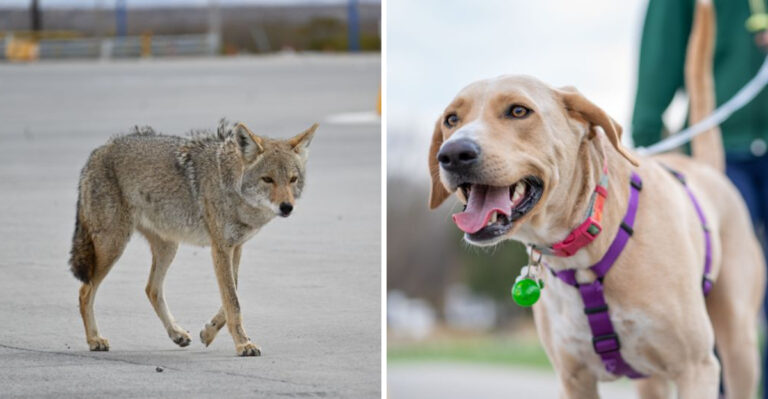
Georgia Dog IDs And Microchip Records Deserve A Check Before Severe-Weather Season
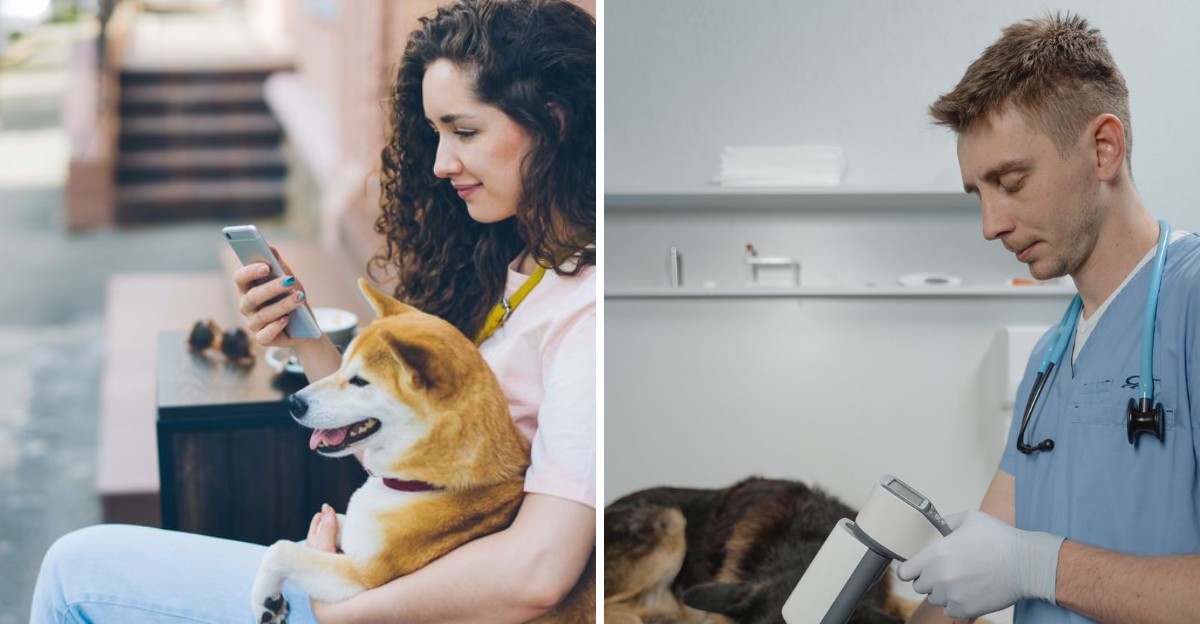
Georgia weather can turn busy fast, with spring storm lines, summer downpours, and the occasional tropical system pushing inland. Dogs feel all of it, and a scared dog often looks for a way out.
The good news is that a quiet afternoon with your dog’s tags, microchip registry, and paperwork can fix almost every gap before the first watch is issued. Consider this your friendly checklist, written for Georgia owners who want calm preparation instead of last-minute scrambling.
1. Storm-Damaged Fences Open Unexpected Exits

One fallen pine limb can turn a solid backyard fence into an open gate. Georgia yards often sit under tall pines and oaks, and high winds loosen boards, posts, and gate latches.
Walk the fence line after any rough weather, checking corners, gaps near the ground, and hinges. Bring a flashlight for evening checks.
A dog that panics will test every weak spot, so repairs made early keep everyone calmer later.
2. Loud Weather Can Send A Dog Running

Thunder rumbles, wind gusts, and hail on a metal roof all register as danger to a dog’s ears. Many pets react by bolting, digging, or squeezing through doorways.
Bring dogs indoors before the weather arrives, and set up a quiet interior room with familiar bedding.
Leash-walk nervous dogs during unsettled weather instead of trusting the yard. Identification matters most in exactly these moments, when instinct overrides training.
3. Evacuations Raise The Odds Of Separation
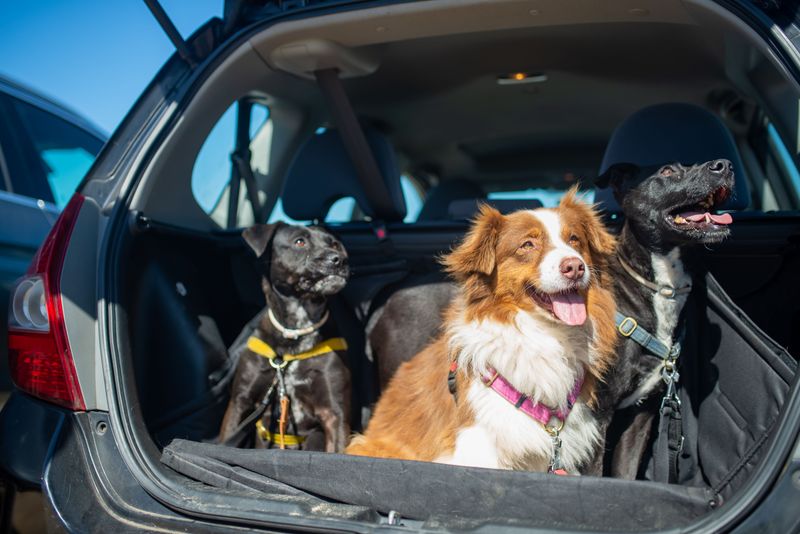
Leaving home quickly creates confusion, and confusion is where pets slip away. Doors stay open, crates get loaded in a rush, and unfamiliar places unsettle dogs.
Decide in advance who handles the dog, who grabs the kit, and where the leash lives.
Coastal Georgia families under evacuation orders should confirm pet-friendly options early, since rules differ by shelter and county. A short plan prevents most separations.
4. A Readable Tag Is The Fastest Way Home
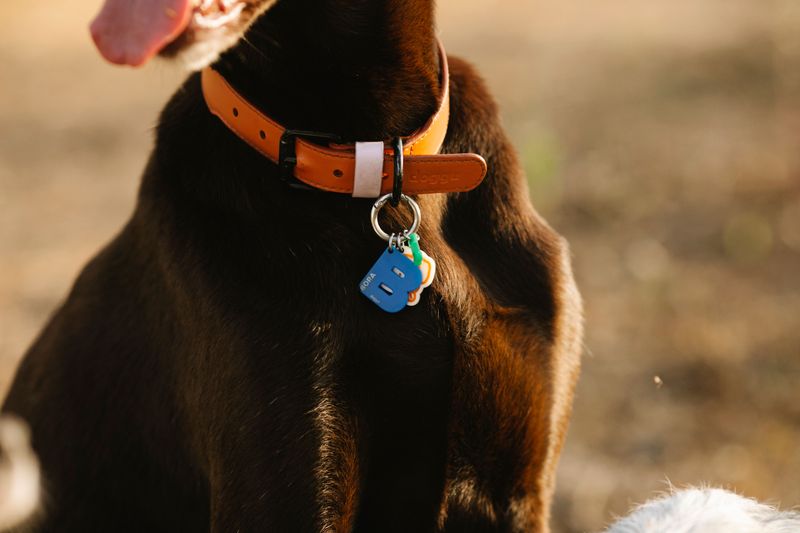
Whoever finds your dog usually has a phone in hand and nothing else. An engraved tag lets that neighbor call you within minutes, no scanner required.
Check the engraving for wear, since rubbing against a buckle slowly erases numbers.
Deep-stamped stainless or brass holds up better than painted surfaces. Flat tags that slide onto the collar stay quieter and last longer than dangling rings.
5. Confirm The Phone Number Still Rings
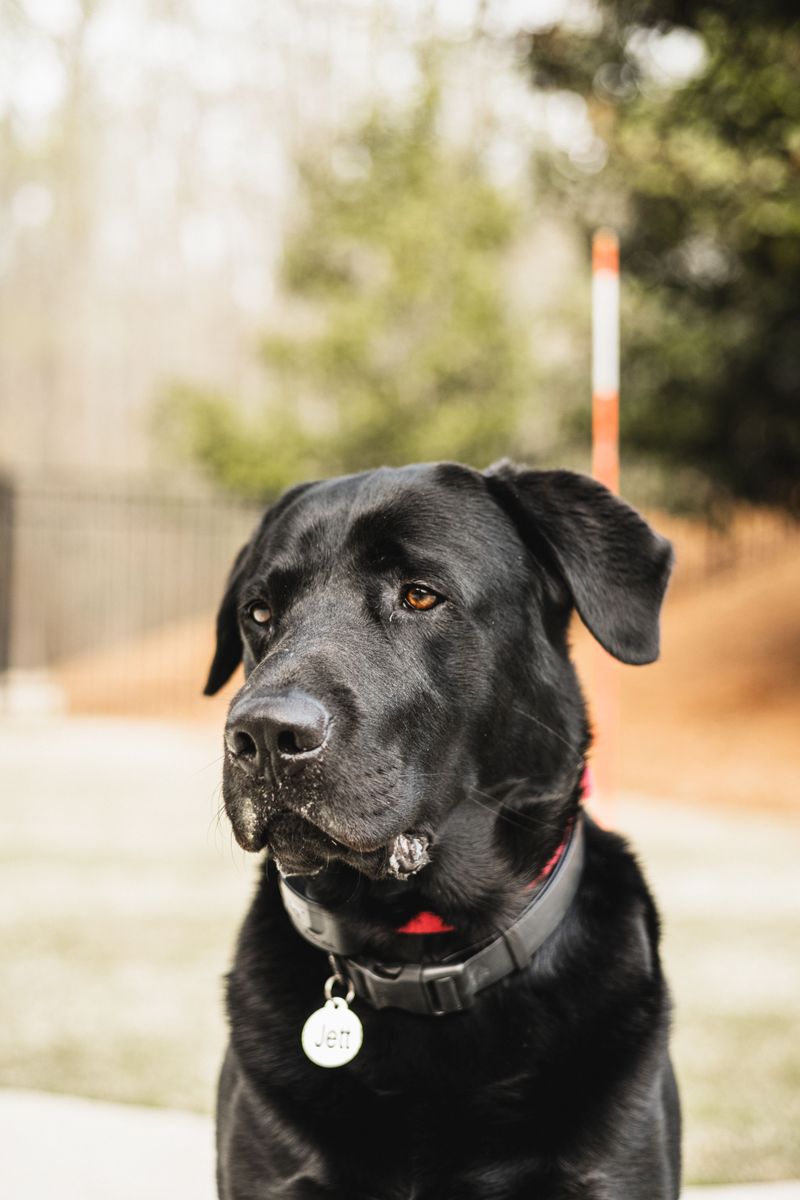
Numbers change more often than owners realize. New carriers, dropped landlines, and work phones returned to an employer all leave tags pointing nowhere.
Read the digits aloud, then dial them from another phone to be sure.
Listing two numbers helps, especially a mobile that travels with you. Voicemail should be set up and not full, because a finder may only try once before moving on.
6. Old Addresses Slow Down Reunions
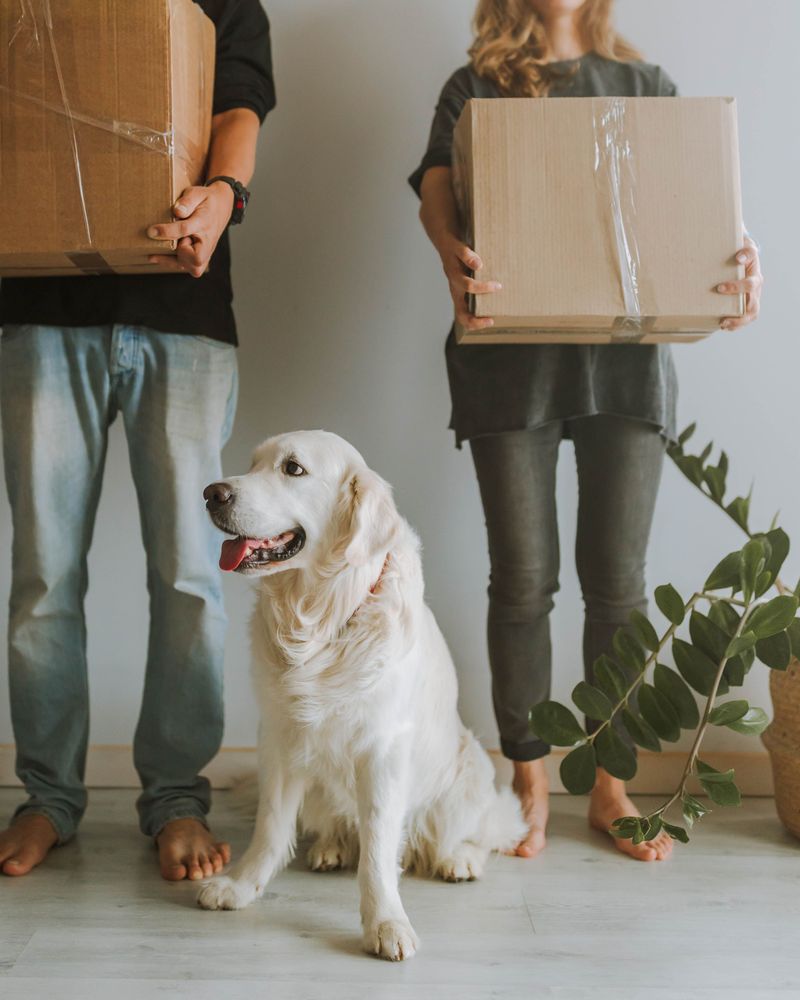
Moved across the county last year? A tag or record showing your old street can send a good Samaritan to strangers instead of you.
Update the address on tags, microchip registries, and your vet’s file at the same time.
If you evacuate, a current address also helps shelters match found dogs to intake reports. Small paperwork, big difference when a storm scatters things temporarily.
7. Verify That The Chip Is Actually Registered
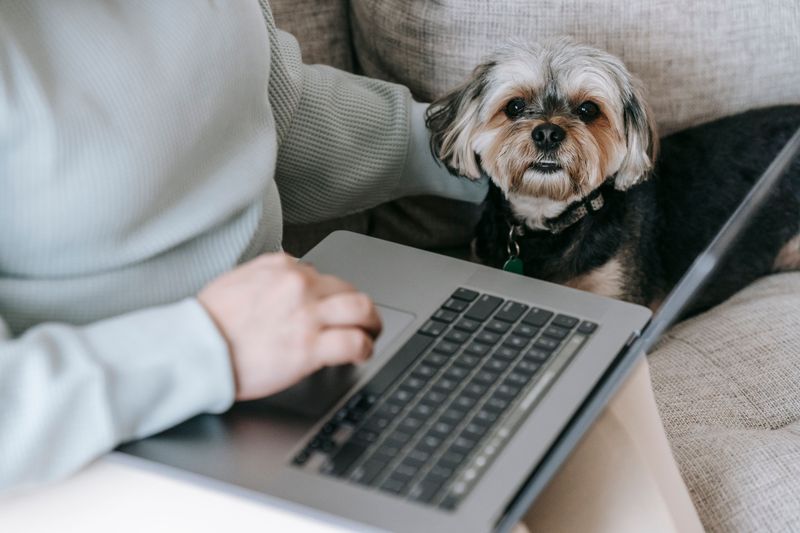
Implanting a chip and registering it are two separate steps. Plenty of dogs carry a working chip that leads to no contact details at all.
Log into your registry account and confirm your dog’s number appears with your name attached.
Adopted dogs sometimes remain listed under a rescue or breeder. Ask for a transfer so calls reach your household first, not a previous caretaker.
8. Keep Microchip Contact Details Current
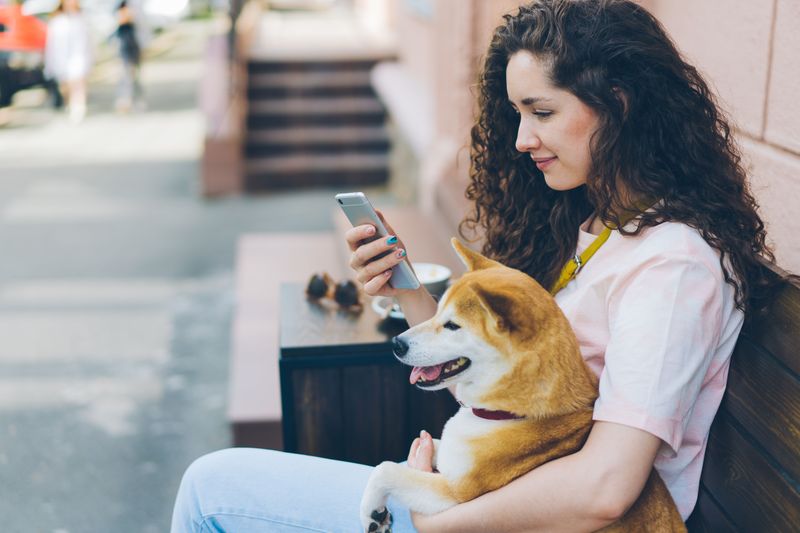
Outdated information is the single most common reason a scanned chip fails to reunite a family. The chip works fine, but the trail stops cold.
Include a primary mobile number, a backup number, your current address, and an email you actually check.
Set a yearly reminder, maybe alongside spring cleaning or your dog’s checkup. Two minutes of typing protects years of companionship.
9. Add An Out-Of-Area Emergency Contact
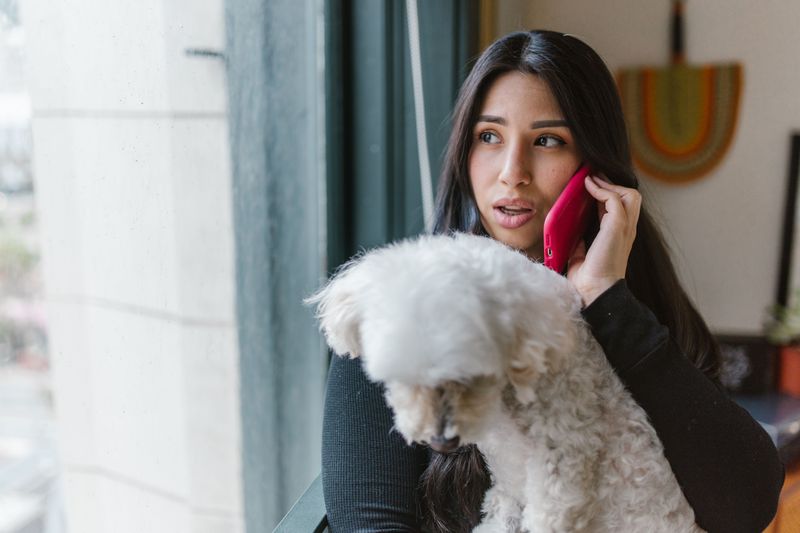
When storms knock out local service, a Georgia number may not connect. A relative or friend in another state can answer when your phone cannot.
List that person as a secondary contact in the microchip registry and on a second tag.
Tell them in advance what you want them to say and where to reach you. Shelters appreciate any line that leads somewhere useful.
10. Know Which Registry Holds Your Dog’s Record
Chips come from different manufacturers, and each links to its own database. Owners often forget which company holds their record.
The AAHA Microchip Lookup tool lets you enter the number and see which registry to contact. It does not reveal personal information.
Write the registry name and your dog’s number on your emergency list. Knowing where to call saves time when minutes feel long.
11. Ask Your Vet To Scan The Chip
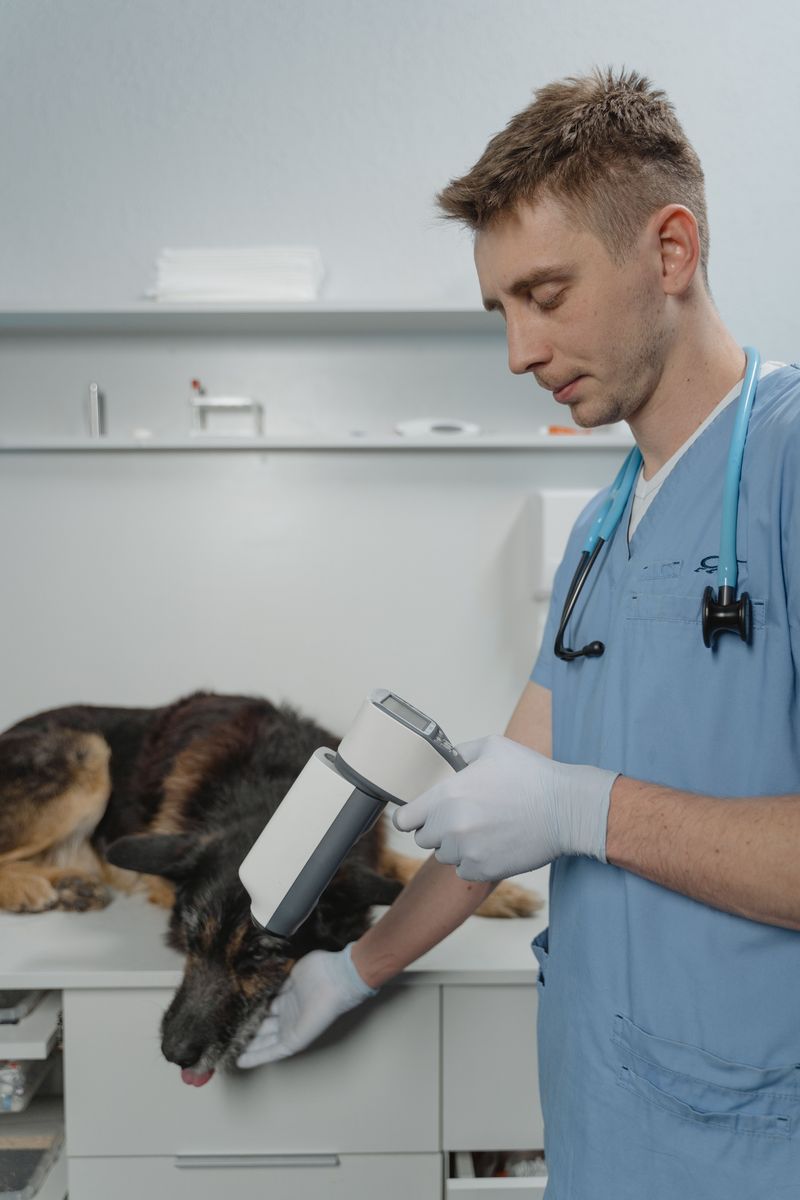
Chips rarely fail, but they can drift from the spot between the shoulder blades. A quick pass with a scanner confirms it still reads.
Add the scan to an annual wellness visit, since it takes seconds and costs nothing extra at most clinics.
Universal scanners used by Georgia vets and shelters read nearly all chip types. Ask the technician to read the number back for your records.
12. Shelters Scan Every Unidentified Dog
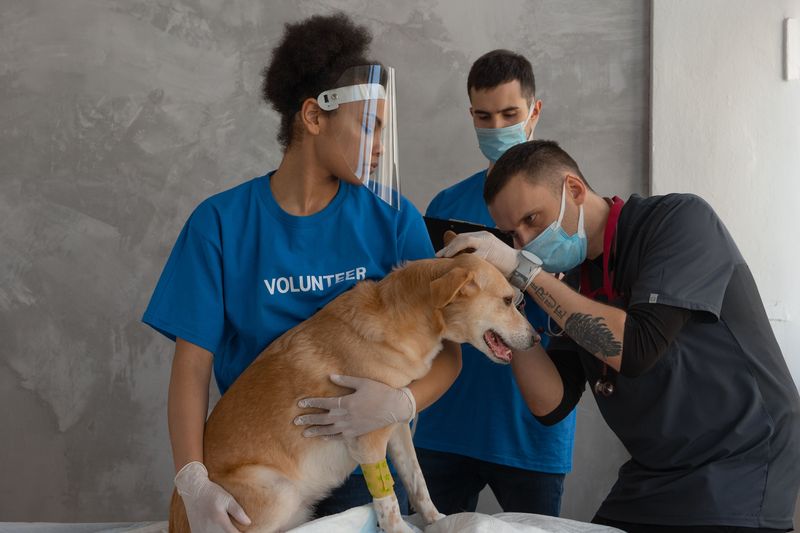
Intake staff reach for a scanner before anything else when a dog arrives without tags. That habit reunites thousands of families every year.
Some Georgia communities, including Hall County and Athens-Clarke County, offer public scanning stations available around the clock.
If your dog goes missing, contact nearby shelters and animal control directly, then check again in person. Policies and hold periods vary by city and county.
13. Refresh Your Photo Library
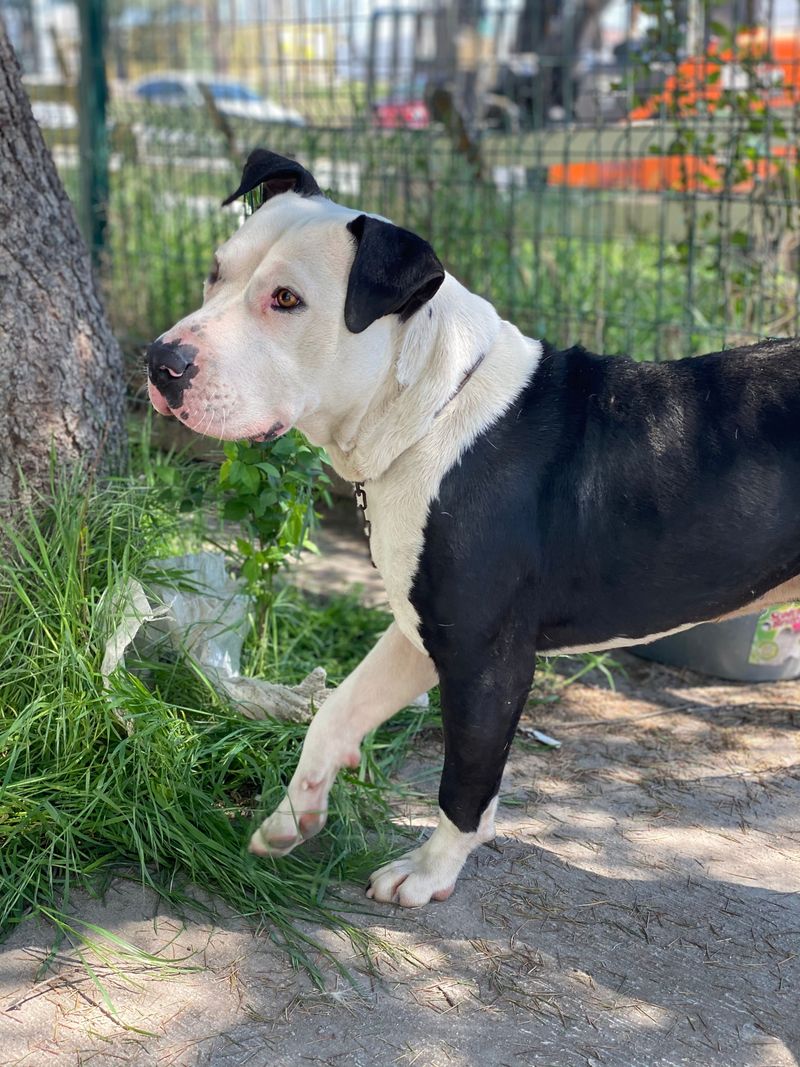
Grainy pictures from three years ago help nobody. Clear, recent photos let neighbors and animal-control staff recognize your dog quickly.
Shoot in daylight from the front, both sides, and above, capturing markings, scars, and coat color.
Include one shot with the collar on. Store the set in a labeled album on your phone so you can share it instantly on local lost-pet pages.
14. Snap A Photo Of You Together
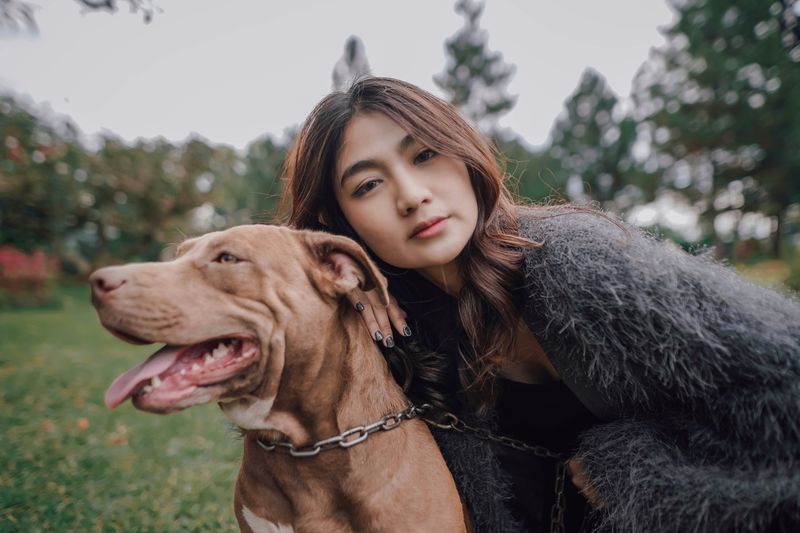
Here is an easy one people skip: a picture of you and your dog in the same frame. During reunification, that image helps confirm the bond quickly.
Take one with each family member, including children, since anyone may be the person collecting the dog.
Date-stamped photos carry extra weight. Keep copies in your phone and in the cloud so a lost device changes nothing.
15. Gather Registration And Adoption Paperwork
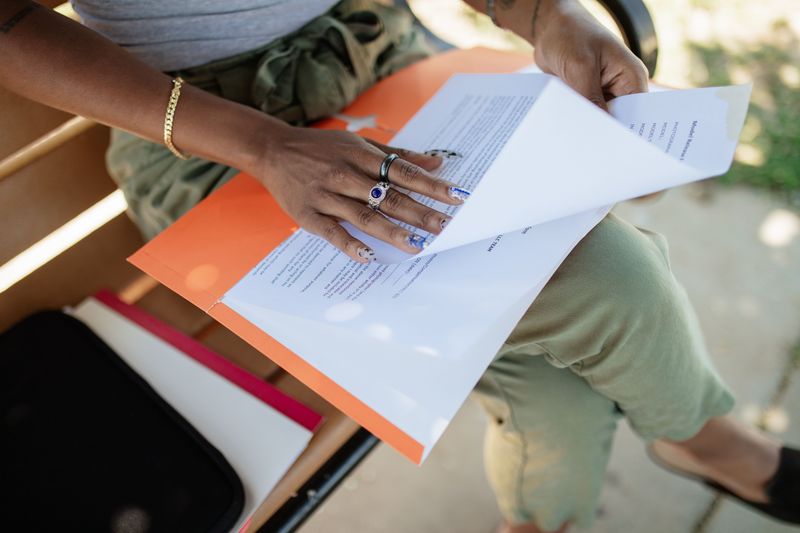
Formal records back up what photos suggest. Adoption contracts, county license certificates, purchase records, and vet invoices all connect your dog to your household.
Georgia license and registration rules are set locally, so requirements differ between counties and cities.
Call your animal services office to confirm what applies where you live. File the paperwork in one folder, then scan it so a copy travels with you.
16. Keep Vaccination Records Ready For Boarding
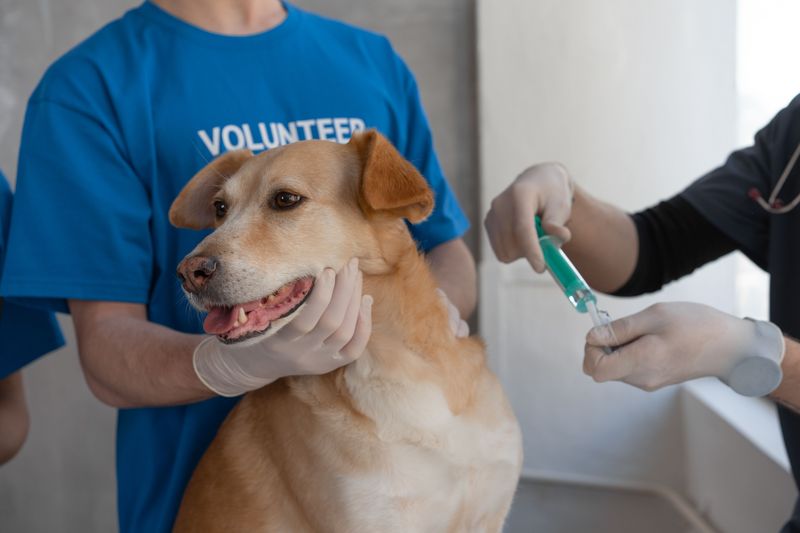
Boarding kennels and many emergency pet shelters ask for proof of current vaccinations before they accept a dog. Rabies documentation is usually the first request.
Georgia requires rabies vaccination for dogs, and your veterinarian can reprint the certificate if yours has gone missing.
Ask which vaccines local boarding facilities expect, since policies differ. Having records handy means no scrambling while you focus on getting everyone settled.
17. Save Digital Copies You Can Reach Anywhere
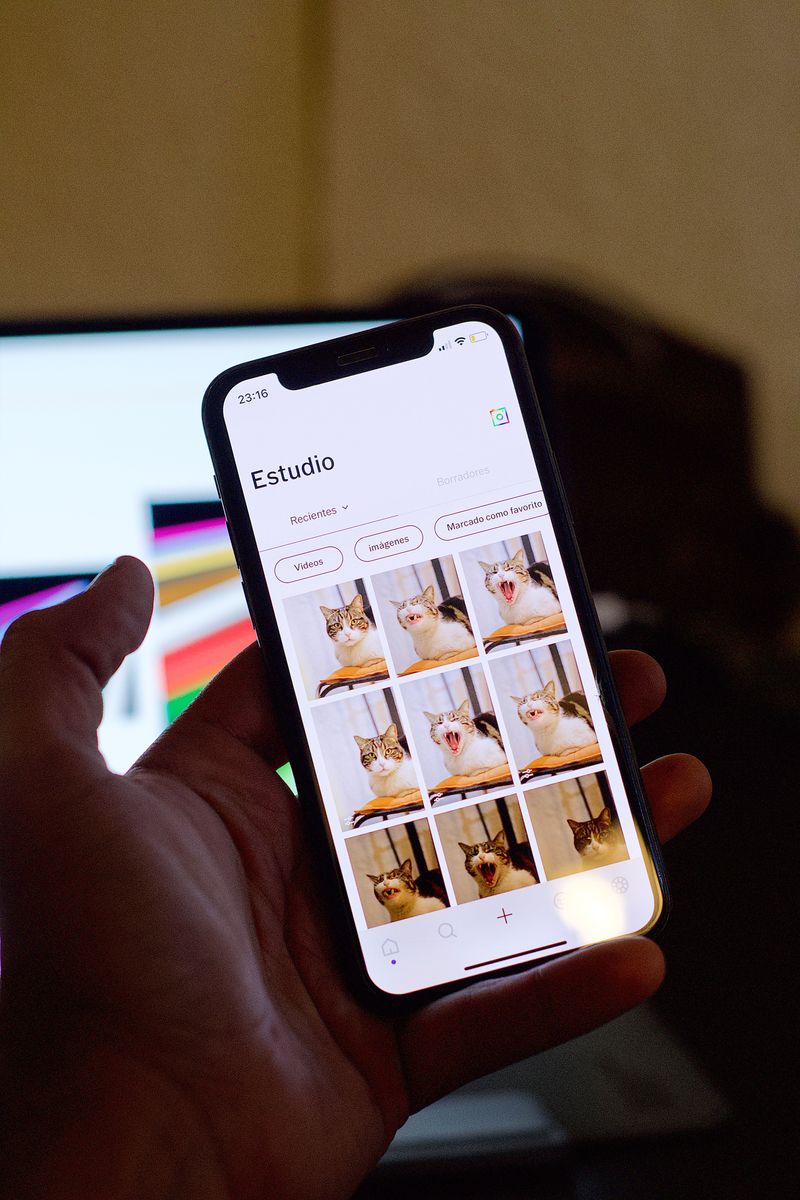
Paper suffers in wet weather, and files left at home do not travel. Photograph every document, then save it to cloud storage and email a copy to yourself.
Create one folder named for your dog holding the microchip number, registry name, vet contact, photos, and vaccine records.
Share access with a family member. Redundancy sounds dull until it saves you a very long afternoon.
18. Tuck ID Details Into The Evacuation Kit
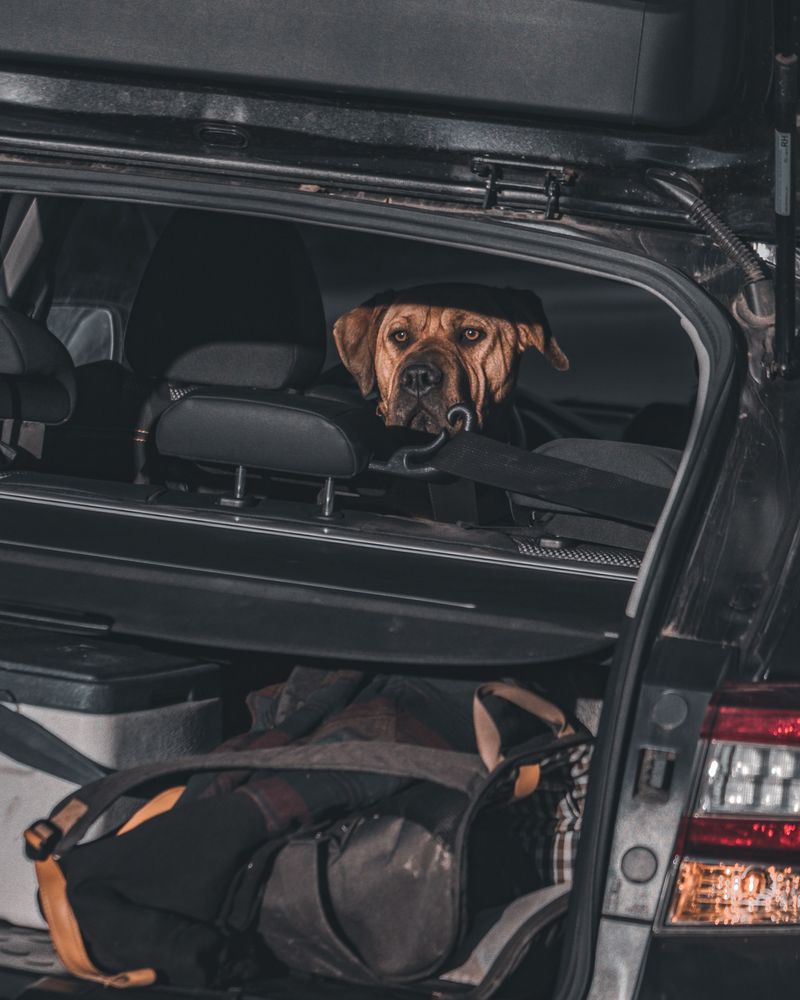
Grab-and-go works only if everything sits together. Add a waterproof pouch with printed ID information to your dog’s kit, right beside food, water, bowls, and medication.
Include a spare collar with a backup tag, a slip leash, and your written contact list.
Store the kit where you can reach it without hunting. Check it twice a year and refresh anything expired or outgrown.
19. Do The Check Before Warnings Appear

Timing matters more than effort here. Engraved tags take days to arrive, and registry corrections sometimes need a phone call during business hours.
Pick an early-season weekend, maybe when you change smoke detector batteries, and run through the whole list.
Worn tags get replaced, numbers get verified, photos get updated. By the time a watch is posted, you are simply watching the sky.
20. Accurate ID Gives A Displaced Dog A Real Advantage
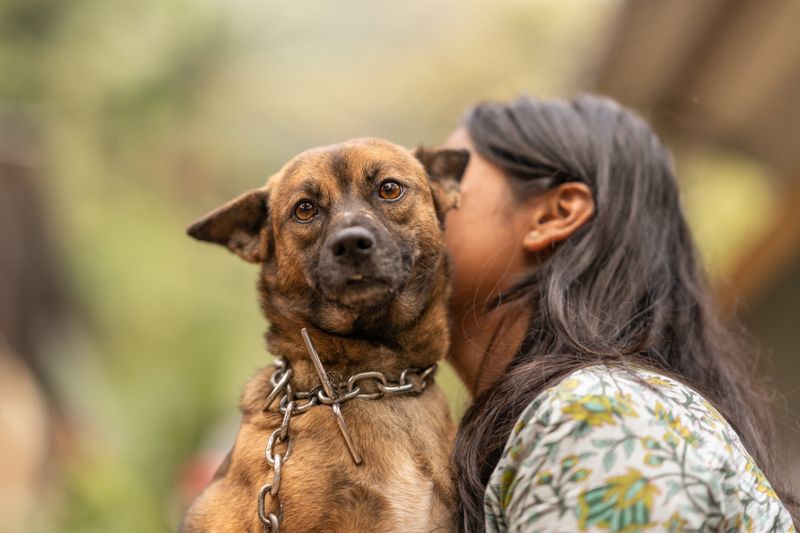
Every detail above points the same direction: a dog found far from home needs someone able to reach you. Tags, chips, photos, and paperwork each add another path back.
Shelters, neighbors, and vets all want the same happy ending you do.
Take the afternoon, update the records, then relax. Georgia weather will do what it does, and your dog stays findable either way.