Hiring A Dog Walker Can Become A Core Monthly Expense For New York Owners With Long Workdays

If you work long hours in New York, your dog is waiting at home all day. A midday walker can keep your pup happy, calm, and comfortable.
That help comes with a price, and small charges add up fast. Here is a friendly look at what drives the cost, so you can plan with confidence and keep your budget steady.
1. City Rates Start Higher Than Most Places
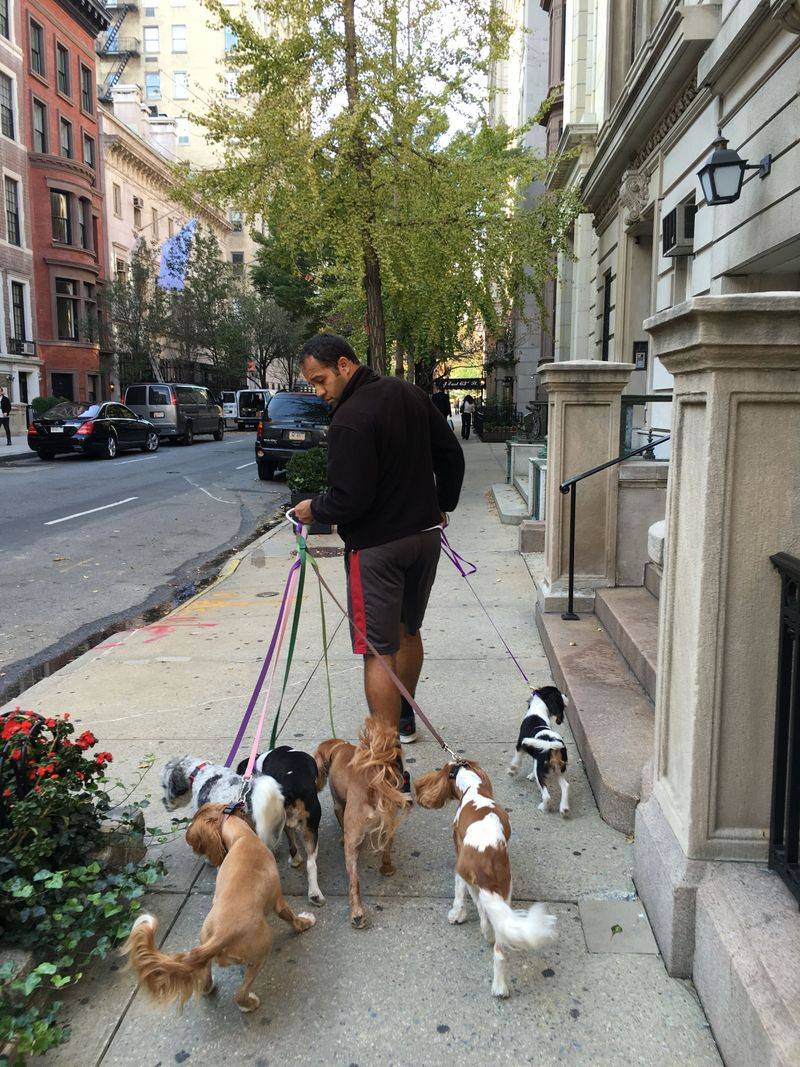
Prices in New York sit above the national average. Recent data shows a 30-minute walk averages about $22.
An hour-long outing averages closer to $35.
Some local companies charge $30 to $40 per visit. Rates shift by neighborhood, company, and walker experience.
Before you commit, compare three or four providers in your area. Ask for a written price list.
Knowing the real baseline helps you spot a fair deal quickly.
2. Long Shifts Leave Dogs Waiting
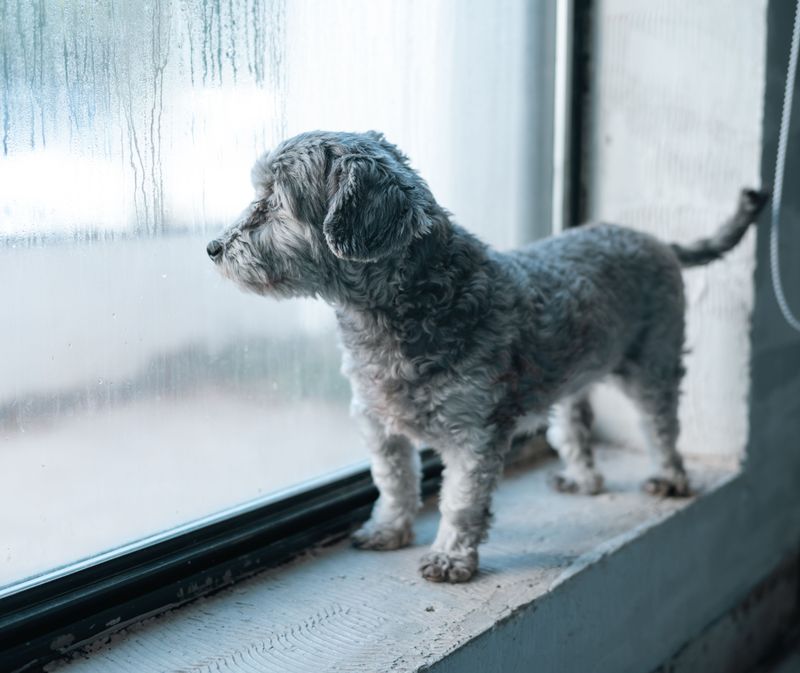
Picture a ten-hour workday plus a long subway commute. Your dog could be home alone for eleven hours or more.
Most adult dogs do better with a break in the middle of the day. A midday visit offers a bathroom trip, fresh air, and some gentle exercise.
Many vets suggest not leaving adult dogs alone for very long stretches. Ask your own vet what schedule fits your dog best.
3. Five Weekdays Add Up Quickly
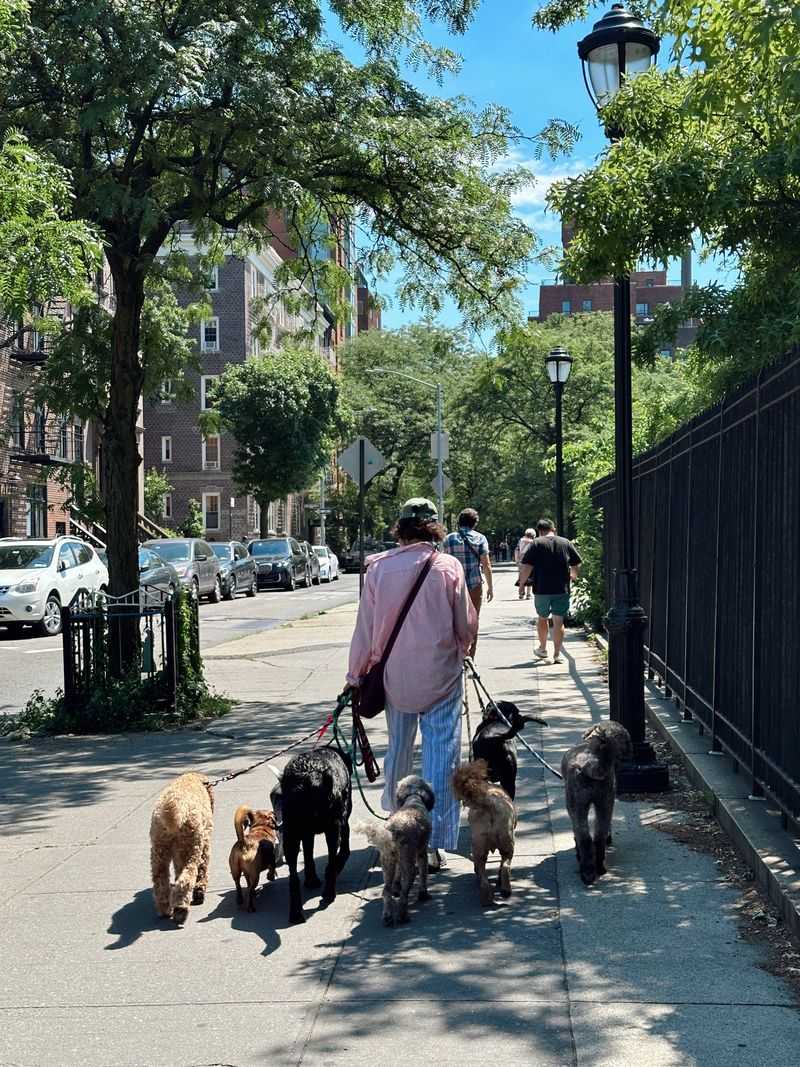
Let’s run some simple math. At about $22 per walk, five weekday visits cost roughly $110 a week.
That comes to around $440 a month before tax. If your walker charges $40, the weekly total climbs near $200.
Your monthly bill could reach about $800.
Write your number down before hiring anyone. Seeing the yearly figure helps you decide which schedule truly fits your budget.
4. Minutes Matter On The Bill
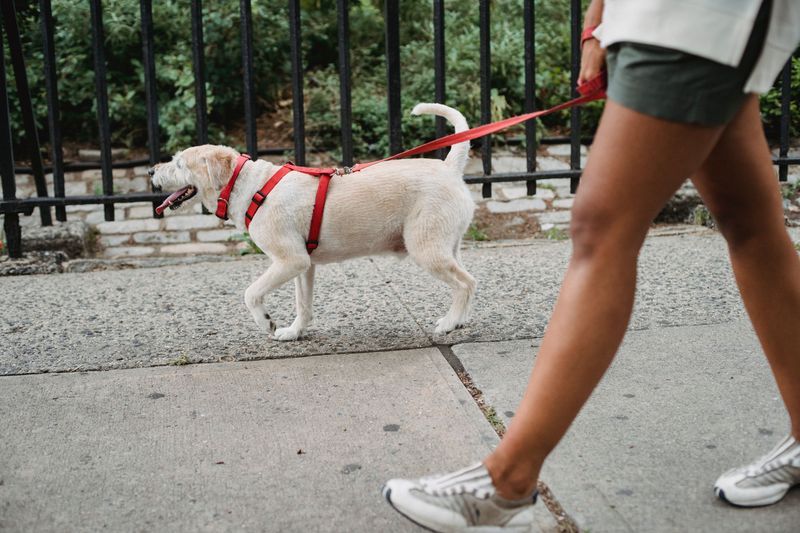
A quick potty break is not priced like an hour of exploring. Duration is one of the biggest cost drivers.
One local price list shows a 20-minute relief visit at $29. A 30-minute solo walk runs $34, and a full hour reaches $44.
Match the length to your dog’s energy. A calm older pup might thrive on short breaks.
A young athlete may need the longer option.
5. Solo Or Pack Walking
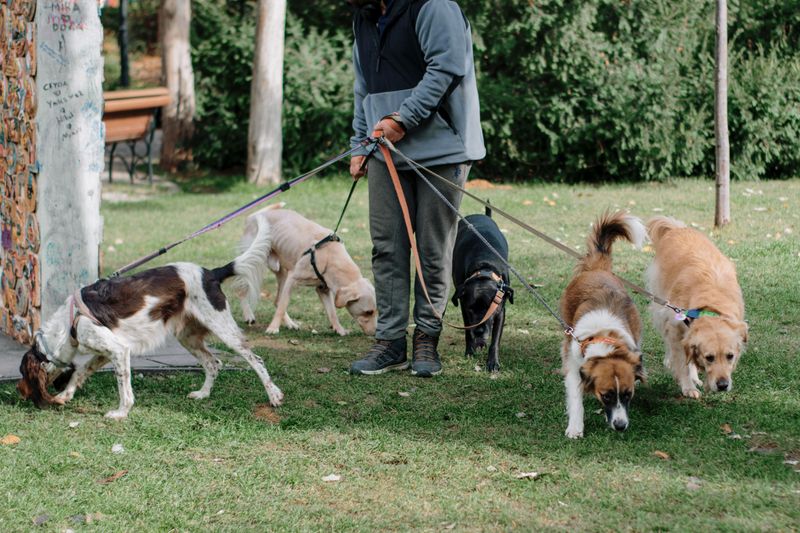
One-on-one walks give your dog full attention. That personal touch usually costs 30 to 50 percent more than group outings.
Group walks often include four to eight dogs. They tend to run about $15 to $25 for half an hour.
Social, easygoing dogs often enjoy the pack. Shy or reactive pups may feel safer alone.
Choose based on temperament, not just price.
6. Tiny Bladders, Bigger Schedules

Anyone who has raised a puppy knows the rhythm. Little ones need to go out often, sometimes every few hours.
Many companies offer special puppy visits for this stage. One local service lists them at $36.
These visits may include meals, play, and simple training practice.
Talk with your vet about vaccine timing before sidewalk walks. Your walker can follow that guidance closely.
7. Golden Years Need Gentle Care

Older dogs slow down, and that is perfectly okay. They often prefer shorter, softer strolls at an easy pace.
Some seniors also need more frequent bathroom trips. A thoughtful walker watches for stiffness, tiredness, or other small changes.
Extra visits may raise your monthly total a bit. Still, the peace of mind is often worth it.
Share any vet notes with your walker.
8. The Lunch Hour Rush
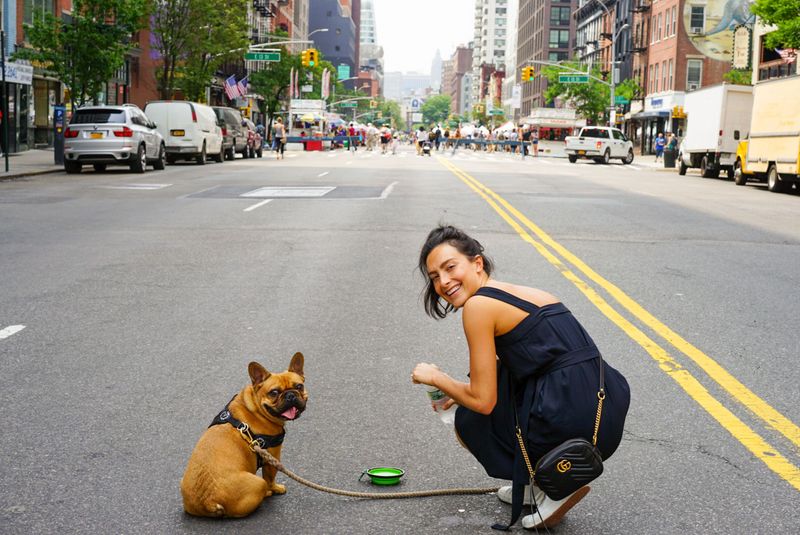
Noon is prime time for dog walkers. Nearly every working owner wants a visit between 11 AM and 2 PM.
Because demand peaks, some services charge premium rates for those slots. Others simply fill up fast.
Flexibility can help your wallet. If your dog is fine with a late-morning or mid-afternoon visit, ask whether off-peak times cost less.
9. After-Hours Visits

Running late at the office again? An evening walk can rescue your pup’s routine.
Many companies treat walks before 10 AM or after 6 PM as outside standard hours. Those visits often add about $5 to $10 each.
If late nights happen often, budget for them ahead of time. Some walkers offer set evening packages that cost less than random bookings.
10. Saturday And Sunday Surcharges

Weekends feel slower for most of us. For walkers, they often mean extra pay.
Many services add a weekend surcharge, commonly $7 to $10 per walk. That fee covers giving up personal time.
If you are home on weekends, you can skip these visits entirely. Occasional weekend trips, though, should have a small slot in your monthly plan.
11. Festive Days, Premium Prices
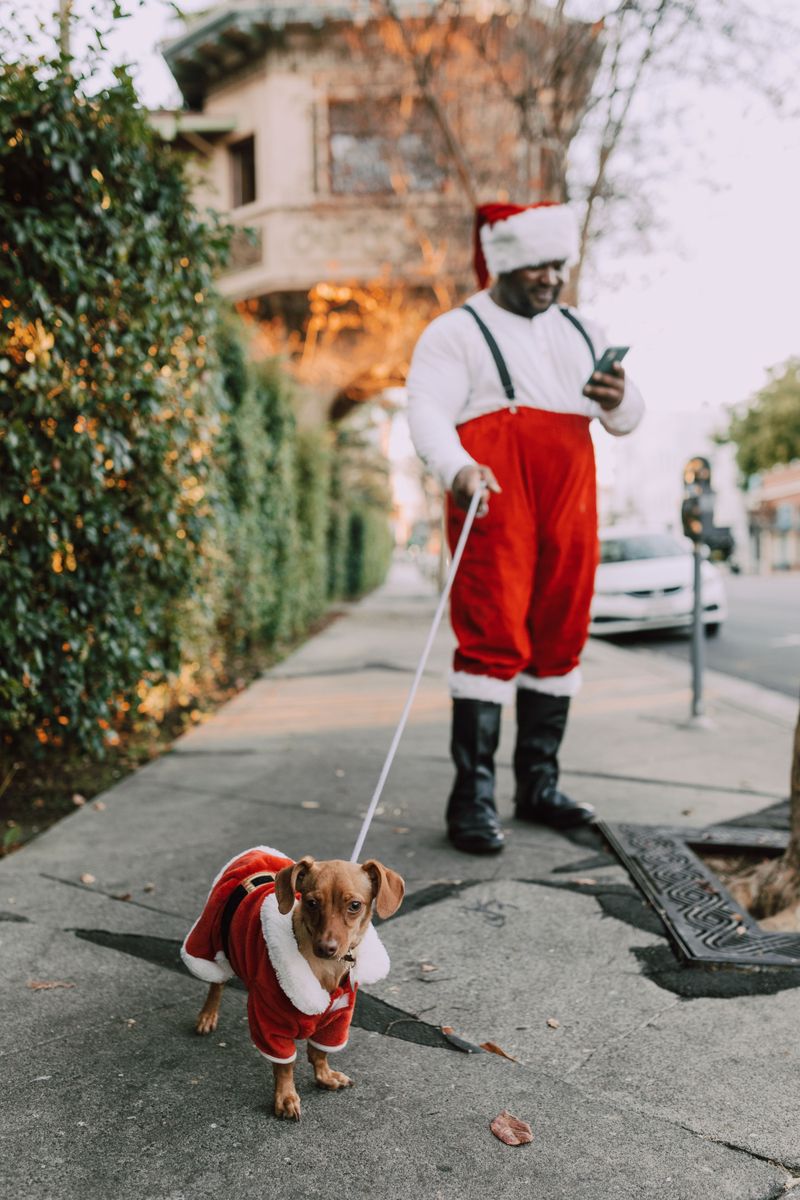
Thanksgiving, New Year’s Day, and other big holidays bring higher rates. Surcharges often range from $10 to $35 per walk.
Walkers miss family gatherings to care for your dog. The higher rate reflects that sacrifice.
Book holiday dates early, since slots vanish fast. Check your provider’s list of covered holidays.
Some include more dates than others, so read the details carefully.
12. Same-Day Requests Cost More

Surprise meetings happen. Sometimes you need a walker on very short notice.
Many companies apply an emergency or same-day fee. These charges often run about $7 to $10 per visit.
They usually kick in after a set cutoff time the day before.
Planning your week each Sunday helps avoid these fees. Keep a backup friend or neighbor on hand, too.
13. Two Leashes, Two Fees

Love having two dogs? Your walker will love them too, though the price will shift.
Most services charge an extra fee for each added dog from one home. Expect roughly $5 to $16 more per walk.
That is still cheaper than two separate bookings. Just remember to multiply that fee by every weekday visit.
Over a month, it becomes noticeable.
14. App Fees Hide In The Fine Print

Booking apps feel convenient. Still, the final total may surprise you.
Wag! has charged a $2.99 booking fee per walk. Some other platforms take an owner commission of 11 to 15 percent.
A few advertise zero owner fees.
Always check the checkout page before confirming. Comparing an app with an independent local walker can reveal meaningful monthly savings.
15. Changed Plans Can Still Cost You
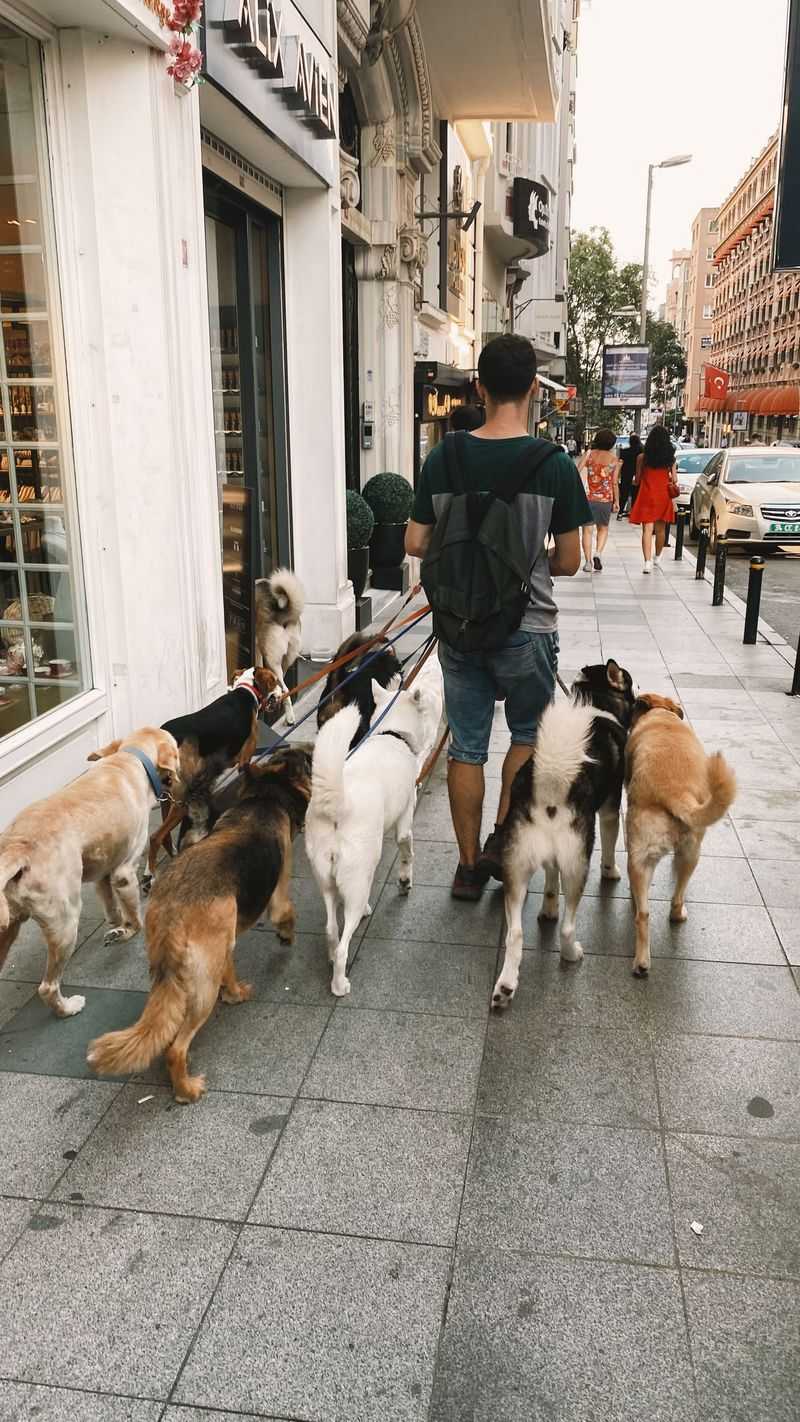
Working from home unexpectedly sounds nice. Canceling your walker late, though, may still cost money.
Many companies charge 50 percent or the full fee for late cancellations. Cutoffs are often 6 PM the night before or a few hours ahead.
Read the policy before signing up. Set a phone reminder for the cutoff time.
That simple habit can save a surprising amount.