How A Screened Porch Can Change How A Georgia Puppy Learns The House Routine
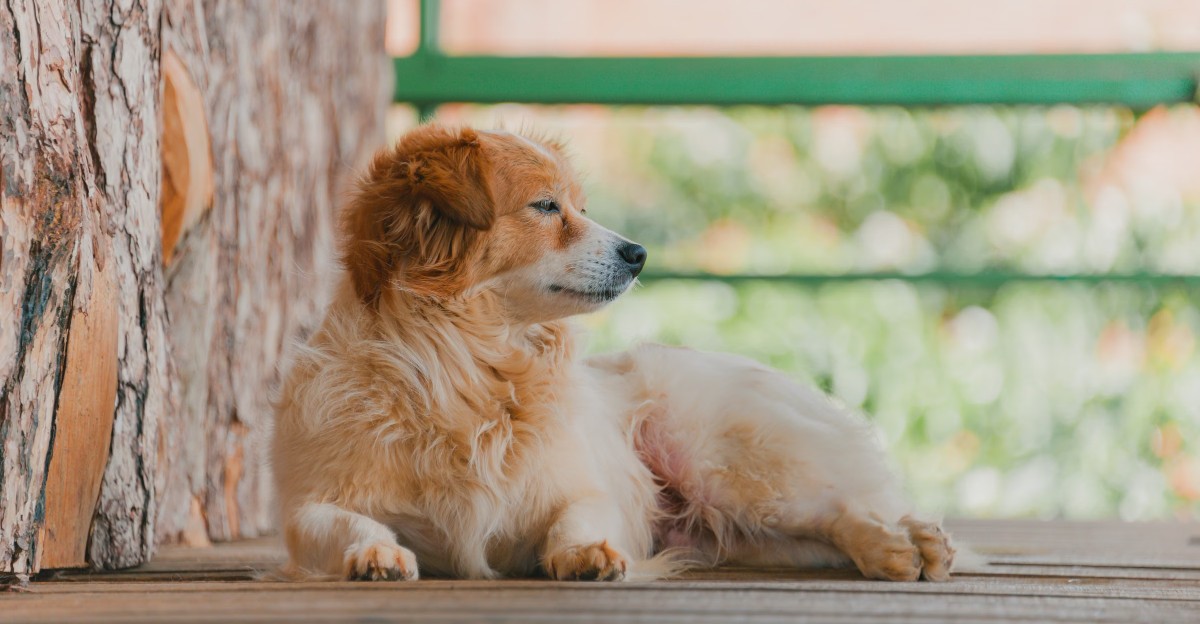
Bringing a new puppy home in Georgia is exciting, but teaching the house routine can feel like a lot. A screened porch can quietly become one of your best training helpers.
It sits right between the cozy indoors and the busy yard, giving your puppy a calm place to learn. Here is what local owners should know about using that space wisely, safely, and with plenty of patience.
1. A Calm Middle Ground Between Inside and Out
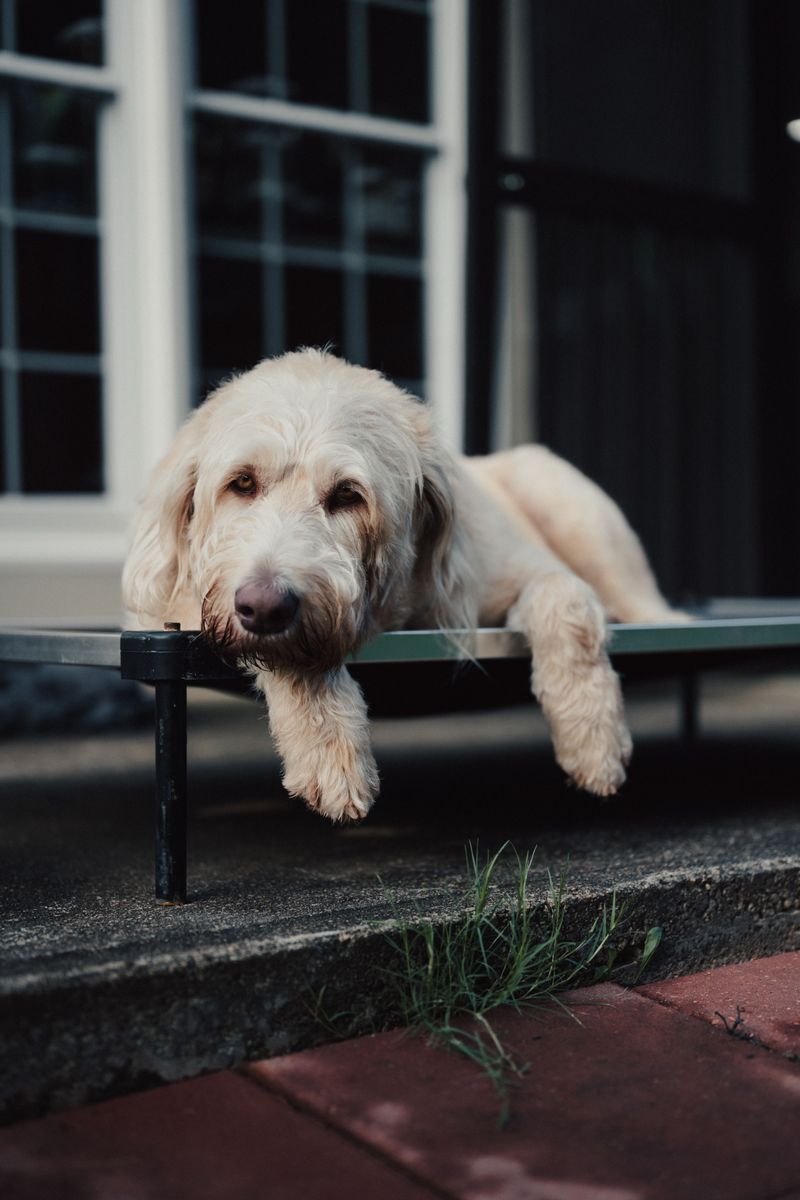
Picture your puppy stepping out the back door and finding a quiet pause instead of a wild yard. A screened porch offers exactly that kind of buffer.
Puppies thrive on knowing what comes next. When every outing starts on the porch, they learn a simple pattern: house, porch, then yard.
That rhythm lowers excitement and builds trust.
Try a short routine. Step out together, guide your pup to a mat, and reward quiet settling.
2. Mornings and Evenings Start to Make Sense
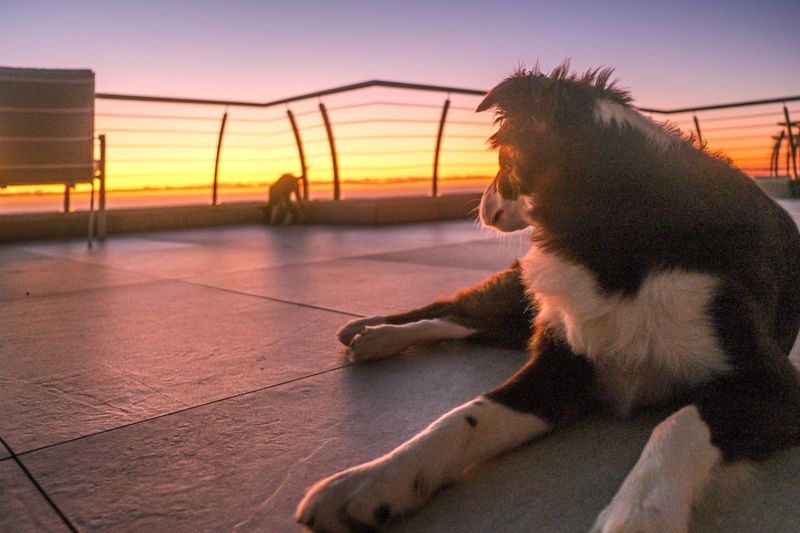
Sunrise on the porch can become your puppy’s alarm clock in the best way. Young dogs learn quickly when the day begins and ends the same way.
Many trainers suggest taking puppies out right after waking and again before bed. Using the porch as the first stop makes those moments feel familiar.
Keep the order steady each day. Wake, porch, potty spot, breakfast.
At night, reverse it gently for a calm wind-down.
3. A Waiting Room Before Yard Adventures
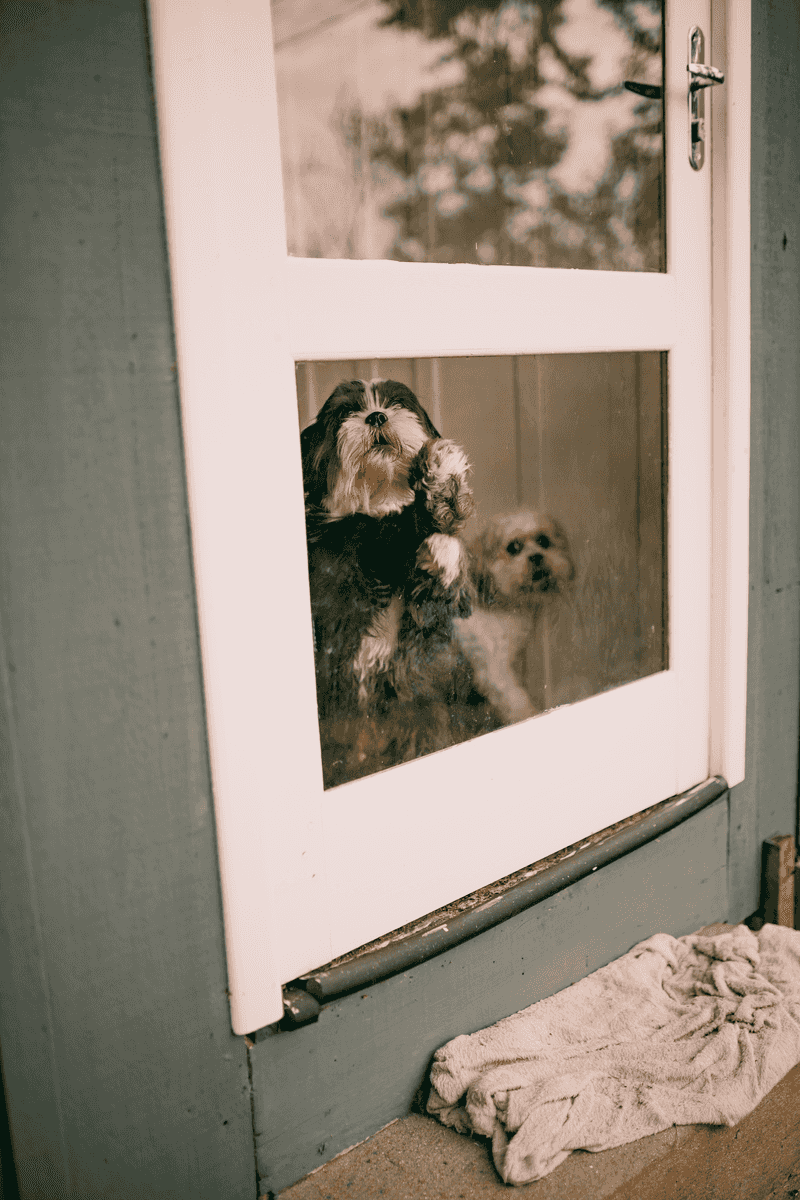
Every eager puppy wants to burst outside. Your porch can teach a better habit: waiting first.
A screened porch keeps your pup contained while still letting them see the yard. That view is motivating, so it makes waiting practice meaningful.
Ask for a sit at the screen door. Count a few seconds, then release with a cheerful word and head out together.
Over time, stretch the wait a little longer.
4. Four Paws Down Before the Door Swings
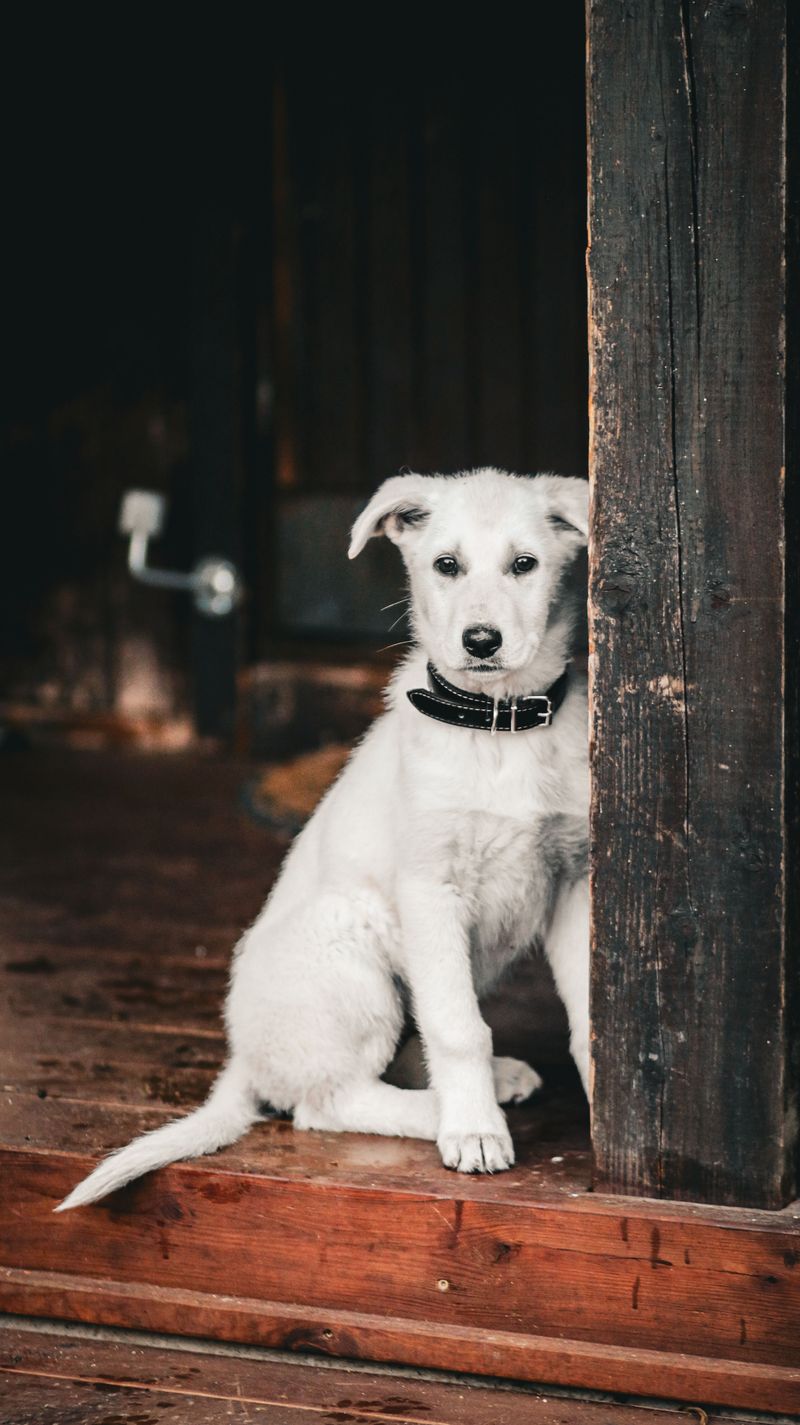
Here is a simple rule many trainers love: the door opens only when your puppy is calm. Jumping and whining make the door stay shut.
Stand at the screen door with the leash on. Wait for all four paws on the floor.
Then open slowly.
If your puppy pops up, close the door gently and try again. No scolding is needed.
Reward calm choices with a small treat and a release word.
5. Hearing the World Without Facing It All at Once
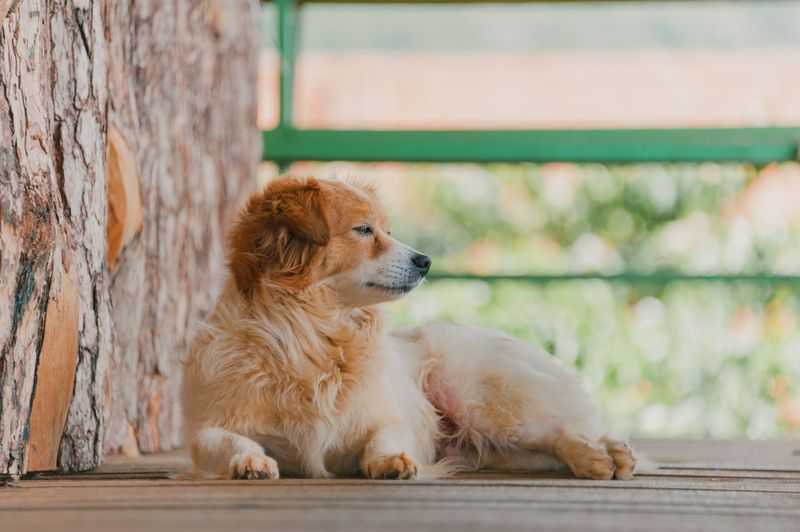
Lawn mowers, barking dogs, and passing cars can overwhelm a tiny pup. A screened porch softens that first introduction.
Your puppy hears the neighborhood while staying safely enclosed. That partial exposure helps them process new sounds without feeling flooded.
Start with short visits during quieter hours. Pair each new noise with a treat or calm praise.
If your puppy seems nervous, head inside and try again later.
6. Meeting Georgia Wildlife From a Safe Seat
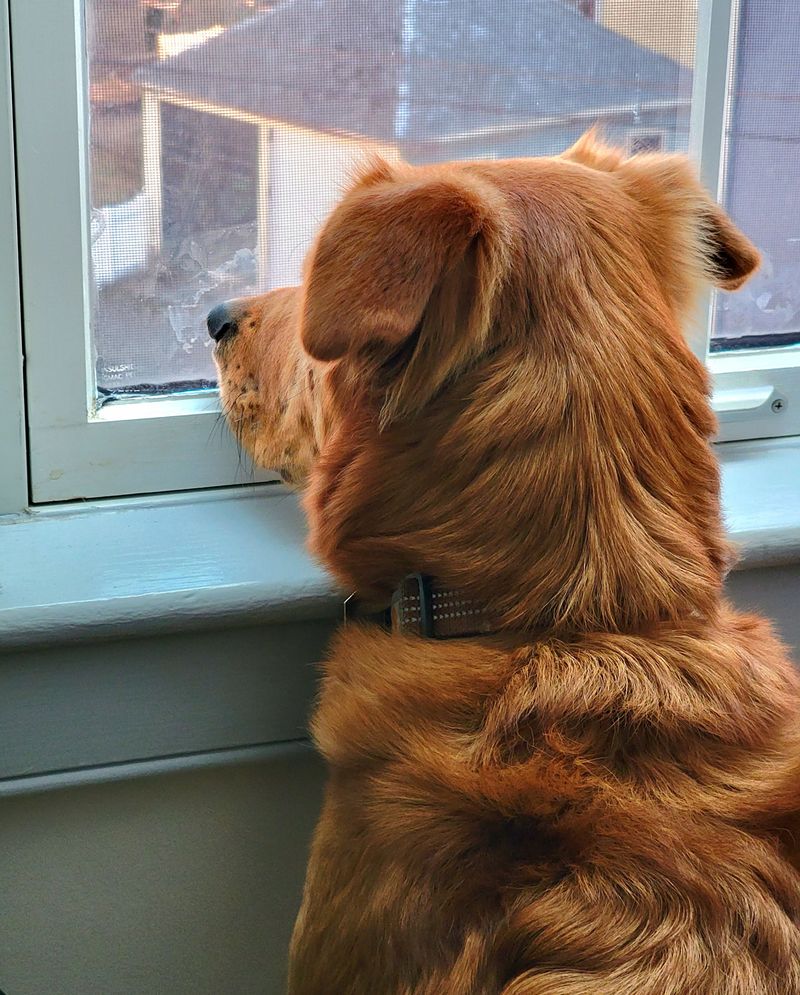
Cardinals, mockingbirds, and busy gray squirrels are everywhere in Georgia yards. To a puppy, they look like the most thrilling show on earth.
Watching from behind a screen lets your pup get used to wildlife without chasing. Screens also keep out many mosquitoes and flies.
Reward your puppy for looking at a squirrel and then looking back at you. That small moment builds focus you will use for years.
7. Learning to Relax While the Family Unwinds
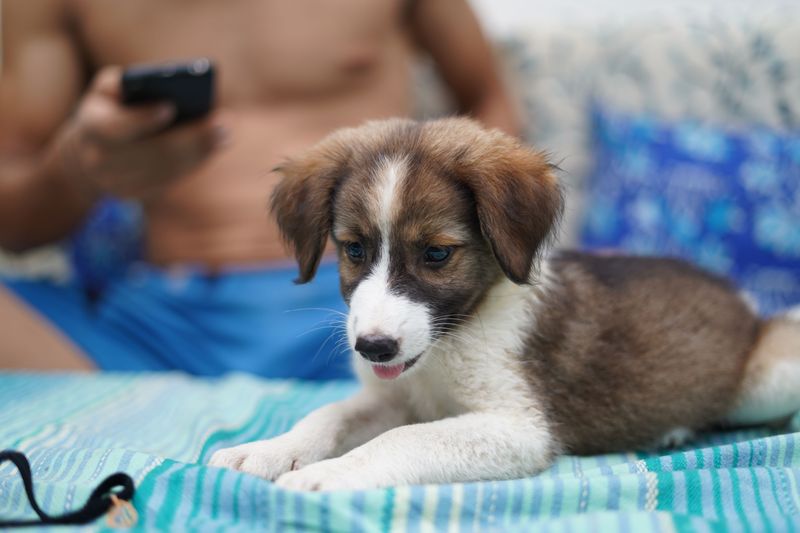
Evenings on a Southern porch are meant for slowing down. Your puppy can learn to slow down too.
Place a comfy bed near your chair. When your pup lies down, quietly drop a treat between their paws.
Soon, the bed becomes a happy place.
Calm settling is a real skill, not just luck. Short, relaxed sessions help your puppy discover that porch time with family means peaceful downtime.
8. Staying Steady When Someone Walks Up
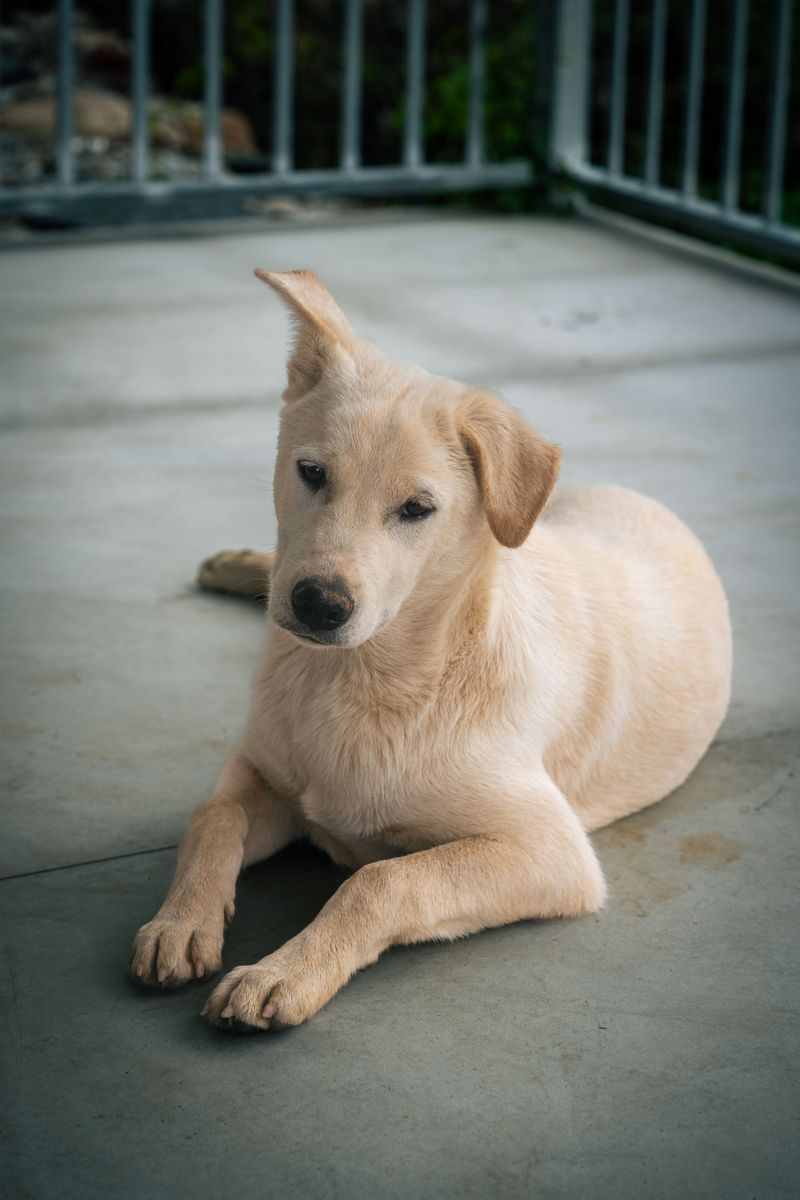
Ding-dong moments can turn puppies into barking bundles. Porch practice helps them handle visitors with more poise.
Since the screen keeps your pup contained, you can work on calm greetings without worrying about a dash out the door.
Ask a helpful neighbor to stroll by slowly. Reward your puppy for staying on their mat.
Let them approach new people on their own terms, and keep the first sessions short and upbeat.
9. Rainy Days Become Something to Explore
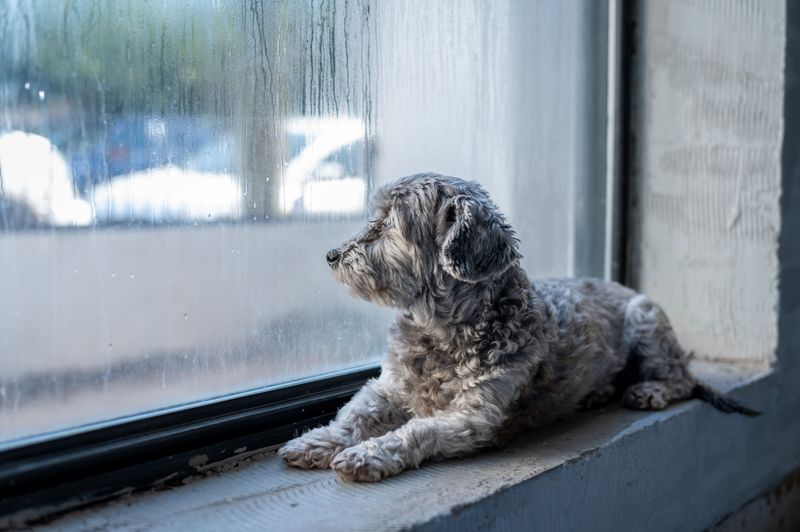
Georgia afternoon showers pop up fast, especially in summer. A covered porch lets your puppy experience rain while staying dry.
They can smell the wet grass, hear drops on the roof, and feel the cooler breeze. Everything feels new, yet nothing feels scary.
Bring a towel and a few treats. Calm curiosity deserves praise.
Rainy porch time can also be handy for short games when the yard is soggy.
10. Built-In Breaks for Busy Little Brains
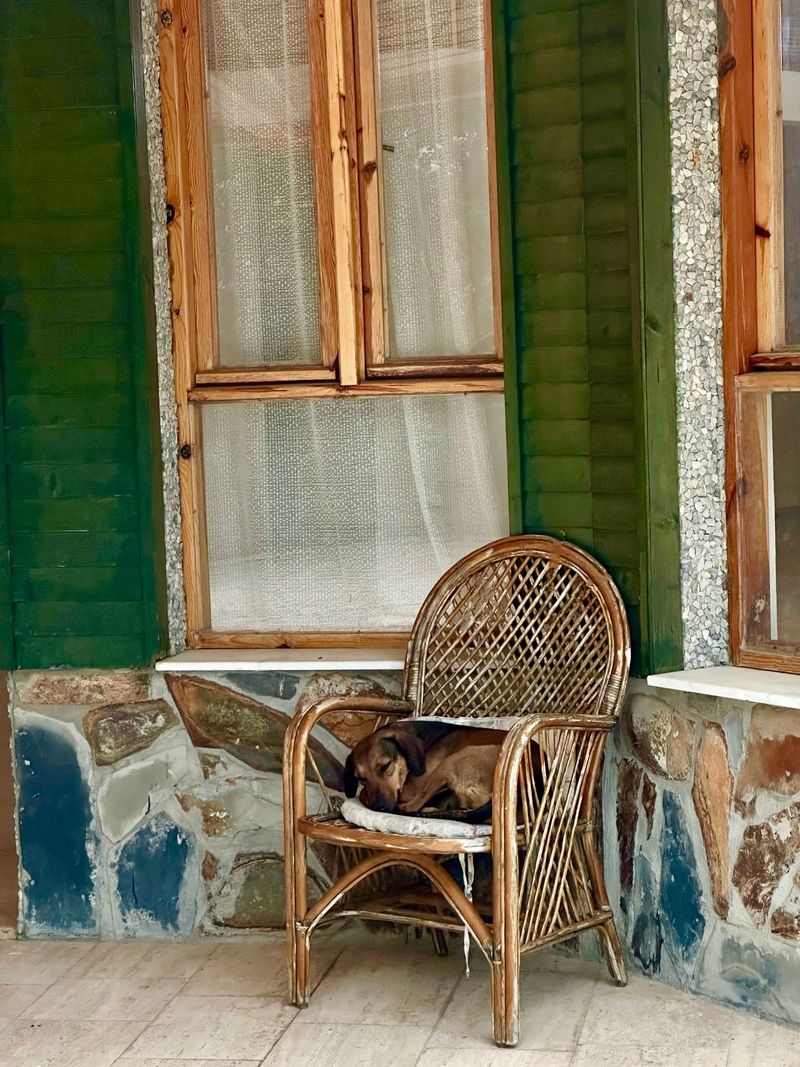
Overtired puppies often act wild, much like toddlers. Regular rest is a key part of any good puppy schedule.
A shaded porch nap spot can become part of that rhythm. After play, guide your pup to a bed or open crate there.
Keep things quiet and cool. A ceiling fan helps on warm days.
Most puppies need plenty of sleep, so your vet can suggest what is typical for their age.
11. Watching Without Joining Every Moment
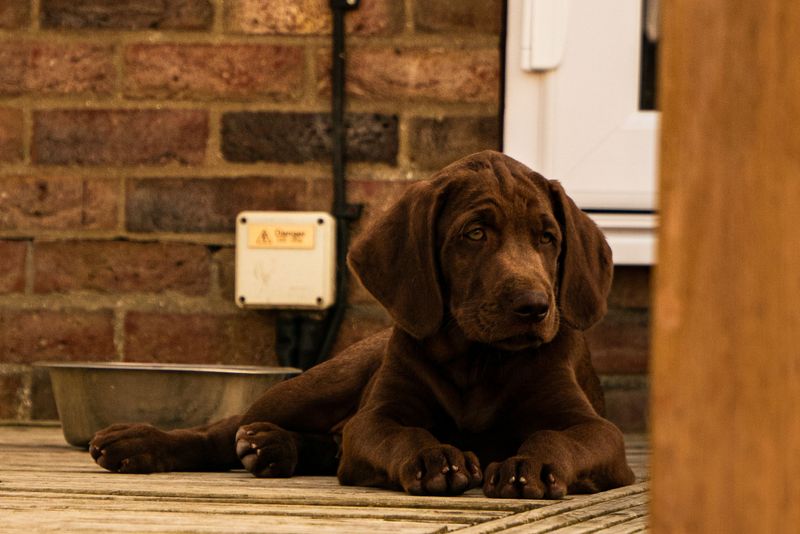
Not every activity needs puppy help. Learning to simply watch is a quiet sign of growing maturity.
From the porch, your pup can see kids playing, someone gardening, or grills being cleaned. They take it all in without being in the middle.
Reward relaxed looking, especially lying down. Over time, your puppy builds impulse control.
That patience pays off later at parks, vet visits, and busy family gatherings.
12. Clear Lines Between Rooms, Porch, and Yard
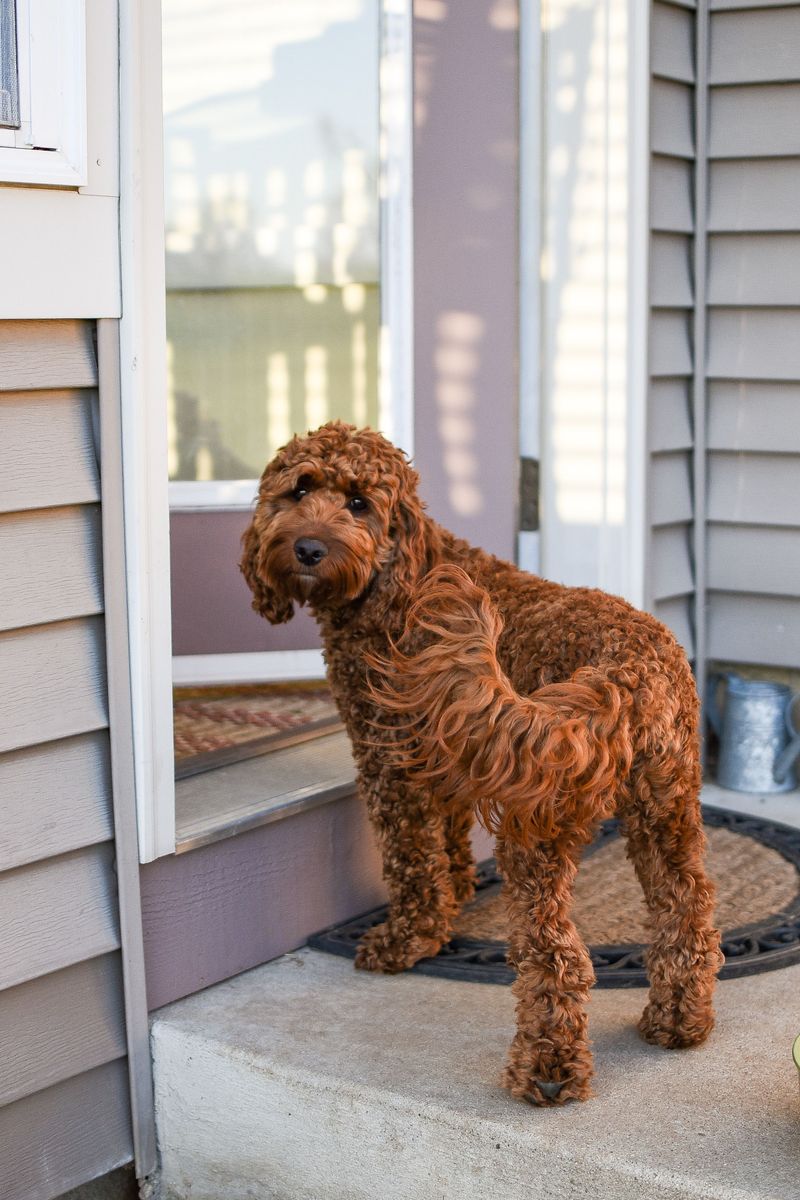
Boundaries help puppies feel secure, not limited. A porch naturally divides the house from the yard.
Baby gates and leashes make those lines easy to understand. Your pup learns which spaces are open and when.
For the yard, many trainers suggest starting on a long leash. Add distractions slowly as skills grow.
Consistent rules from everyone in the household keep things clear and prevent mixed messages for your learning pup.
13. Easing Into Thunder, One Rumble at a Time
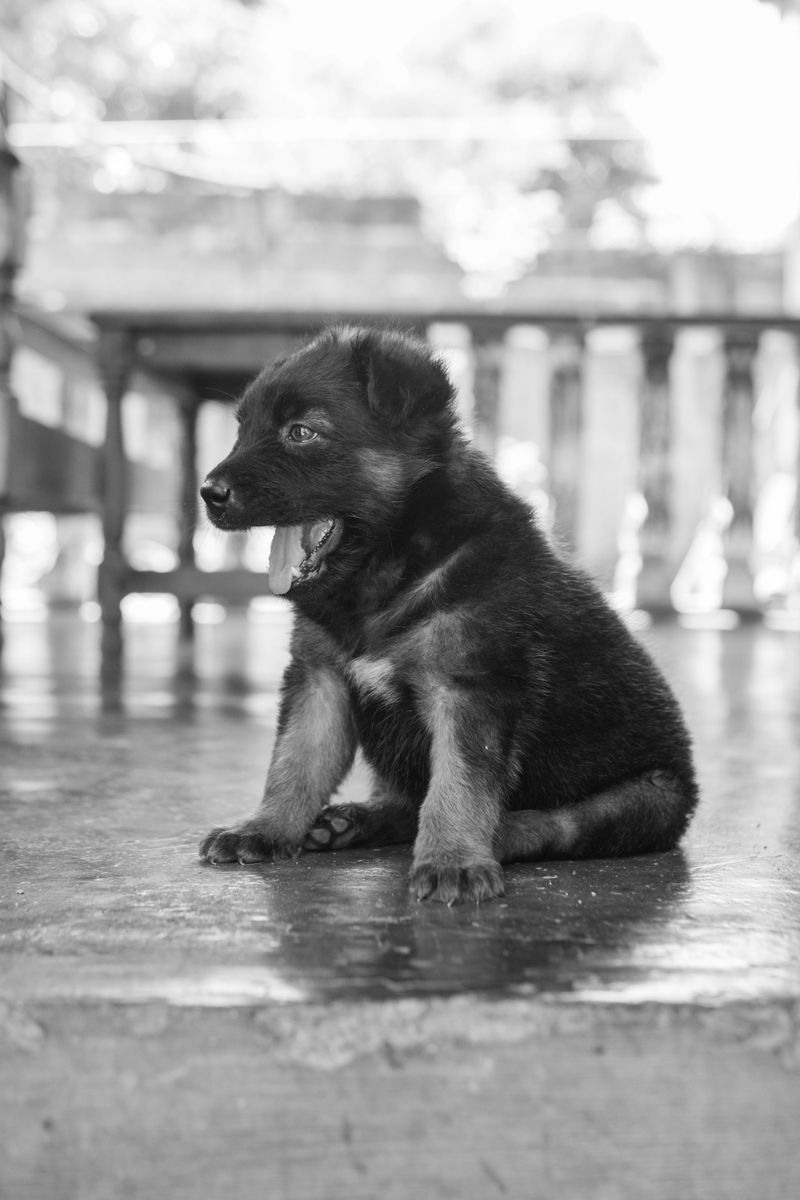
Summer thunderstorms are part of life in Georgia. Gentle exposure can help some puppies take them in stride.
A porch lets your pup hear distant rumbles with a roof overhead and you beside them. Offer treats and calm company.
Watch body language closely. Trembling, hiding, or pacing means it is time to go indoors.
Never force exposure, and talk with your vet if storm worries continue.
14. A Handy Playroom for Pleasant Days
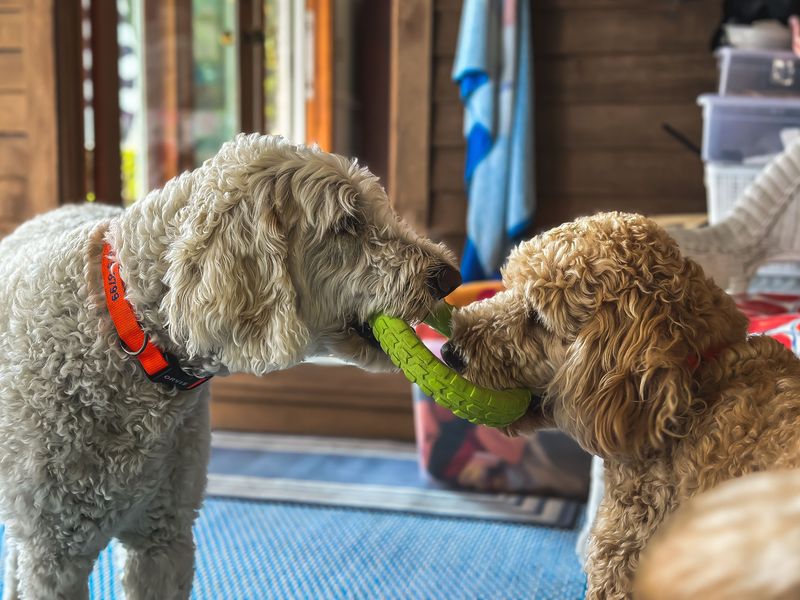
Spring and fall in Georgia can feel just right. On those mild days, the porch makes a handy play zone.
It is enclosed, easy to supervise, and kept clear of many bugs. A quick game of tug or fetch burns energy before training or naps.
Sweep away small objects first. Check screens for tears too.
Stay close, because puppies find surprising ways to get into mischief.
15. Patience While the Leash Comes Out
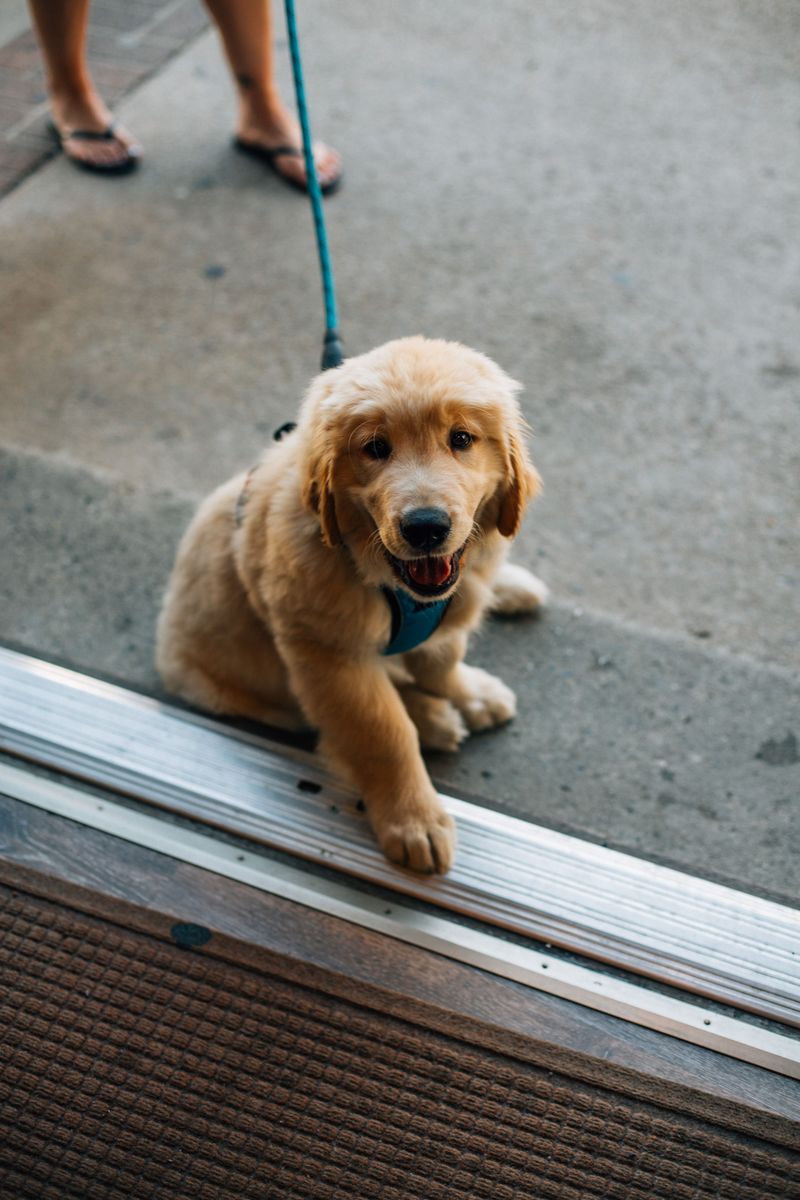
The jingle of a leash can spark puppy chaos. Practicing calm on the porch turns that sound into a cue for patience.
Set up a small walk station by the door with the leash, bags, and treats. Fewer delays mean less waiting stress.
Ask for a sit while you tie your shoes. Pause if your puppy bounces around.
A short play session beforehand can also take the edge off.
16. The Right Spot for Chewing and Toys
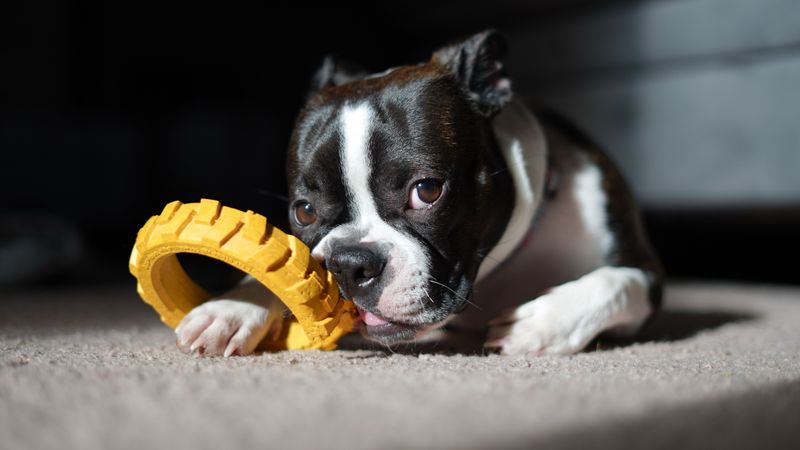
Teething puppies chew. It eases sore gums, relieves boredom, and helps them explore.
A porch toy basket gives that urge a clear home. Offer safe chew toys sized for your pup, and rotate them to keep interest high.
Supervise closely, since screens and furniture can tempt little teeth. When your puppy nibbles the wrong thing, calmly swap in a toy.
Praise generously when they pick correctly.
17. Porch First, Potty Spot Second
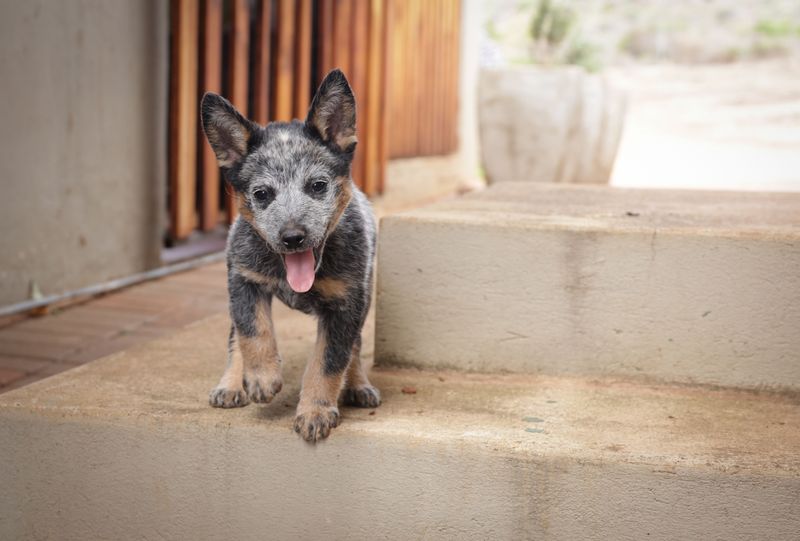
Housetraining success comes down to timing and consistency. The porch can be a steady stepping stone toward the potty area.
Many trainers suggest outings after waking, eating, drinking, and playing. Young puppies often need to go every hour or two.
Walk from the porch straight to the same grassy spot. Use a cue like go potty.
Reward right after your puppy finishes, then enjoy porch time as a bonus.
18. Peaceful Habits the Whole Family Shares
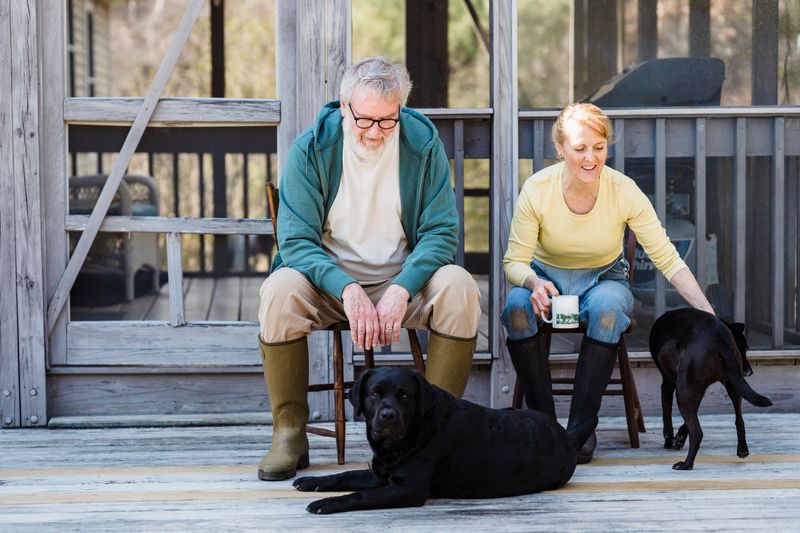
The best porch moments are often the quietest ones. A sleepy puppy at your feet tells you the routine is working.
Consistent supervision and kind rewards turn the porch into a comfort zone. Your pup learns it means rest, company, and safety.
Keep the rules the same for everyone. With time, those calm evenings become a lasting family habit.
Your puppy grows into a settled, confident companion who knows home well.