Moving To Texas With A Dog? Here Is The Paperwork Owners Often Forget
Moving to Texas with your dog means packing more than bowls, toys, and a favorite blanket. A few records can make finding a veterinarian, settling into housing, and meeting local rules much easier.
Some paperwork is required, while other documents simply save time when you need help. Before moving day, build a small pet folder so you can start your Texas chapter feeling prepared.
1. Texas Requires Proof Of Current Rabies Vaccination
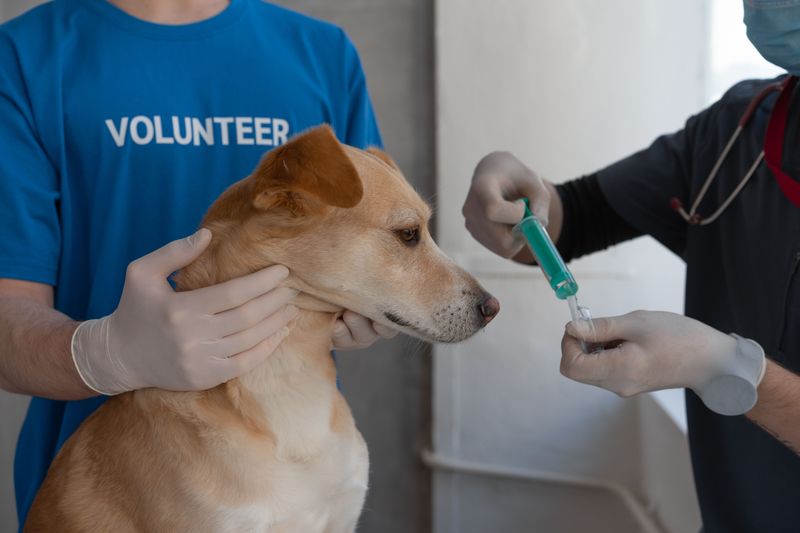
A collar tag helps, but it does not replace your dog’s rabies vaccination certificate. Texas requires current rabies documentation for dogs entering the state at 12 weeks or older.
Ask your veterinarian for a clear copy before leaving. Check your dog’s description, vaccination date, vaccine details, and veterinarian’s signature.
Keep the certificate within reach during travel. If your puppy is younger or vaccination timing raises questions, confirm entry requirements with Texas animal health officials before departure.
2. Keep Your Dog’s Health Certificate From The Move

Travel papers can remain useful after the moving truck leaves. If a veterinarian issued a health certificate, save it with your dog’s permanent records.
It captures your dog’s condition when examined and may document identification or vaccination details. Your new clinic might find that history helpful.
Remember that travel acceptance periods vary. An older certificate may support medical history without meeting requirements for another trip, boarding stay, or airline reservation later during the coming year.
3. Check Whether Your Dog Needs An Interstate Travel Certificate
Crossing a state line does not automatically mean every dog needs identical paperwork. Texas generally does not require a health certificate for ordinary domestic dog entry.
Current rabies documentation still matters, and exceptions or additional rules may affect your trip. Airlines, transport companies, and other destinations can impose separate requirements.
Check Texas Department of State Health Services guidance before departure. For international arrivals, also review federal requirements, which differ from domestic moves and can change.
4. Bring Copies Of Your Dog’s Vaccination Records
Daycare enrollment can stall over one missing vaccine date. Bring your dog’s full vaccination history, not just the rabies certificate.
Include vaccine names, administration dates, and any upcoming boosters. Boarding facilities, groomers, and training programs set their own health policies, so request requirements before booking.
Your veterinarian can explain which vaccines fit your dog’s age, health, and Texas lifestyle. Complete records help prevent confusion about what was given and what still needs discussion after arrival.
5. Update Your Dog’s Microchip Registration

A microchip cannot share your new address unless its registry information changes. Log into the registry linked to your dog’s chip before moving.
Update your phone number, email, mailing address, and backup contact. Save the chip number and registry name in your pet folder.
Ask a veterinarian to scan the chip if you cannot find those details. Microchips are not GPS devices, but accurate registration helps shelters and clinics reach you when a dog wanders.
6. Transfer Your Dog’s Veterinary Records
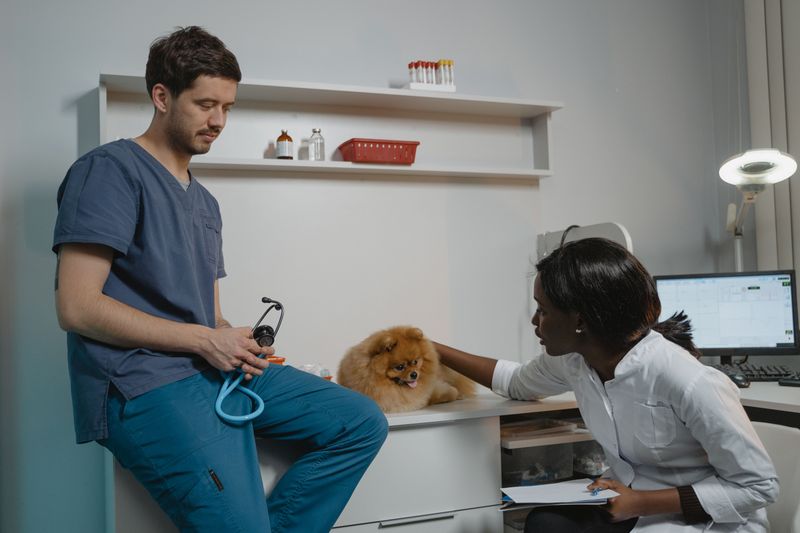
Your dog’s medical story deserves more space than a vaccine card. Request complete records from the previous clinic before your last visit.
Ask for examination notes, laboratory results, imaging reports, surgery details, and specialist findings. Some clinics need written permission before sharing files with another practice.
Have records sent directly to your Texas veterinarian and keep your own copy. A clear history helps the new team understand ongoing concerns without relying only on your memory.
7. Check Local Rabies Registration Rules
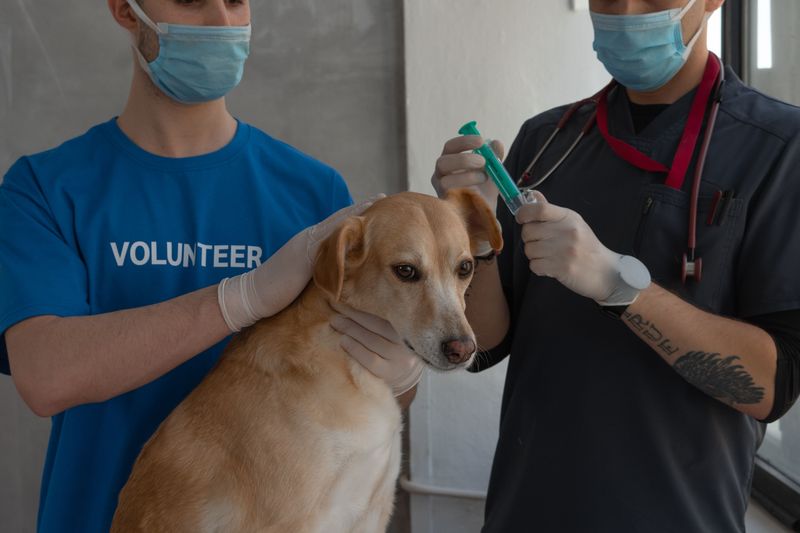
State vaccination rules are only part of the picture. Some Texas communities also require local registration tied to rabies vaccination.
Contact animal services for your exact address, especially if you live near city boundaries. Ask about deadlines, accepted certificates, fees, and renewal dates.
Do not assume your previous community’s tag transfers automatically. Keep any new registration receipt with the vaccination certificate, and note when renewal is due so a small task stays easy to manage.
8. Look Into City Dog License Requirements
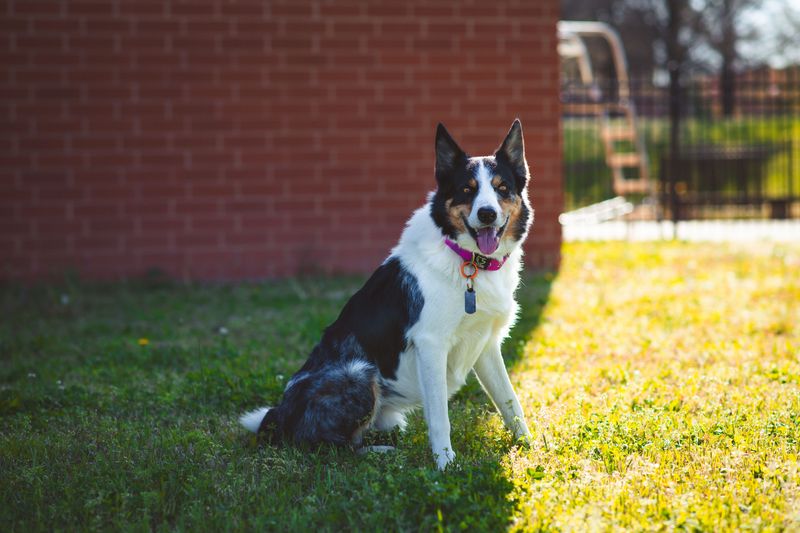
Your mailing address may not tell the whole licensing story. Requirements can depend on whether your home falls inside city limits.
Ask local animal services whether dogs need licenses, registration, microchips, or some combination. Find out whether rabies registration and licensing share one application.
Gather the requested proof before applying, and save payment confirmations. Rules differ across Texas, so advice from a neighbor in another town may not match your household’s actual paperwork obligations precisely.
9. Keep Adoption And Ownership Papers Together

Old adoption papers can answer surprisingly practical questions during a move. Keep shelter agreements, purchase records, and any signed ownership transfers together.
These documents can help establish your connection to your dog if records contain different names. They may also include contract terms about updating contact information.
Review those terms before relocating, especially for rescue placements. If ownership changed within your family, ask the relevant clinic and microchip registry how to update their records correctly.
10. Check Your New Apartment’s Pet Paperwork

A friendly leasing conversation is not the same as written approval. Read your lease and pet addendum before bringing your dog home.
Confirm permitted animals, deposits, recurring fees, identification requirements, and any size or breed policies. Ask which vaccination records the property needs.
Get promised exceptions in writing and keep copies of submitted documents. Housing policies and local law are different things, so approval from a landlord does not replace required municipal registration or licensing.
11. Prepare Assistance Animal Documentation If Applicable
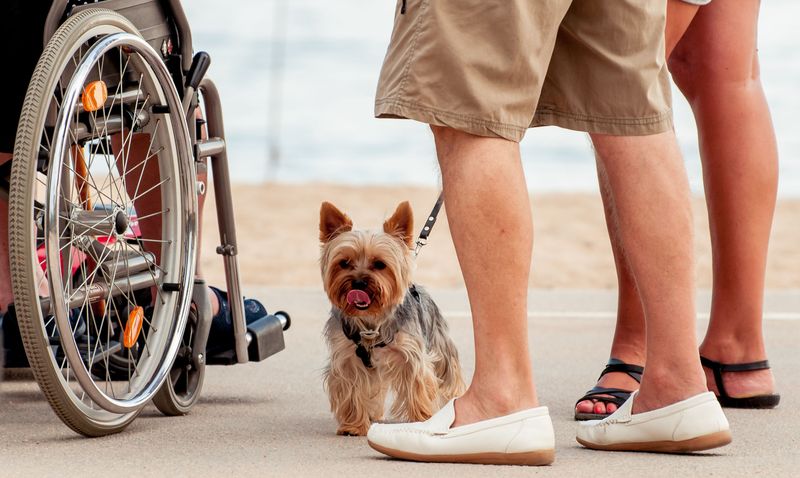
Housing accommodation paperwork follows different rules from ordinary pet applications. Under fair housing rules, providers may request reliable disability-related information when the need is not apparent.
They generally cannot demand a purchased registry certificate or charge pet fees for an approved assistance animal. Service animal rules for public access differ.
Ask about the accommodation process early, and protect private medical details. HUD guidance or a fair housing organization can help clarify questions about your situation.
12. Review Your Dog’s Medication Records
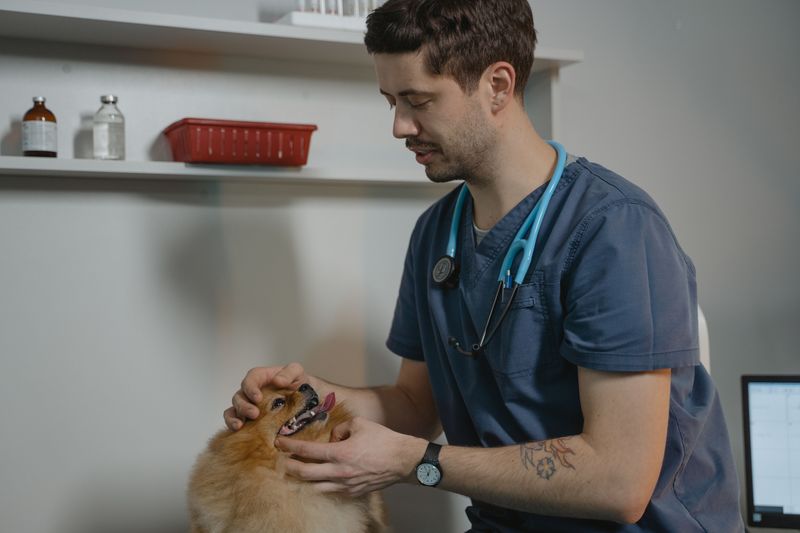
Running low on medicine is an avoidable moving headache. Ask your current veterinarian for a medication list and an appropriate travel supply.
Record each drug’s name, strength, directions, prescribing clinic, and refill status. Include supplements and any past reactions.
Arrange a Texas appointment before supplies run short, since refills may require an examination and a valid veterinary relationship. Keep medicines in their labeled containers, and follow storage instructions throughout the drive and unpacking days ahead.
13. Check Breed-Specific Local Requirements

Breed questions often come from housing or insurance policies rather than local law. Texas law limits breed-specific local rules for dogs classified as dangerous, but this does not establish a blanket statewide ban on every breed-related restriction.
Private rental communities and insurers may also have breed policies, subject to applicable laws.
Private rental communities and insurers may still have breed policies, subject to applicable laws. Request their current terms before signing agreements.
Ask animal control about general rules that apply regardless of breed, including any existing dangerous-dog designation. Such a designation can carry separate duties, so discuss an existing case directly with authorities.
14. Bring Proof Of Spay Or Neuter Status

A surgery record may save you another round of phone calls. Some local registration programs offer different fees based on whether dogs are sterilized.
Request a certificate or medical record confirming your dog’s spay or neuter procedure. An adoption agreement may help, but ask what documentation officials accept.
Local requirements and exemptions vary, so check your destination’s rules. Keep this record alongside other permanent documents rather than relying on appearance or a note from memory.
15. Save Emergency Veterinary Contacts And Medical Information
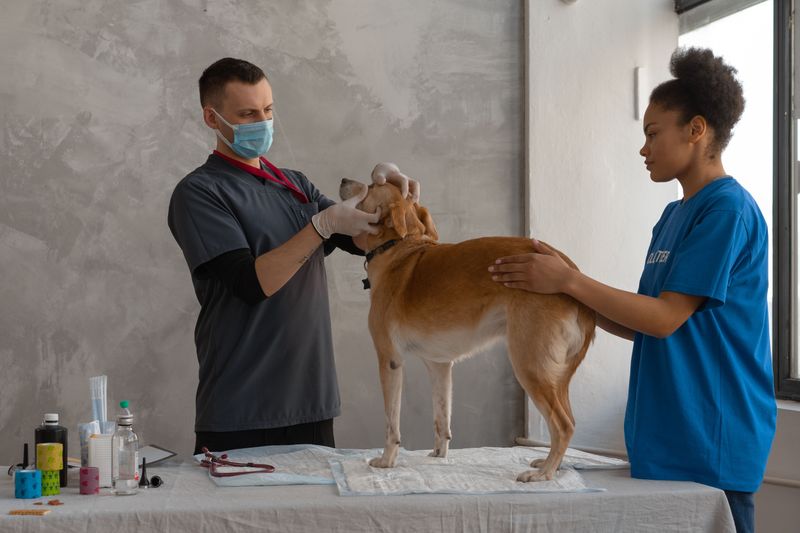
Finding help feels easier when the numbers are already saved. Identify a nearby emergency veterinary hospital before your first night in Texas.
Confirm its location, hours, and whether you should call before arriving. Add your regular clinic and a trusted backup caregiver.
Create a brief medical sheet listing allergies, medications, ongoing conditions, and your dog’s microchip number. Share its location with everyone traveling with you, and keep a copy accessible without an internet connection nearby.
16. Update Your Dog’s Information With The New Veterinarian
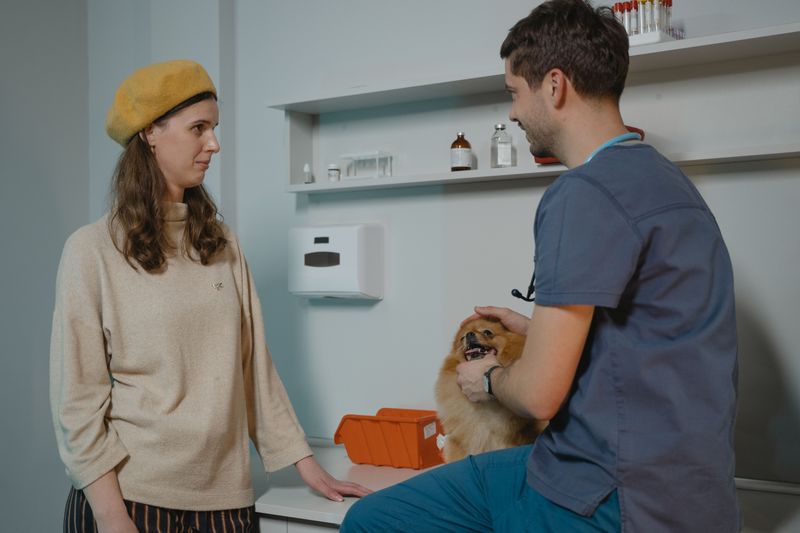
The first appointment is also a fresh start for your records. Give the clinic your current address, phone numbers, and preferred emergency contact.
Confirm your dog’s name, age, sex, microchip number, and previous medical history. Tell the team about travel plans and daily activities.
Ask about parasite prevention suited to your dog’s health and local exposure. Before leaving, check that transferred documents arrived and learn how the practice handles refills, appointments, and after-hours questions locally.
17. Keep Digital And Printed Copies Of Every Document

One tidy folder can turn scattered paperwork into a useful travel tool. Store printed copies in a protective sleeve within easy reach.
Save clear digital scans in a secure account, and download essential files for offline access. Label documents by type and date.
Keep original certificates when available, since some providers may request them. Review the folder after each renewal or medical visit.
With records ready, you and your dog can settle into Texas confidently.