Why A New York Pet Sitter Needs More Than Feeding Instructions When Elevators And Doormen Control Access
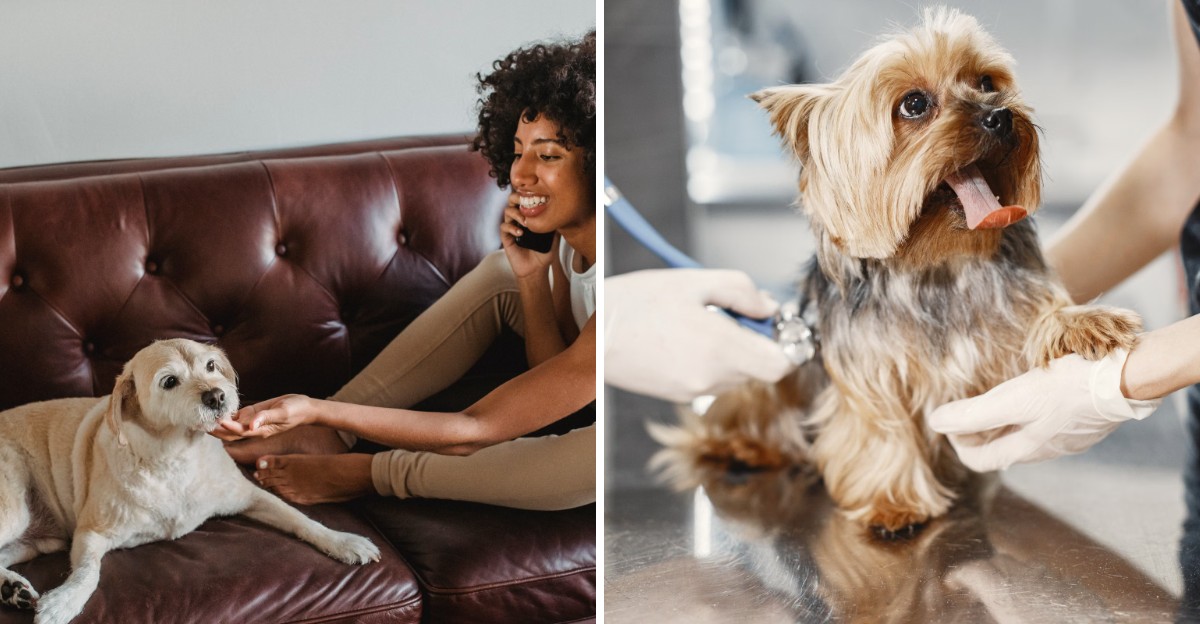
Your dog’s meals may be perfectly planned, but your sitter still needs to get through the front door. In New York, a doorman, visitor list, or elevator fob can shape every visit and bathroom break.
A little planning helps your sitter follow building rules while keeping your dog’s routine steady. Before you leave, make getting inside as clear as filling the food bowl.
1. Why Feeding Instructions Are Only the Beginning
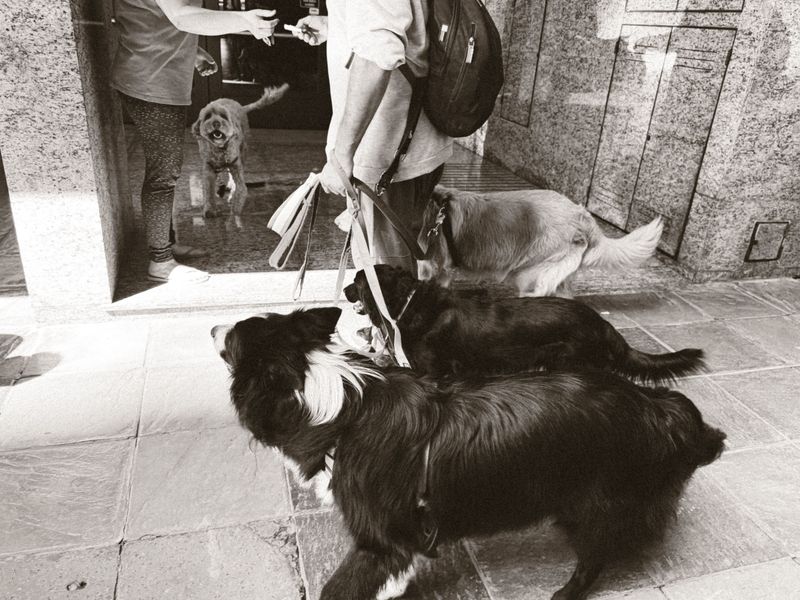
A full food bowl cannot help much when your sitter is waiting outside the building. Care starts at the entrance, before meals, walks, or quiet company can happen.
Write down both your dog’s needs and the steps required to reach your apartment. Include approved visiting hours, door procedures, and any access limits.
Treat those details as part of pet care, not extra paperwork. A clear arrival plan helps every visit begin smoothly, even while you’re away.
2. Confirm Building Access Before the First Visit
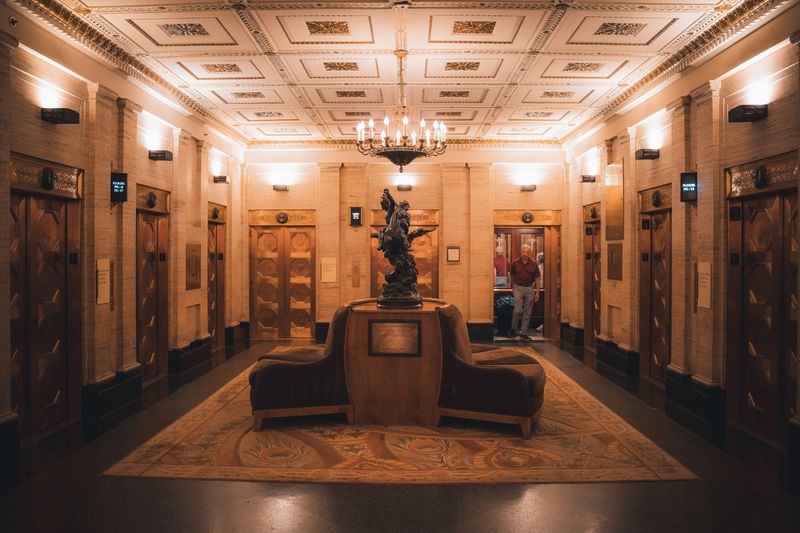
Permission from you may not complete your building’s entry process. Management might require advance notice, identification, or a registered service provider before allowing access.
Ask the managing agent what applies to pet sitters, including evening and weekend visits. Get confirmation through the building’s usual channel.
Then share those requirements with your sitter before the booking begins. Checking early gives everyone time to handle missing forms without cutting into your dog’s first scheduled visit or outdoor break.
3. Make Sure the Doorman Knows Who Is Coming

A familiar name at the desk makes arrival much easier. Give staff your sitter’s name exactly as it appears on their identification.
Include the visit dates, expected time windows, and your apartment number through an approved method. Ask whether substitute sitters need separate permission.
Your sitter should introduce themselves politely and carry any required identification. Staff still need to follow building procedures, even when someone says they know you or have visited your apartment before recently.
4. Explain How Visitor Registration Works
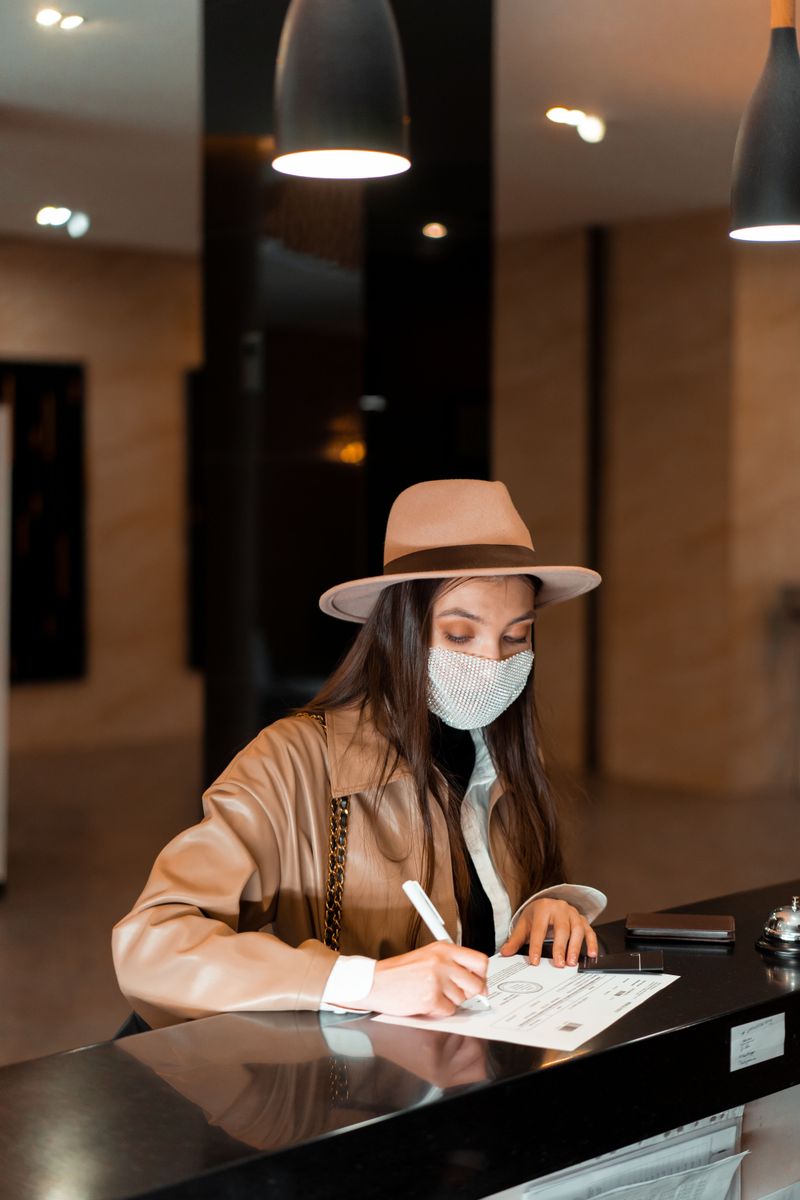
Some lobbies use a visitor app; others keep a desk log. Your sitter needs to know which system controls entry.
Explain whether you must approve each arrival or can authorize visits ahead of time. Mention required identification and any registration deadlines.
Share only the access information the sitter actually needs. Avoid giving out your personal building account password.
If an invitation expires, explain who can renew it and how to reach that person during scheduled visits.
5. Provide a Reliable Way to Reach the Owner

Travel can turn a quick approval request into a long wait. Flights, meetings, and time differences may leave you temporarily unavailable.
Give your sitter a primary number and a second contact method. Explain when you expect to be offline and who can help then.
Choose a local backup who has agreed to assist and understands the building’s rules. Confirm whether management will accept that person’s authorization before relying on them to resolve an unexpected entry problem.
6. Arrange Elevator Access in Advance
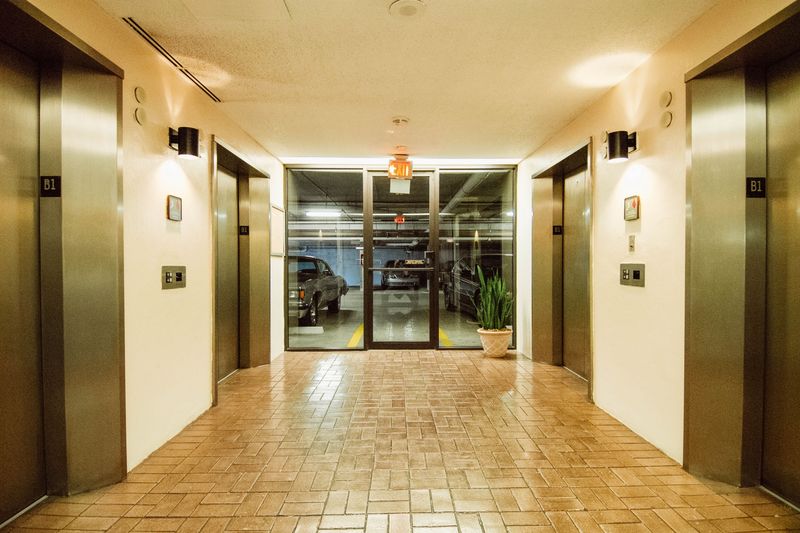
Getting past the front desk does not always unlock the elevator. Some buildings restrict floors or require staff to enable a visitor’s ride.
Ask which elevator your sitter should use and whether access changes after certain hours. Confirm any separate rules for traveling with dogs.
Have staff explain the approved process rather than guessing at buttons or readers. Your instructions should cover reaching your floor and returning downstairs for walks throughout every scheduled pet care visit.
7. Leave Clear Instructions for Key Fobs and Access Cards
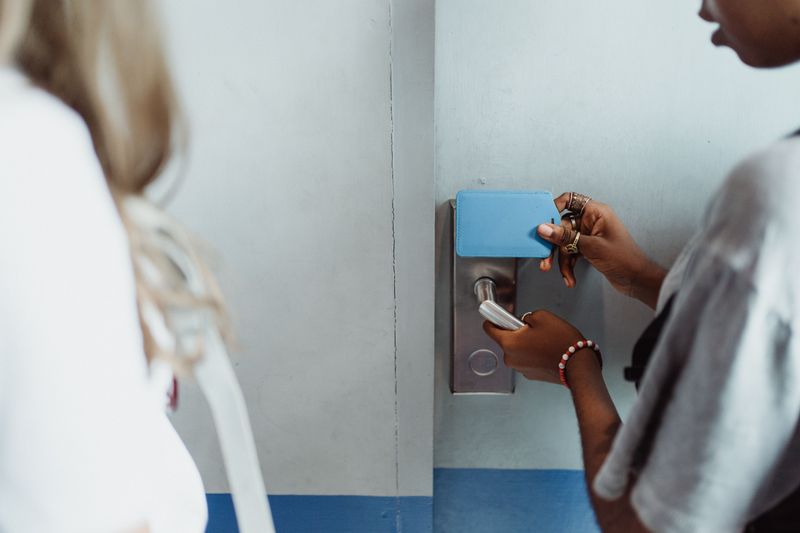
One small fob may open several doors, but not every reader. Label access tools discreetly and explain where each one works.
Show your sitter how to hold the card or tap the fob. Mention any approved steps needed for the lobby, elevator, and return entrance.
Keep your full address off key labels. Use the building’s authorized handoff method, and confirm everything works before departure.
Never suggest propping doors open or following another resident through controlled entrances.
8. Plan for Delays at Busy Building Entrances

The lobby can feel busiest exactly when your dog needs a walk. Deliveries, school traffic, and moving crews may slow entry.
Tell your sitter about common rush periods and any alternate entrance approved for their use. Discuss realistic arrival windows before booking.
For dogs needing frequent breaks, arrange enough time without assuming lobby delays count as walking time. Ask how the sitter handles access waits, and agree on updates if a delay affects your dog’s schedule.
9. Explain What to Do When the Doorman Changes Shifts
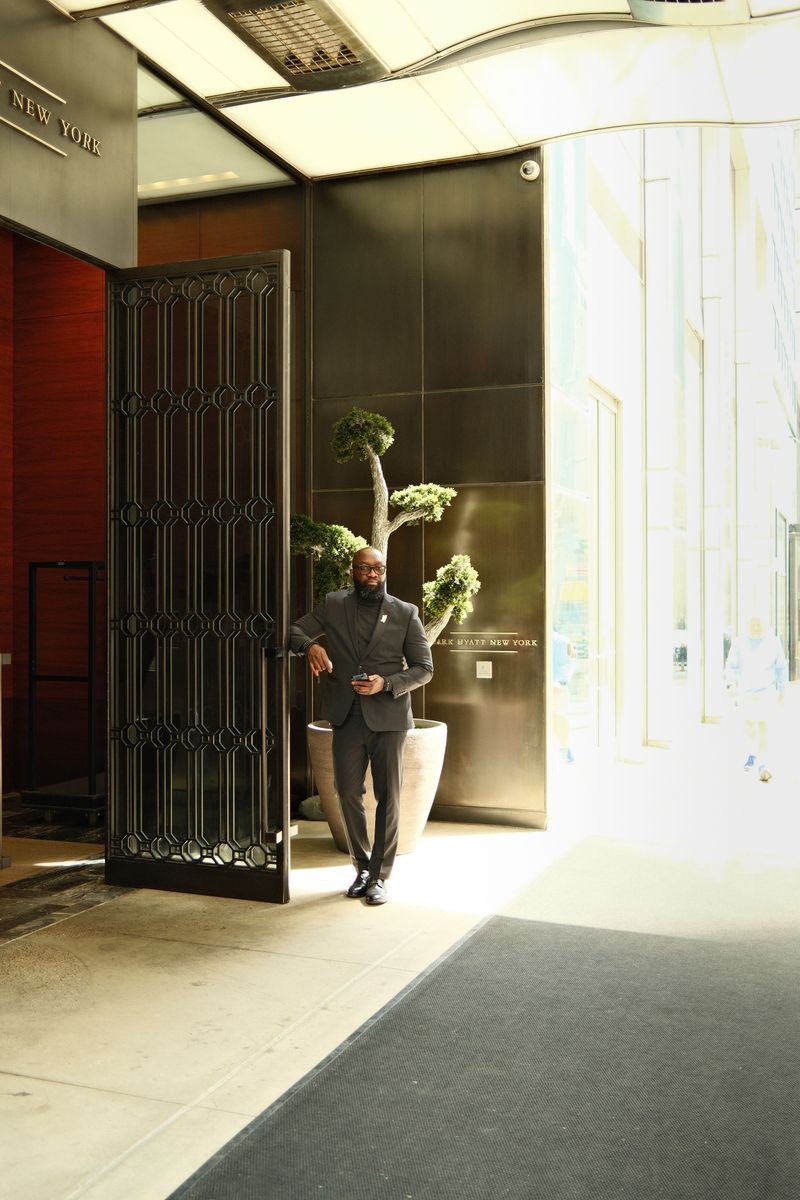
Your regular doorman may know the plan, while the next shift does not. Verbal permission can get lost during a busy handoff.
Ask that authorization be recorded in the building’s usual system. Include enough detail for staff covering nights, weekends, or breaks.
Tell your sitter whom to contact if a new staff member cannot find approval. They should remain patient and follow verification steps, rather than expecting unfamiliar staff to accept an explanation without checking first.
10. Prepare for Elevator Outages and Maintenance

An elevator repair can change a simple visit into a different task. Stairs may not suit your dog or your sitter.
Check for planned maintenance before leaving. Discuss an approved backup with management, especially if your dog has limited mobility or cannot manage stairs.
Do not assume anyone can safely carry your pet between floors. Ask your veterinarian about mobility concerns, and arrange suitable local help when needed.
Follow staff guidance during outages or building emergencies.
11. Consider Pets That Struggle With Elevators

A moving floor and crowded car can unsettle some dogs. Share what your dog usually does near elevators and inside them.
Demonstrate calm handling during a practice visit. Keep the leash short enough for control, without pulling your dog toward closing doors.
Wait for another car if space feels tight. Keep dog and handler together when crossing the doorway, with the leash clear.
Ask your veterinarian for guidance if elevator fear regularly prevents comfortable outdoor trips.
12. Explain the Building’s Pet Rules
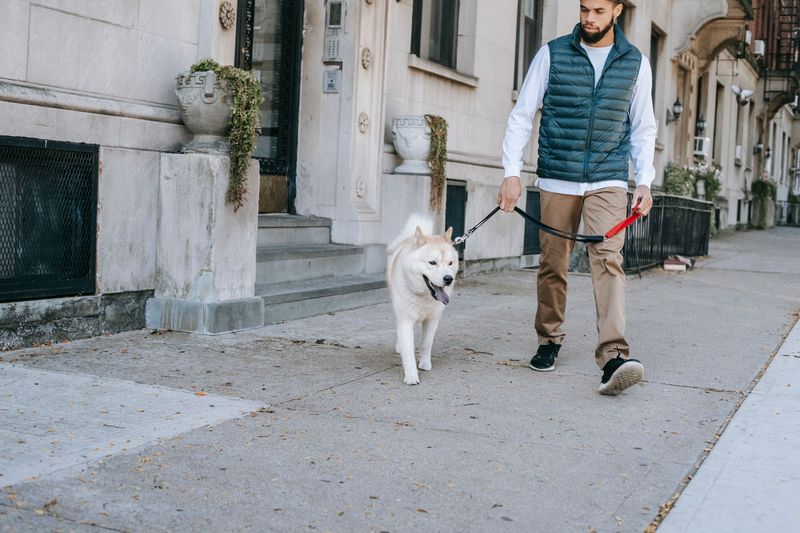
Every building has its own way of managing shared space. Pet routes, elevator choices, and lobby expectations can differ between properties.
Give your sitter the current written rules, not a neighbor’s guess. Explain leash requirements, cleanup supplies, and where dogs may wait.
Building policies do not replace applicable law, and accommodation rules may affect individual situations. Ask management about unclear requirements before departure.
Clear guidance helps your sitter respect neighbors while keeping your dog’s routine familiar.
13. Make Package Rooms and Shared Spaces Off-Limits Unless Approved
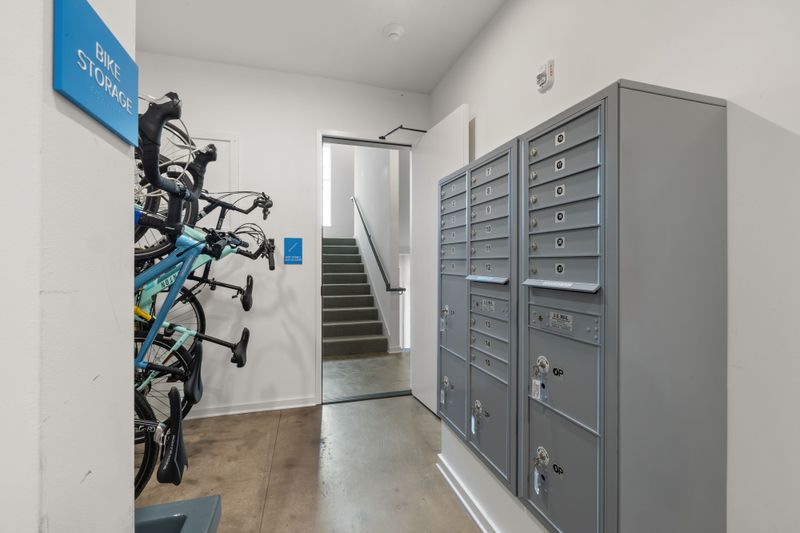
A working fob is not permission to enter every room. Package areas, lounges, rooftops, and gyms may have separate access restrictions.
Tell your sitter to use only spaces needed for approved pet care. Do not add package collection unless management allows it.
If staff request an unfamiliar errand, the sitter can check with you first. Keeping the visit focused avoids confusion about responsibility and prevents your dog from entering unsuitable shared areas while someone handles other tasks.
14. Create a Backup Plan for Lost Keys or Missing Fobs
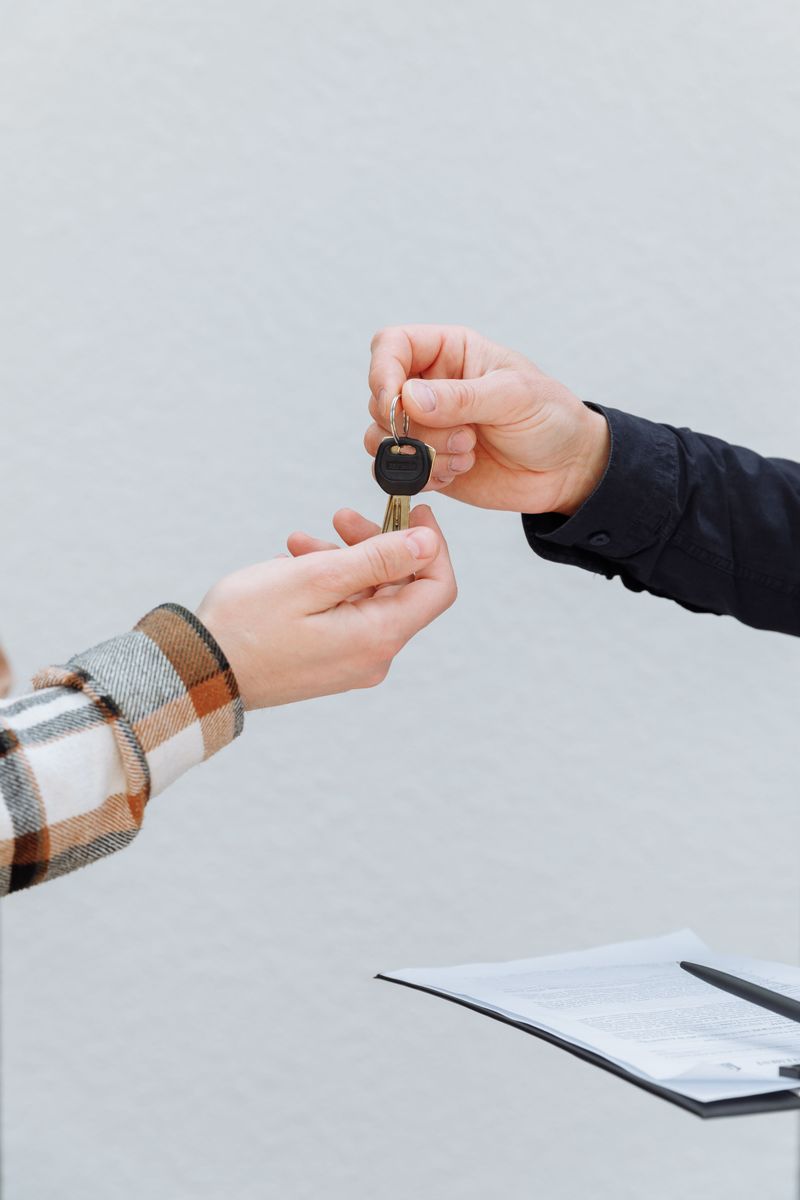
Even careful people can misplace a key during a busy day. Decide how replacement access will work before it becomes urgent.
Leave an authorized spare with someone reliable, if building policy permits. Record who can release it and what identification they require.
Ask management how to report and deactivate a missing fob. Never hide keys outside or suggest bypassing locks.
Your backup should restore approved access while protecting the apartment, other residents, and your pet’s routine.
15. Coordinate Access for Dog Walks and Outdoor Breaks
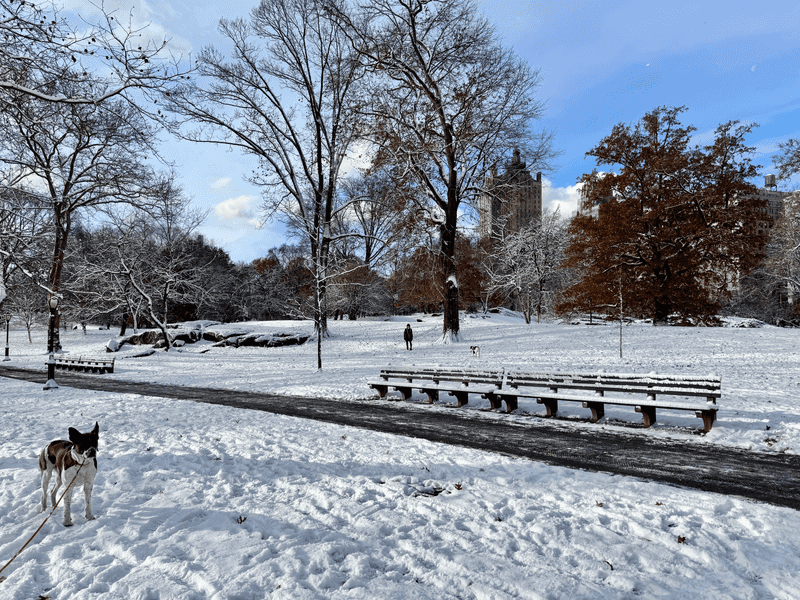
Leaving the apartment is only half of a bathroom trip. Your sitter also needs a dependable way back through every controlled door.
Map the approved exit and return route, including any evening changes. Explain where your dog usually toilets and where waste belongs.
Have the sitter check keys before stepping outside. If desk staff hold a key, confirm their return procedure.
Build walk times around your dog’s needs, with extra visits arranged when normal access becomes limited.
16. Keep Emergency Contacts and Veterinary Details Accessible
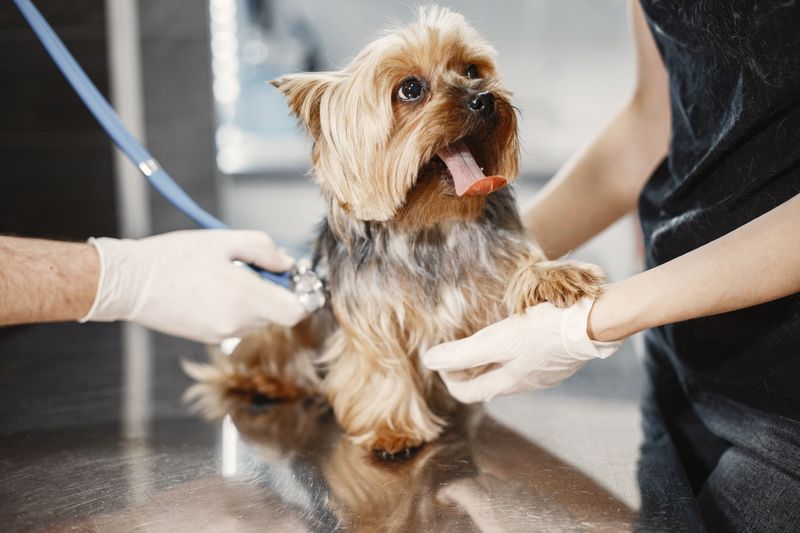
When a dog needs prompt attention, searching old messages wastes time. Keep veterinary details together in an accessible care sheet.
Include your regular clinic, a nearby emergency hospital, and a local backup contact. Confirm hours, transport options, and the clinic’s authorization requirements.
Discuss payment arrangements and decision limits directly with your veterinarian and sitter. Add building access contacts so help can reach the apartment.
For urgent concerns, the sitter should contact a veterinarian without unnecessary delay.
17. Test the Entire Entry Process Before Leaving New York
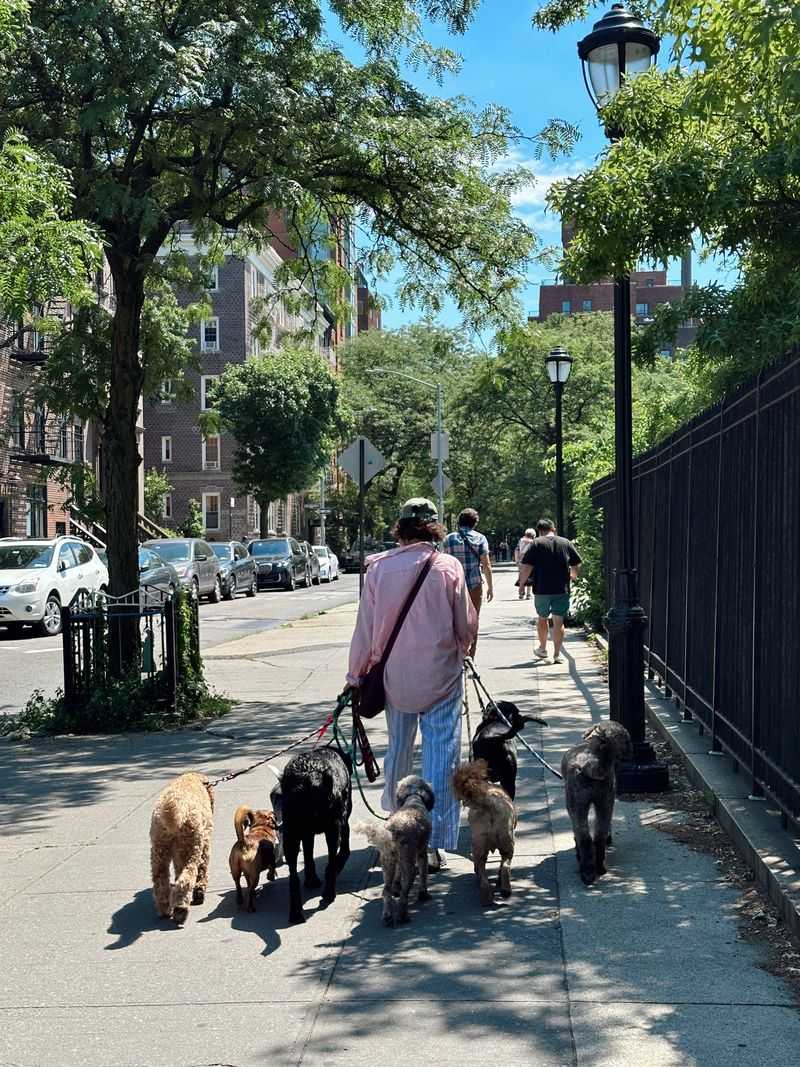
A practice visit reveals gaps that written directions can miss. Let your sitter complete the route while you remain available nearby.
Start outside, check in properly, use the elevator, and unlock the apartment. Then rehearse leaving with your dog and returning.
Test access during relevant hours when possible, since daytime approval may not cover evenings. Fix problems with management before departure.
A successful rehearsal gives your sitter useful experience and gives you something better than an assumption.
18. Leave One Clear Access Plan Instead of Scattered Messages
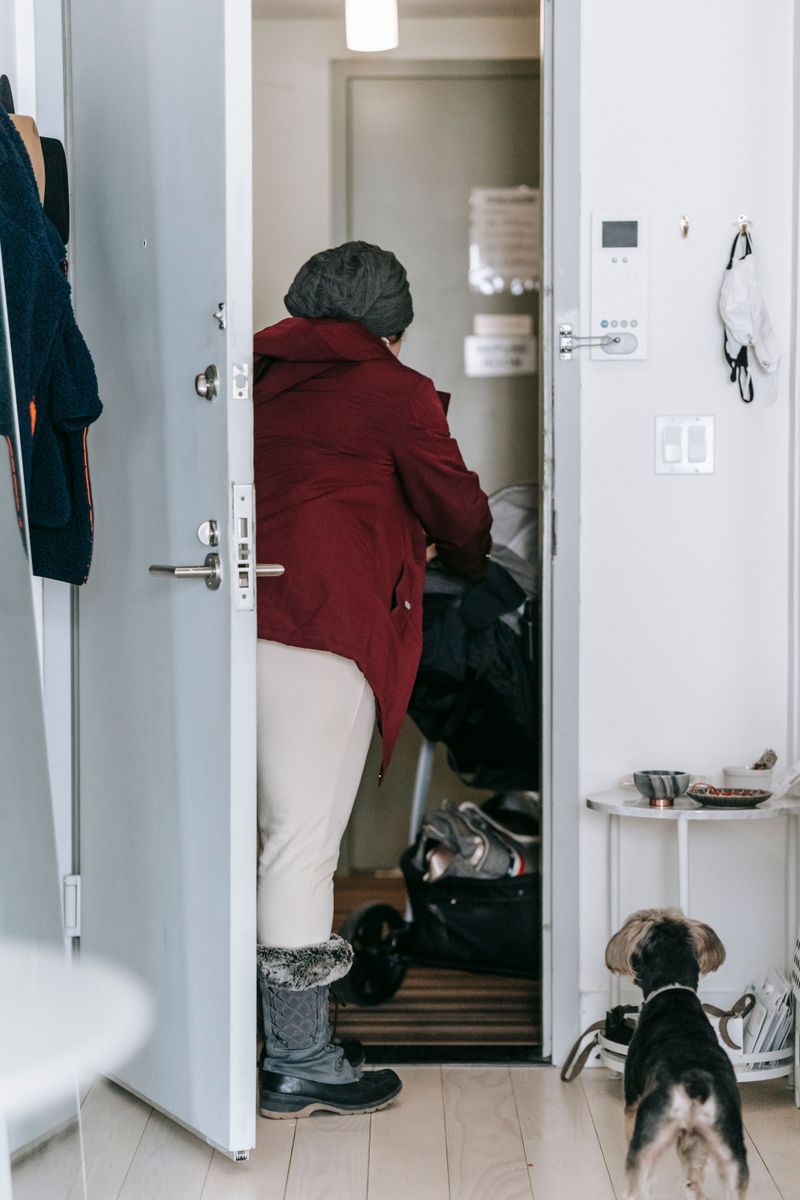
Old texts can hide the one detail your sitter needs. Gather the final plan in one clearly labeled document.
List entry steps, staff contacts, elevator rules, key arrangements, and backup help. Share it securely, and remove outdated instructions when anything changes.
Keep a copy available without internet access, while protecting codes and personal information. Ask your sitter to confirm understanding before you leave.
Clear access supports calm care, and a prepared sitter helps your dog feel settled.