What Arizona Law Says About Leashes and Off-Leash Areas
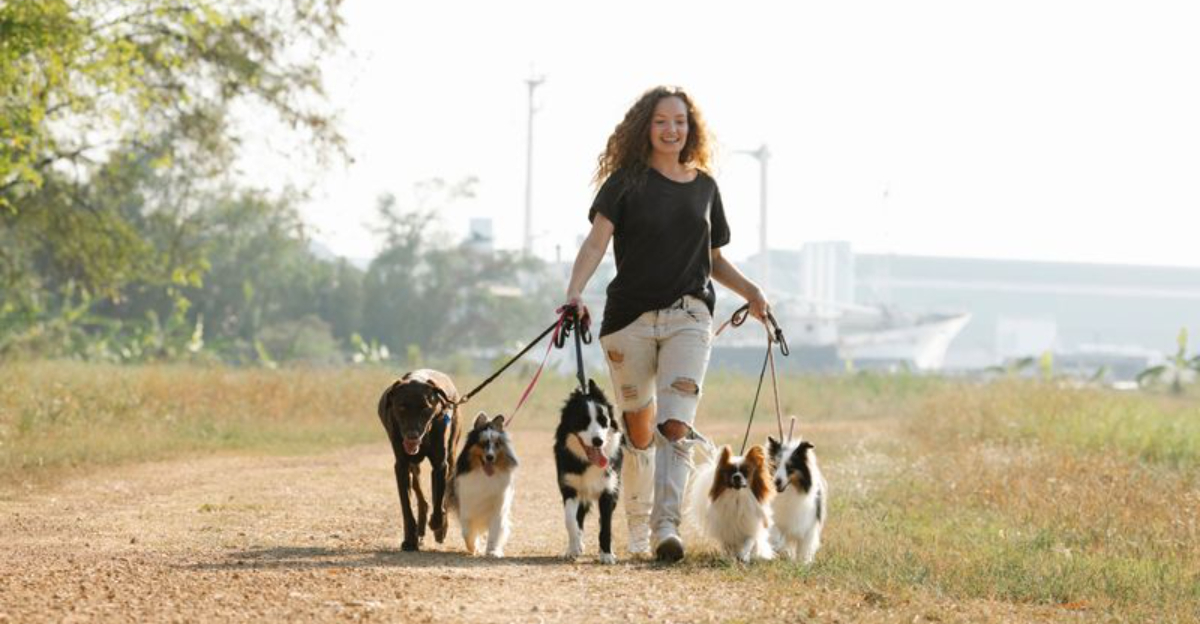
If you walk a dog anywhere in Arizona, you have probably wondered exactly when the leash needs to stay clipped. Maybe you have seen someone let a dog run loose at a trailhead, or noticed a park sign that seemed to say something different from the one down the street.
That confusion is normal, because Arizona does not hand every community one identical rule. State law sets a baseline, then counties and cities add their own restraint ordinances on top of it.
Parks, trails, and federal lands add another layer still. The good news is that the pattern behind all of it is easier to learn than it looks.
Most jurisdictions land in the same neighborhood: a leash of six feet or less, a dog kept off other people’s property, and full responsibility resting with the person holding the handle. Off-leash freedom is allowed too, just in specific places with posted expectations.
Think of this guide as a friend walking you through the basics before your next outing. Nothing here replaces a quick check with local animal control, but it will help you feel steady, informed, and ready to enjoy the trail.
Arizona Does Not Have One Universal Leash Rule
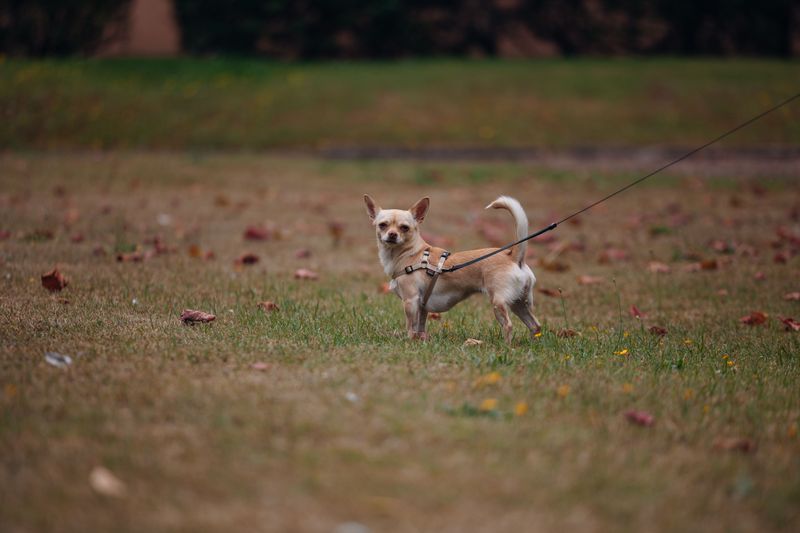
Plenty of owners assume one statewide rule covers every sidewalk in Arizona. Reality is layered.
Arizona law sets statewide requirements in certain situations, while counties and cities can impose additional local rules on dogs and their restraint. Two neighborhoods twenty minutes apart can enforce different details.
Before walking somewhere new, look up the city or county animal control page. It takes two minutes.
That small habit saves you from guessing, and it makes every walk feel a lot more relaxed.
Dogs Must Be Under Physical Control in Many Public Areas
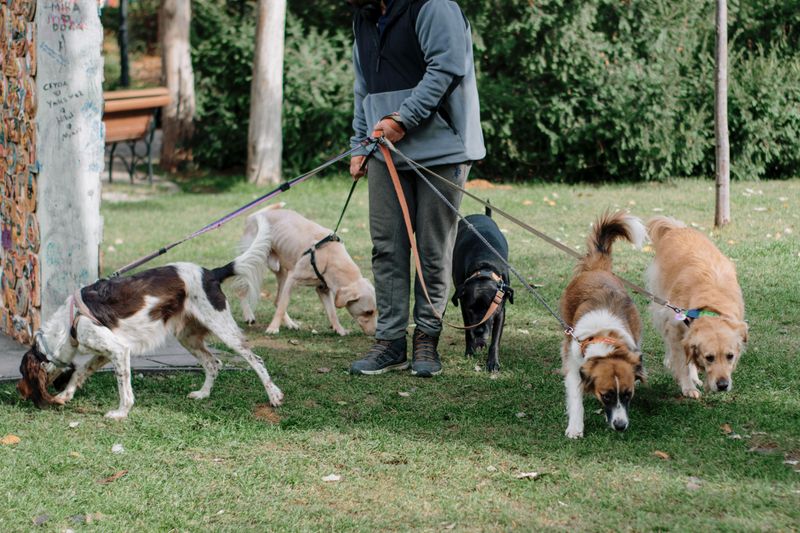
Once your dog steps off your property, the expectation usually shifts to physical restraint.
Many Arizona jurisdictions require dogs to be physically restrained in public areas, and six-foot leash limits are common in local and state provisions.
Voice commands, however reliable, generally do not satisfy that wording.
A standard six foot lead is the simplest way to comply, and it keeps your dog close in busy areas.
Maricopa County Has Its Own Restraint Rules
Maricopa County spells out how dogs must be contained, both at home and away.
Dogs are expected to stay confined by an enclosure on the owner’s property, or secured by a leash of six feet or less when off it.
Letting a dog be at large is treated as a misdemeanor there.
Because rules get updated, check the county animal care and control site before assuming anything is unchanged.
Phoenix Sets Rules for Dogs in Public
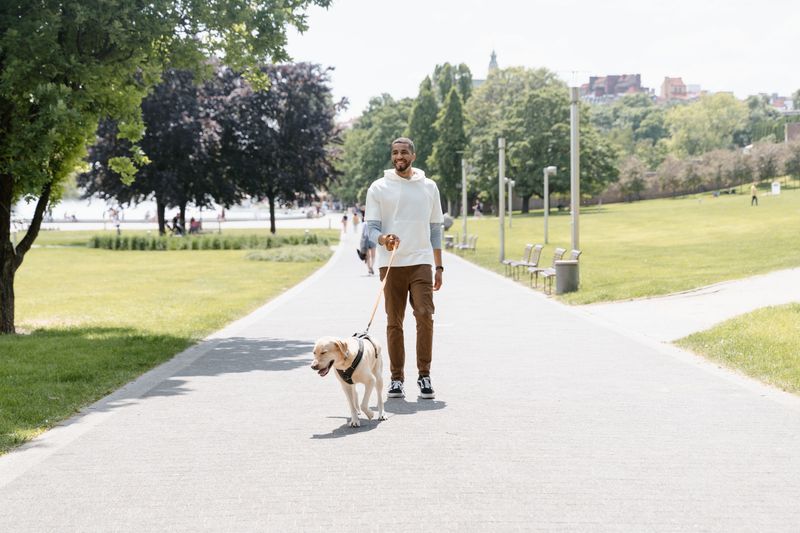
City living in Phoenix comes with clear expectations for dogs outside the home.
In most public areas, dogs must be leashed, generally on a lead no longer than six feet. A dog not enclosed or physically restrained counts as at large.
Phoenix has also updated tethering rules, requiring direct supervision outdoors.
Tethering is prohibited during extreme weather, including temperatures above 100 degrees, which matters a lot here.
Tucson Has Local Leash Requirements
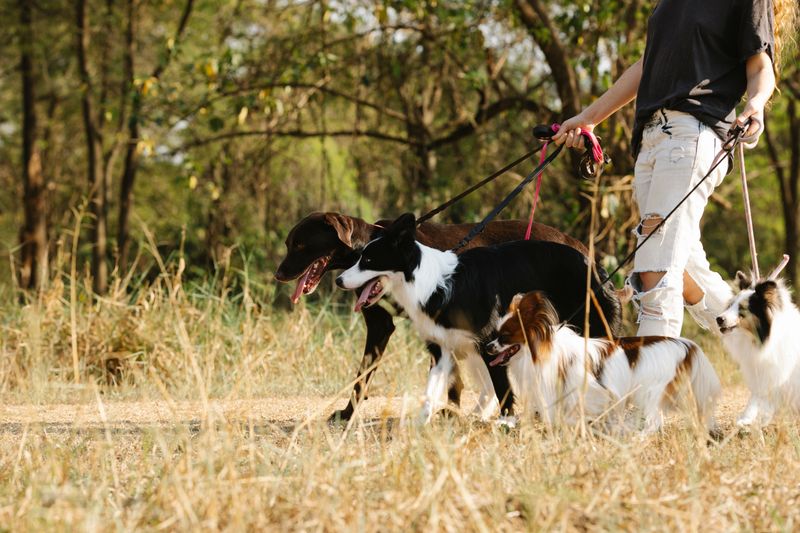
Down in Tucson, city code keeps things direct: dogs may not be at large.
That applies to public streets, sidewalks, alleys, parks, and other public property. Restraint must come from a leash, chain, rope, or cord no more than six feet long, strong enough to actually control the dog.
Pima County adds another point worth knowing.
Tie-outs are not permitted as a permanent way to confine an animal there.
Off-Leash Parks Are Legal Places to Unclip
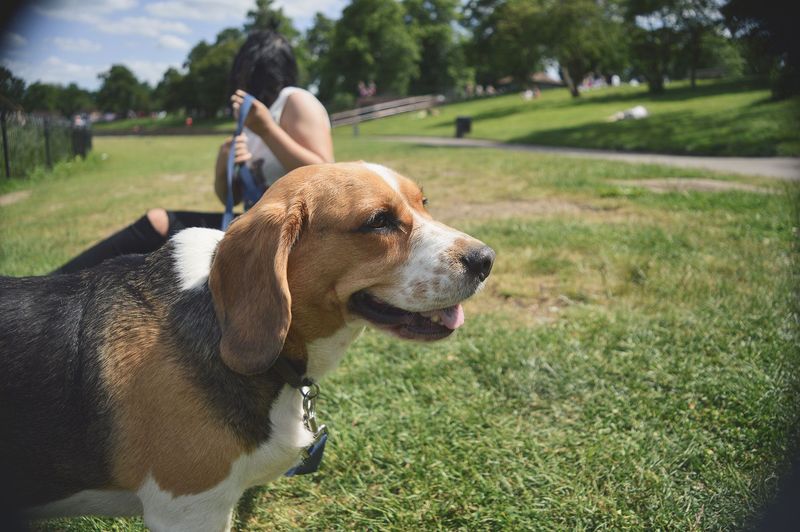
Here is the part dogs vote for: designated off-leash parks are genuinely legal.
These fenced or clearly marked areas exist as specific exceptions to general leash ordinances. Your dog can sprint, sniff, and socialize without a lead attached.
The exception has limits, though. Posted park rules and supervision requirements still apply the whole time you are inside.
Search your city’s parks department listing to find approved off-leash spots near you.
Off-Leash Does Not Mean Unsupervised

Unclipping the leash does not hand over the responsibility along with it.
Owners are generally expected to keep dogs in sight and under voice control inside off-leash areas. Scrolling on a bench while your dog roams the far fence line misses the point.
If a dog becomes aggressive or disruptive, leash it immediately and leave.
Quick action protects everyone, including your own dog’s good day out.
Posted Signs Can Change the Rules
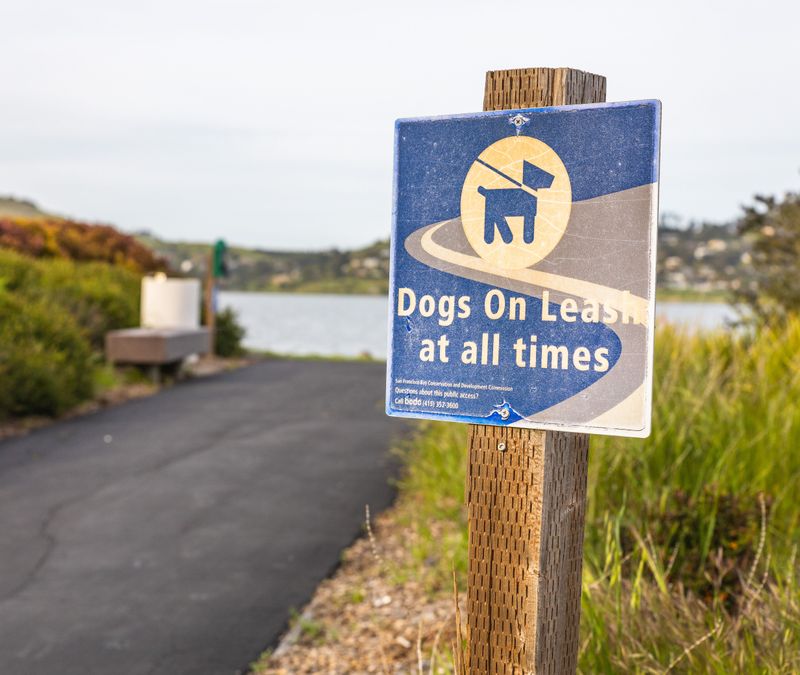
Signs at a trailhead or park entrance are not decoration. Read them.
Signage often explains exactly where dogs may walk, run, or stay off leash within that property. Some areas allow dogs on one loop but not another.
Treat every posted restriction as the binding rule for that spot.
Snapping a photo of the sign gives you a handy reference if questions come up later.
State Parks Have Their Own Pet Policies
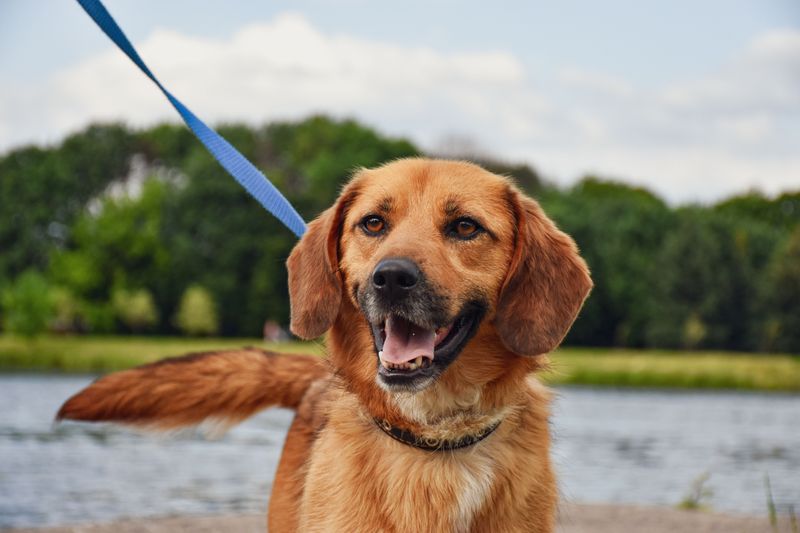
Arizona State Parks welcome pets in many spots, with conditions attached.
Dogs are typically required to stay on a leash of six feet or less at all times. Buildings, museums, and developed beaches are usually off limits.
A few parks restrict pets entirely, including Red Rock State Park and certain trails at Tonto Natural Bridge.
Check that specific park’s current pet policy before loading up the car.
Trails May Have Different Requirements
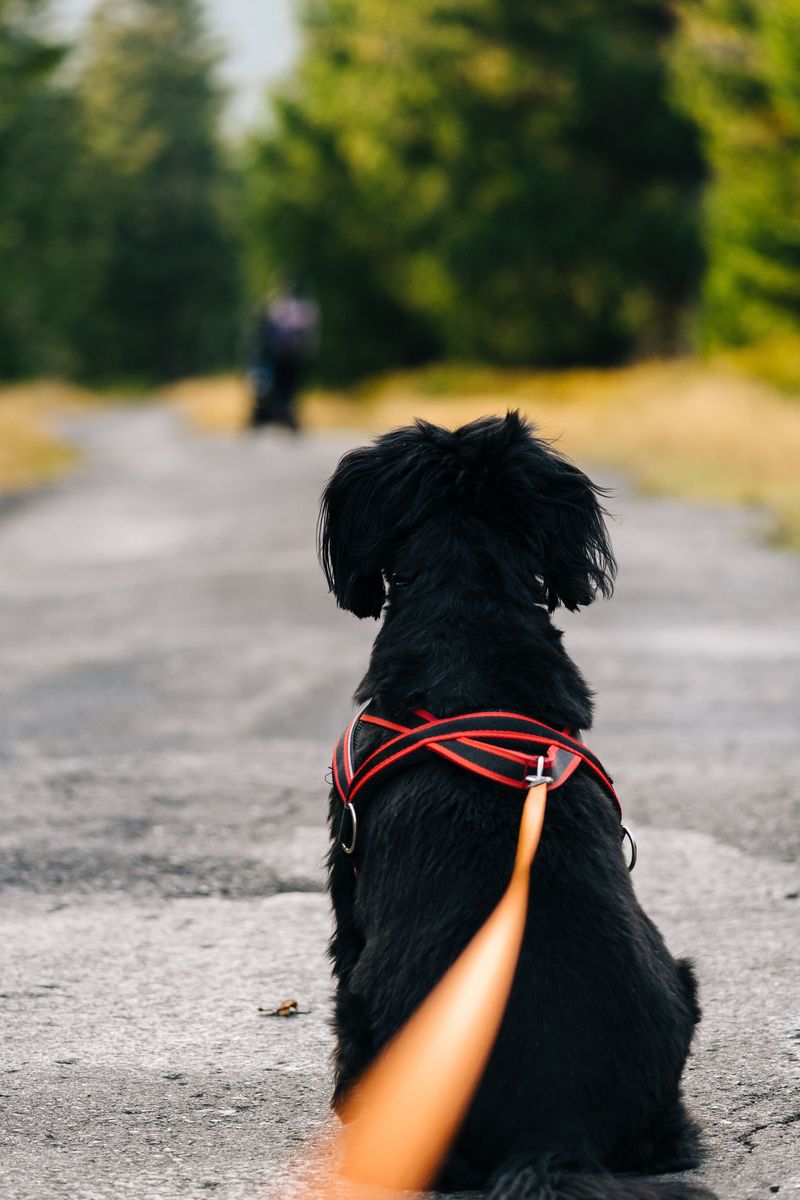
Two trails can sit near each other and follow completely different rules.
Whoever manages the land decides: a city park, county preserve, state agency, or federal land manager. Each sets its own leash and pet restrictions.
Grand Canyon National Park offers a clear example, allowing leashed pets on South Rim trails while restricting them below the rim.
Identify the managing agency first, then follow that agency’s guidance.
Federal Recreation Areas Can Follow Separate Rules
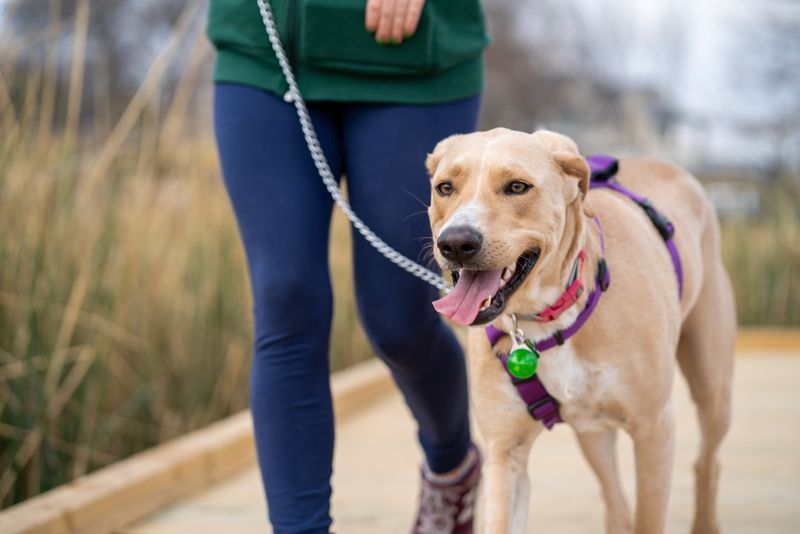
National forests and national recreation areas answer to federal regulations, not city code.
Those agencies set their own pet requirements, and an Arizona leash ordinance does not override them. Rules can differ between campgrounds, day use areas, and open forest.
Planning a visit? Look up the managing agency’s pet policy ahead of time.
A quick call to the ranger district office clears up anything the website leaves vague.
Service Dogs Are Treated Differently
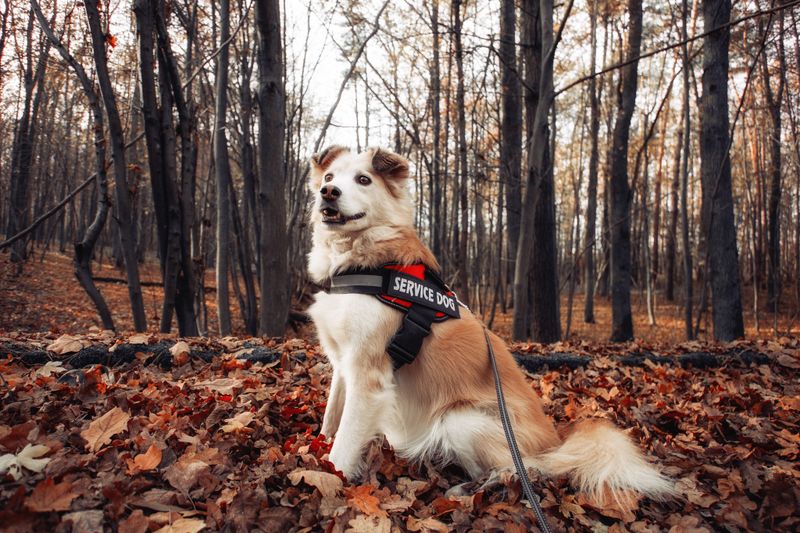
Qualified service animals carry access protections under the ADA and Arizona law.
Handlers may bring qualified service animals into public accommodations, and Arizona law also provides access protections for service animals in training. Leashing is generally expected, but the requirement can be waived when it interferes with the animal’s tasks or the handler’s disability.
Control must then come through voice, signal, or other effective means.
Emotional support animals and ordinary pets do not receive these protections.
A Loose Dog Can Create Liability
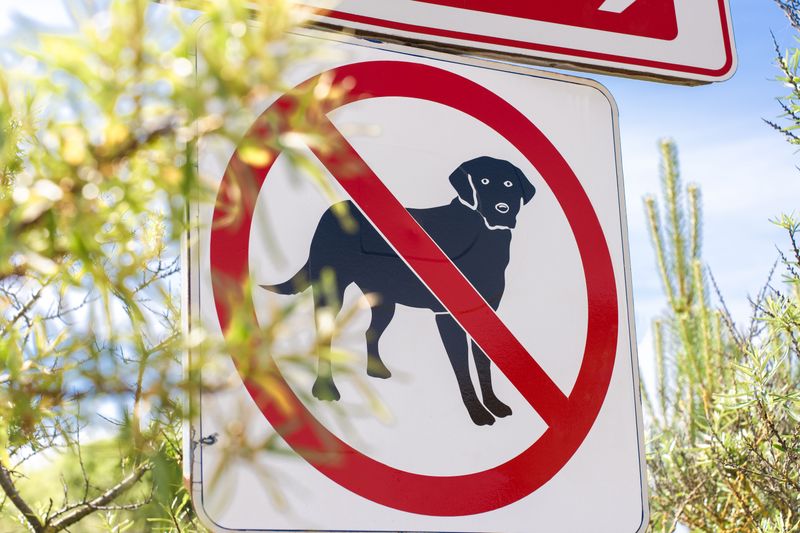
Financial consequences are the part owners rarely think about until later.
A dog running at large can bring citations or penalties under local ordinances. Owners may also be held responsible for injuries or property damage the dog causes.
Leash law violations can be used as evidence of negligence in legal proceedings.
None of that is meant to alarm you. It simply explains why the clip matters.
Leash Rules Can Apply Even When a Dog Is Well Behaved

My favorite conversation with confident owners goes something like this: but my dog listens perfectly.
Wonderful, and the ordinance still applies. Where a rule requires physical restraint, obedience alone does not create an exception.
Training reduces risk, yet it cannot prevent a citation in a leash-required area.
Consider a longer training lead in permitted spaces instead. Your dog gets freedom, and you stay comfortably within the rules.
Dog Parks Still Have Rules to Follow
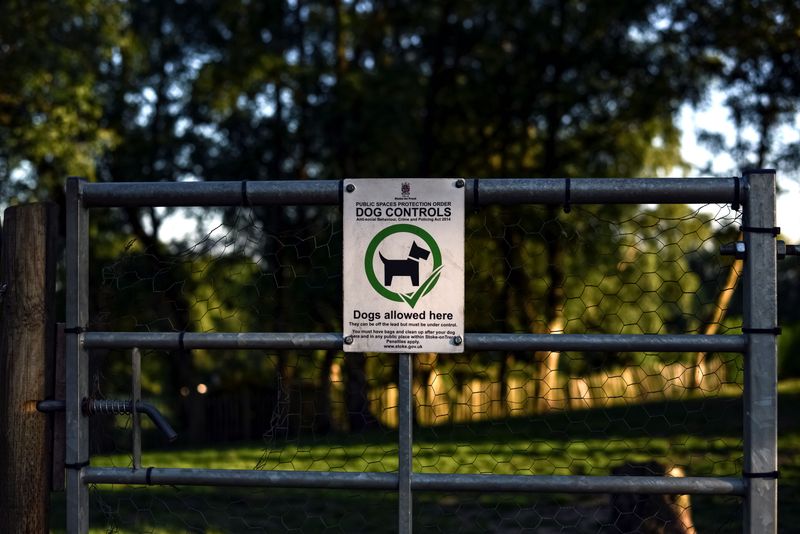
Freedom inside the fence comes with a short checklist at the gate.
Common requirements include current vaccinations, valid licensing, active supervision, immediate leashing of any aggressive dog, and prompt waste cleanup. Many parks also exclude females in heat and set minimum ages for puppies.
Reading the board takes thirty seconds.
Doing it once means you already know the expectations every visit after that.
Private Property Is Not Always a Free Pass

Your own yard is not automatically a rule-free zone for an unrestrained dog.
Owners are generally required to keep dogs confined to their property. In some places, including Maricopa County, electronic fences are not counted as adequate containment.
Ordinances may also cover nuisance behavior and dogs that wander off unfenced lots.
Phoenix adds tethering conditions on private property, requiring supervision and prohibiting it during extreme heat.
Check the Rules Before Crossing Jurisdictions
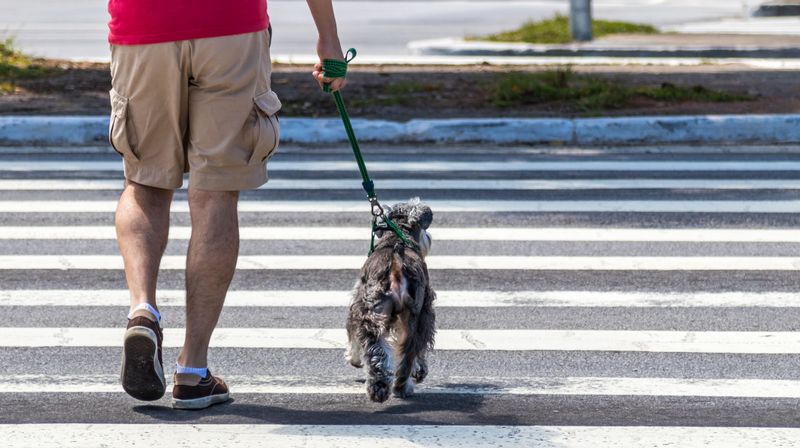
Metro Phoenix and metro Tucson blur together in ways that surprise walkers.
One long stroll can cross from Tempe into Mesa, or from city land into county land, without anything obvious changing. Leash requirements can shift right along with that boundary.
Mapping apps often show municipal lines if you zoom in.
When you travel with your dog, glance at local ordinances the same way you check the weather.
Keep Your Dog’s Identification Current

Tags and microchips do their best work on the day you least expect.
Maricopa County and several Arizona cities require dog licensing, but licensing requirements and details vary by jurisdiction.
A collar tag plus updated microchip contact details dramatically improves the odds of a fast reunion.
Set a yearly reminder to verify your chip registry information is still accurate.
When in Doubt, Use a Leash
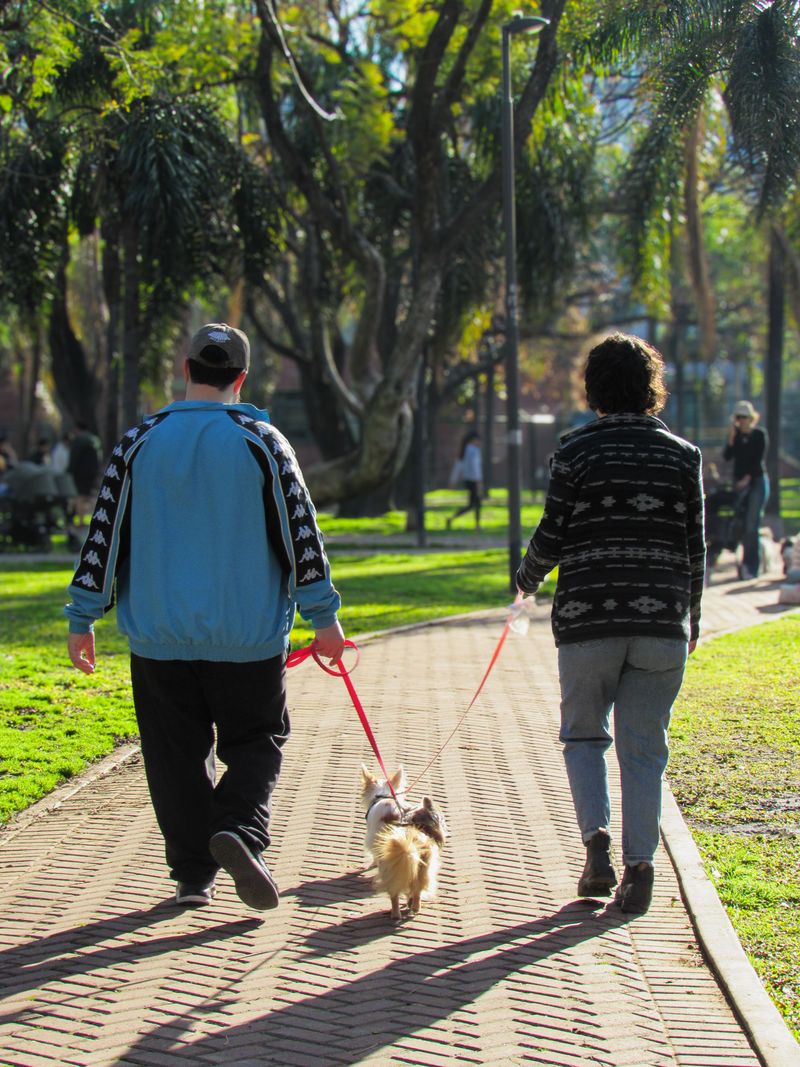
Uncertain about a new park, trail, or neighborhood? Clip the leash and move on.
That single choice removes almost every gray area, and nobody has ever been cited for being too careful.
When your dog needs real running room, pick a clearly designated off-leash area and follow its posted requirements.
Know the rules, carry the leash, keep the tags current. Your dog gets adventure, and you get peace of mind.