What Virginia Law Says About A Dog That Wanders Onto Someone Else’s Property
Every dog owner has had that heart-skip moment when a gate swings open and paws hit the sidewalk. In Virginia, what happens next depends on a mix of state code and your own city or county rules.
The good news is that once you understand how those pieces fit together, the whole picture feels much less confusing.
Here is a friendly walk through what the law actually says, so you can keep your dog safe, licensed, and close to home.
1. No Single Statewide Leash Rule Exists
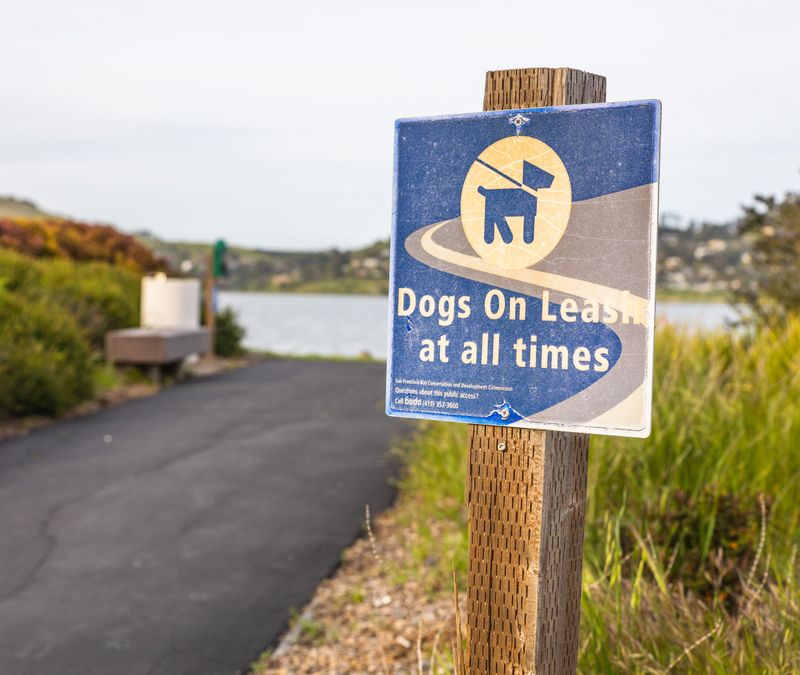
Plenty of owners assume Virginia has one leash law covering the whole state. It does not.
The General Assembly leaves most leash and restraint decisions to individual cities, counties, and towns. That means the rules in a coastal town may differ from those in a mountain county.
Before you assume you know the rule, check your own locality’s animal control page. A quick phone call to animal control can save you a fine and a headache.
2. Localities Can Ban Dogs From Running At Large

State code gives local governing bodies clear authority here. They may pass ordinances that forbid dogs from running at large within their borders.
Because that power sits at the local level, enforcement usually falls to county or city animal control officers.
If your neighborhood has repeated loose dog reports, an ordinance is likely already on the books. Reading it once takes ten minutes and tells you exactly what your community expects from you.
3. Some Rules Apply Only In Certain Places Or Seasons
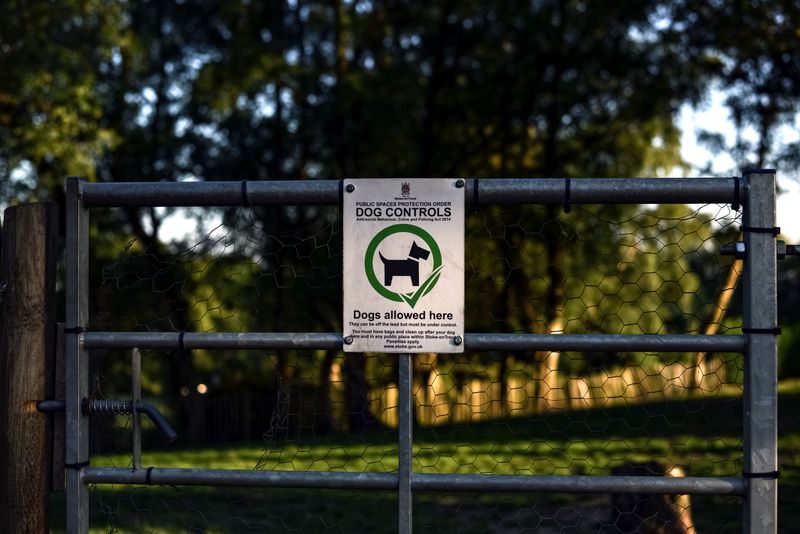
Here is a detail that surprises people: local dog rules are not always year round.
An ordinance might cover only certain parks, subdivisions, or roads. Others apply during specific months.
Appomattox County, for example, has a confinement period running from April 15 to May 15.
Rules may also single out particular categories of dogs. If you travel around the Commonwealth with your dog, check each destination’s rules before you unclip that leash.
4. What Being At Large Actually Means
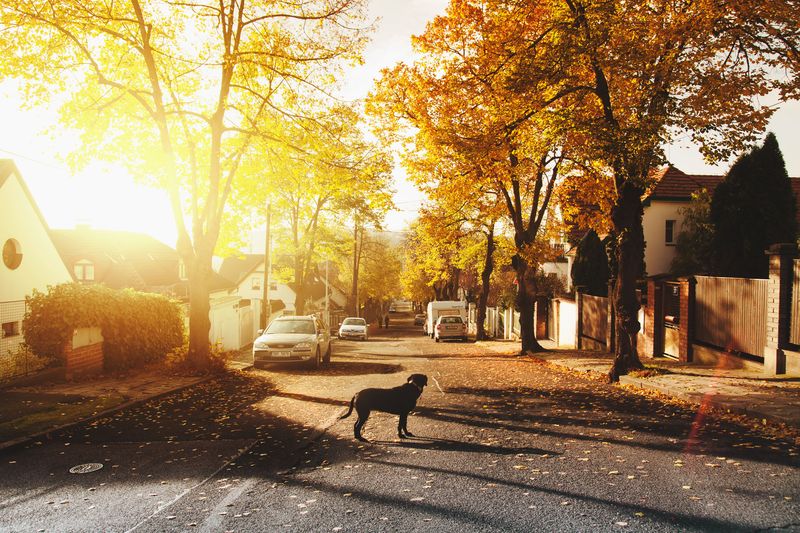
Definitions matter more than most owners realize. Under Virginia law, a dog is generally at large when it is off the owner’s or custodian’s property and not under immediate control.
So a dog trotting down the street alone fits that description, even if it is friendly and heading home.
Being on your own yard is different. That is why fencing, gate latches, and a quick headcount before you leave make such a difference.
5. Restraint Requirements Can Go Beyond Leashes
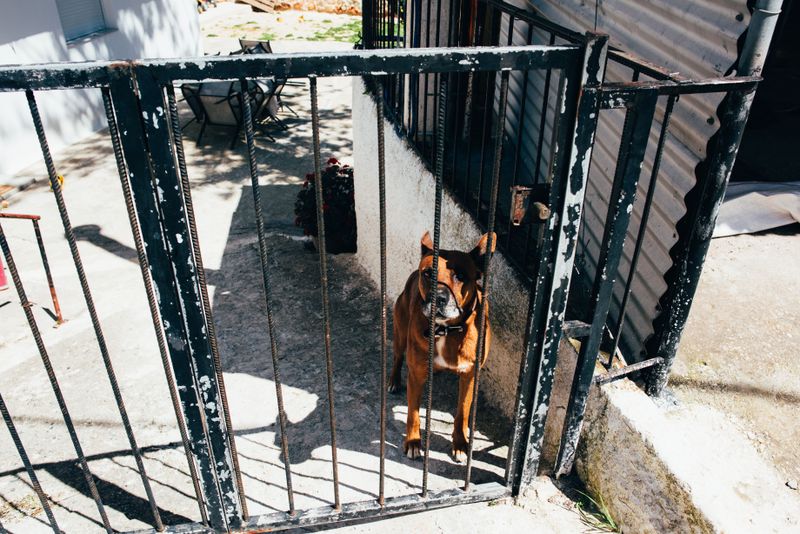
Leashes are only one option local governments can require. Ordinances may also call for dogs to be confined, penned, restricted, or otherwise restrained.
Immediate control often means a leash in hand or reliable response to voice commands.
Voice control sounds appealing, but it only counts if your dog truly listens every time. Practicing recall in a fenced area first builds the kind of reliability that keeps everyone comfortable.
6. Your City Or County May Be Stricter Than The State
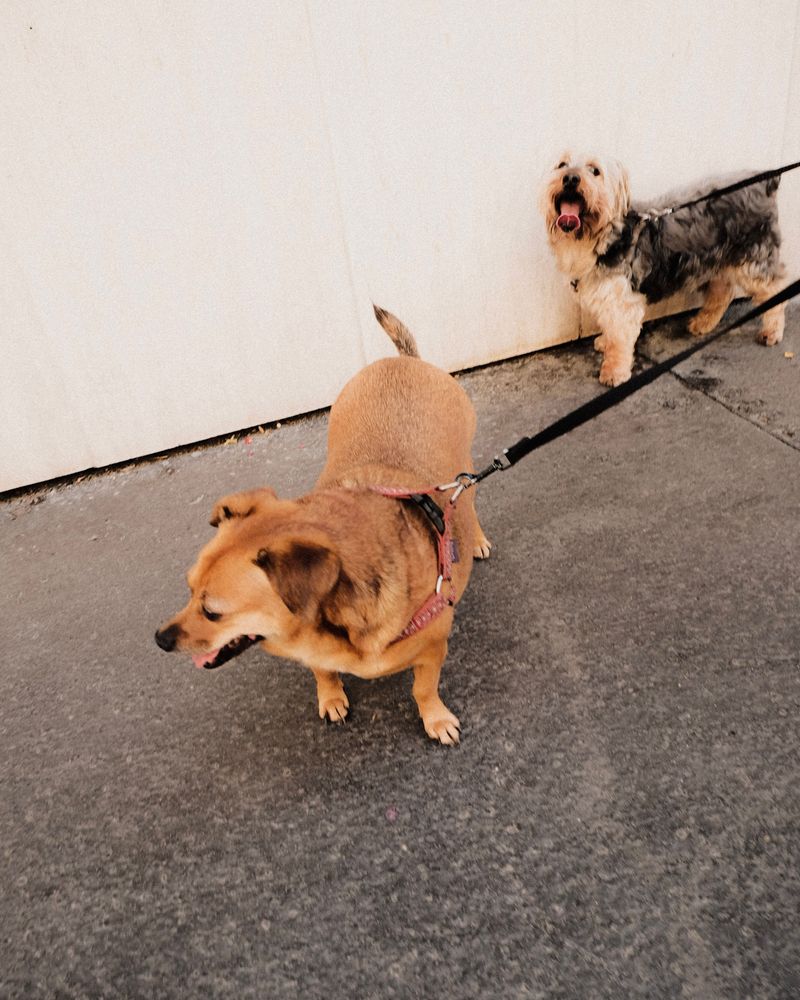
Think of state law as the floor, not the ceiling. Localities can adopt dog control rules tougher than the general state baseline.
One county might allow voice control on trails. A neighboring city might require a physical leash everywhere outside your property.
Neither is wrong. They simply reflect different community needs.
When you move or even change neighborhoods, treat the local ordinance as required reading for responsible ownership.
7. Leash Violations Can Bring A Class 4 Misdemeanor
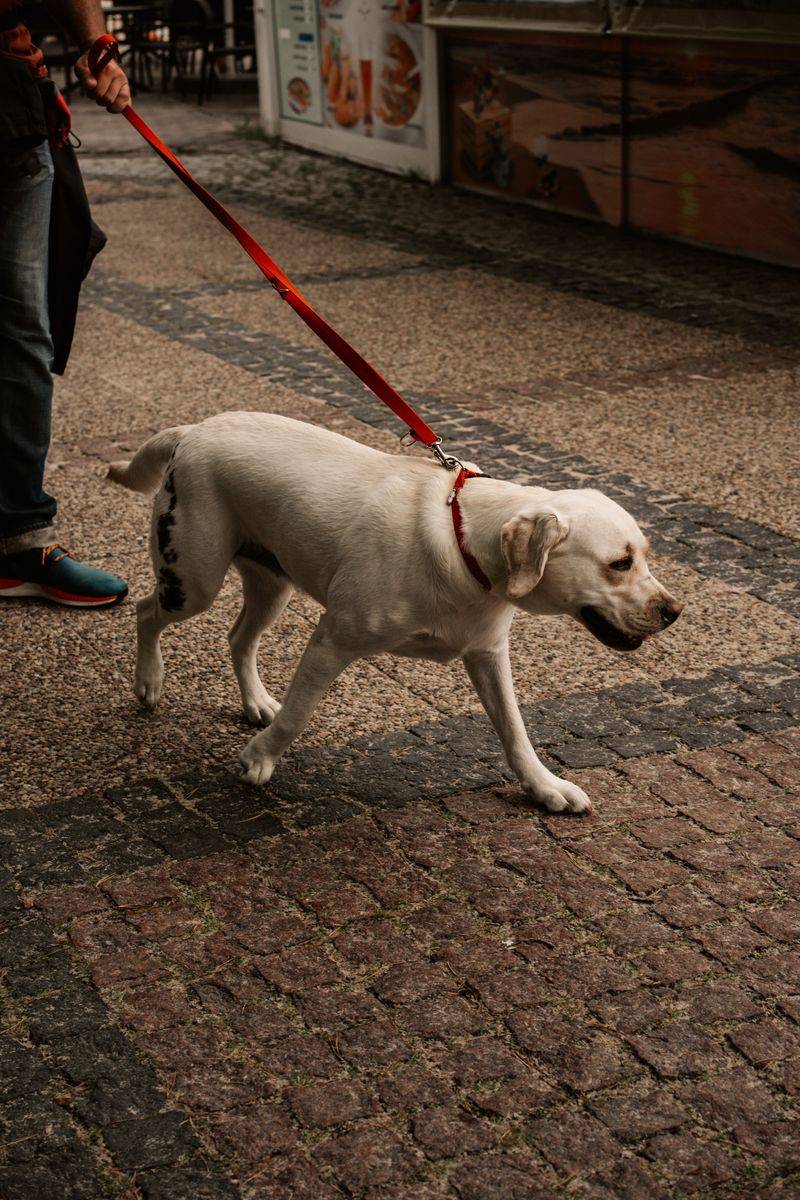
Consequences exist, though they are usually manageable. Breaking a local leash ordinance is commonly treated as a Class 4 misdemeanor in Virginia.
That classification carries a fine of up to $250 and no jail time.
Most officers start with a warning or a conversation, especially for a first slip. Still, repeated escapes draw attention, so fixing the root cause beats paying repeat fines.
8. Dogs Roaming In A Pack Add Up Financially

Multiple dogs loose together change the math. When a dog runs at large with other dogs, forming what local rules define as a pack, a civil penalty may apply.
That penalty can reach $100 for each dog involved.
Owners of several dogs should double check gates and kennel doors. Dogs egg each other on, and a group escape is both riskier and costlier than a solo wander.
9. Caretakers Can Count As Owners Too
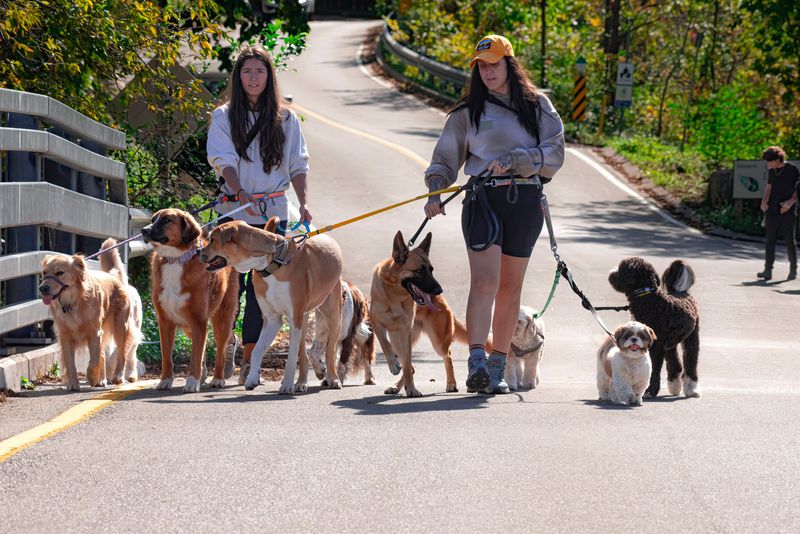
Image Credit: © @coldbeer / Pexels
Virginia defines owner broadly, and that catches people off guard.
The term covers anyone with a property right in an animal, plus anyone who keeps, harbors, cares for, or acts as custodian of it.
So a pet sitter, a family member, or a neighbor watching your dog may carry legal responsibility while the dog is in their care. Worth mentioning clearly before you hand over the leash and house key.
10. Licensing Starts At Four Months Old
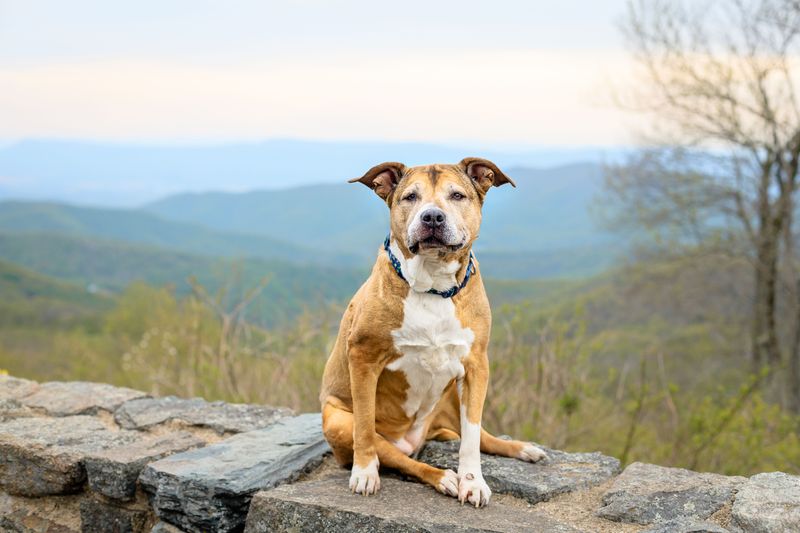
Paperwork is not glamorous, but it protects your dog. State law requires dogs four months of age or older living in Virginia to be licensed in their city or county.
The Commonwealth sets the mandate, and local treasurers or animal control offices handle the process.
Fees are modest and often multi year. A licensed dog is far easier to trace back to you if it ever slips out.
11. That License Tag Belongs On The Collar

A tag in a kitchen drawer helps nobody. Virginia generally expects a licensed dog running at large to be wearing its license tag, with limited exceptions.
Localities direct animal control to confine dogs found at large without that identification.
Add a tag with your phone number, and consider a microchip as backup. Tags can slip off, but layered identification gets most wandering dogs home the same day.
12. Rabies Vaccination Is A Legal Must
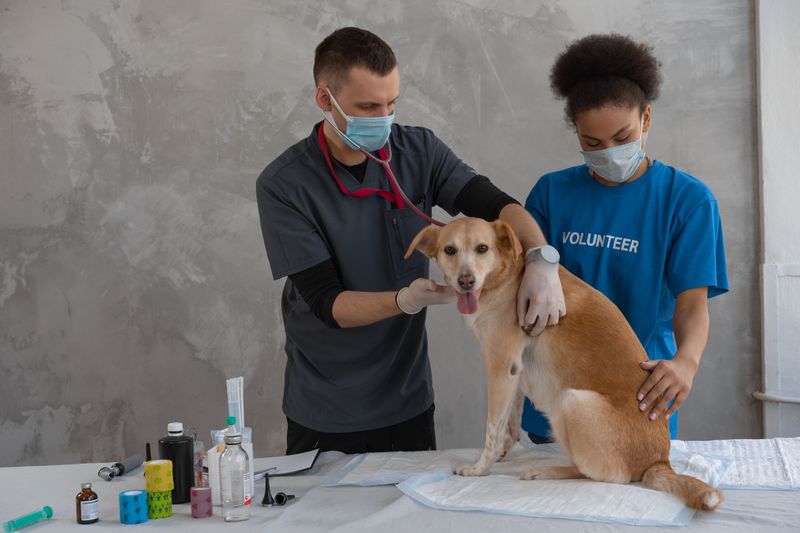
Health rules and roaming rules overlap here. Dogs four months and older in Virginia generally must carry a current rabies vaccination.
Proof of that vaccination is usually required before a locality will issue a dog license.
Keep the certificate somewhere easy to find, like a photo on your phone. If your dog ever wanders and gets picked up, having records ready smooths the entire process considerably.
13. Animal Control May Confine A Wandering Dog
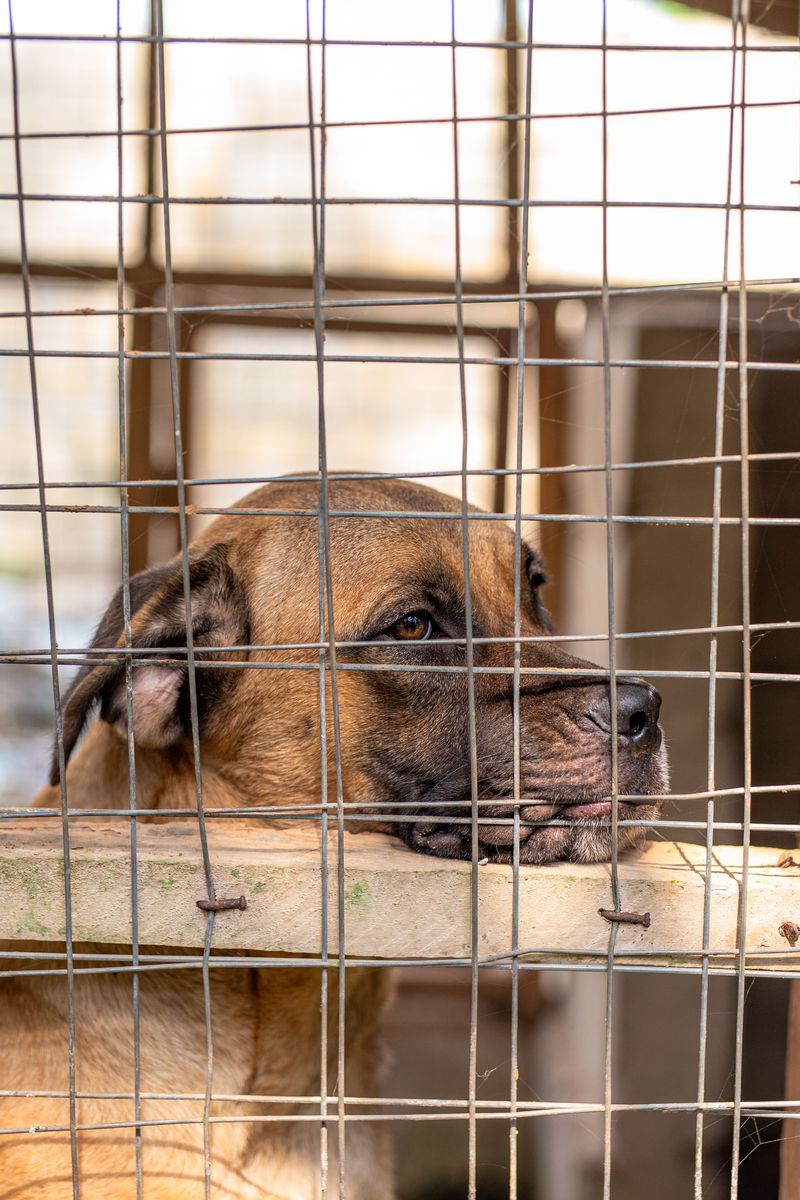
Sometimes a loose dog ends up in official hands. Animal control officers and public shelters may confine a dog found at large without required identification or in violation of a local ordinance.
The goal is protection, not punishment. A confined dog is off the road and out of traffic.
If your dog goes missing, call the local shelter early. Staff can flag your description and reunite you faster.
14. A Dog On Another Yard Is Not Presumed Stolen

Neighbors sometimes worry about accusations flying. Virginia treats dogs and cats as personal property, but a dog simply being on someone else’s land does not make it stolen.
Wandering happens. Gates fail, fences get dug under, and curious noses follow interesting smells.
What matters is what the finder does next. State law sets out reasonable steps, and following them protects everyone involved from misunderstanding.
15. Finders Have 48 Hours To Try Reaching The Owner
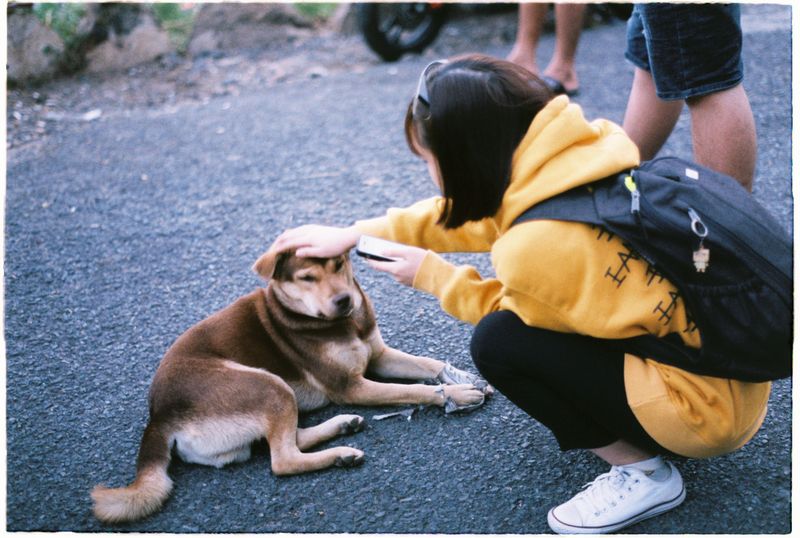
Picture someone scooping up your dog from the roadside. Virginia asks that person to make a reasonable attempt to notify the owner within 48 hours.
That duty applies when the owner can be identified through tags, markings, or otherwise known information.
Legible tags make this simple. Faded engraving or an old phone number turns a two minute call into days of separation, so refresh tags once a year.
16. The Local Shelter Must Be Notified As Well
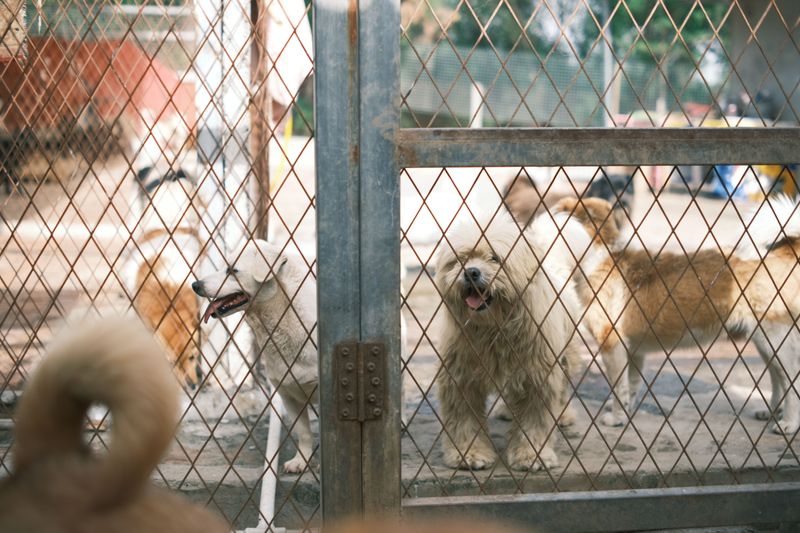
Contacting the owner is only half of the finder’s job. Within that same 48 hour window, the finder must also notify the public animal shelter serving the area where the dog was found.
The report should include the finder’s contact details, a description of the animal, and where it turned up.
For owners, that requirement is quietly reassuring. Shelters become a central clearinghouse for found dog reports.
17. Hold Periods Give You Time To Search
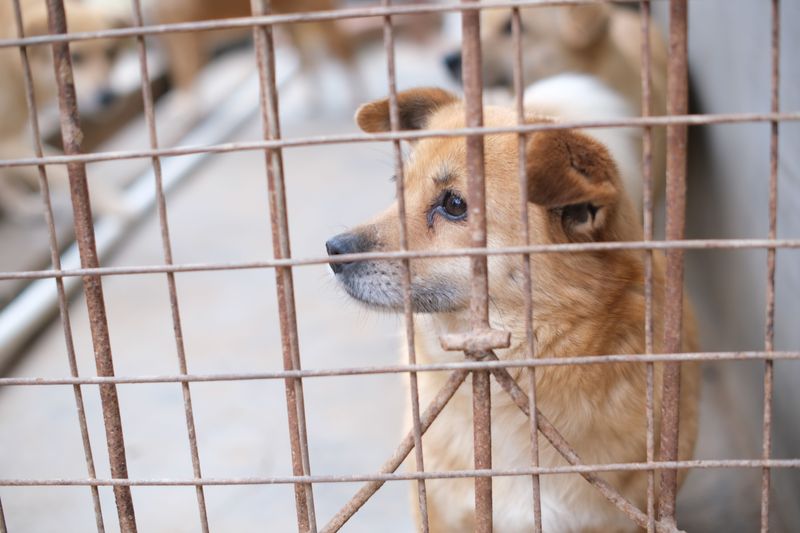
Shelters do not rehome strays overnight. A stray dog confined in a Virginia public shelter is generally held at least five days.
If the dog has identification such as a collar tag or microchip, an additional five day hold applies, totaling ten days.
Use that window actively. Visit in person, post photos locally, and check back daily.
Descriptions on the phone can miss what your own eyes catch.
18. Expect Fees When Reclaiming Your Dog
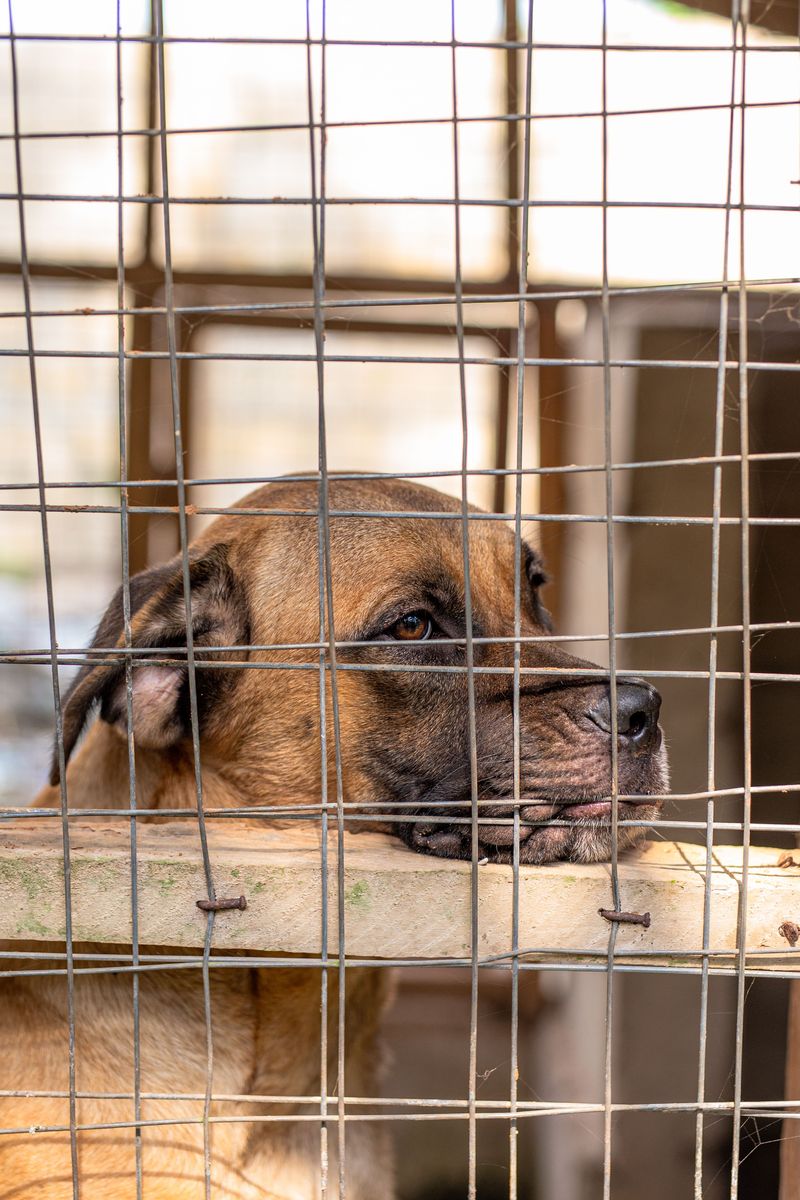
Reunions sometimes come with an invoice. Owners reclaiming an impounded dog may need to cover shelter and impoundment costs before taking their pet home.
Those charges often include an impoundment fee plus daily boarding for each night of the stay.
Amounts vary by locality, so ask up front what you owe and which payment methods work. Acting quickly keeps daily charges from stacking up unnecessarily.
19. Unclaimed Dogs Become Shelter Property
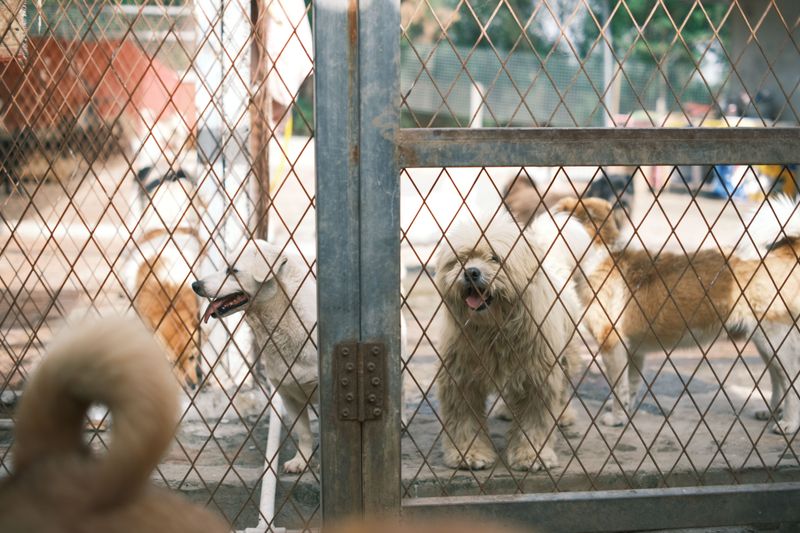
There is a clear endpoint to the hold period. Once it expires with no owner coming forward, the dog is legally considered abandoned.
At that stage, the animal becomes the property of the public shelter, which may then place it for adoption.
That rule exists so dogs are not left in limbo. It is also the strongest argument for tags, microchips, and current license records.
20. Harm To Another Pet Can Mean Paying Damages
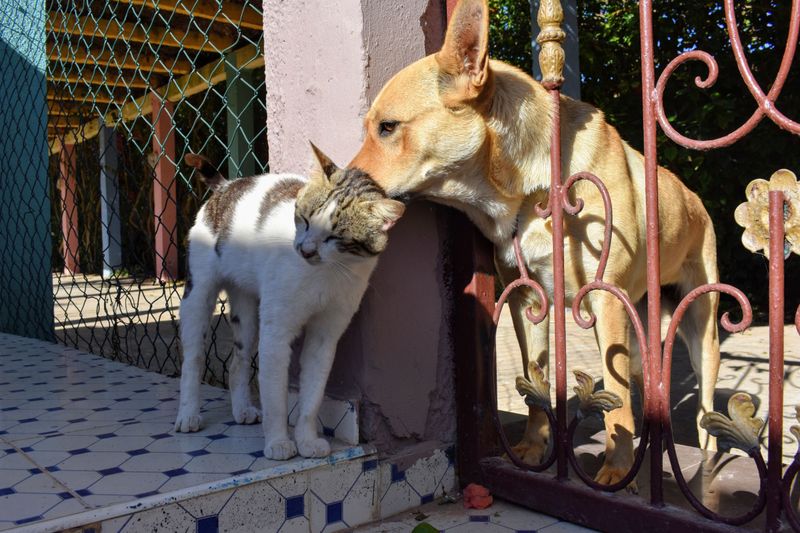
Now for the part that motivates careful gate checks. Virginia Code section 3.2-6586 addresses situations where a dog injures another companion animal on that pet owner’s property.
If the dog had no permission to be there, the injured pet’s owner may seek damages in an appropriate action at law.
A court may also order restitution. Solid fencing and supervised outdoor time prevent nearly all of these situations.
Stay licensed, stay leashed locally, and stay calm.