What Ohio Dog Owners Should Know About Buckeye Seeds In Yards And Parks
Ohio’s buckeye trees are familiar neighbors, but their shiny seeds deserve a little extra attention when dogs are nearby. A seed beneath the leaves can look like a toy or snack to a curious pup.
Knowing what to watch for makes backyard time and park walks easier to manage. With a few simple habits and your veterinarian’s guidance, you can enjoy the season while keeping your dog safer.
1. A Familiar Ohio Seed Can Be Toxic
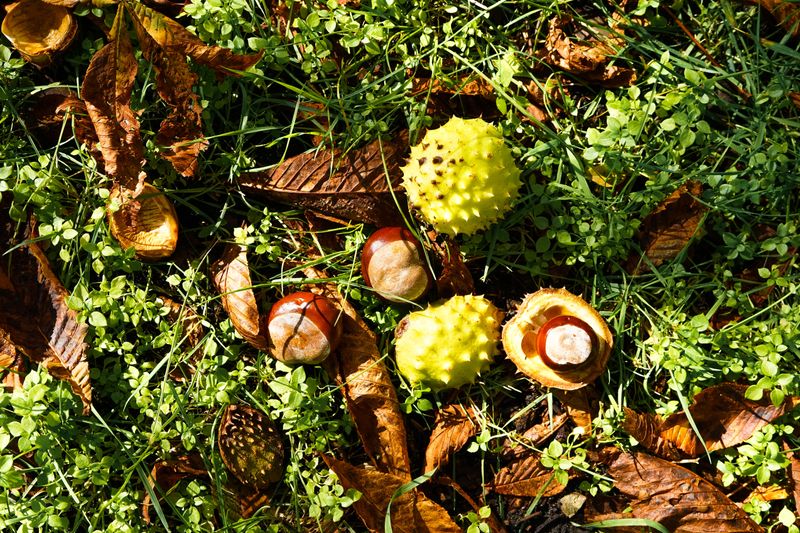
A shiny brown buckeye may look harmless, but it is not a safe snack for dogs. Buckeyes contain toxic compounds, including aesculin and related substances, that can cause illness when swallowed.
Chewing a seed can expose your dog to those compounds.
Do not assume a small bite is safe because your dog seems comfortable. The risk depends on several factors, including size and amount eaten.
Call your veterinarian promptly whenever you suspect your dog swallowed buckeye material.
2. Recognize the Glossy Brown Seed
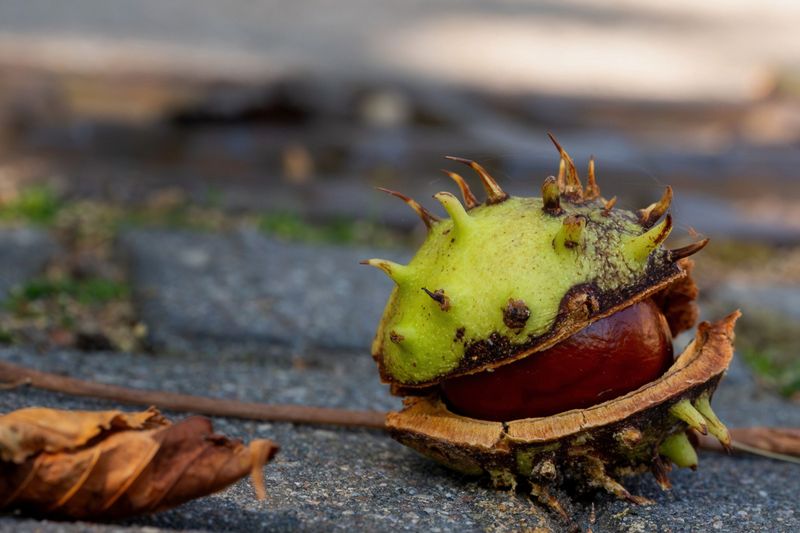
Look for a smooth, glossy brown seed with a lighter tan patch on one side. That pale spot gives the buckeye its familiar eye-like appearance.
Ohio buckeye seeds develop inside rounded husks with short spines or bumps.
Leaves usually have five leaflets spreading from one point, like fingers on a hand. Identification can be tricky, especially among fallen leaves.
Photograph the seed, husk, and tree for professional identification rather than relying on color or shine alone outdoors.
3. Know Where Buckeyes Turn Up
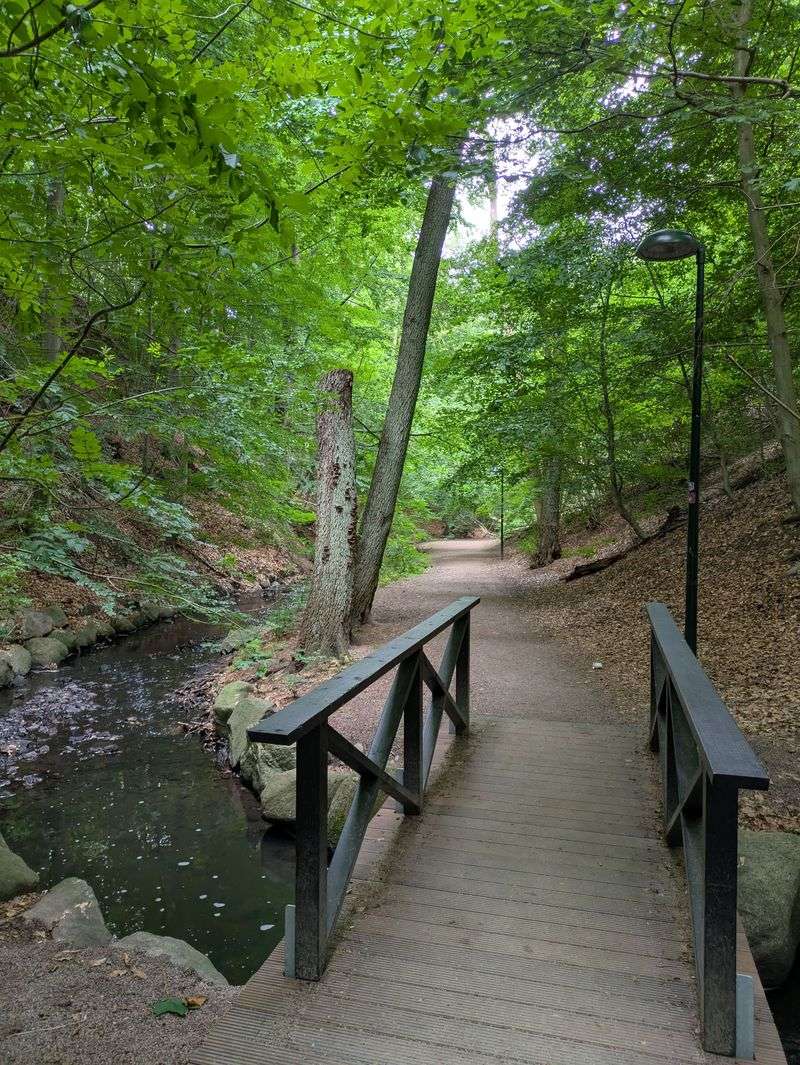
Your usual walking route may pass buckeye trees without you noticing them. Ohio buckeyes grow in wooded areas, including moist sites near streams, and are also planted in landscapes.
Other buckeye species and related horse chestnuts may appear in parks and neighborhoods.
Seeds can collect beneath trees, beside sidewalks, and along fence lines. Nearby trees may drop seeds into your yard even when you own none.
Check places your dog regularly sniffs, rests, or explores during outings.
4. Understand the Appeal to Curious Dogs
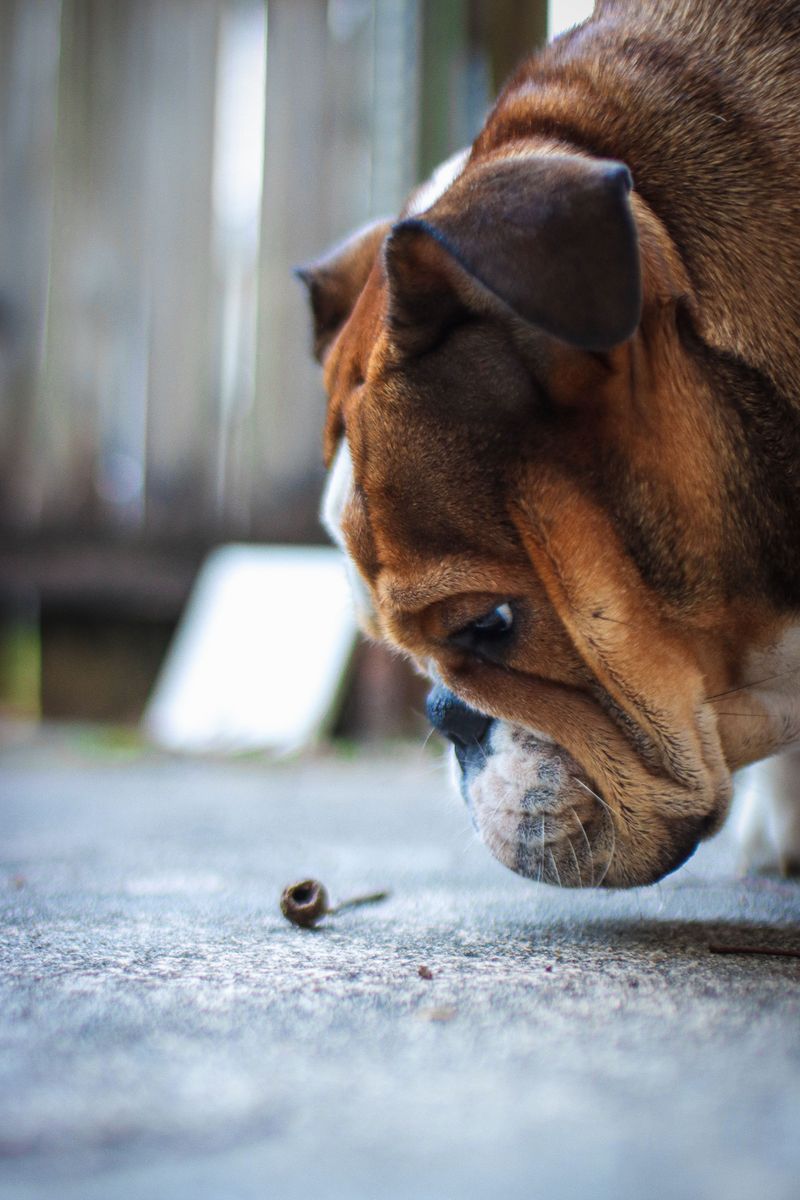
Rolling objects can turn an ordinary sniff into a quick game. A buckeye’s size and shape may invite chasing, carrying, or chewing, especially for dogs that explore with their mouths.
Some dogs also investigate seeds mixed with interesting outdoor smells.
Interest does not mean your dog recognizes food or danger. Watch closely when a nose stays buried beneath leaves.
Redirect attention with a treat or familiar cue before a seed becomes something worth guarding in their mouth.
5. Remember That Seeds Are Not the Only Concern
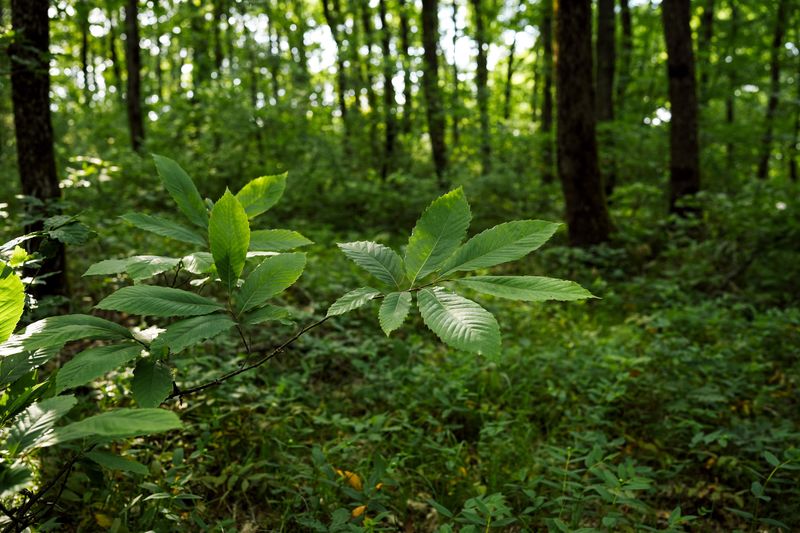
Picking up seeds helps, but it does not make a buckeye tree edible. Leaves, bark, and other plant parts also contain toxic substances.
Keep your dog from chewing fallen twigs, husks, or branches from these trees.
Young growth can be especially concerning, and toxin levels vary among plant parts. Avoid guessing which piece might be safer.
If your dog eats any suspected buckeye material, describe it to your veterinarian and share photographs when available to support identification.
6. Watch for Early Changes
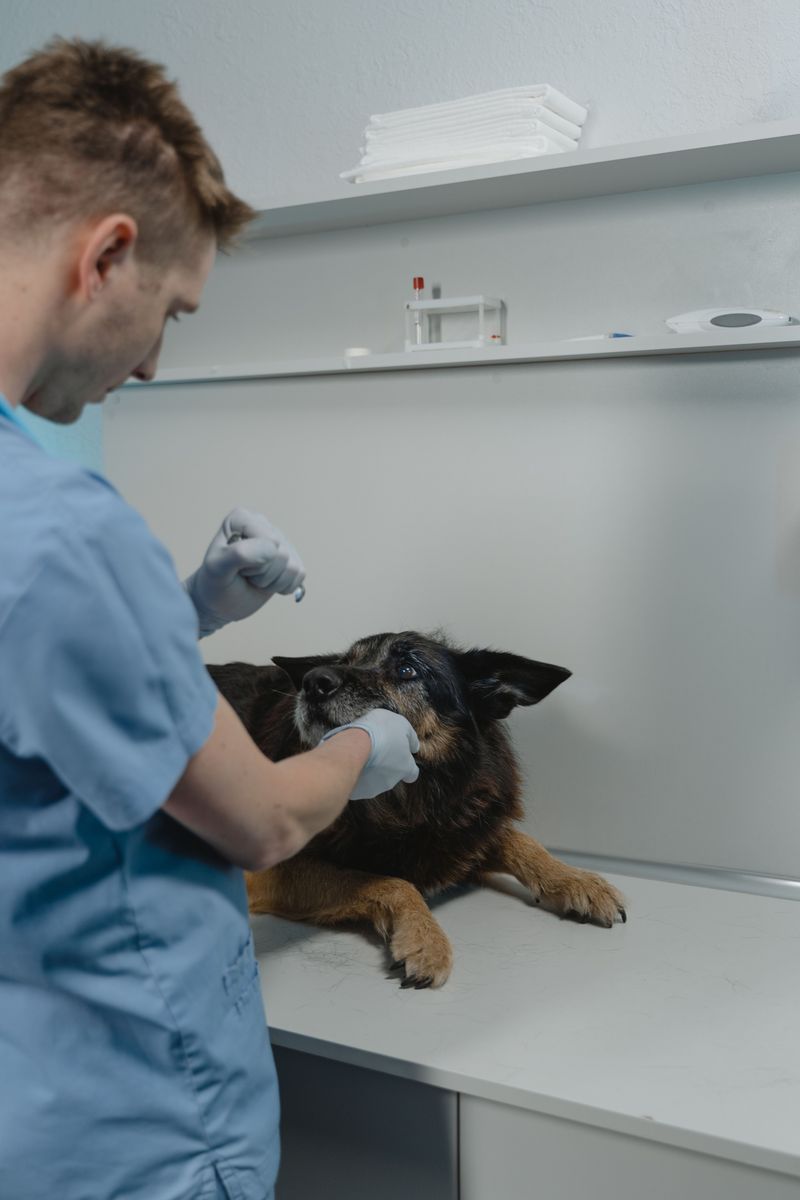
An upset stomach may be the first clue that something is wrong. Vomiting, diarrhea, drooling, or reduced appetite can follow buckeye ingestion.
Some dogs may seem unusually quiet or uncomfortable instead of showing obvious stomach trouble.
Symptoms alone cannot confirm buckeye poisoning because many illnesses look similar. Tell your veterinarian about possible access to seeds, even if nobody witnessed swallowing.
Do not wait for every sign to appear before asking what your dog needs next for care.
7. Whole Seeds Can Cause a Blockage
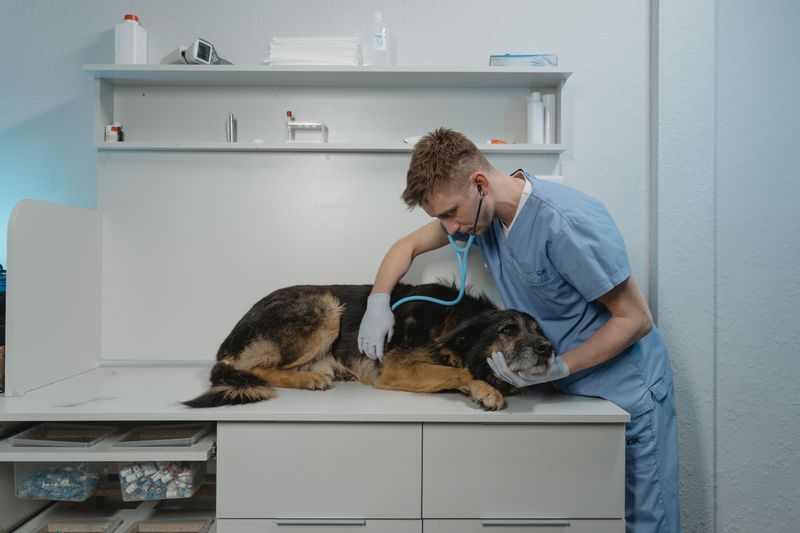
Even an unchewed seed deserves a call to your veterinarian. Besides toxicity, a whole buckeye can become stuck in the digestive tract.
Seed size, your dog’s size, and other factors affect that risk.
Repeated vomiting, belly discomfort, poor appetite, or trouble keeping water down need veterinary attention. A blockage may not cause signs immediately after swallowing.
Never assume an intact seed will pass safely, and do not offer bulky foods or laxatives unless your veterinarian specifically recommends them.
8. Treat Wobbling or Tremors as Urgent
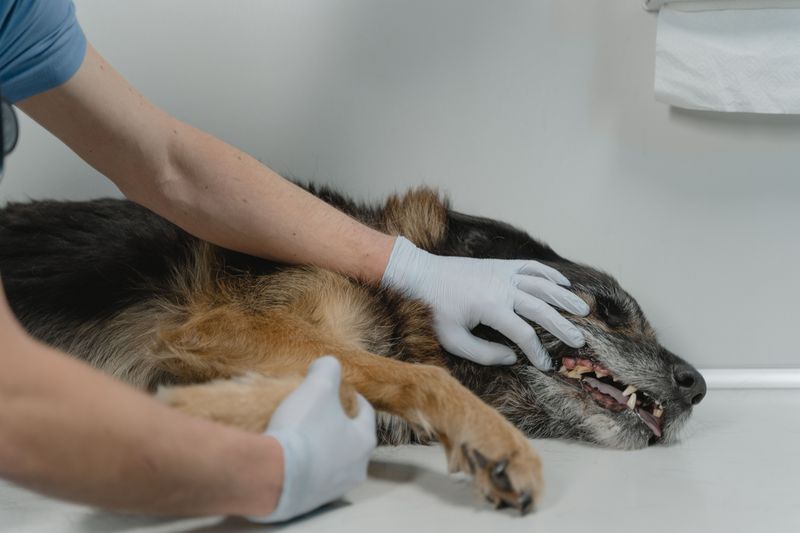
Changes in balance or muscle control call for urgent help. Buckeye poisoning can involve weakness, wobbling, tremors, or seizures.
Breathing changes, collapse, or difficulty responding also require immediate veterinary attention.
Call the nearest emergency veterinary clinic and follow its travel instructions. Keep your dog away from stairs and other hazards while arranging care.
Avoid placing your hands inside the mouth during a seizure. Symptoms can worsen, so do not wait at home to see whether rest helps first.
9. Act Promptly After a Suspected Bite
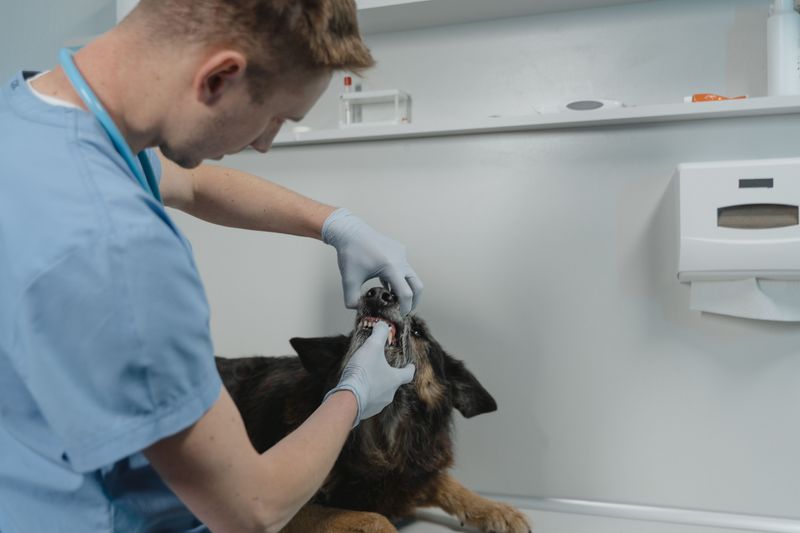
Start by moving your dog away from the tree and remaining seeds. If loose pieces are easily reachable, remove them only when you can do so safely.
Do not reach deep into the mouth or risk being bitten.
Call your veterinarian, an emergency clinic, or an animal poison service promptly. Share your dog’s weight, the estimated amount, and when it happened.
Save a sample or photograph, but never delay getting help while searching for more details outside nearby.
10. Skip Home Vomiting Remedies
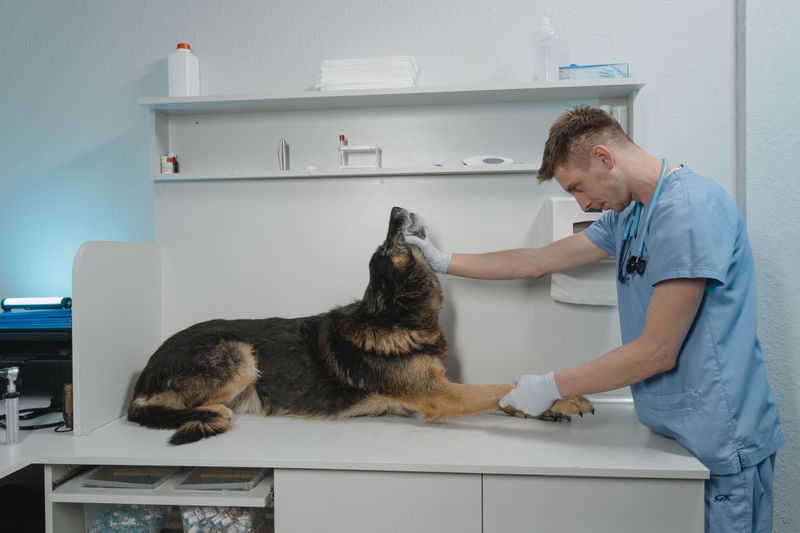
Reaching for a home remedy can create another problem. Making a dog vomit may be unsafe, especially with certain symptoms or swallowing risks.
Hydrogen peroxide can cause harm when used incorrectly or in unsuitable situations.
Never give salt, oil, mustard, or other household remedies to trigger vomiting. Only induce vomiting when a veterinarian or animal poison specialist gives specific instructions for your dog.
Explain any breathing trouble, weakness, or unusual behavior before following advice about the next step.
11. Let the Veterinary Team Guide Treatment
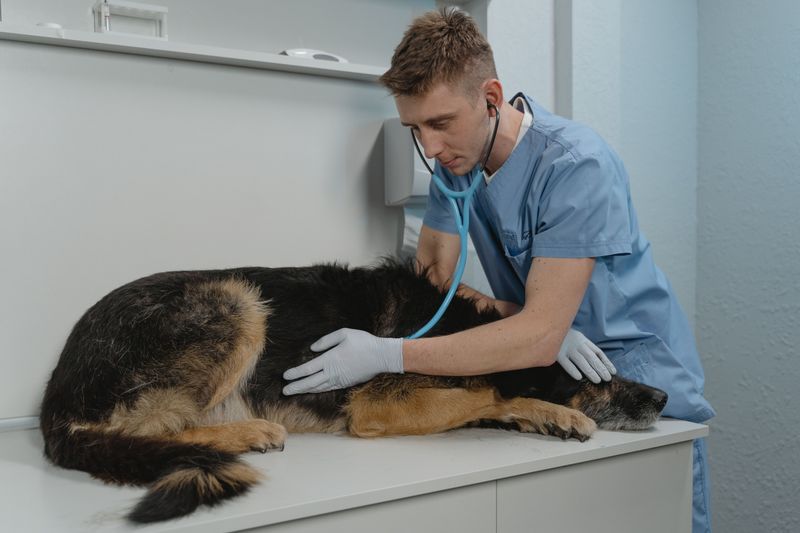
A veterinary visit starts with your dog’s condition and exposure history. The team may assess hydration, heart rate, movement, and other signs.
Treatment depends on the amount swallowed, timing, symptoms, and possible blockage.
Care may include monitored decontamination, fluids, or medicines for specific symptoms. Imaging may help when a swallowed seed raises concern about obstruction.
Some dogs need hospital monitoring or procedures to remove trapped material. Follow discharge directions closely, including feeding instructions and any recommended recheck appointments.
12. Keep Fallen Seeds Out of Your Yard
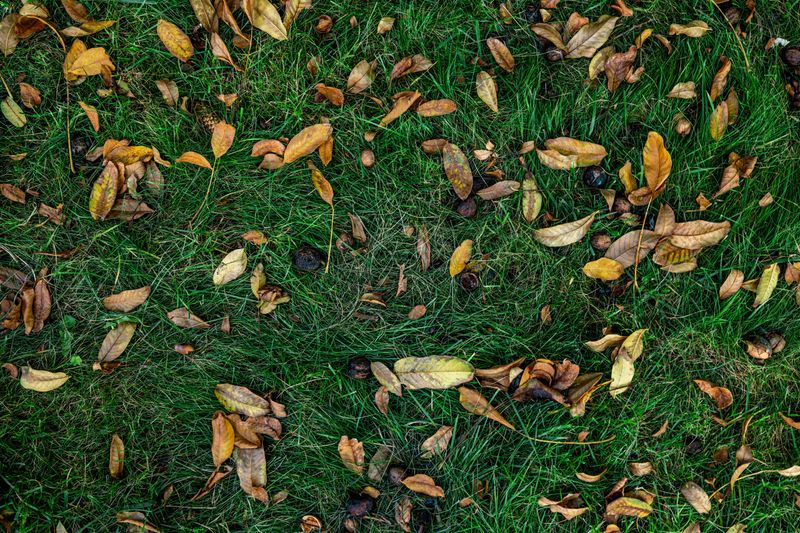
A quick yard sweep can prevent an avoidable discovery. Gather fallen buckeyes, broken husks, and loose pieces before letting your dog investigate.
Use gloves or a pickup tool, and place collected material somewhere pets cannot reach.
Avoid tossing seeds into an open compost pile your dog can enter. Check beneath shrubs and outdoor furniture, where seeds may roll unnoticed.
If seeds keep falling, separate the tree area from your dog’s regular outdoor space with a secure barrier when practical.
13. Scan the Ground Along Familiar Routes
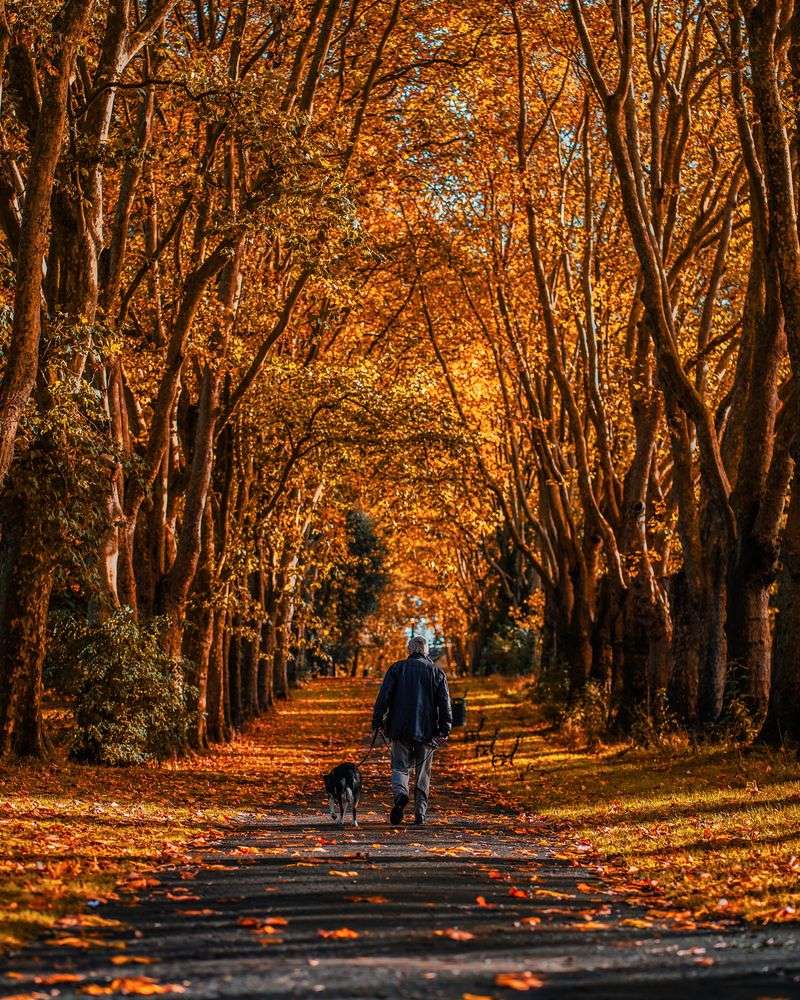
Familiar sidewalks can change overnight when seeds begin dropping. Watch the ground ahead, especially beneath broad tree canopies and around leaf piles.
Keep enough leash control to guide your dog around scattered buckeyes without pulling sharply.
Choose another side of the path when debris is thick. At parks, follow posted pet rules and local leash requirements, which vary by location.
Tell park staff about heavy seed buildup near designated dog areas rather than assuming every tree needs removal immediately.
14. Give Autumn Walks Extra Attention
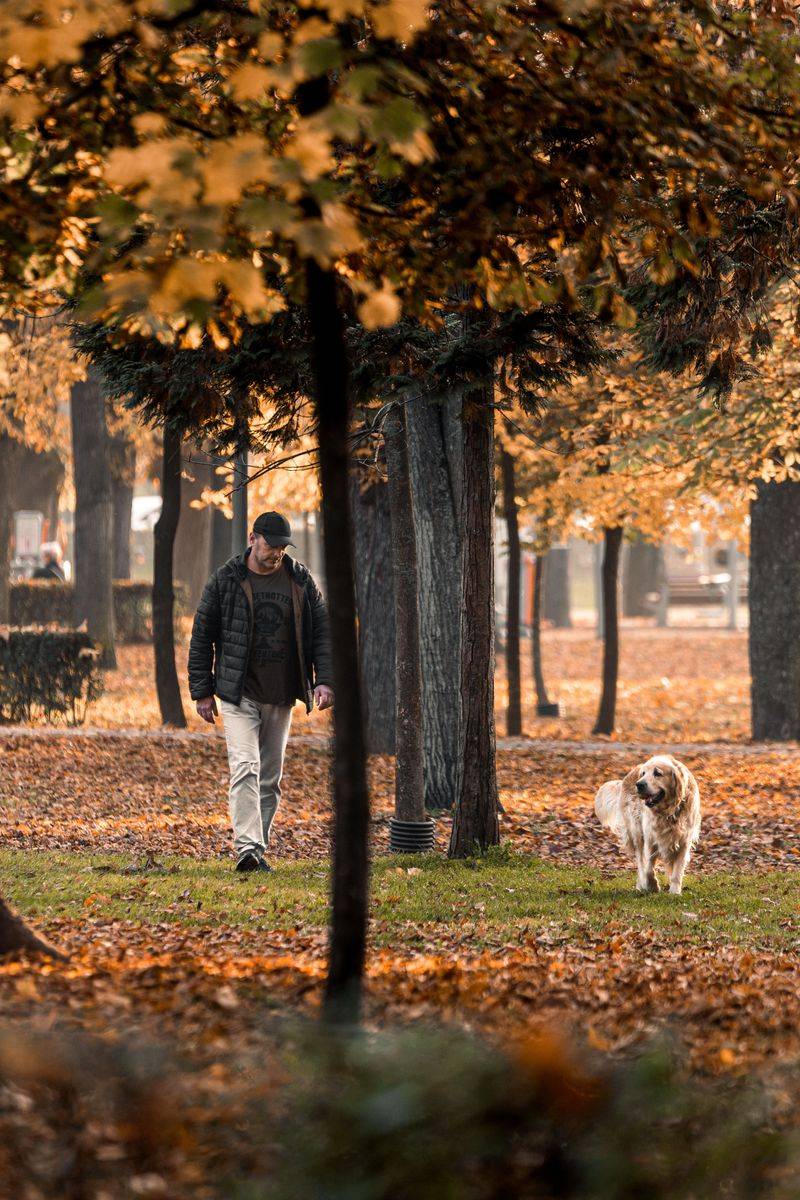
Late summer and fall bring fresh seeds to the ground. The exact timing varies with the tree, location, and weather.
Fallen leaves can hide buckeyes just as dogs become interested in seasonal smells.
After windy weather, inspect your usual route and yard before giving your dog more freedom. Choose daylight walks when possible so hidden objects are easier to spot.
Seeds may remain after autumn ends, so continue checking any area where your dog has previously found them outdoors.
15. Practice a Rewarding Leave-It Cue
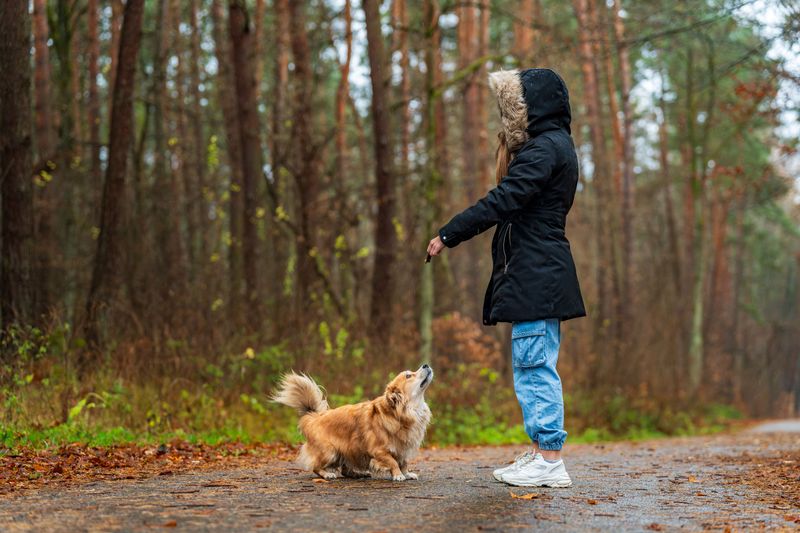
A well-practiced cue gives you another useful layer of protection. Begin teaching leave it indoors with safe objects and tasty rewards.
Reward your dog for turning away, then slowly practice in more distracting places.
Teach drop it separately by trading a safe toy for something better. Never use actual buckeyes during training or chase a dog carrying one.
Training takes repetition and does not replace supervision. A qualified reward-based trainer can help if outdoor scavenging remains a frequent challenge.
16. Give Puppies Closer Supervision
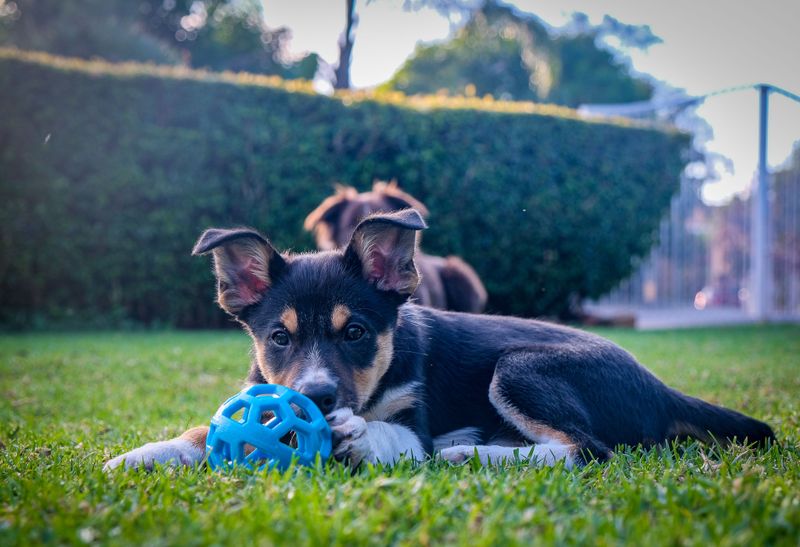
Puppies often investigate the world one mouthful at a time. Their small size and busy curiosity make close supervision especially useful around fallen seeds.
A fenced yard alone does not prevent them from finding something unsuitable.
Offer suitable chew toys and take frequent, supervised outdoor breaks. Set up a puppy pen only after checking the ground carefully.
If your puppy repeatedly eats outdoor objects, discuss the habit with your veterinarian. Practical management works better than expecting reliable judgment from youngsters.
17. Build Cleanup Into Your Fall Routine
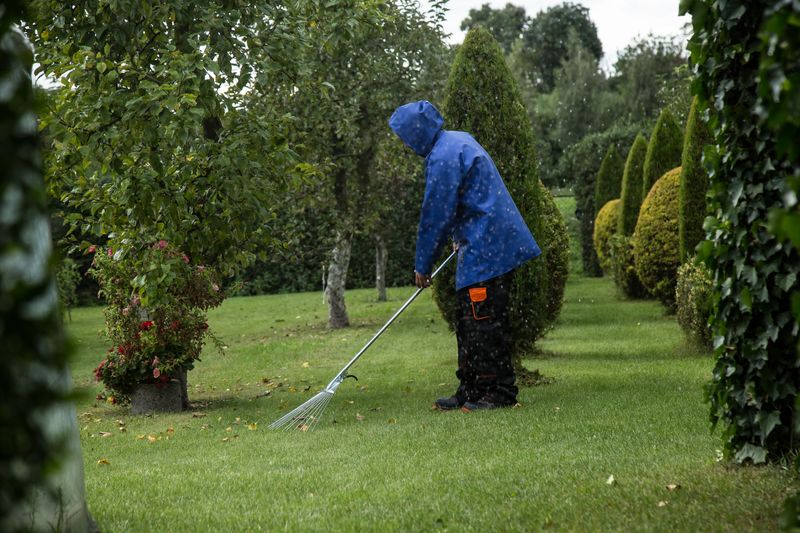
One big cleanup rarely catches everything a tree drops. Add seed checks to your regular fall chores, especially before outdoor play.
Rake leaves carefully, then inspect the cleared ground for seeds left behind.
Keep your dog indoors or securely separated while you work. Do not rely on mowing to make buckeyes safe, since pieces can remain accessible.
Ask everyone sharing yard duties to follow the same routine. Regular checks make it easier to notice new debris before your dog does.
18. Choose a Clear Place for Play
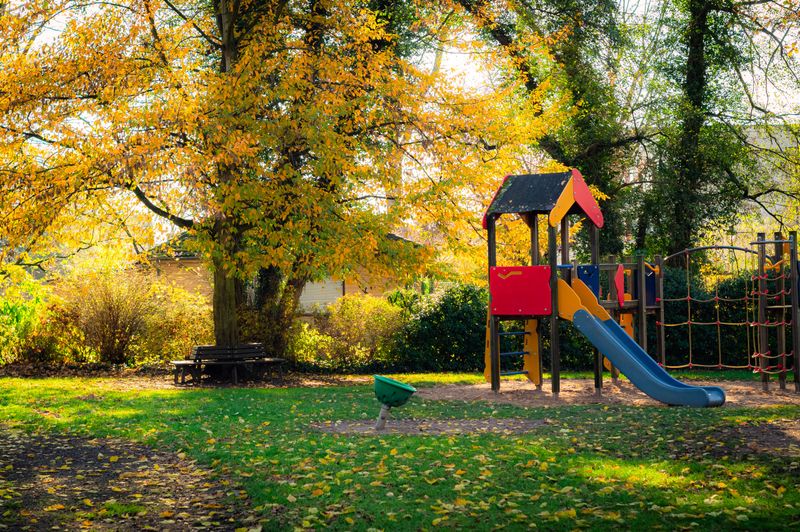
Playtime feels simpler when the ground has fewer surprises. Choose a section of your yard away from buckeye branches and falling seeds.
Check nearby trees too, since seeds may roll or land beyond the canopy.
Provide suitable toys, water, and active supervision in that space. At parks, select open areas without scattered seeds and respect local rules about dogs.
If your dog persistently scavenges, ask about reward-based basket muzzle training. A properly fitted muzzle supplements supervision rather than replacing it.
19. Teach Children That Buckeyes Are Not Dog Treats
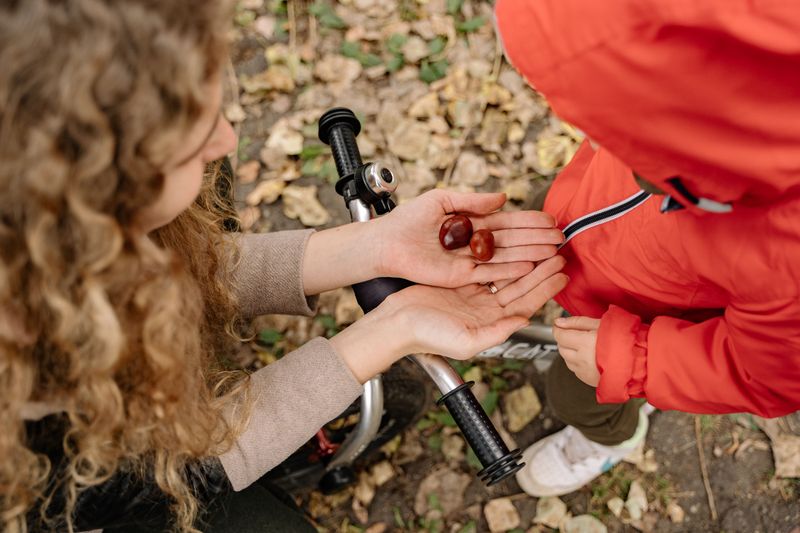
Kids may see a shiny buckeye as a tiny treasure. Explain that seeds are not dog treats, fetch toys, or pretend food.
Keep collected buckeyes and craft projects in closed containers beyond pets’ reach.
Ask children to tell an adult when they spot seeds or see a dog chewing one. They should never reach into a dog’s mouth themselves.
Share the same rules with visitors and caregivers. Recognize the seed, prevent access, and call your veterinarian whenever swallowing is suspected.