What Ohio Dog Owners Should Know About Ticks, Mud Season, And Rapid Weather Changes
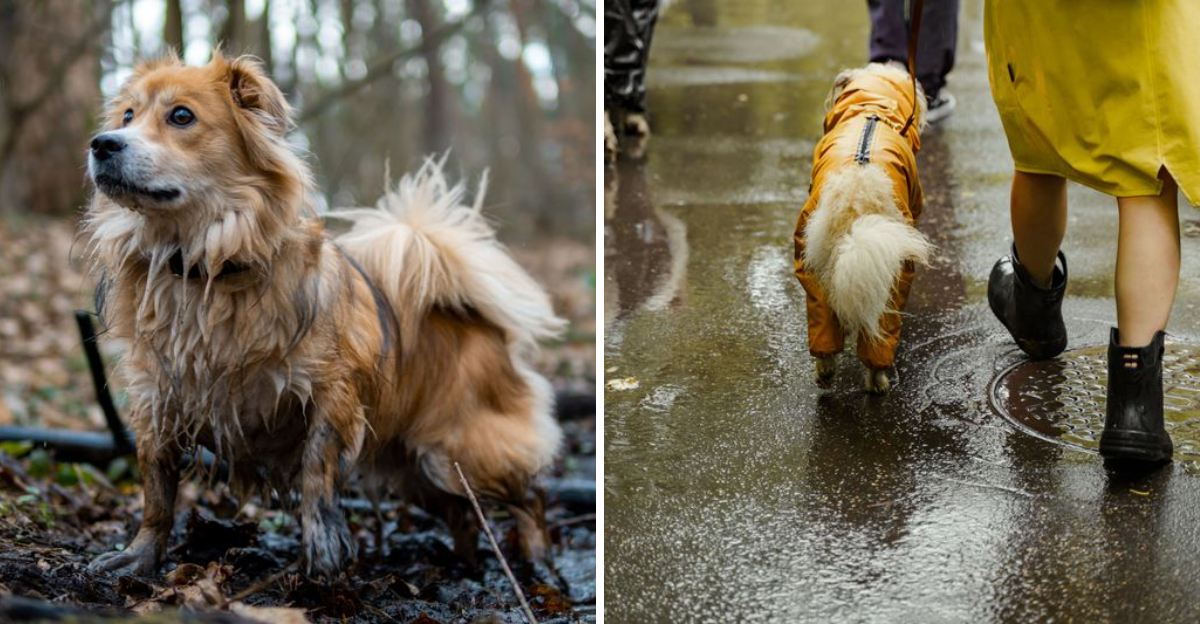
Ohio dog owners know one walk can feel like three seasons in a day. Wet yards, soft trails, and surprise warm spells can also bring ticks out sooner than many people expect.
A little planning makes a big difference for your dog’s comfort and safety. Here is a practical guide to help you handle muddy paws, shifting forecasts, and tick checks with more confidence.
Ohio’s Mud Season Can Turn Walks Into a Mess
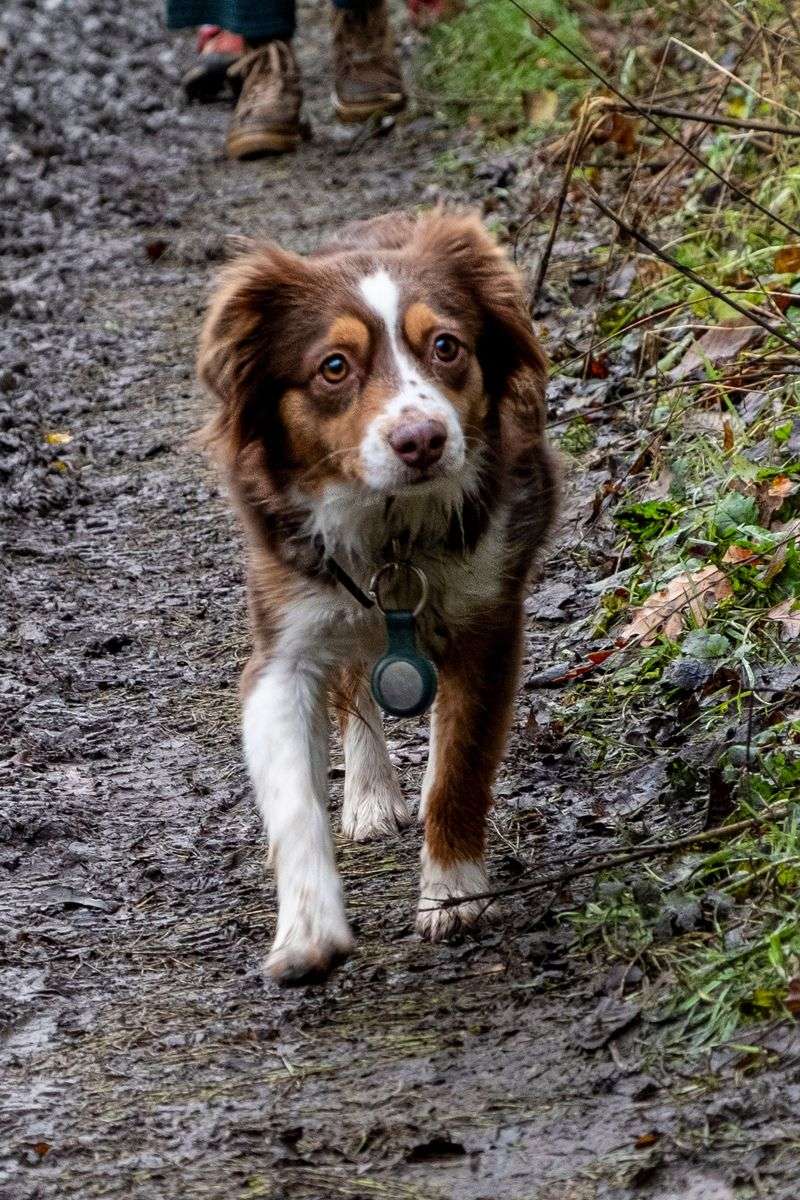
Ohio spring can turn a simple walk into a sloppy chore fast. Thawing ground, rain, and melting snow often leave yards and trails soft and slick.
Mud is not only a cleanup problem for dog owners. Wet ground and low plants can hold debris, germs, and hidden ticks.
Keep towels by the door, shorten routes when footing looks poor, and rinse paws after messy outings. That routine keeps your home cleaner and gives you a closer look at your dog’s skin.
Ticks Can Become Active Earlier Than Expected
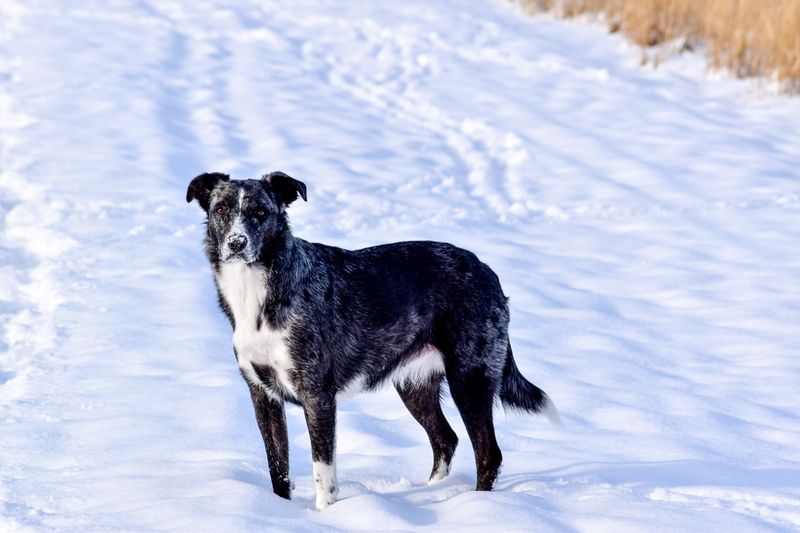
Many people link ticks with summer, but they can be active much earlier. Some ticks remain active during cooler months, so Ohio dog owners should not rely on a single temperature threshold to decide when tick precautions are needed.
A mild stretch in late winter or early spring may be enough. That means dogs can be exposed during months owners usually consider low risk.
Start checking your dog as soon as warmer days appear. Year-round awareness makes more sense than guessing when tick season begins, especially during Ohio’s unpredictable weather shifts and changing ground conditions.
Check Your Dog After Every Outdoor Adventure
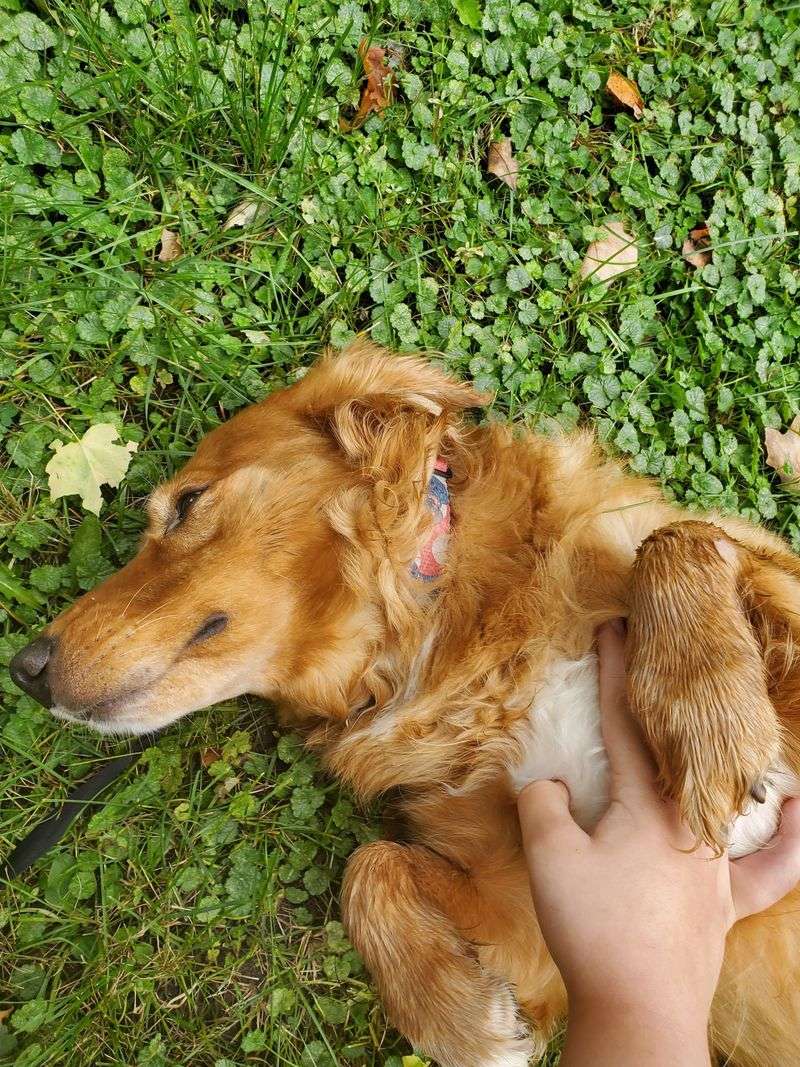
After a good walk, your hands can do more than offer praise. A quick body check helps you find and remove ticks promptly.
Feel through the coat around the ears, neck, legs, belly, and between the toes. Go slowly, especially if your dog has thick fur.
Make the check part of your return-home routine. Dogs usually accept it better when it feels normal and calm.
A minute or two now can save worry later and helps you notice burrs, cuts, or sore spots.
Pay Extra Attention to Tall Grass and Brush
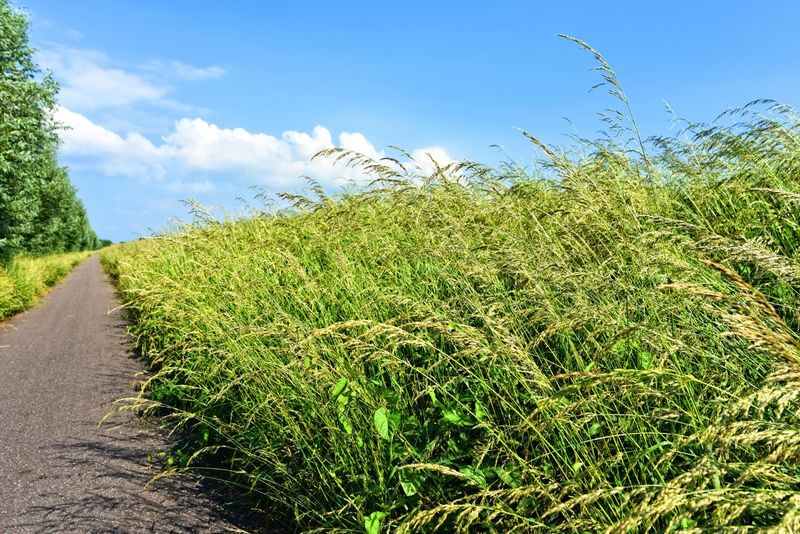
Trail edges may look harmless, yet they are prime waiting spots for ticks. Tall grass, brush, and wooded borders give them easy access to passing animals.
Keeping your dog near the center of a clear path can lower exposure. The same idea helps in backyards with overgrown corners or weeds along fences.
If your dog loves exploring, choose trimmed parks or open spaces when possible. Small route changes can reduce contact with vegetation and make tick checks simpler after each walk through Ohio’s greener months.
Mud Can Hide More Than Dirt
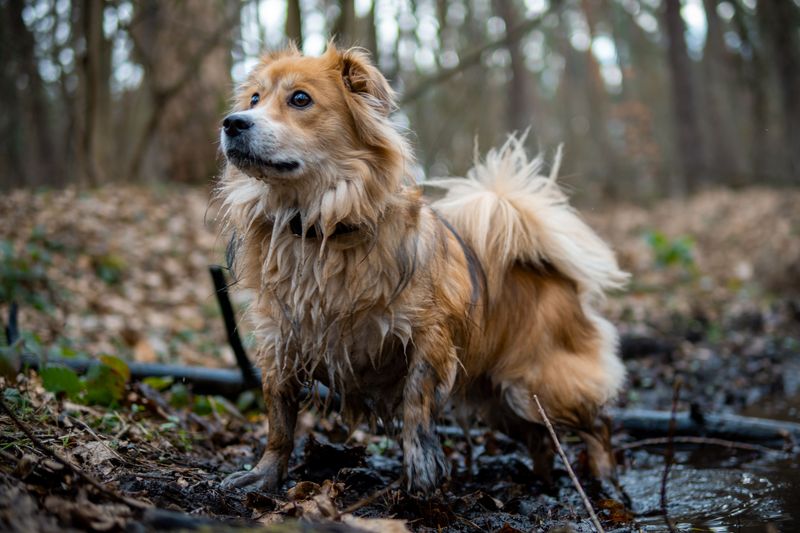
A muddy dog can hide a lot more than splashed dirt. Wet fur and dirty paws make tiny ticks harder to spot right away.
That is why a wipe-down matters after rainy walks or playtime in soggy yards. Use a towel or pet-safe rinse to clear mud from the legs, belly, and paws.
As you clean, look closely at the skin and coat. You may catch a tick, seed, or small scrape that would blend in under damp, clumped fur and messy ground residue.
Keep Tick Prevention Consistent
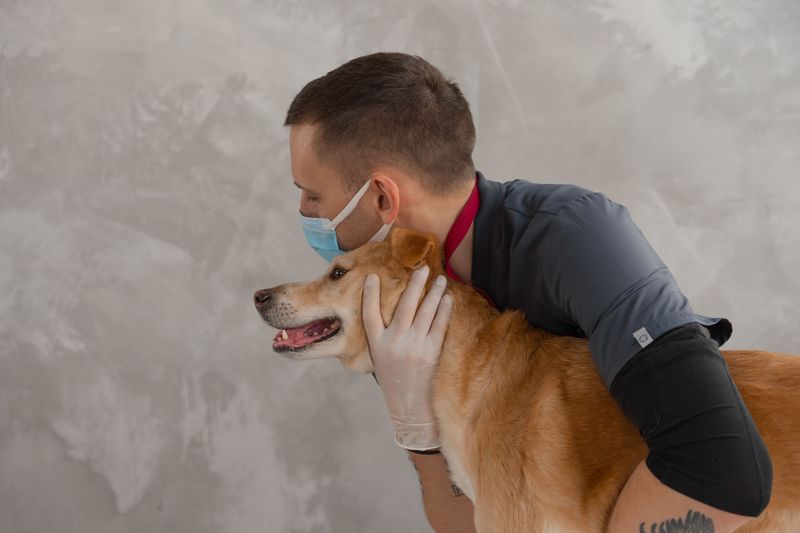
Tick prevention works best when it becomes routine, not a seasonal guess. Ohio weather can swing enough to blur the start and end of tick activity.
Talk with your veterinarian about the best option for your dog’s age, health, and habits. Some dogs hike wooded trails often, while others mostly use the backyard.
Prevention should fit real life. Staying consistent through changing months gives steadier protection and reduces the chances of forgotten gaps after an early warm spell or a surprisingly mild autumn weekend outdoors.
Ohio Weather Can Change Quickly
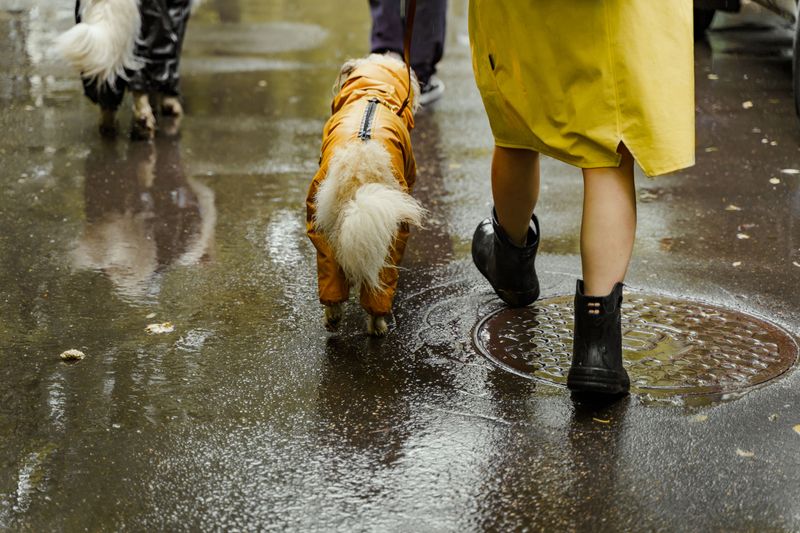
Ohio weather likes to keep dog owners guessing. A cold morning can become warm and rainy, then cool off again by evening.
Checking the forecast before you head out helps you plan smarter walks. You can avoid the slickest times, pack a towel, or choose a shorter route.
Pay attention to temperature, rain chances, and wind. Looking beyond the thermometer matters, because muddy ground, wet fur, and storms can change how safe and comfortable a walk feels for your dog.
Rain Can Make Familiar Trails Riskier
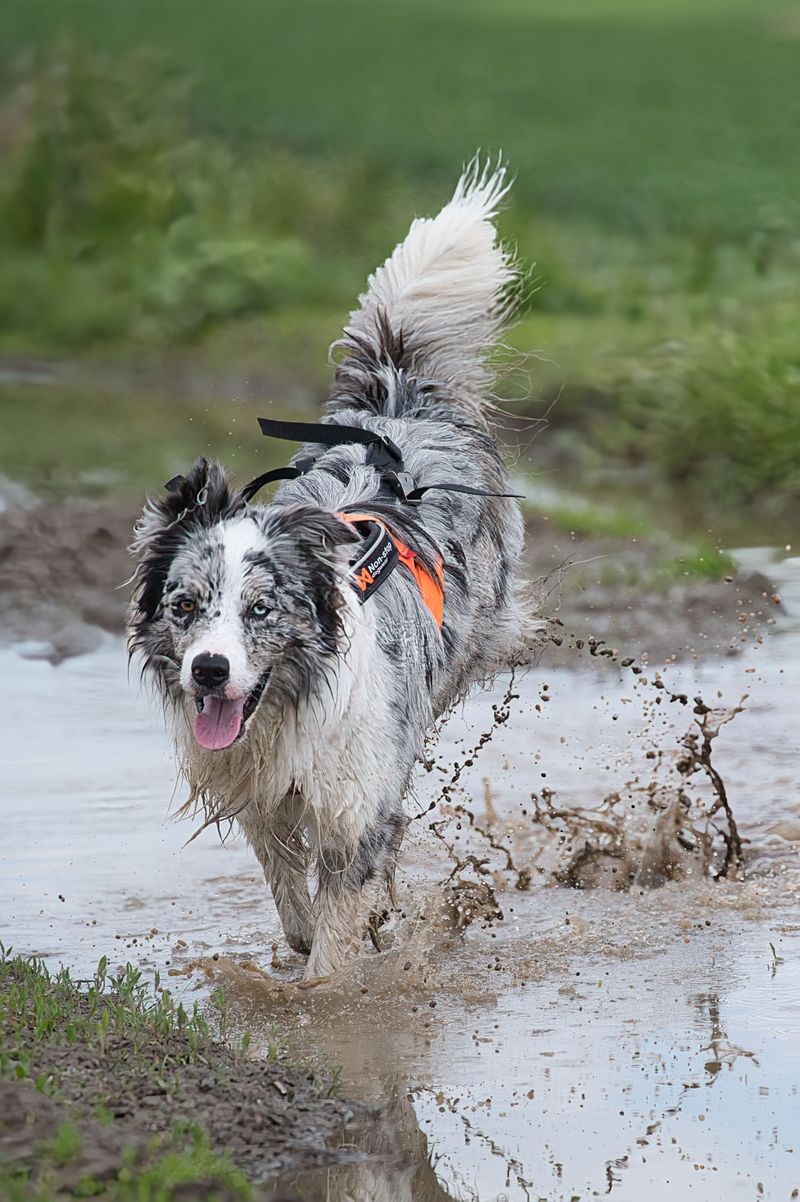
That favorite trail may feel different after one hard rain. Paths that seemed easy yesterday can turn slick, soft, or flooded today.
Standing water, washed-out edges, and deep mud can raise the risk of slips. Dogs may pull harder when footing feels strange, especially on hills.
When conditions look rough, shorten the walk or switch to sidewalks and firmer surfaces. Choosing a safer route is not overreacting.
It is a simple way to protect joints, paws, and confidence during Ohio’s wetter stretches of the year.
Watch Your Dog’s Paws During Muddy Walks
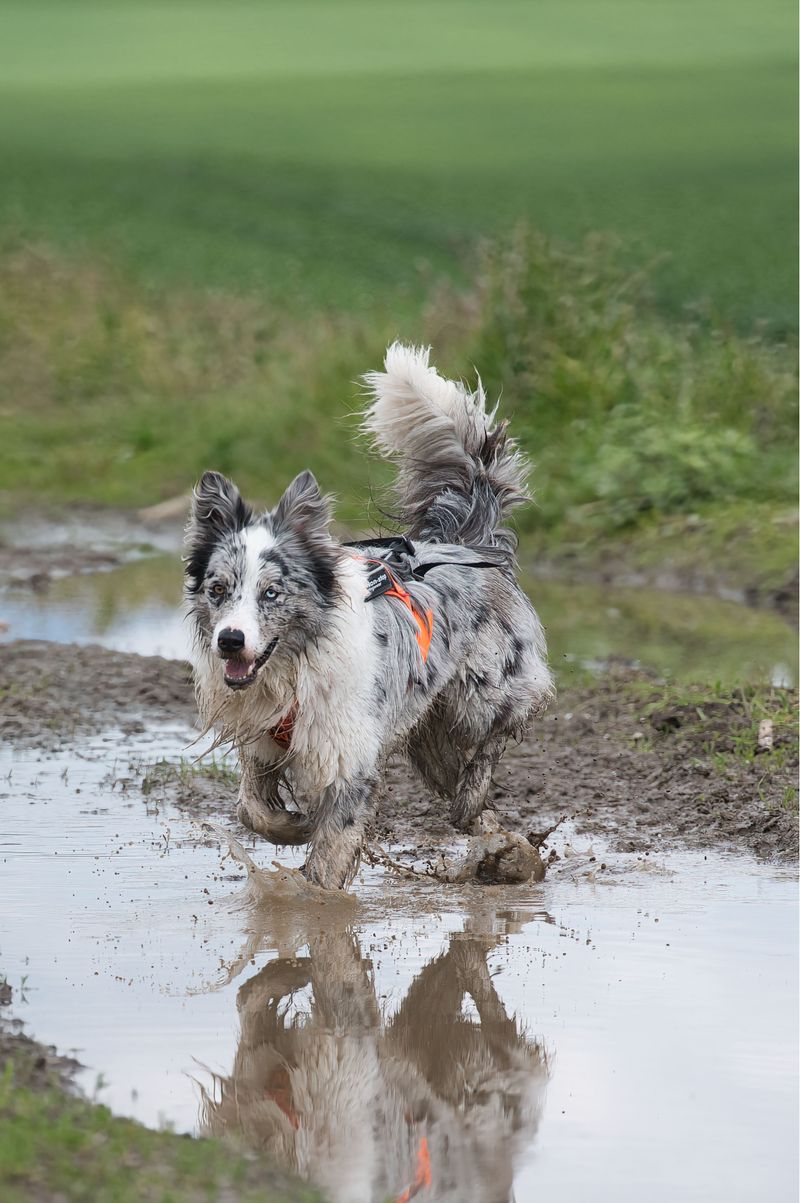
Paws take the brunt of muddy weather, especially on long walks. Mud can pack between pads and around the toes before you notice.
Long-haired dogs often collect even more mess in those spots. After outdoor time, rinse and dry the paws well.
Check for small stones, clumps of dirt, and signs of irritation. Clean paws are more comfortable and less likely to bring trouble indoors.
Regular paw care also helps you catch minor issues early, before a tender spot changes your dog’s normal stride.
Wet Fur Can Leave Dogs Chilly
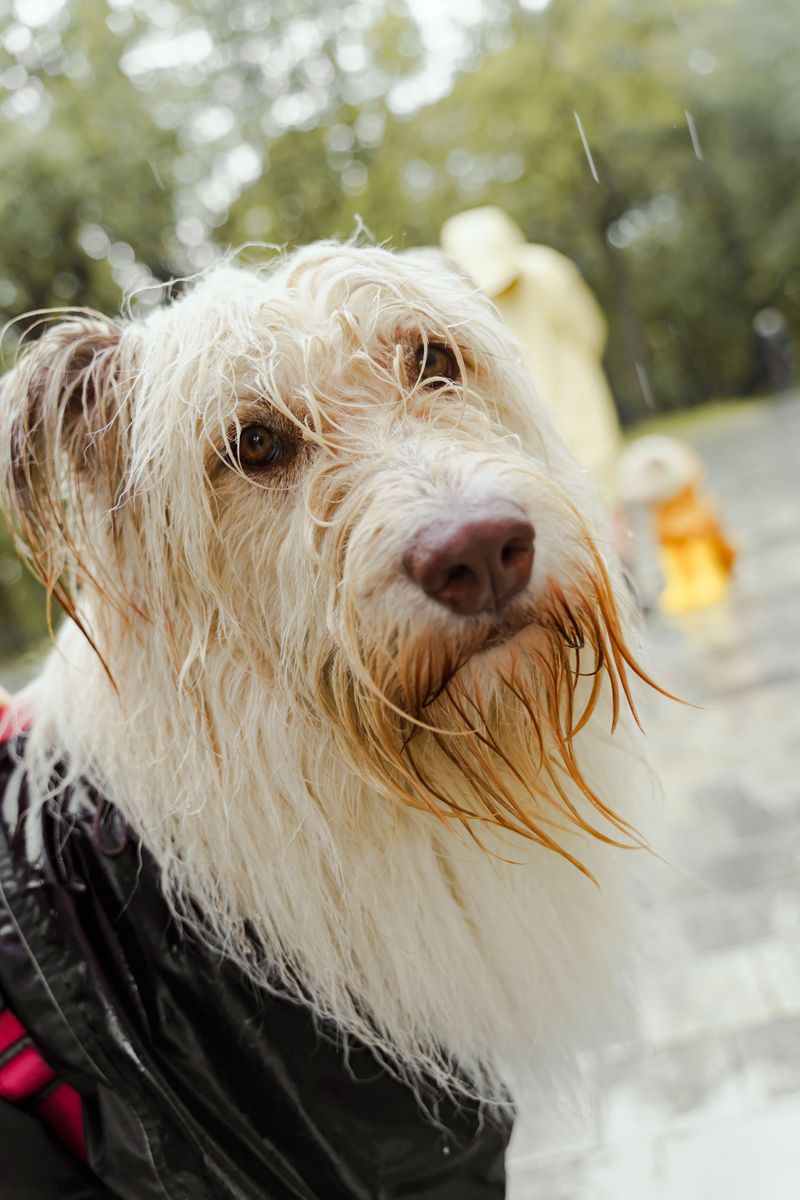
A light rain does not feel the same once fur gets soaked. Damp coats can make mild temperatures feel much colder to dogs.
Smaller dogs, puppies, older dogs, and short-coated breeds often need extra care. They may do better with quicker bathroom trips, a drying towel, or a dog raincoat if they tolerate one.
Watch for shivering, reluctance to walk, or slowing down. Comfort matters as much as exercise, especially during Ohio days that shift from pleasant to chilly within a short afternoon.
Warm Weather Does Not Always Mean Safe Weather
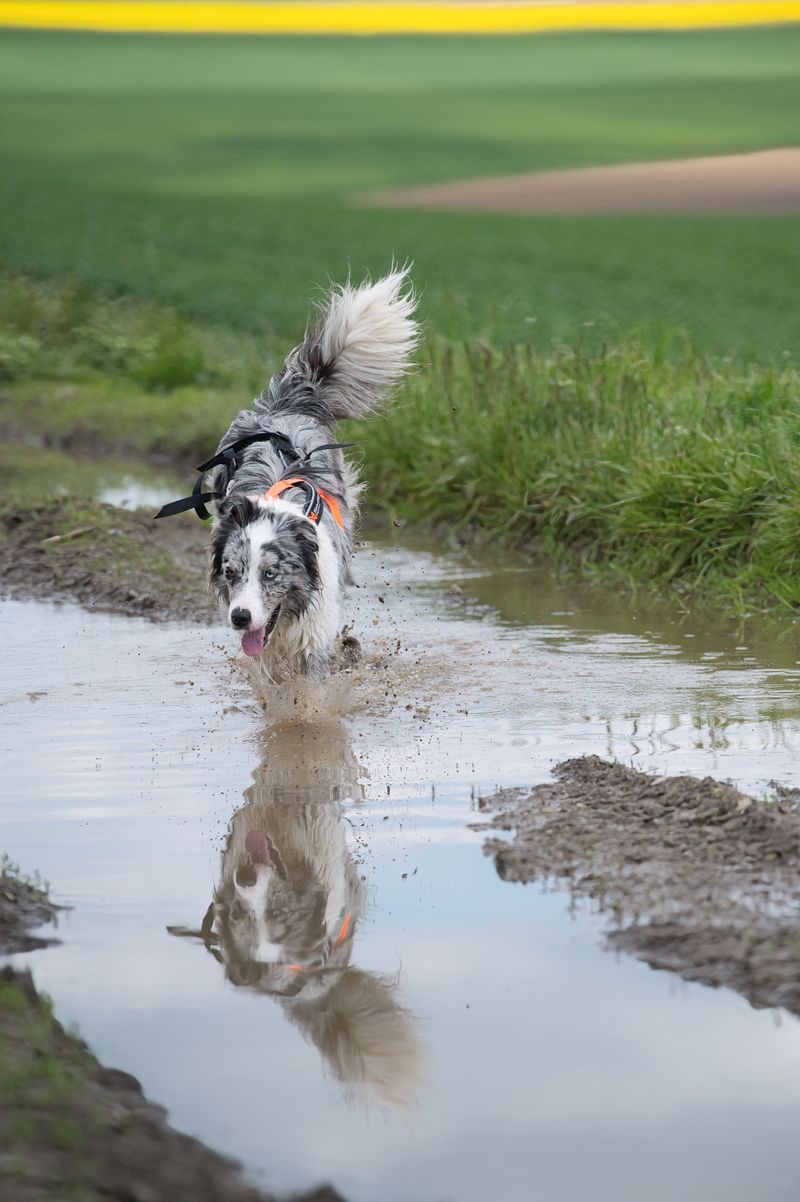
A warm afternoon can trick people into thinking conditions are simple. Pleasant air does not erase muddy ground, hidden puddles, or active ticks.
Ohio often gets sudden warm spells before trails fully recover from winter. Soft soil may still shift under paws, and vegetation can already hold ticks.
Plan walks by the full picture, not just the temperature. Look at recent rain, thaw conditions, and where you are going.
Smart decisions come from reading the whole environment, not the sunshine alone.
Storms Can Arrive With Little Warning
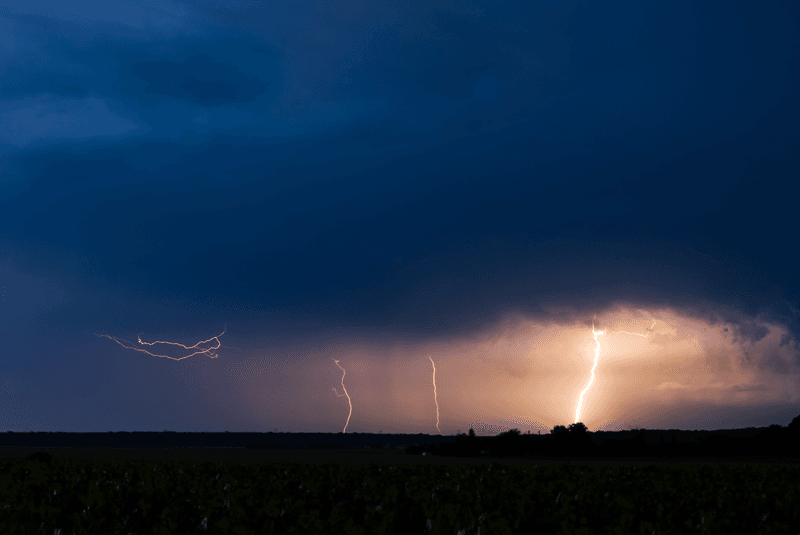
Sometimes the smartest part of a walk is turning around early. Ohio storms can build fast, especially during changeable spring and summer weather.
If dark clouds gather, winds pick up, or thunder starts, head home. Wet paths get slicker, and many dogs grow uneasy when storms approach.
Finishing the planned route is never worth the stress. Keep an eye on the sky, not just your phone.
Quick choices can spare your dog discomfort and help both of you get inside before conditions worsen.
Standing Water Deserves Extra Caution
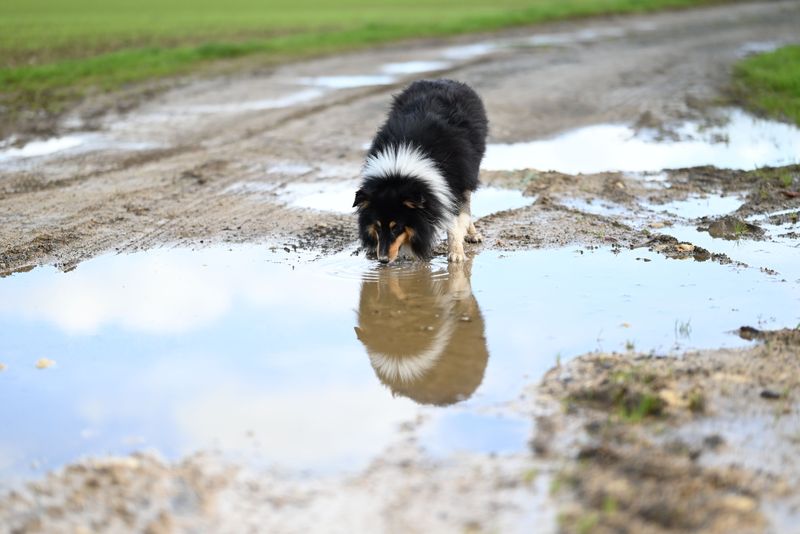
Puddles can seem harmless when dogs are curious and thirsty. Still, standing water may hold contaminants or other hazards that are hard to see.
Try to keep your dog from drinking from puddles, ditches, or shallow pools. Bring clean water and a collapsible bowl on longer walks instead.
That small habit gives you more control over what your dog drinks. It also helps during warm spells, when dogs may seek any water source they find, even if the area looks muddy or neglected.
Keep Dogs Away From Flooded Areas
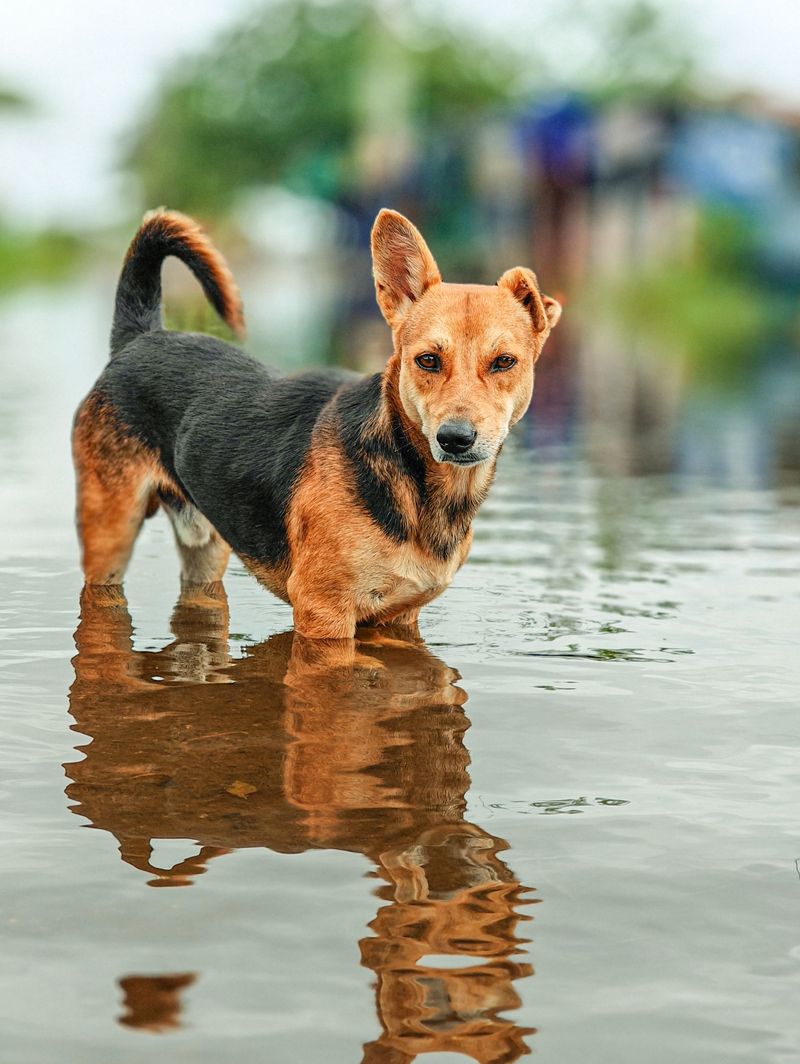
Creeks and low spots can change quickly after heavy rain or snowmelt. A familiar route may be covered by water the next day.
Keep dogs away from flooded trails, swollen ditches, and fast-moving runoff. Depth can be hard to judge, and the ground underneath may be uneven.
Choose another path and come back later. Local conditions can vary by county and park, so check closures when possible.
Caution around rising water is one of the simplest ways to avoid sudden trouble outdoors.
Dry Your Dog Thoroughly After Wet Outings
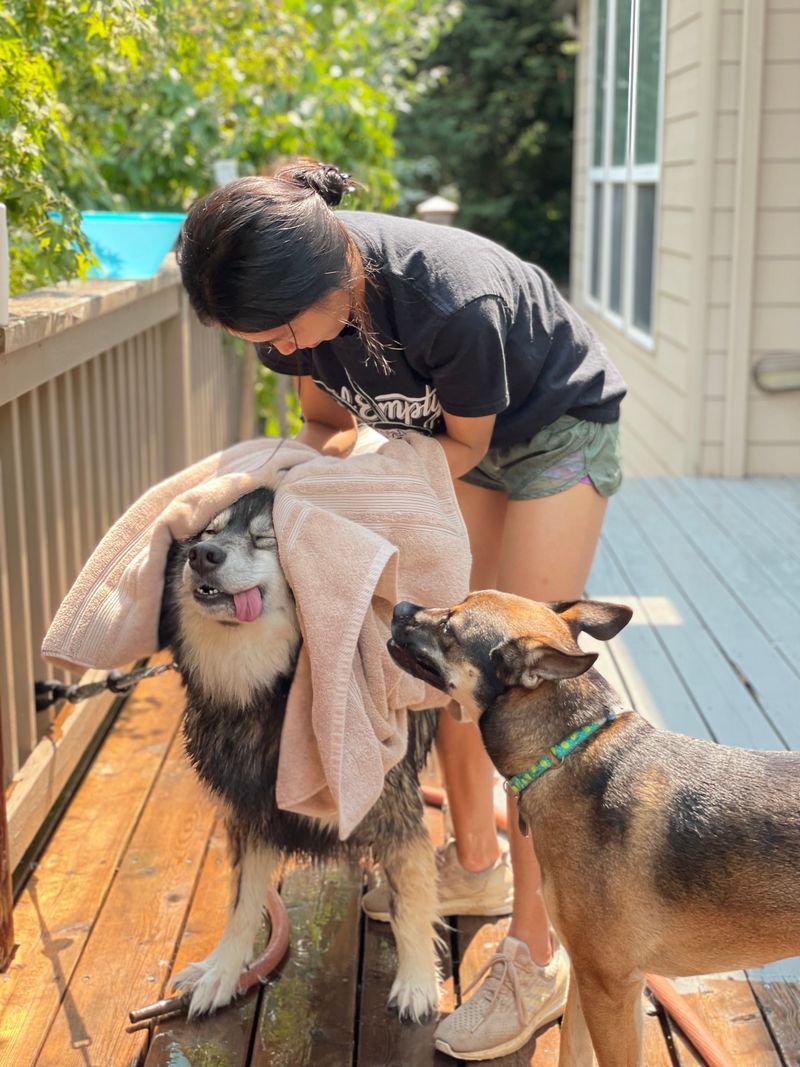
A towel by the door can save time, mess, and a lot of fuss. Drying your dog well after wet outings helps with comfort and cleanup.
Focus on the paws, legs, belly, and any thick fur that traps moisture. Those spots stay damp longest and are easy to overlook.
Thorough drying also gives you another chance to inspect for ticks, burrs, or irritated skin. Making this routine automatic keeps rainy-day care simple and helps your dog settle indoors more comfortably after every soggy adventure.
Wash Mud Off Before It Dries
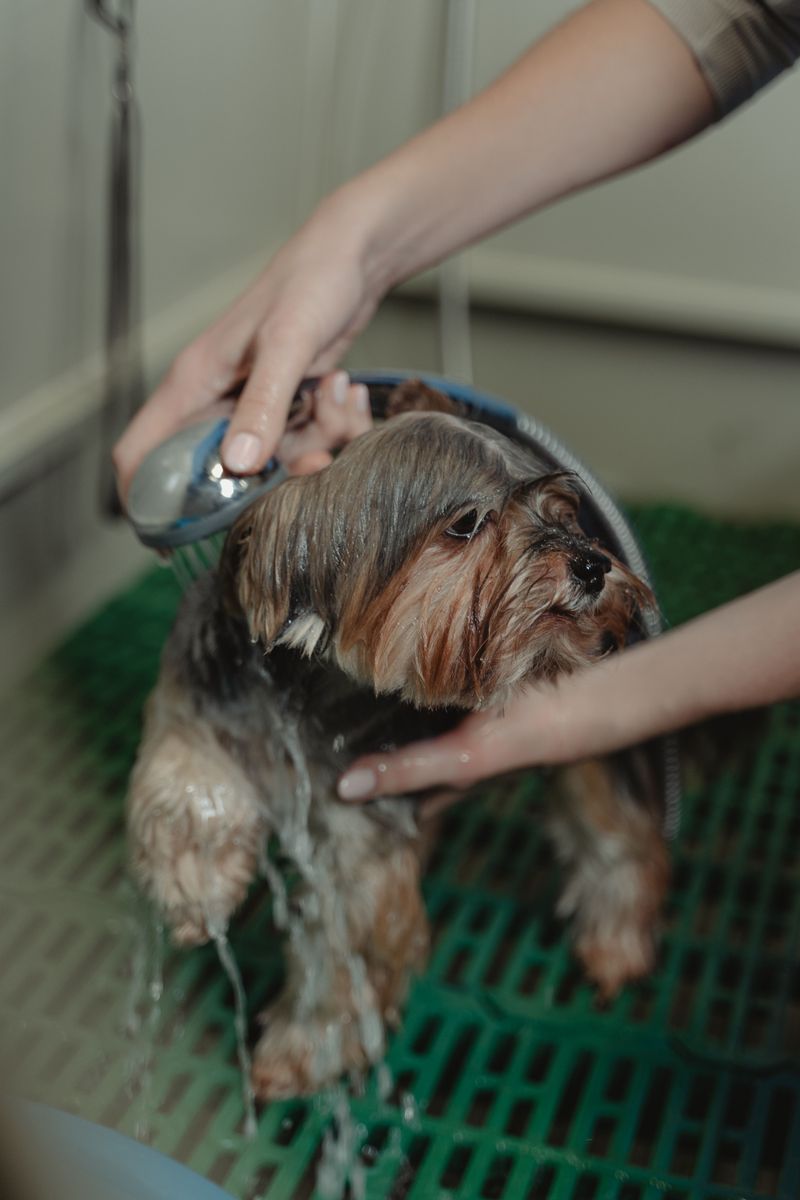
Fresh mud is annoying, but dried mud is a bigger project. Once it hardens, it sticks to fur, paw pads, and skin folds.
Rinsing mud off soon after a walk is usually easier for everyone. Your dog stays more comfortable, and you can inspect the coat better while the dirt is gone.
Look closely for redness, small cuts, or hidden ticks. Quick cleanup also reduces the amount of grit tracked through your home, which makes the next outing feel less like extra work.
Make Tick Checks Part of the Daily Routine
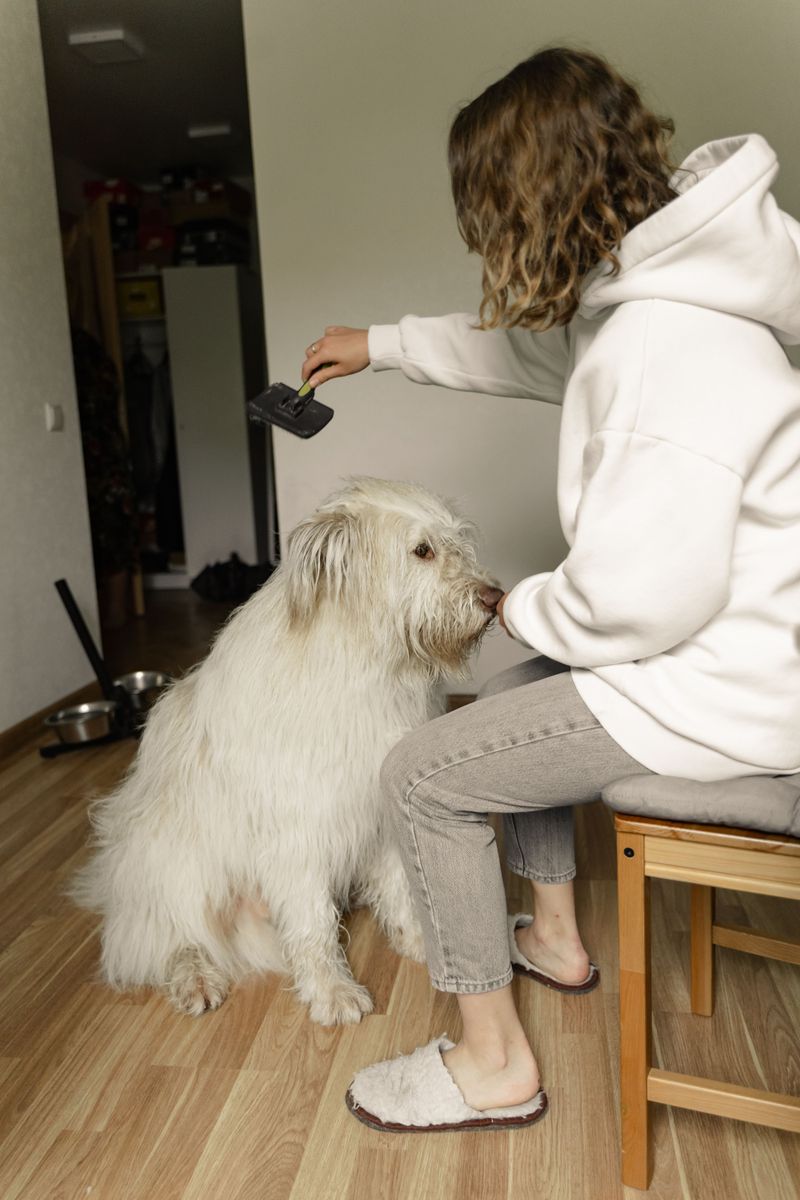
Habits are easier to keep than good intentions. Regular tick checks work best when they become part of your normal daily rhythm.
Attach the check to something you already do, like wiping paws, brushing fur, or offering dinner after a walk. That cue helps you remember even when weather changes fast.
A short routine feels less like a chore and more like regular care. Over time, your dog learns the process too, which can make checks calmer, quicker, and more thorough for both of you.
Keep an Eye on Your Dog After Tick Exposure
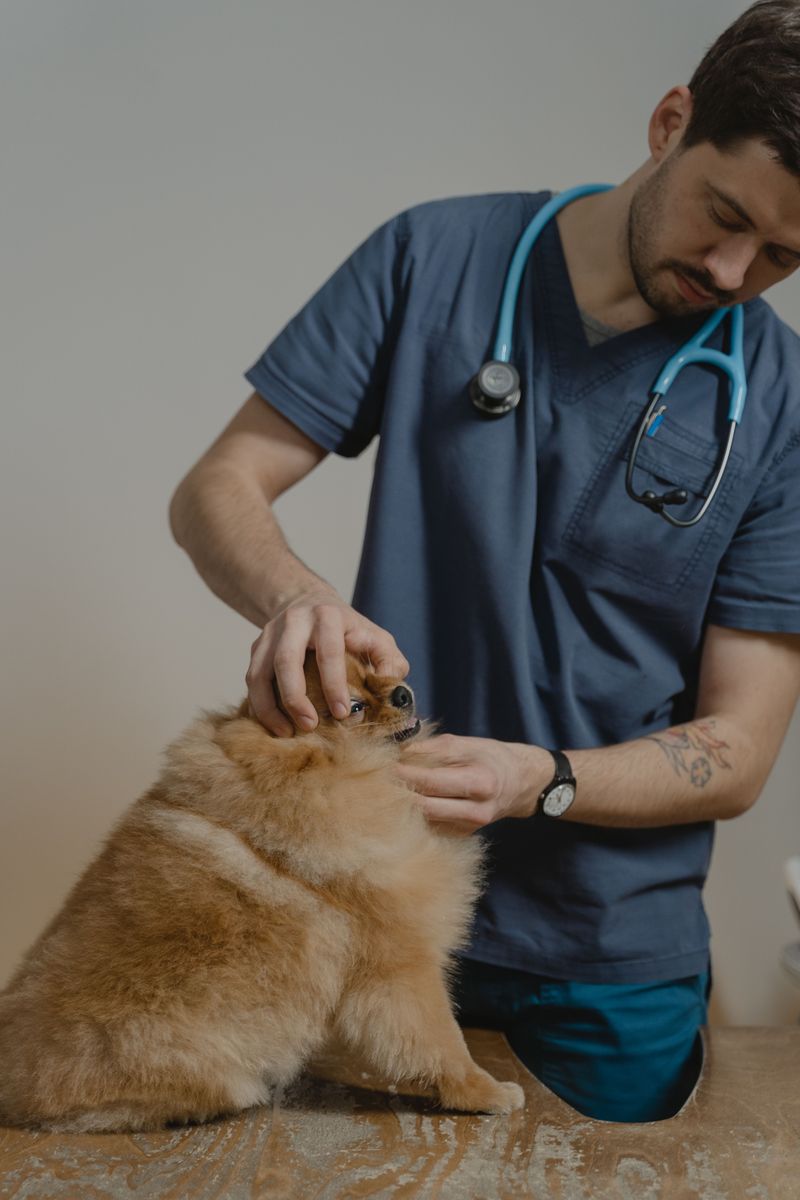
Finding a tick can feel unsettling, but a calm response goes far. Remove it carefully, then keep watching your dog for changes in the days and weeks that follow.
Notice any changes in energy, appetite, comfort, or usual behavior. If something seems off, contact your veterinarian for guidance.
It can help to note when you found the tick and where your dog had been. Careful observation supports quicker decisions and gives your veterinary team useful details if your dog needs advice after time outdoors in Ohio.