What South Carolina Dog Owners Should Know About Coral Snakes Near Coastal Trails And Yards
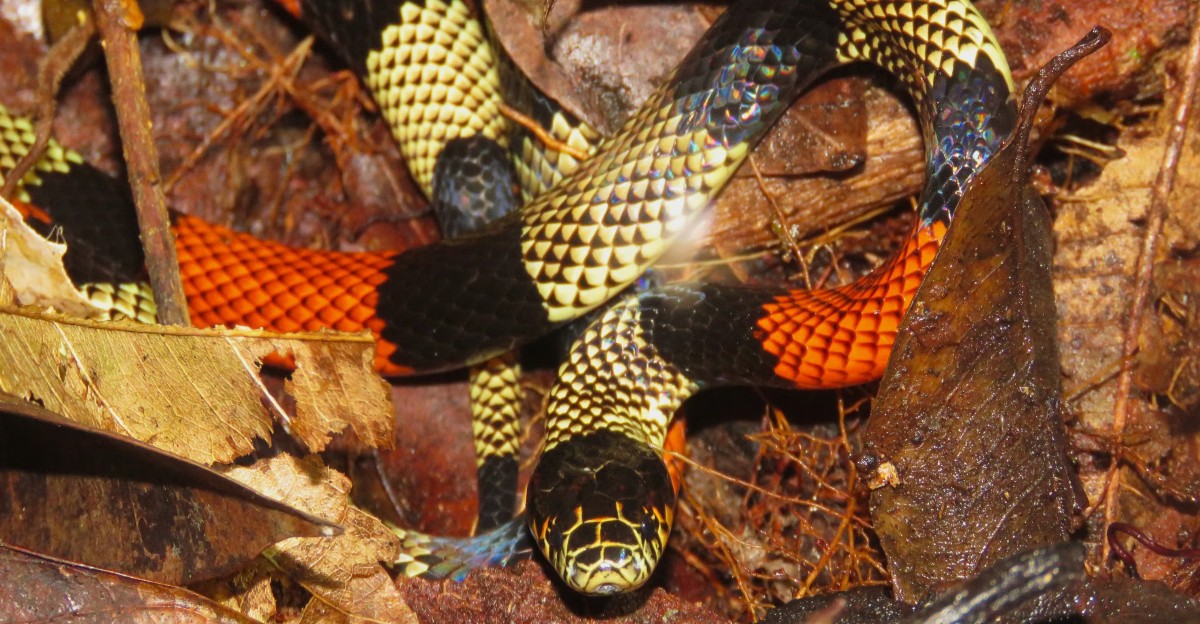
If you walk your dog along South Carolina’s coastal trails or let them roam a fenced backyard, you have probably wondered about snakes. Coral snakes are part of the Lowcountry landscape, though they are secretive and rarely seen.
The good news is that a few simple habits keep most encounters from ever happening. Here is what local dog owners should understand about these snakes, how to spot one, and what to do if your pup gets too curious.
1. Coral Snakes Are Rare In South Carolina
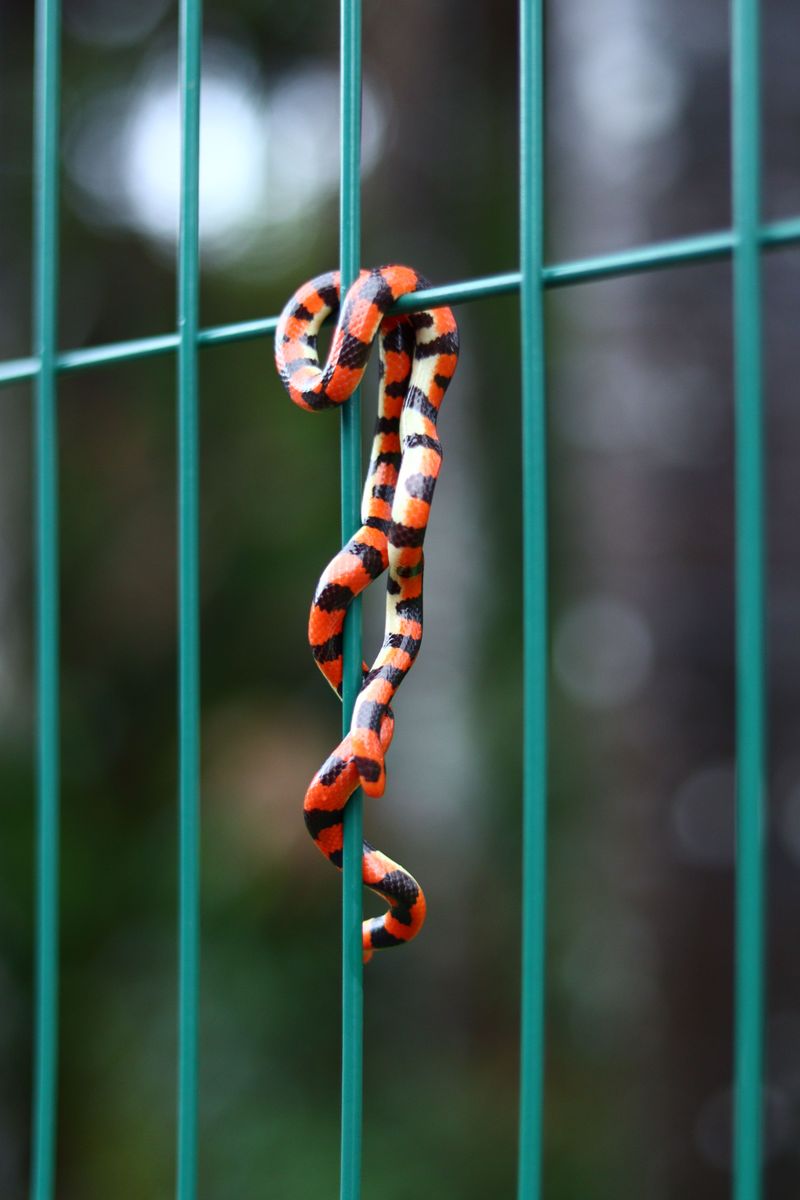
Spotting an eastern coral snake in South Carolina can be uncommon because the species is highly secretive and spends much of its time underground or beneath cover. It occurs in parts of the state’s Coastal Plain and other suitable sandy habitats.
They spend much of their time underground, tucked under leaf litter or beneath rotting logs. Encounters with dogs happen far less often than with copperheads.
Knowing that helps you walk with calm confidence. Awareness beats worry, and a little local knowledge goes a long way on familiar paths.
2. Coastal Trails Can Offer Suitable Cover
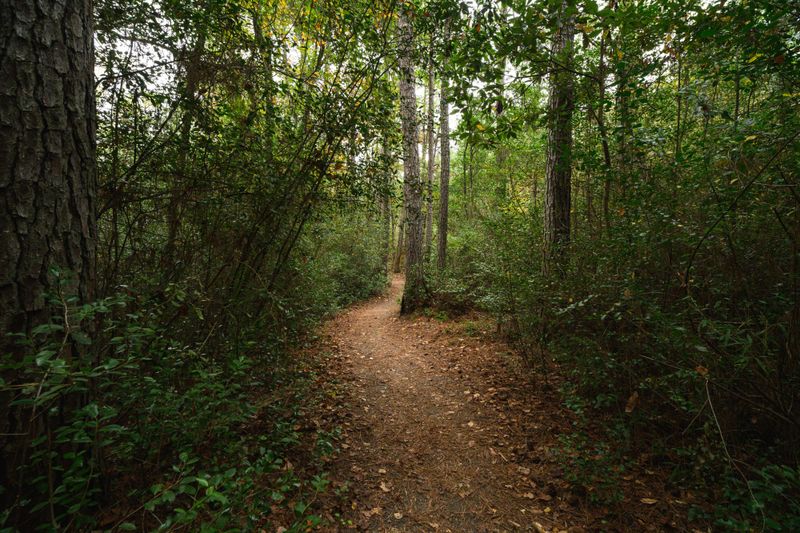
Loose sandy soil, pine straw, leaf litter, and downed vegetation can provide suitable habitat for eastern coral snakes. Some coastal trails pass through habitats with these features.
Eastern coral snakes are highly fossorial, spending much of their time underground or beneath cover such as logs, leaf litter, and debris.
Treat shaded, cluttered stretches as places to stay alert. A slower pace there is smart trail manners anyway.
3. Yards Near Natural Areas Deserve Attention
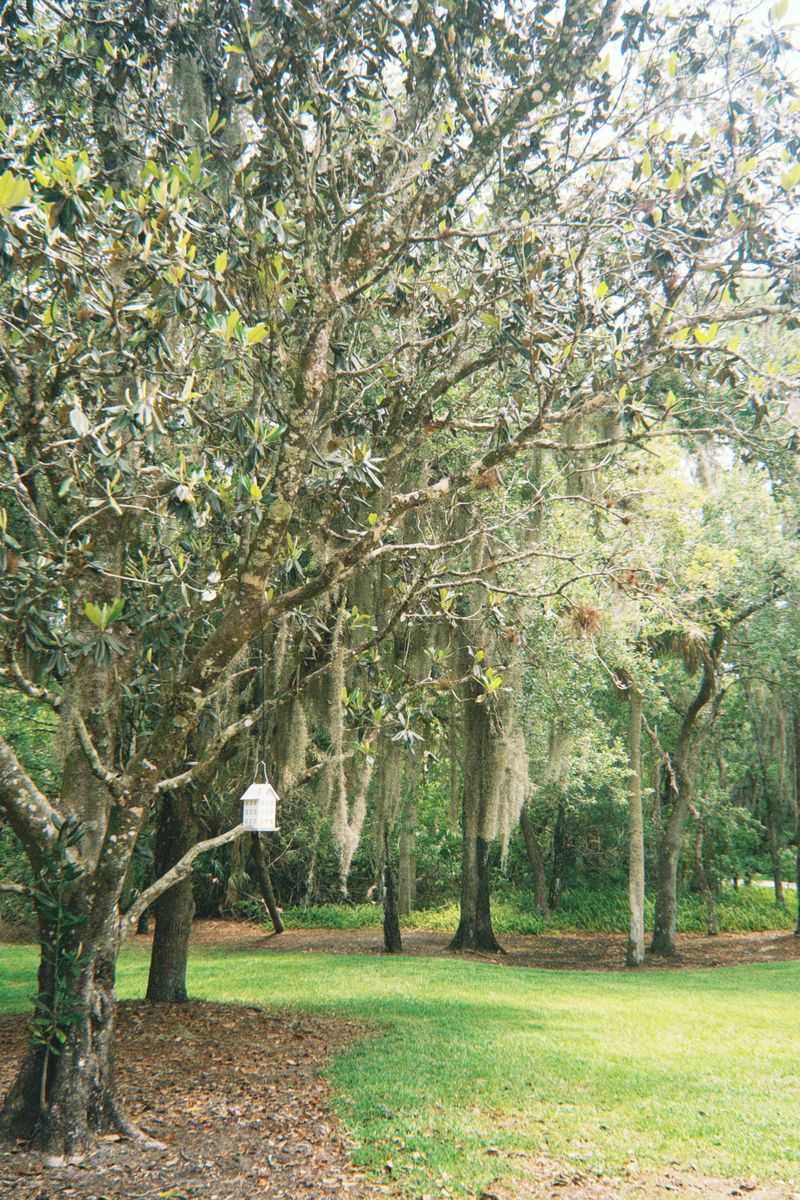
Homes that back up to woods, marsh edges, or empty lots share a border with wildlife. Snakes do not recognize property lines.
Mulch beds, woodpiles, and stacked landscape timbers near that boundary make appealing shelter for small, secretive species.
Walk your yard perimeter now and then with fresh eyes. A quick monthly scan tells you where cover is building up and where your dog likes to poke around.
4. Learn The Coral Snake’s Color Pattern
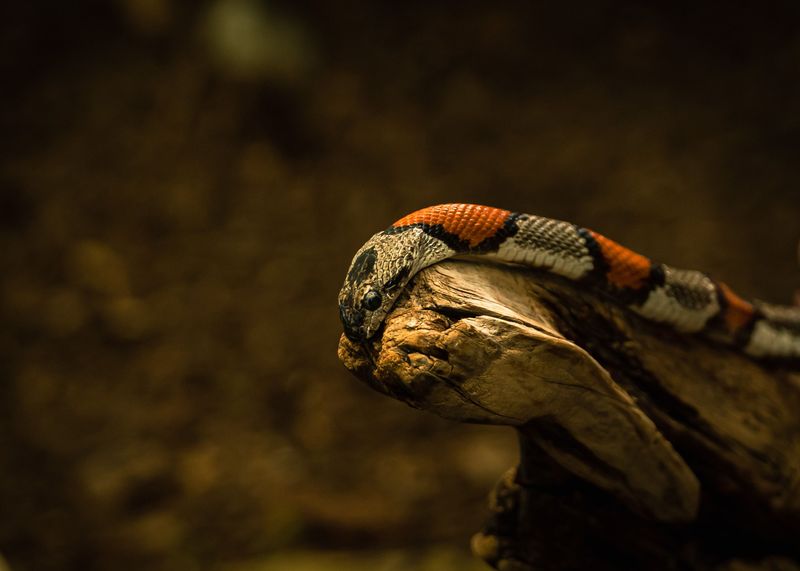
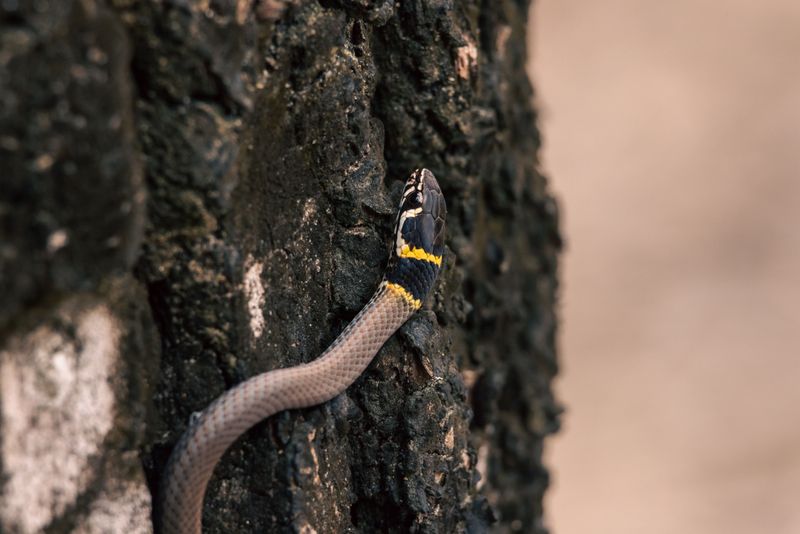
Eastern coral snakes have broad red bands separated by narrower yellow and black bands, with the bands continuing around the body. The head is black from the snout to behind the eyes, followed by a yellow band.
The body is slender, the head is small and rounded, and adults typically measure about two to two and a half feet, although larger individuals have been recorded.
Study a few photos before your next walk. Recognizing the look from a safe distance is far more useful than trying to identify a snake up close.
5. Do Not Rely On A Color Rhyme
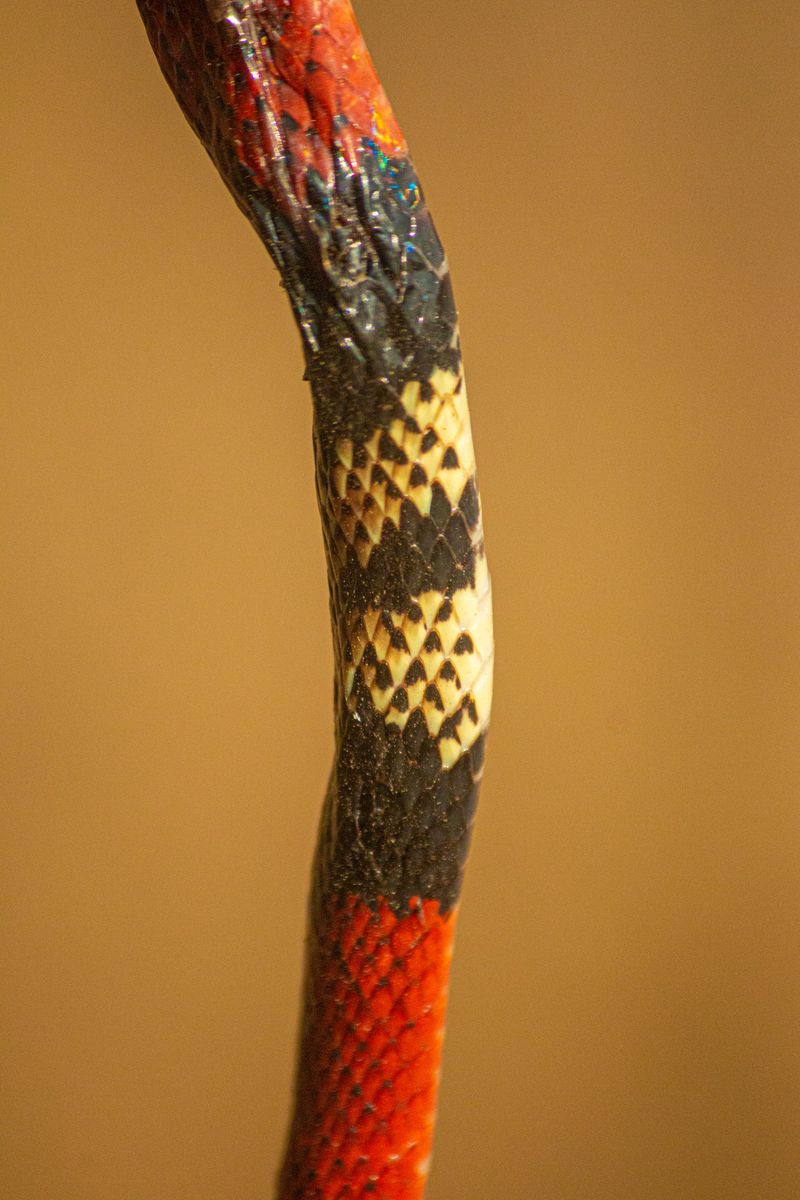
That old red-touches-yellow rhyme gets repeated constantly, yet it fails more often than people expect. It only loosely applies to snakes in the United States.
Faded colors, muddy skin, dim light, and lookalikes such as the scarlet kingsnake all muddle the picture.
Safer approach: treat every unidentified banded snake as one to leave completely alone. Identification can wait until you are both back on the path.
6. Coral Snakes Would Rather Avoid Your Dog
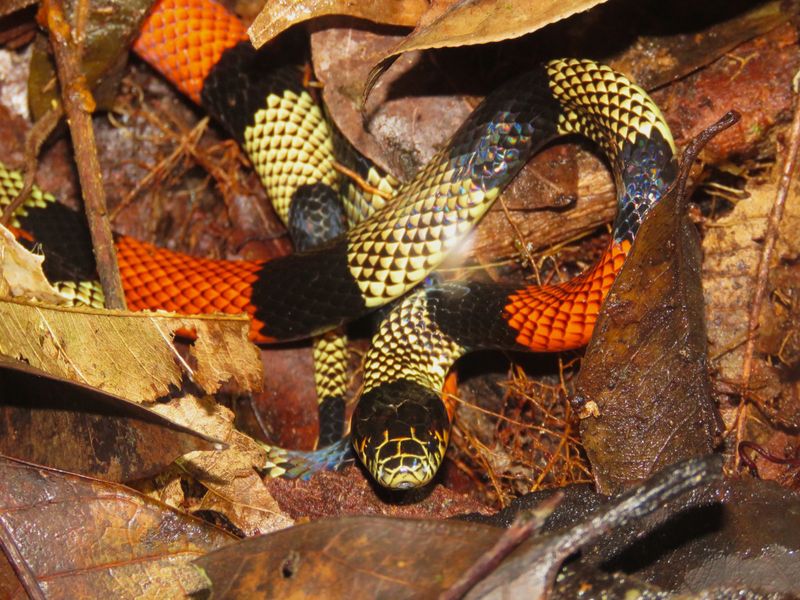
Nothing about a dog appeals to a coral snake. They are shy, slow to react, and far more interested in hiding than confronting anything larger.
Trouble starts when a curious nose pins them down. Digging, pawing, and sniffing at a hidden animal removes its escape route.
Dogs who love to investigate holes and logs simply need closer supervision. Give the snake a chance to slip away unnoticed.
7. Watch The Trail Edges
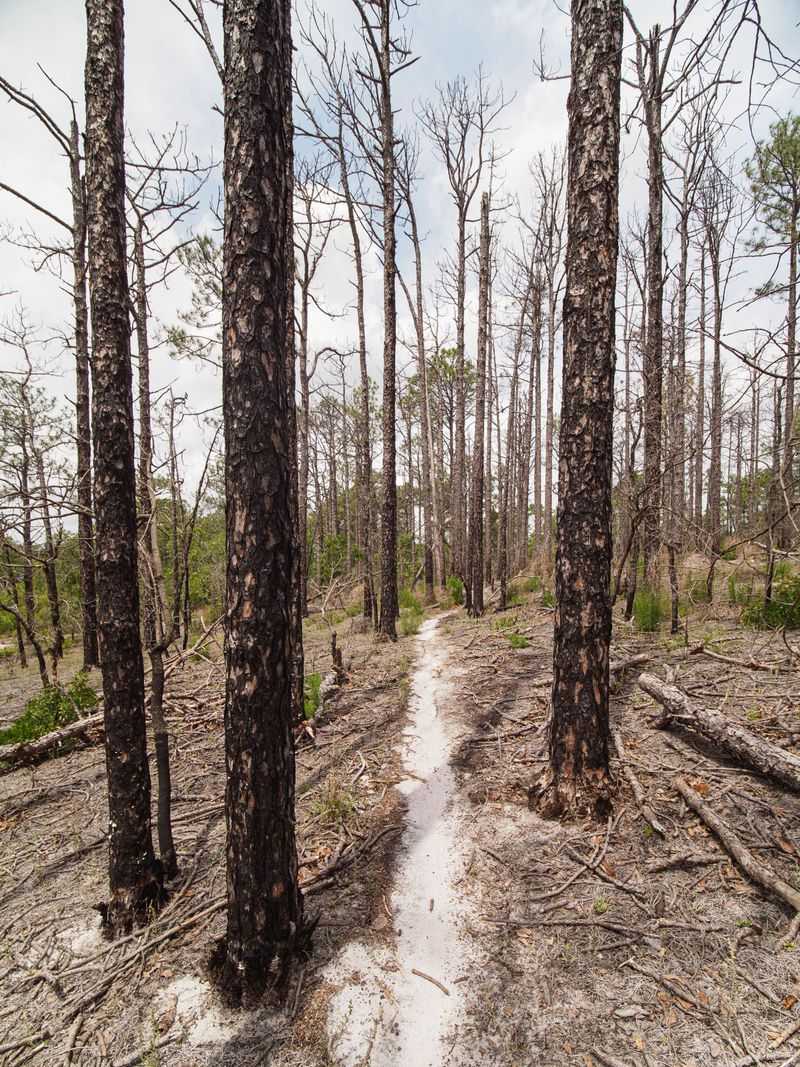
Most trail wildlife sits just off the center line, in the grassy fringe where sun meets shade. That strip is where dogs drift to sniff.
Scan two or three steps ahead along both borders as you walk. It becomes automatic quickly.
Morning and early evening deserve extra attention, since snakes move more when temperatures are mild. Keep your phone light handy on dusky returns.
8. Leash Control Matters On Narrow Paths And Thick Brush
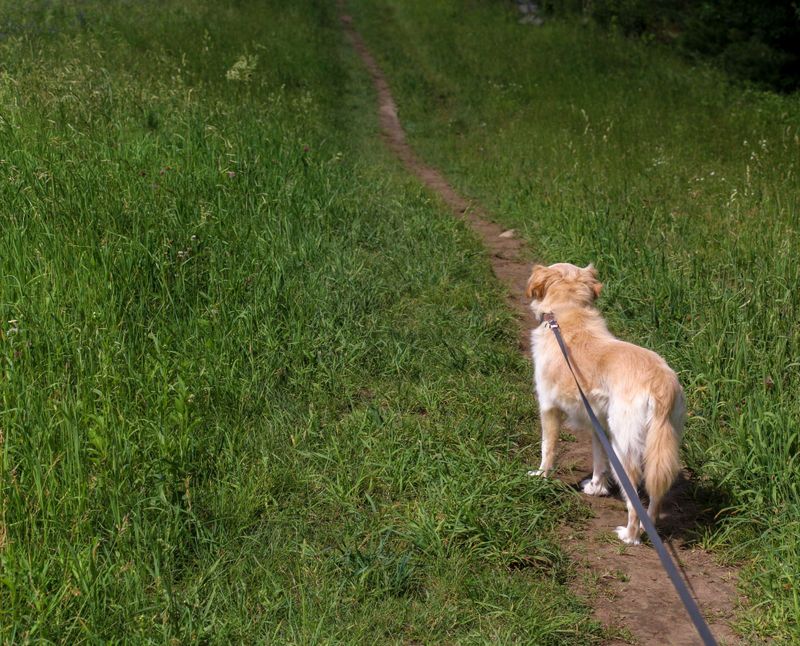
A six-foot leash gives you real influence over where your dog’s nose goes. Retractable lines often let dogs reach brush before you notice.
Shorten up whenever vegetation crowds the path or the ground disappears under leaves.
Many coastal parks and preserves require leashes anyway, though rules vary by county and city. Check posted signs or the managing agency before you visit somewhere new.
9. Avoid Letting Dogs Investigate Snakes
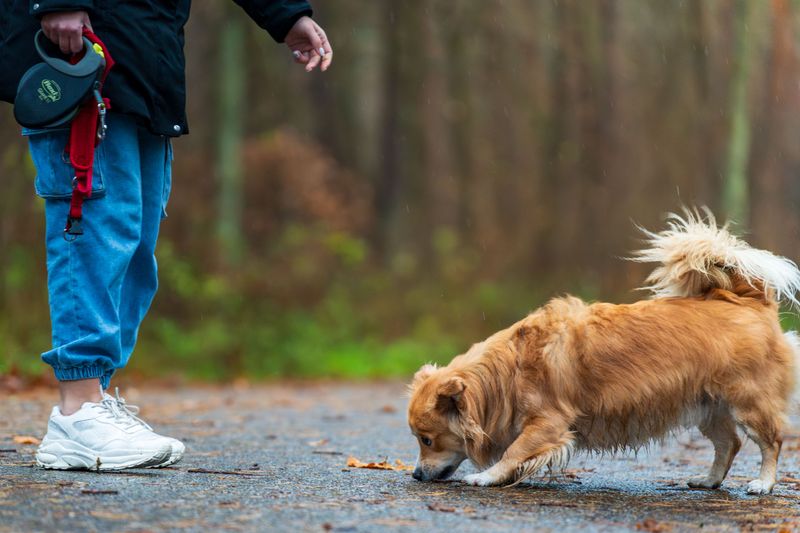
Imagine your dog freezing, ears up, staring at something coiled near a log. The best move is boring and undramatic.
Turn around calmly, lead your dog away, and give the animal plenty of space. No poking, no photos from arm’s length.
Leave the snake exactly where it is. Harassing or relocating wildlife raises the risk for everyone and rarely ends the way people imagine.
10. Coastal Yards Need Simple Cleanup
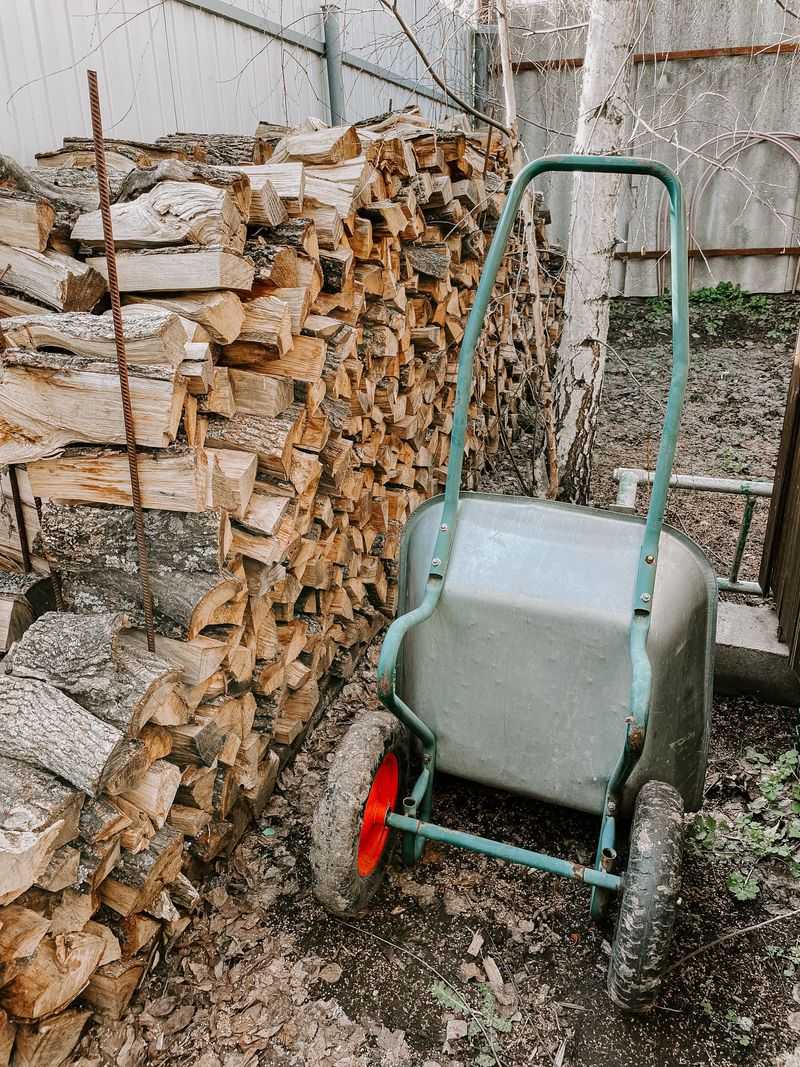
Tidy spaces hold less appeal for snakes, and yard work does double duty here. Clutter is really just free shelter.
Rake deep leaf piles, trim tall grass, and stack firewood off the ground and away from the house.
Sealing gaps under sheds and porches helps too. Controlling insects and rodents removes the food supply that draws small snakes toward your fence line in the first place.
11. Coral Snakes Have A Dangerous Venom
Unlike pit vipers, coral snakes carry a venom that affects the nervous system. Signs can include weakness, trembling, wobbly walking, or trouble breathing.
Their small mouths mean a bite may leave only faint scratches, sometimes hidden by fur.
Any suspected contact deserves a veterinarian’s judgment, even if your dog seems fine. Professional evaluation is the only reliable way to know what is happening.
12. A Snake Bite May Not Look Severe At First
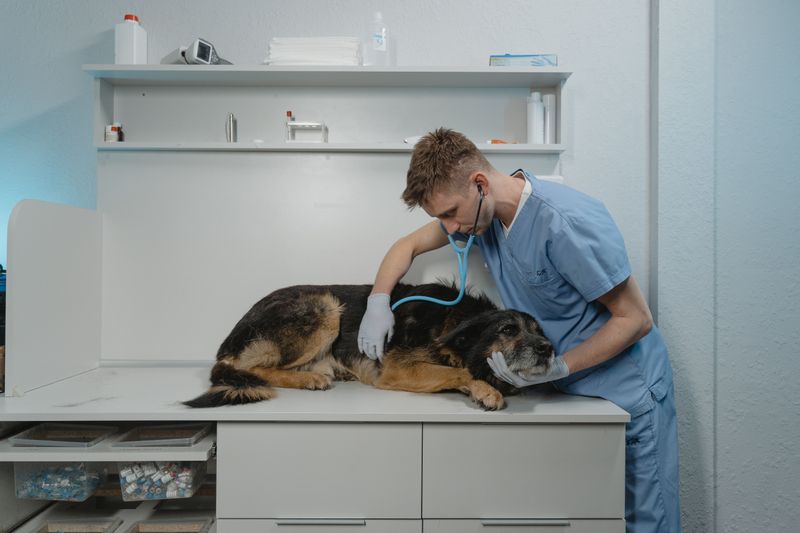
Here is the part that surprises owners: there may be little swelling and almost no obvious wound. Dogs often act normal right afterward.
Signs from coral snake venom can be delayed for hours, which makes waiting risky.
Call your veterinarian immediately if you suspect contact, even with a snake you could not identify. Early observation in a clinic beats guessing at home.
13. Do Not Try Home Treatment

Old-fashioned field remedies do more harm than good. Skip tourniquets, ice packs, cutting, suction devices, and any attempt to draw venom out.
Human medications should never be given without veterinary direction, since dosing differs enormously.
Instead, keep your dog quiet and carry them if possible. Limiting movement and driving straight to care is the most helpful thing you can do.
14. Know Where Emergency Veterinary Care Is Located
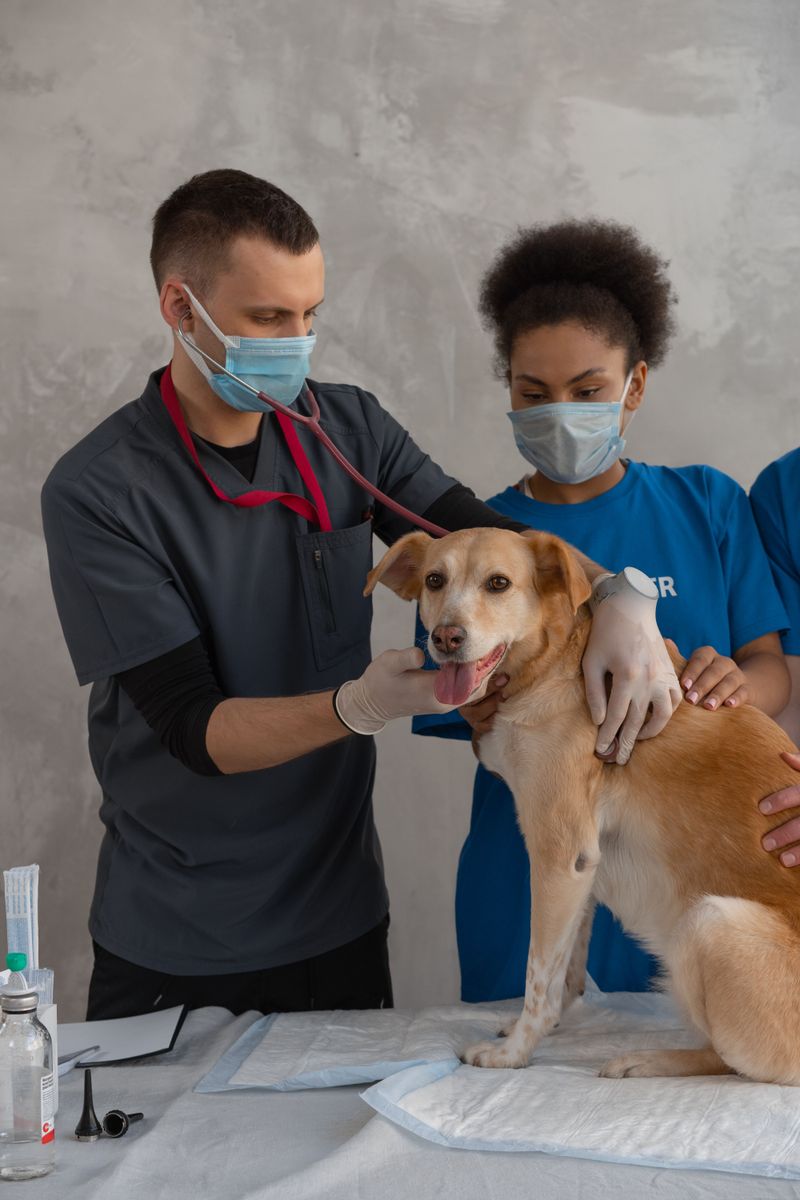
Ten minutes spent planning today saves frantic searching later. Save two numbers in your phone: your regular clinic and the nearest emergency hospital.
Coverage differs across the Lowcountry, so confirm overnight and weekend hours in your area.
Ask whether the hospital stocks antivenom or can refer you quickly, since supplies vary. Call ahead while driving so the team can prepare.
15. Teach Dogs Not To Chase Wildlife
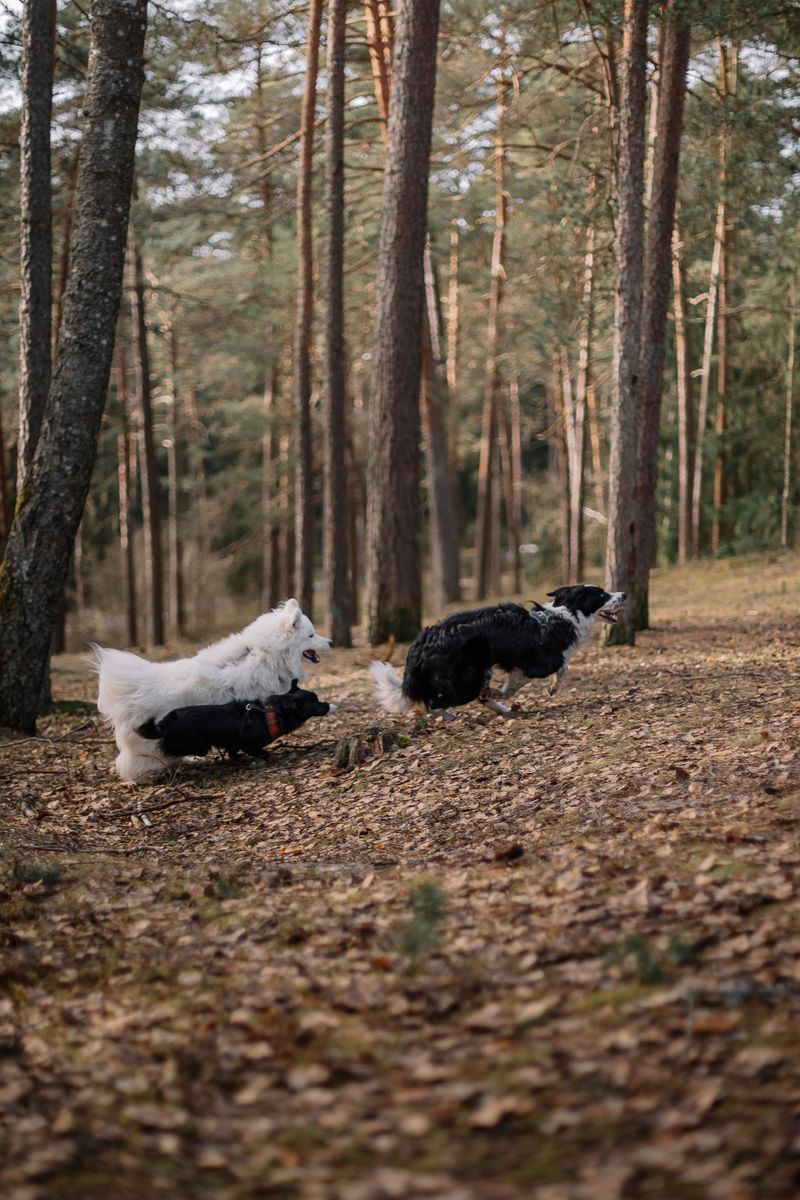
A solid leave it cue is worth more than any gadget you can buy. Practice it at home with toys and treats first.
Build a reliable recall next, rewarding generously every single time your dog turns back to you.
Some trainers in snake country offer avoidance classes, with methods that vary widely. Ask questions and choose reward-based instruction that keeps your dog relaxed and willing.