What Michigan Dog Owners Should Know Before Letting Their Dogs Swim In The Great Lakes
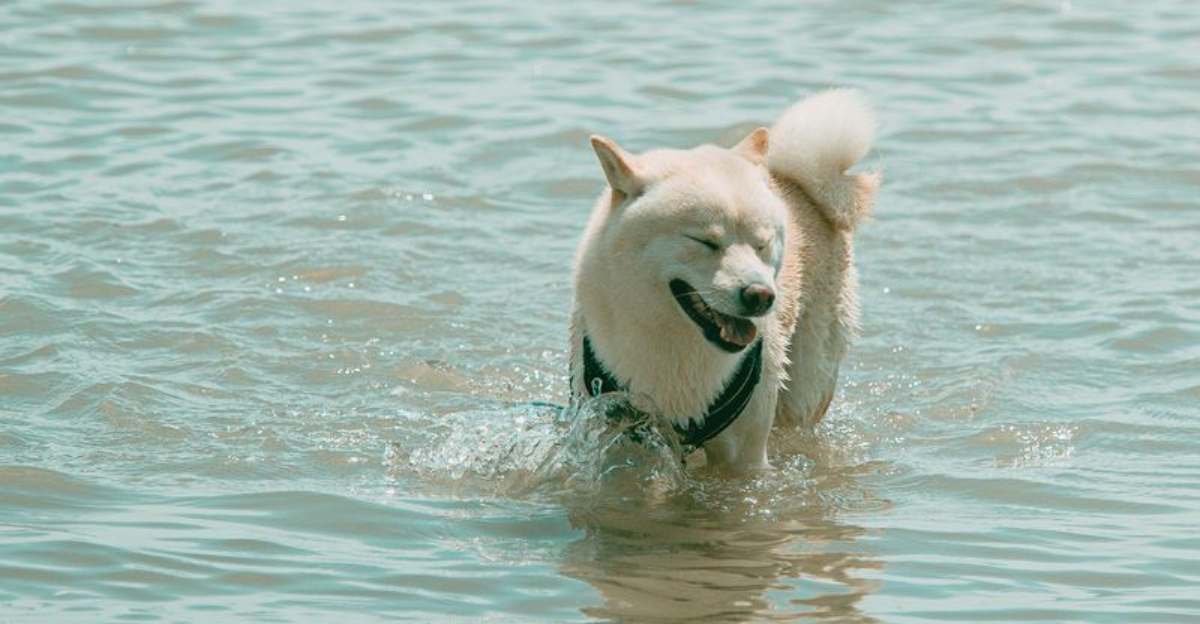
Few things beat watching your dog splash through Lake Michigan on a warm afternoon. Still, our big lakes work differently than the neighborhood pond, and a little planning goes a long way.
Rules change from beach to beach, water conditions shift with the wind, and water quality can vary by the day.
Here is a friendly rundown of what local owners should check before the leash comes off the hook and the towels come out.
1. Confirm Dogs Are Welcome at That Exact Beach
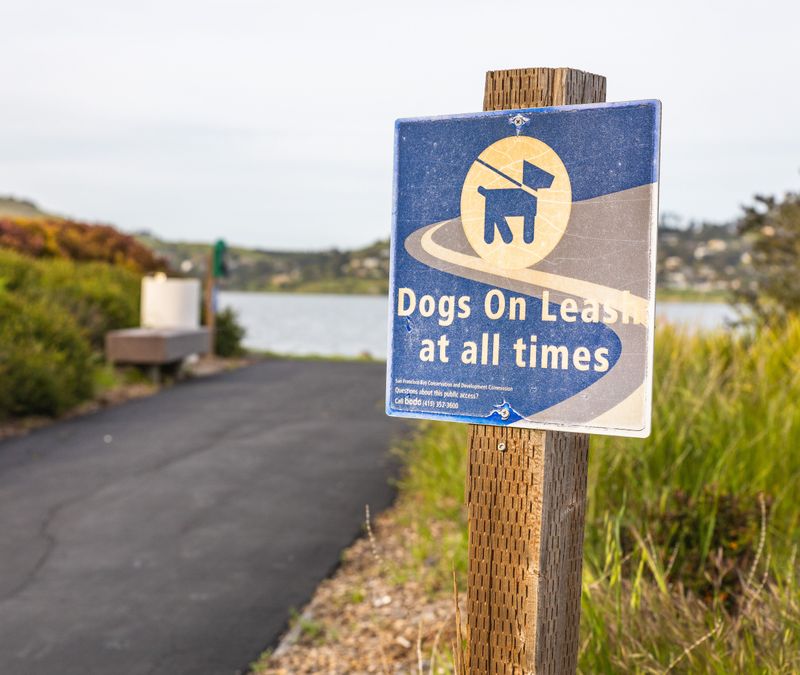
Rules shift from one stretch of sand to the next, even inside the same park. Michigan state parks allow pets along much of the shoreline, yet buoyed swimming areas and posted zones are off limits.
Call the park office or check its webpage before loading the car. County and city beaches set their own policies too.
Two minutes of checking saves a long drive and a disappointed dog.
2. Six Feet of Leash, Water Included
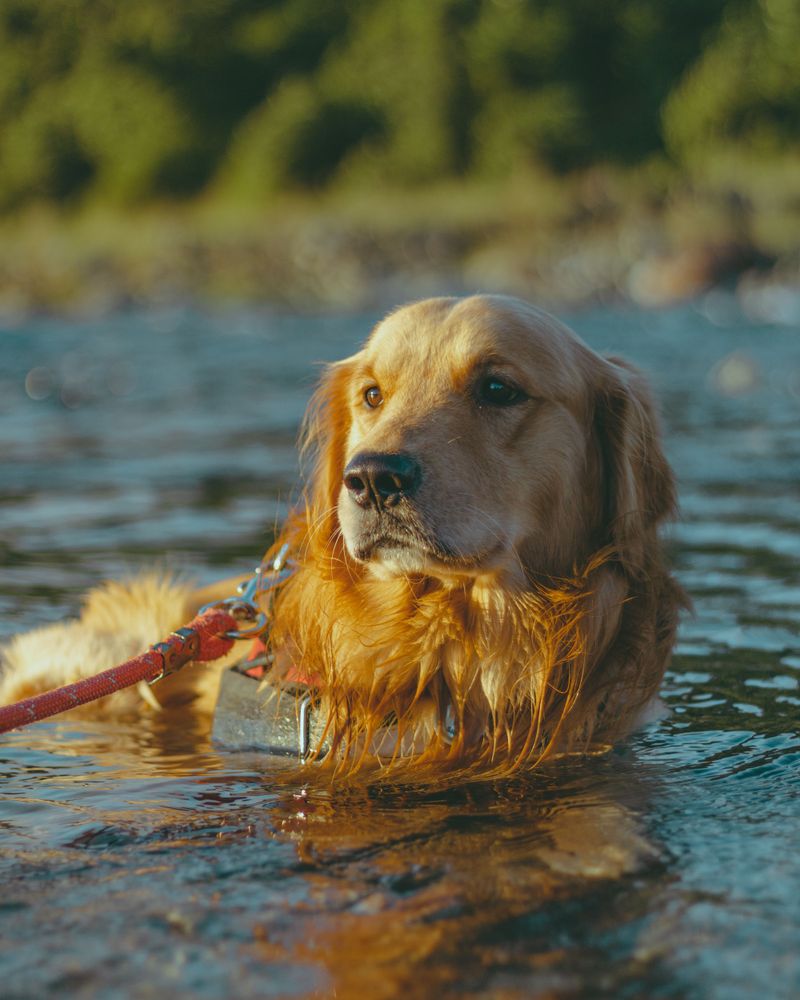
Here is a rule that surprises plenty of visitors. At Michigan state parks, pets must stay on a leash no longer than six feet, and that applies while your dog is in the water.
Long lines and retractable leads stretched out past six feet do not meet the standard.
Pack a short, sturdy leash you can grip when wet. Wet hands and slick nylon slip easily.
3. Designated Swim Beaches Usually Mean People Only

Those buoyed rectangles marked for swimmers are typically closed to dogs. That holds true even at parks where the rest of the shoreline welcomes pets.
Owners sometimes assume a pet-friendly park means every inch is open. It rarely works that way.
Walk past the swim markers and look for the section where pets are permitted. Signs at the entrance and trailheads usually spell out the boundaries clearly.
4. Watch for Seasonal Closures Protecting Shoreline Nests
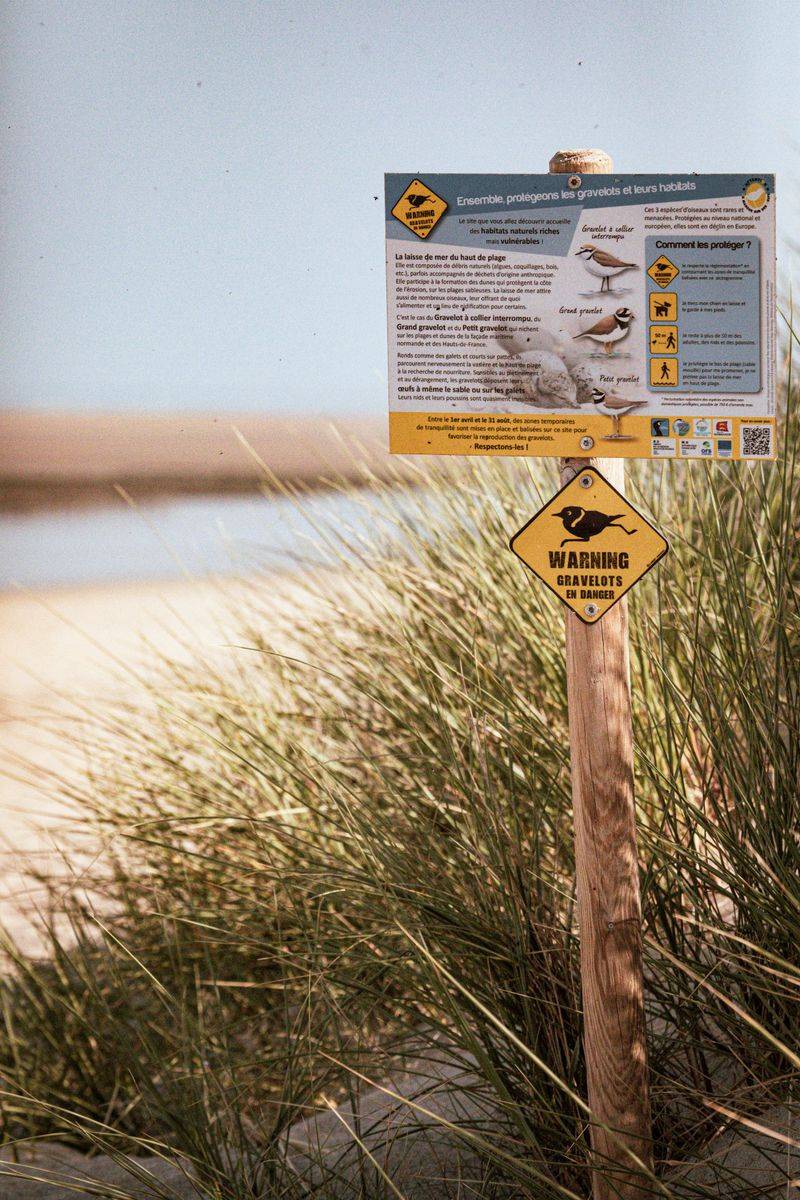
Certain stretches of Great Lakes shoreline close during nesting season. Piping plover habitat is a common reason, and roped areas or posted signs mark the boundaries.
Those closures can appear in spring and stay up into summer.
Respect every posted restriction, even if the sand looks empty. Nests blend into the beach remarkably well.
Choosing a different stretch keeps you compliant and keeps the shoreline healthy for everyone.
5. Your Dog Stays With You, Always
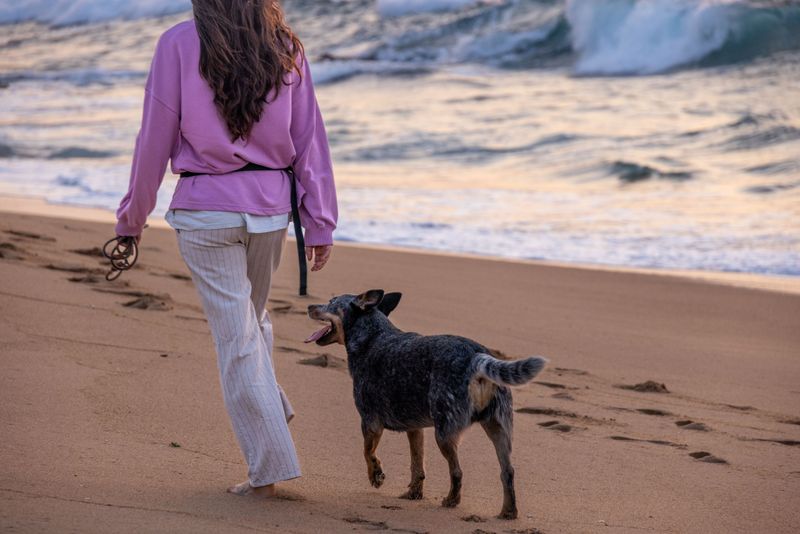
Unattended pets are not allowed at Michigan state parks. That means no leaving your dog tied to a beach umbrella while you wander to the concession stand.
Immediate control matters near water, where a distracted moment can turn into a long chase.
Bring a friend if you plan to swim yourself. Shared supervision keeps everyone relaxed, and rangers appreciate owners who clearly have their dog in hand.
6. Pack Out Every Bit of Waste
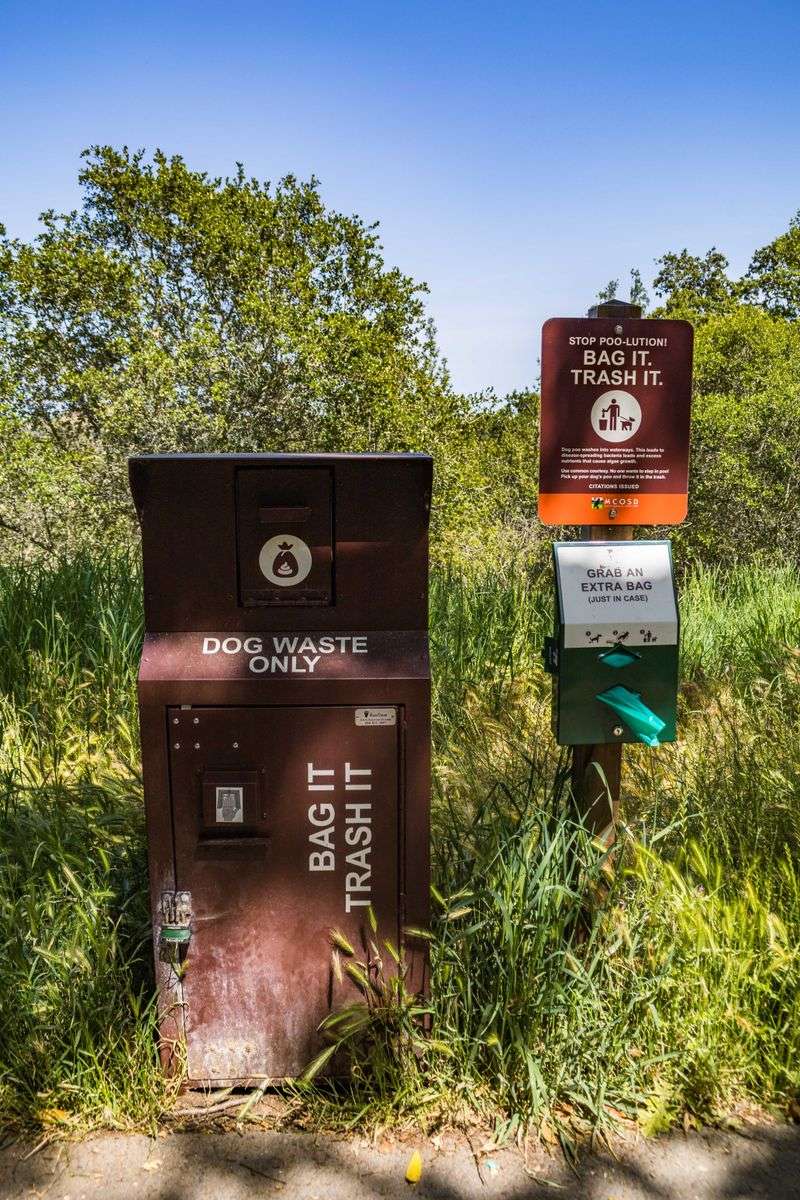
State park rules require owners to pick up and dispose of pet waste. Simple, and honestly the easiest rule to follow.
Sand hides messes fast, so scan the area before moving on.
Stuff extra bags in your beach tote, glove box, and leash clip. Waste left near the water can affect quality for the next visitors.
Being the owner who always cleans up keeps beaches open to dogs.
7. Seek Out a Designated Dog Beach
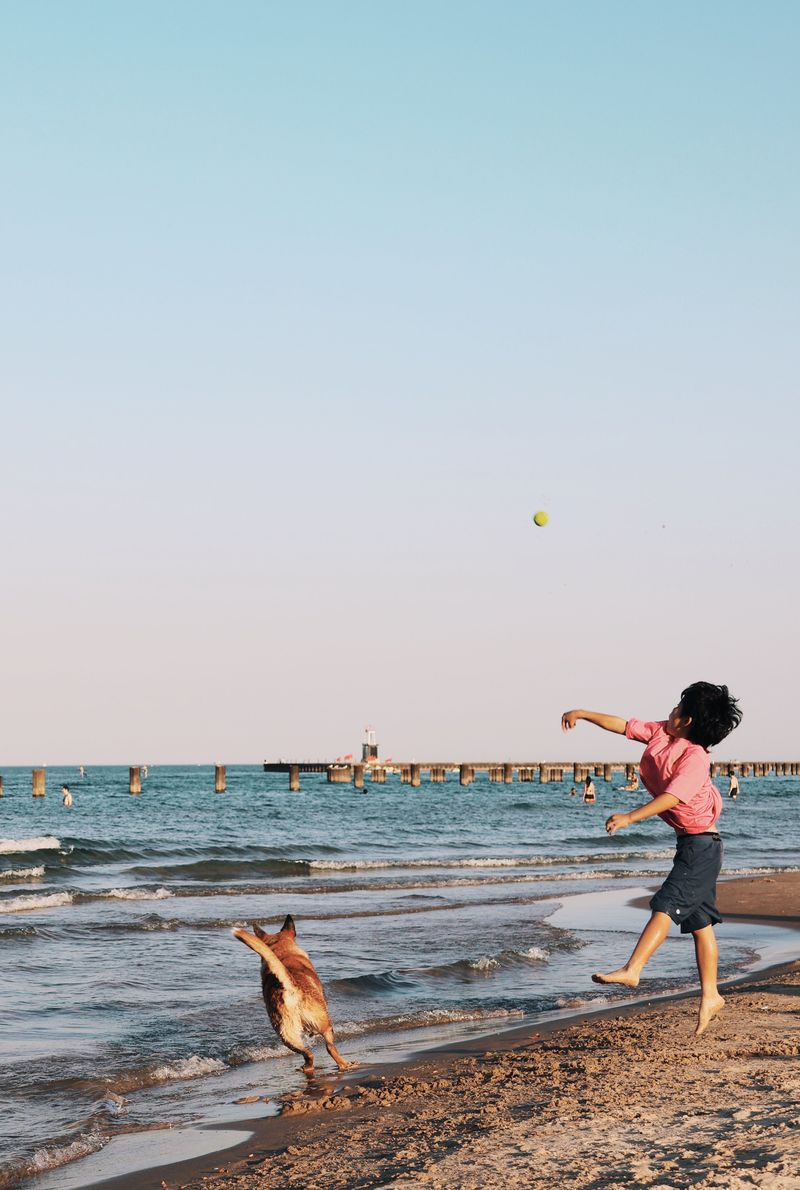
Some Michigan parks set aside one specific pet shoreline instead of allowing dogs across the whole beach. Finding that section first makes the whole trip easier.
Look for pet area signage on the park map, usually at the far end of the main beach.
These spots often have fewer crowds and more room to move. Confirm the location with park staff, since designated areas can shift between seasons.
8. Read the Beach Forecast Before You Leave Home
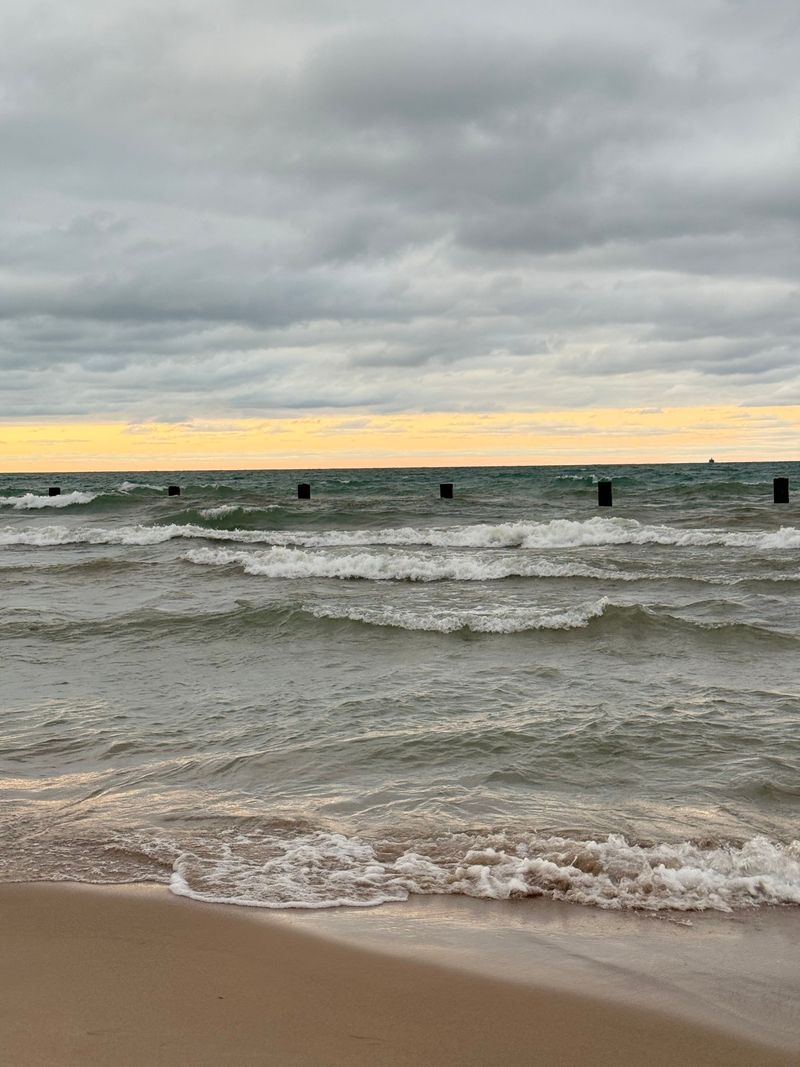
The National Weather Service publishes a Great Lakes beach forecast that reports current wave heights and swimming risks. Checking it takes about a minute.
Conditions listed as high risk mean the water is working against swimmers, dogs included.
Pull it up while your coffee brews. If the forecast looks rough, swap in a shaded trail walk instead.
The lake will still be there next weekend, calmer and friendlier.
9. These Are Inland Seas, Not Ponds

A glassy morning on Lake Michigan can turn choppy by lunch. Wind builds waves quickly across hundreds of open miles, and swimming hazards follow.
Dogs used to calm inland lakes may not read the difference.
Watch the wind direction and the size of incoming sets. When waves start breaking hard on the sand, keep play limited to the shallows or the dry beach entirely.
10. Know the Four Current Types

Great Lakes currents come in several forms: rip currents, longshore currents, outlet currents, and channel currents. Each moves water in its own direction and strength.
Rip currents pull away from shore. Longshore currents slide swimmers sideways down the beach.
Outlet and channel currents concentrate near structures and river openings. Learning to spot the signs, like choppy lines or discolored water, helps you pick a safer entry point.
11. Give Piers and Breakwalls a Wide Berth
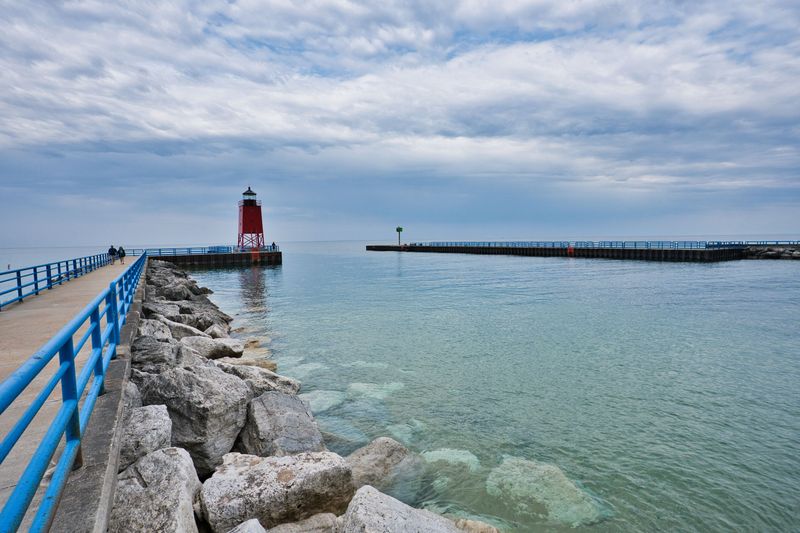
Structures change how water moves. Piers, breakwalls, and river mouths can carry strong currents even when the open beach looks manageable.
Michigan owners often gravitate toward piers for the view and the photos.
Keep your dog well away from those areas when waves or currents are active. Rocks below the surface add another reason to stay clear.
Choose an open sandy stretch instead for water play.
12. Warning Flags Apply to Your Dog Too
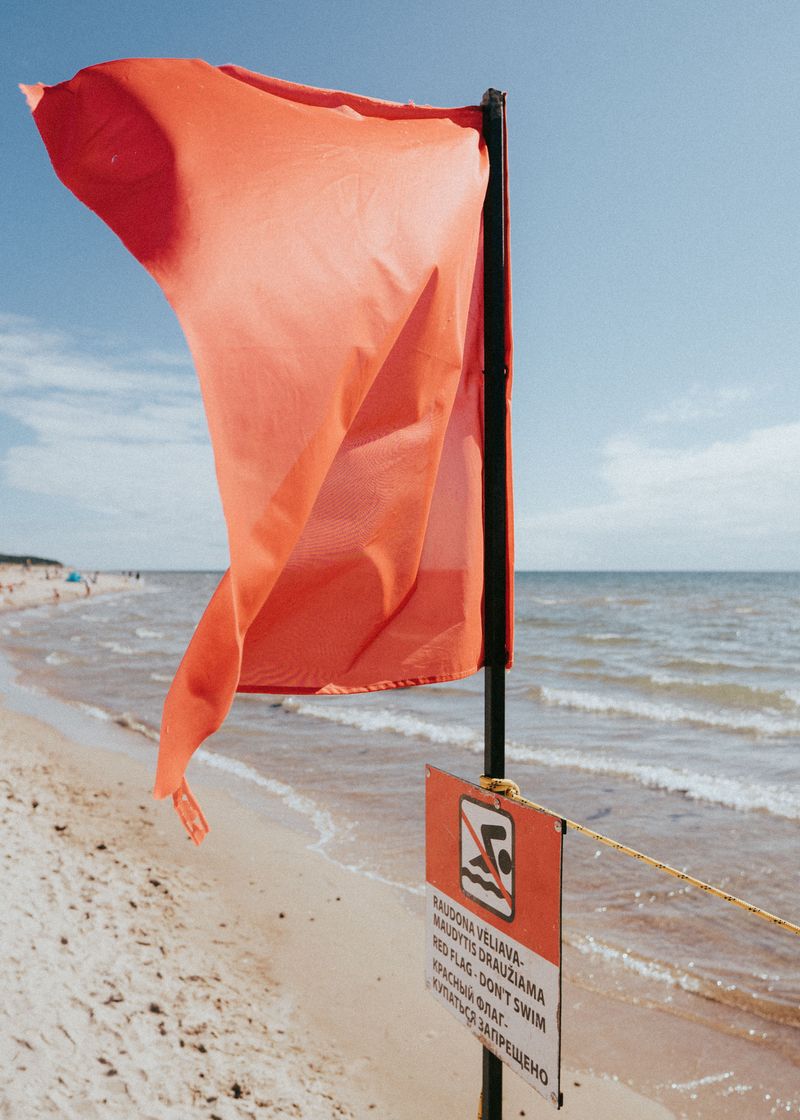
Red flags, beach hazard statements, high swim risk ratings, and local closures all point the same direction. Stay out.
Some owners assume a strong swimming dog can handle conditions that people cannot. Currents do not care about paddling skill.
Treat any of those signals as a reason to keep your dog on shore. Fetch on the dry sand still burns plenty of energy and keeps the day pleasant.
13. BeachGuard Is Your Water Quality Shortcut

Michigan runs an online system called BeachGuard that tracks current beach advisories, closures, and E. coli sampling results.
Searching by county or beach name takes seconds and gives you the most recent posted data.
Results are not updated every hour, so pair it with what you see on site. Cloudy water after heavy rain deserves caution regardless of the last reading listed online.
14. Local Health Departments Make the Call
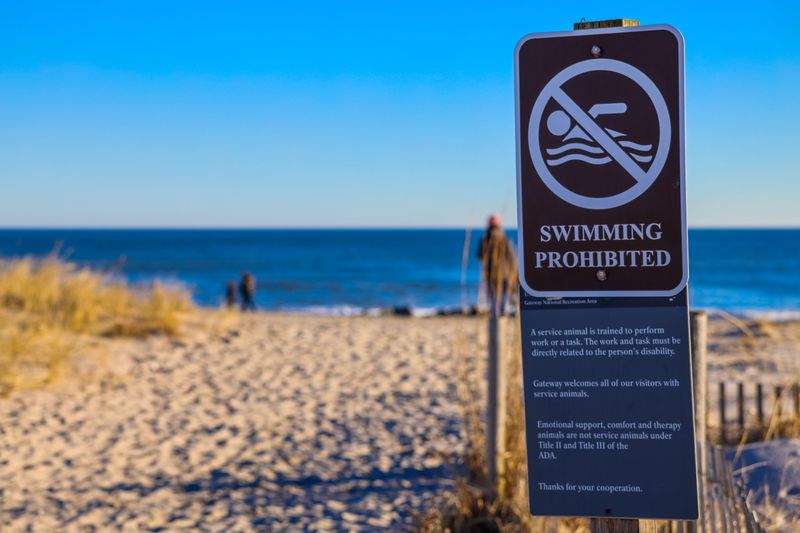
Advisories and closures often come from county health departments rather than the park itself. Sampling and testing happen at the local level.
That is why one beach may be posted while a neighboring one stays open.
Check both the park page and your county health department listing when planning a trip. Policies and testing schedules vary by county, so confirming locally gives you the clearest picture.
15. Elevated E. coli Means Shore Time Only
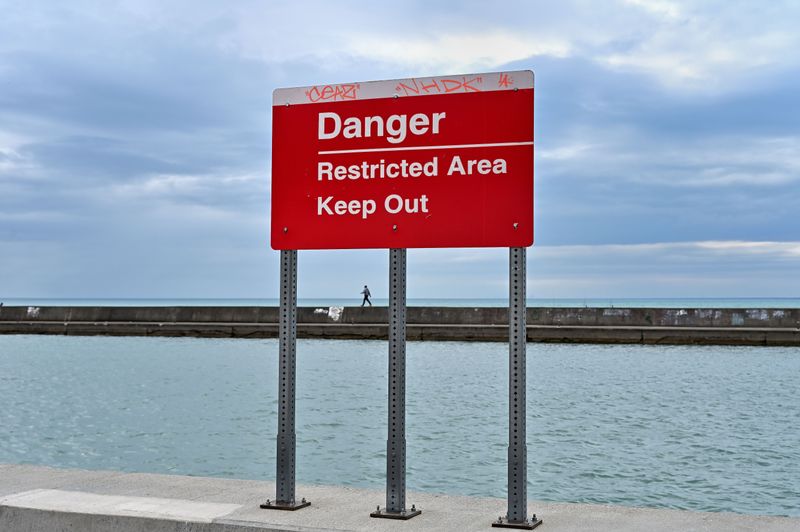
When a beach closes for elevated E. coli, contact with the water raises the chance of illness. Dogs drink while they swim, which adds exposure.
Bacteria levels often spike after heavy rain or runoff events.
Pick a different beach that day, or keep your dog on the dry sand. Bring plenty of fresh drinking water so nobody is tempted to sample the lake.
16. Green Scum Is a Hard No
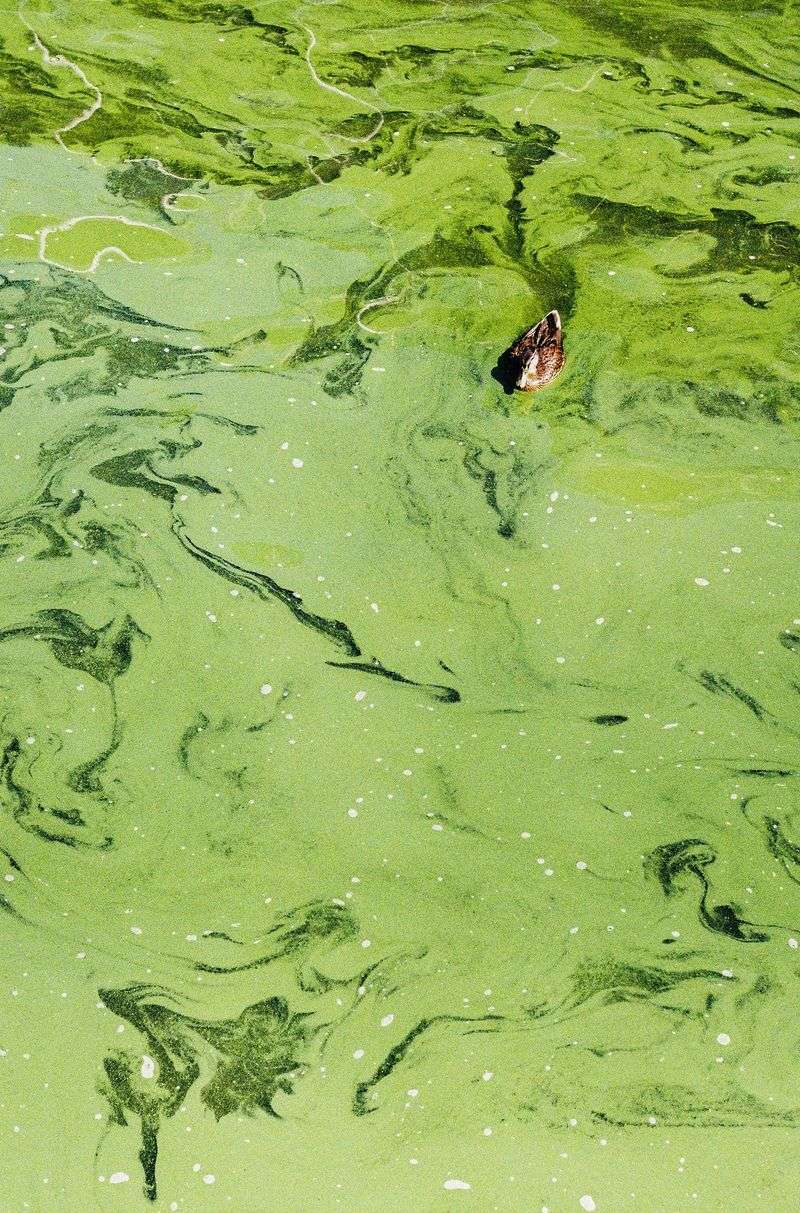
Visible algae mats, surface scum, or large floating rafts are reason enough to leave. Michigan officials note you cannot tell by appearance alone whether a bloom carries harmful toxins.
Colors range from pea green to blue green to brownish streaks.
Skip the water entirely when you see it. No swim is worth the guesswork, and there is almost always a cleaner stretch nearby worth the short drive.
17. Keep Off the Shoreline During Blooms Too
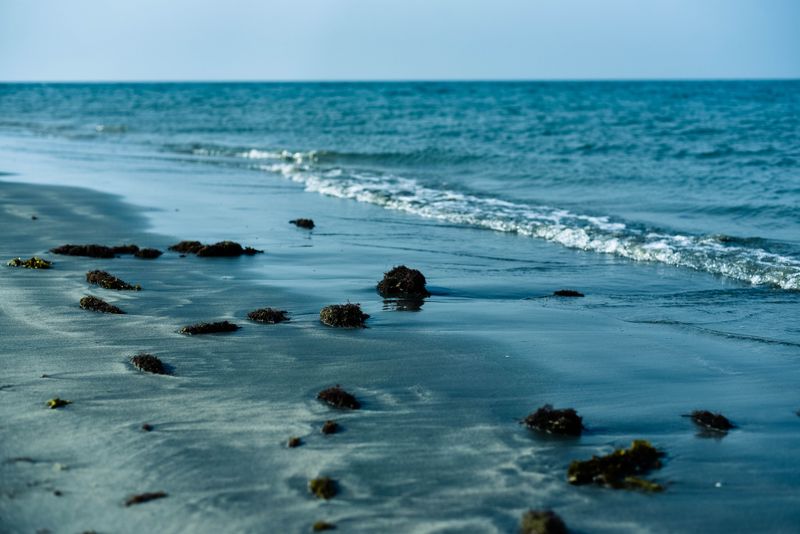
Bloom material does not stay in the water. Wind pushes scum onto the sand, where it can dry into crusty patches along the waterline.
Dogs investigate with their noses and mouths, which is exactly the concern.
Keep your dog away from both the water and the affected shoreline in bloom areas. Walk the upper beach or choose another location for the day.
18. Rinse Before the Ride Home
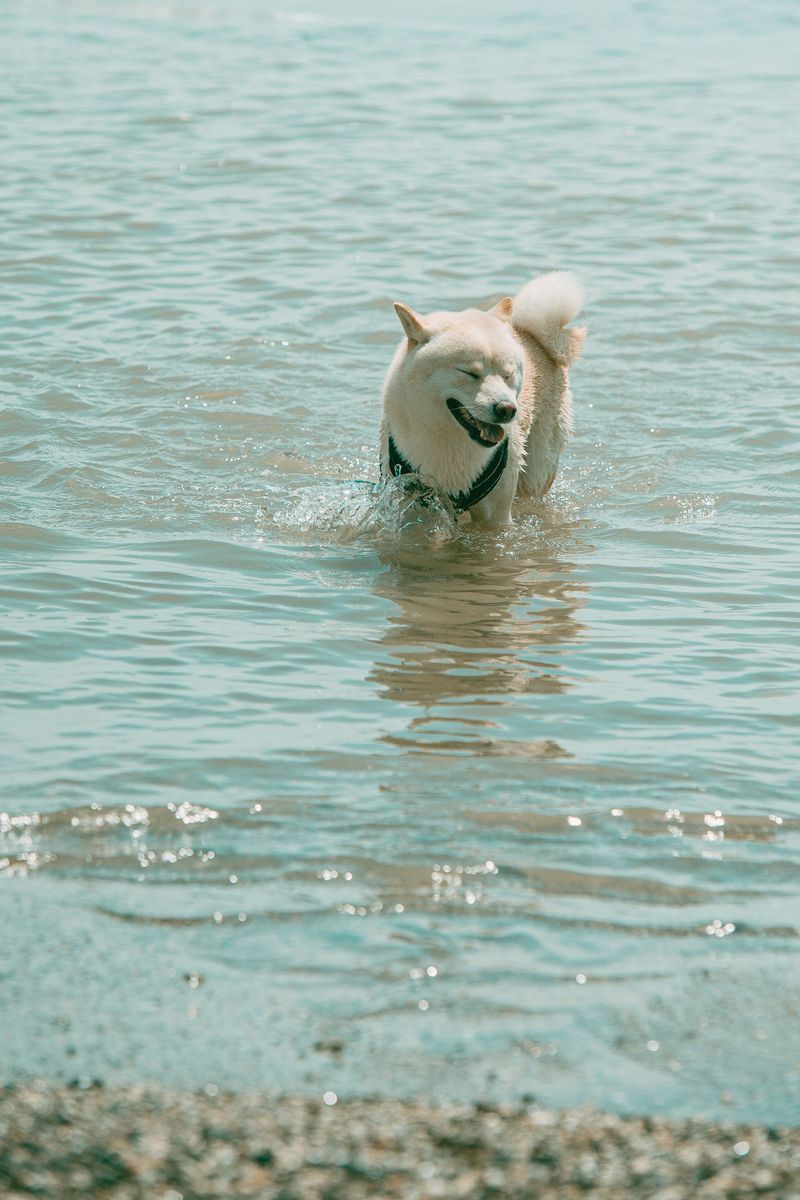
A quick freshwater rinse removes lake residue, sand, and anything clinging to the coat. Do it after every swim, and especially after contact with algae, debris, or water you were unsure about.
Dogs groom themselves later, so what stays on the fur often ends up ingested.
Keep a jug of clean water and an old towel in the trunk. Dry the ears gently too.
19. Call the Vet Without Waiting
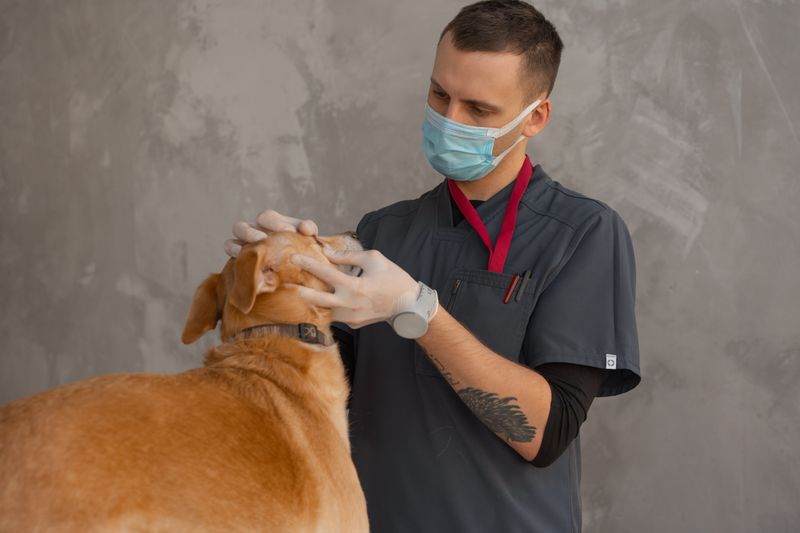
If your dog may have contacted a harmful algal bloom and later seems unwell, reach out to a veterinarian promptly.
Signs owners are told to watch for include vomiting, weakness, stumbling, or unusual drooling.
Mention where you were and what the water looked like, since that context helps. Save your clinic and the nearest emergency hospital numbers in your phone before beach season starts.
Quick action matters most.
20. Western Lake Erie Deserves Extra Attention

Michigan agencies identify seasonal harmful algal blooms in western Lake Erie as an ongoing concern, particularly in warmer months.
Monitoring efforts there track bloom conditions and share updates with the public through state and federal channels.
If you live near Monroe County or plan a trip that direction, check the latest bloom information first. Conditions change week to week, so recent updates beat last summer’s memory every time.