What South Carolina Dog Owners Should Know Before Taking A Dog On A Coastal Ferry

A ferry ticket can get you across the water, but it does not always get your dog aboard. Along South Carolina’s coast, pet rules can change between boats, landing spots, and protected islands.
Sorting out those details early saves you from a disappointing dockside surprise. With a little planning, you can choose a crossing that suits your dog and enjoy those salty breezes together.
1. Check the Ferry’s Pet Policy Before Planning Your Trip
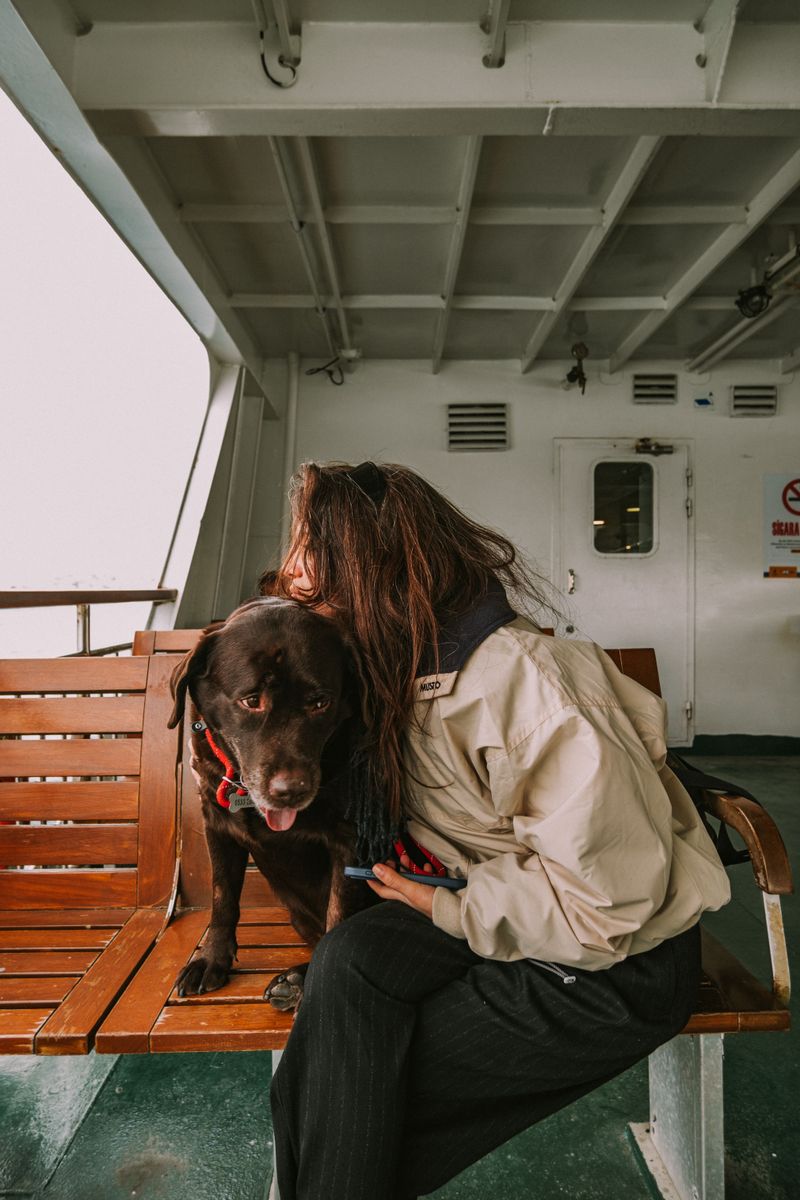
One quick phone call can save a whole morning of backtracking. Before booking anything, check the actual ferry operator’s current pet policy, not an old travel post.
Ask about size limits, carriers, leash rules, and any trips that exclude pets. Tell staff your dog’s size and needs so there are fewer surprises.
Save the answer or policy page on your phone. Recheck before departure, especially if your sailing changes to another boat at the last minute.
2. Confirm Whether Dogs Need Their Own Tickets
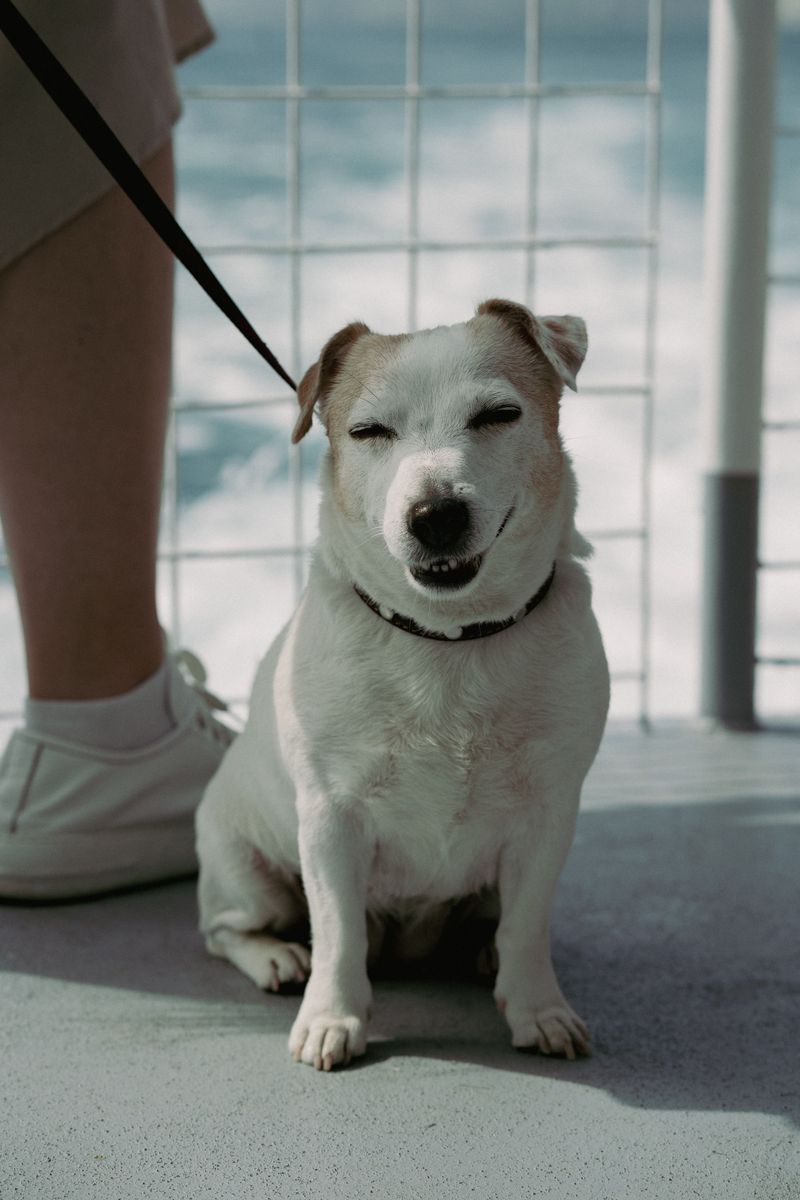
Your ticket may cover only the human holding the leash. Some operators carry pets without a charge, while others require payment, advance notice, or limited pet reservations.
Ask whether your dog needs a separate booking for both directions. Check cancellation terms before paying, especially when weather could change your plans.
Keep confirmation details handy at boarding. Never assume that a small dog rides free simply because you can carry it comfortably in your own arms.
3. Understand South Carolina’s Coastal Ferry Options
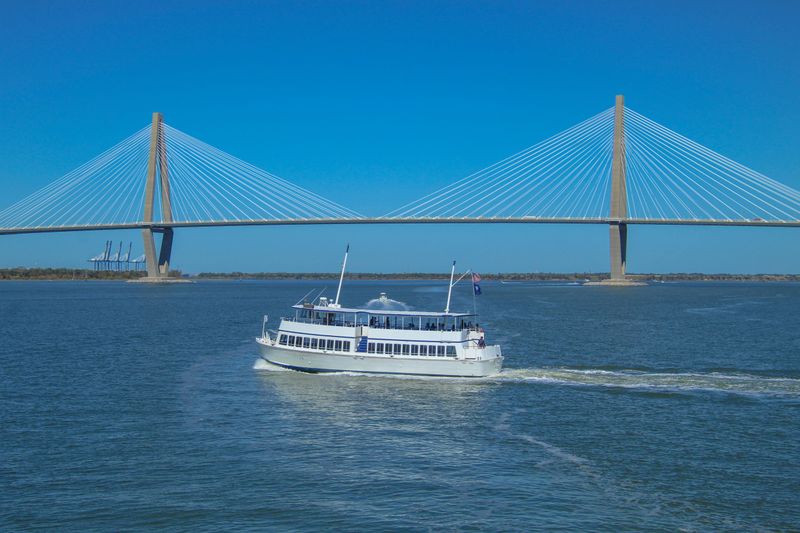
Not every coastal boat works like a floating highway. South Carolina has scheduled passenger ferries, private water taxis, and nature excursions with very different rules.
Compare the departure dock, crossing time, seating, and destination before choosing. A sightseeing trip may not allow you to leave early or explore independently.
Check return arrangements carefully, too. Your best match is a service that welcomes your dog and fits the day you actually want, rather than the shortest crossing.
4. Check the Rules for the Daufuskie Island Ferry
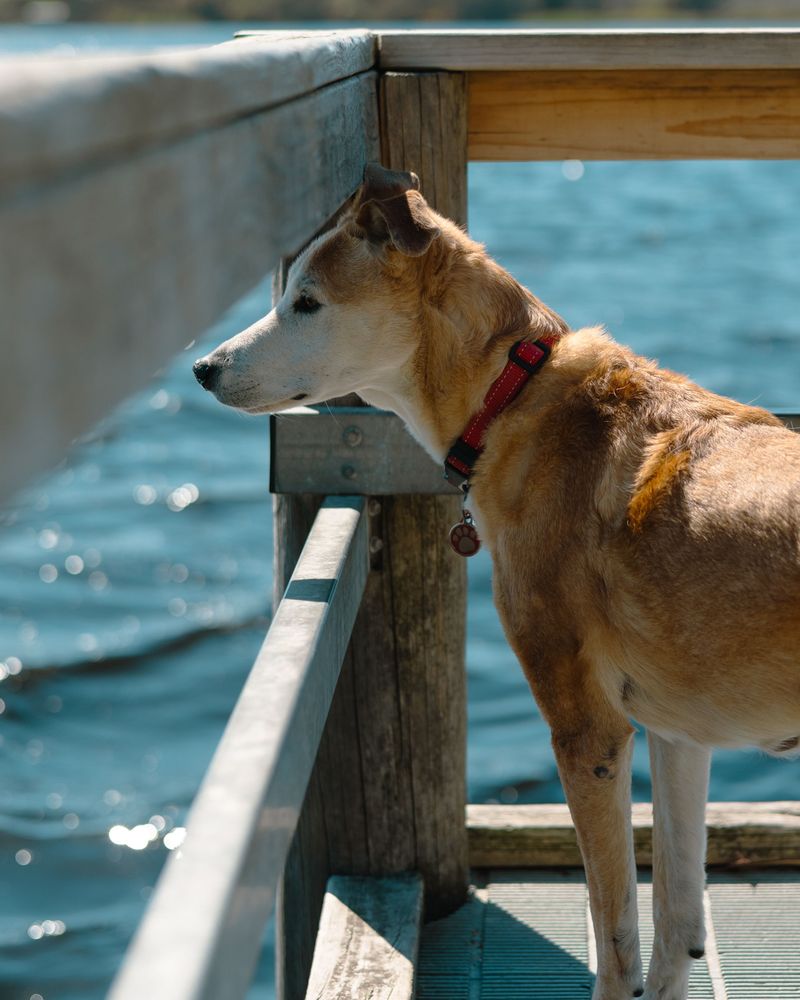
Daufuskie Island takes a little more planning than a quick hop across town. The Daufuskie Island Ferry permits leashed dogs, but confirm current conditions directly before booking.
Verify the departure location instead of trusting an older map listing. Ask where your dog can sit and whether any fees apply.
Arrange suitable island transportation, too. A dog welcome aboard the ferry is not automatically welcome in every rental cart, shuttle, restaurant, or property you might visit afterward.
5. Ask About Dogs on the Bulls Island Ferry
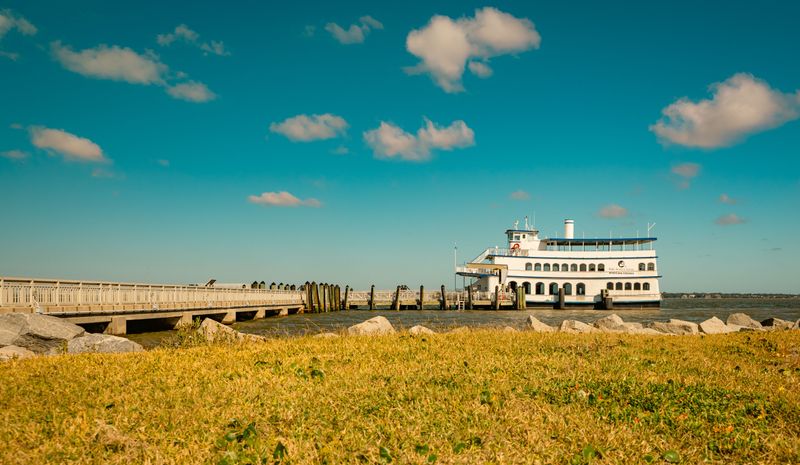
Bulls Island is a wildlife outing, not a regular dog outing. The island lies within Cape Romain National Wildlife Refuge, where pets are prohibited.
The Bulls Island Ferry leaves from Garris Landing near Awendaw. Confirm current operator guidance, but do not plan to bring a pet along.
Service animals have separate access considerations, so discuss those needs directly. For a day with your dog, choose another destination rather than expecting an exception once you reach boarding.
6. Choose a Ferry Time That Suits Your Dog

A quieter sailing can feel like a gift to a nervous pup. Ask staff which departures usually have fewer passengers and less waiting around.
Earlier trips may offer cooler conditions, although shade and weather still matter. Build in time for parking, check-in, and a relaxed sniff before boarding.
Avoid squeezing the crossing between stressful errands. Choose a return time that leaves breathing room, rather than betting your entire day on catching the final boat back home.
7. Prepare Your Dog for the Sound of the Boat
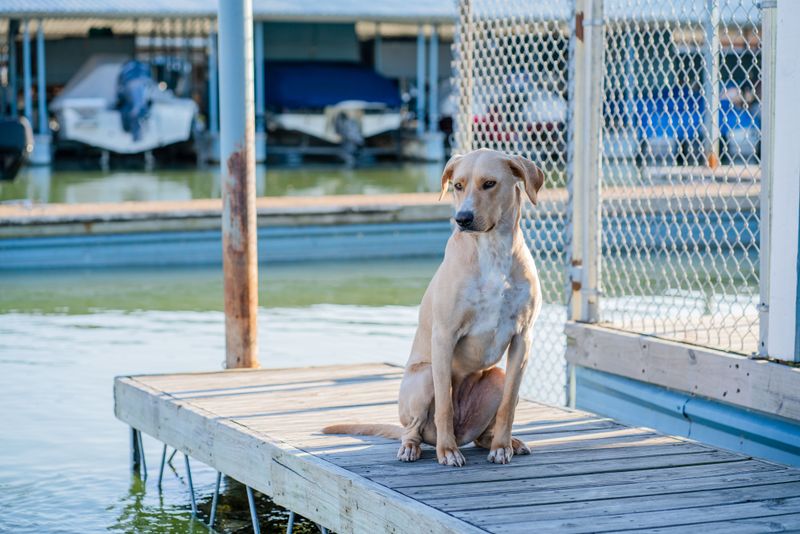
Engines rumble, lines creak, and boarding ramps make unfamiliar sounds. Give your dog gentle practice before expecting calm behavior beside a working ferry.
Visit a marina where dogs are allowed, staying well away from active boarding areas. Reward relaxed attention and leave before your dog feels overwhelmed.
Quiet boat recordings at home may help when introduced gradually. Never force your dog closer to noise.
Confidence grows through small wins, not one giant test at the dock.
8. Keep Your Dog Secure During Boarding
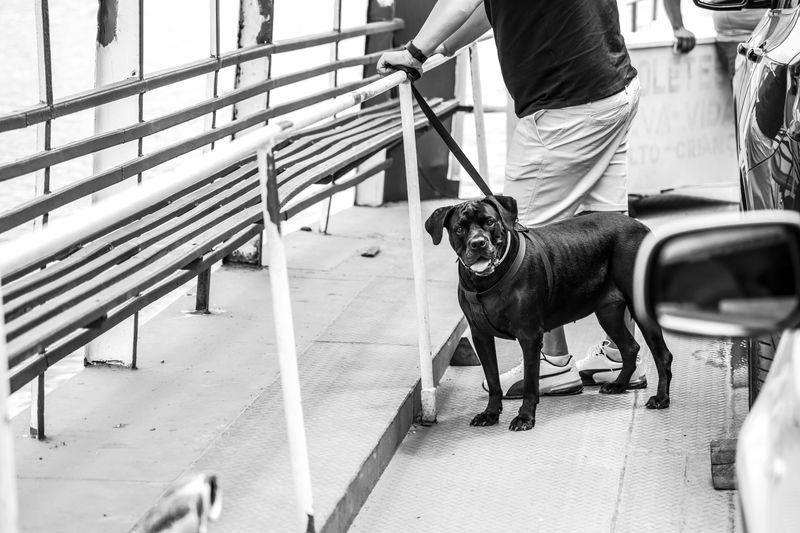
The gangway deserves your full attention, even when the view steals the show. Wait for crew instructions and give other passengers plenty of space.
Keep your dog close without pulling them across unfamiliar surfaces. Watch for gaps, slippery patches, and changes in ramp angle as tides shift.
Ask staff before carrying a nervous dog or using another boarding method. Keep one hand available for balance, and avoid juggling your phone, bags, and leash all at once.
9. Bring a Well-Fitted Harness and Leash
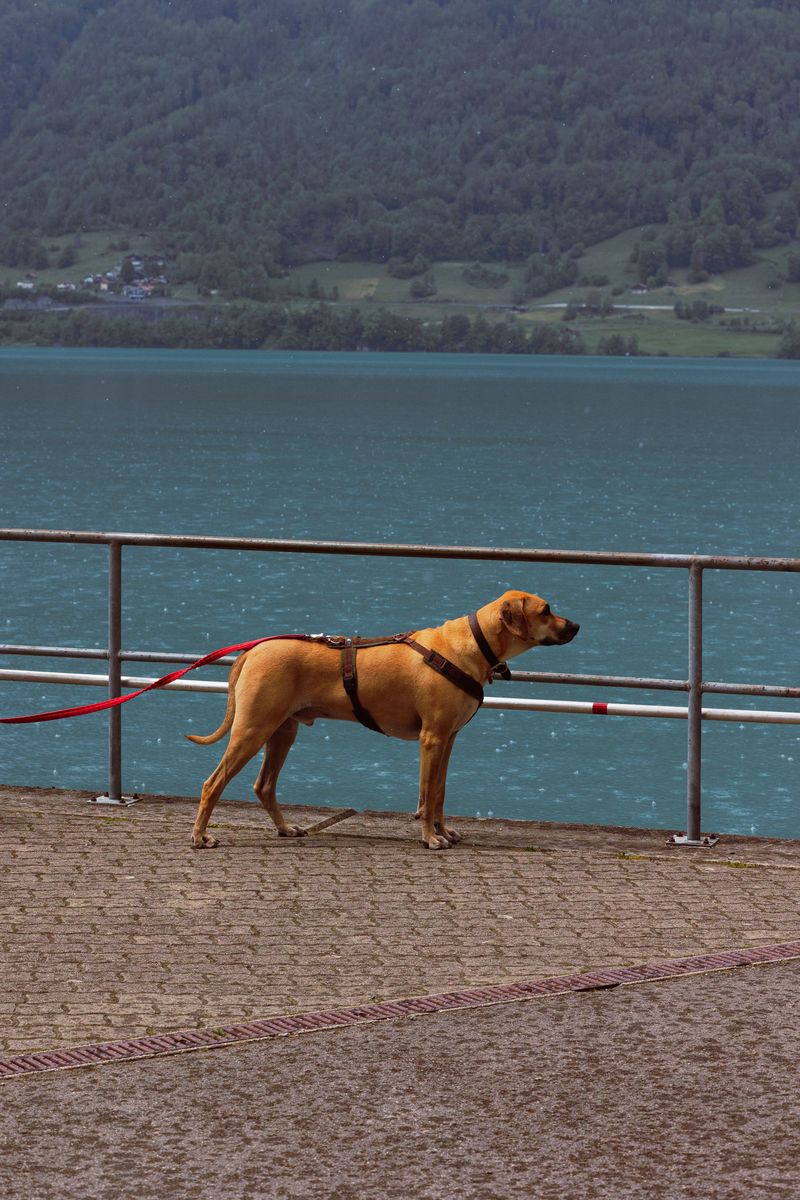
A secure fit matters more than a nautical outfit. Choose a harness your dog cannot easily back out of, plus a sturdy, fixed-length leash.
Check buckles, stitching, and attachment points before leaving home. Keep identification tags attached and make sure your microchip contact details are current.
Leave retractable leashes packed away around docks and passengers. A canine life jacket adds flotation if properly fitted, but it never replaces close handling or the ferry operator’s safety instructions.
10. Protect Your Dog From Heat on Outdoor Decks
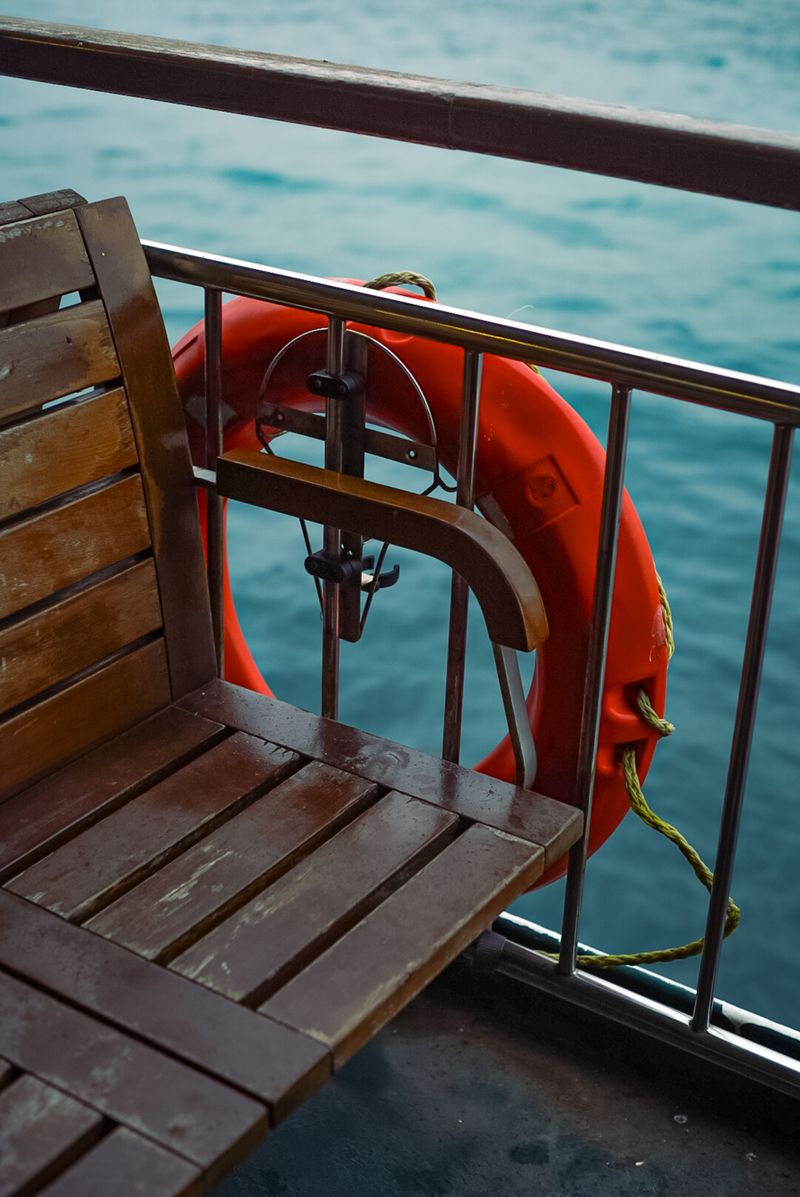
Ocean breezes can fool you about the heat beneath your shoes. Sunlit docks and decks may become uncomfortable for paws, even beside cool water.
Seek shade, offer fresh water, and bring a light mat for resting. Ask about covered seating before choosing a warm-weather departure.
Heavy panting, weakness, or unusual drooling means your dog needs prompt help. Alert the crew and seek veterinary guidance.
Flat-faced dogs and those with health concerns may need a cooler plan.
11. Know Where Your Dog Can Stay During the Crossing

Your favorite seat might not be an approved pet spot. Ask whether dogs must remain outside, stay in carriers, or use a particular seating area.
Follow crew directions even when another passenger suggests something different. Keep paws off seats unless the operator clearly allows otherwise.
Settle where your dog will not block aisles, doors, or safety equipment. If rain arrives, ask staff about options rather than moving into a restricted cabin without permission during the crossing.
12. Watch for Seasickness and Motion Anxiety
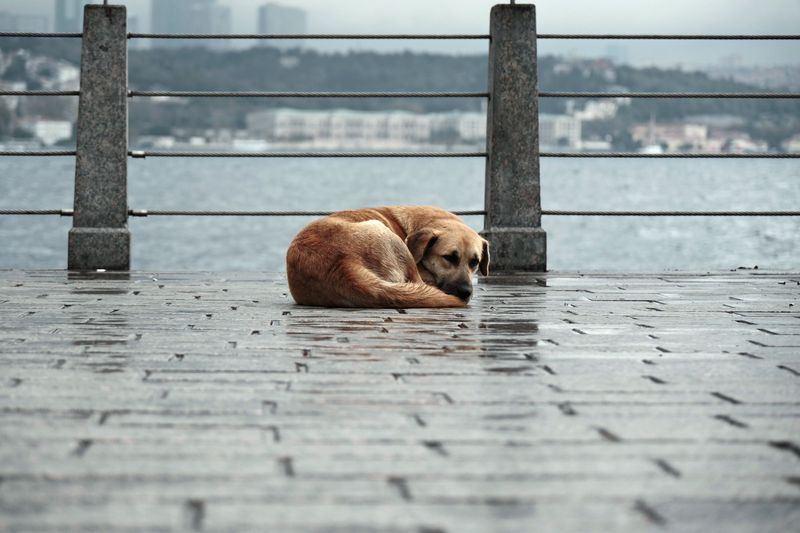
Lip licking and restless pacing can mean more than excitement. Some dogs feel queasy on moving boats, while others struggle with unfamiliar motion or crowds.
Talk with your veterinarian before travel if your dog has a history of either problem. Ask about meal timing and suitable treatment.
Never share human motion medicines without veterinary instructions. During the crossing, report concerns to the crew and keep your dog in an approved, comfortable location away from busy walkways.
13. Pack Water, Waste Bags, and Familiar Supplies

A small bag can solve a surprising number of dockside puzzles. Pack fresh water, a bowl, waste bags, a towel, and any prescribed medication.
Add a familiar mat if space allows, plus a few treats your dog already tolerates. Salt water is not a safe drinking source.
Carry enough supplies for delays instead of counting on island shops. Keep essentials within reach, not buried beneath luggage.
Your dog’s favorite practical comforts earn their passage today, too, captain.
14. Keep Your Dog Away From Railings and Open Edges
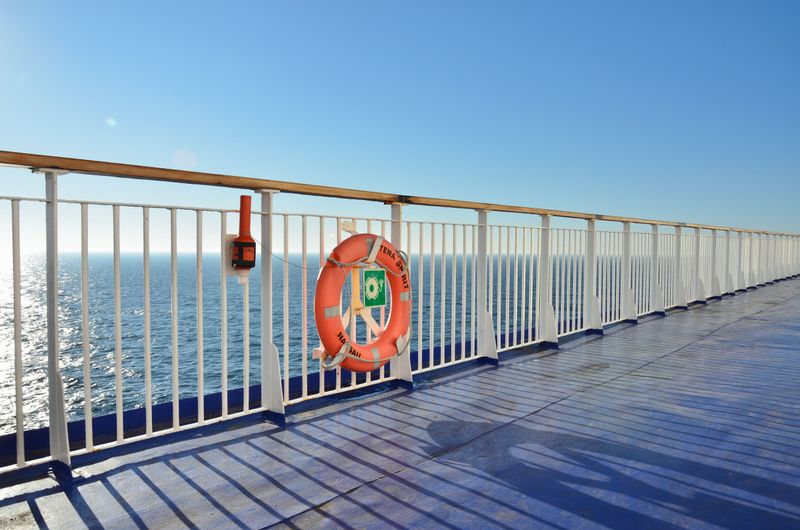
That passing dolphin is exciting, but the railing is not a viewing perch. Keep your dog well inside the deck and away from openings.
Never lift a dog onto a rail or let them lean through gaps. Hold the leash yourself rather than tying it to boat fittings.
Choose a settled position with safe footing and follow crew instructions if conditions change. Photos can wait until your dog is secure.
A boring safety routine deserves applause.
15. Plan Bathroom Breaks Before and After the Ride

A sniff stop before check-in is time well spent. Many passenger ferries have no dog relief area, so plan around the full journey.
Include parking, boarding, crossing, and arrival delays when judging your dog’s comfort. Find permitted bathroom spots near both terminals before leaving home.
Pick up every time and use proper bins, never the water. Puppies, older dogs, and dogs with medical needs may require shorter outings or another travel option that better suits them.
16. Check Island and Wildlife Restrictions Before Arriving
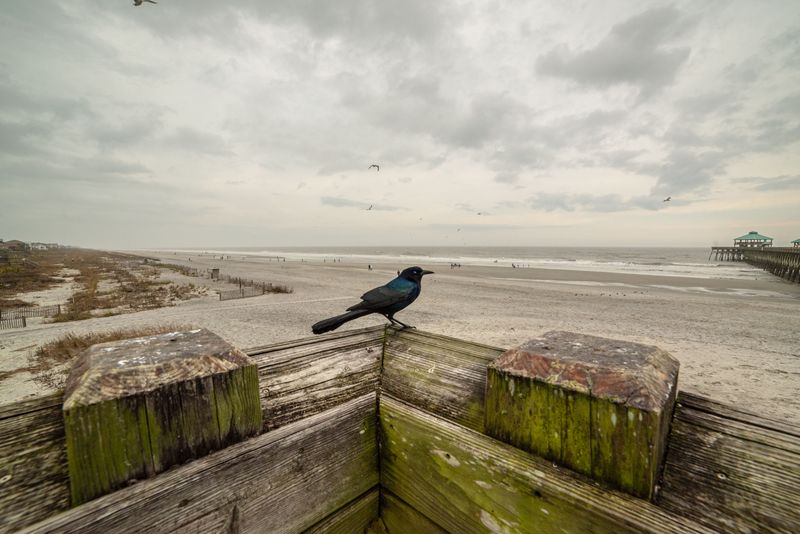
A welcome aboard does not mean access everywhere ashore. Beaches, preserves, restaurants, and rental properties can each set different rules for visiting dogs.
Check official destination guidance for seasonal hours, leash requirements, and protected wildlife areas. Follow posted closures, including nesting areas and dune protections.
Keep your dog away from birds and other wildlife, even when curiosity seems harmless. Map out legal walking routes beforehand so your island day includes places your dog can genuinely enjoy safely.
17. Have a Backup Plan if Your Dog Cannot Board

Sometimes the kindest choice is staying on solid ground. Weather, boat changes, crowding, or your dog’s comfort can upset even careful plans.
Save a nearby dog-friendly walk and understand your booking’s change terms. Never leave your dog unattended in a parked vehicle while you sail.
If boarding does not work, take a breath and switch plans. The best coastal day keeps both of you comfortable.
Pack thoughtfully, check the rules, and let the leash lead somewhere lovely.