What Tennessee Dog Owners Should Know About Snakes And Wildlife In The Smokies And Beyond
If you hike, camp, or walk your dog in Tennessee, wildlife is part of the experience. Most encounters stay calm when owners know what to watch for and how to respond.
From common snakes to bears, deer, and ticks, a little local knowledge goes a long way. Think of this as friendly trail advice that helps you and your dog enjoy the outdoors with more confidence.
Learn the snakes, not just the fear
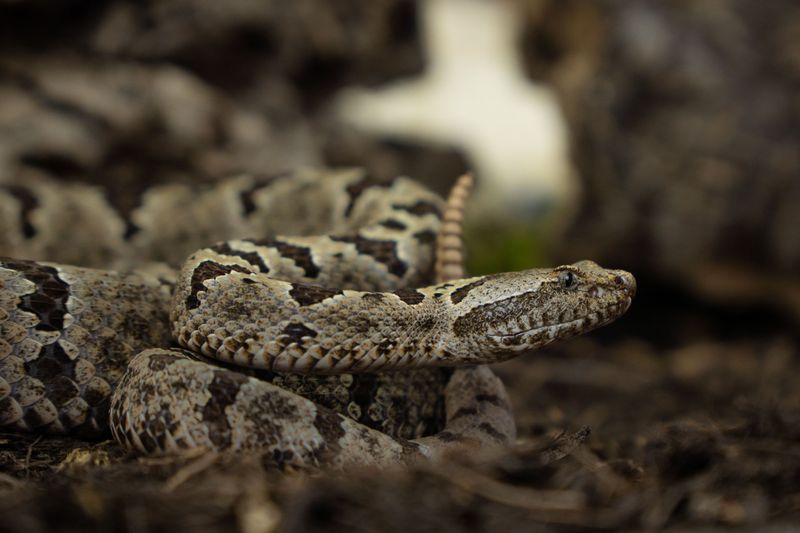
One quick look can save a lot of stress outdoors. Tennessee has many harmless snakes, plus venomous copperheads, timber rattlesnakes, cottonmouths, and pygmy rattlesnakes.
Learning colors, body shapes, and habitat clues helps you respond faster when your dog notices movement nearby.
Most snakes want space, not trouble. Still, never let your dog chase, nose, or bite any snake.
If you cannot identify one, treat the situation carefully, step back, and move on without trying for a look.
Copperheads blend into everyday places
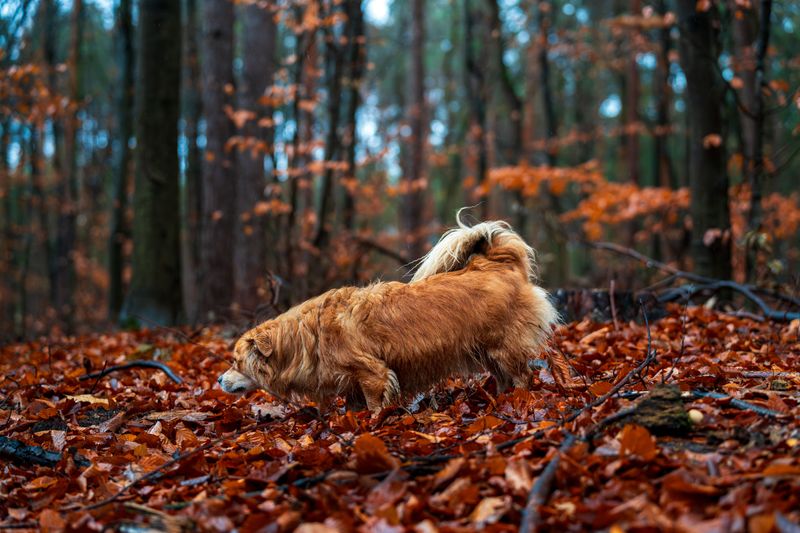
Leaf litter can hide a copperhead almost perfectly. In Tennessee, these snakes often rest near woods, rocky slopes, brush piles, creek edges, and even yard borders.
Dogs that sniff every corner may get too close before you notice.
Stay especially alert in warm weather and shaded spots. Walk around leaf piles.
If your dog freezes, stares, or sniffs hard at the ground, call them back and check ahead before moving on with your own eyes.
Rattles mean back up, not investigate
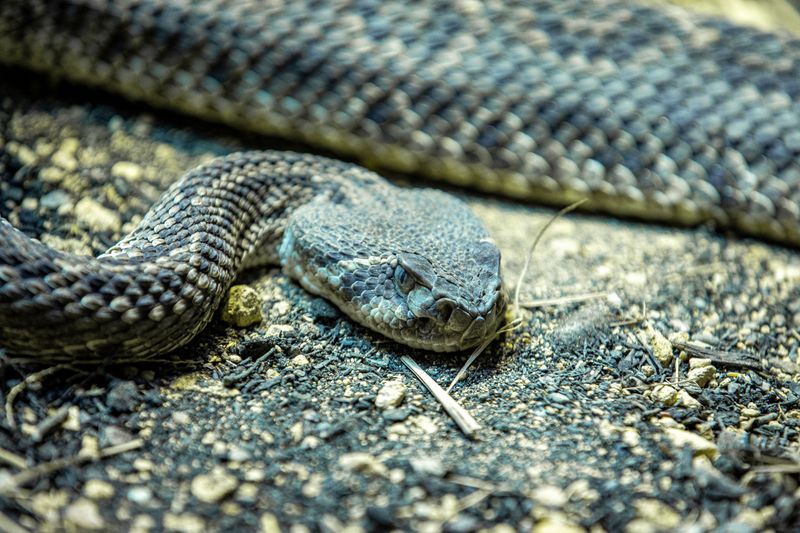
A sudden rattle should stop a walk in its tracks. Timber rattlesnakes live in parts of Tennessee, especially in some mountain and forest areas.
The sound is a warning, so your job is simple, get your dog away calmly and give the snake room.
Do not let curiosity take over. Shorten the leash, back up slowly, and choose another path.
Most problems start when a dog rushes closer, so distance is your safety tool outdoors.
Near water, think cottonmouth country
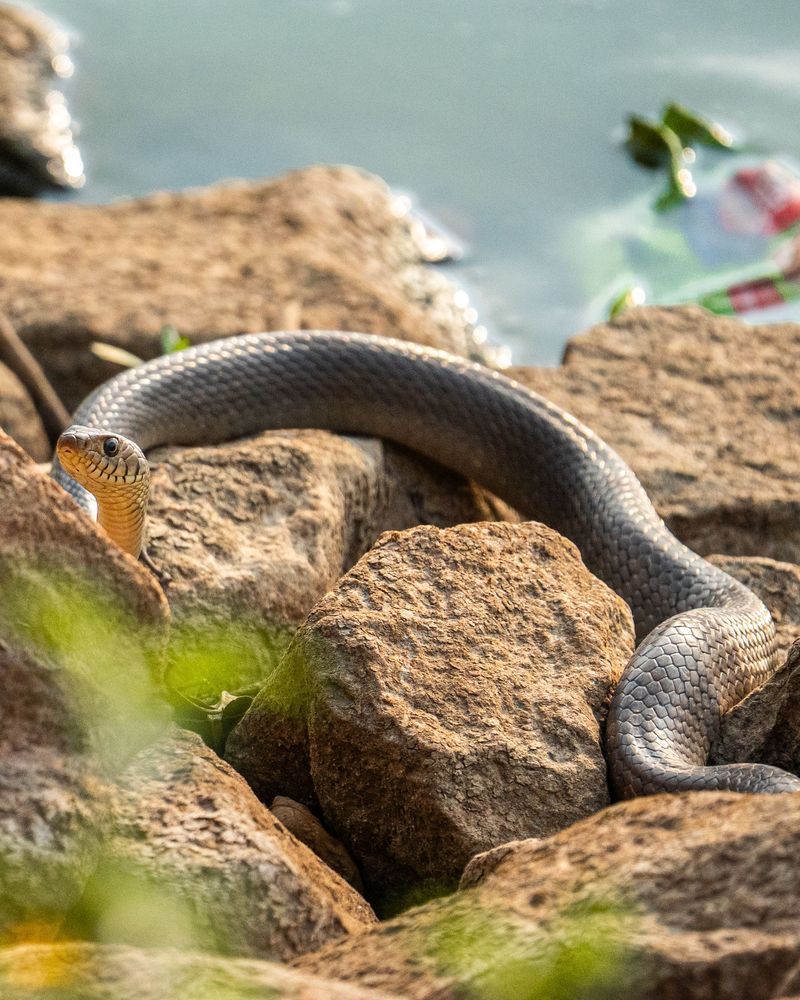
Water brings extra things to watch, including cottonmouth habitat. In Tennessee, cottonmouths are most linked with wetlands, ponds, slow streams, marshy edges, and thick cover near water.
Dogs often investigate logs, rocks, and brush there, which can bring an unwelcome surprise.
Keep your dog close when paths run near the bank. Skip games that send them into dense shoreline plants.
A little leash control near water can prevent a fast, stressful wildlife encounter for everyone.
A short leash gives you real control
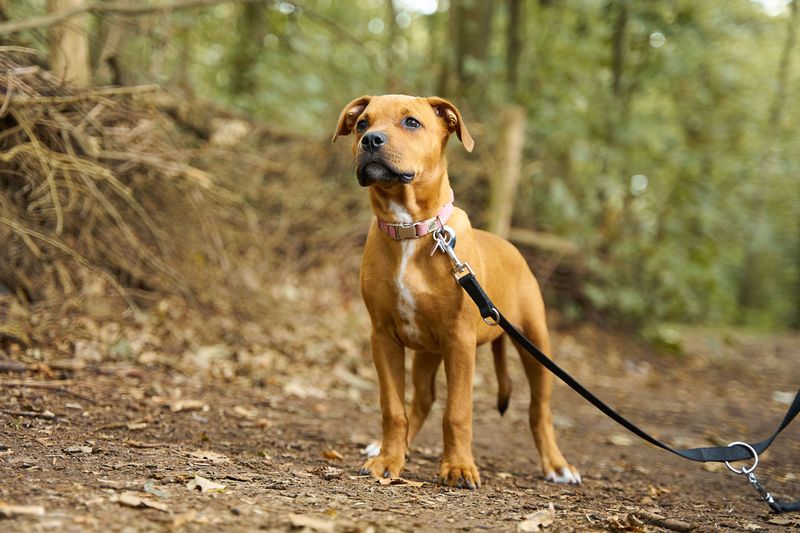
Trail manners matter more than many owners expect. A shorter leash gives you quicker control near tall grass, fallen trees, rocky edges, wildlife, and steep ground.
Carry a leash even on dog-friendly trails, because surprises happen fast and voice control is not always enough.
Think of the leash as a safety belt, not a punishment. It helps you guide your dog away from danger, other hikers, and hidden hazards.
Control keeps walks relaxed for everyone.
Practice leave-it before you need it
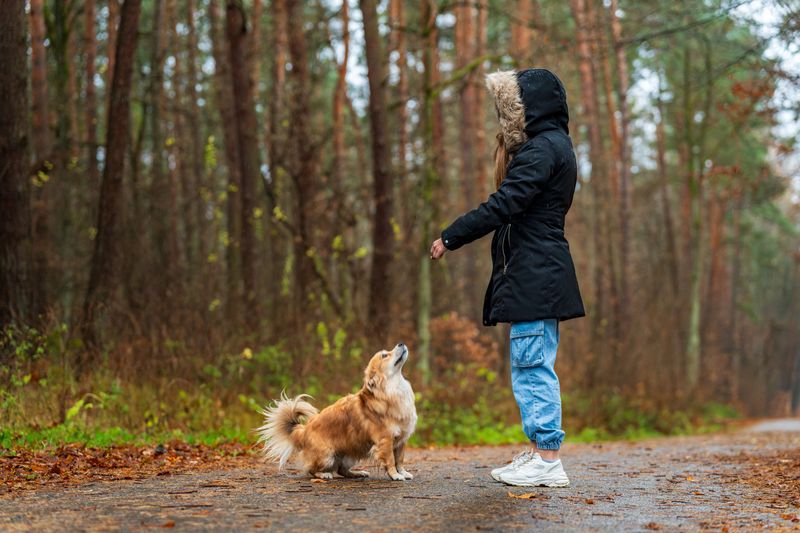
Few cues are more useful outside than leave it. A solid response can stop your dog from rushing toward snakes, feathers, food scraps, or moving animals.
Start indoors with treats, then practice in the yard before trying it on trails.
Make the lesson calm and repeatable. Reward fast turn-backs and eye contact.
As your dog improves, add mild distractions first. Reliable practice builds a habit you can trust when something suddenly appears beside the path.
Watch the nose, and skip thick brush
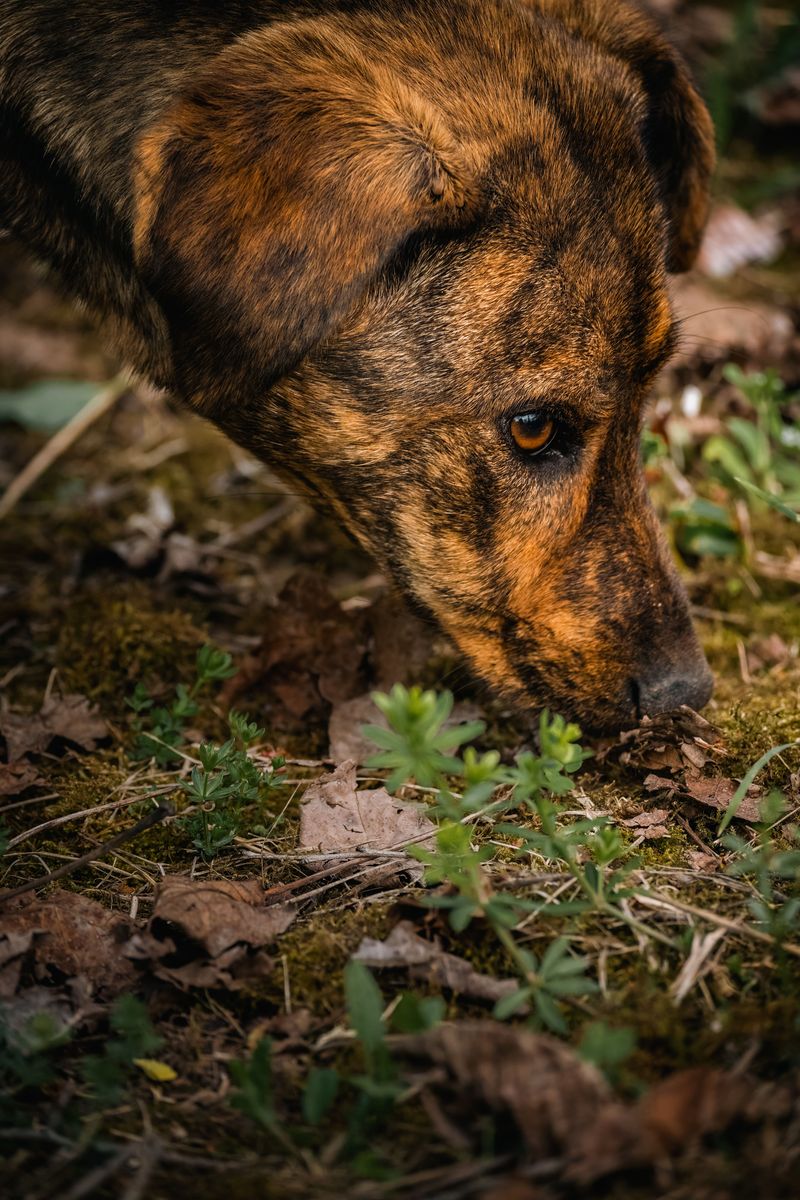
A dog’s nose loves hidden places, and that is where trouble can sit. Snakes, ticks, holes, and small animals may shelter under logs, between rocks, inside brush, or beneath leaf piles.
Dense cover also makes it harder for you to read the ground.
When your dog locks onto a scent, pause before following. Keep them on the trail when possible.
If brush is thick, call them back and choose a route with clear sight lines.
Give every wild animal a way out
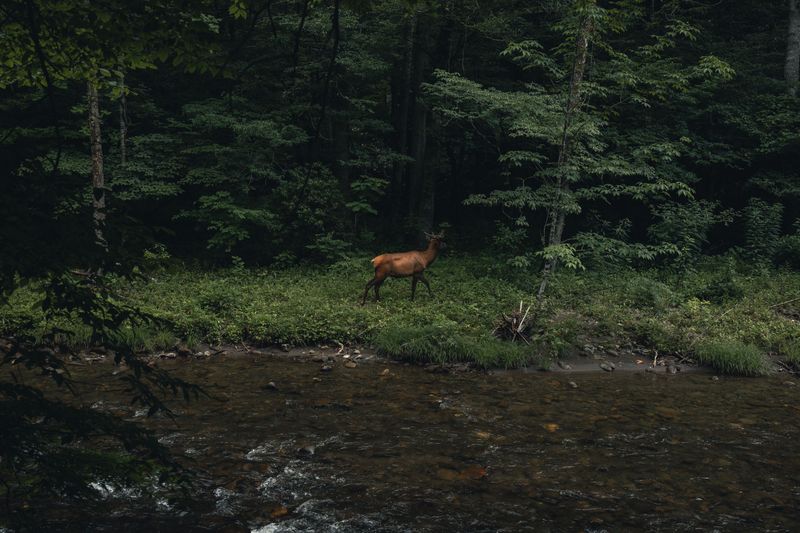
Wildlife usually settles down when it has room to leave. Snakes, bears, deer, and many smaller animals become more defensive when a dog corners them or blocks their path.
Your calm reaction can lower tension quickly.
Create distance instead of testing what the animal will do. Turn your dog with the leash, speak softly, and move aside.
Giving an escape route protects your pet and respects the animal’s space too, for everyone in the moment.
Bears call for extra care in the Smokies
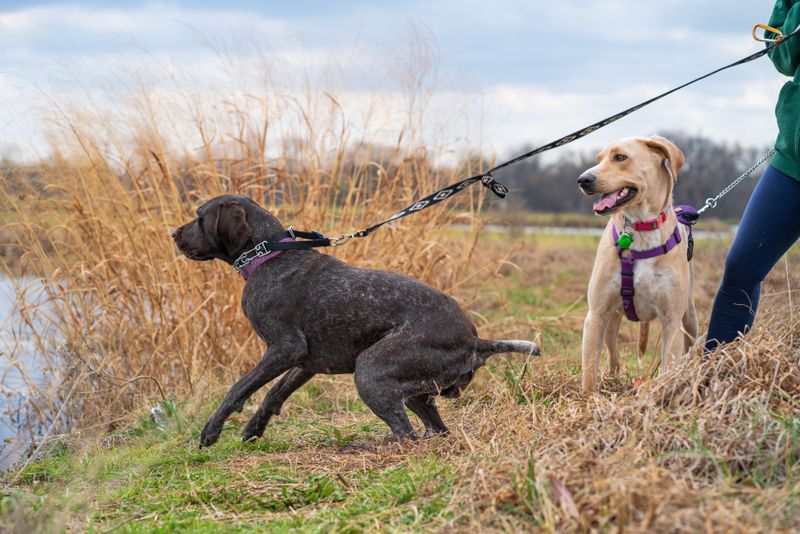
In the Smokies, black bears deserve your attention. They are a normal part of the ecosystem, not a photo stop for dogs.
Barking, chasing, or approaching can raise stress for both your pet and the bear.
Keep your dog leashed and close whenever bear signs or sightings appear. Never let your dog run ahead on blind turns.
If a bear is nearby, leave the area calmly and follow park guidance or ranger instructions if given.
Deer can hurt a dog without meaning to
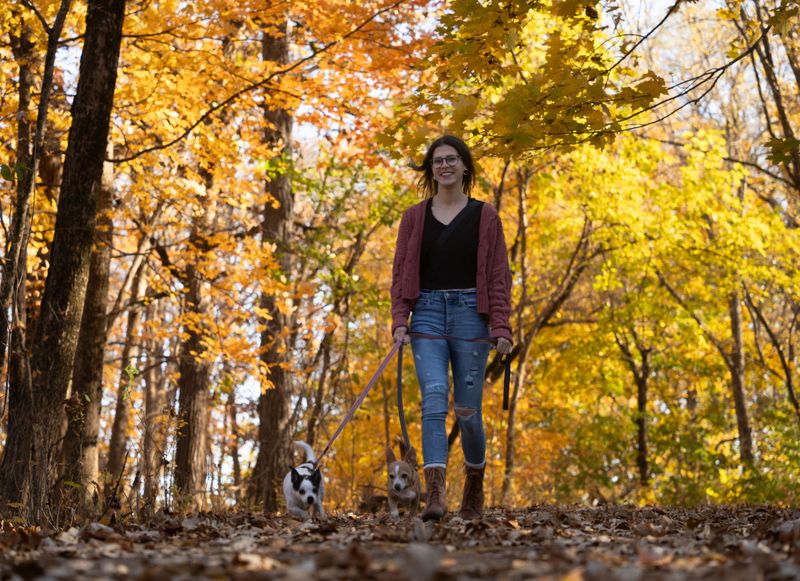
A deer can look calm one second and bolt the next. That quick change is why dogs should never chase deer on Tennessee walks.
A startled deer may kick, swerve, or pull a dog deeper into rough ground.
Wooded trails with limited visibility need extra care. Keep your leash short and scan ahead at dawn or dusk.
Preventing the chase is easier than trying to stop it once excitement takes over for many dogs.
Small wildlife can cause outsized problems
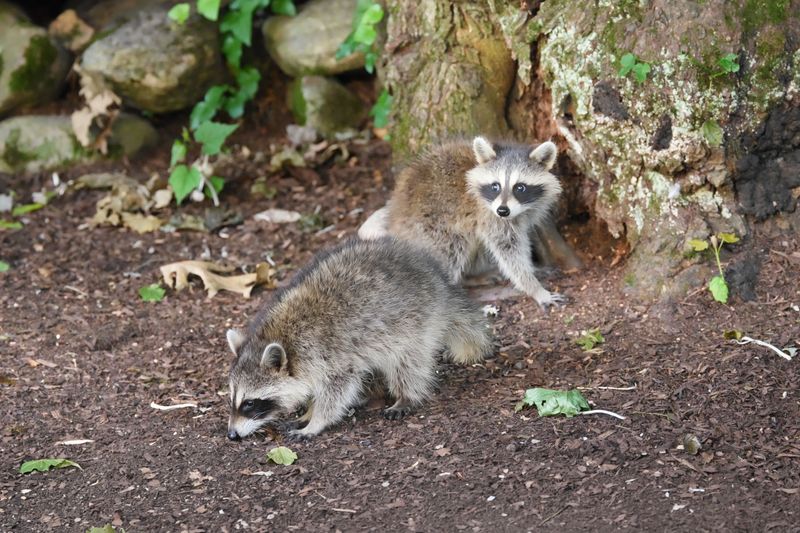
Small wildlife can create big cleanup jobs. Raccoons, skunks, porcupines, and similar animals may defend themselves with bites, scratches, quills, or spray when a dog rushes in.
Even a curious greeting can turn into an unhappy trip home.
Use the same rules you would with larger wildlife. Keep distance, interrupt staring, and guide your dog away early.
Quiet control works better than letting excitement build, especially around campgrounds, creeks, barns, and wooded yards in Tennessee.
Do a tick check after every forest walk
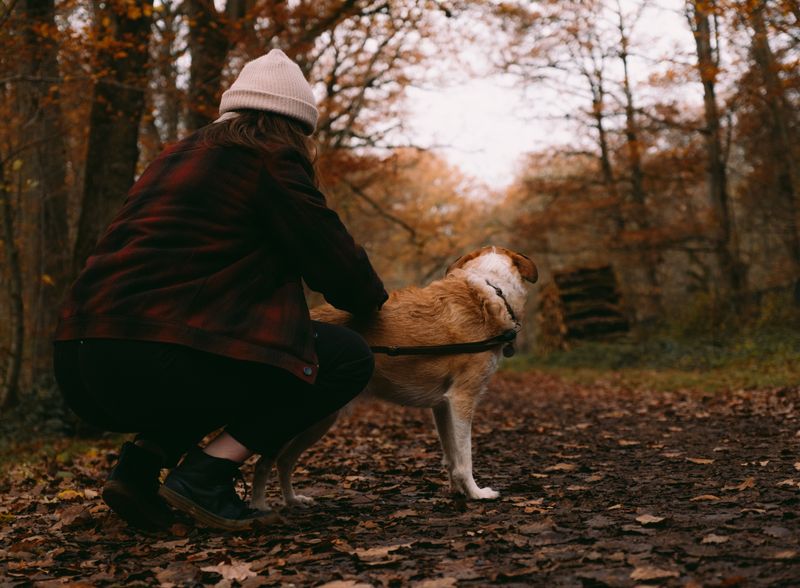
After a forest walk, the adventure is not quite over. Ticks are common in Tennessee woods, grassy edges, and overgrown spots.
They can hide in the coat, especially around the ears, neck, legs, belly, and between the toes.
Run your hands over your dog as soon as possible. Check carefully in good light and ask your veterinarian about reliable tick prevention for your area.
Fast checks help you catch hitchhikers before they become a problem.
Wildlife changes with the seasons, everywhere
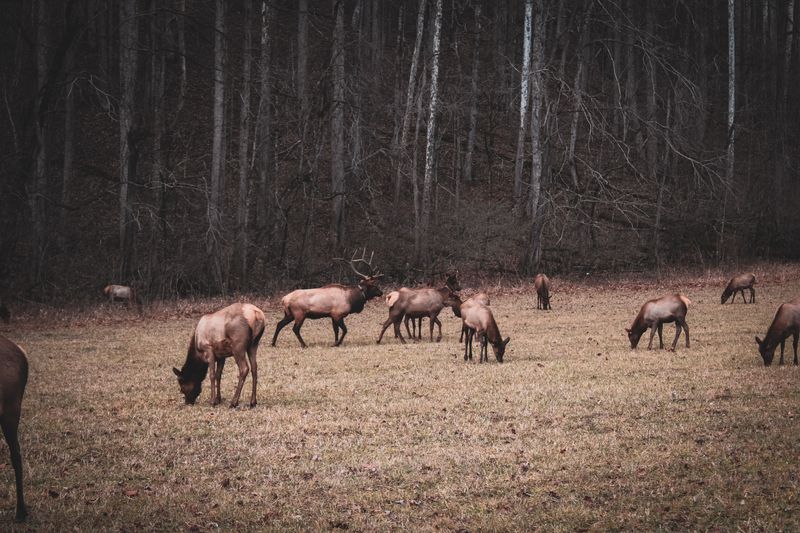
The woods change with the calendar, and wildlife does too. Warmer months often bring more snake activity, while food shortages, breeding seasons, or seasonal movement can change where other animals appear.
Smart owners adjust their habits instead of assuming every walk will feel the same.
News is simple. The same precautions work beyond the Smokies, across rural trails, creeksides, parks, and back roads, keep dogs close, watch the ground, and give animals plenty of room.
Know the right steps after a snake bite
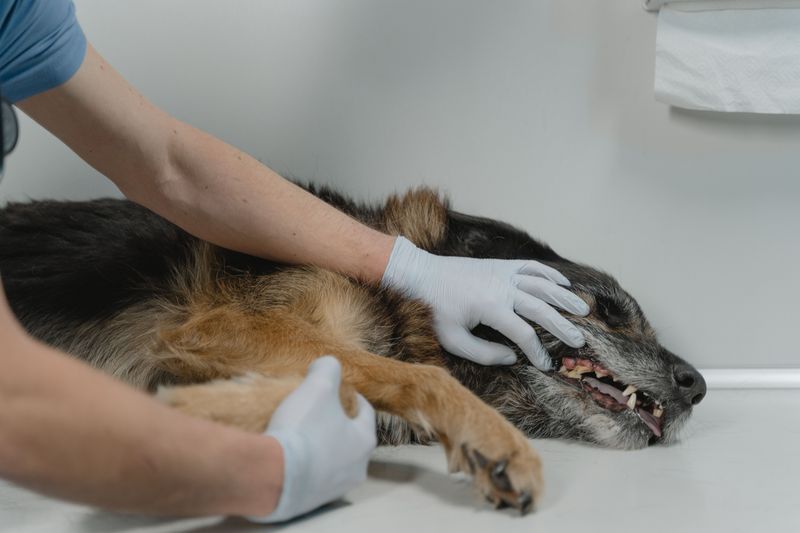
If you suspect a venomous snake bite, steady action matters most. Keep your dog as calm and still as you can, then contact a veterinarian right away.
Fast professional care is the safest next step.
Skip old home remedies, even if someone swears by them. Do not cut the wound, try to remove venom, or give treatment without veterinary direction.
If possible, note the snake’s appearance from a distance, then head to the clinic calmly.