What Washington Dog Owners Should Know About Mountain Goats On Alpine Trails
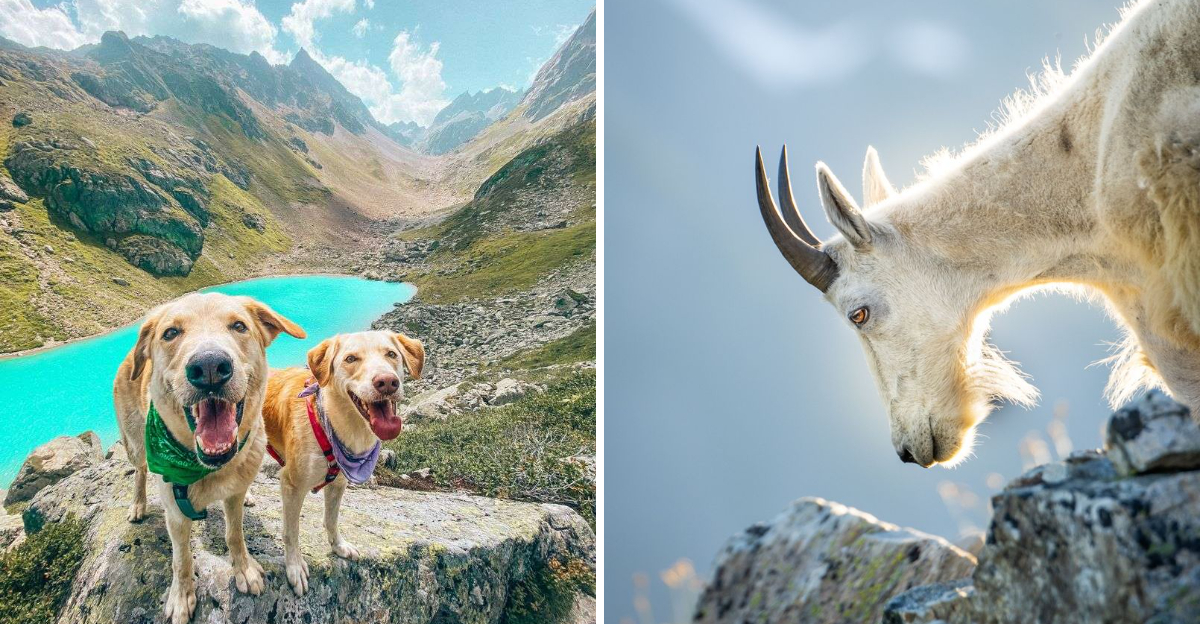
If your weekends involve high ridgelines, huckleberry meadows, and a happy dog on a leash, this one is for you. Washington’s alpine country is shared with mountain goats, and those white, sure-footed neighbors deserve plenty of room.
Most encounters end quietly when hikers know the basics ahead of time. Here is the practical, local-friendly guide to keeping your dog calm, your distance generous, and your alpine days easy for everyone on the trail.
Fifty Yards Is the Magic Number
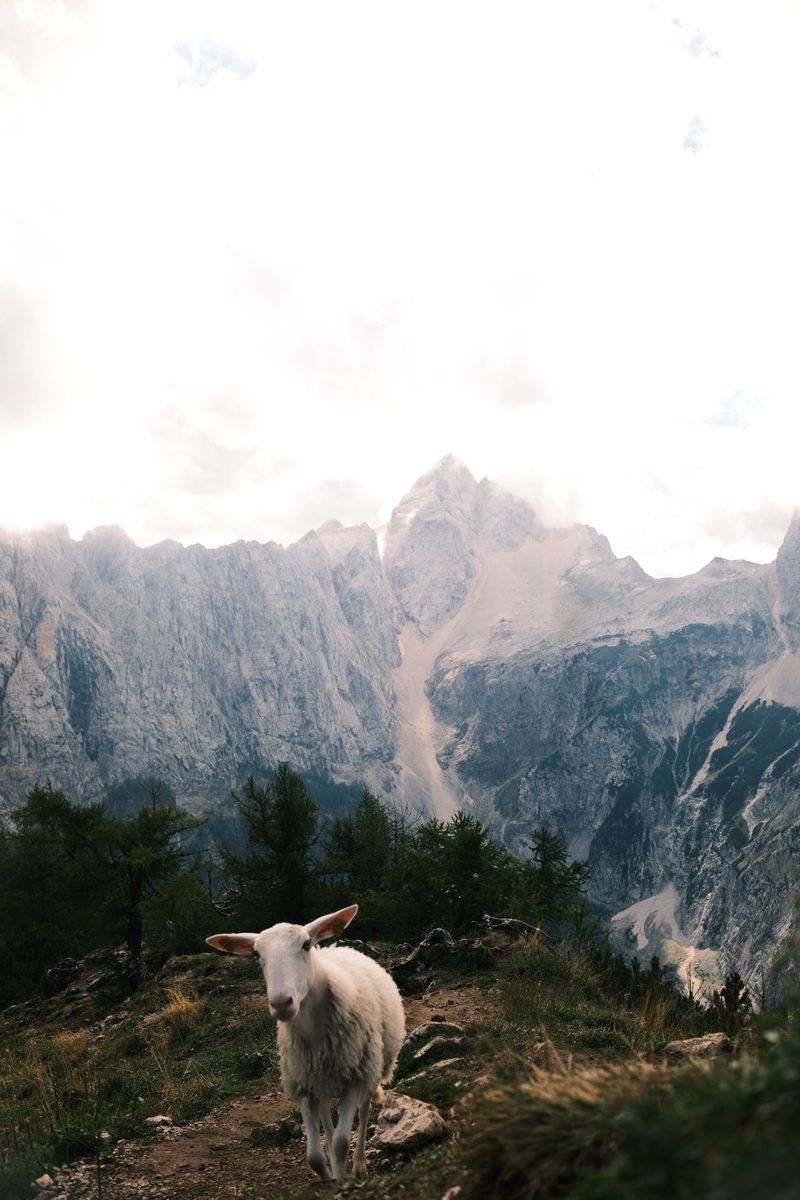
Wildlife officials in Washington suggest keeping roughly 50 yards, about 150 feet, between you and any mountain goat. Picture half a football field.
That buffer gives the animal room to relax.
Dogs shrink that comfort zone fast, since goats read canines as threats. If a goat lifts its head or stares, you are already close enough.
Step back, shorten the leash, and let the distance do the work for you.
Sometimes the Kindest Choice Is a Day Off
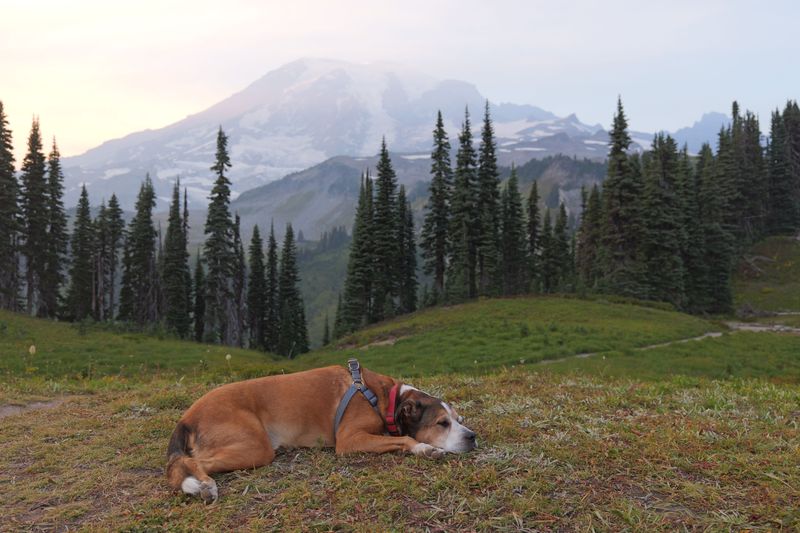
Washington Department of Fish and Wildlife advises leaving pets at home in known mountain goat country. That guidance is not a scolding.
It reflects how strongly goats react to dogs.
Places like the Enchantments, Goat Rocks, and high Olympic ridges see steady goat activity all summer.
Your dog will not mind a backyard sniff session or a river walk instead. Save the goat terrain for solo trips.
Chasing, Barking, and Cornering Are Off the Table
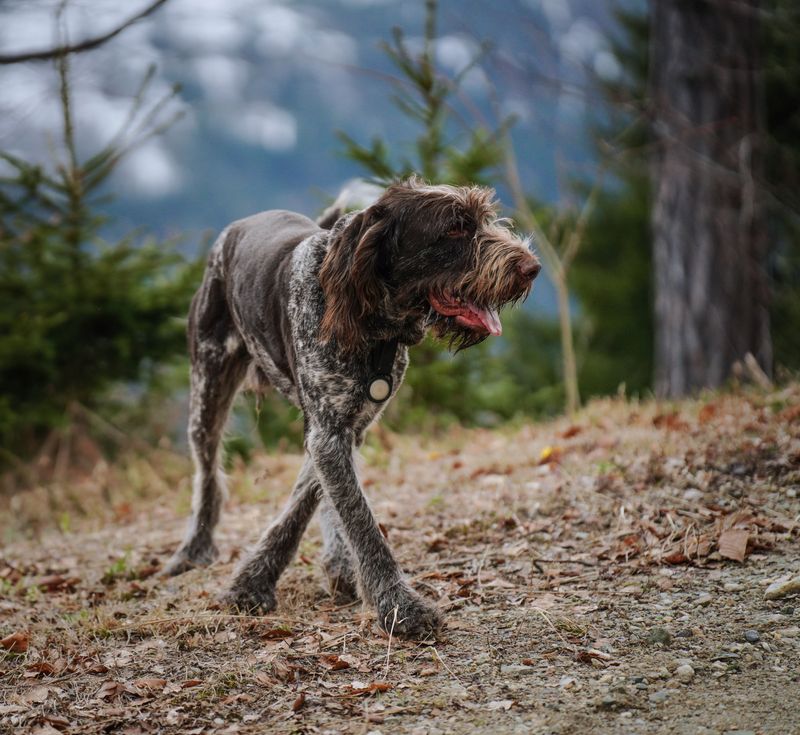
To a mountain goat, a barking dog looks like a predator with backup. Goats may respond defensively rather than fleeing, especially on narrow ground.
Harassing wildlife also runs against Washington rules on many public lands, and land managers take it seriously.
Redirect your dog early with a treat, a turn, or a firm cue. Quiet, boring behavior around wildlife is the goal every single time.
A Friendly Looking Goat Is Still Wild
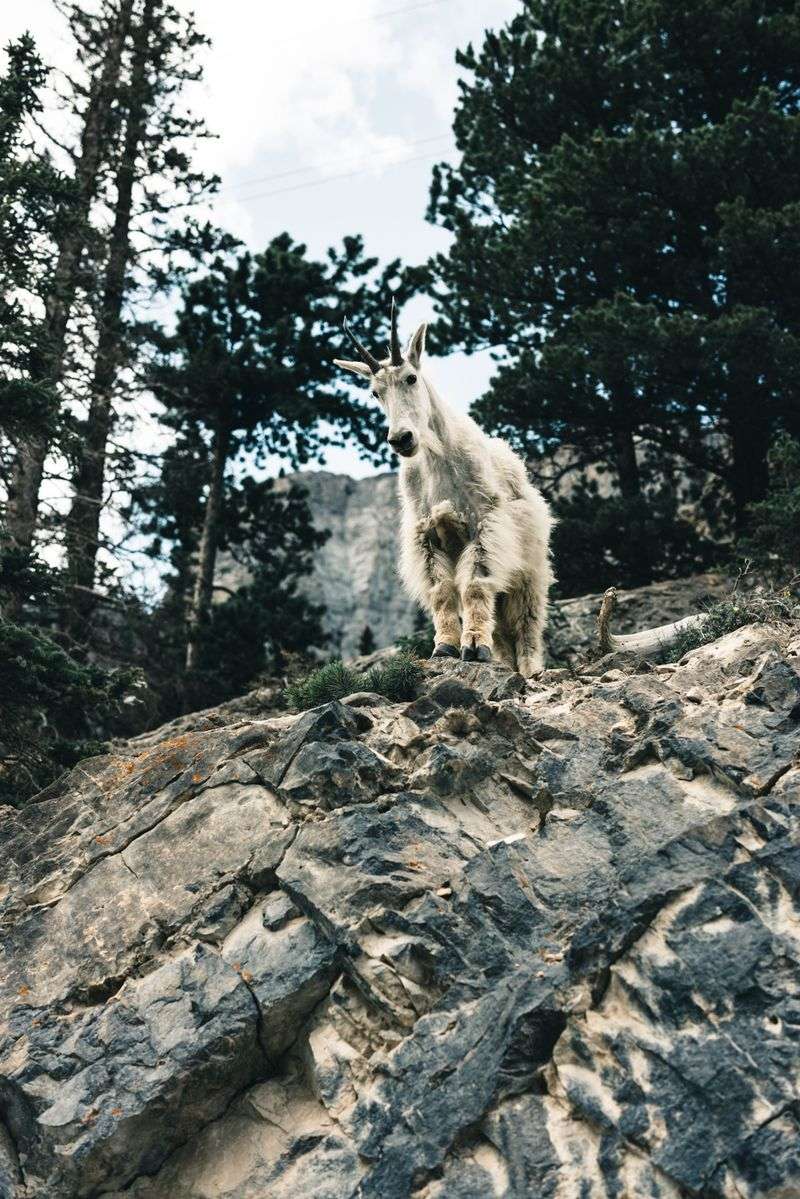
Some goats have grown used to people and barely blink when hikers pass. That calm is habituation, not friendliness.
Wild animals with horns and no fear of humans can behave unpredictably, particularly when a dog is present.
Treat every goat as unpredictable, regardless of how relaxed it seems. Skip the photos from close range, keep your dog behind you, and continue moving along at a steady, unhurried pace.
Salt Spots Are Goat Magnets
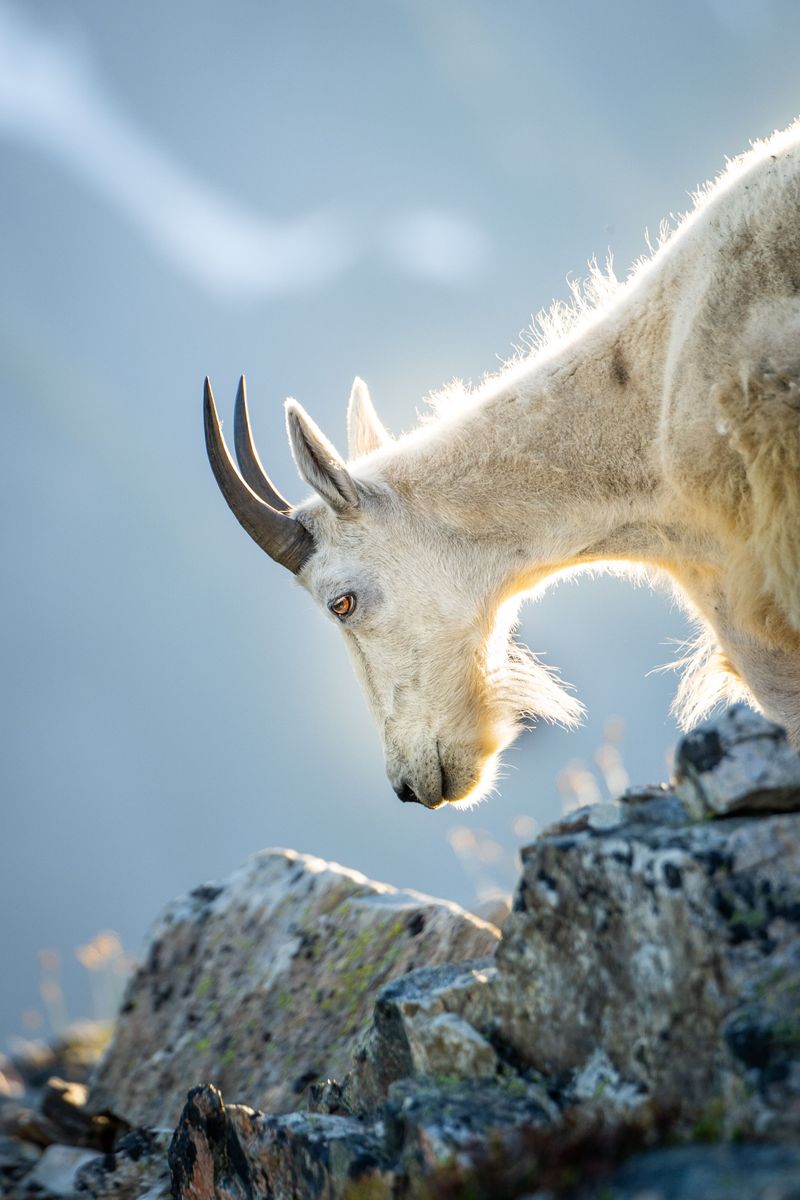
Mountain goats crave salt and minerals, and they will linger where hikers have sweated or relieved themselves. Trailside soil becomes a buffet.
Rangers recommend urinating at least 50 yards off trail, on rocks, or directly into moving water. Do the same for your dog when possible.
Avoid resting your pack, sweaty gloves, or your dog in those churned up patches of dirt.
Feeding Wildlife Helps Nobody
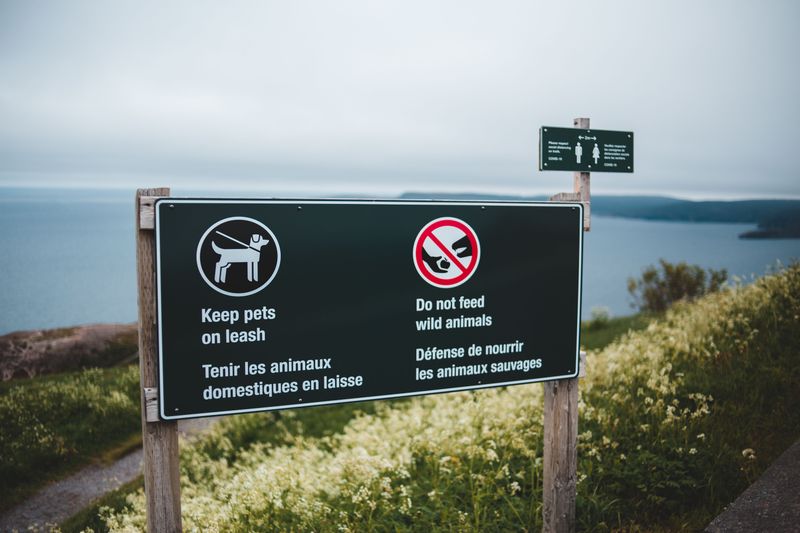
Tossing a snack toward a goat is prohibited across Washington public lands, and for good reason. Fed animals return, crowd trails, and lose their natural wariness.
That change puts dogs at higher risk during future encounters, since bold goats hold their ground.
Keep your granola in your pack and your dog’s kibble sealed. A goat that stays uninterested in humans stays a much safer neighbor.
Zip the Treat Pouch Before You Stop
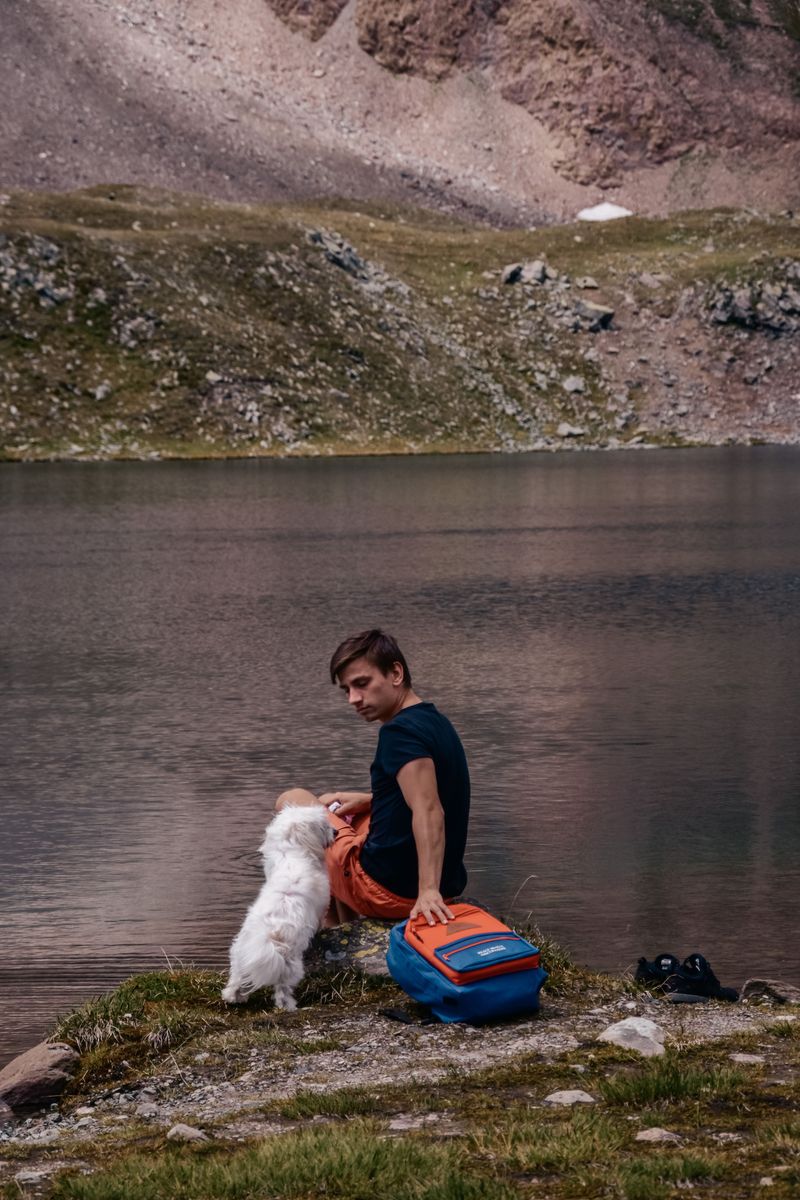
Training treats smell salty, and salt is exactly what alpine goats hunt for. An open pouch on your hip is an invitation.
Pack treats in a sealed bag inside your backpack whenever goats are nearby. Do the same with jerky, chips, and drink mixes.
Lunch breaks work best well away from mineral rich spots. Wipe crumbs from your dog’s muzzle before hiking on.
If It Steps Toward You, Add Space
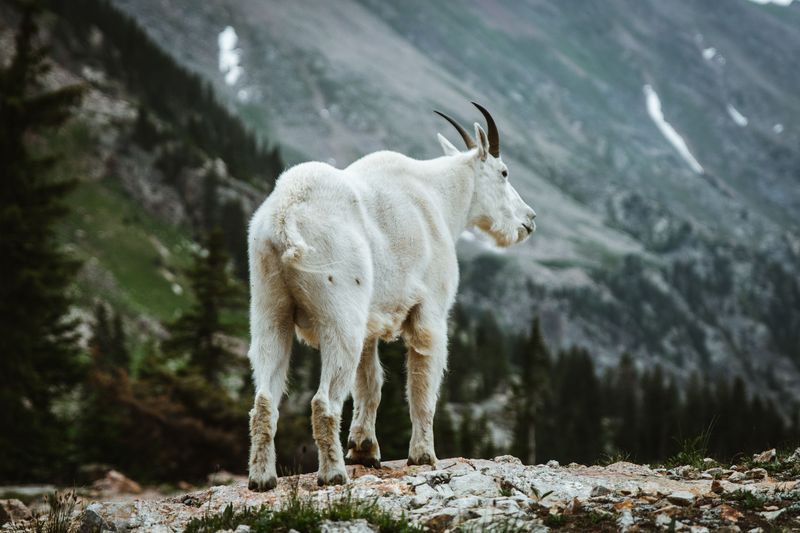
Movement toward you is a clear signal. The right answer is simple: create more room, calmly and without turning your back into a sprint.
Guide your dog off the trail on the uphill or downhill side, whichever feels stable, and keep the leash short.
Slow, steady retreat works better than standing firm. Most goats lose interest once the gap widens and nothing exciting happens.
Shooing a Stubborn Goat, the Right Way
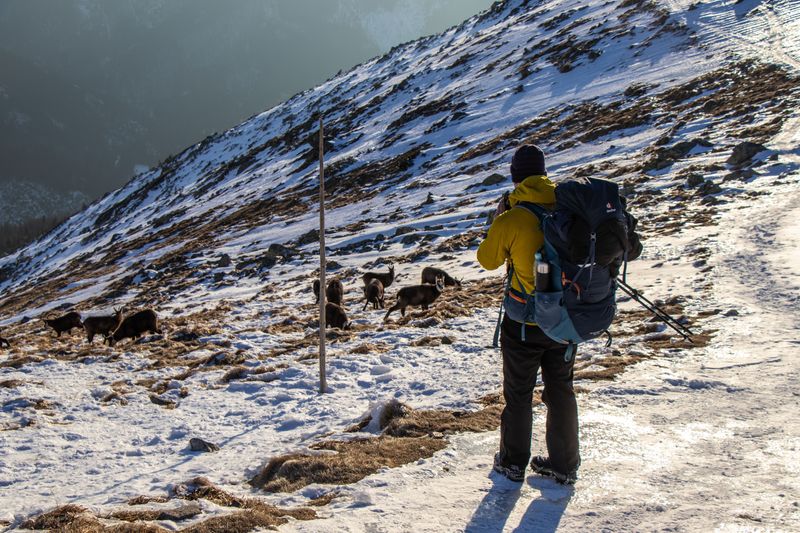
Now and then a goat simply will not move along. Officials suggest yelling, waving your arms or a jacket, or tossing small rocks toward the ground near it.
Keep your dog behind your legs the entire time, leash wrapped short.
Your voice and size do the work here. A dog lunging forward turns a manageable standoff into something far more tense.
Leave the Exit Door Open
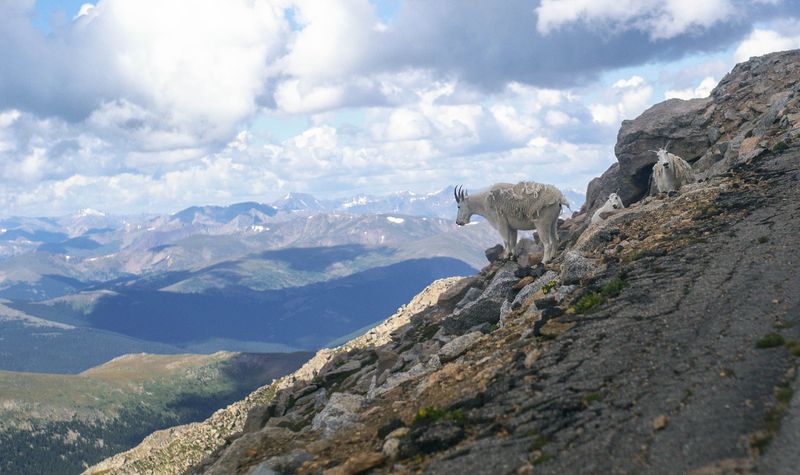
Goats need somewhere to go. Blocking a narrow ledge or standing between an animal and open slope removes its options.
Position yourself and your dog to one side, ideally where the goat can pass or climb freely.
Group hikes need extra care, since several people can accidentally form a wall. Spread out along one edge instead of fanning across the whole path.
Summer Nannies Deserve Extra Room
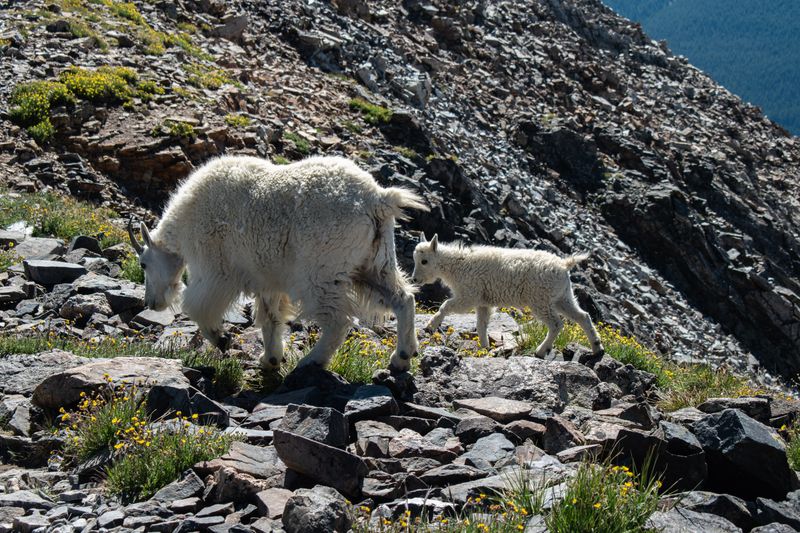
Female goats, called nannies, guard their kids closely through the birthing and nursing months. Their tolerance drops sharply.
Spotting a small white kid means doubling your usual distance and rerouting if the trail allows. Dogs raise the tension further.
Late spring through midsummer is peak season for this. Scan meadows and rock benches early, then choose your line before you get close.
A Leash Is Control, Not Armor
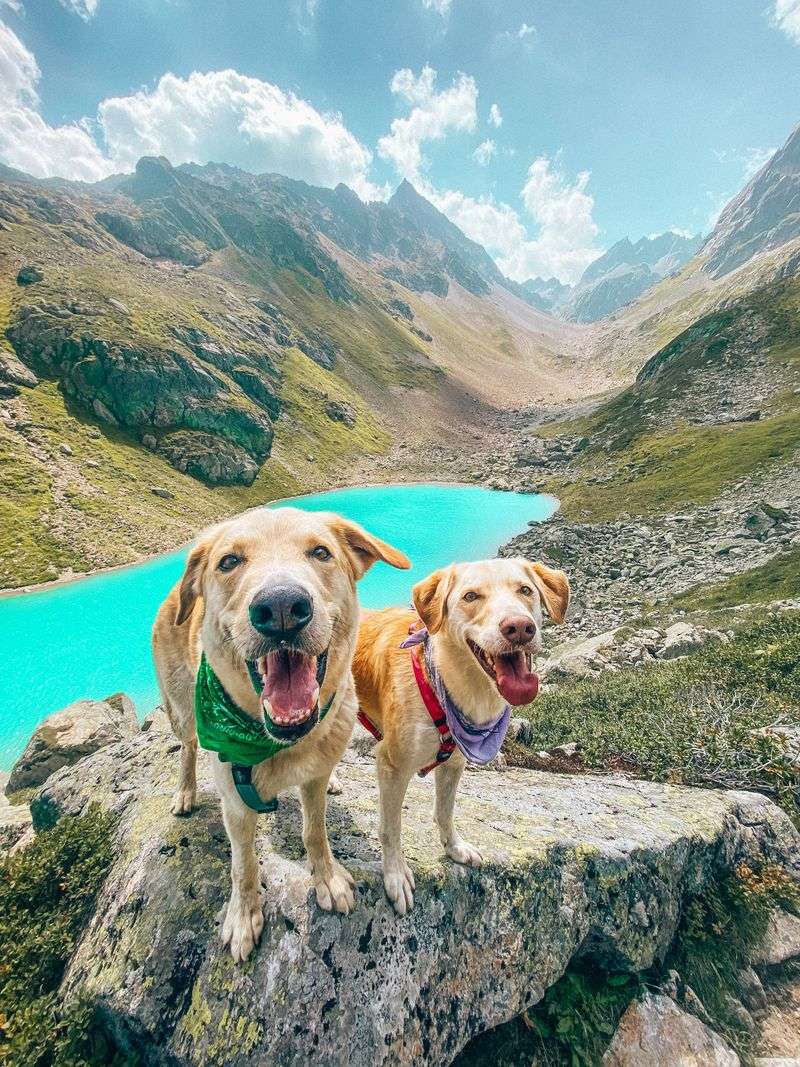
Leashing is essential, though it does not make an encounter risk free. Goats still read a tethered dog as a predator.
Reports from western states include leashed dogs getting hurt during close encounters with goats. Distance remains the real protection.
Use the leash to manage your dog while you manage the gap. Both tools matter, and neither one works well alone out there.
Rules Change With the Sign at the Trailhead
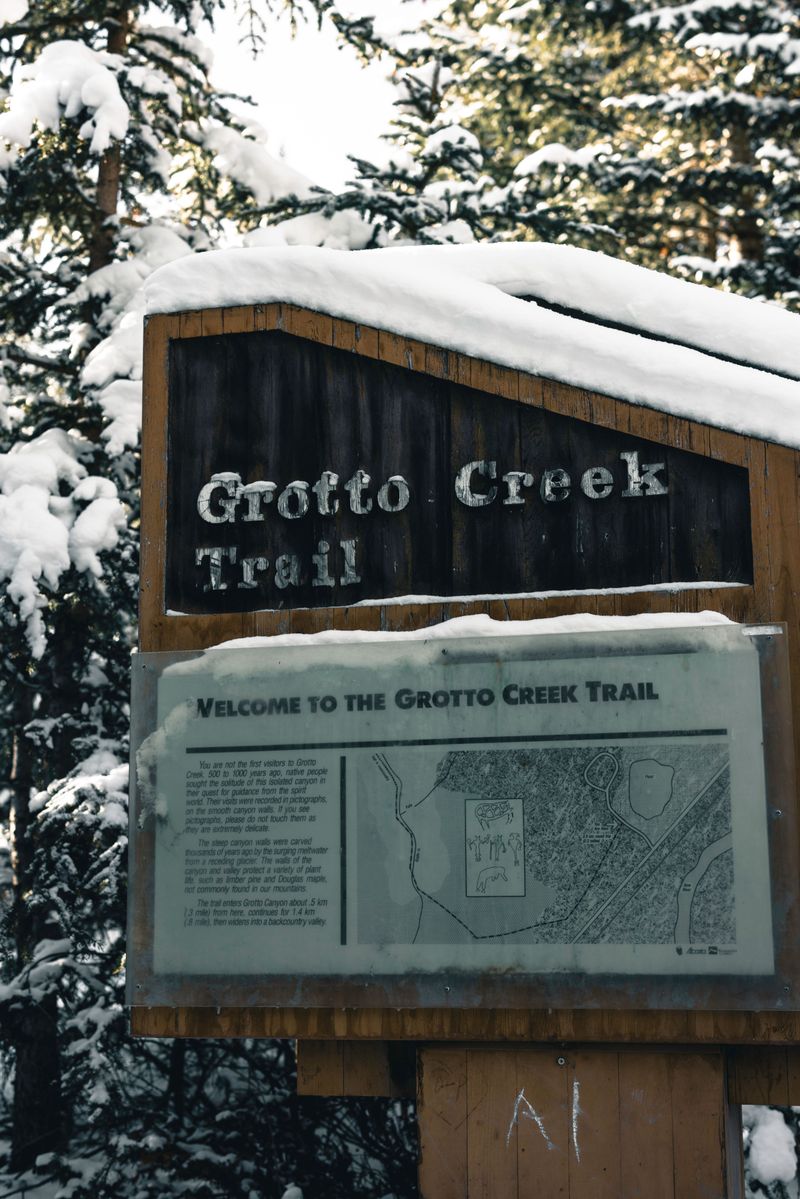
National parks, national forests, state parks, and DNR lands each set their own pet policies. A trail can be welcoming on one side of a boundary and closed on the other.
Check the managing agency’s website before you drive, then read the trailhead board again on arrival.
Regulations shift with seasons and closures too. A two minute check saves a long, disappointing drive home.
Naches Peak Loop Comes With a Catch
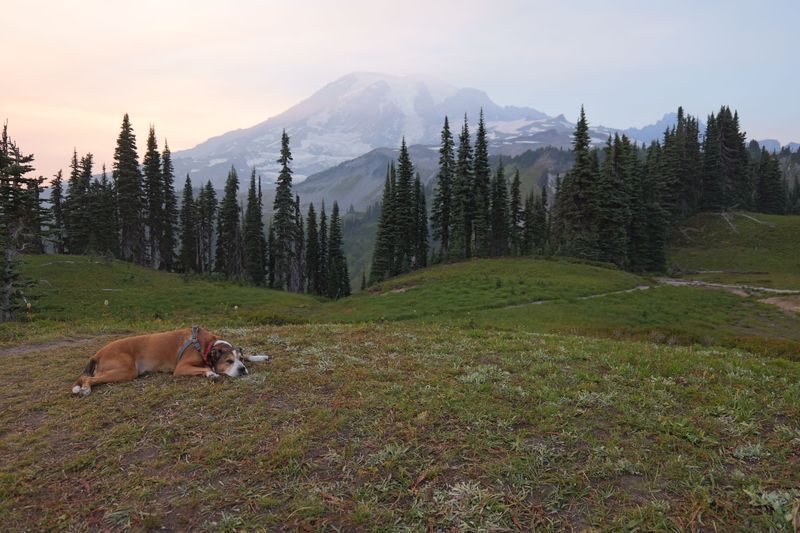
Popular as it is, that loop straddles a boundary. The section inside Mount Rainier National Park, including the Tipsoo Lake area, is closed to dogs.
Leashed dogs are allowed only on the Pacific Crest Trail portion that runs outside the park.
Plenty of visitors learn this at the wrong moment. Plan an out and back on the PCT side and enjoy the same views.
Olympic National Park Keeps Trails Pet-Free
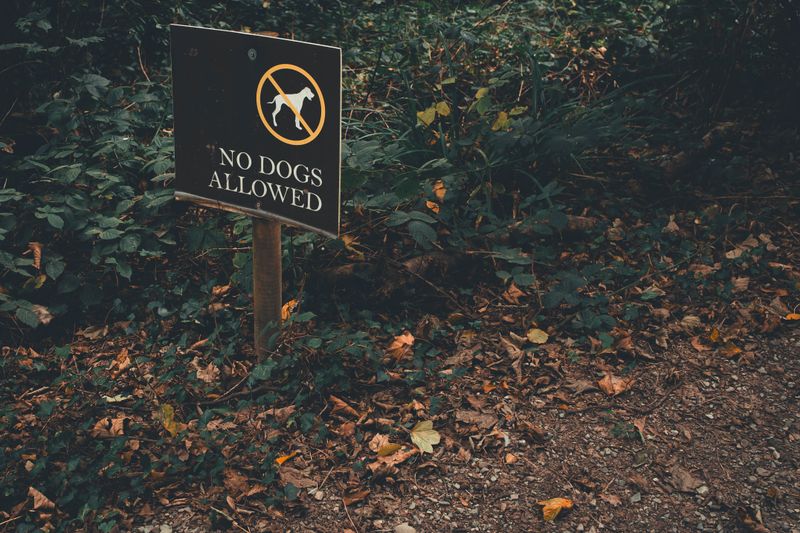
Most trails inside Olympic National Park, including backcountry and wilderness routes, do not allow dogs. A short list of exceptions exists, plus campgrounds, parking areas, and paved roads.
Neighboring Olympic National Forest offers far more leashed hiking, often with quieter trailheads.
Since the park holds a well known goat presence, that boundary works in your favor. Check the park website for the current exception list.
Close Control Means Close, Really
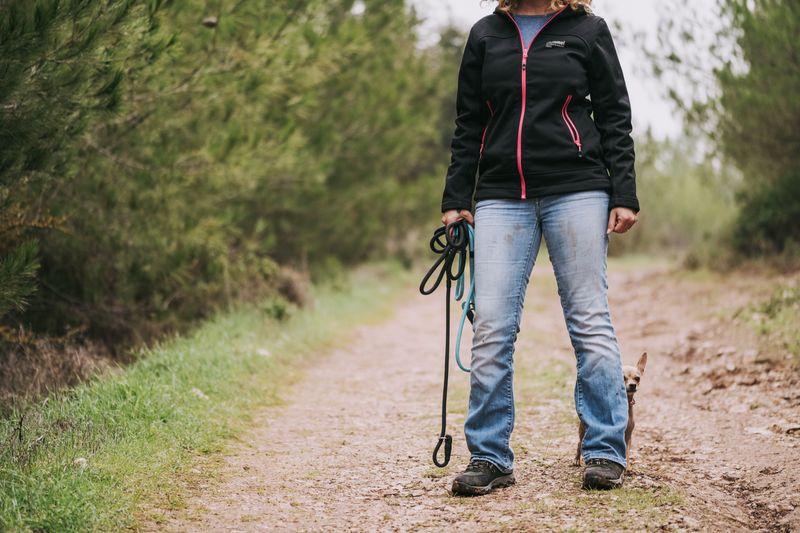
Six feet is the standard leash length on most federal lands, while Washington State Parks allows up to eight. Where voice control is permitted, your dog must stay in sight and respond instantly.
Alpine terrain gives you very little reaction time on switchbacks and boulder fields.
Choke up on the leash near ridges. Handling your dog closely also prevents surprise meetings around rocks and brush.
Scan Above, Below, and Around the Bend
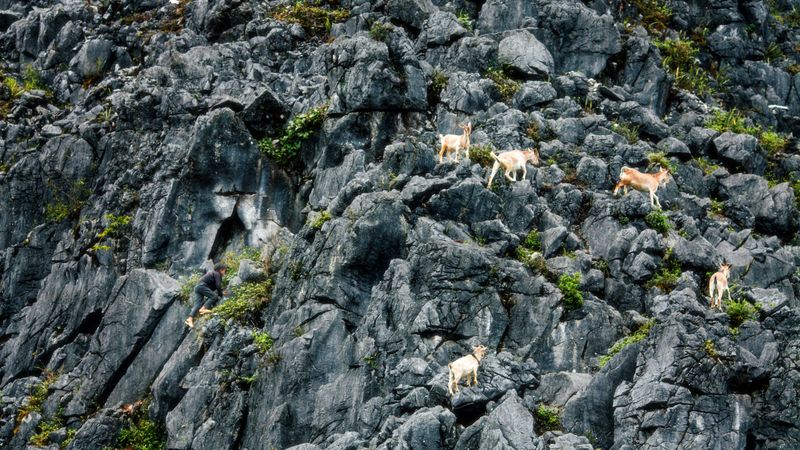
Goats blend into snow patches, pale rock, and shadowed cliffs surprisingly well. They favor crags, meadows, and bare rock benches high above valleys.
Windy days, rushing creeks, and thick brush all mask sound, so use your eyes more than your ears.
Pause before blind corners and rises. Ten seconds of scanning gives you the chance to reroute long before anyone feels crowded.
When a Goat Owns the Path, Let It
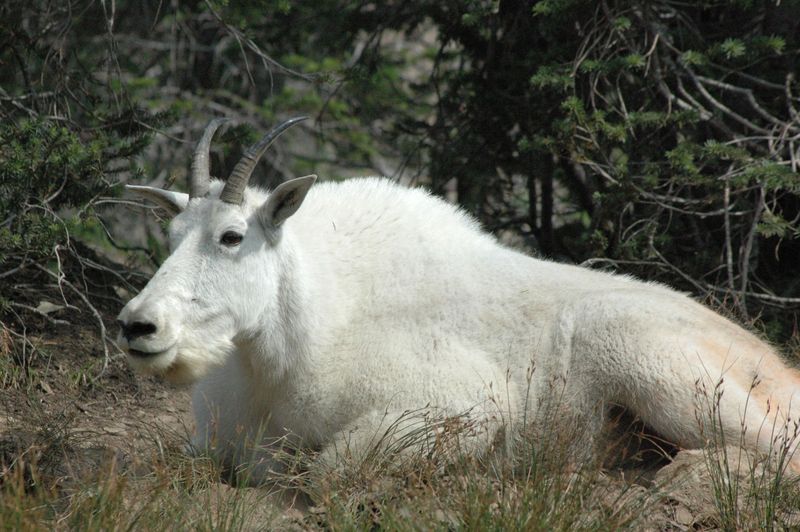
Goats sometimes park themselves right in the tread and show no interest in leaving. Squeezing past is the wrong move, especially with a dog.
Back off down the trail, wait several minutes, and see whether the animal wanders on.
Turning around entirely is a perfectly good outcome. The summit will still be there next weekend, and so will your dog’s enthusiasm.
Waste Bags Come Home With You
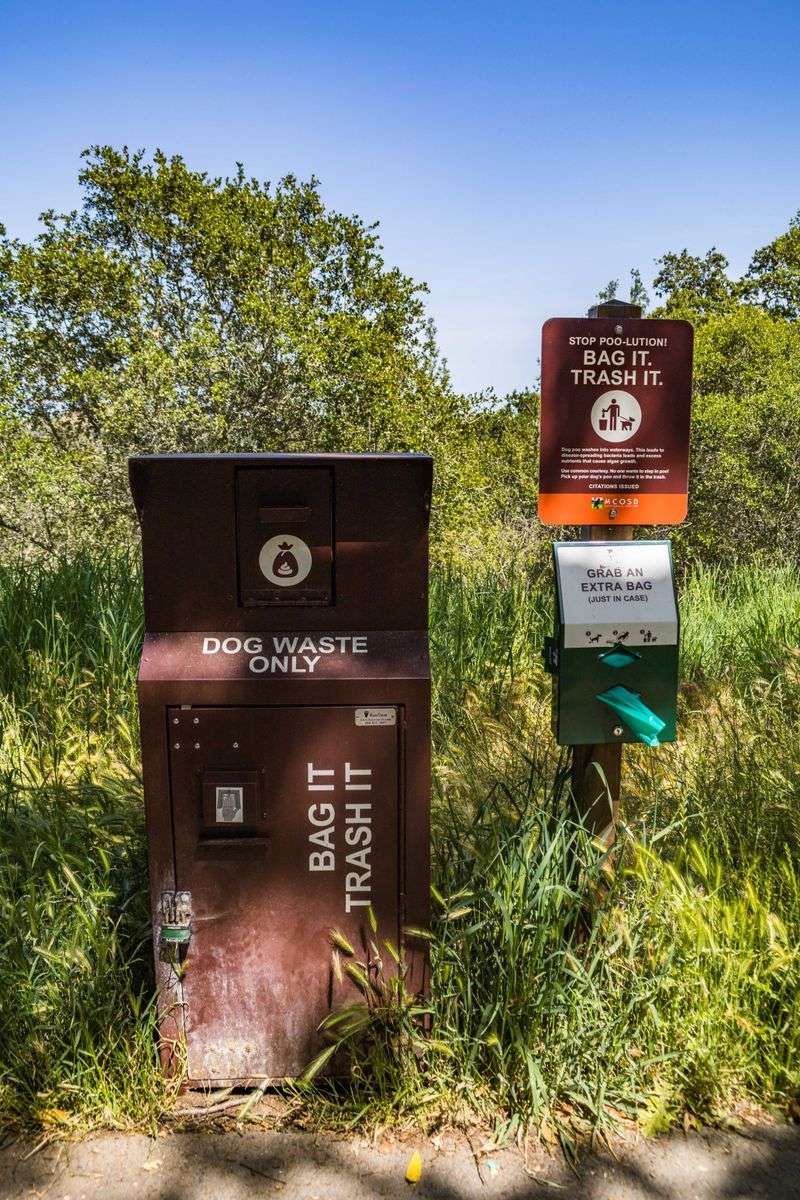
Alpine soil is thin and slow to break anything down. Dog waste carries bacteria that can reach streams and affect wildlife and people downstream.
Packing it out is the cleanest option. Use a sealed bag or a hard sided carrier clipped outside your pack.
Leaving a bag beside the trail for later pickup rarely ends well. Carry it from the start and forget about it.
Pick Trails Where Goats Are Scarce
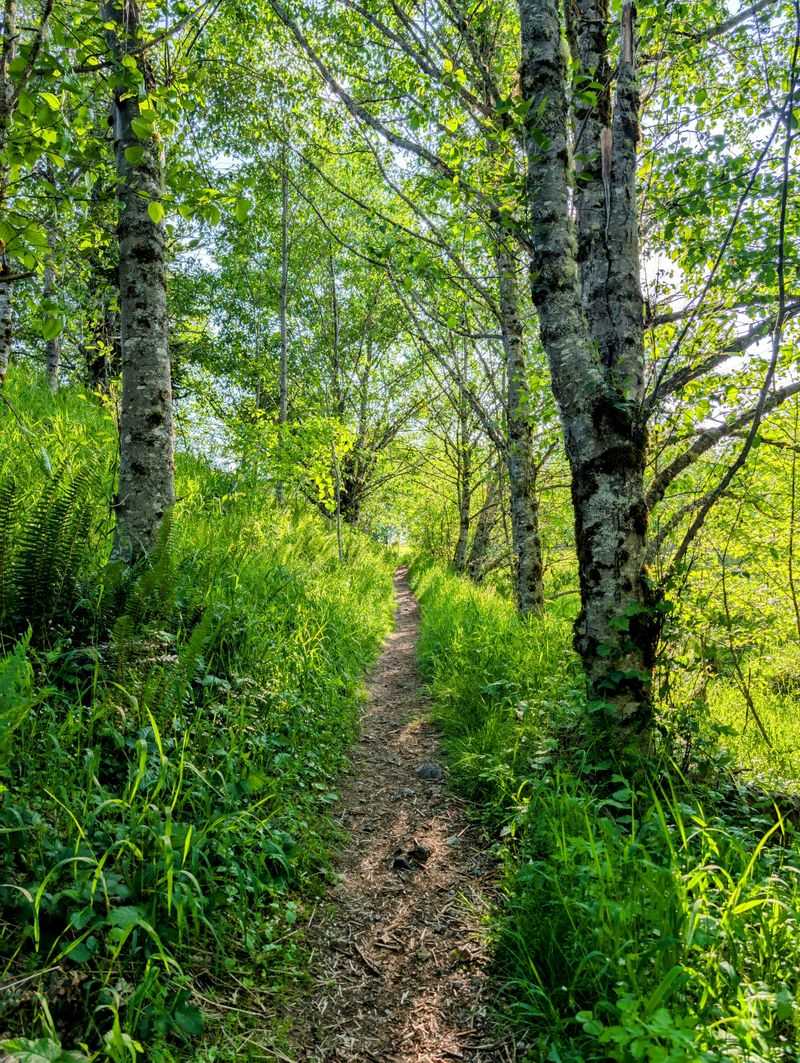
Goats concentrate in rugged, high elevation Cascade and Olympic terrain. Lower forest trails, river valleys, and foothill loops carry far less chance of a close meeting.
National forest lands generally welcome leashed dogs and offer huge trail networks.
Choosing terrain thoughtfully is the easiest safety step of all. Know the rules, keep your distance, and Washington’s mountains stay a joy for you both.