Why Tick Checks Matter After Pennsylvania Woodland Walks With Your Dog
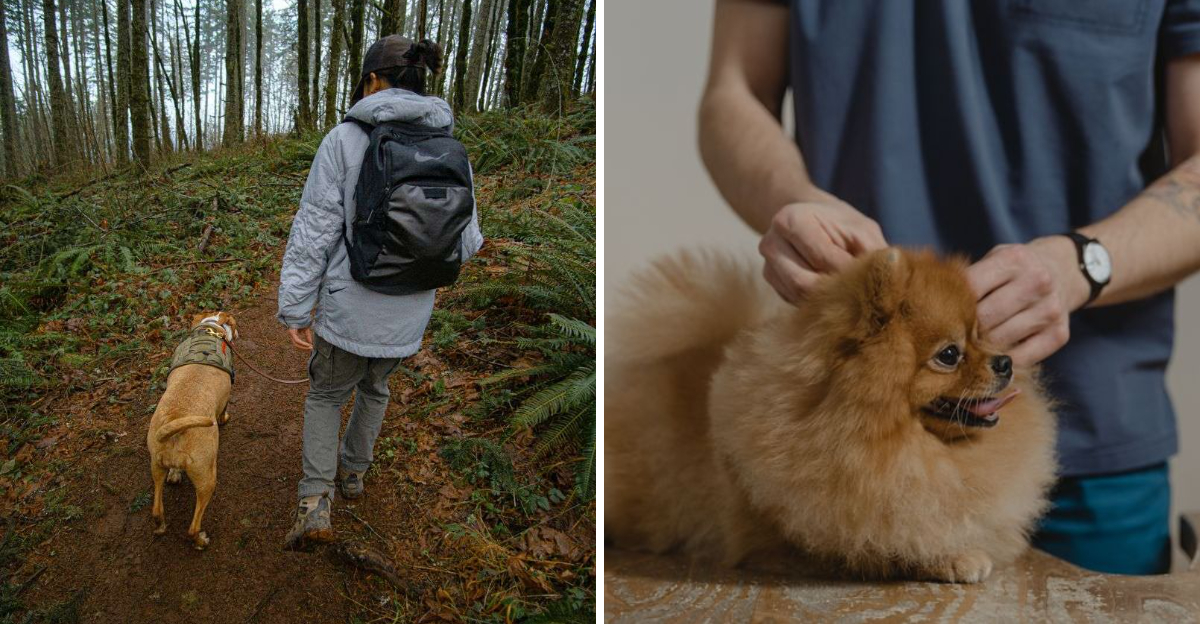
If you and your dog love Pennsylvania’s shady trails, you already share the woods with ticks. That sounds unsettling, but a few calm minutes after each walk makes a real difference.
Ticks are common here, especially blacklegged ticks, and a quick head-to-tail check catches most of them early. Think of it as part of the routine, like wiping muddy paws.
Here are twenty practical reasons and tips every local dog owner should know.
1. Pennsylvania Forests Are Tick-Friendly Real Estate
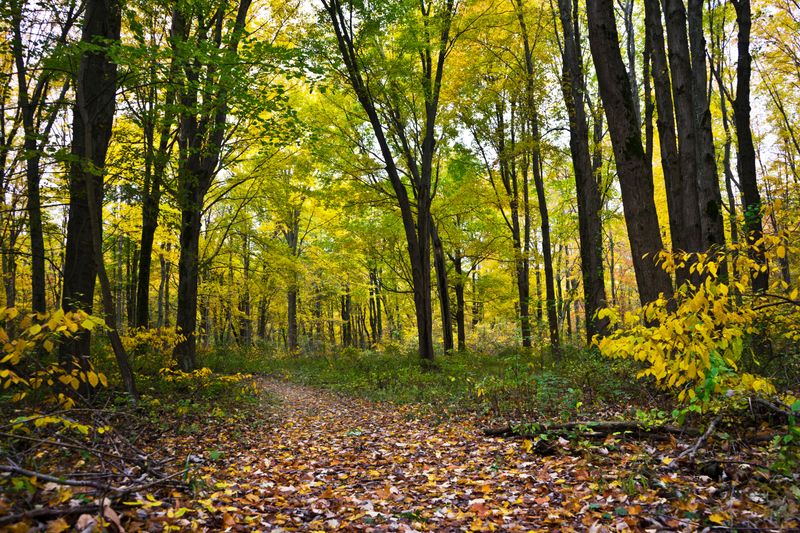
Oak, maple, and hickory forests cover much of this state, and their damp leaf litter is exactly what ticks need.
Shade holds moisture, and moisture keeps ticks comfortable for months. Add white-tailed deer and white-footed mice, and you have hosts everywhere.
Edge zones matter too, where lawns meet the tree line. Suburban yards bordering woods often hold ticks.
So a woodland walk near home counts just as much as a state park hike.
2. Blacklegged Ticks Live In Every County
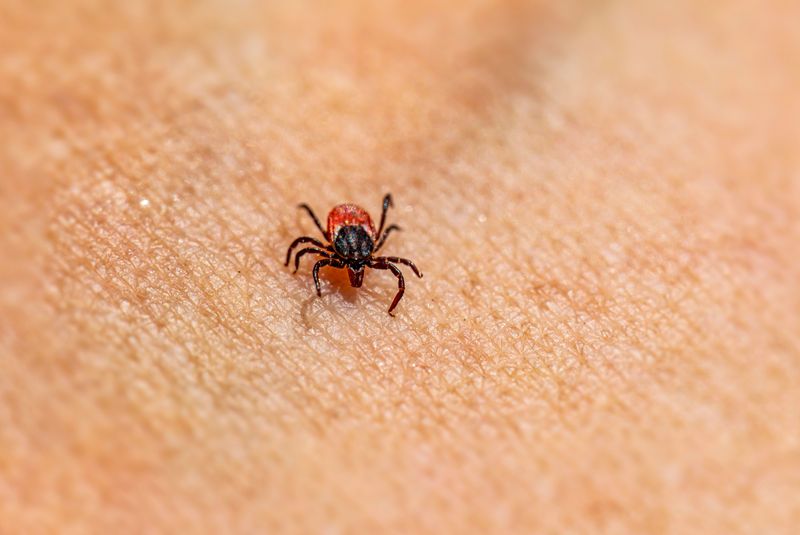
State surveillance has found infected blacklegged ticks, also called deer ticks, in all 67 Pennsylvania counties.
That means no region is a safe bubble, from the Poconos to Pittsburgh suburbs. Connected forests and a large deer population keep these ticks widespread.
Knowing this is helpful, not scary. It simply tells you that checking your dog is worthwhile after any outing, whether you hiked a ridge or strolled a neighborhood greenway.
3. Lyme Disease Travels With These Ticks
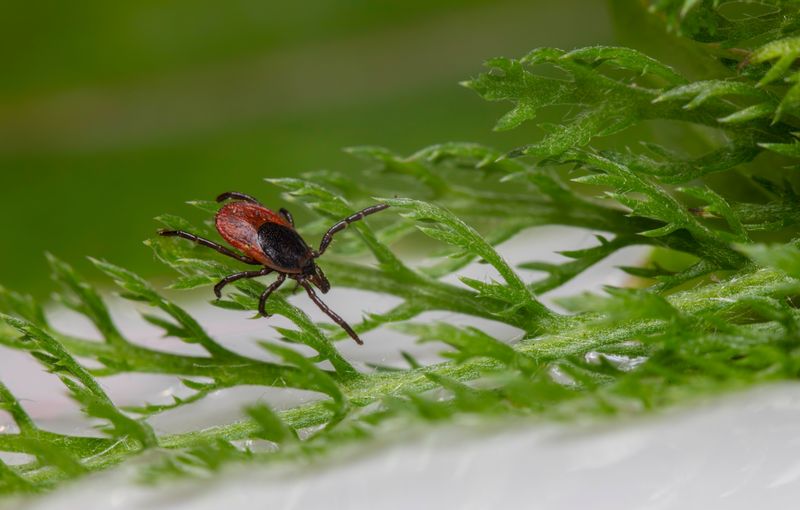
Blacklegged ticks are the main carriers of Lyme disease here, and Pennsylvania regularly reports among the highest case counts nationally.
Transmission usually requires the tick to stay attached roughly 36 to 48 hours. That window is your advantage.
Blacklegged ticks can also spread anaplasmosis, babesiosis, and Powassan virus. Finding and removing them quickly shrinks the risk considerably for both you and your dog.
4. Dogs Get Sick From Ticks Too
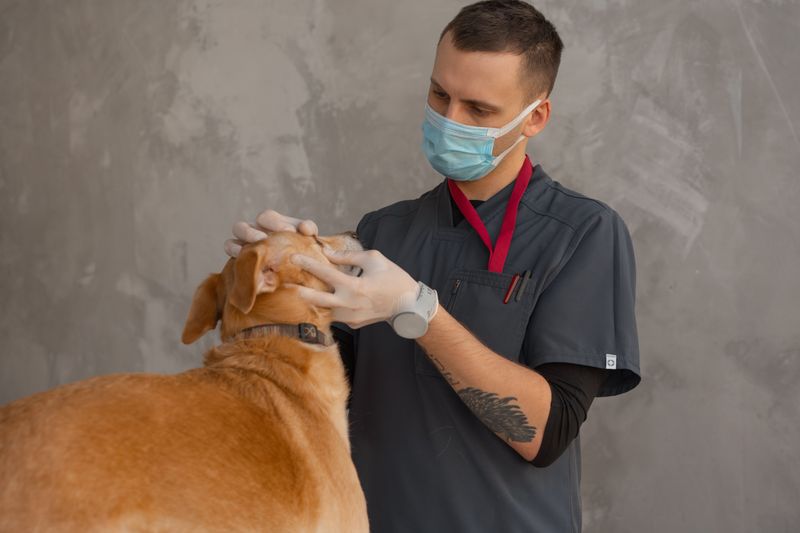
People sometimes assume dogs are just tick taxis. Not so.
Dogs can develop Lyme disease, anaplasmosis, and babesiosis from blacklegged ticks.
American dog ticks can pass along Rocky Mountain spotted fever. Watch for limping, tiredness, fever, or a picky appetite.
Lyme can affect the kidneys in some dogs, so early veterinary care matters. If something seems off after a tick bite, call your vet rather than waiting it out.
5. Your Dog Can Bring Hitchhikers Indoors
Not every tick on your dog bites your dog. Many are simply along for the ride.
Once inside, an unattached tick can wander off and look for another host. That might be a family member, a cat, or a second dog.
Doing a check at the door, or even in the driveway, stops that journey early. A quick pass with your hands works better than hoping they fall off outside.
6. Right After The Walk Is The Golden Window
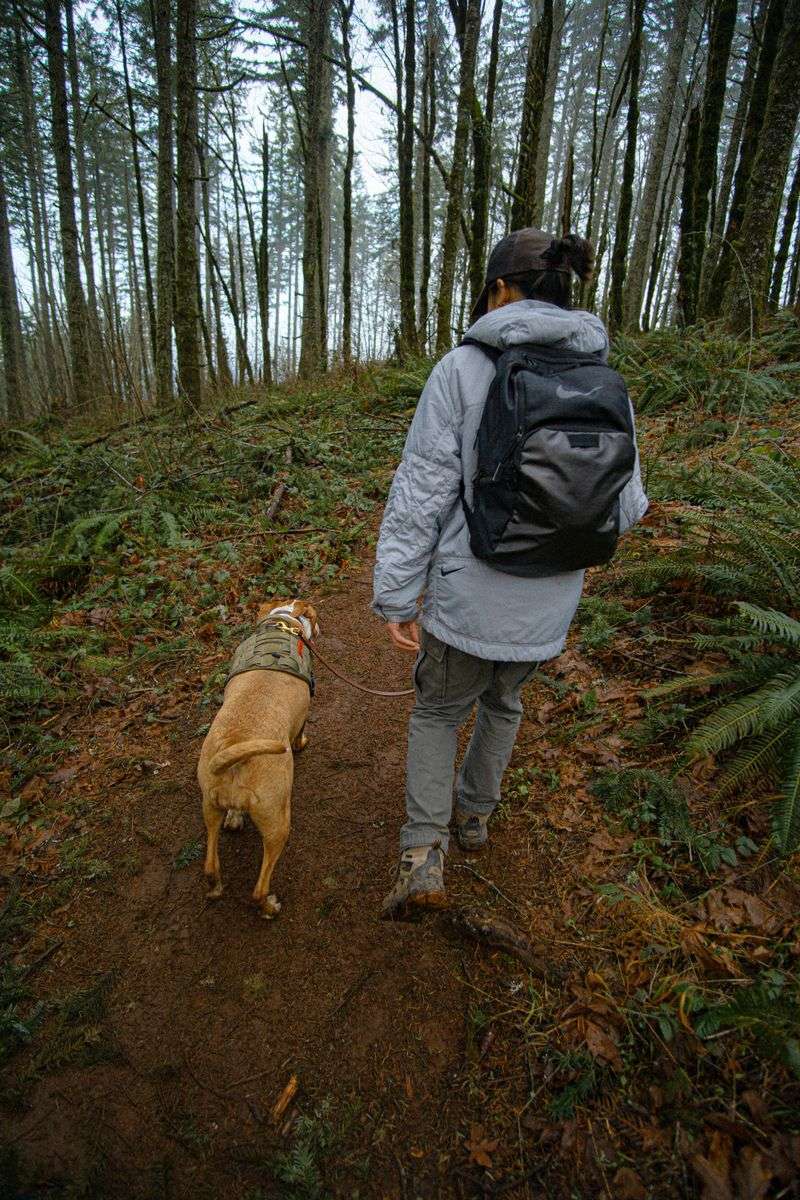
Ticks rarely bite the instant they climb aboard. They usually crawl around first, sometimes for minutes, sometimes for hours.
That wandering period is your best chance. Check your dog at the trailhead or as soon as you get home.
Removing a tick before it attaches means no bite and no transmission risk at all. Five minutes in good light beats a worried search two days later.
7. Speed Of Removal Changes The Odds
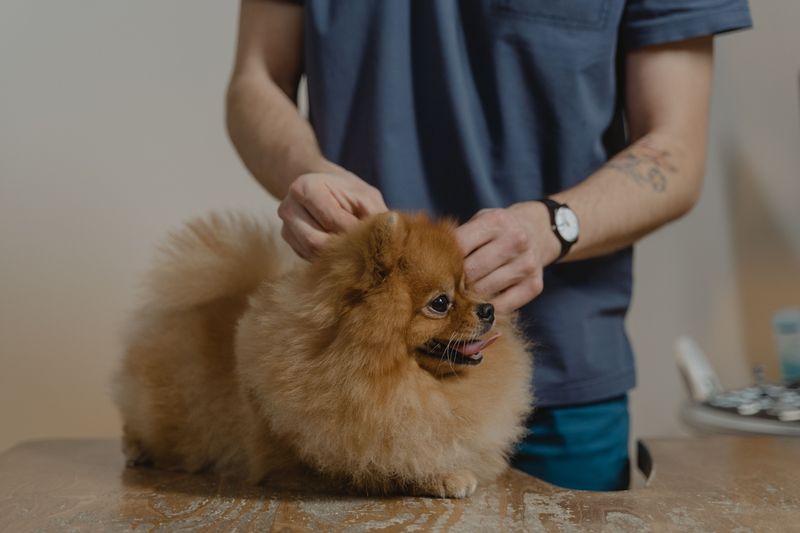
Time is the key factor with attached ticks. Lyme transmission generally needs 36 to 48 hours of feeding.
Other agents move faster. Powassan virus can pass in as little as 15 minutes after attachment, which is rare but worth knowing.
Use fine-tipped tweezers, grip close to the skin, and pull straight upward with steady pressure. Clean the spot afterward.
Ask your vet if you are unsure about technique.
8. Preventives Help, But They Are Not A Force Field
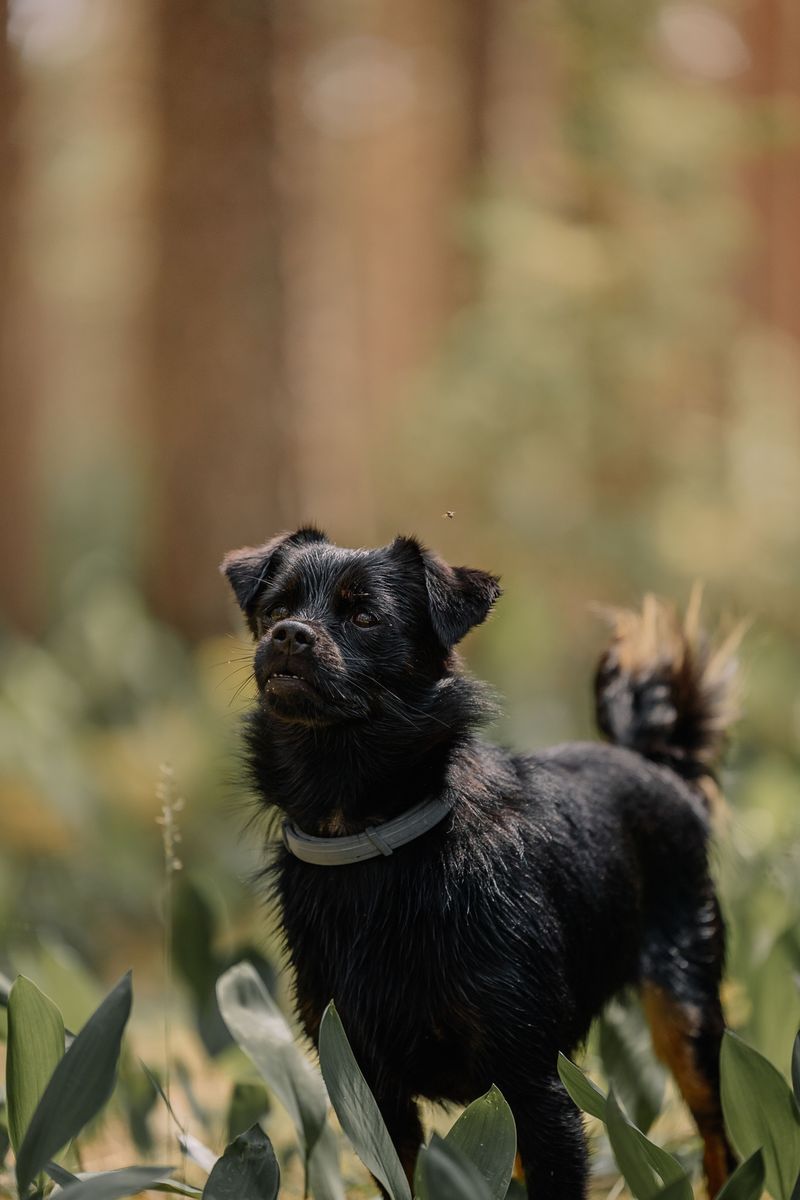
Monthly chews, spot-ons, and collars are genuinely useful tools, and your vet can recommend the right one.
Still, no product promises zero ticks. Some repel, others work after a tick bites, and none guarantee a tick never climbs aboard.
Treat prevention as layer one and hands-on checks as layer two. Together they cover the gaps that either method leaves on its own.
9. Dark Or Dense Coats Hide Small Passengers
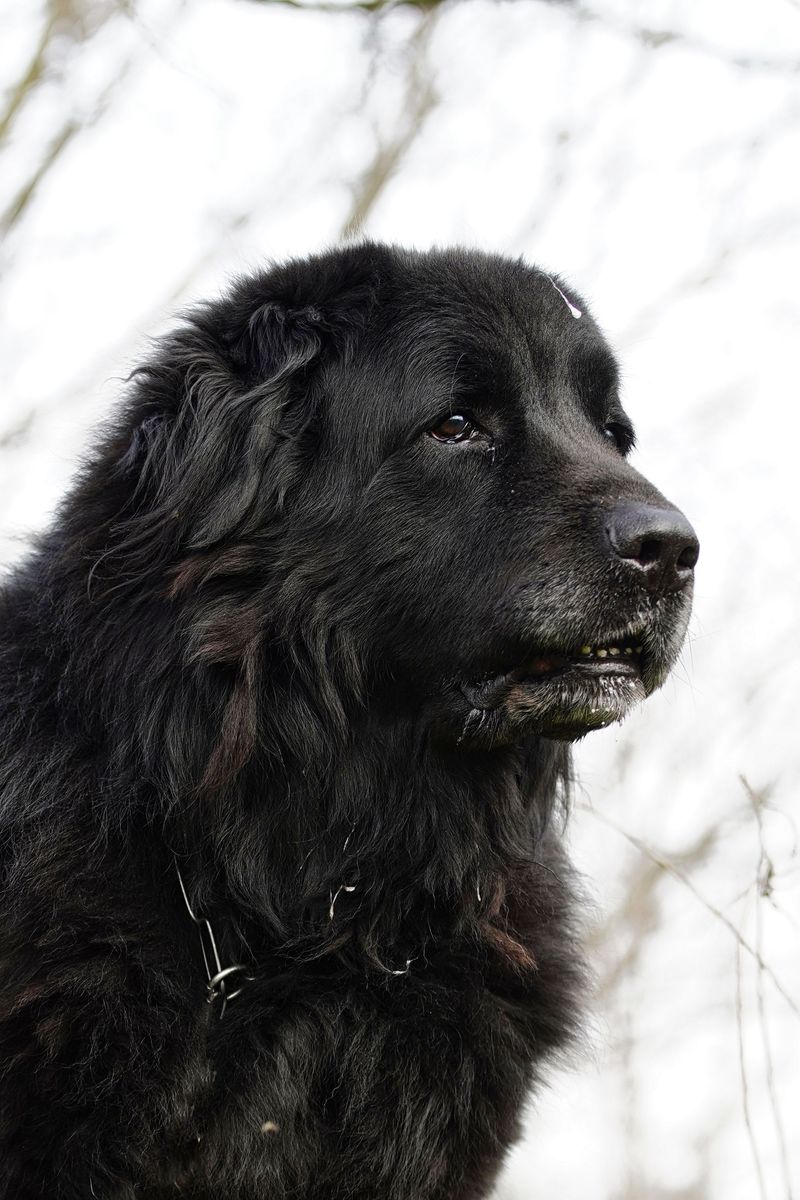
A black lab or a fluffy shepherd makes visual searching tough. Ticks are small, and dark fur swallows them completely.
Long double coats add another layer of camouflage, since ticks settle down near the skin.
Bright natural light helps, and so does a slow pace. For heavy coats, part the fur in sections rather than scanning the surface.
Patience finds what a glance misses.
10. Let Your Fingertips Do The Searching
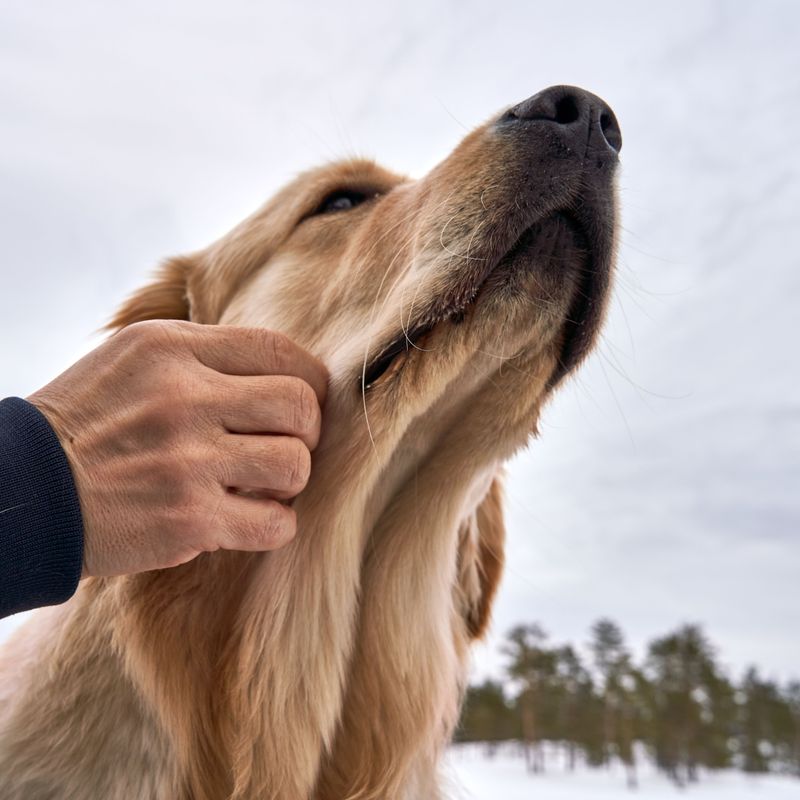
Touch beats sight nearly every time on a furry dog. Run your hands slowly over the whole body, pressing lightly.
Ticks feel like tiny scabs, small bumps, or skin tags that were not there yesterday.
Work in a pattern: head, neck, shoulders, chest, belly, back, legs, tail. Most dogs enjoy it, which turns the routine into a massage they actually look forward to.
11. Ears Are A Favorite Hideout
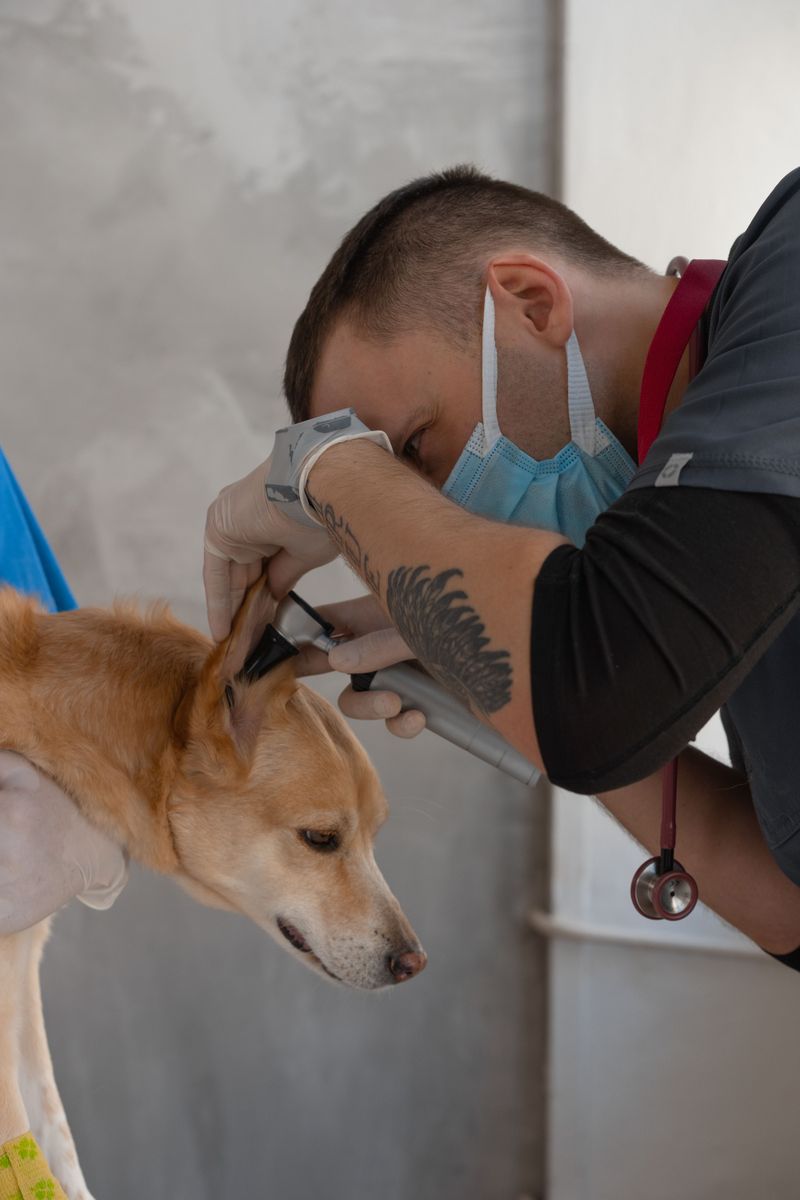
Warm, sheltered, and often overlooked, ears rank high on the tick wish list.
Check the outer flap, the folds, the area behind the ear, and gently look inside the opening.
Ticks can settle deep in the ear canal, so a flashlight helps. If your dog shakes its head or scratches one ear repeatedly after a hike, take a closer look or ask your vet.
12. Eyelids, Legs, Tail, And Toes Deserve Attention
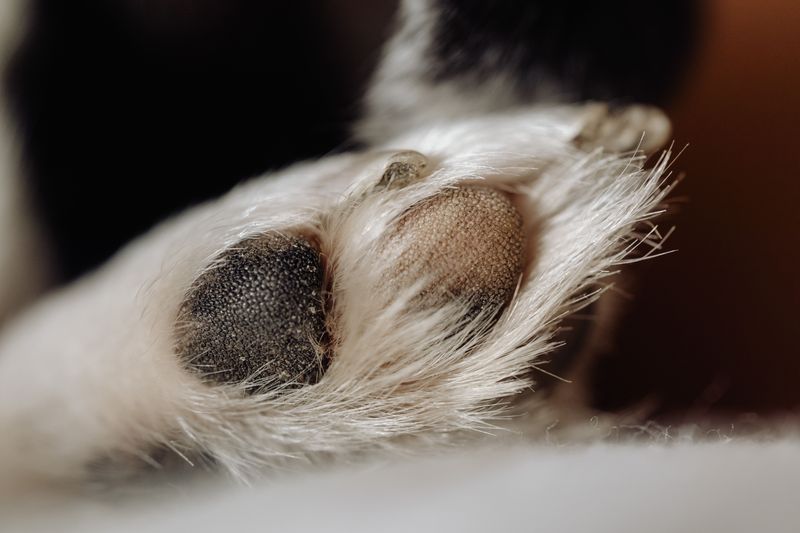
Ticks like tucked-away spots with thin skin. Around the eyelids and under the chin are common finds.
The armpits and groin area are also popular, since they stay warm and protected.
Run down each leg, along the tail, and then spread the toes apart. Between the pads is easy to skip and surprisingly productive.
Reward your dog for tolerating paw handling.
13. Peek Beneath Collars And Harnesses
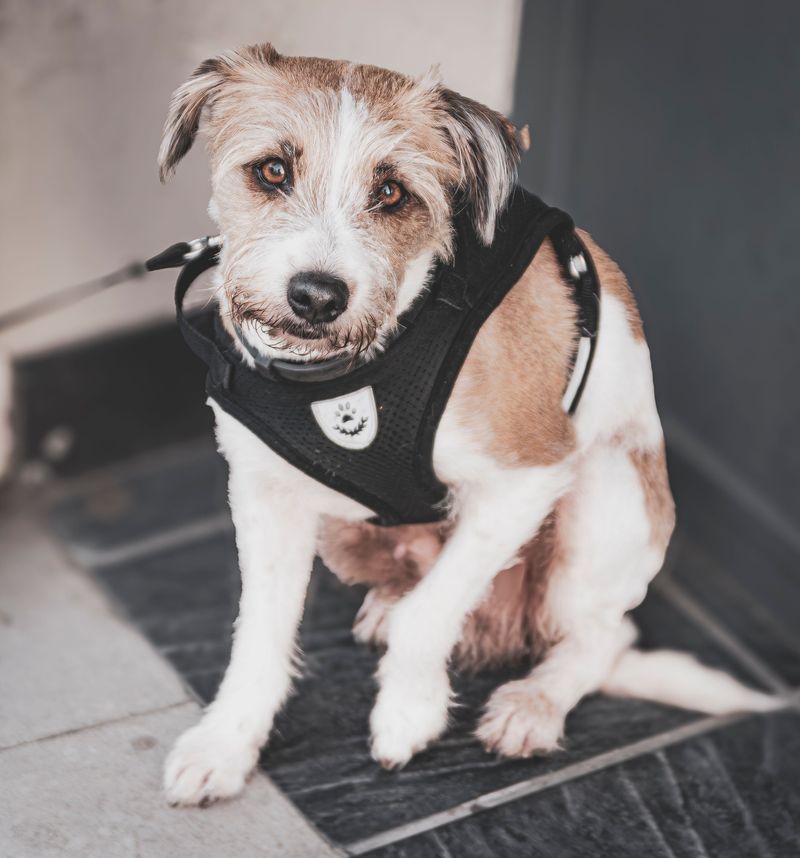
Gear creates snug, warm pockets against the skin, and ticks settle in comfortably there.
Slide the collar off during every check instead of feeling around it. Do the same with harnesses and any coat or vest.
The neck and chest under straps are frequent hiding places. While the gear is off, glance at the webbing itself, since ticks sometimes cling to fabric too.
14. Cold Weather Does Not Cancel Tick Season
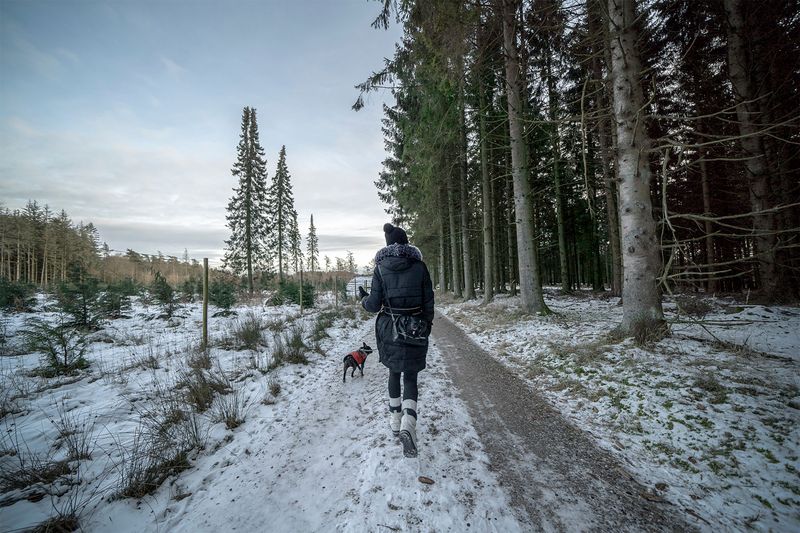
Many owners relax once leaves fall. Blacklegged ticks stay active whenever temperatures rise above freezing.
Adults are especially busy in spring and fall, and a mild January day can wake them up.
Nymphs peak roughly May through September. Put simply, there is no month in Pennsylvania when checking is pointless.
Keep the habit year round and you will never be caught off guard.
15. Nymphs Are Poppy-Seed Sized And Sneaky

Picture a poppy seed with legs. That is a nymphal tick, and it is easy to miss entirely.
Their pale, sometimes see-through bodies blend into skin and fur without effort.
Despite the tiny size, nymphs account for a large share of tickborne disease transmission. Slow fingertip checks work better than squinting.
If you feel a speck that will not brush away, look closer.
16. Gear Rides Home With Ticks Attached
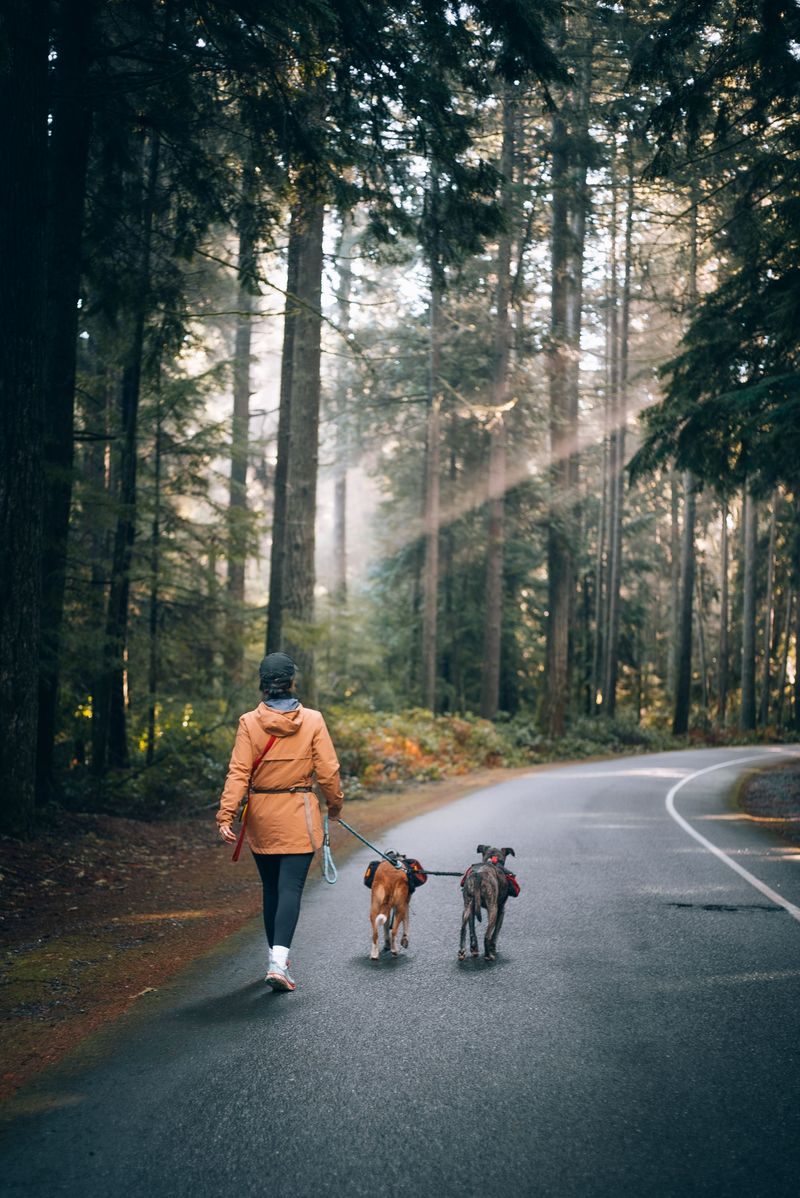
Fur is not the only surface ticks grab. Leashes, harnesses, towels, blankets, and packs can all carry them.
Give everything a look before it crosses your threshold, ideally in the garage or on the porch.
Washing outdoor fabrics in hot water helps handle anything you missed. A tumble in a hot dryer is another simple safeguard for towels and dog blankets.
17. A Found Tick Starts A Watch List
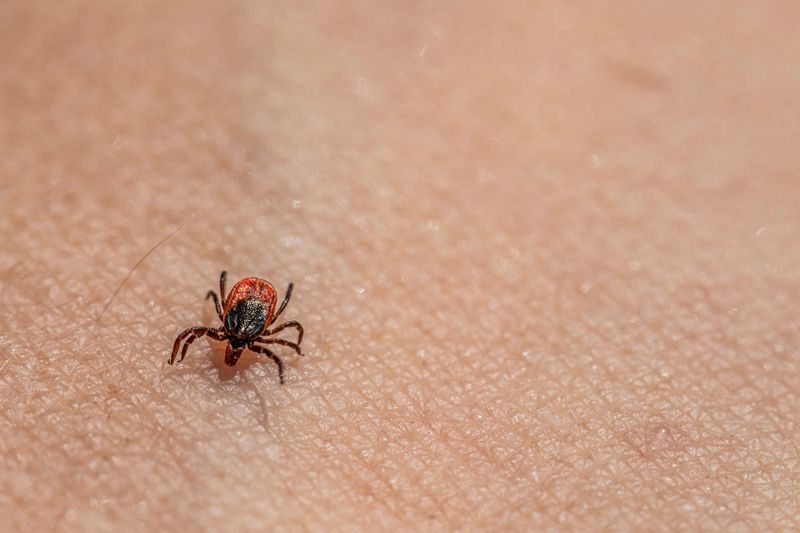
Spotting one gives you information, and information is useful. Jot down the date and where on the body it was.
For the next few weeks, notice changes: limping, low energy, skipped meals, or warmth that feels like fever.
Some owners seal the tick in a small bag for the vet to identify. Mention the find at your next appointment, even if your dog seems perfectly fine.
18. Protecting Your Dog Protects The Whole Household
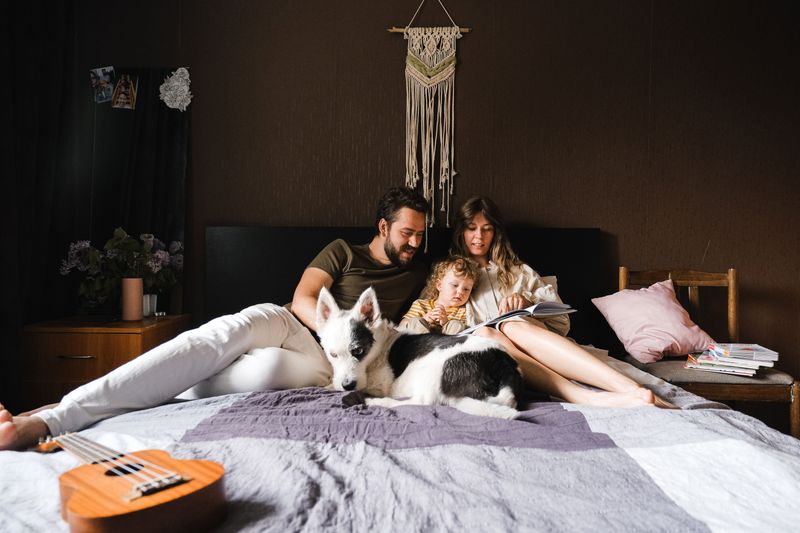
Every tick you remove is one that will not wander onto a couch cushion or a child’s blanket.
Unattached ticks can leave a dog and look for the next available host, including people or a housemate cat.
Fewer ticks entering the home means fewer chances for anyone to get bitten. The routine check quietly benefits everybody, not only the dog who did the hiking.
19. Give Yourself The Same Once-Over
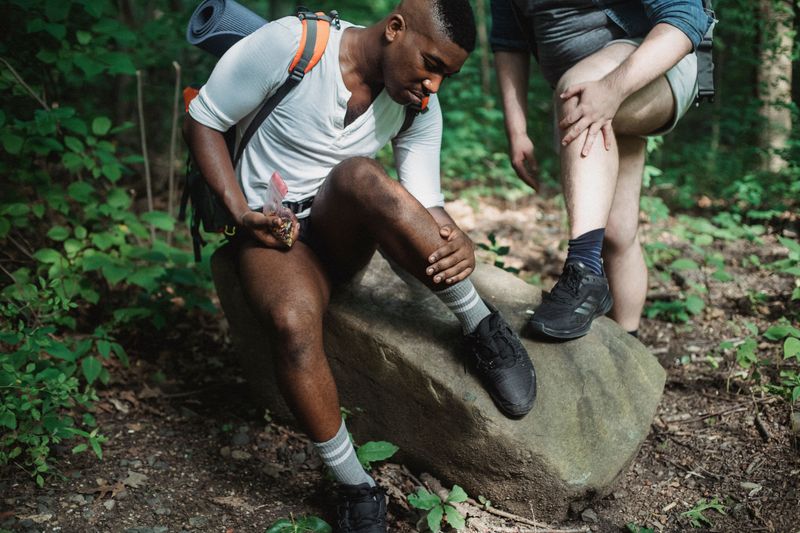
Ticks climb onto boots and pant legs just as readily as onto fur.
After a woodland walk, check your hairline, behind the ears, underarms, waistband, groin, and behind the knees.
Look over clothing before stepping inside, and showering within a couple of hours helps rinse away crawlers. Tossing hiking clothes in a hot dryer is a widely recommended extra step.
20. Two Habits, One Strong Defense
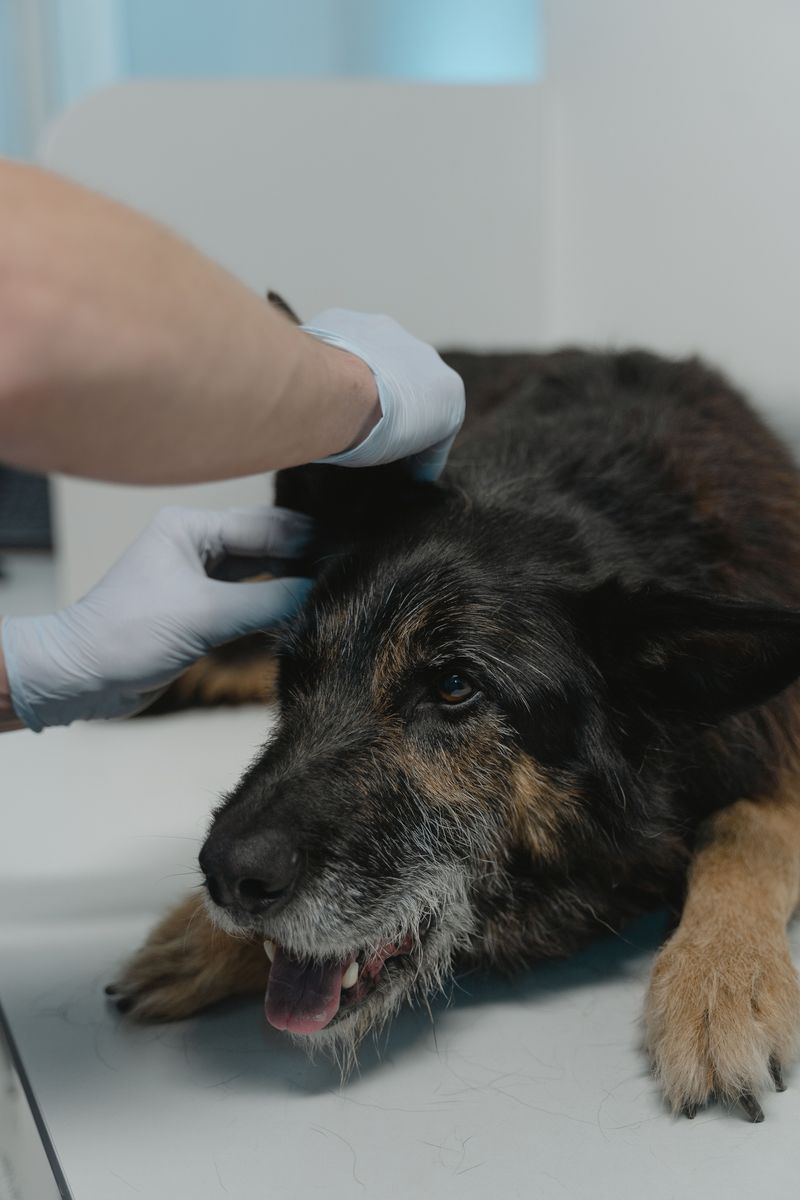
Prevention products and hands-on checks are partners, not rivals.
A vet-recommended preventive lowers the odds dramatically, while your fingers catch whatever slips past or has not yet been affected.
Talk with your veterinarian about the right product, and ask about the Lyme vaccine for dogs while you are there. Pair that with a five-minute check after each woodland walk, and you are well covered.