What To Do If A Javelina Confronts Your Dog In Arizona
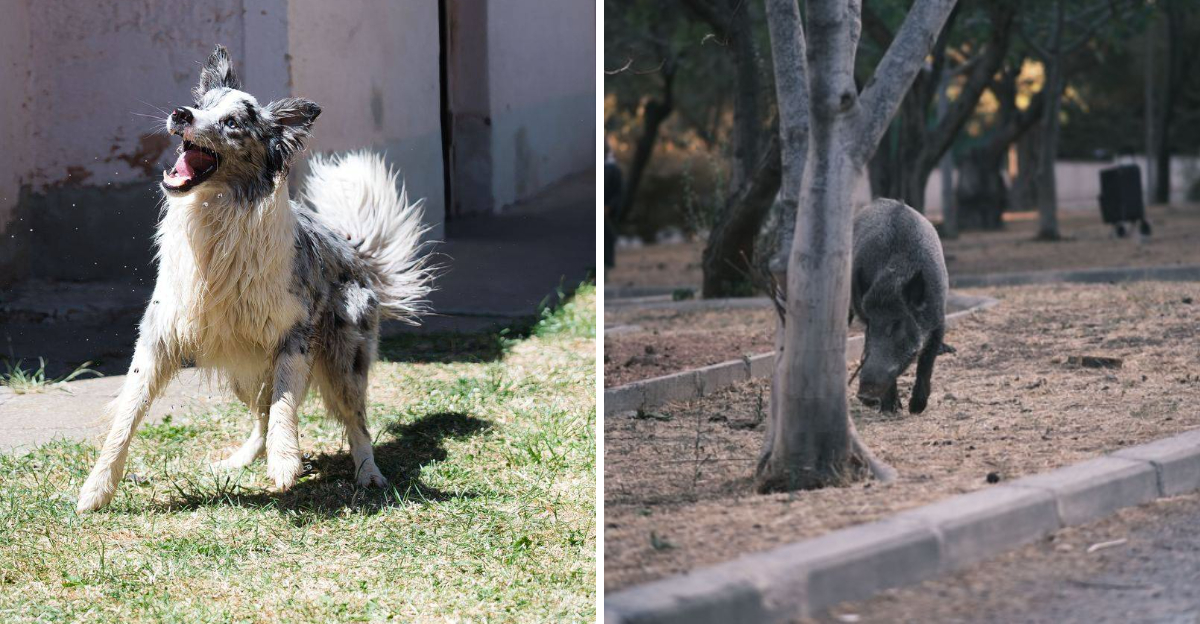
If you walk a dog in parts of Arizona, you may eventually encounter a javelina. These stocky desert neighbors are usually wary, but they can become defensive when cornered, when protecting young, or when they hear or smell a dog.
Knowing a few simple moves ahead of time turns a tense moment into a short, uneventful detour. Here is what experienced local owners actually do when a javelina shows up on the trail, in the wash, or right in the driveway.
Stay Calm and Keep Your Dog Close
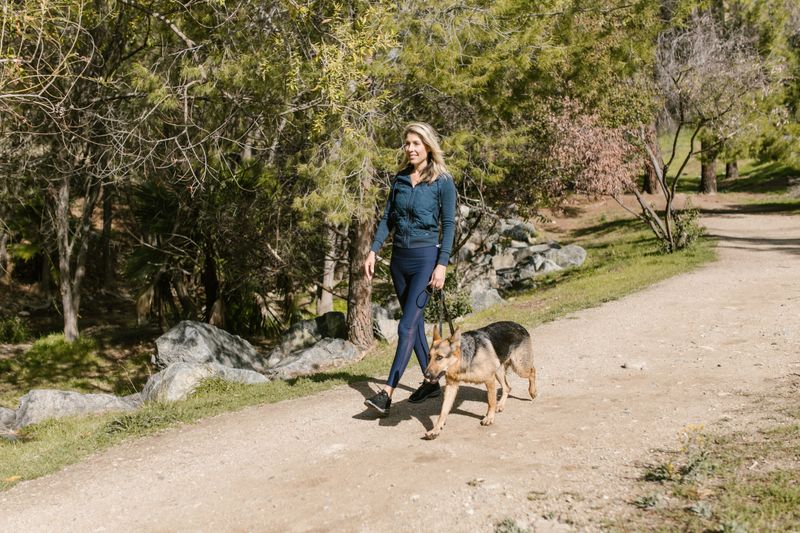
Freezing for a second is often the smartest first move. Javelina have weak eyesight and startle easily.
Loud shouting or sudden running can push a calm standoff into a scramble.
Draw your dog in close to your leg. Speak in a low, steady voice.
Panic travels down the leash quickly.
Dogs read our energy fast, so your calm becomes their calm. Stand still, give yourself a moment to think, then plan your exit slowly.
Turn Around Before You Get Too Close
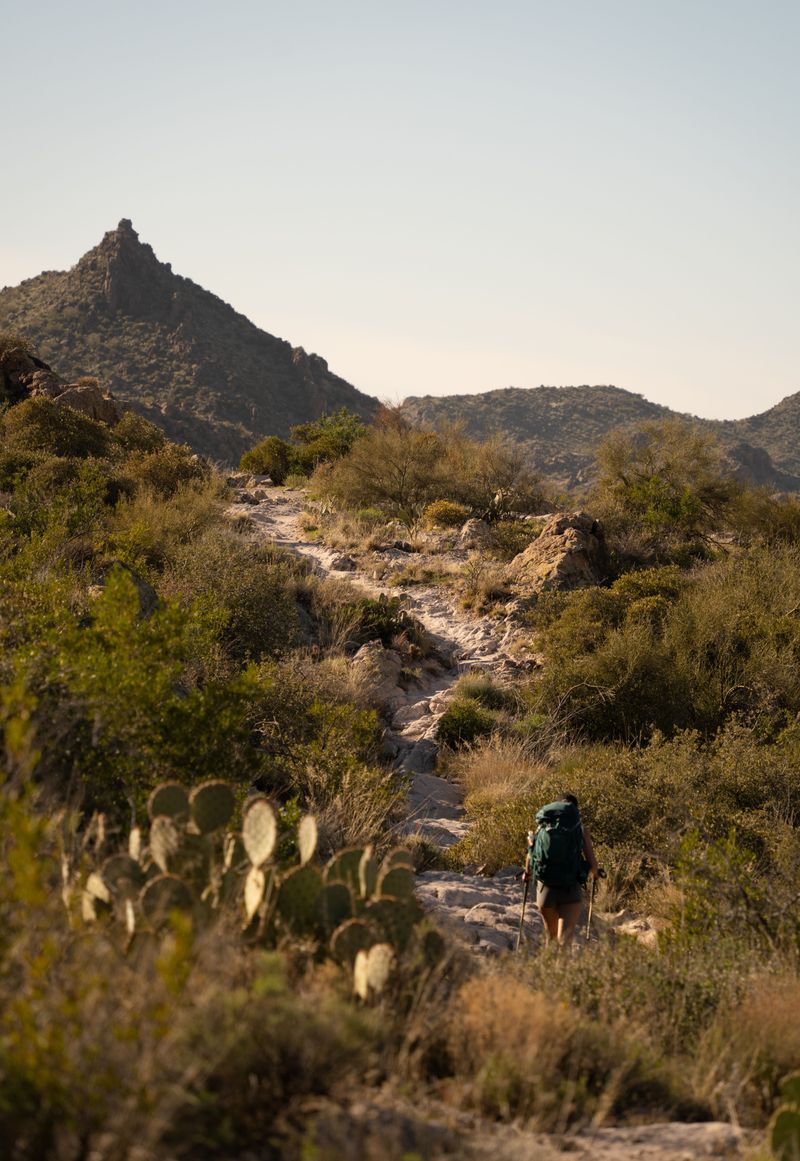
Distance solves most javelina problems before they start. If you spot a dark, stocky shape on the trail, stop walking.
Javelina rely on smell and hearing more than sight.
Back away the way you came, moving smoothly and quietly. Avoid the temptation to squeeze past on a narrow path.
A short detour costs a few minutes. An encounter at close range costs far more.
Quiet retreat keeps you off their radar.
Never Let Your Dog Chase a Javelina
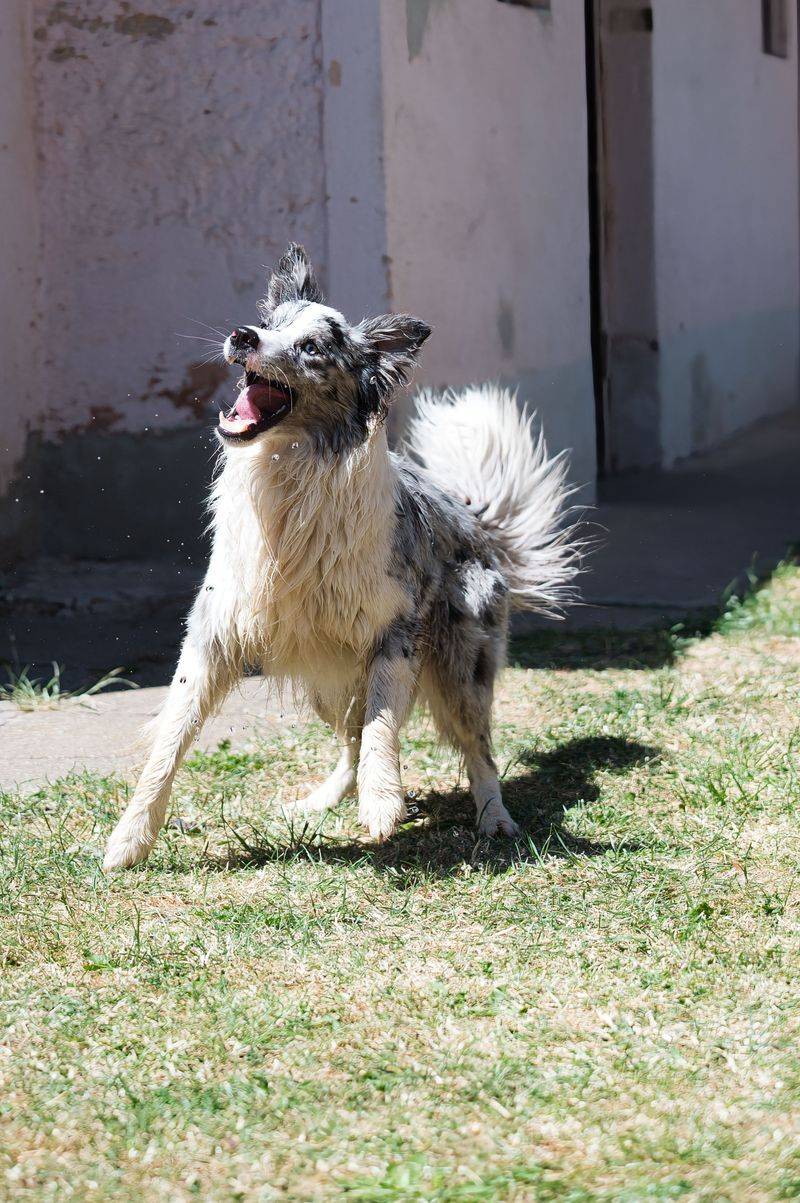
Prey drive can override months of training in one second. A javelina that runs invites a chase, and a chase invites a defensive response.
Grip the leash firmly and turn your dog’s body away. Use a treat or a familiar cue word to break focus.
Even friendly, well mannered dogs get swept up in the moment. Recall often fails when adrenaline takes over.
Physical control beats verbal control here.
Keep the Leash Short and Secure
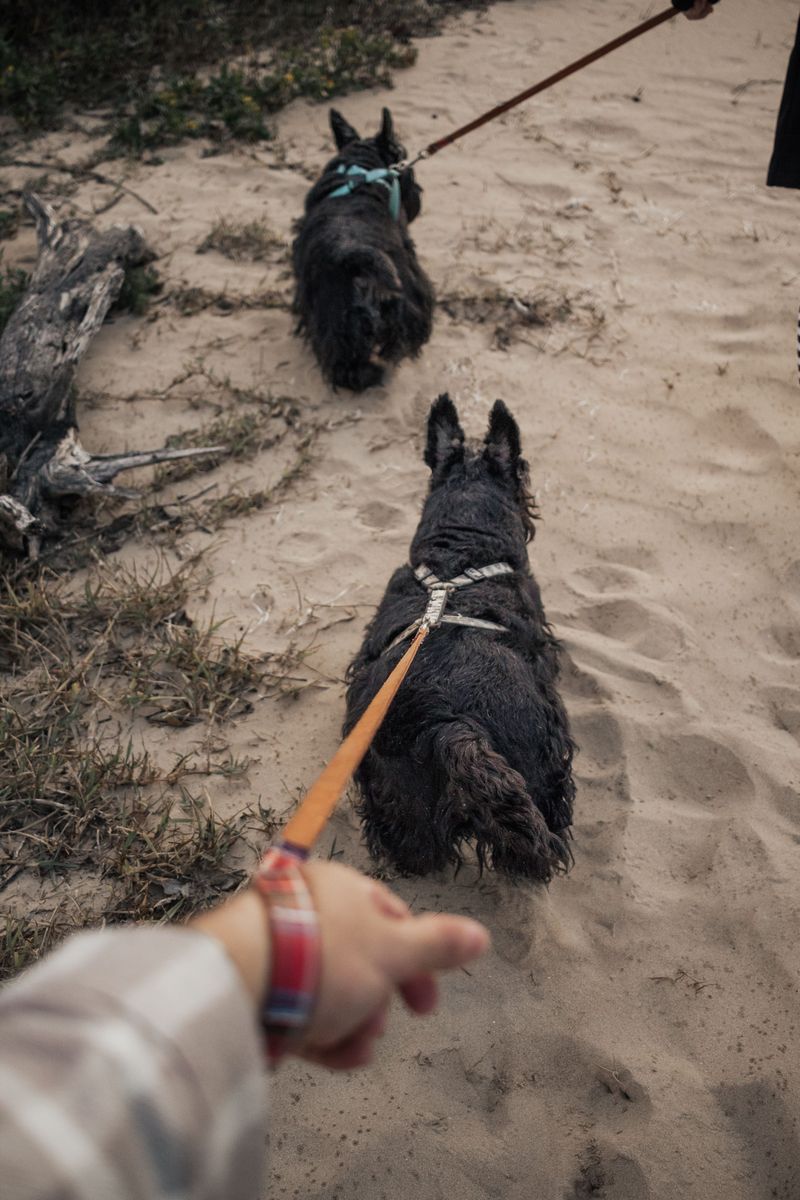
Retractable leashes give your dog twenty feet of trouble. In javelina country, a fixed six foot leash works far better.
Wrap the slack once around your hand for control.
Check the clip, collar fit, and harness buckles before every desert walk. Gear fails at the worst possible moment.
Many Arizona parks and trails require leashes anyway, though rules differ by city and county. Leashing keeps your dog beside you, where you can help.
Give the Whole Herd Plenty of Space
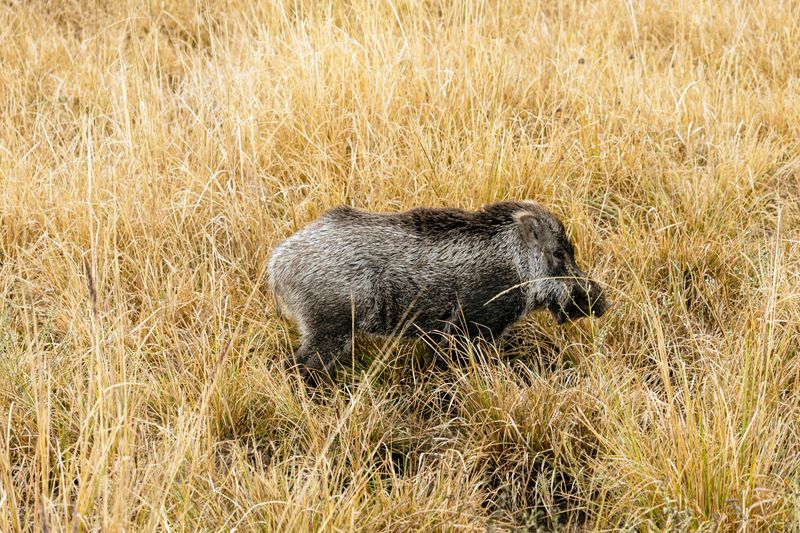
Javelina travel in family groups ranging from a few animals to more than 20. Where you see one, others may be nearby.
Scan the whole area before deciding which direction to move. Avoid walking between members of the group.
Give the herd as much space as practical and choose a route that takes you away from the animals rather than trying to pass close by.
Watch for Defensive Warning Signs
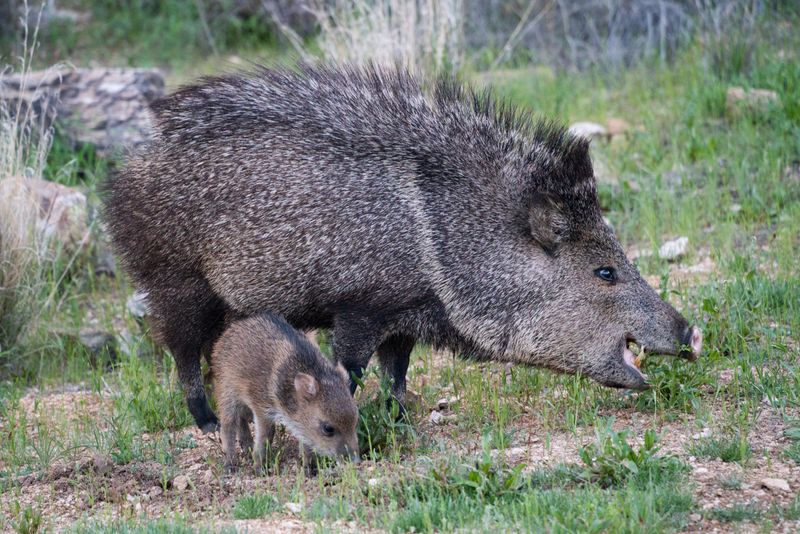
Body language tells you almost everything you need to know. Watch for raised bristles along the back and a lowered head.
Teeth clacking is a clear signal to back off. A strong musky odor often means the animal feels crowded.
Short huffing sounds and stomping front feet count as warnings too. Respond by retreating, not by watching the show.
Photos can wait. Warnings simply mean the animal wants room.
Hands Off, and Always Leave an Escape Route
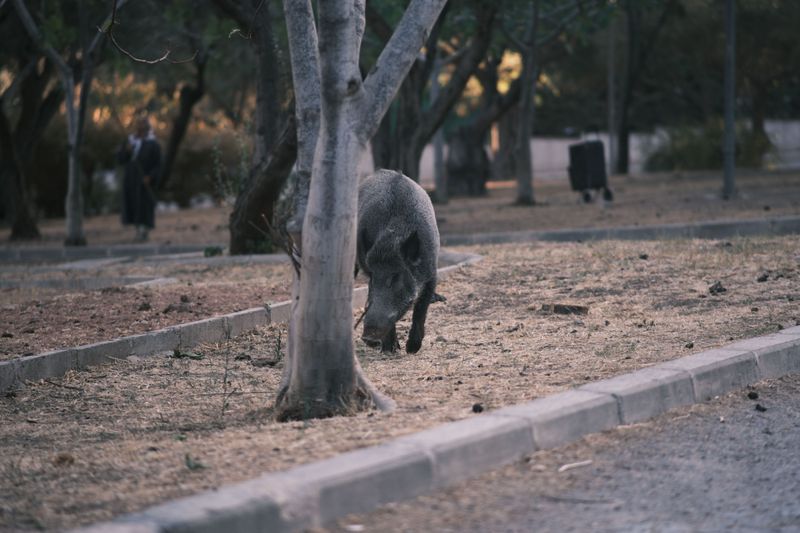
Curiosity gets people into trouble more than aggression does. Never reach toward a javelina, even a small or sleepy looking one.
Blocking a doorway, gate, or narrow wash is equally risky. A cornered animal has only one direction left to go.
Garages and patios trap them easily.
Step aside and open a clear path away from you and your dog. Given room, most javelina leave on their own.
Be Extra Careful Around Young Javelina
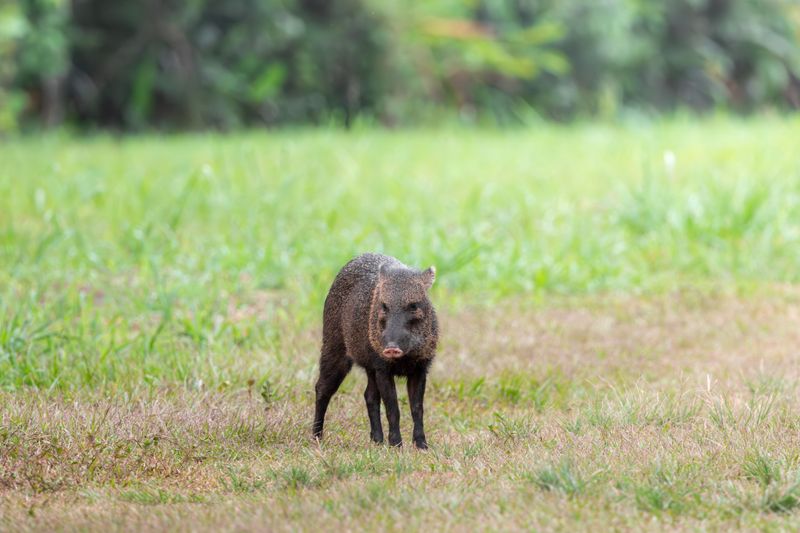
Adults can become defensive when young javelina are nearby, which is completely natural. Young javelina are sometimes called reds because of their reddish-brown or tan coats.
Never step between a young javelina and the adults nearby. Keep your dog close and choose a different route rather than approaching the group.
Young javelina can be born throughout the year, although births occur most often from November through March.
Know Why Dogs Trigger a Reaction
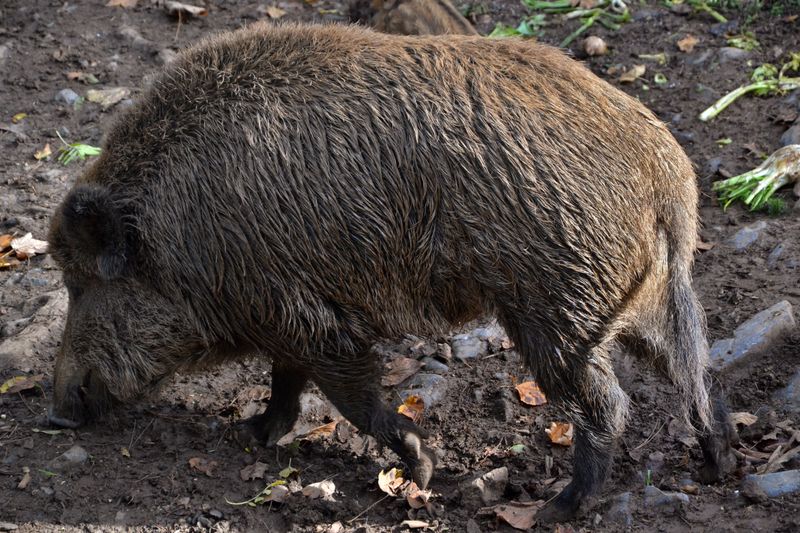
Here is the part many owners miss: javelina react to dogs the way they react to coyotes. Shape, movement, and scent all read as a threat.
A barking dog on a leash still looks like a predator to them. Small breeds spark the same reaction as big ones.
Understanding that instinct helps you stay a step ahead. Manage your dog first, and the javelina usually settles down.
If a Javelina Charges, Create Distance Fast
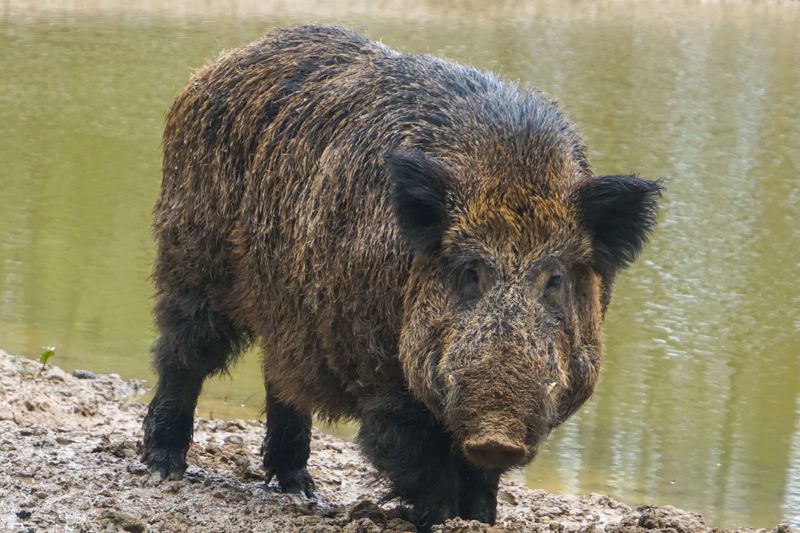
A javelina may appear to charge when it is actually trying to escape, but defensive charges can also occur. Put distance or a solid object between you and the animal when possible.
A tree, boulder, vehicle, or block wall may provide useful separation. Keep your dog close and avoid putting yourself in a position where you could be cornered.
Arizona Game and Fish recommends loud noises or throwing small rocks in the animal’s direction to encourage it to retreat. If you encounter a javelina while walking your dog, avoid approaching it and quickly take your dog in a different direction.
Check Your Dog Over After Any Encounter

Once you reach a safe spot, run your hands over your dog slowly. Thick coats hide small punctures surprisingly well.
Look at the shoulders, chest, legs, and face. Check for limping, flinching, or unusual quietness on the walk home.
Adrenaline can mask soreness for hours.
Rinse visible scrapes with clean water if you have some. Note the time and location, since details help your veterinarian later.
Call a Veterinarian After an Injury
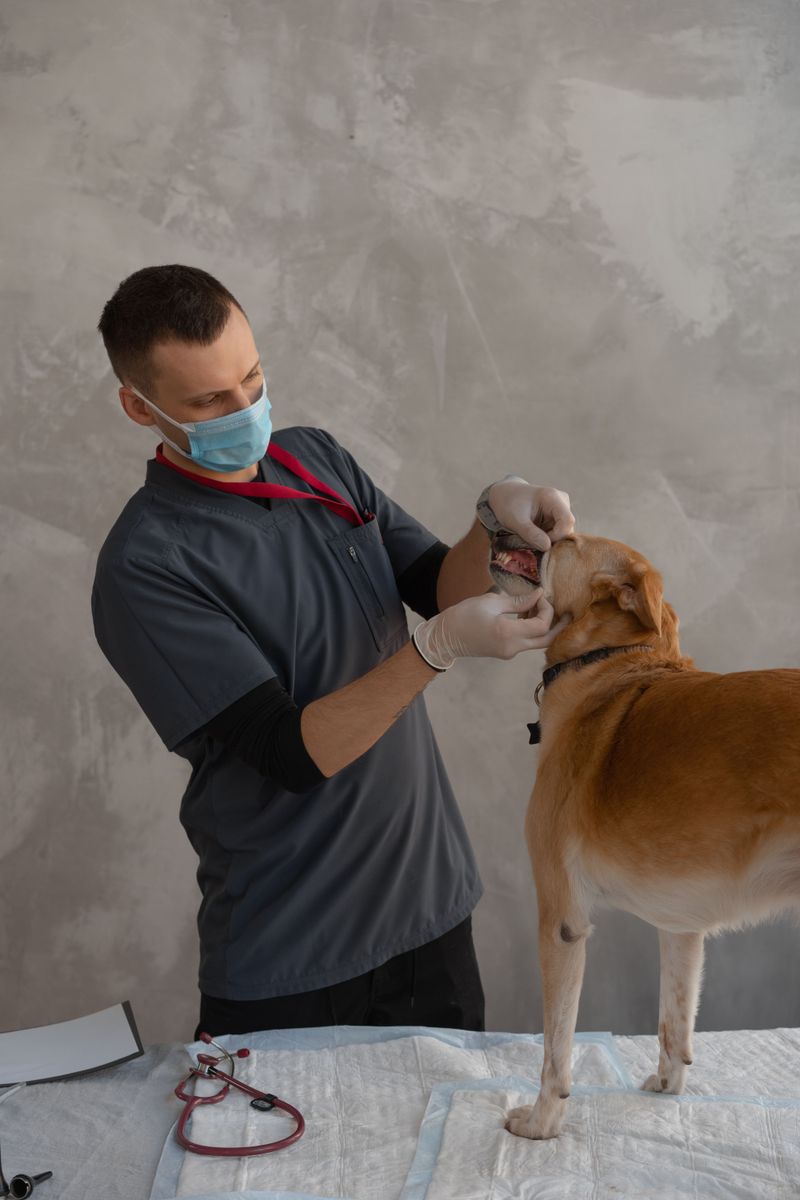
Puncture wounds look tiny on the surface and still need professional care. Bacteria travel deep, and infection can set in quickly.
Phone your regular clinic or an emergency hospital right away. Describe the wildlife involved, since that changes treatment decisions.
Avoid ointments unless your vet recommends them. Keep your dog quiet during the drive, and bring vaccination records if handy.
Same day care is the safe standard.
Take Rabies Questions Seriously
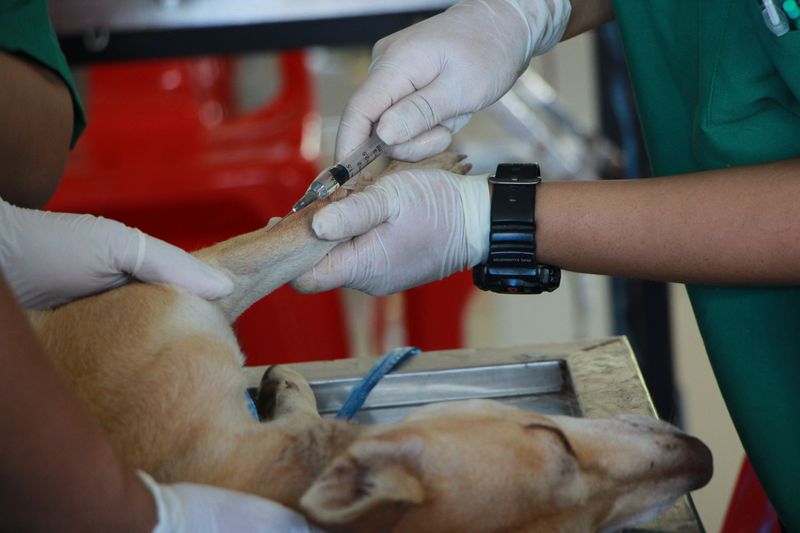
Javelina are not among Arizona’s principal rabies hosts. Arizona Game and Fish identifies bats, skunks, and foxes as the state’s principal rabies hosts, while noting that rabies can also affect mammals such as bobcats, coyotes, and javelina.
Any wildlife bite or injury should be discussed promptly with a veterinarian, and rabies exposure should be reported to the appropriate health or wildlife authorities. Keep your dog’s rabies vaccination current and follow local licensing requirements.
Report an Unusually Bold or Aggressive Animal
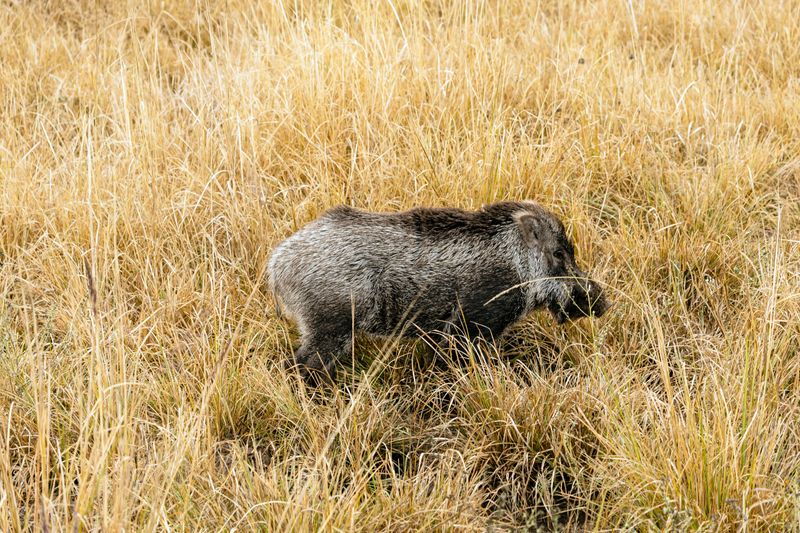
Wildlife acting strangely is worth a phone call. The Arizona Game and Fish Department handles reports of aggressive or unusually bold javelina.
Note the location, time, number of animals, and behavior you observed. Photos from a safe distance help officers assess the situation.
For an immediate safety concern, contact local police or animal control. Reporting is free and takes minutes.
Wildlife officials rely on local eyes.
Skip Dense Brush and Washes After Dark
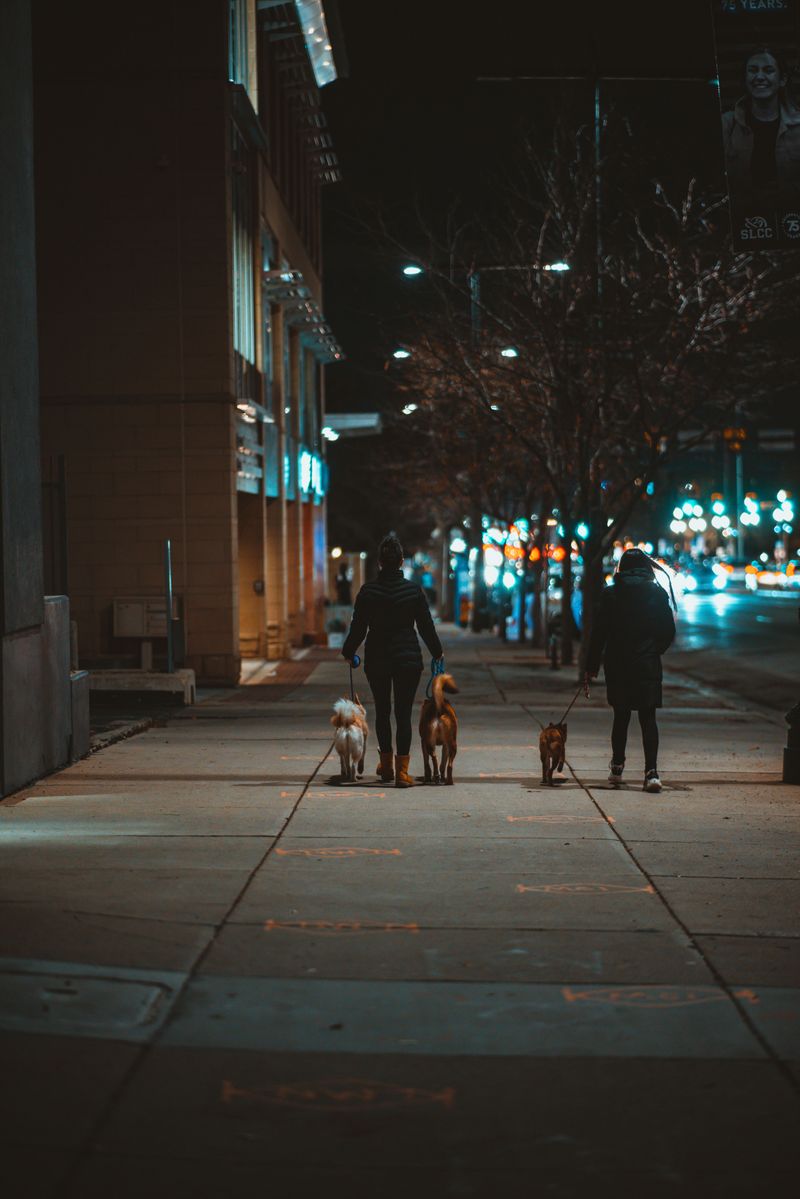
Javelina are most active at night, although they may also be active during the day when temperatures are cold. Washes and areas with dense vegetation can serve as travel corridors.
Stick to open sidewalks and well-lit streets for late walks. Carry a bright flashlight and sweep it ahead of you.
Give javelina plenty of space if you encounter them, and take your dog in a different direction rather than approaching.
Keep Food and Water Temptations Out of the Yard
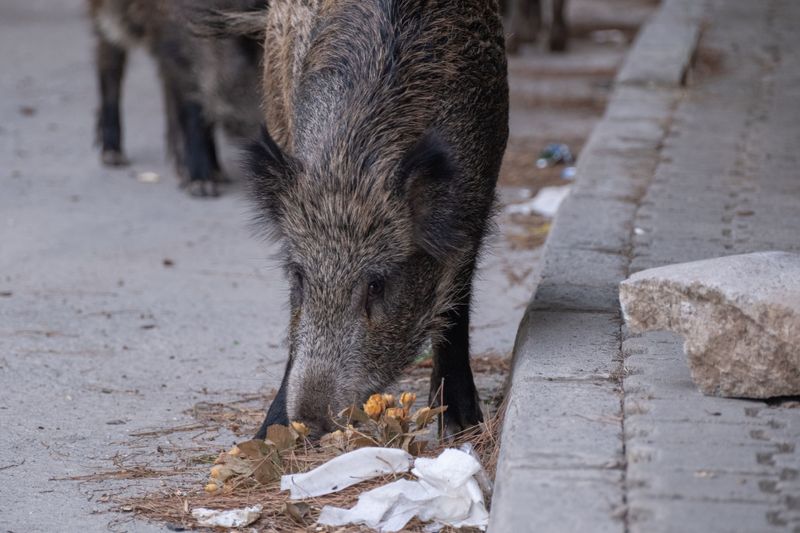
Yard habits shape how often javelina visit your street. Bird seed spills, pet bowls, fallen citrus, and open trash all act as invitations.
Feed dogs indoors and secure garbage bins with tight lids. Water features and drippy hoses attract them during hot months.
Feeding wildlife is unlawful in Maricopa, Pinal, and Pima counties, with exceptions for certain birds and tree squirrels. Some cities and other counties also have their own wildlife-feeding ordinances, so check your local rules.
Steady habits, short leashes, and early distance: that is the whole playbook.