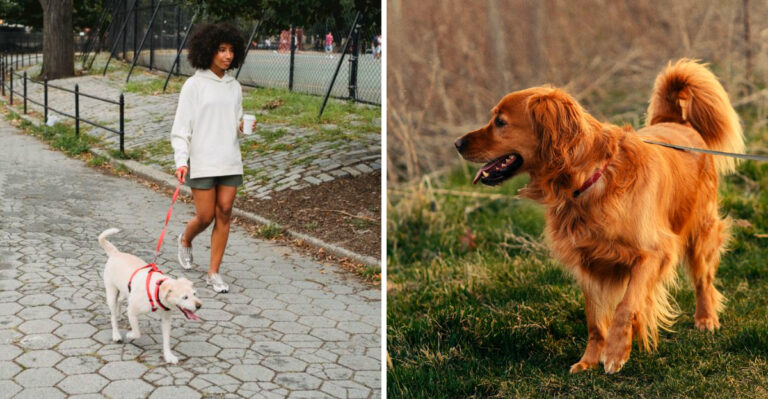
Where Georgia Law Stands When Another Dog Bites Yours

Walks around the neighborhood are usually the easy part of dog ownership. Then one afternoon a loose dog rushes your leashed pup, and suddenly you are holding a leash, a phone, and a lot of questions.
Who pays the vet bill? Does anything happen to the other dog?
What if the other owner shrugs and walks away?
Georgia law does have answers, and they are more practical than most owners expect.
1. Your Dog Counts as Property in the Eyes of the Law

Legally speaking, Georgia treats your dog the same way it treats your bicycle or your fence: as personal property you own.
That sounds cold, and most owners dislike hearing it. But the classification actually helps you.
Property has value, and damaged property can support a claim.
So when another dog injures yours, the case is usually built as property damage rather than personal injury. Understanding that framing early explains almost every rule that follows.
2. Compensation Is Often on the Table
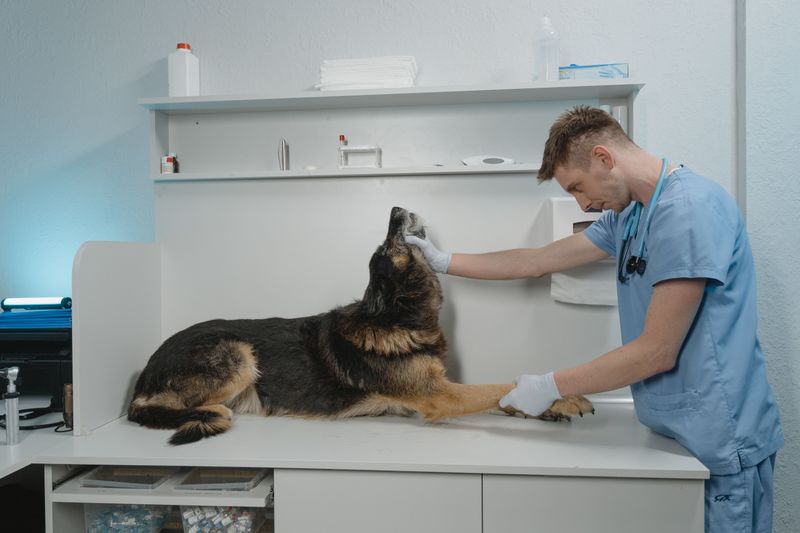
Vet bills after a dog fight add up quickly, and you may not have to absorb them alone.
If another owner’s carelessness led to the attack, Georgia allows you to pursue compensation through a claim or lawsuit.
Negligence is the usual theory. Letting a dog roam loose, failing to repair a broken gate, or ignoring a leash rule can all support responsibility.
Keep every receipt. Documentation does the heavy lifting.
3. The Famous Dog-Bite Statute Focuses on People, Not Pets

Many owners search for Georgia’s dog-bite law and find O.C.G.A. section 51-2-7. Worth knowing: that statute mainly covers injuries a vicious or dangerous animal causes to a person.
Pet-on-pet harm generally falls outside it.
Instead, your claim leans on ordinary negligence and property principles. The distinction matters because the proof required differs.
Ask any attorney to explain which path fits your facts before assuming the bite statute applies.
4. Leash Rules Are Written Locally, and They Matter
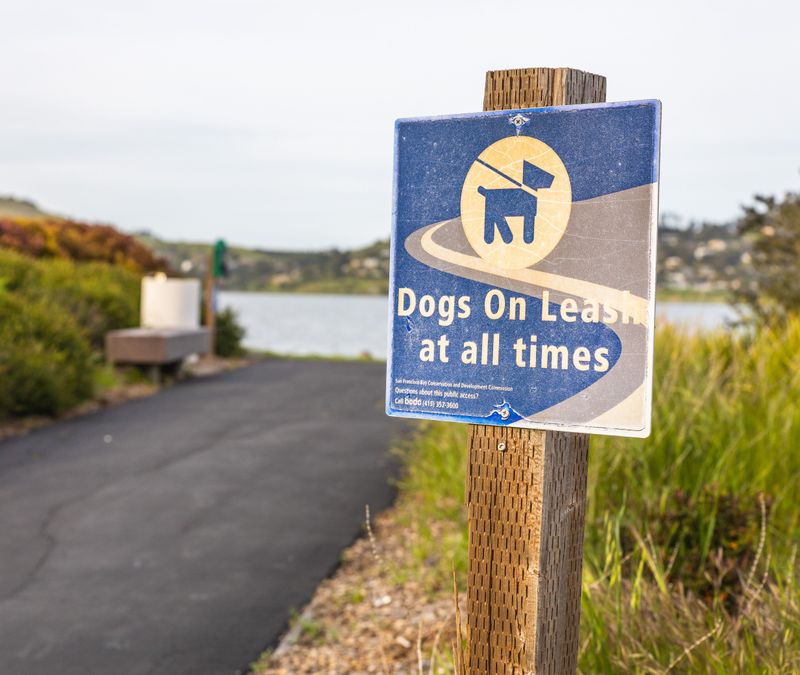
Here is something that surprises newcomers: Georgia has no statewide leash law.
Cities and counties write their own ordinances, so the rule in one town may not match the next.
That local text can decide a case. When an owner lets a dog run loose against the ordinance, that violation supports a negligence argument.
Look up your own ordinance now, while things are quiet. A quick call to animal control confirms it.
5. Local Governments Can Set the Bar Higher
State law sets a floor, not a ceiling.
Georgia’s Responsible Dog Ownership Law establishes minimum standards, and cities and counties may adopt stricter rules or tougher penalties on top of them.
Practically, that means fencing requirements, tethering limits, and registration steps vary by address. What passes inspection in one county may fall short in another.
Before assuming you are compliant, check with the local clerk or animal services office directly.
6. One Injured Dog Does Not Equal an Automatic Dangerous Label
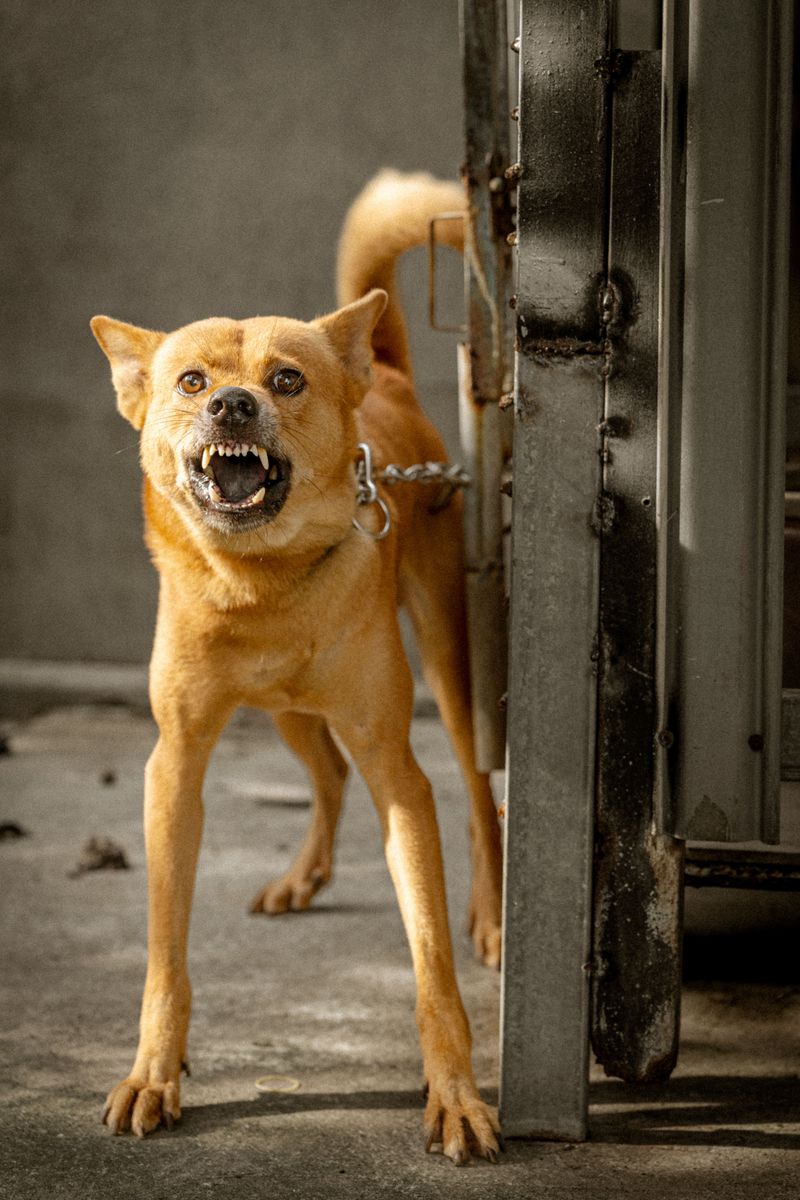
Owners often assume a biting dog gets branded dangerous immediately. Georgia’s standard is narrower than that.
The classification generally requires a substantial skin puncture on a person, an aggressive attack creating imminent threat of serious injury, or killing a pet animal off the owner’s property.
Simply wounding another dog usually does not meet the definition. Barking, growling, or showing teeth alone never does.
Report anyway, because records build a pattern.
7. A Pet Killed Off the Owner’s Property Changes Things

Location carries real legal weight in this corner of the law.
When a dog leaves its own property and kills another pet animal, Georgia law allows that dog to be classified as dangerous.
The off-property element is key. Something happening inside a fence is treated differently than something happening on a sidewalk.
If your pet dies in such an incident, tell animal control exactly where the attack occurred.
8. Working and Service Dogs Get Carve-Outs
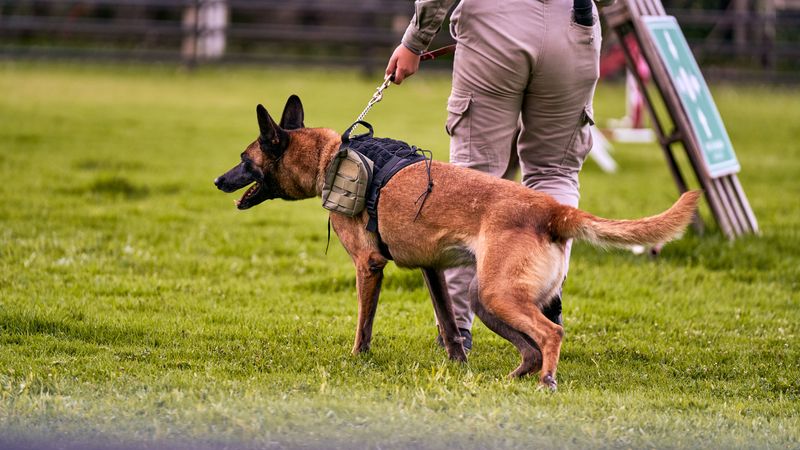
Not every dog is measured by the same yardstick.
Georgia’s dangerous-dog provisions include exceptions for dogs actively working or training as hunting dogs, herding dogs, or predator control dogs.
Law enforcement and military dogs performing official duties are also exempt for conduct during those duties.
Farm and hunting households should know these exceptions exist. If a working-dog situation arises near you, confirm how your county applies the exemption.
9. The Vicious Label Hinges on Serious Human Injury
Vicious sits a step above dangerous in Georgia’s system, and the trigger is a serious injury to a person.
The statute spells out what serious means: broken or dislocated bones, lacerations needing multiple sutures, disfiguring wounds, plastic surgery, hospital admission, substantial risk of death, or lasting impairment.
Because the standard centers on people, dog-on-dog incidents rarely produce this label. The higher tier brings the strictest ownership duties.
10. Animal Control Has Investigative Authority
You are not the investigator, and that is a relief.
Dog control officers and law enforcement are authorized to look into reports of potentially dangerous or vicious dogs.
They keep records of prior complaints, past incidents, and existing classifications. Those files often reveal that a dog has a history.
Filing a report costs you nothing and builds the paper trail. Give clear dates, times, addresses, and photos when you call.
11. Owners Receive Written Notice and a Chance to Appeal
Due process applies to dogs too.
Before a dangerous or vicious classification becomes final in Georgia, the owner must be notified in writing.
From there, the owner can request a hearing and appeal to a local board, typically within about seven days of notice.
Deadlines here are short. If you ever receive such a letter, read it the same day and confirm the appeal window with the issuing office.
12. Stricter Leash and Control Rules Follow a Classification
A classification is not just a label. It reshapes daily routines.
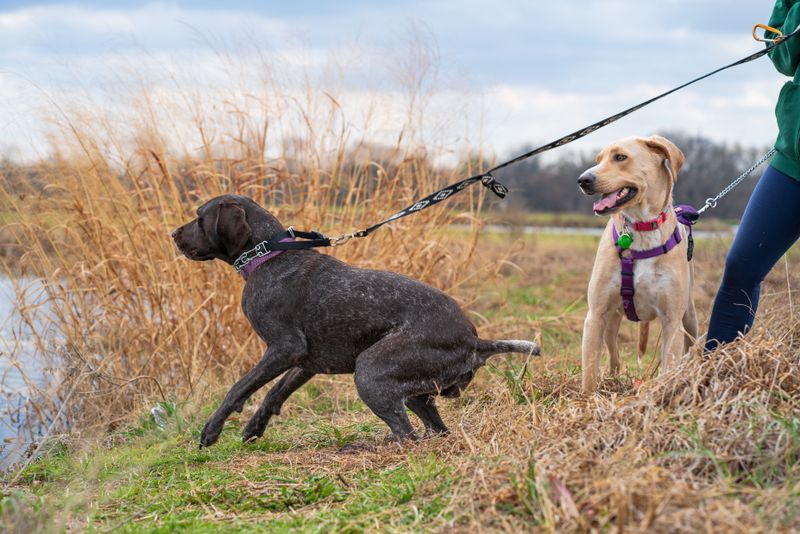
Georgia requires a classified dangerous dog off the owner’s property to be restrained on a leash no longer than six feet, under the physical control of a person capable of managing it.
A locked cage or crate is the alternative during transport.
Casual off-leash trips end permanently. Compliance protects the dog as much as the public.
13. Secure Confinement at Home Becomes Mandatory

Fencing standards tighten considerably after a dangerous classification.
The dog must be confined indoors, inside a secure fenced area, or in a locked enclosure on the owner’s property.
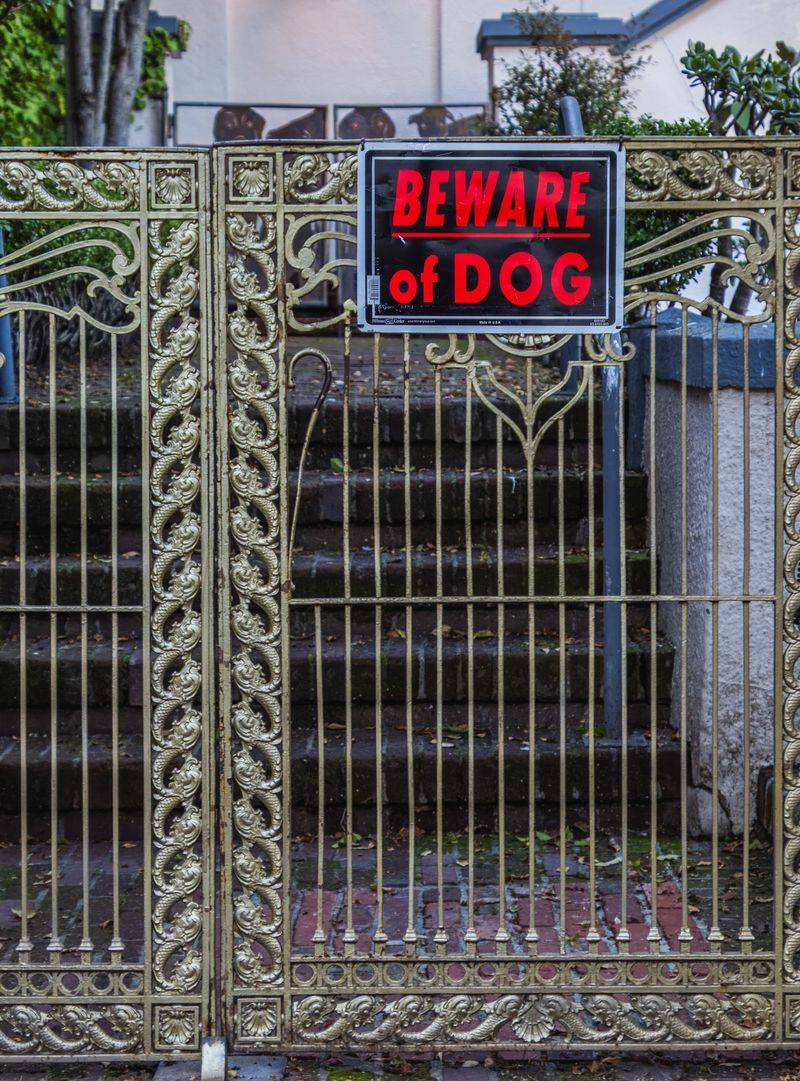
Georgia also requires clearly visible warning signs at every entrance to the premises, so visitors know before they walk in.
Counties may add specifications for height, gates, or locks. Verify the exact build requirements with local animal services before construction.
14. Vicious-Dog Owners Carry Insurance and Extra Duties

The vicious tier adds real financial obligations.
Georgia requires owners of vicious dogs to maintain liability insurance of at least fifty thousand dollars for injuries the dog might cause.
Microchipping is required, and the dog must be muzzled whenever it is outside the secure enclosure and off the owner’s property.
These duties continue for the dog’s life. Ask your insurer early whether your policy accommodates them.
15. Reasonable Vet Costs Can Be Recovered

Treatment for a bitten dog can run into surgery, medication, and follow-up visits.
When another party is legally responsible, Georgia allows recovery of reasonable veterinary expenses for that care.
Notably, those costs are not automatically capped at the dog’s market value, and a jury decides whether the amounts were reasonable.
So save invoices, treatment notes, and photos of injuries. Organized records make the reasonableness question far easier to answer.
16. When a Dog Dies, Damages Have Defined Pieces
Losing a dog is heavy, and the legal accounting feels clinical by comparison.
Georgia allows recovery of the dog’s fair market value at the time of loss, plus interest, along with reasonable veterinary and related treatment costs.
Fair market value is not guesswork. Evidence about breed, age, training, temperament, pedigree, and working use helps establish it.
Registration papers and training certificates become genuinely useful here.
17. Sentimental Value Generally Stays Off the Ledger
Every owner knows their dog is priceless to them. Georgia courts, however, have consistently declined to award damages for emotional or sentimental attachment to a pet.
The bond is treated as beyond legal measure in dollar terms.
That reality can sting, so it helps to expect it. Focus your documentation on measurable losses instead: vet bills, market value, and provable expenses tied to the incident.
18. Filing Deadlines Differ Depending on the Claim
Clocks run quietly in the background of every incident.
In Georgia, personal injury claims generally must be filed within two years of the injury date.
Property damage claims, the category that typically covers harm to your dog, generally carry a four-year deadline.
Mixed incidents can involve both. Do not wait until a deadline nears.
Speak with a Georgia attorney early so nothing expires unnoticed.
Steady preparation beats scrambling later.