Why California Oak Acorns Can Become A Seasonal Problem For Curious Dogs
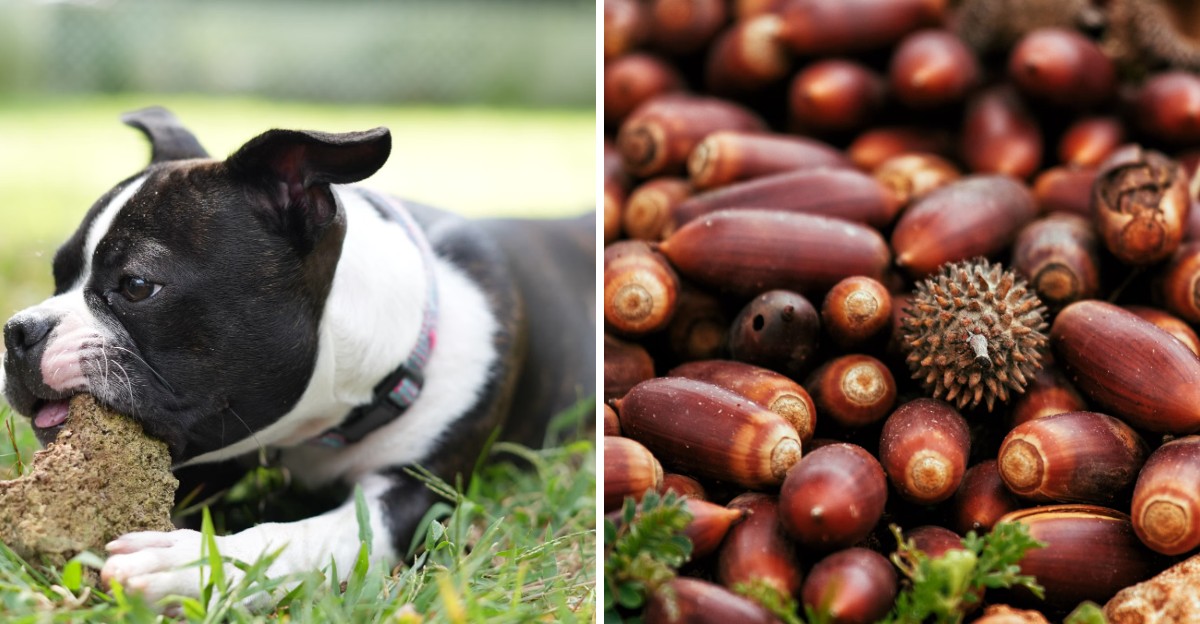
An oak shaded walk can turn into a treasure hunt when your dog discovers acorns underfoot. Across California, these fallen nuts can tempt curious noses and create problems when dogs chew or swallow them.
You do not need to avoid every oak tree, but a few seasonal habits can help. Knowing when acorns fall, what trouble looks like, and when to call your veterinarian makes outdoor time easier to enjoy.
1. A Woodland Treasure That Attracts Curious Dogs
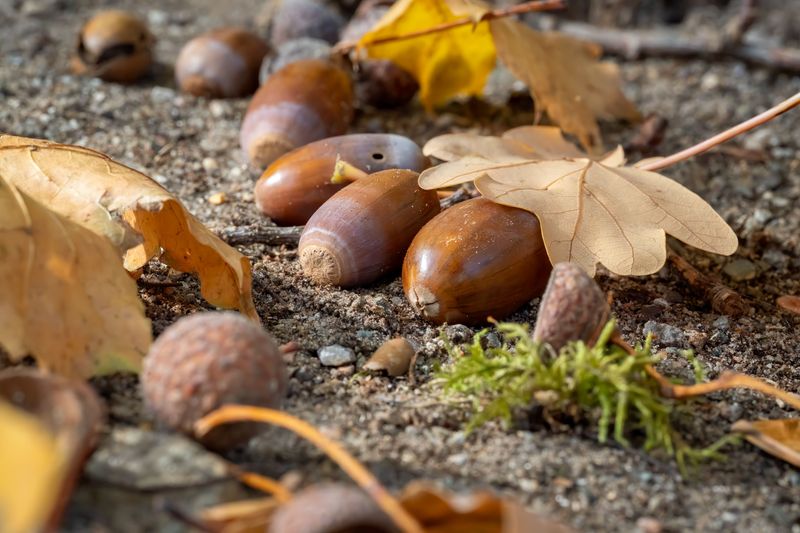
A rolling acorn can look like a tiny toy to a dog exploring beneath an oak tree. Its size invites investigation.
Interesting smells, attached caps, and movement across pavement may encourage sniffing or mouthing. Curiosity does not mean your dog needs food.
Guide your dog toward clear ground before that investigation becomes chewing. Reward attention with a familiar treat, and keep safe playthings available during outdoor breaks beneath California oak trees.
2. Falling Season Changes Across California
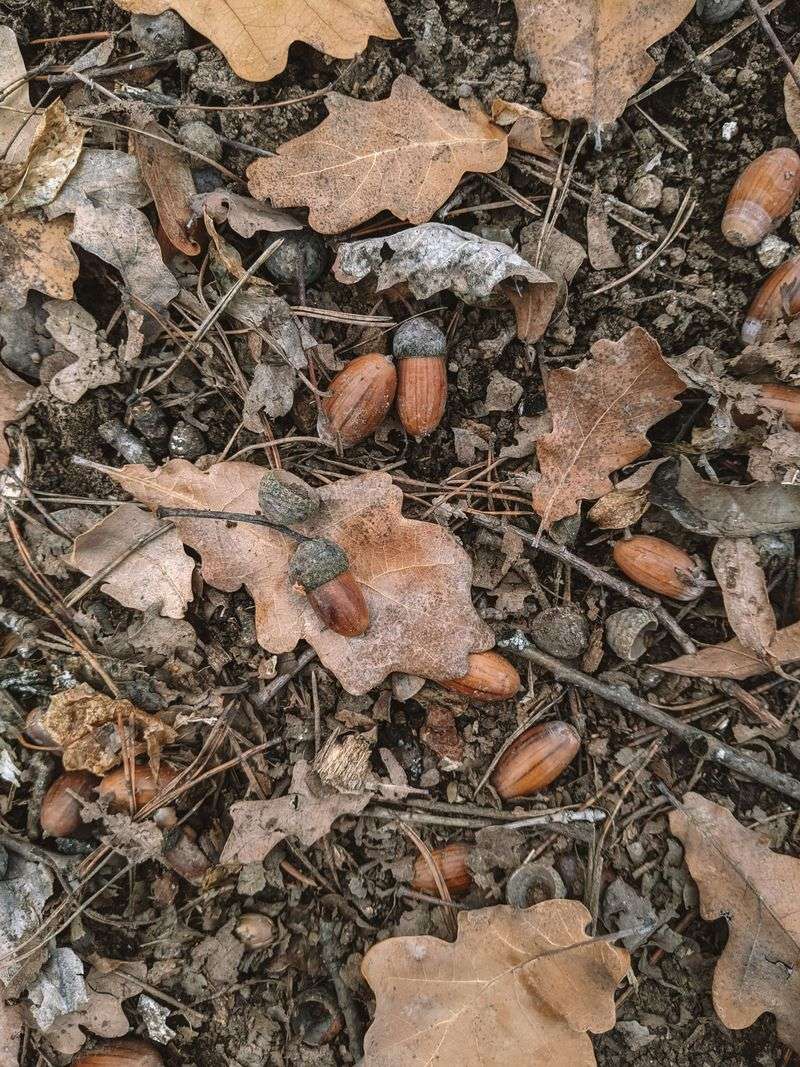
Late summer often brings the first noticeable acorns, with many California oaks dropping their crops through fall. Local timing varies by species.
Weather, elevation, and growing conditions can shift that schedule. Some acorns remain beneath trees well after the main dropping season has passed.
Check familiar walking routes rather than relying only on the calendar. After windy days, inspect your yard before letting your dog explore without close supervision outside again.
3. Bigger Crops Make Some Years Busier
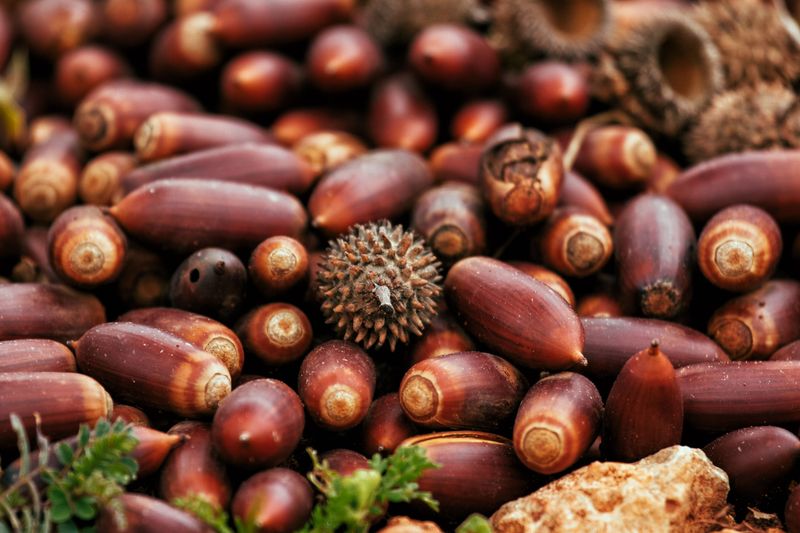
One autumn may bring scattered nuts, while another leaves the sidewalk dotted with them. Oaks naturally vary their acorn production between years.
Especially large crops are often called mast crops. Weather, pollination, and tree resources influence production, but patterns differ among species and locations.
A quiet season does not predict the next one. Watch the ground each year, and increase sweeping or route changes when local trees produce more fallen acorns.
4. Several Familiar Oak Species Leave Acorns Underfoot
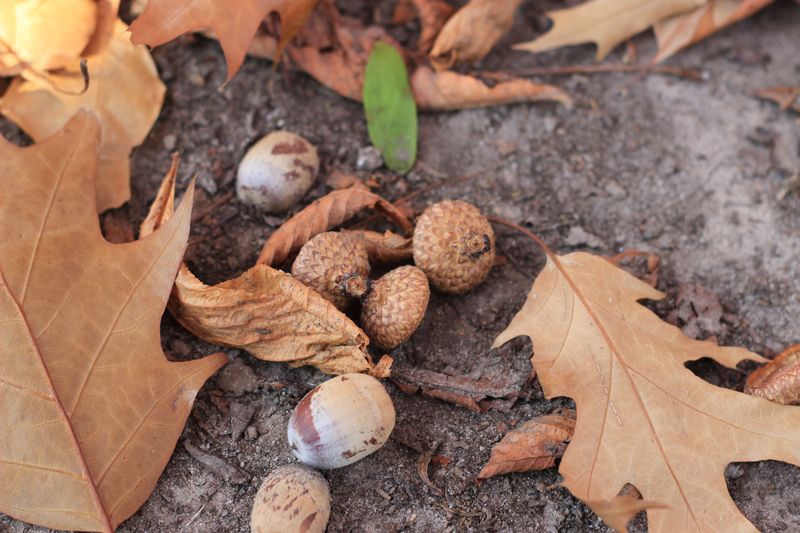
Coast live oak, valley oak, blue oak, and California black oak all produce acorns. Their ranges overlap with many popular dog walking areas.
Acorn size and shape differ, but appearance cannot establish safety for chewing. No oak acorn should become an approved snack for your dog.
Learn which trees shade your yard and nearby paths. A local nursery or university extension resource can help identify unfamiliar oaks from leaves and clear photographs.
5. Chewing Can Follow an Innocent Sniff
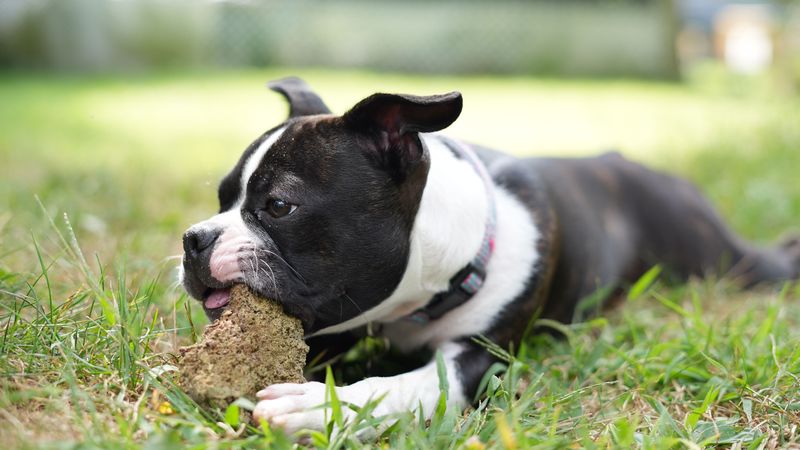
Crunchy objects can appeal to dogs that enjoy exploring with their mouths. Puppies may investigate acorns while learning about textures and their surroundings.
Boredom, scavenging habits, or simple opportunity can also encourage chewing. Eating acorns does not automatically point to a missing nutrient or dietary problem.
Offer suitable chew toys and supervised activities away from fallen nuts. If your dog repeatedly eats nonfood objects, discuss that pattern with your veterinarian for guidance.
6. Tannins Can Trouble a Dog’s Stomach
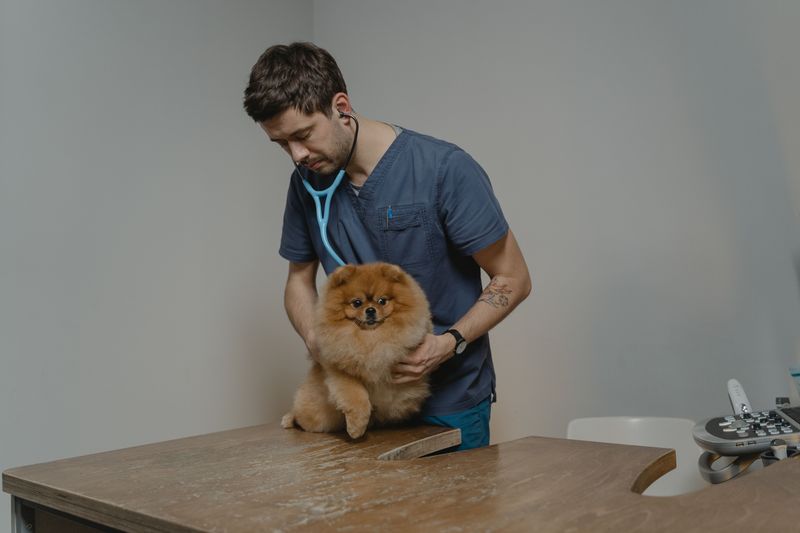
Inside an acorn are tannins, natural plant compounds that can irritate a dog’s digestive system. Vomiting, diarrhea, or belly discomfort may follow ingestion.
Risk depends on several factors, including the amount eaten and your dog’s size. Significant exposure can also affect the kidneys and requires assessment.
Do not assume every dog will react alike. Call your veterinarian after known ingestion, and describe the likely amount rather than guessing a safe limit yourself.
7. Whole Acorns Bring Choking and Blockage Concerns
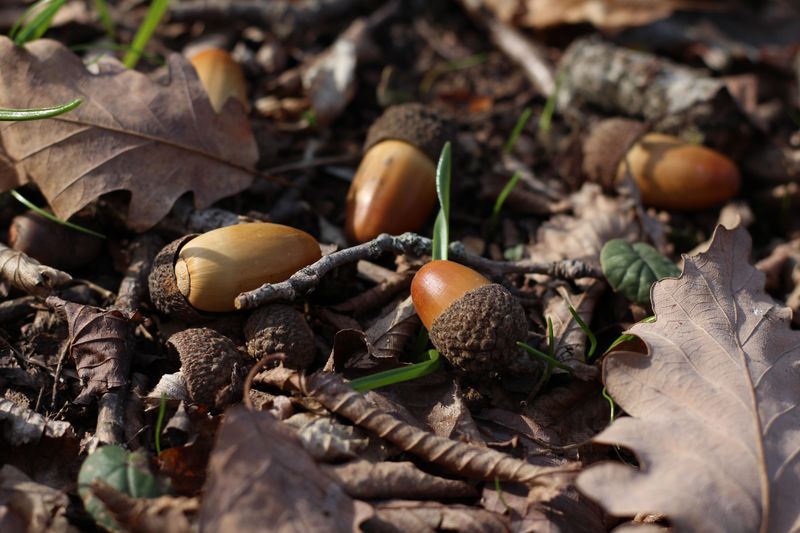
A hard acorn presents more than a stomach concern. Its shape and size can create choking trouble or obstruct the digestive tract after swallowing.
Repeated gagging, breathing difficulty, or sudden distress needs immediate veterinary attention. Persistent vomiting and abdominal discomfort can also signal a blockage requiring urgent assessment.
Never assume passing one acorn means every future acorn will pass. Contact your veterinarian promptly when swallowing occurs, even if your dog initially seems comfortable.
8. Puppies and Small Dogs Need Closer Supervision
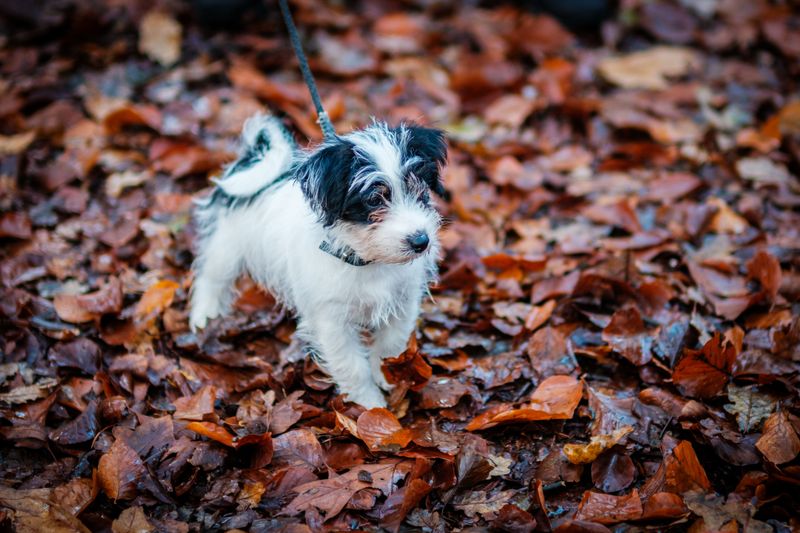
For a little dog, an ordinary acorn can be a relatively large object. Smaller body size also matters when assessing the amount swallowed.
Puppies add another challenge because exploring with their mouths is common. Their quick movements can make a fallen nut disappear before you notice.
Keep walks near oaks closely supervised, with your puppy within easy reach. Choose clean play areas, and teach simple trading games before practicing around outdoor distractions.
9. Changes Worth Watching After an Acorn Snack
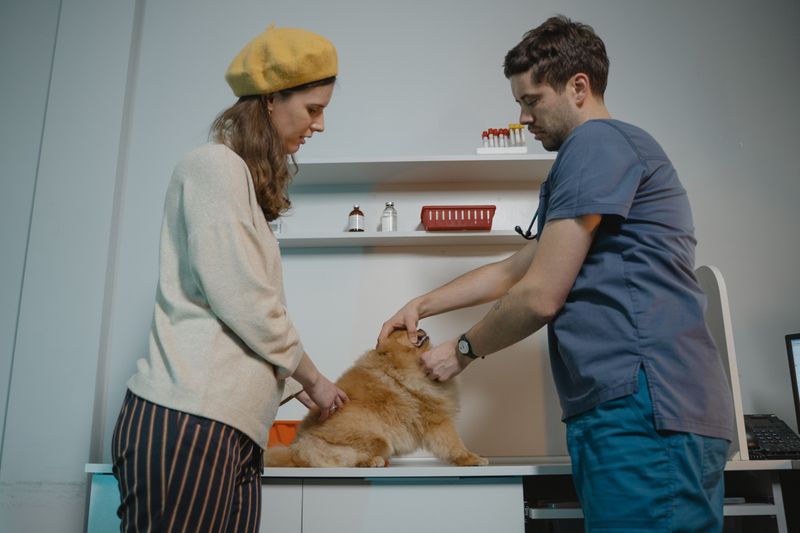
Your dog’s usual habits provide useful clues after an exposure. Watch for vomiting, diarrhea, reduced appetite, drooling, unusual tiredness, or signs of discomfort.
Changes in thirst or urination also deserve veterinary advice. Straining, repeated vomiting, or a tender belly may raise concern about an intestinal blockage.
Write down when the acorn was eaten and any changes you notice. Share observations with your veterinarian, who can explain what monitoring or examination is appropriate.
10. Early Advice Beats Waiting for Worsening Symptoms
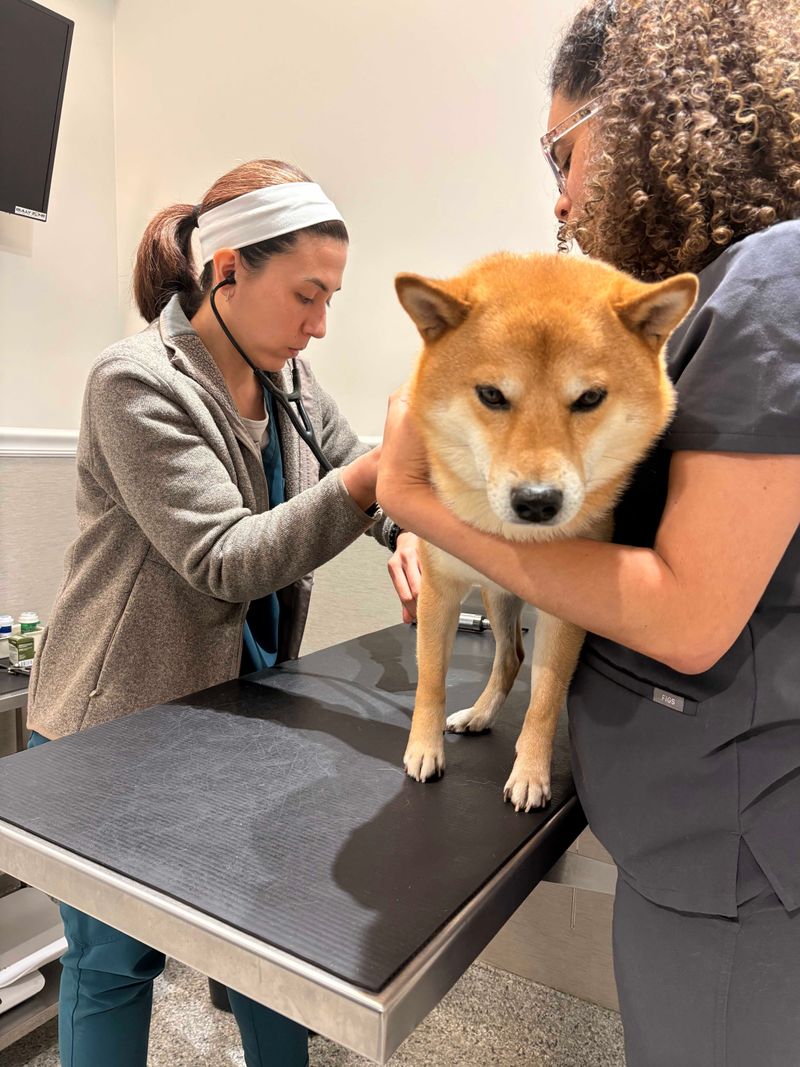
Looking normal right now does not rule out a developing problem. Digestive irritation and blockage signs may not appear immediately after an acorn disappears.
Calling early gives your veterinarian more useful options for assessment. Mention your dog’s weight, health conditions, timing, and the estimated number of acorns swallowed.
If your clinic is unavailable, contact an emergency veterinarian or animal poison service. Breathing difficulty, collapse, or repeated vomiting warrants urgent care rather than continued home observation.
11. Sidewalk Habits That Make Neighborhood Walks Easier
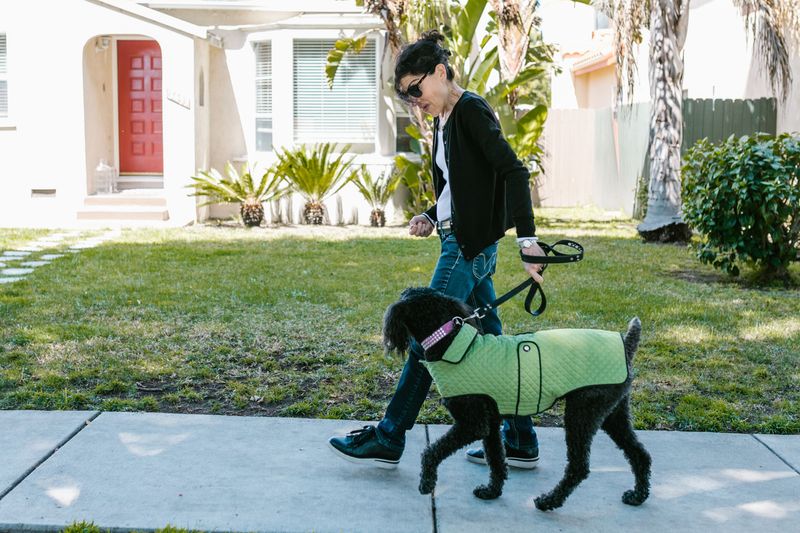
A little scanning ahead can prevent a quick mouthful. Look beneath street trees, beside parked cars, and around corners where fallen acorns gather.
Use a leash length that allows sniffing without losing control near debris. Cross to a clearer stretch when the sidewalk becomes heavily covered.
Carry small training rewards and praise your dog for checking in. Avoid letting a retractable leash place your dog beyond easy supervision under trees dropping fresh acorns.
12. Trail Edges Can Hide Concentrated Patches
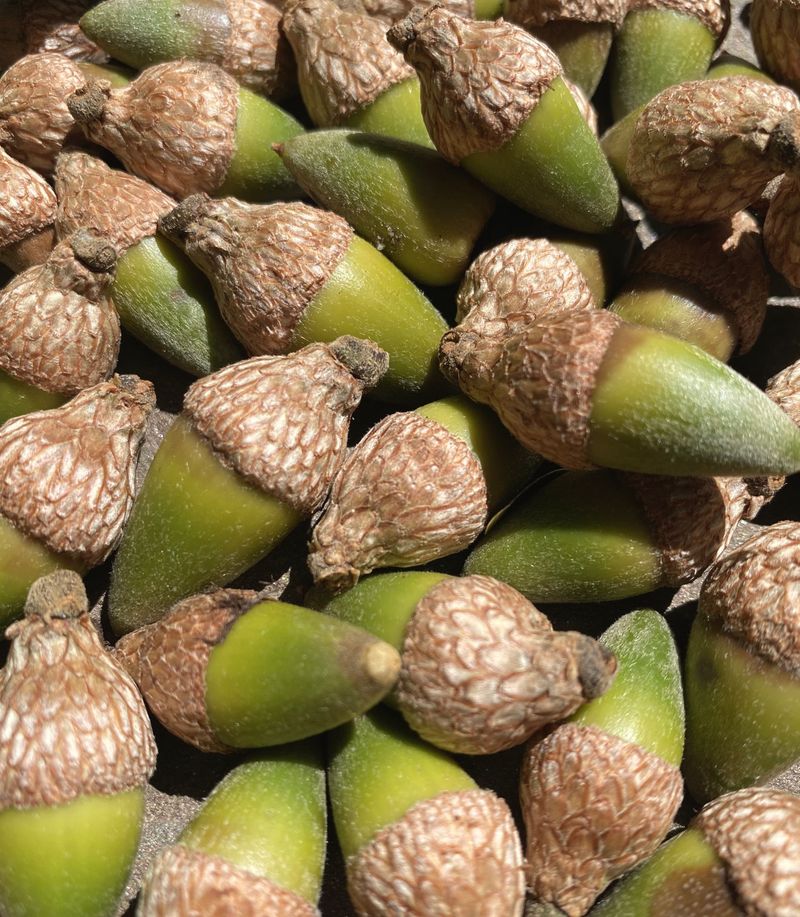
Trail debris rarely spreads evenly across the ground. Acorns can collect in shallow dips, along path edges, and beneath broad branches near resting spots.
Leaves may hide nuts that seem absent at first glance. Benches and picnic areas beneath oaks deserve a quick check before your dog settles.
Stay on permitted paths and follow posted leash rules. Before allowing a sniffing break, inspect the patch rather than assuming a well traveled trail is clear.
13. Backyard Shade Can Become an Acorn Hotspot
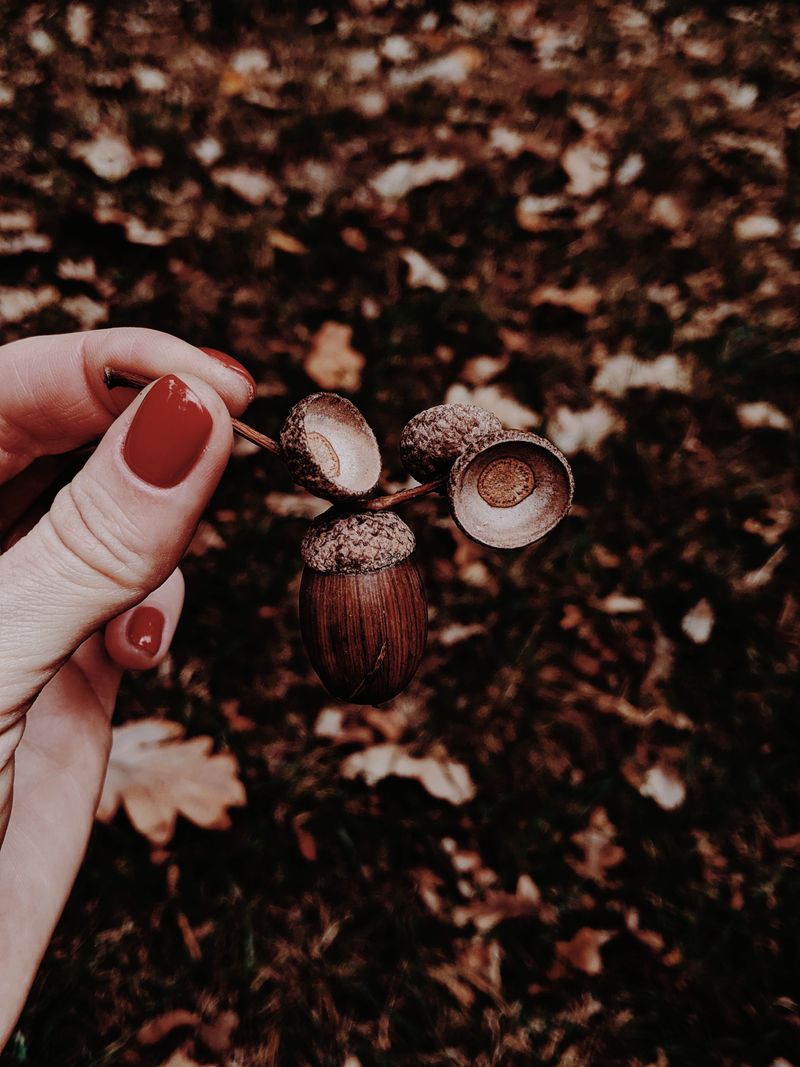
Your own yard can change between morning and afternoon during peak dropping periods. Wind and active wildlife may bring more acorns into familiar spaces.
Dogs spending time outside alone have more opportunities to investigate unnoticed. A fenced yard prevents roaming, but it does not prevent access to acorns.
Check beneath the canopy before each play session when crops are heavy. Temporarily block access to covered areas, while preserving a clean space for exercise and toilet breaks.
14. Cleanup Works Best as a Regular Routine
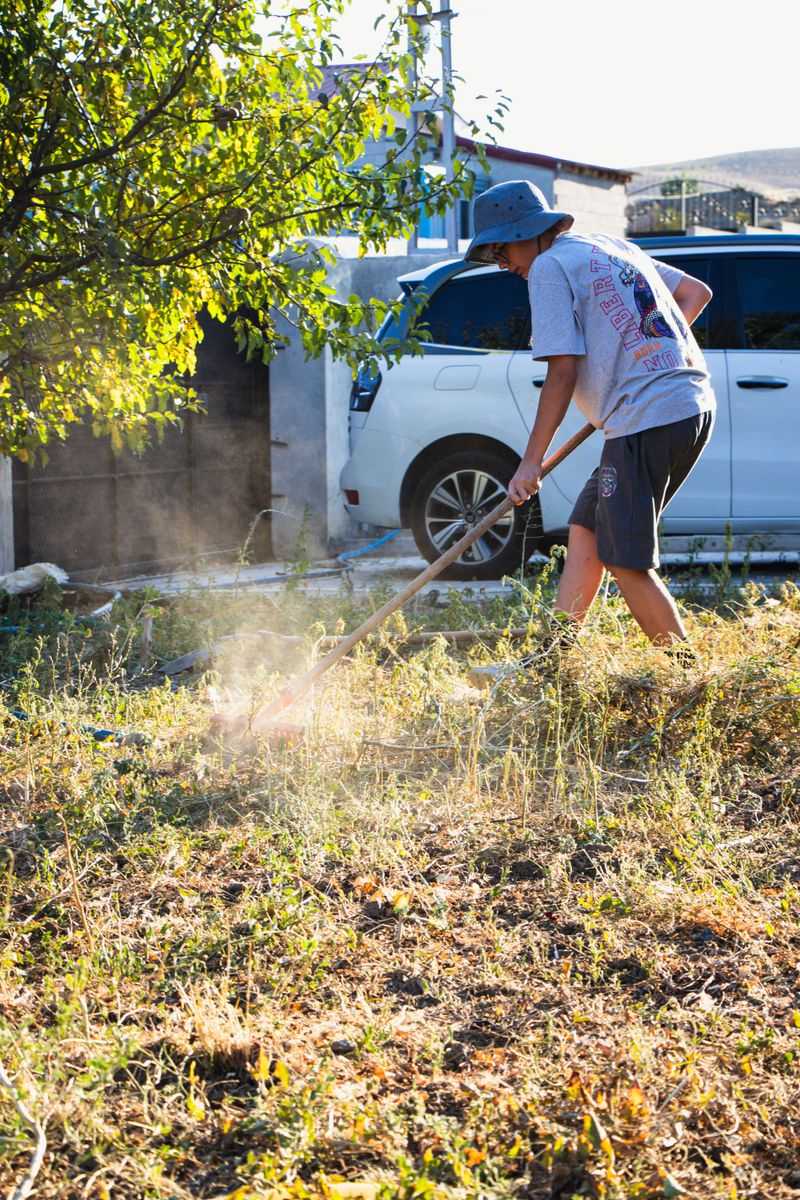
One big sweep rarely finishes the job while trees keep dropping nuts. Short, frequent cleanup sessions usually make checking your dog’s space more manageable.
Rake lawn areas, sweep hard surfaces, and collect missed acorns by hand. A nut gathering tool may help, depending on ground texture and acorn size.
Remove collected material from your dog’s reach instead of leaving an open pile. Avoid digging or damaging oak roots, and check cleared areas again after windy weather.
15. A Calm Trade Helps When an Acorn Gets Grabbed
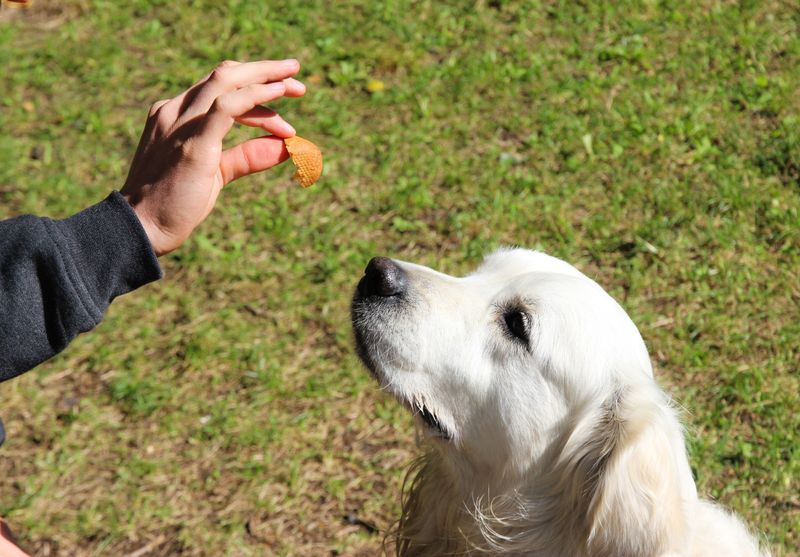
Stay composed if you spot an acorn between your dog’s teeth. Chasing or shouting can encourage some dogs to gulp the object or guard it.
Use a practiced drop cue and offer a rewarding trade. Remove a loose object only when safely accessible, without pushing it farther into the mouth.
If swallowing occurs, contact your veterinarian for instructions. Never induce vomiting or give home remedies unless a veterinary professional specifically directs you to do so.
16. Caps and Fragments Deserve Attention Too
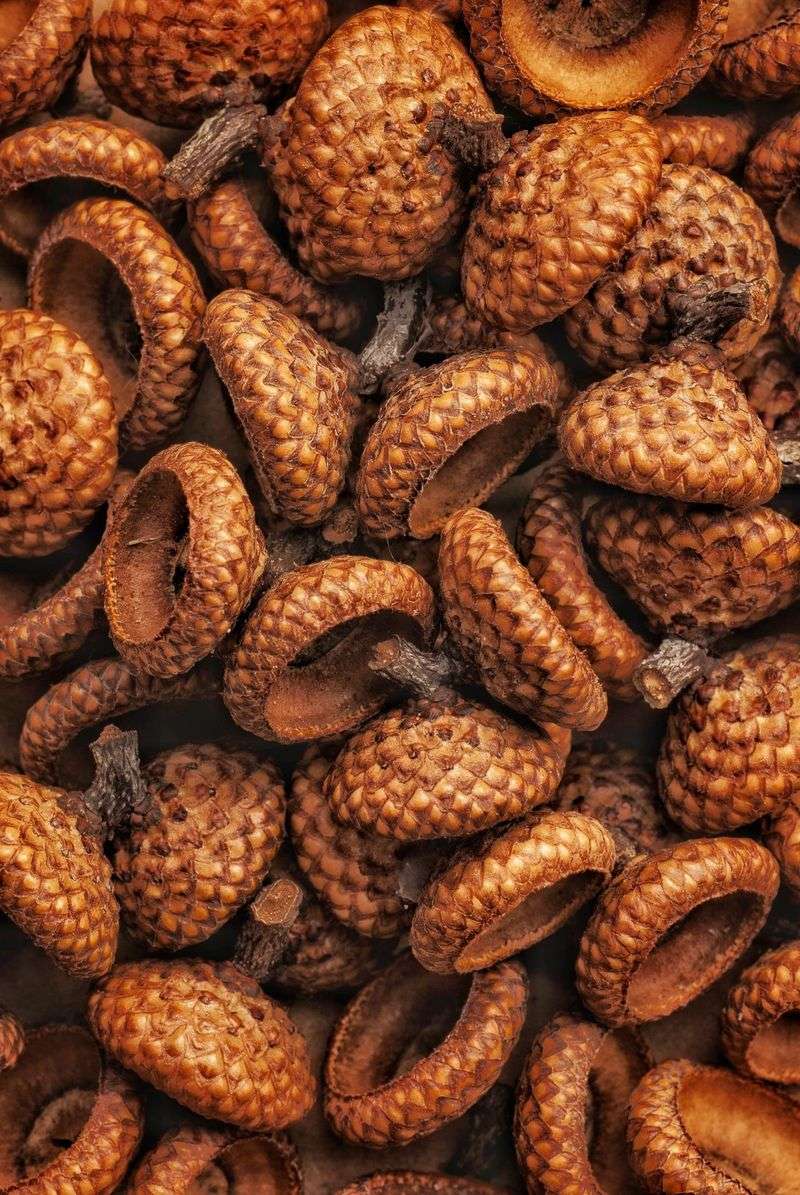
Small leftovers are easy to overlook after the larger nuts disappear. Acorn caps and broken shells remain unsuitable chew items, even without an intact nut.
Rough edges may irritate the mouth or digestive tract. Broken kernels still contain tannins, so crushing an acorn does not make its contents safe.
Include fragments when sweeping patios and checking play areas. Tell your veterinarian whether your dog swallowed whole nuts, chewed pieces, caps, or an uncertain mixture of material.
17. Build a Leave-It Cue Before You Need It
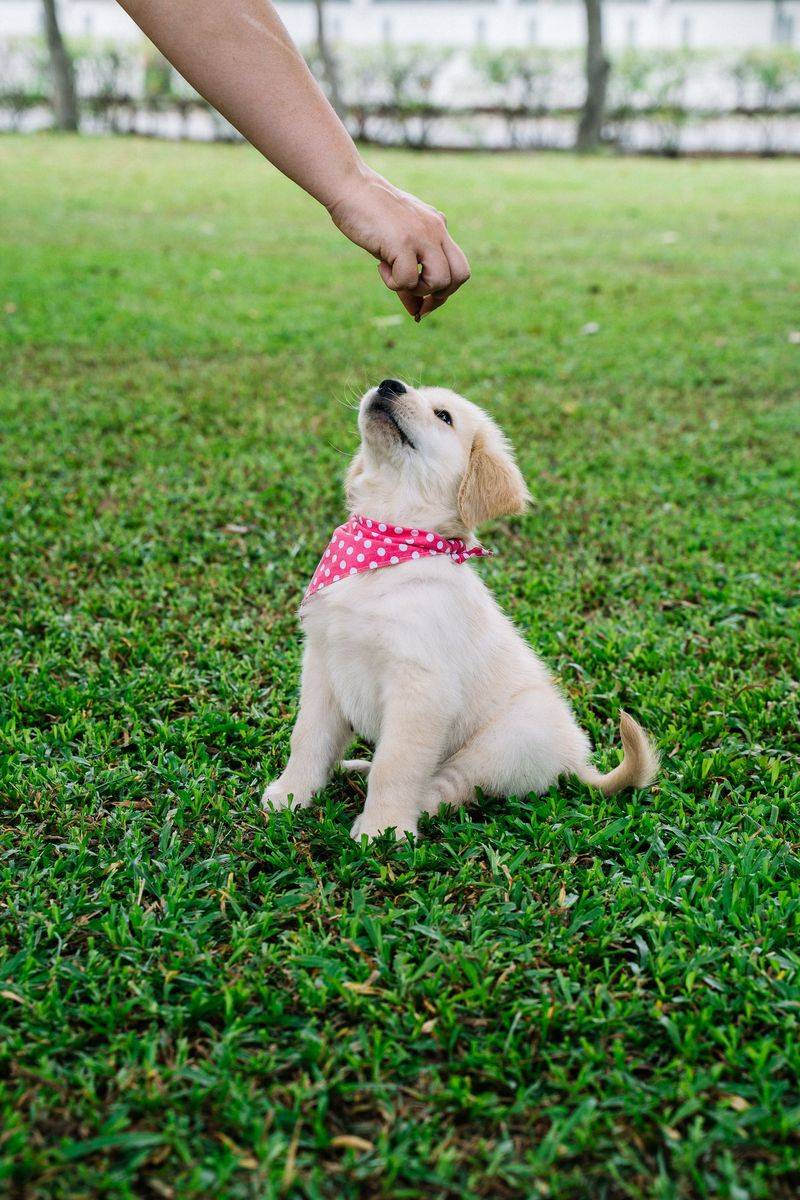
Good practice starts somewhere boring, not beneath a tree full of distractions. Hold a treat inside your closed hand and wait for your dog to disengage.
Mark that choice with praise, then reward from your other hand. Add your cue as the behavior becomes predictable, keeping sessions short and encouraging.
Gradually practice around safe objects with a leash for backup. Never use real acorns as accessible training bait, and reward turning away before grabbing happens outdoors.
18. Choose Another Route When Coverage Gets Heavy
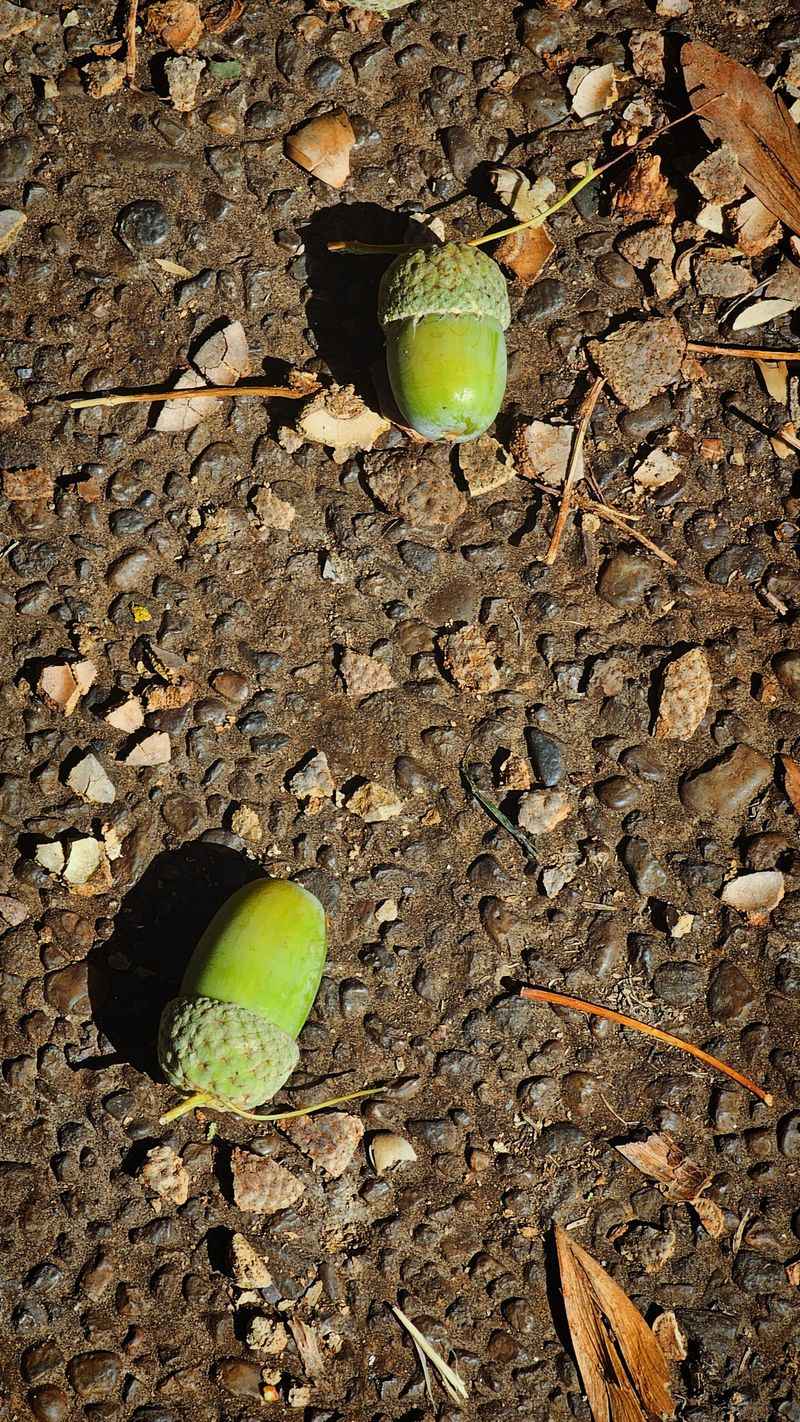
Sometimes the simplest solution is a temporary change of scenery. Dense acorn coverage can make a familiar path frustrating for dogs that constantly search for snacks.
Choose open sidewalks or another permitted route with clearer footing. After strong winds, inspect conditions before returning to your usual shaded loop beneath local oaks.
For persistent scavenging, ask a qualified trainer about reward based support. A properly fitted basket muzzle requires gradual training and never replaces supervision or veterinary advice.
19. Keep Oak Season Safe, Simple, and Enjoyable
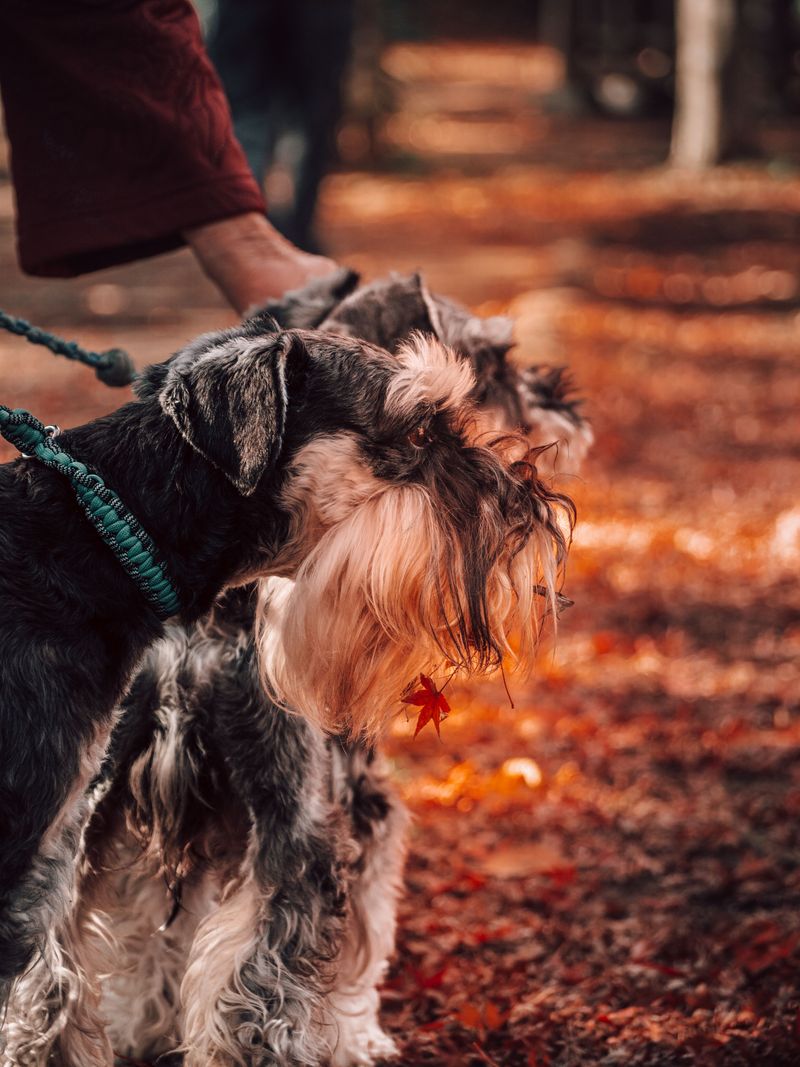
Oak season can still offer lovely walks and plenty of sniffing. Pair quick ground checks with a leash, useful cues, and activities away from fallen nuts.
Keep your veterinarian’s contact details handy, including an emergency option. Share the same acorn rules with family members, dog walkers, and anyone supervising backyard time.
You do not need a perfect yard or a worried routine. Notice the nuts, prevent the snack, and ask for help promptly when something gets swallowed.