How Tennessee Humidity Changes Summer Exercise For Active Dogs
If you live anywhere from Memphis to Knoxville, you already know Tennessee summers carry a certain weight in the air.
That thick, sticky feeling does more than fog up your sunglasses. It changes how your dog’s body handles a walk, a hike, or a game of fetch in the backyard.
The good news is that you do not need to cancel summer. You just need to adjust it.
Active dogs can stay fit, happy, and busy through July and August with a few smart changes to timing, pacing, and rest.
Below you will find eighteen practical points that explain what humidity actually does, how to read the weather like a dog owner, and when to call it a day.
1. Panting Loses Its Power When The Air Is Already Wet
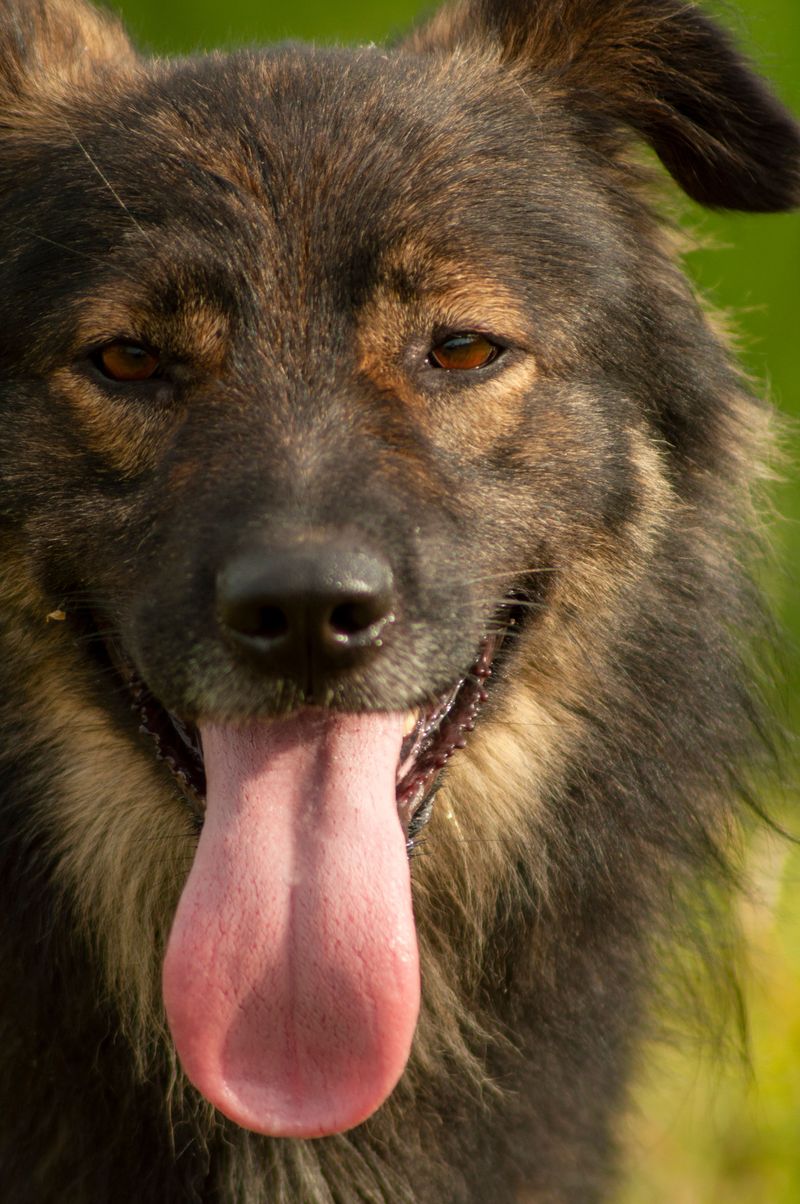
Dogs cool themselves mostly by panting. Moisture evaporates from the tongue and airways, carrying heat away.
Sticky Tennessee air already holds plenty of moisture, so that evaporation slows down. Once relative humidity climbs past roughly 35 percent, panting starts losing efficiency.
The dog is working just as hard to breathe, but getting less cooling in return. That gap is exactly why a mild-looking morning can feel much tougher on your dog than it does on you.
2. Your Everyday Walk Can Quietly Turn Into A Heat-Stress Workout
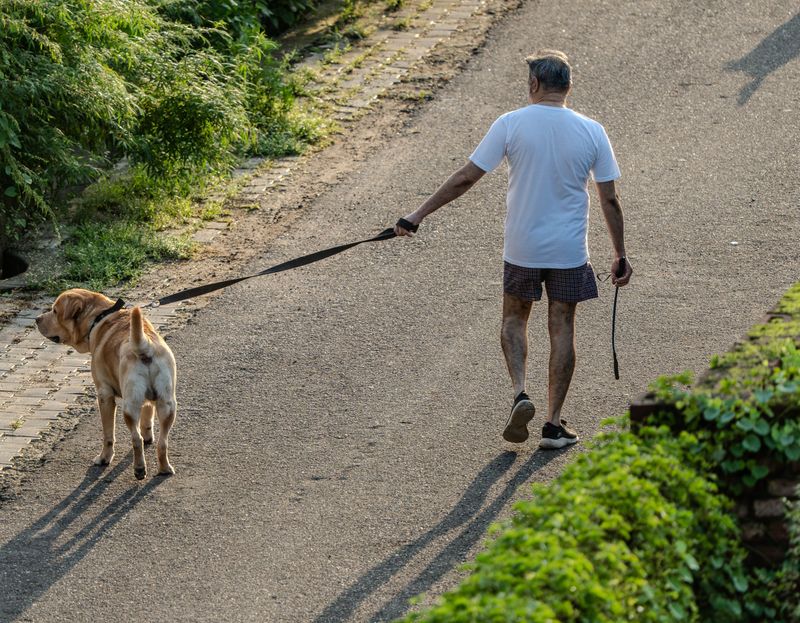
Nothing about the route changed. The distance is the same, the pace is the same, but the load on your dog’s body is not.
Heat plus humidity together add real strain, and overheating can arrive faster than expected. Exercising in muggy conditions is one of the most common triggers for heat problems in dogs.
Once readings hit the low nineties, most dogs should skip the usual walk entirely.
3. Trim The Clock Before You Trim Anything Else
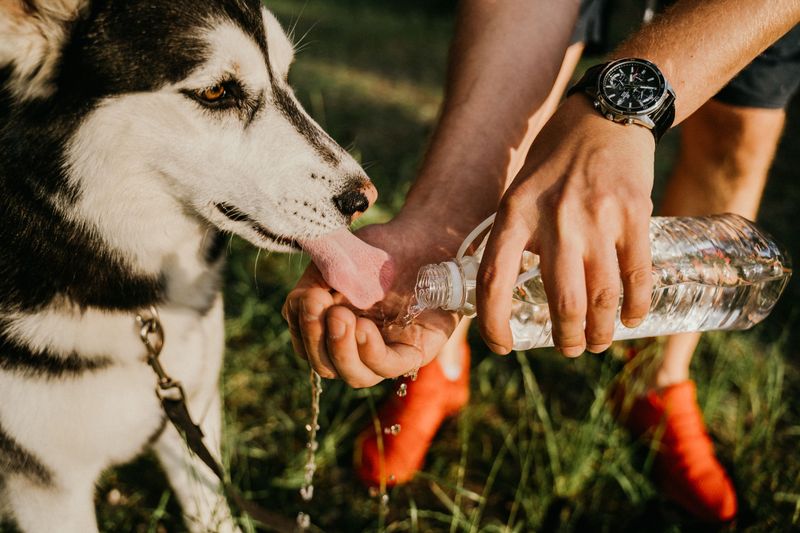
Shortening sessions is the easiest adjustment you can make, and it works.
Instead of one long forty minute outing, try three ten minute bursts spread through the day. Your dog still gets movement and mental stimulation without accumulating heat.
Slower pacing helps too. Once temperatures pass the upper eighties, most dogs are at some risk, and ninety degrees is a reasonable point to stay home.
On moderate-risk days, five minutes may be plenty.
4. Dial The Effort Down, Not Just The Distance
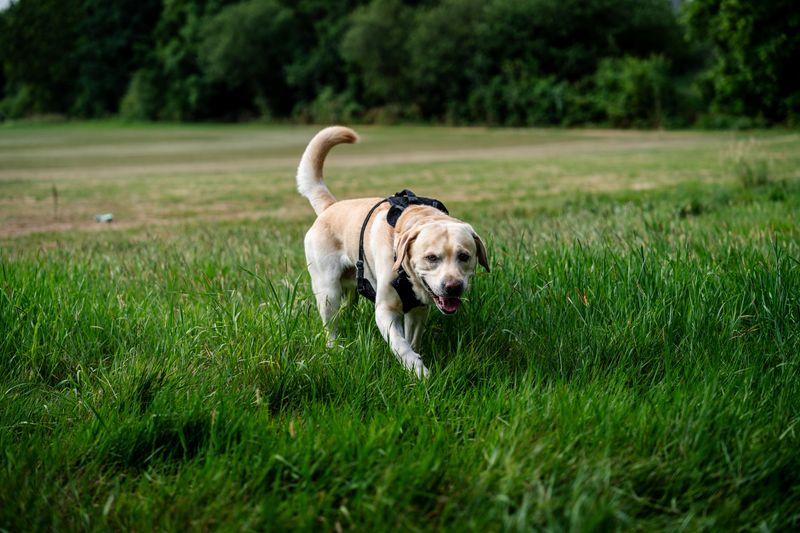
Two dogs can cover the same mile very differently. One strolls, one sprints, and only one arrives home comfortable.
Strenuous effort in humid weather deserves to be shelved. Scale back intensity and add more breaks than usual.
Swap the high-energy games for gentler options like sniffing walks or slow exploring. A steady, moderate pace beats hard running or fetch once temperatures climb past about 72 degrees, which Tennessee passes early most mornings.
5. Repeat Sprints Are A Rough Summer Bargain
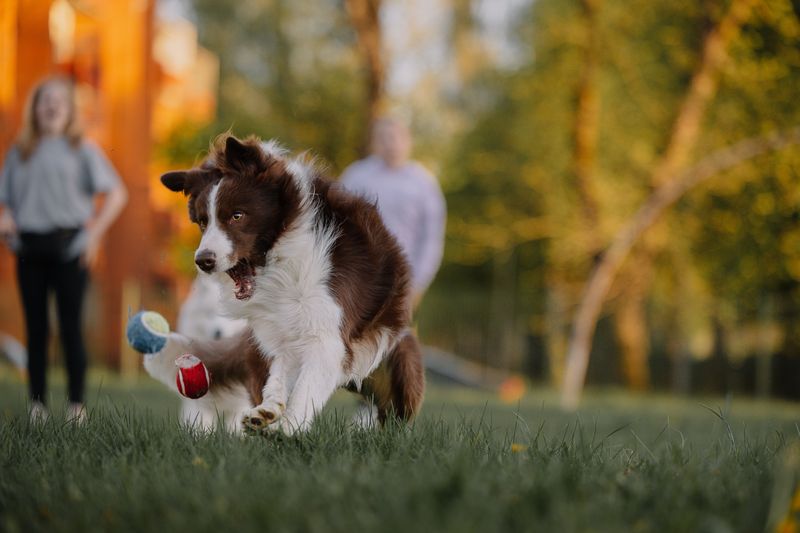
Fetch feels harmless because it looks like fun. The trouble is the repetition.
Back-to-back sprints generate heat quickly, and humid air removes very little of it. Running alongside a bike carries the same problem.
Short-nosed breeds face the biggest challenge here. If your dog genuinely loves vigorous work, shift it indoors or into deep shade during peak summer.
Interval style sessions with built-in rest, water, and cooling work far better than continuous chasing.
6. Dawn And Dusk Give You The Best Windows
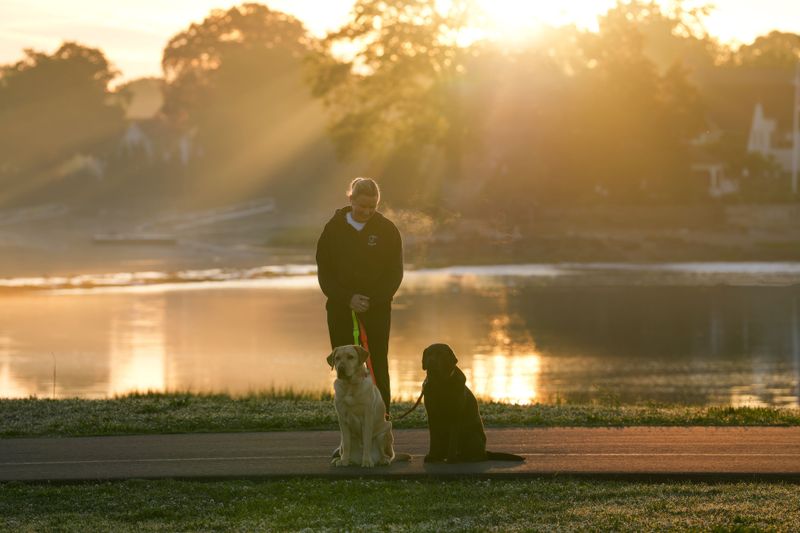
Tennessee summers are coolest right around sunrise and again late in the evening.
Aiming for before 8 in the morning or after 8 at night generally means cooler air and cooler pavement. Early morning tends to be the single safest window because surfaces have shed heat overnight.
Many local owners quietly become sunrise people from June through August. Coffee in one hand, leash in the other, and the whole greenway to themselves.
7. Evening Mugginess Deserves A Second Look
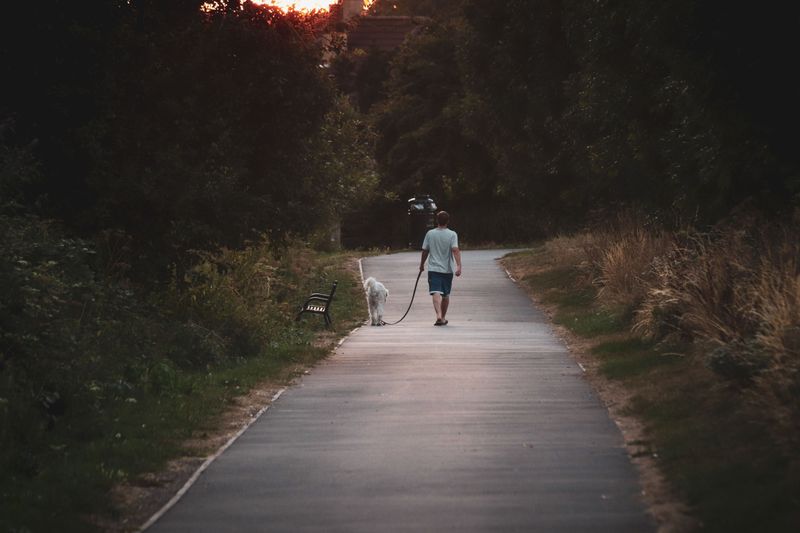
Sunset does not automatically mean safety.
In humid regions like ours, moisture lingers long after the sun drops. Pavement can hold warmth for hours, and during heat waves the evening air stays stubbornly high.
That leftover mugginess keeps working against your dog’s cooling system. Check conditions instead of assuming darkness solved the problem.
A hand on the sidewalk tells you plenty before you commit to a longer route.
8. Dew Point Adds A Layer To Your Planning
Temperature alone tells half the story. Moisture in the air tells the rest.
Dew point reflects how saturated the air really is, and saturated air makes evaporation harder. That directly limits how much cooling panting can deliver.
Since humidity above roughly 35 percent already reduces panting efficiency, a very muggy 80 degree morning can strain your dog more than a dry 88 degree one. Peek at moisture readings, not just the headline number.
9. Heat Index Gives You Helpful Extra Context
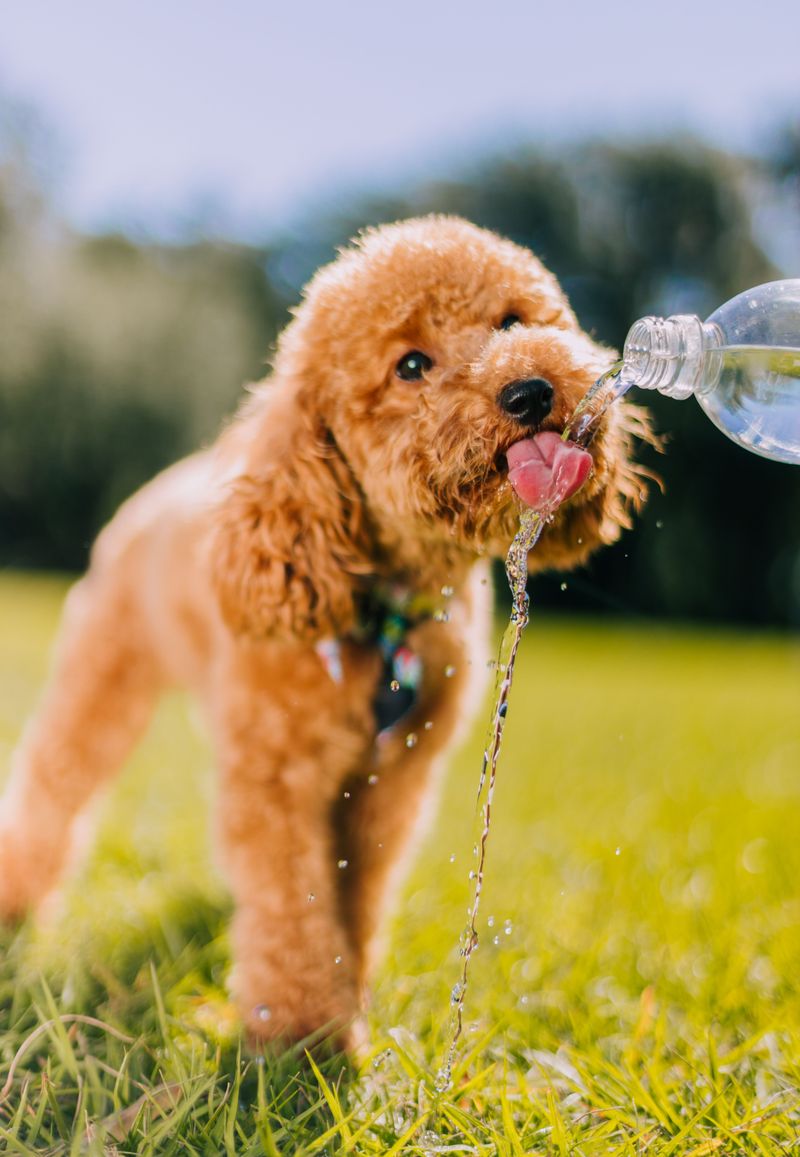
The heat index blends temperature with humidity to show how conditions actually feel.
Checking it before you head out takes seconds. Once the heat index reaches the mid to upper eighties, overheating risk rises for dogs, so peak afternoon hours are best avoided.
Some owners use a simple screening habit: add the Fahrenheit temperature to the humidity percentage. A total of 150 or higher suggests skipping outdoor exercise altogether that day.
10. Build In More Pauses Than Feel Necessary
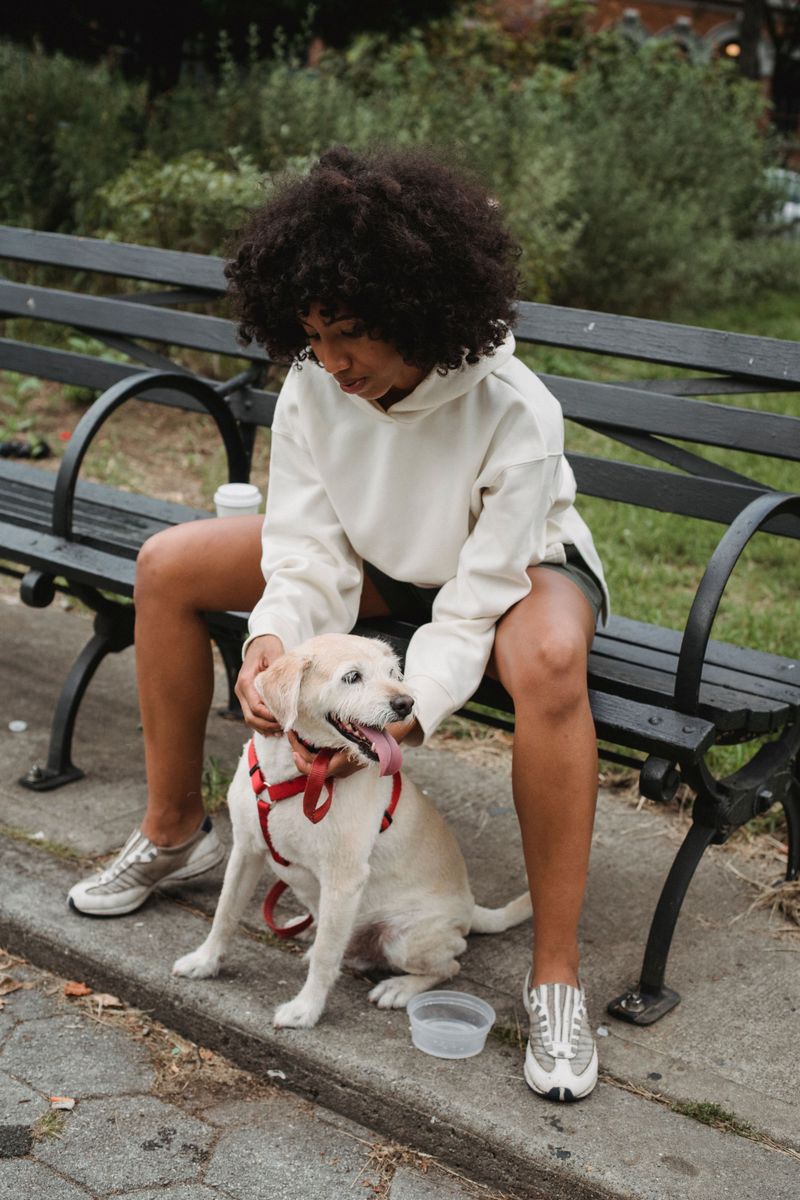
Breaks are not wasted time. They are the part of the walk doing the real work.
Frequent stops let heat dissipate before it accumulates. Offer water at each pause rather than waiting for thirst signals.
Short-nosed dogs benefit from especially generous rest, sometimes every few minutes. Whenever you lower intensity, raise the number of breaks to match.
Sitting on a shaded bench with your dog counts as good summer training.
11. Water Travels With You, Every Single Time
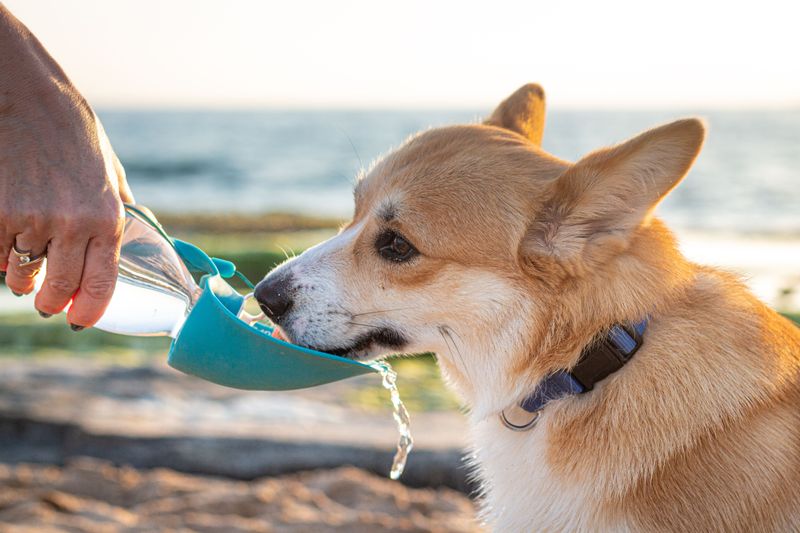
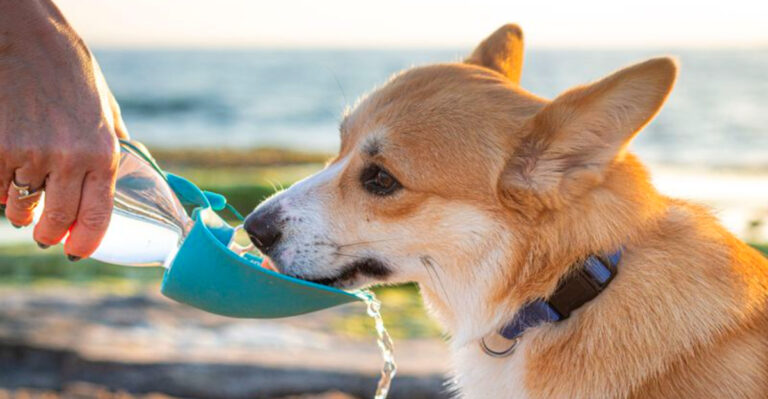
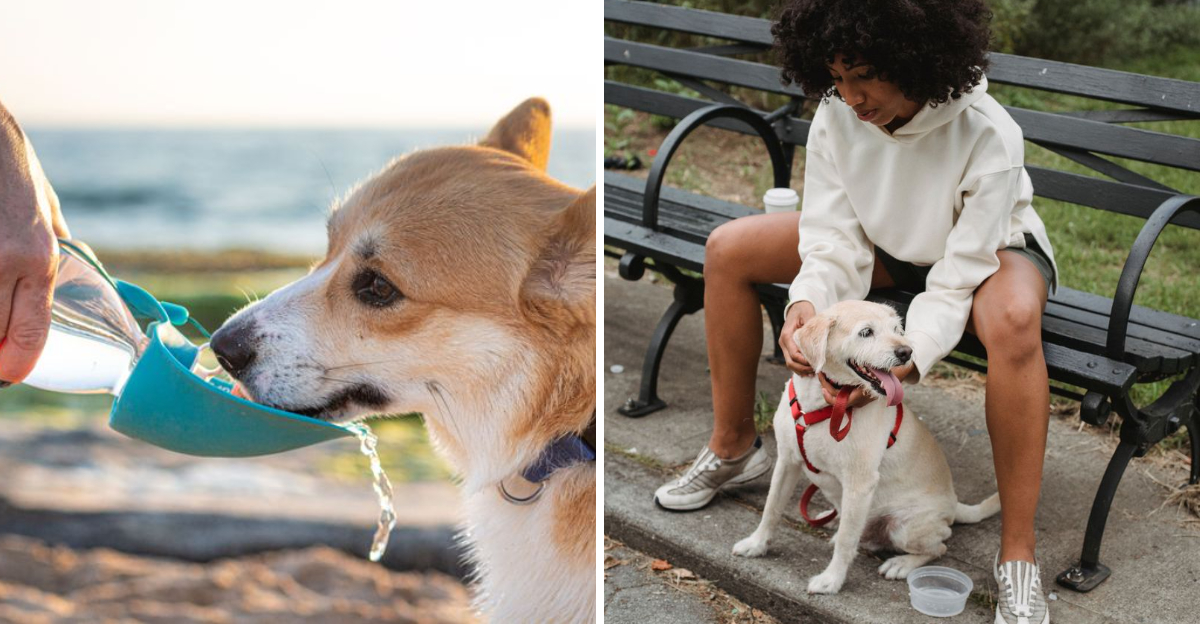
A bottle and a collapsible bowl weigh almost nothing and change everything.
Fresh water should be within reach even on a quick loop around the block. Offer some every 10 to 15 minutes instead of waiting for your dog to ask.
General guidance suggests roughly one ounce per pound of body weight daily, and active dogs in humid weather need more.
Small sips, offered often, work better than one large gulp.
12. Cooling Stops Belong In The Routine Now
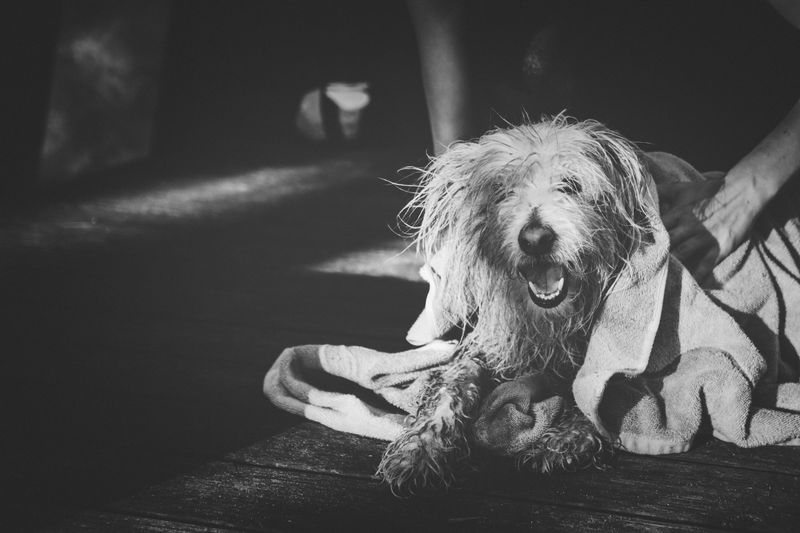
Rest is good. Rest plus active cooling is better.
Find shade, then help the process along. A light spritz of water or a damp towel draped over the body speeds heat release nicely.
Cooling mats work well at home. If your dog seems too warm, move to a shaded spot and offer small amounts of water.
Skip ice cold water, since abrupt temperature swings add stress rather than relief.
13. You Are The One Who Calls Time
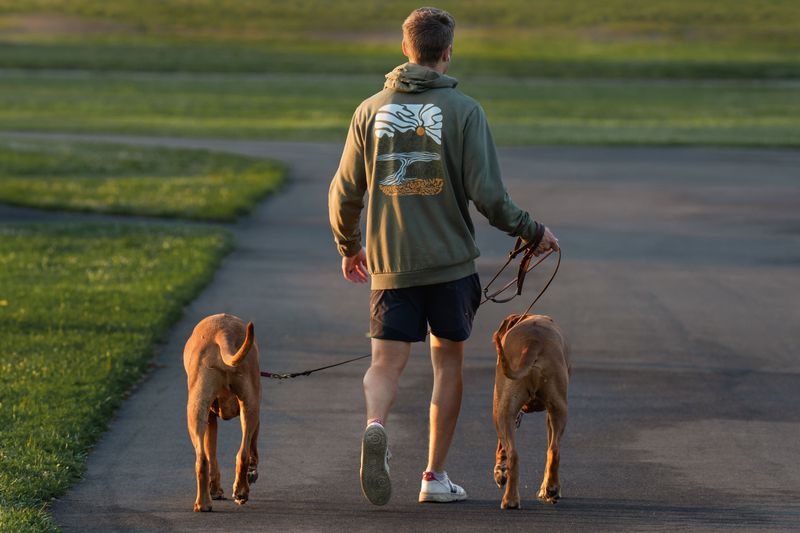
Here is the part that catches devoted owners off guard. Many athletic dogs will not quit on their own.
High-drive breeds keep working as long as the game stays rewarding, even while heat builds. That eagerness is charming and also a little risky.
Watch for heavy panting or breathing that sounds louder than normal, then end the outing. If your dog looks tired or too warm, head home right away.
14. Flat-Faced Breeds Need The Biggest Rewrite
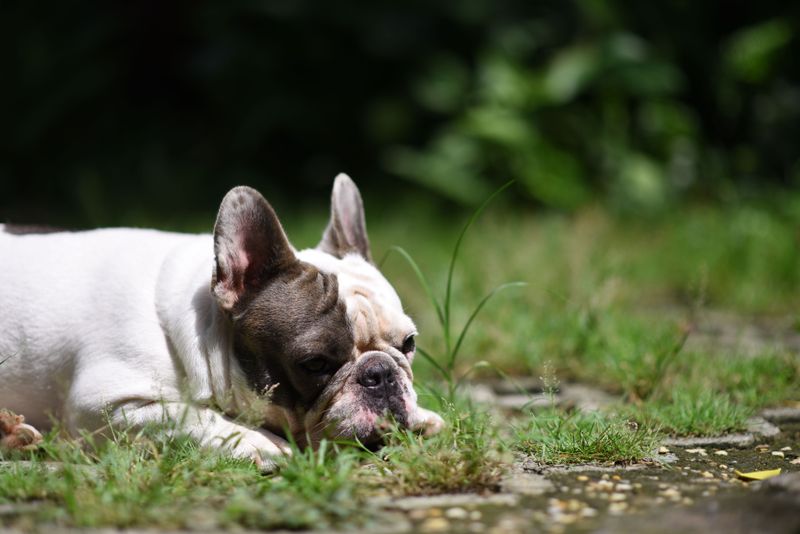
Bulldogs, Pugs, Boston Terriers, and similar breeds start summer at a disadvantage.
Shortened airways make both breathing and heat regulation harder, which raises their risk in muggy conditions. Their routines need real changes, not small tweaks.
Skip intense activity on warm or humid days entirely. Keep sessions brief, shaded, and unhurried.
Extra body weight compounds the breathing challenge, so healthy conditioning matters year round for these dogs.
15. Seniors, Heavier Dogs, And Thick Coats Get Lighter Plans
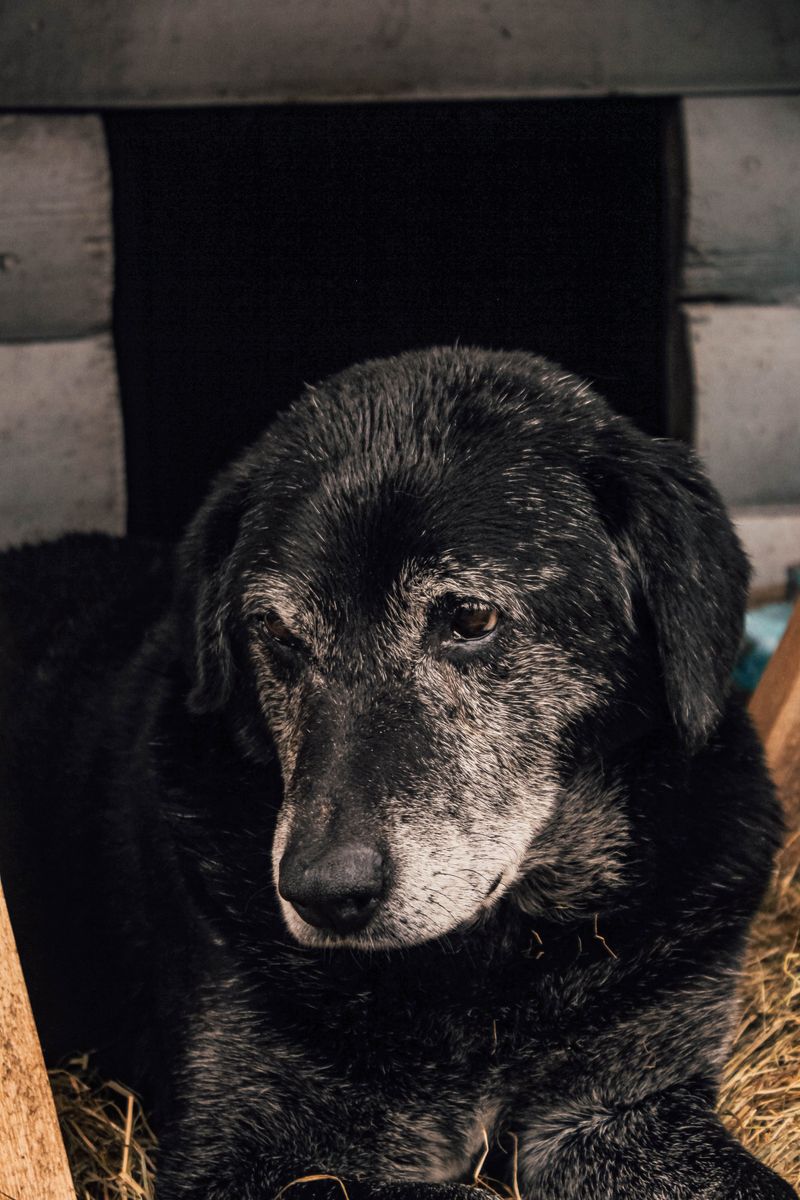
Some dogs simply carry a heavier cooling burden.
Puppies, seniors, overweight dogs, thick or dark-coated breeds, and dogs with heart or breathing conditions all deserve closer watching in warm weather.
Extra weight makes cooling harder and raises overall workload. Underlying conditions can create risk even at milder temperatures.
Keep outings short, stay near shade, and check in often. Your veterinarian can help tailor a plan for dogs with known health concerns.
16. Play It Conservative During The First Warm Weeks
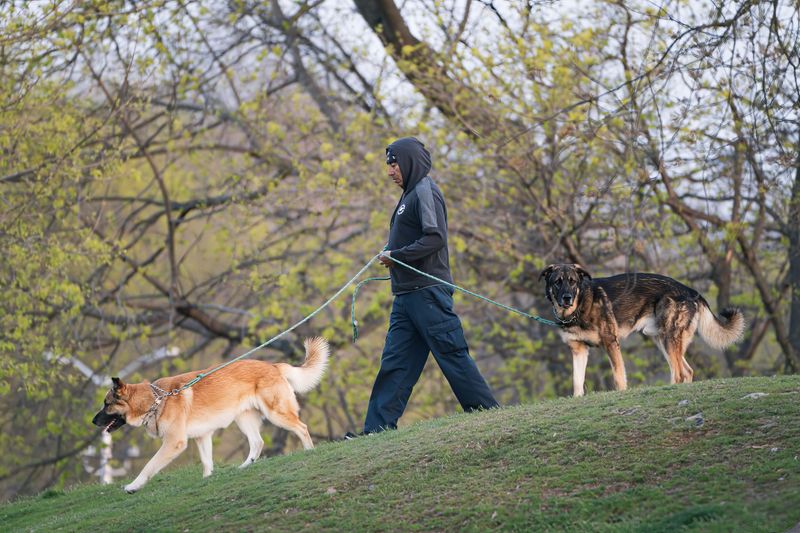
Late May and early June fool a lot of people.
Dogs need time to adjust to rising temperatures, just like athletes easing into a new season. Those first warm stretches deserve extra caution.
Because the air does not feel extreme yet, owners often underestimate how quickly a dog warms up. Build up gradually across several weeks.
Acclimation is real, but it happens slowly, and it never removes the need for shade and water.
17. Shade And Cooler Ground Move To The Top Of The List
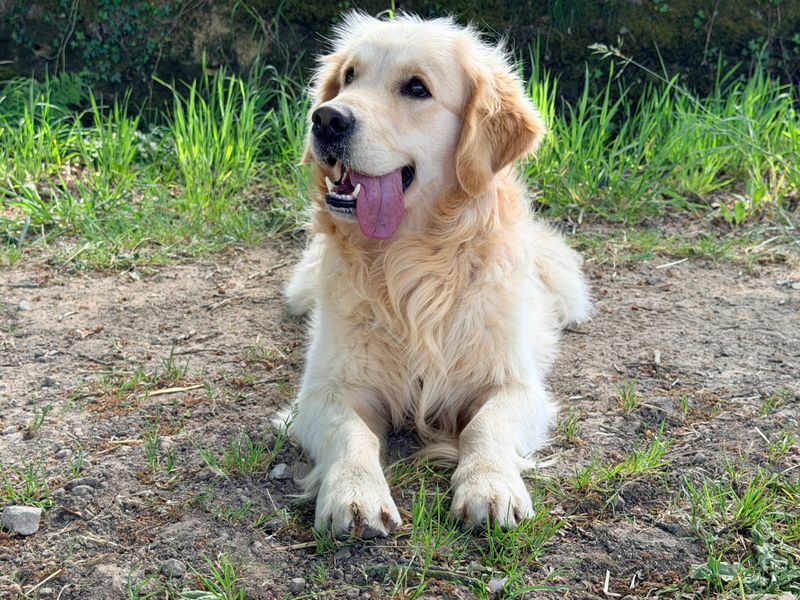
Route choice matters more than route length once summer arrives.
Asphalt absorbs serious heat and can harm paw pads. Try the five second test: rest the back of your hand on the surface, and if you cannot hold it, neither can your dog.
Grass and dirt trails stay noticeably cooler. Shade helps, though it does not erase heat stress when the air is hot and still.
18. Let Your Dog’s Condition End The Session, Not The Step Counter
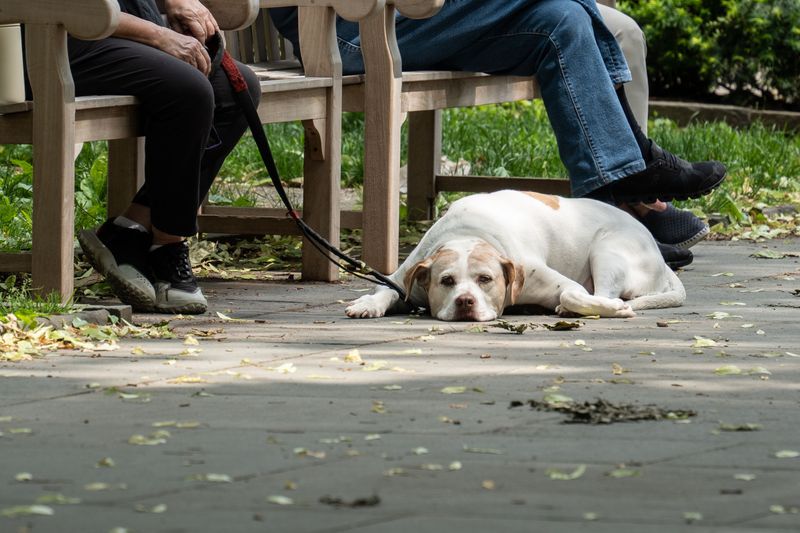
Planned mileage is a goal. Your dog’s body is the actual instruction manual.
Watch for extra yawning or blinking, rising panting, dry gums, thick drool, weakness, or a slower step. Any of those means stopping and moving somewhere cooler.
If panting starts before you even leave, stay inside that day.
Let your dog set the pace, turn back sooner than planned, and treat an early finish as a win.