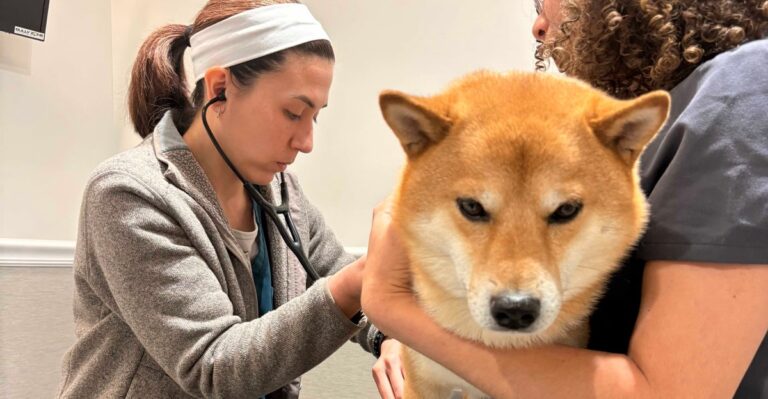
20 Things Dog Owners Should Know Before Moving To Arizona
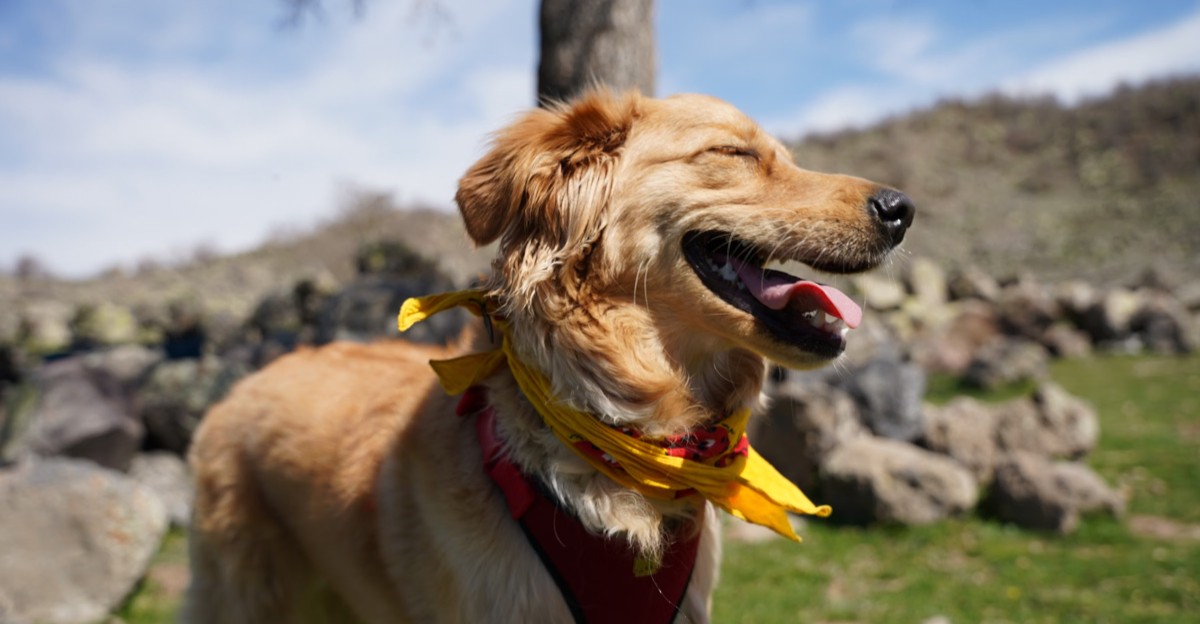
Moving to Arizona with your dog can be an exciting fresh start. Sunny skies, open trails, and friendly neighborhoods are waiting for you both.
Still, the desert has its own rules, from paperwork to heat safety and local wildlife. Think of this guide as advice from a friend who already lives here and wants your pup to thrive.
1. Get a Health Certificate First

Paperwork comes before the road trip. Arizona’s Department of Agriculture sets entry rules for dogs coming into the state.
Most owners need a Certificate of Veterinary Inspection from an accredited veterinarian. It is often called a health certificate.
It is generally valid for 30 days after the exam.
Book your vet visit close to your moving date. Ask your vet to confirm current entry rules, since requirements can change over time.
2. Keep Rabies Records Handy
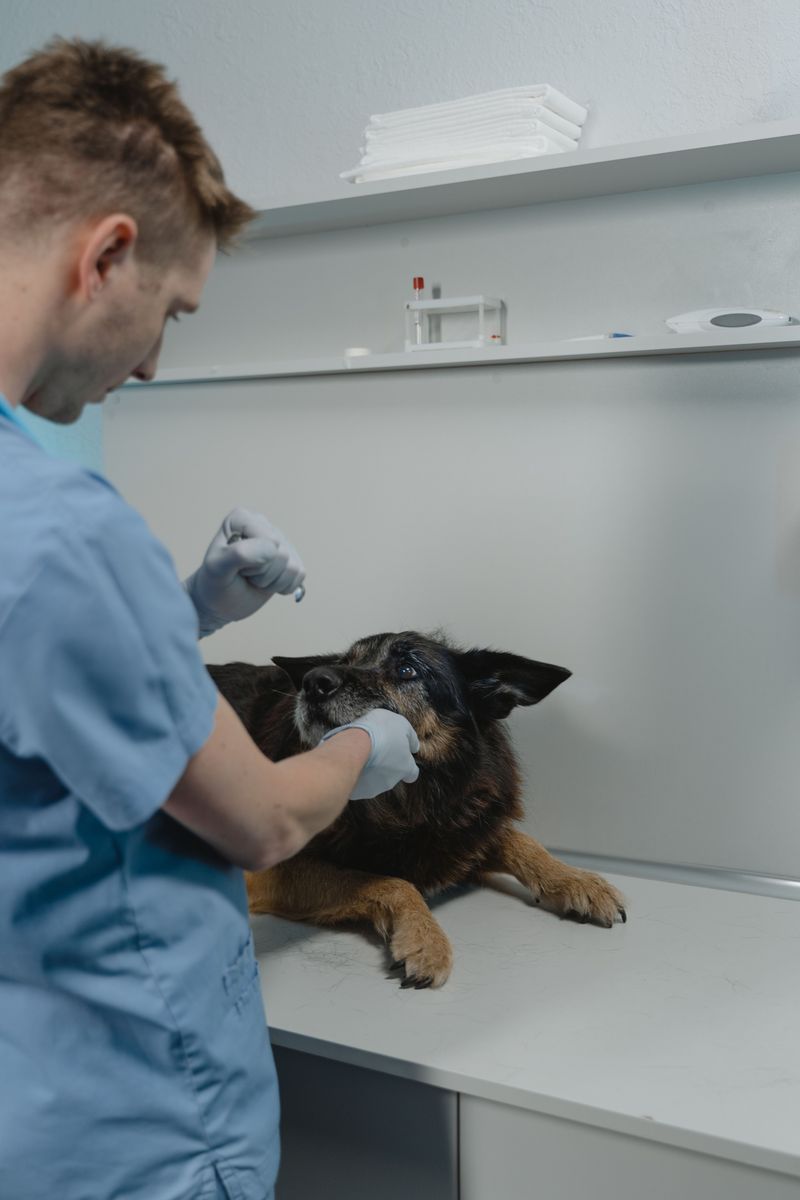
Rabies shots are a must here. Arizona law requires dogs over three months old to be vaccinated by a licensed veterinarian.
Boosters follow on a schedule, either yearly or every three years. The timing depends on the vaccine your vet uses.
Keep written proof with the manufacturer, serial number, and date given. Tuck a copy in your car during the move.
You may need it for licensing soon after you arrive.
3. County Licensing Kicks In Quickly
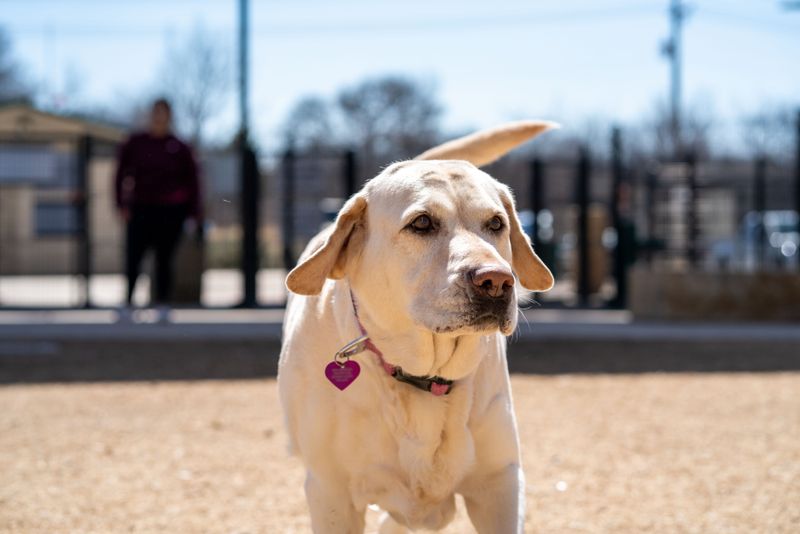
Once you settle in, the clock starts ticking. Licensing rules are set by each county, not the state.
In Maricopa County, dogs three months or older need a license after living there 30 consecutive days in a calendar year. Pima County has a similar 30-day rule.
A current rabies shot is usually required to get licensed. Check your county animal care website soon after moving.
Licensing also helps lost pets get home faster.
4. Know the Fees and Renewal Dates
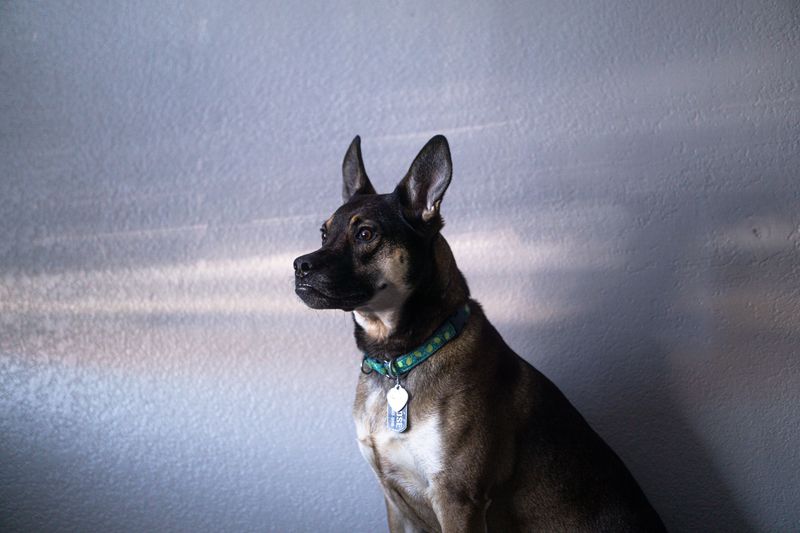
Here is a money tip worth knowing. Fees are often lower for spayed or neutered dogs.
Maricopa County has listed $22 for altered dogs and $55 for unaltered dogs. Pima County has listed $20 and $65.
Both offer certain discounts, such as for seniors. Fees can change, so confirm current rates.
Licenses usually last one year. Late renewals may bring extra fees.
Keep the official tag on your dog’s collar at all times.
5. Refresh Microchip and ID Info
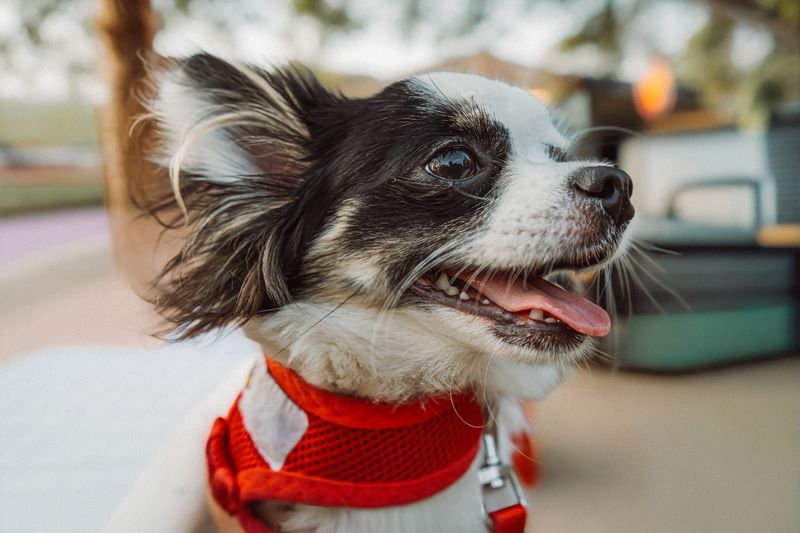
A new address means old contact details stop working. Imagine your dog slips out during unpacking.
Would a finder reach you?
Log in to your microchip registry and update your phone number and address. Microchips are not a statewide legal requirement, but Arizona shelters strongly recommend them.
Order a new collar tag too. Clear, readable info helps neighbors call you fast.
Add a backup emergency contact for extra peace of mind.
6. Brush Up on Leash Laws
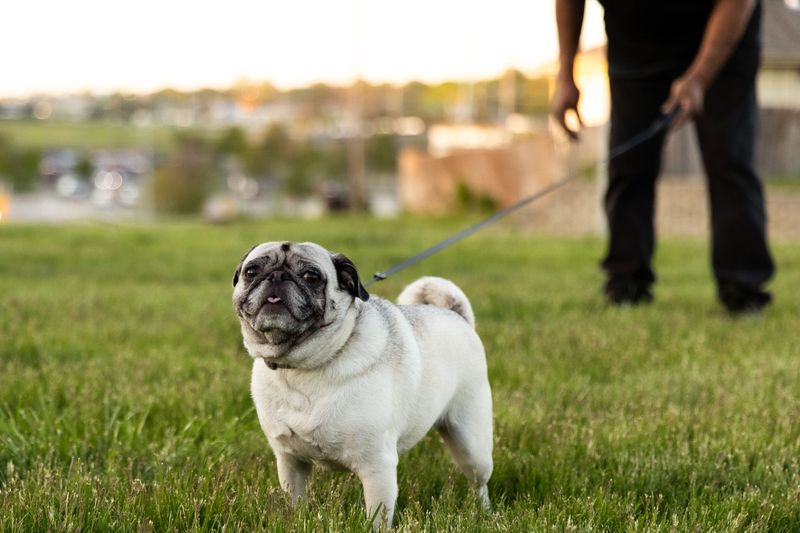
Picture a peaceful morning walk in a new park. Knowing the rules keeps it that way.
Arizona generally expects dogs to stay on your property or on a leash. Phoenix requires a leash no longer than six feet off private property, except in designated dog parks.
Pima County has similar rules.
Dog parks still require you to keep control. Always pick up waste, since local ordinances and HOAs often require it.
7. Read Housing Rules Carefully

Finding a home you love is only half the job. It also needs to welcome your dog.
Many Arizona HOAs limit the number, size, weight, or breed of dogs. Some cap households at two dogs.
Others set weight limits like 40 or 75 pounds.
Rental leases may add pet deposits or restrictions. Fair housing laws still protect qualifying assistance animals.
Read every document before you sign anything.
8. Respect the Desert Summer
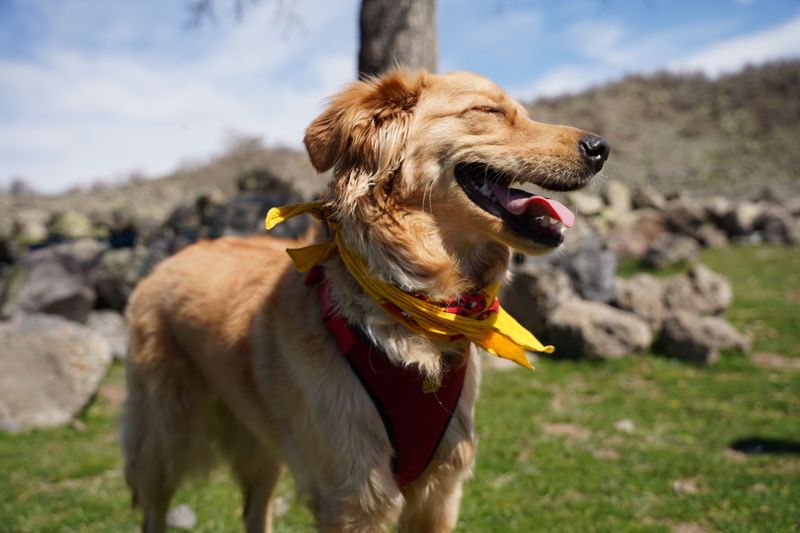
Summer in the low desert is no joke. Phoenix, Tucson, and nearby towns often reach triple digits for weeks.
Dogs cool off mostly by panting. That method works less well than human sweating.
Thick coats, flat faces, and older age can add extra strain.
Plan ahead before your first summer. Talk with a local vet about your dog’s breed and health.
A little preparation makes the hot months much easier.
9. Walk at Sunrise or After Dark
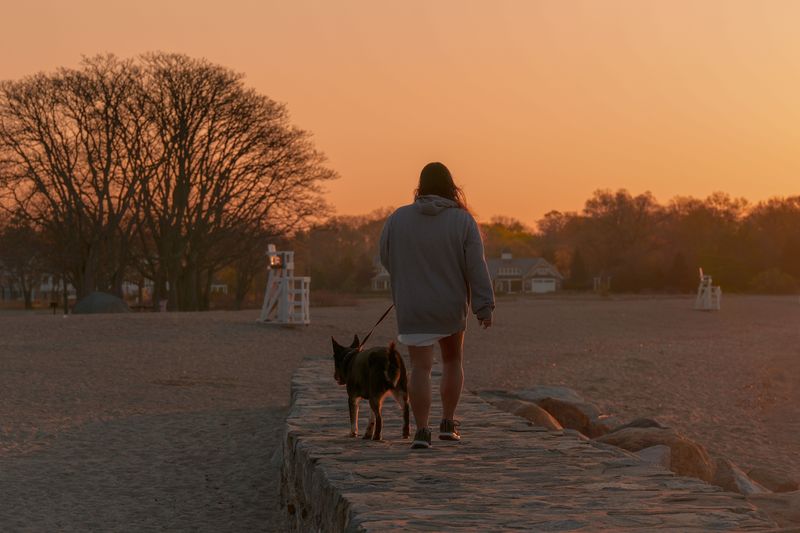
Early birds have it easy here. Local owners often head out right as the sun rises.
During summer, many walk before 9 a.m. or after 7 p.m. Peak heat generally lasts from mid-morning until early evening.
Choose shaded routes when you can. Shorter, more frequent outings beat one long trek.
Save fetch and running for cooler months. Your dog will happily adjust to the new routine.
10. Test the Pavement With Your Hand
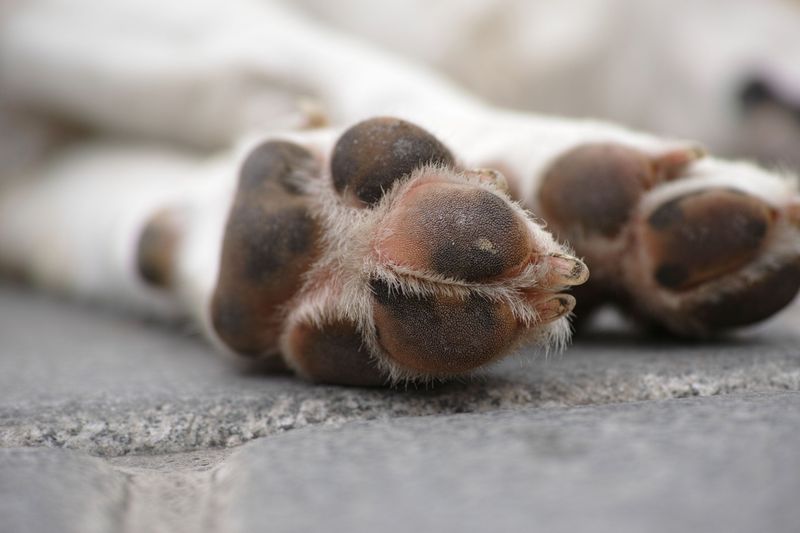
Try this quick trick before every summer walk. Press the back of your hand on the pavement for seven seconds.
Too hot for you? Then it is too hot for paws.
Asphalt, concrete, and desert rocks soak up heat and can burn pads quickly.
Stick to grass or dirt paths when possible. Dog booties offer great protection, though most dogs need a few practice sessions first.
11. Cool Air, Shade, and Water Always
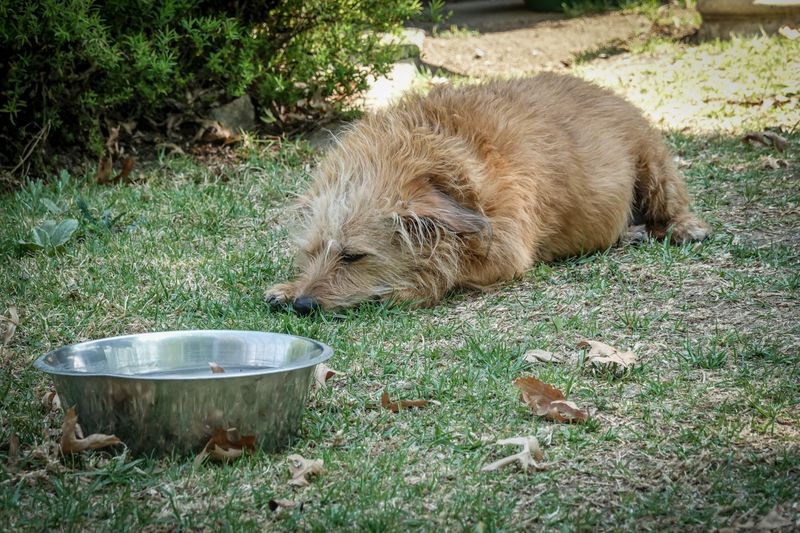
Think of these three as your summer safety net. Reliable air conditioning keeps indoor spaces comfortable for your pup.
Outdoors, dogs need real shade, not just a patch that moves with the sun. Covered patios and shade sails help a lot.
Fresh, cool water should always be available. Pack a portable bowl for outings.
If your AC ever breaks, have a backup plan, like a friend’s place.
12. Spot Heatstroke Signs Early

Knowing the signs gives you a head start. Watch for heavy panting, drooling, low energy, and a racing heartbeat.
Vomiting, diarrhea, and unusual gum color can also appear. If you notice these, move your dog somewhere cool and offer water.
Then call a veterinarian right away. Look up the nearest emergency animal hospital now.
Save its number and address in your phone before summer arrives.
13. Leave the Car Behind
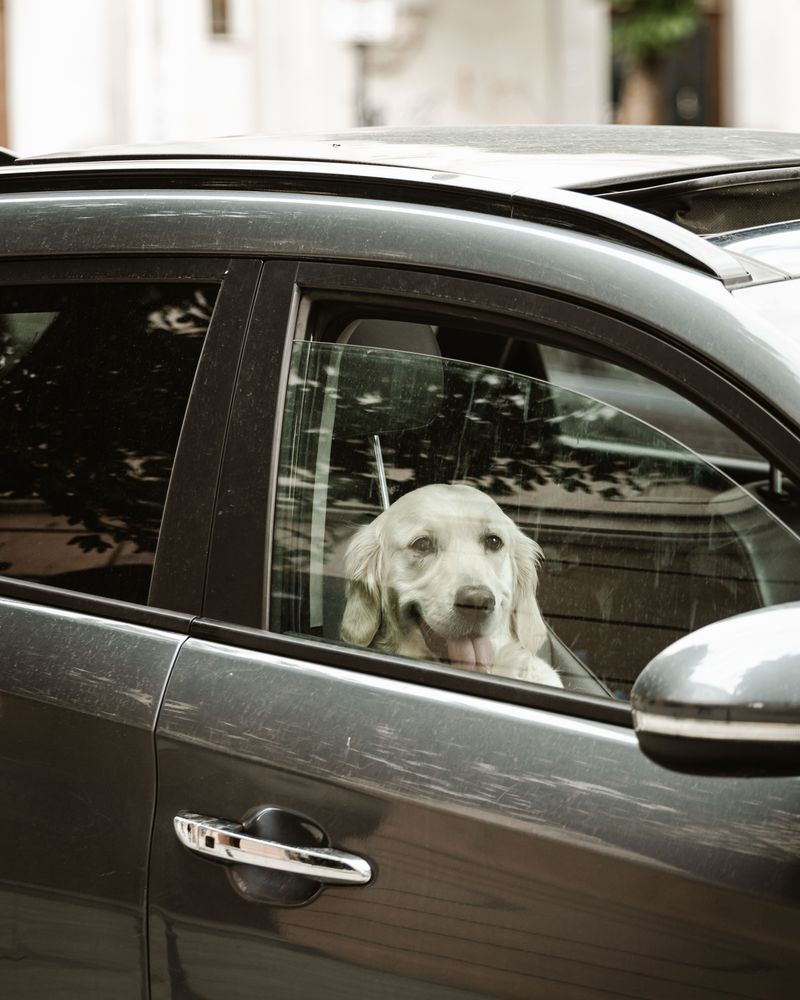
Quick errand? Your dog is safer at home.
Parked cars heat up fast, even with windows cracked.
Arizona law makes leaving an animal confined in a car illegal when harm is likely. It is a Class 1 misdemeanor, with stricter charges possible in serious cases.
The state also has a Good Samaritan law for rescuers, with specific steps required. Simply bringing your dog only where dogs can come inside works best.
14. Ask Your Vet About Valley Fever

Here is a desert illness many newcomers have never heard of. Valley fever comes from fungal spores living in the soil.
Dogs can breathe in spores while digging or sniffing dusty ground. Possible signs include coughing, low energy, or reduced appetite.
Ask a local vet what to watch for and how testing works. Limiting digging in dusty areas may help.
Early visits make treatment more manageable.
15. Plan Ahead for Rattlesnakes
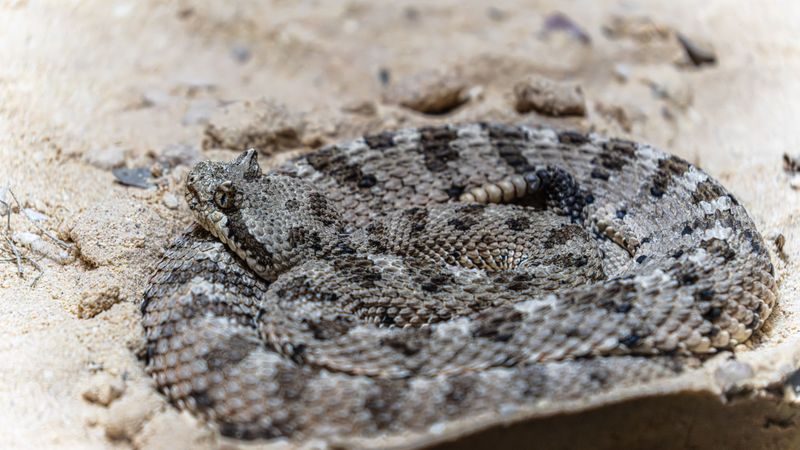
Several rattlesnake species call Arizona home. Most prefer to stay hidden and avoid people.
Keep your dog leashed on trails and stick to clear paths. Avoid tall brush and rock piles.
Some trainers offer avoidance classes.
Make an emergency plan now. Know which nearby vet treats snakebites.
Ask your vet about the rattlesnake vaccine too. Stay calm, keep your dog still, and get care quickly.
16. Watch for Sonoran Desert Toads

Monsoon nights bring a surprise visitor. Sonoran Desert toads appear after summer rains, often near yards and pools.
These large toads release toxins that can harm dogs who lick or mouth them. Watch for heavy drooling, pawing at the mouth, or odd behavior.
Supervise evening potty breaks during monsoon season. If contact happens, call a vet immediately.
Ask your vet ahead of time about first steps at home.
17. Steer Clear of Cactus Spines
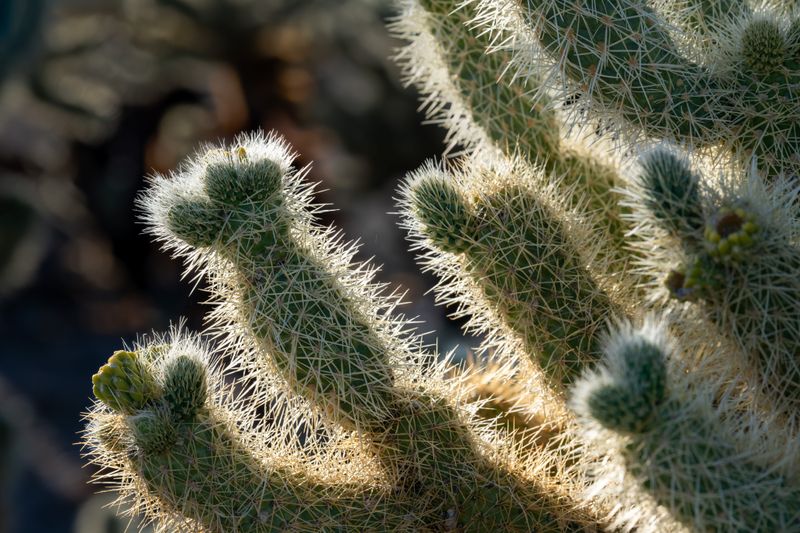
Curious noses and cholla cactus do not mix well. Cholla segments can stick to fur and paws with barely a touch.
Sharp rocks and thorny shrubs add to the challenge. Keep dogs leashed near desert plants.
Pack a small comb and tweezers on hikes. A comb can help lift cholla away.
For spines near the eyes or mouth, let a vet handle removal.
18. Share Space With Desert Wildlife
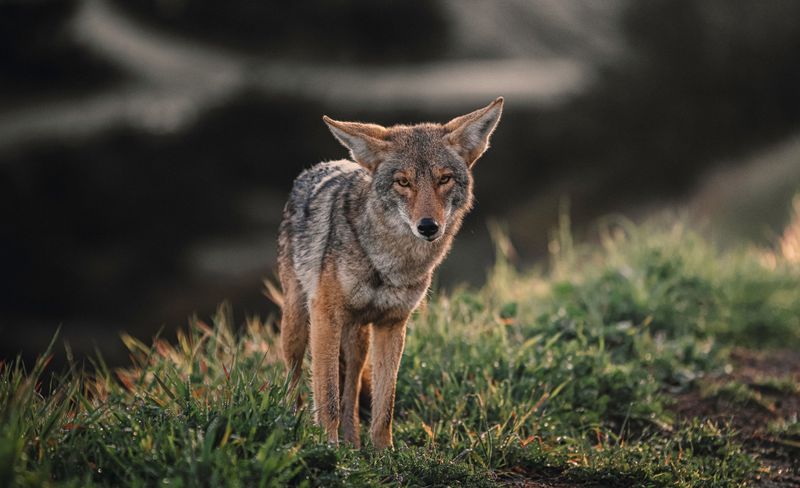
Arizona neighborhoods often share space with wild animals. Coyotes and javelinas may wander through at dawn or dusk.
Small dogs need close watching outside. Secure trash, skip outdoor pet food, and check fences regularly.
Scorpions may hide in shoes, bedding, or dark corners. Shake things out and seal gaps around doors.
Ask your vet what to do if your dog gets stung.
19. Update Parasite Prevention
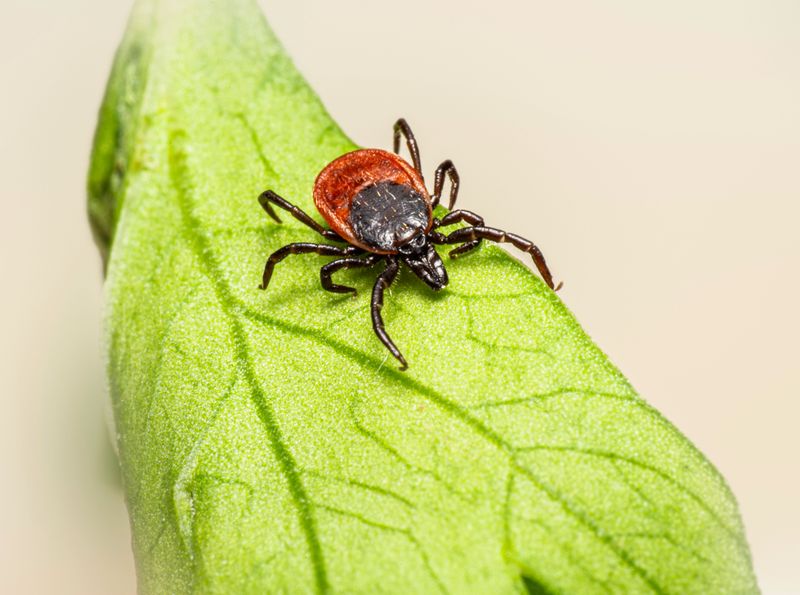
Dry weather does not mean zero pests. Fleas, ticks, and heartworm can still be concerns in parts of Arizona.
Your old routine might need adjusting for your new region. A local vet knows which parasites are common nearby.
Ask about year-round prevention and how your dog’s lifestyle matters. They may also suggest other vaccines, such as leptospirosis.
Schedule a welcome checkup soon after moving.
20. Expect Many Climates in One State
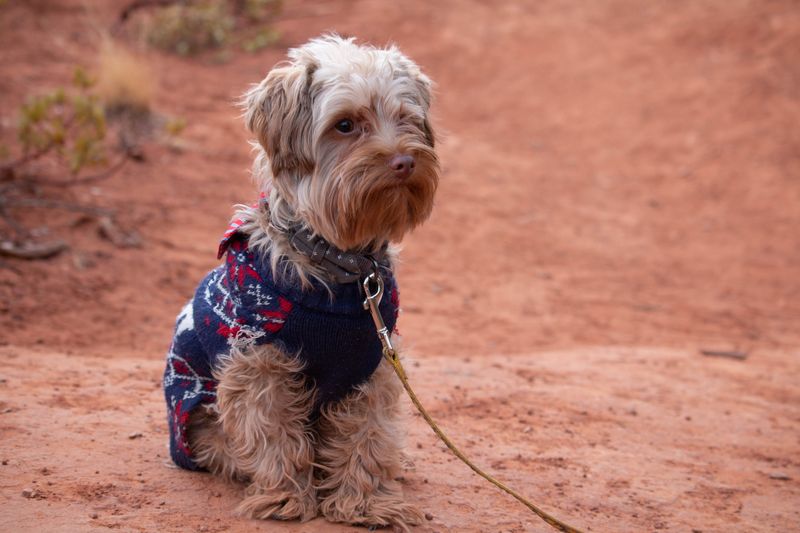
Surprise! Arizona is not all cactus and sun.
Flagstaff and other high areas get real winter snow.
Summer monsoons bring sudden storms and flash floods. Never walk through flooded washes.
Keep ID tags on, since thunder can spook dogs.
Wildfire seasons call for a go-bag with food, records, and medicine. Pack a warm coat for mountain trips.
Planning for each season keeps your dog comfortable statewide.
With these steps, you and your pup are ready to enjoy your new Arizona home.