Texas Dog Owners Should Not Assume Local Licensing Rules Follow Them To A New City
Moving to a new Texas city is exciting, and your dog is part of the adventure. Many owners are surprised to learn that dog rules change from place to place.
Texas leaves most licensing choices to cities and counties, so your old paperwork may not count anymore. Think of this guide as a friendly neighbor helping you settle in smoothly, with your pup ready to enjoy the new home.
1. No Single Statewide License
Plenty of people picture one Texas dog license that works everywhere. That license does not exist.
The state has no universal dog licensing program.
Instead, cities and counties decide whether to require registration. Each one writes its own rules.
Some use licenses, some use microchips, and some use both.
So your new address matters a lot. Treat every move as a fresh start for your dog’s paperwork, even if you only travel a short distance.
2. Research Before the Moving Truck Arrives
Packing boxes is the perfect time to do a little homework. Look up the animal control ordinances for your new city before moving day.
Most cities post their rules on an official website. Search for the animal services page and read the sections on registration, vaccines, and pet limits.
A few minutes of reading can prevent surprises later. You will arrive feeling ready instead of rushed, and your dog benefits from that calm.
3. Houston Keeps Three Rules Together

Houston bundles its main dog rules into one simple package. Dogs four months and older must be registered with the city.
Registration requires proof of a current rabies vaccination. Your dog also needs a registered microchip.
Owners renew each year and update details after a move.
Houston offers lower rates for spayed or neutered pets. Check the city’s BARC animal services pages for current fees and steps before you register.
4. Dallas Chose Microchips Over Licenses
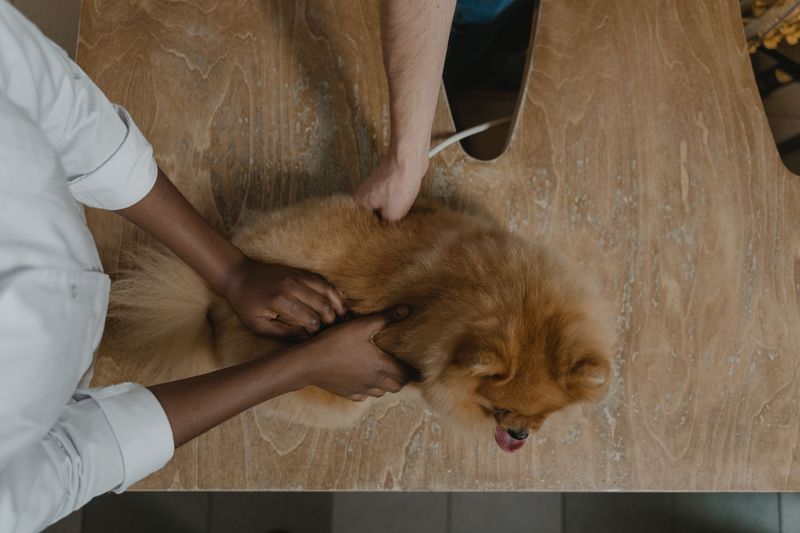
Here is a twist many newcomers miss. Dallas does not rely on a traditional pet license.
The city requires microchips for dogs and cats four months and older. A current rabies vaccination is also required.
Dallas expects owners to keep microchip contact details current. The city asks for updates within 30 days of a change.
Set a reminder on your phone so that small task never slips through the cracks.
5. San Antonio Leans on Permanent ID
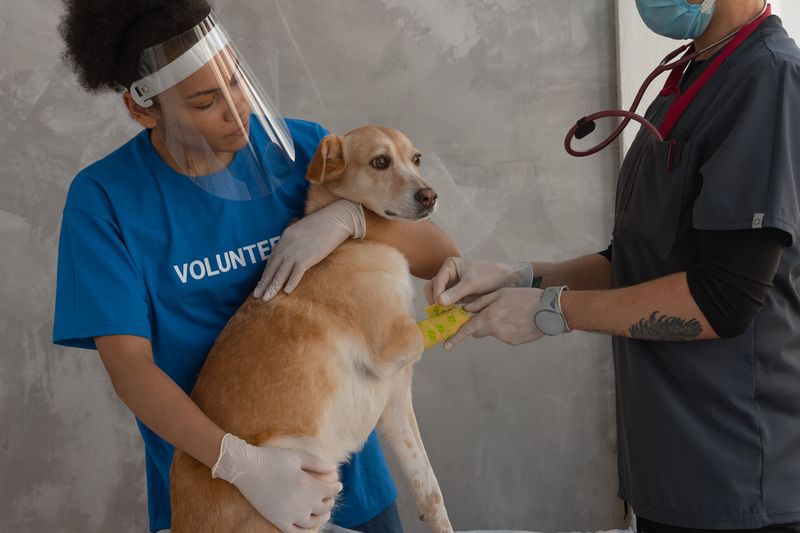
Strolling the River Walk with your pup sounds lovely. First, make sure your dog meets San Antonio’s identification rules.
San Antonio requires pets to have a registered microchip rather than a traditional city license. A tiny chip offers permanent identification that cannot fall off like a tag.
Rabies vaccination is still required too. Visit San Antonio Animal Care Services online to confirm current registration steps and any related costs.
6. Fort Worth Offers a Microchip Shortcut
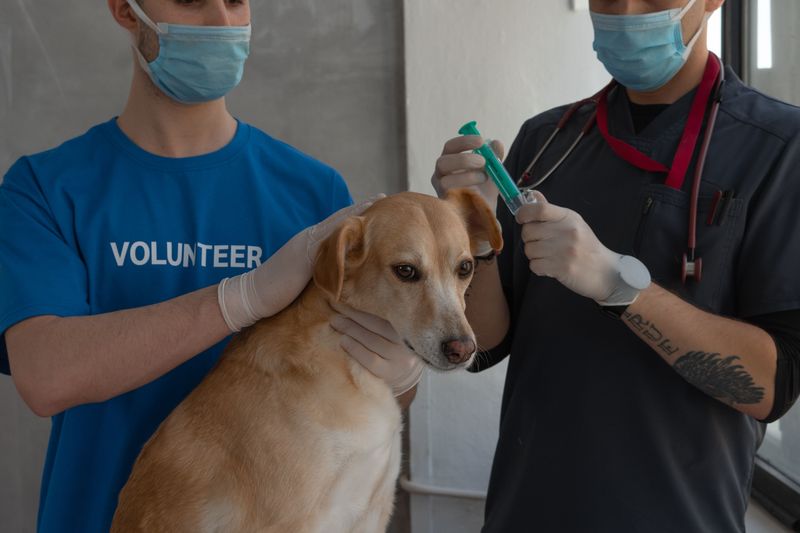
Fort Worth gives microchipped dogs a nice break. The city requires registered microchips for dogs and cats.
If your dog is properly chipped, a separate pet license is not needed. Pets without a microchip still need a license instead.
Rabies shots remain mandatory. Fort Worth also has permit rules for intact pets.
Review the city’s animal care pages so you know exactly which category fits your dog.
7. Arlington Still Wants a Yearly License
Just down the highway from Fort Worth, the rules shift again. Arlington requires an annual license for dogs four months and older.
Having a microchip does not replace that license. You will need proof of a current rabies vaccination to apply.
Fees are lower for spayed or neutered pets. Mark your renewal date on a calendar, since Arlington licenses must be renewed every year to stay current.
8. Country Living Has Its Own Rulebook
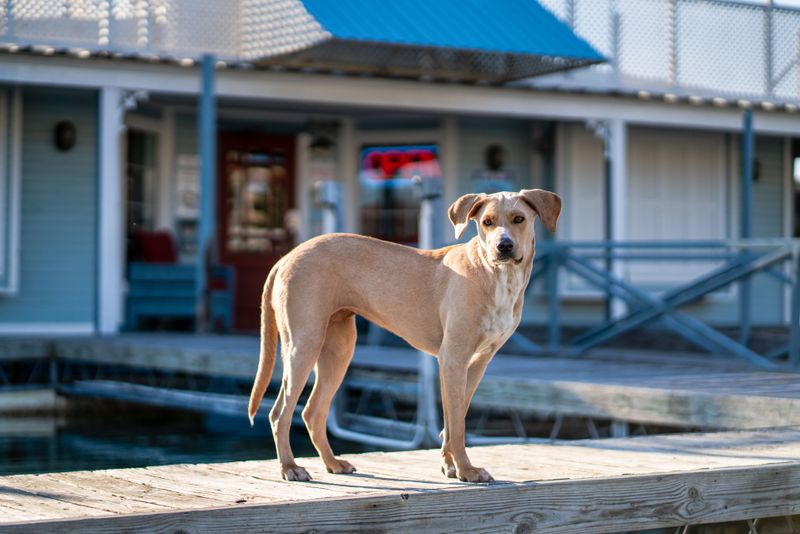
Moving outside city limits? Unincorporated county areas often follow different rules than nearby towns.
Harris County, for example, requires licensing for dogs and cats over three months old in unincorporated areas. Fort Bend County requires annual registration for dogs and cats.
Your mailing address might list a city name even when you live outside its limits. Confirm which government actually covers your property before choosing what to register.
9. Rabies Shots Are the One Constant
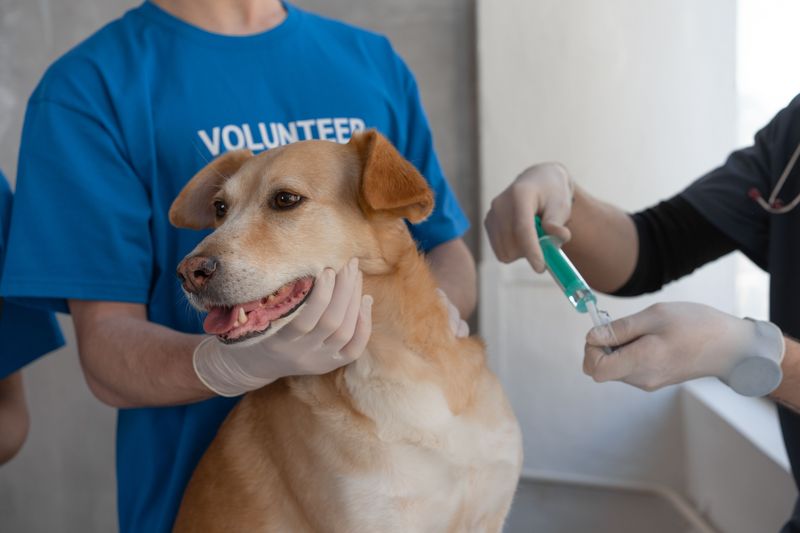
Good news: one rule follows you everywhere in Texas. State law requires dogs to be vaccinated against rabies.
The first shot generally happens by four months of age. A licensed veterinarian must give it.
A booster usually comes one year later.
After that, timing follows the vaccine label, often one or three years. Keep your rabies certificate handy, because nearly every city asks for it during registration.
10. Timing Matters After You Settle In
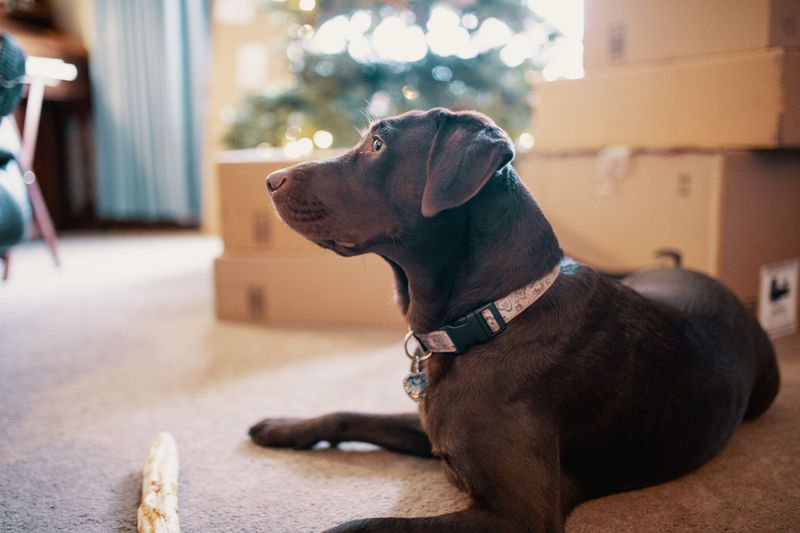
Unpacking can take weeks, but registration should not wait that long. Some cities set deadlines for registering pets after you move in.
Texas has no single statewide grace period. Each city decides its own timeline, and some simply expect prompt action.
A smart plan is to register during your first week. Ask animal services directly about any deadline.
Early action keeps things simple and stress free.
11. Old Tags Rarely Make the Trip
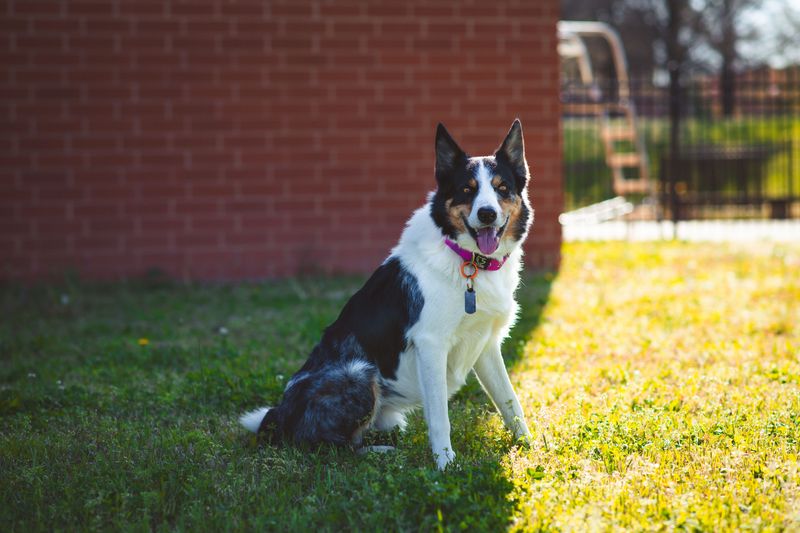
That shiny tag from your last city feels official. Sadly, it usually holds no weight in your new hometown.
Each municipality runs its own program. A license from Plano, for instance, generally does not satisfy another city’s rules.
Keep the old records for your files, though. Vaccine dates and microchip numbers will speed up your new application.
Think of them as helpful notes, not a valid pass.
12. Price Tags Differ Across Town Lines
Budgeting for a move includes surprises, and pet fees can be one. Registration costs are not standard across Texas.
Many cities charge less for spayed or neutered dogs. Arlington and Houston both offer reduced rates for altered pets.
Fort Worth sells multi-year licenses for dogs without microchips. Other factors, like senior owner discounts, may apply in some places.
Ask your city for its current fee chart.
13. Renewal Schedules Come in Different Sizes
One city might want a renewal every year. Another might offer longer options.
Houston and Arlington use annual renewals. Fort Worth offers three-year, five-year, and lifetime licenses for pets without microchips.
Microchipped pets in some cities skip licensing altogether. Their owners just keep chip records accurate.
Learn your city’s cycle, then set a recurring reminder. Future you will appreciate the easy, organized routine.
14. Your Chip Is Only as Good as Its Data

Picture a kind stranger finding your dog and scanning the chip. If the phone number is old, that call never reaches you.
Update your microchip registry whenever your address or phone number changes. Moving is the most common time records fall out of date.
Some cities, like Dallas, set firm update deadlines. Log in to your registry account today.
It usually takes just a few minutes.
15. Collar Tags Still Earn Their Spot
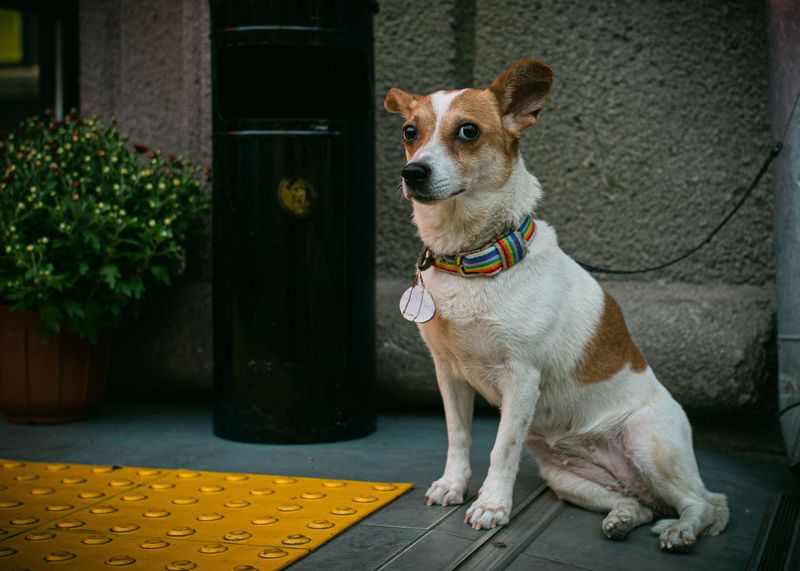
Microchips are great, yet a neighbor cannot read one without a scanner. That is why tags still help.
Some Texas cities require tags on collars. Texas City expects both rabies and registration tags.
Houston uses a tag-less system thanks to mandatory microchips.
Even where tags are optional, a simple ID tag with your phone number is wise. It helps your dog get home faster.
16. Sterilization Rules Vary Widely
Some owners prefer to keep their dogs intact. A few Texas cities have firm rules about that choice.
Dallas requires dogs and cats over six months to be spayed or neutered. Exceptions exist for medical reasons or valid breeding permits.
Fort Worth requires sterilization or an intact pet permit. Many other cities have no such rule.
Check locally and talk with your vet about timing.
17. Extra Duties for Dangerous Dog Designations
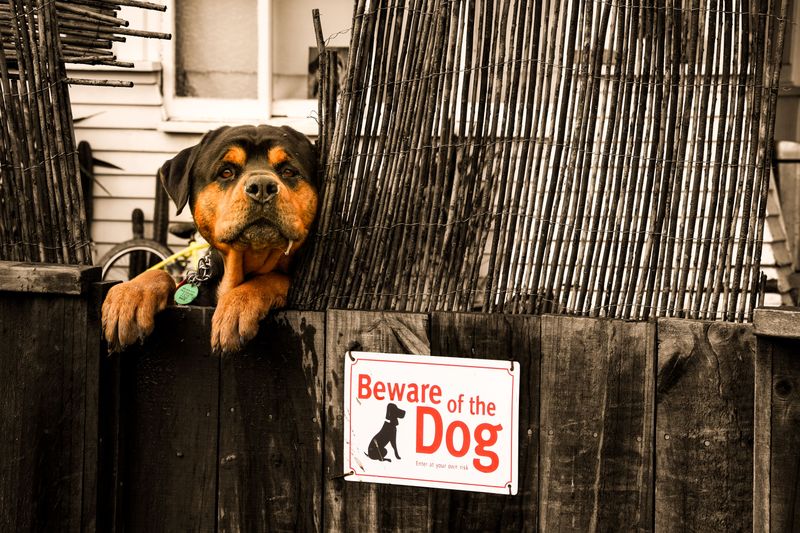
Most families never face this situation. Still, knowing the basics helps.
Texas law sets added rules for dogs legally declared dangerous. Owners must register them with local animal control and keep them securely restrained or enclosed.
State law also requires liability coverage of at least 100,000 dollars. Cities may add more, like Arlington’s 50 dollar annual renewal.
Contact your new city early if this applies.
18. Counting Paws in Multi-Dog Homes

Love a full house of dogs? Some cities set limits on how many can live at one home.
Texas City allows no more than four dogs per household. Tyler and Longview limit homes to four dogs or cats.
Other cities, like McAllen, may allow more with an extra permit. Limits come from local ordinances, not state law.
Check before moving so your whole pack stays together.
19. Fines Follow Local Playbooks

Nobody plans to break a pet rule. Missed paperwork can still bring a fine.
Penalties differ by city and county. Unincorporated Harris County lists fines up to 500 dollars per offense for licensing violations.
Many offices give owners a chance to fix problems quickly. Others move straight to citations.
Staying current is easier and cheaper than sorting out a ticket later.
20. Call the Experts Who Write the Rules
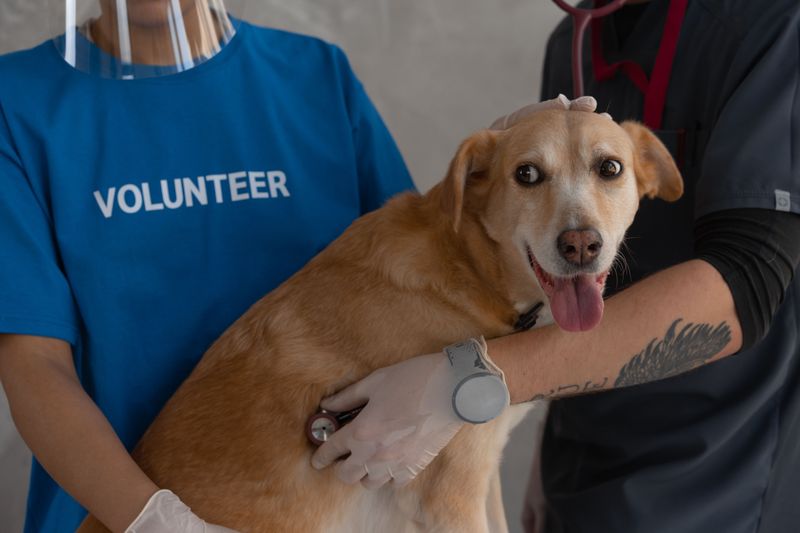
Websites help, but ordinances change. The surest answer comes from your new city’s animal services department.
Call or email with a short list. Ask about fees, required documents, deadlines, tag rules, and pet limits.
Write down what they say.
Bring your rabies certificate and microchip number to any visit. With official answers in hand, you and your dog can settle in confident and ready to explore.