15 Hunting-Season Precautions For Dogs On Georgia Public Lands
Georgia’s public lands offer wonderful walks with your dog, even when hunting seasons are open. A little planning helps you share those woods respectfully and choose a comfortable route.
Rules can change between properties, so familiar trails still deserve a fresh check before each visit. From brighter gear to a reliable backup walk, these precautions help you head out feeling prepared rather than worried.
1. Check Seasons And Each Property’s Hunting Dates
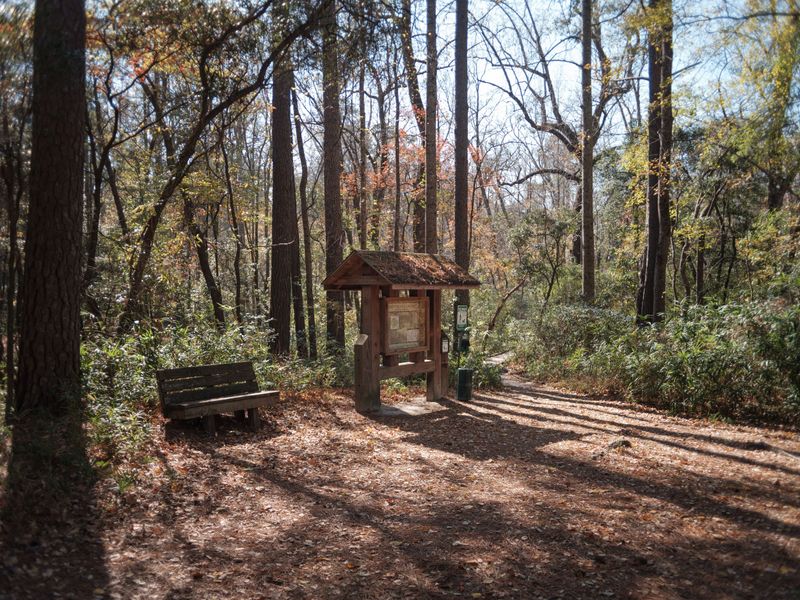
A familiar walking spot can have a different schedule once hunting season begins. Check current Georgia Department of Natural Resources hunting regulations before choosing your destination.
Then review the individual property listing for hunt dates and visitor restrictions.
Statewide season dates alone do not explain every public area’s schedule. Wildlife management areas may have special hunts or access limits.
Save the relevant information, and call the managing office when details seem unclear before leaving home.
2. Wear Bright Orange When Appropriate
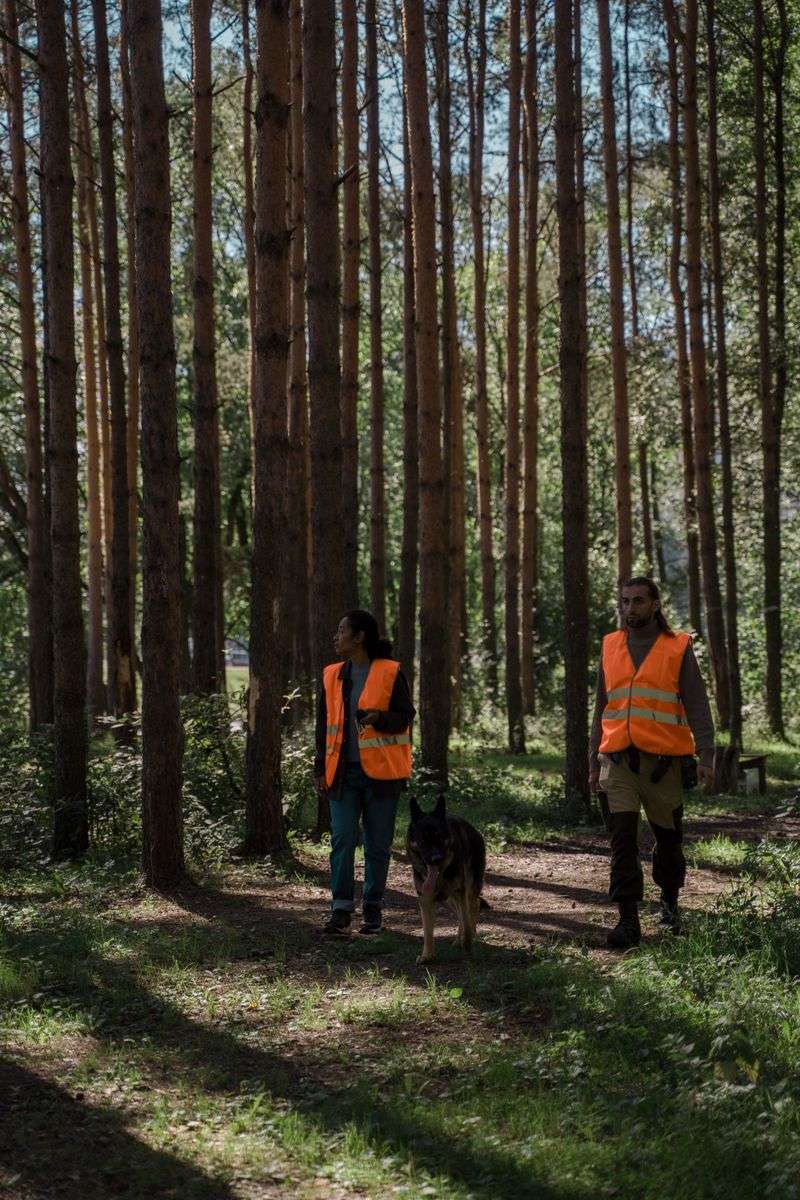
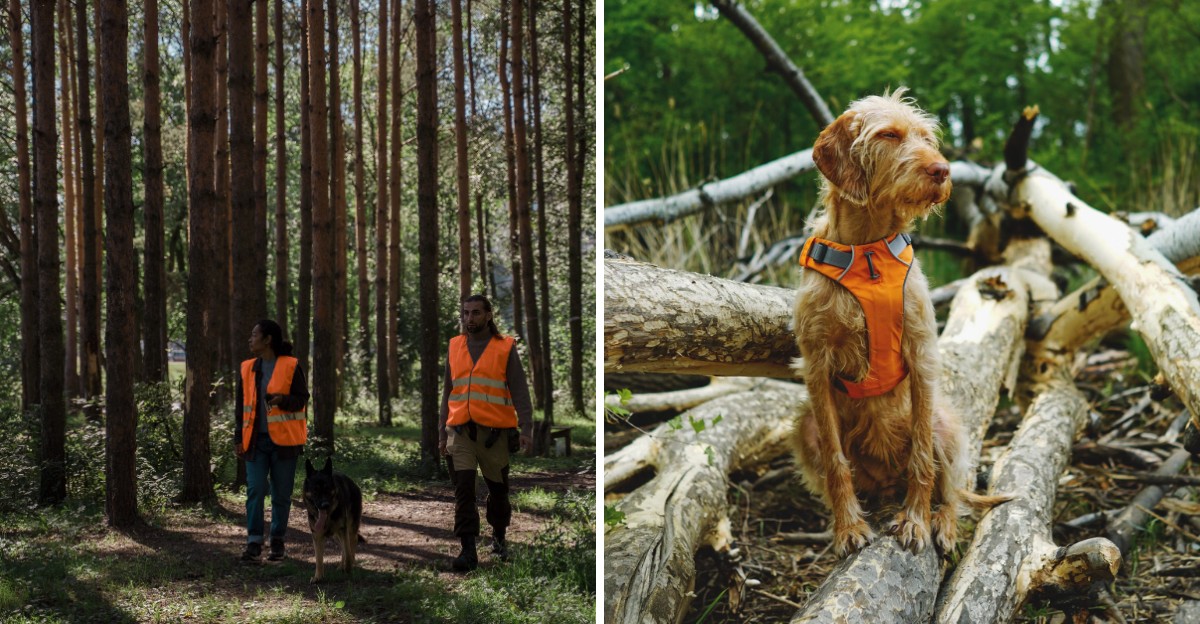
Earth tones blend beautifully into Georgia woods, which makes them less helpful for visibility. Choose a bright orange vest or hat when walking where hunting is allowed.
Keep that color visible above your backpack and outer layers.
Georgia’s legal hunter orange requirements depend on the activity and season. Do not assume every visitor follows identical rules.
Confirm current requirements for your visit, and treat bright clothing as added visibility, never a guarantee of personal safety.
3. Outfit Your Dog In High-Visibility Gear
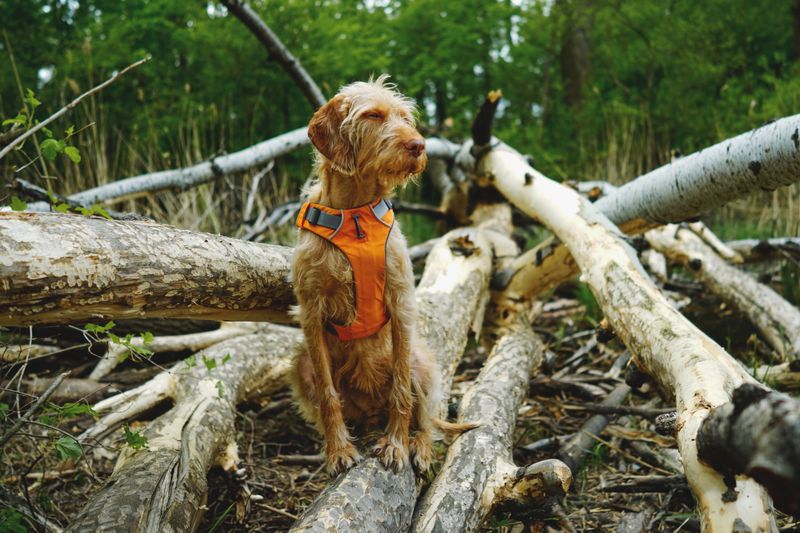
Your dog’s brown coat may disappear against fallen leaves surprisingly quickly. Fit a bright orange vest that stays visible from both sides.
Check that straps allow comfortable walking without rubbing behind the front legs.
Reflective details help when light reaches them, but they do not replace bright daytime color. Keep identification tags uncovered and leash attachments accessible.
Before each outing, inspect buckles, remove loose fabric, and replace gear that slips or catches easily on branches.
4. Choose A Short, Secure Leash
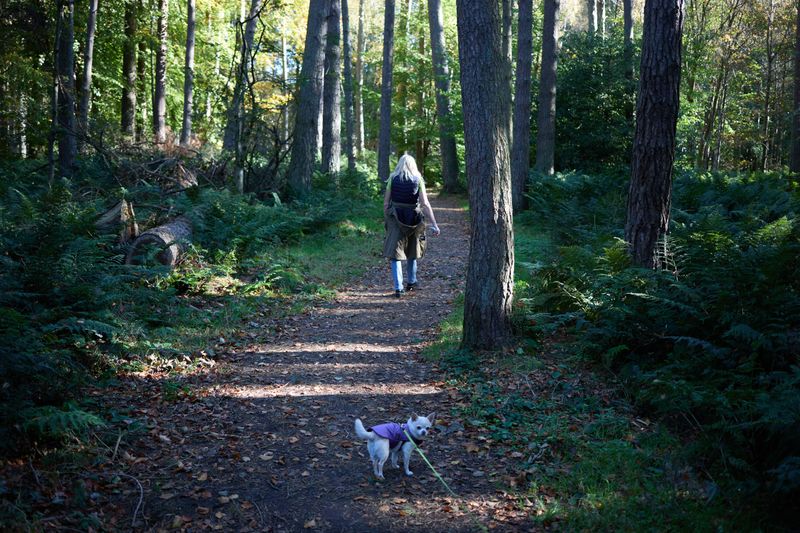
A squirrel can turn a relaxed stroll into a sudden dash. Use a sturdy, fixed leash that keeps your dog close without constant tension.
Retractable leads can allow more distance than narrow paths comfortably support.
Check the property’s leash and pet rules before arrival. Some areas restrict dogs during particular activities or dates.
Even where different rules apply, close control helps prevent wandering and makes passing others easier. Practice stopping together before reaching a busy trailhead.
5. Follow Designated Trails Without Side Trips
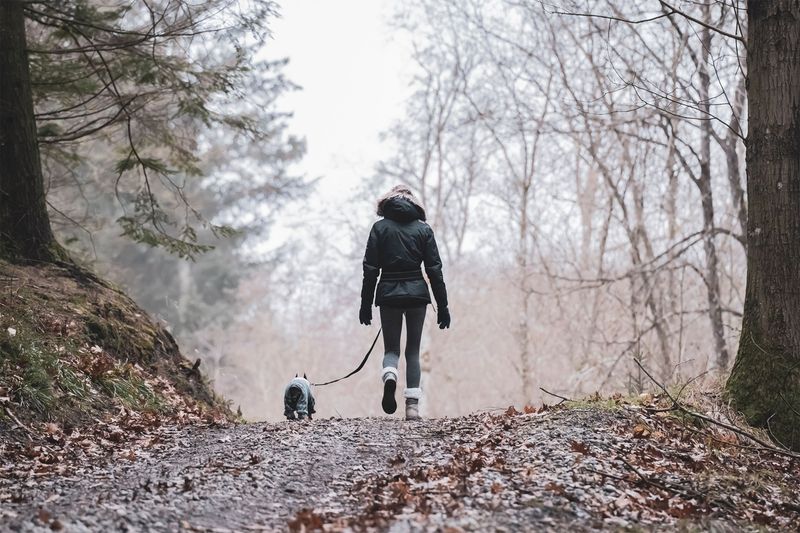
That tempting side path may lead somewhere visitors should not enter. Follow designated routes that are currently open to your activity.
Keep your dog beside you rather than exploring brush beyond the trail’s edge.
Marked trails can still cross hunting areas, so staying on them does not remove every concern. Carry an official map and watch route markers.
If a path becomes unclear, turn back instead of following your dog into unfamiliar cover or unmarked woodland.
6. Avoid Busy Hunting Areas During Peak Hours
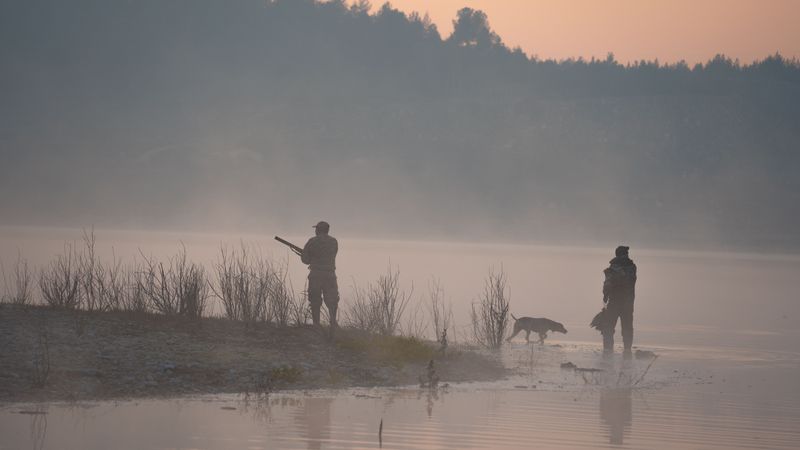
Early mornings and late afternoons often bring more hunting activity, especially during deer season. Consider a daylight walk outside those periods when local conditions allow.
Ask property staff which areas usually receive heavier use.
Timing alone cannot tell you whether hunters are present. Different hunting activities follow different patterns, and scheduled hunts may affect access throughout the day.
If parking areas look busy, choose another approved route or use your backup location for that day instead.
7. Read Notices And Check Temporary Closures
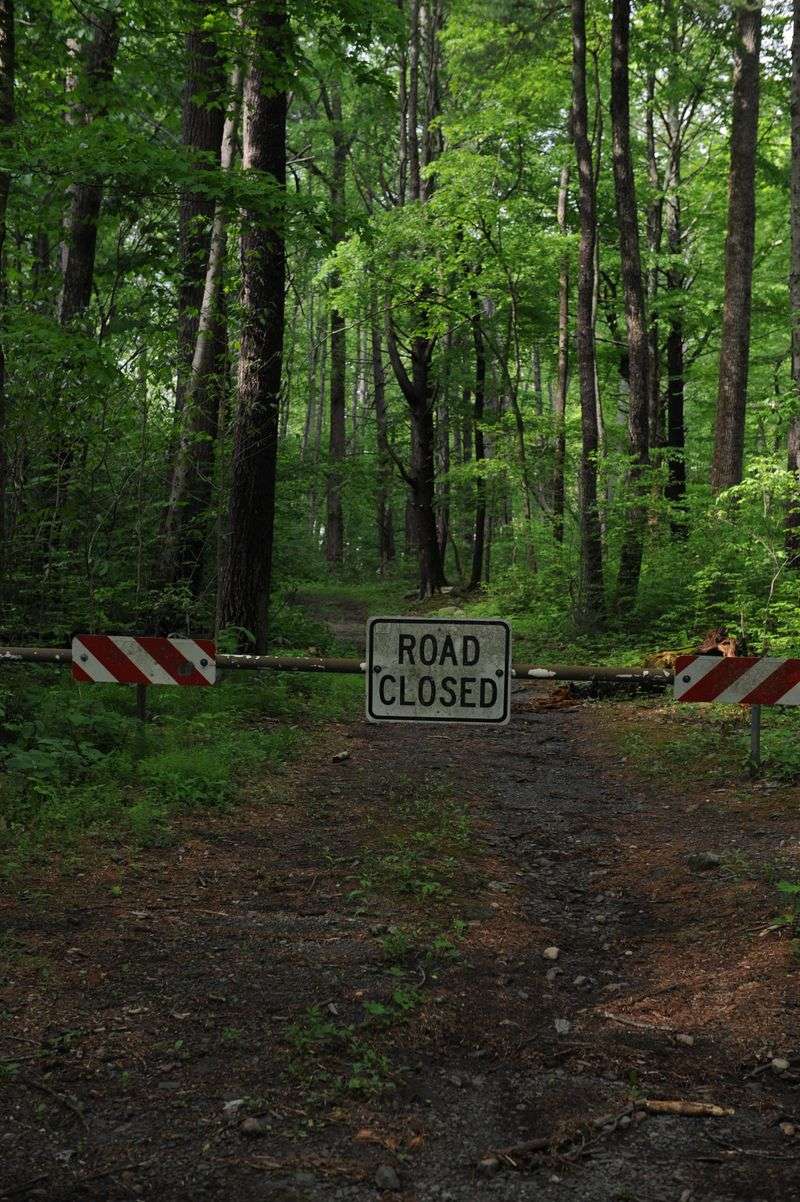
A noticeboard can change the plan you made over breakfast. Read entrance signs for hunt notices, temporary closures, and pet restrictions.
Check the managing agency’s latest alerts before driving, especially after storms or maintenance work.
Road and trail closures may affect your exit as well as your starting point. Never step around a barrier because a route looks quiet.
When online information conflicts with posted notices, pause and contact property staff before continuing with your dog.
8. Give Hunters Plenty Of Space
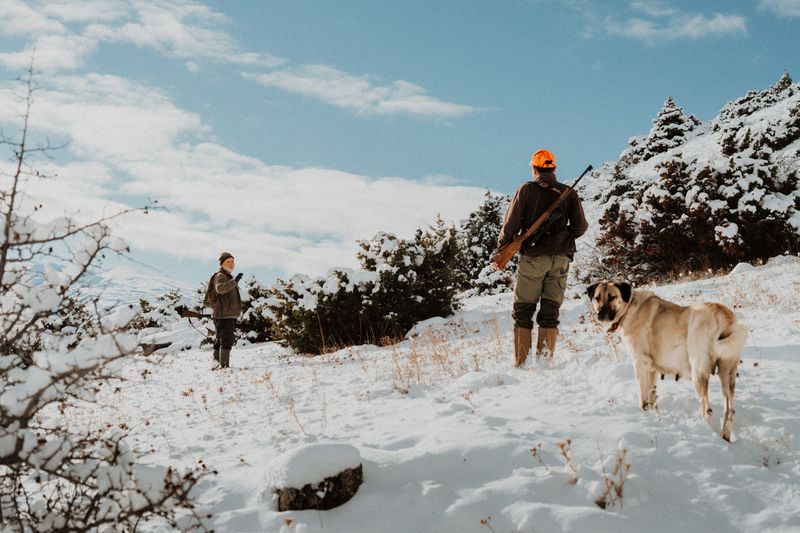
Sharing the woods works best when everyone has room. If you notice hunters nearby, stop at a comfortable distance and keep your dog close.
A brief, polite exchange can help clarify where you should pass.
Do not approach stands, blinds, or hunting dogs to investigate. Avoid cutting across someone’s setup or allowing barking nearby.
If the route feels crowded, turn around calmly. Choosing another path is often easier than squeezing through an active hunting area together.
9. Make Your Presence Known Calmly
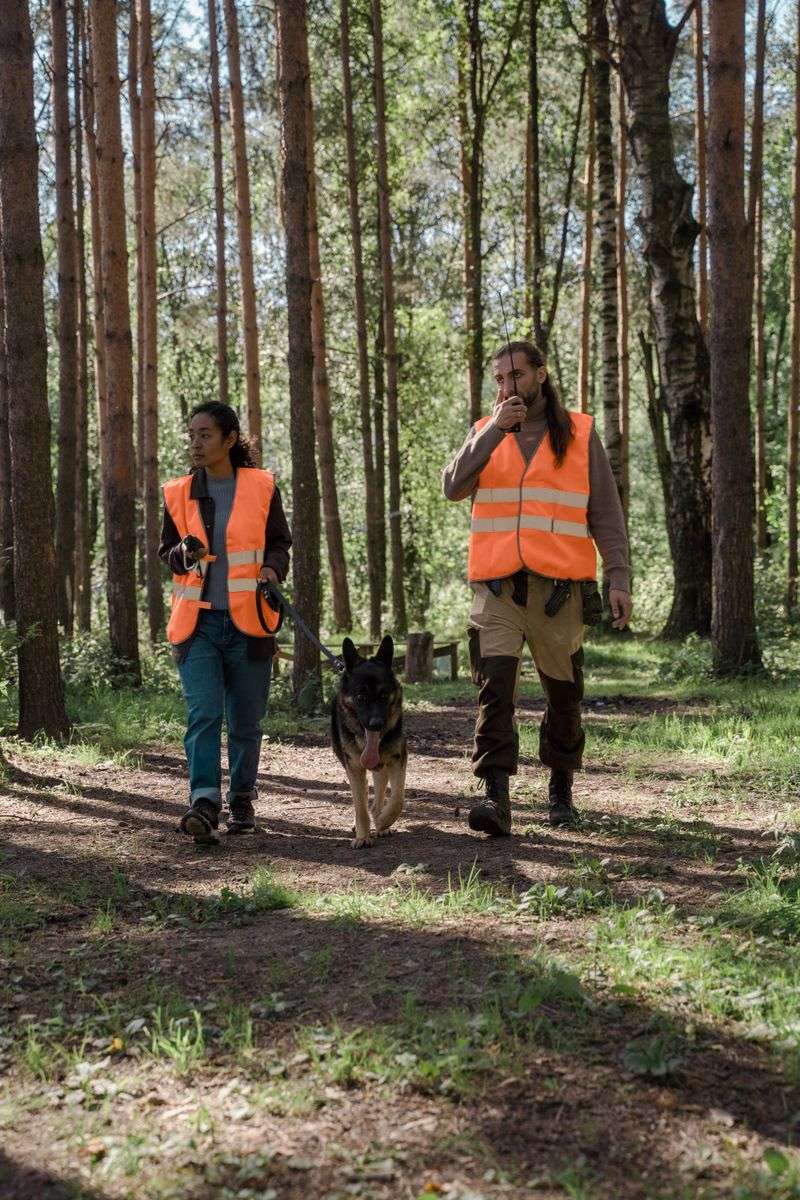
A calm greeting carries useful information through trees. Speak clearly when approaching people or rounding a bend near known hunting activity.
Keep your dog beside you while others work out where you are.
Avoid animal calls, sudden shouting, or unnecessary noise. Bells can help announce movement, but they do not replace close control or visible clothing.
If you hear nearby shots, stay calm, announce your presence when appropriate, and move toward an open route away from activity.
10. Keep Wildlife Encounters At A Distance
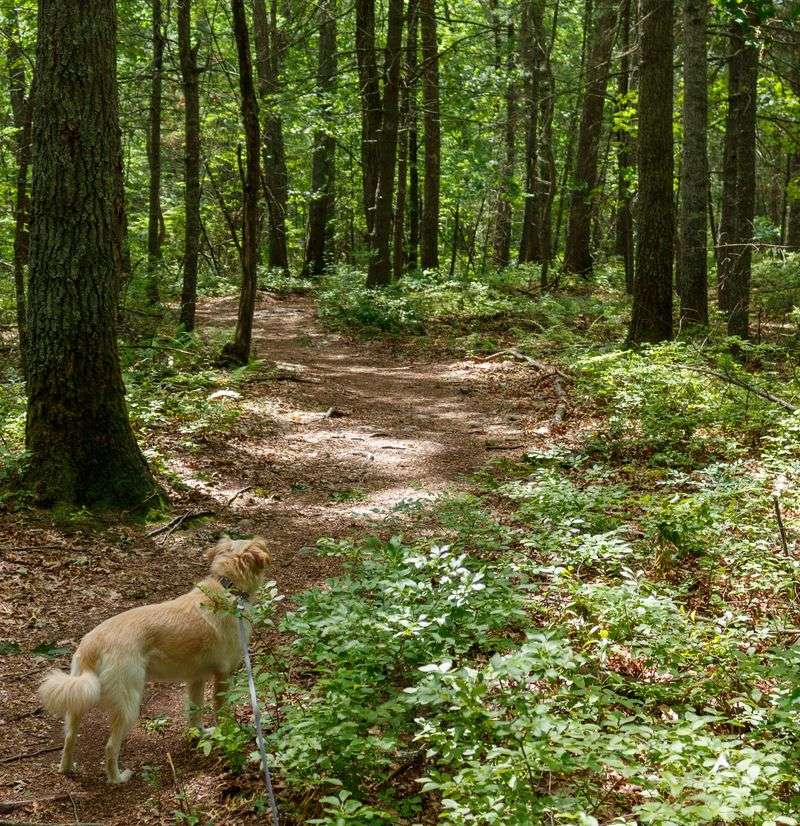
A flutter in the brush can capture your dog’s whole attention. Shorten your hold before curiosity becomes pulling, and reward your dog for turning toward you.
Give wildlife room to move away without being followed.
Never encourage chasing, even when an animal seems far away. Avoid letting your dog sniff animal remains or unfamiliar material beside the trail.
Practice a reliable leave it cue at home, then use distance and your leash to support that training outdoors.
11. Pack Water And A Basic First-Aid Kit
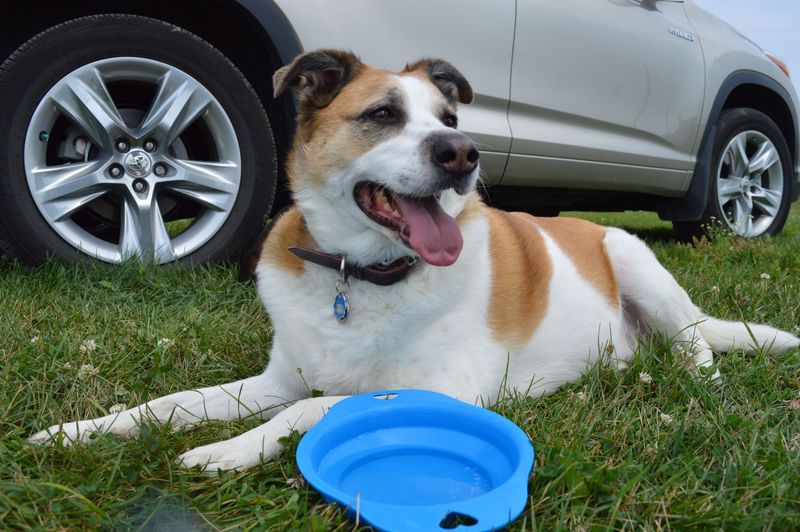
Cool weather does not remove your dog’s need for water. Carry enough for both of you, plus a collapsible bowl.
Offer regular breaks rather than relying on puddles, streams, or water at the trailhead.
Pack gauze, clean water or saline, and supplies your veterinarian recommends. Include emergency veterinary contact details and a charged phone.
Learn basic pet first aid before you need it. Never give human pain medicine unless a veterinarian specifically directs you to do so.
12. Watch For Ticks And Other Outdoor Hazards
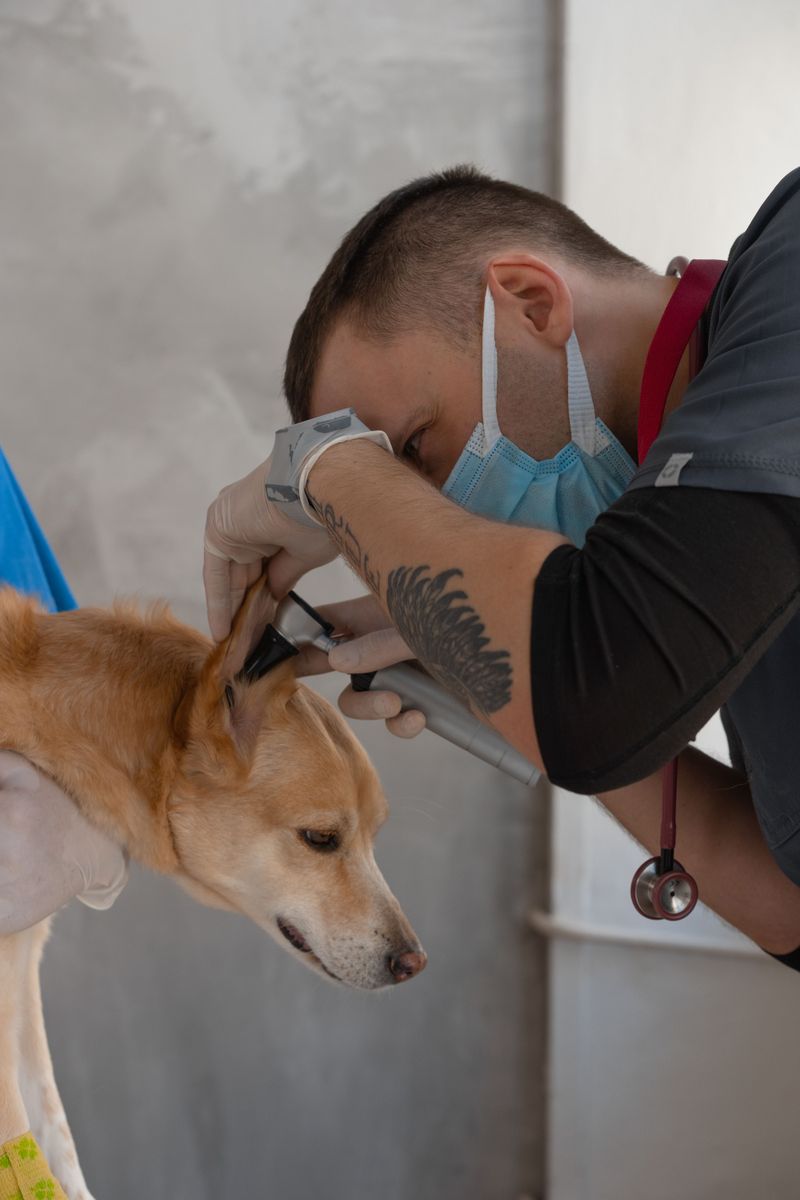
Georgia’s mild spells can keep ticks active beyond the warmer months. Ask your veterinarian about prevention suited to your dog and local conditions.
After walking, check ears, armpits, toes, and other places ticks can hide.
Scan paw pads for thorns and watch for limping or repeated licking. Give snakes space, and prevent drinking from standing water.
Remove ticks with an appropriate tool, following veterinary guidance. Contact your veterinarian if you notice unusual tiredness, swelling, or persistent discomfort.
13. Save A Backup Walking Location
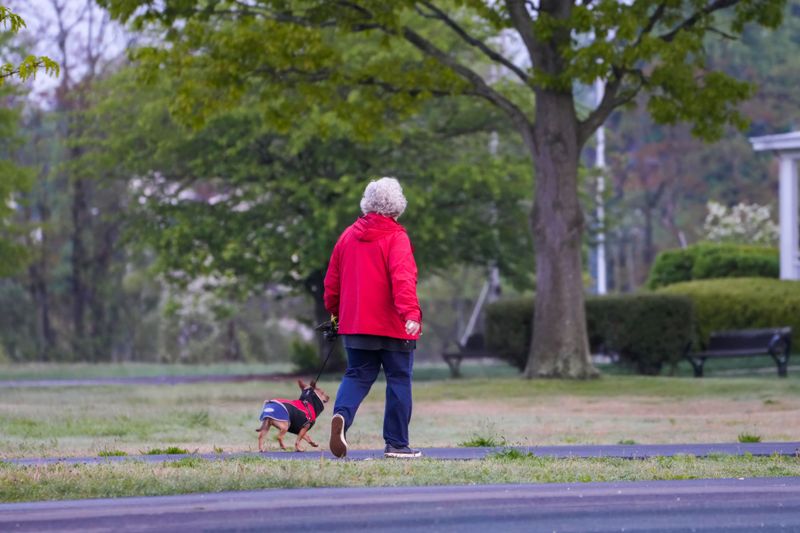
Sometimes the smartest woodland plan becomes a neighborhood walk. Pick a second destination before leaving home, preferably somewhere hunting is not allowed.
Confirm its current pet rules, opening hours, and parking arrangements.
A local walking loop or another permitted site may offer a simpler outing during busy hunt dates. Do not assume every park prohibits hunting or welcomes dogs.
Keeping a backup address saved makes changing plans easy, without turning a pleasant morning into a frustrating search.
14. Update Tags And Microchip Details
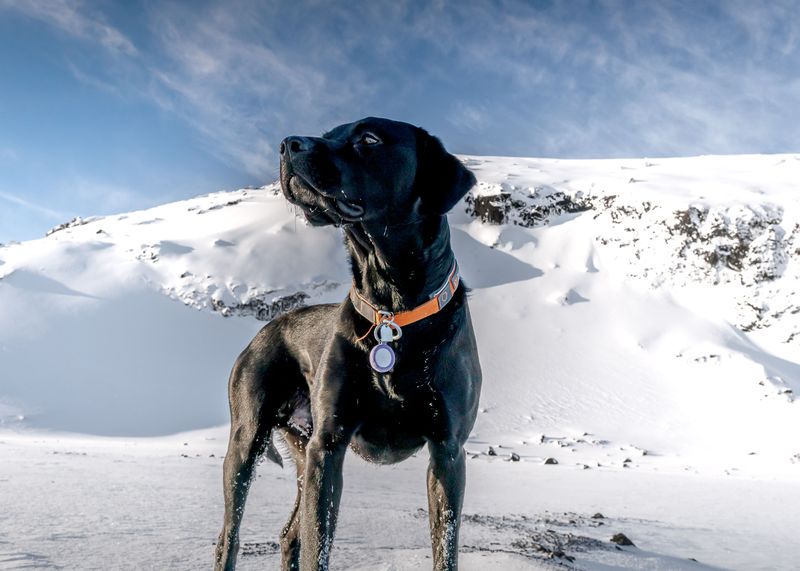
A readable tag gives someone a quick way to reach you. Check that your dog’s collar fits securely and displays a current phone number.
Replace worn tags before the lettering becomes difficult to read.
If your dog has a microchip, confirm the registry holds your latest contact details. A microchip is not a live tracking device.
Take a recent photo and keep it accessible. These small checks support a quicker reunion if an unexpected separation happens outdoors.
15. Plan Your Exit Before Daylight Fades
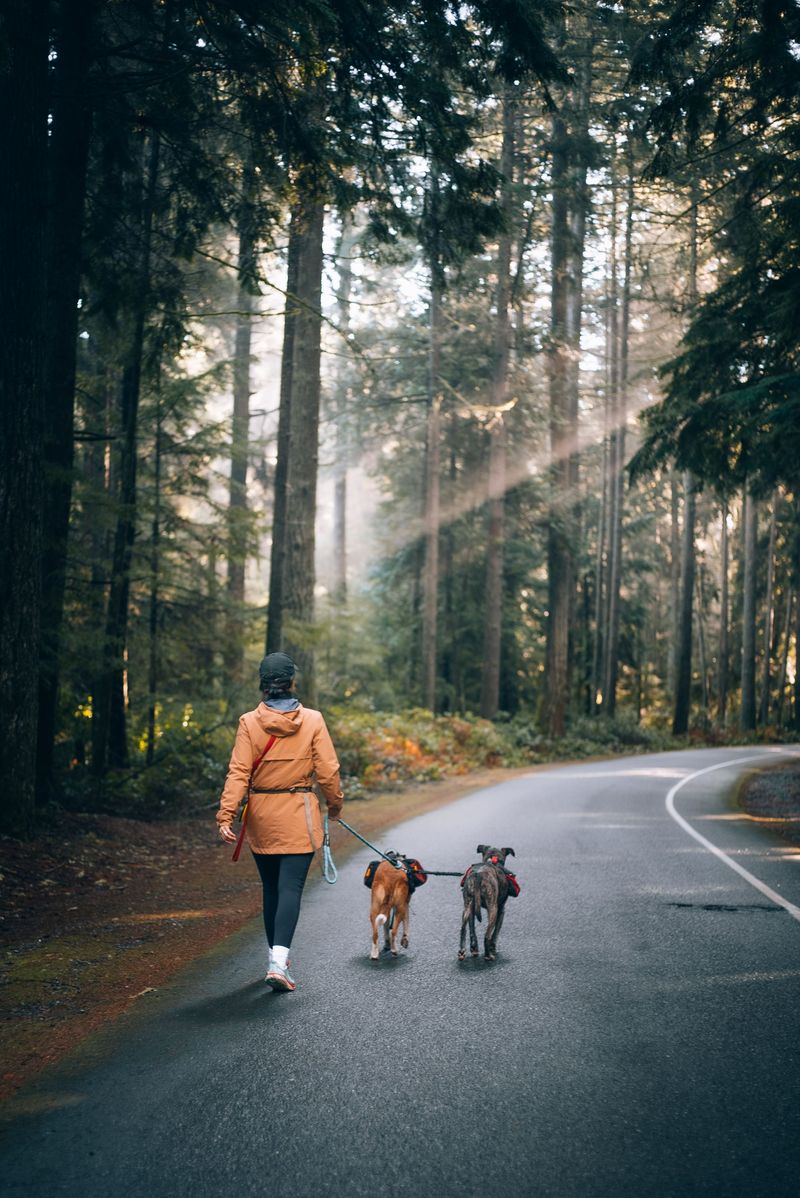
Shorter autumn days can catch even familiar walkers by surprise. Check sunset time, gate hours, and your return route before starting.
Set a turnaround time that leaves room for sniff breaks and slower walking.
Carry a light, download your map, and tell someone where you are going. Leave before visibility drops whenever possible.
If conditions change, shorten the walk without hesitation. A bright vest, close leash, and flexible plan make a reassuring routine worth repeating every season.