15 Hunting-Season Precautions For Dogs On Alabama Trails And Rural Land
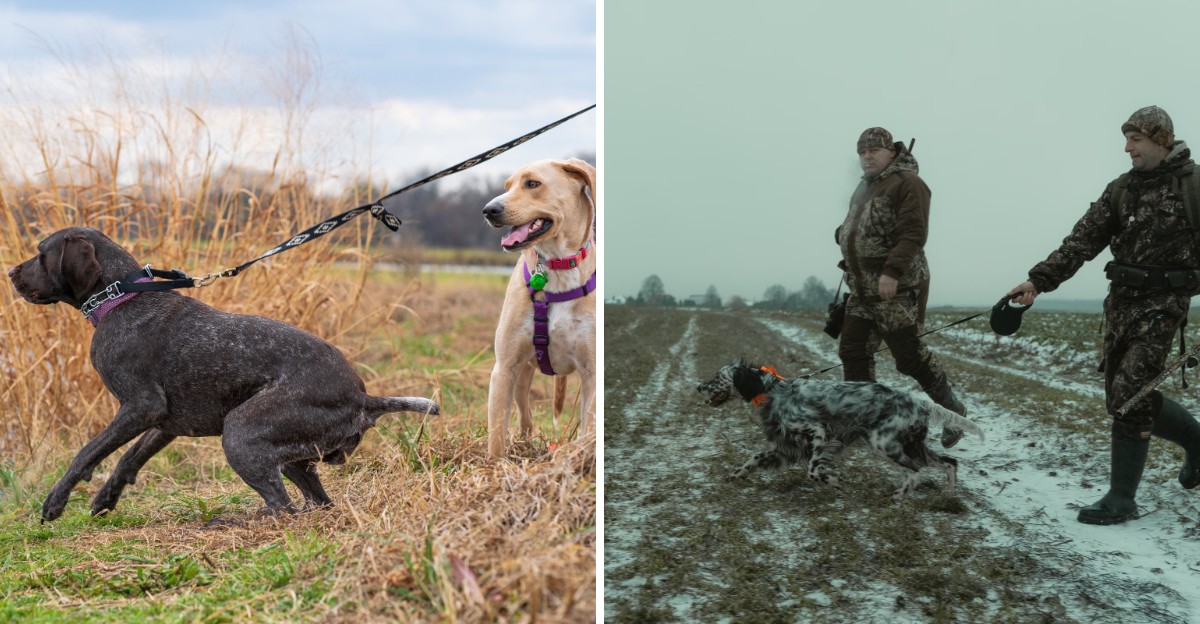
Alabama’s cool mornings make a walk with your dog feel especially inviting, from pine trails to quiet farm roads. Hunting may share those spaces, so a little planning helps everyone enjoy the outdoors with fewer surprises.
You don’t need complicated gear or expert knowledge, just reliable information and a few steady habits. Before your next outing, use these precautions to choose your route, prepare your dog, and feel more confident outside.
1. Check Alabama’s Hunting Seasons Before Heading Out
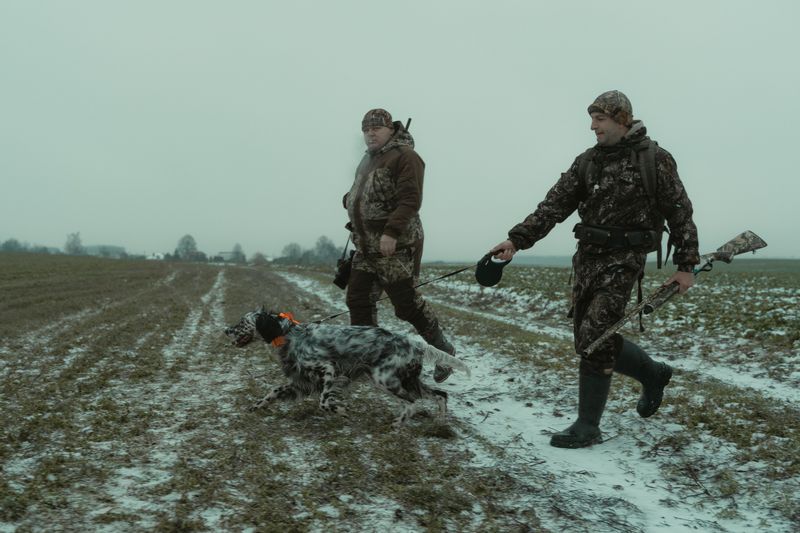
A quiet trail can still cross land open to hunting. Before leaving, check current season dates through Outdoor Alabama, the state wildlife agency’s website.
Dates vary by species, hunting zone, and equipment.
Review the specific property’s schedule too, since special hunts can change access. Save relevant notices before entering areas with weak service.
If details seem unclear, call the managing office. Last year’s calendar should never replace current information when planning your dog’s next outdoor adventure.
2. Choose Trails Away From Popular Hunting Areas
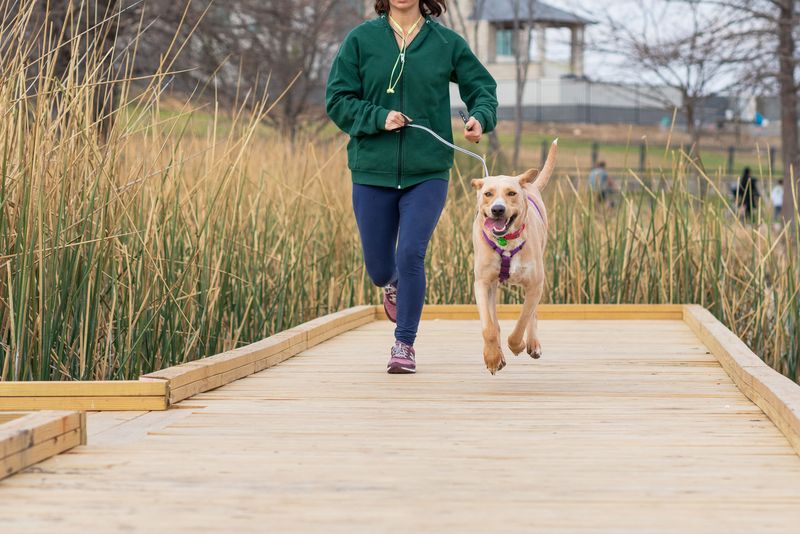
Not every woodland path offers the same walking conditions. Look for maintained parks, neighborhood greenways, or other places where hunting is prohibited.
Confirm current policies with the property manager rather than guessing.
Ask whether nearby land allows hunting, especially along shared boundaries. A designated walking trail does not automatically mean surrounding woods are closed.
Favor routes with clear sightlines and established access points. Choosing a simpler setting can make seasonal walks more relaxed for you both.
3. Dress Your Dog in Bright, High-Visibility Colors
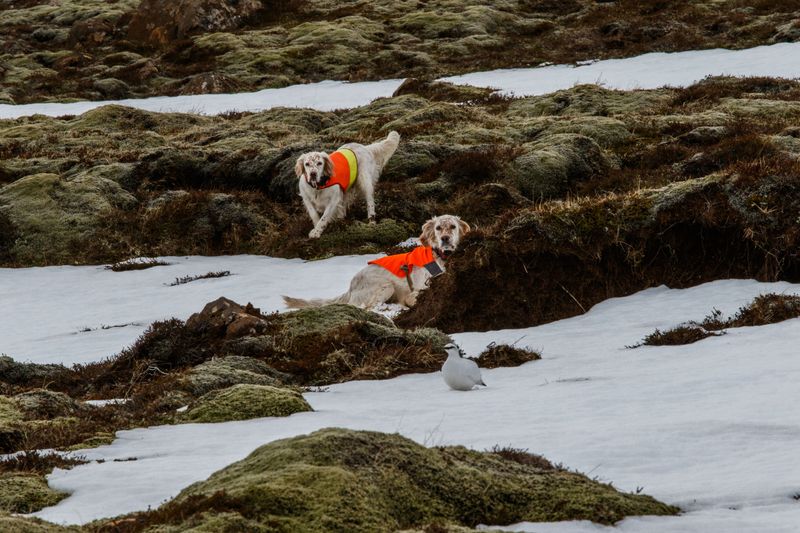
Brown fur can blend surprisingly well with fallen leaves. Fit your dog with a bright orange vest that remains visible from several directions.
Choose sturdy material that allows comfortable movement.
Check for rubbing, loose straps, and fabric covering the leash attachment. Reflective trim helps in headlights, but does not replace bright daytime color.
Visibility gear supports other precautions; it cannot guarantee recognition. Keep the vest clean enough to stand out against Alabama’s woods and autumn fields.
4. Wear Hunter Orange Yourself
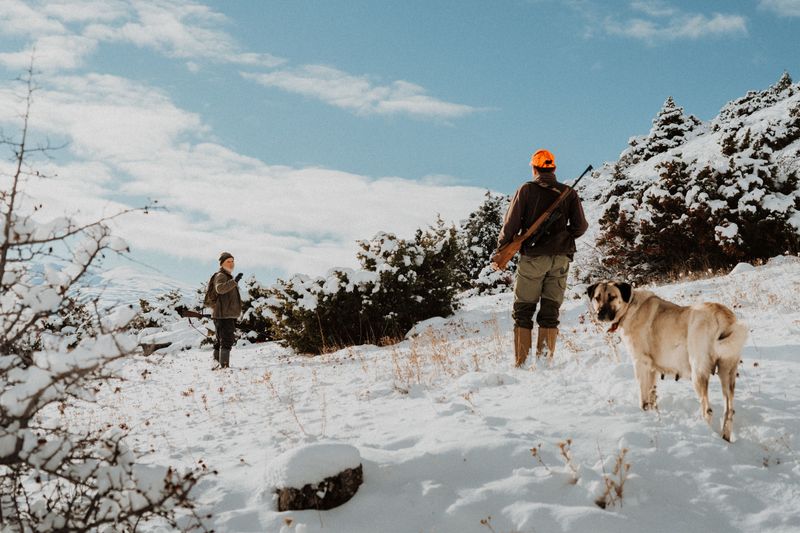
Your own clothing matters just as much as your dog’s. Wear a fluorescent hunter orange vest or hat that stands out clearly.
Avoid relying on small accents hidden beneath backpacks.
Alabama has hunter orange requirements for certain hunters, with specific exceptions. Those rules do not create one universal clothing requirement for every walker.
Check applicable property rules before visiting. For everyday planning, visible clothing remains a sensible precaution even when your activity does not require it.
5. Keep Your Dog Leashed Near Woods And Fields
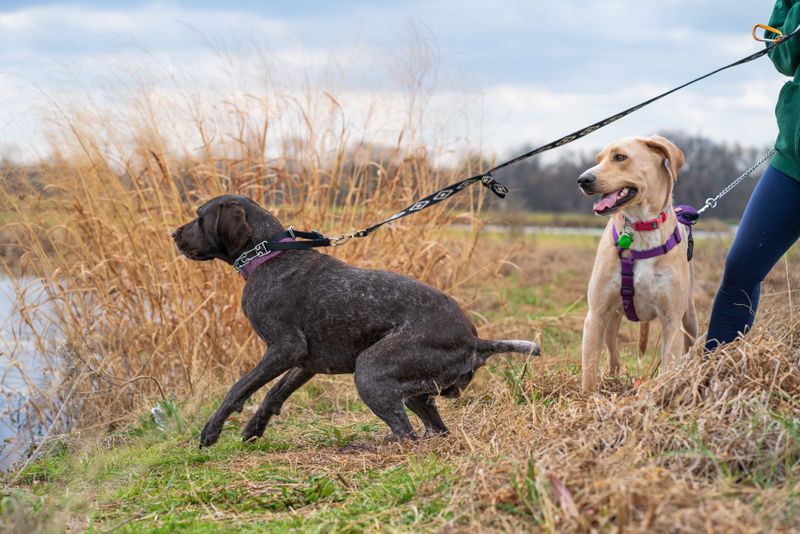
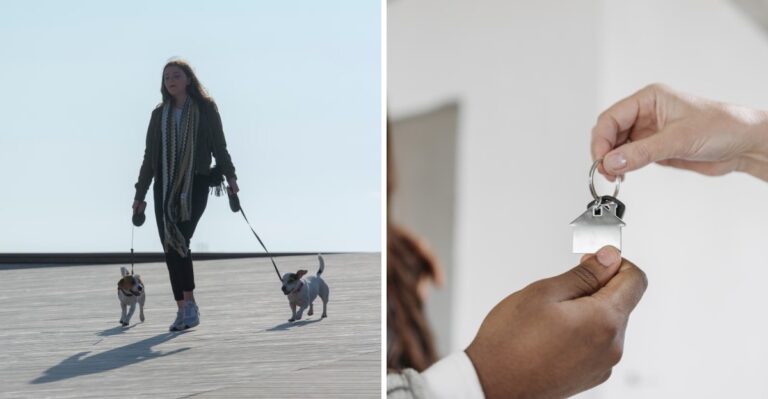
A squirrel can turn a calm companion into a determined explorer. Use a sturdy leash and secure harness near woods, fields, and unfamiliar boundaries.
Keep enough slack for comfortable walking.
Avoid long retractable lines where your dog could disappear into brush. Inspect clips and buckles before each outing.
Leash requirements differ across properties and local jurisdictions, so confirm the rules. Close control also helps prevent wildlife chasing, unwanted encounters, and accidental wandering onto neighboring private land.
6. Check Alabama Wildlife Management Area Rules
One wildlife management area may operate differently from another nearby. Read the current map, permit information, and posted notices for your destination.
Look specifically for dog restrictions and scheduled hunts.
Some activities require permits, and access conditions can change during special events. Do not assume a marked road allows unrestricted recreation.
Contact Alabama’s wildlife agency or the area office when uncertain. Carry downloaded information, since a phone signal may disappear before you reach the trail entrance.
7. Avoid Walking During Peak Hunting Hours
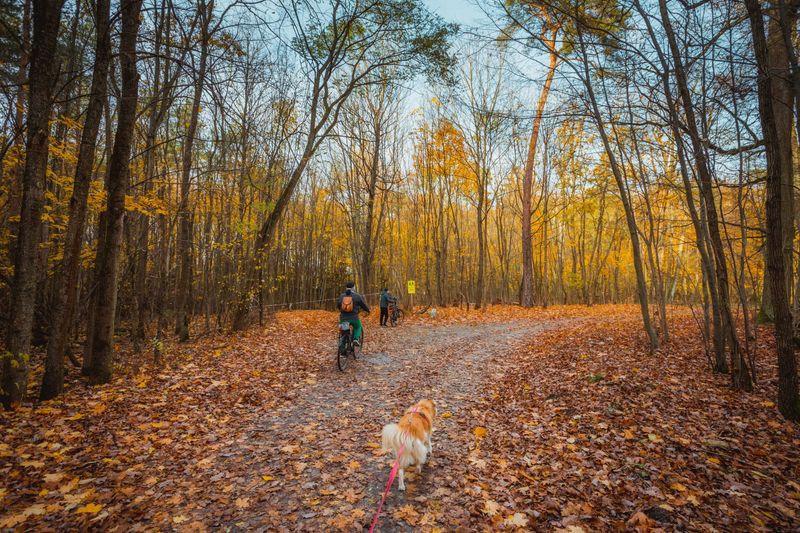
Early light and evening often bring more hunters into the woods. When practical, schedule your outing for full daylight instead.
Better visibility also helps you notice signs and uneven ground.
However, hunting can happen throughout legal hours, depending on the species and season. Midday is not a guarantee of separation.
Check local schedules and choose your location carefully. If activity increases while walking, shorten the outing rather than depending on the clock alone for reassurance outdoors.
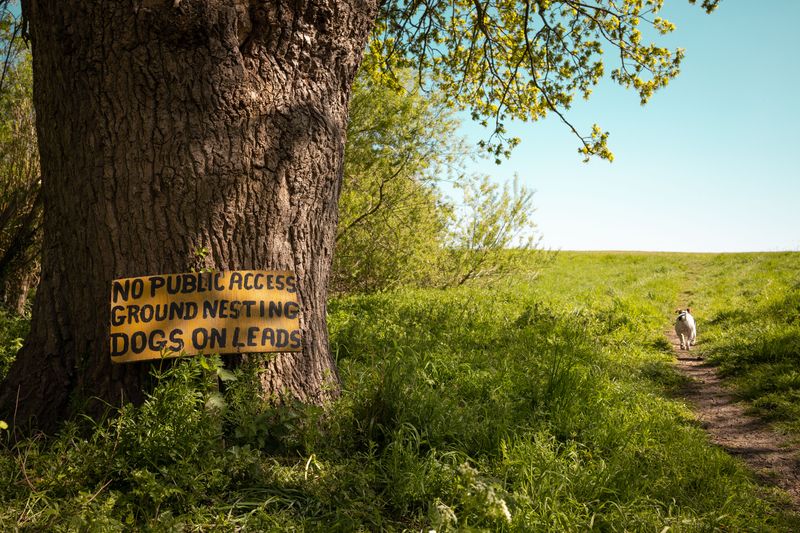
8. Watch For Posted Hunting And Private Property Signs
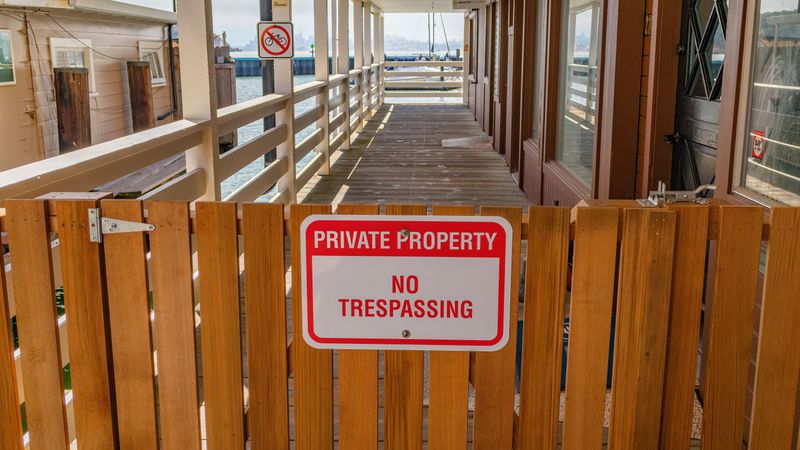
A familiar shortcut may lead somewhere you are not allowed. Watch for posted notices, gates, fences, and marked property boundaries.
Turn around when access is uncertain or clearly restricted.
Missing signs do not establish permission to enter private land. Digital maps can also show outdated or incomplete boundaries.
Use official property information whenever available, and respect temporary closures. Reading signs before proceeding keeps your walk predictable and helps maintain good relationships with rural neighbors throughout Alabama.
9. Contact Landowners Before Exploring Rural Property
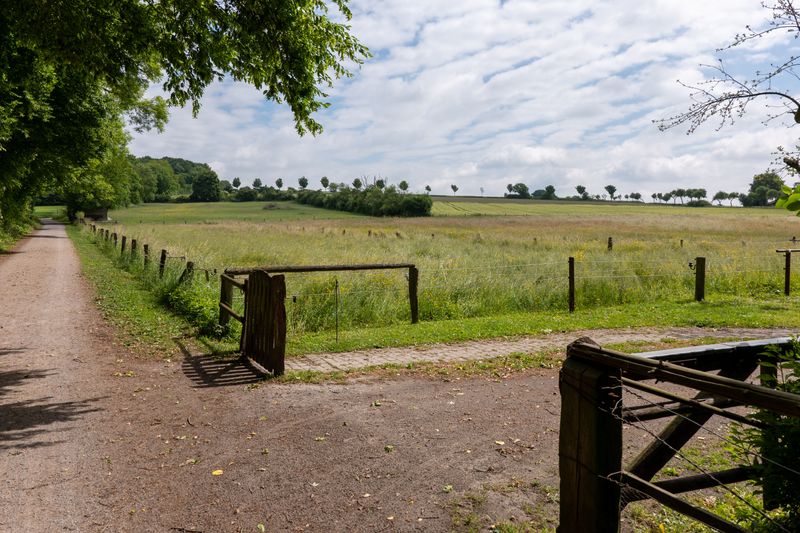
A quick conversation can prevent a confusing afternoon at a gate. Get the owner’s permission before taking your dog onto rural property.
Ask whether anyone currently holds hunting access rights.
Agree on your route, visit time, parking spot, and any livestock concerns. Permission for one visit may not cover future outings.
Request updates if hunting plans change, and leave gates as instructed. A respectful check before each trip protects access and keeps everyone’s expectations clear from arrival.
10. Keep Dogs Away From Hunting Equipment And Bait Sites
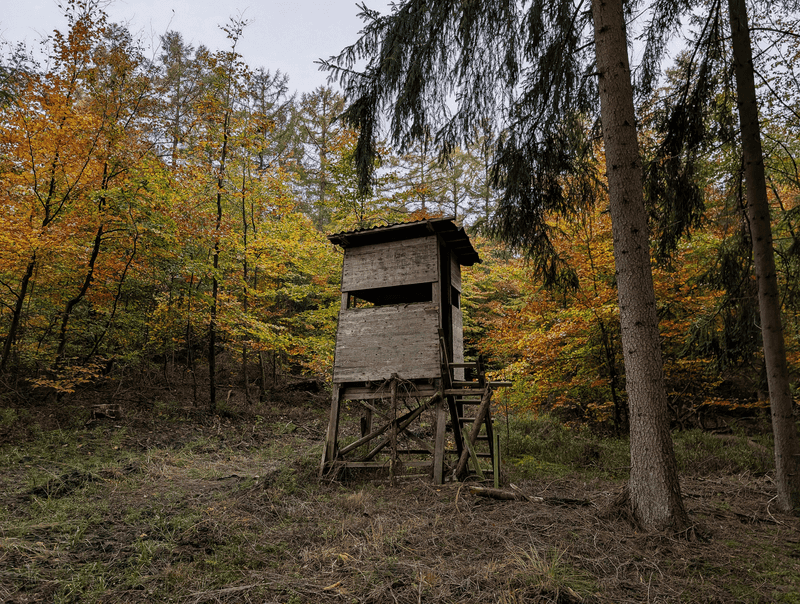
Interesting smells can draw dogs toward feeders, stands, blinds, or unfamiliar equipment. Steer away without touching, moving, or inspecting those objects.
Keep your dog from eating scattered feed or scraps.
Finding equipment is a reason to reassess your route, not investigate further. If you notice a trap, keep your distance and contact the property manager.
For suspected ingestion, call your veterinarian promptly. Note the location so you can describe it without returning your dog to that spot.
11. Watch For Wildlife That May Be Moving Through Trails
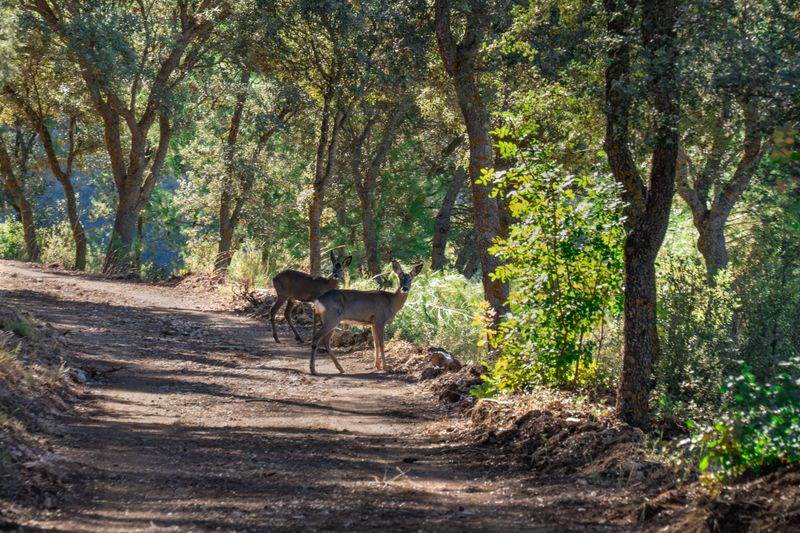
Rustling leaves may signal more than a passing breeze. Deer and other wildlife can cross trails unexpectedly, especially near cover.
Shorten your leash calmly and give animals plenty of space.
Never encourage chasing or let your dog approach an animal resting nearby. If you encounter feral swine, retreat calmly without blocking their escape.
Avoid dense brush where visibility drops. A quiet change of direction usually serves you better than stopping for a closer photograph along the trail.
12. Practice A Reliable Recall Before Hunting Season
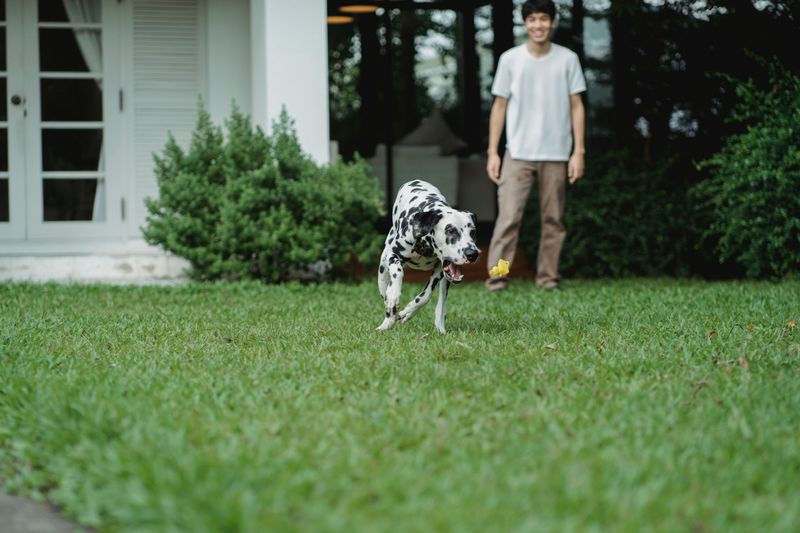
Coming when called starts with practice somewhere quiet and secure. Reward your dog for returning promptly, then gradually add manageable distractions.
Use a fenced area or controlled training line.
Never test recall by releasing your dog near active hunting areas. Even dependable dogs can follow an unexpected scent.
Keep identification tags current and confirm your microchip contact details. Training provides a useful backup, while a leash remains your main safeguard during walks near woods and fields.
13. Check Your Dog For Ticks After Every Walk
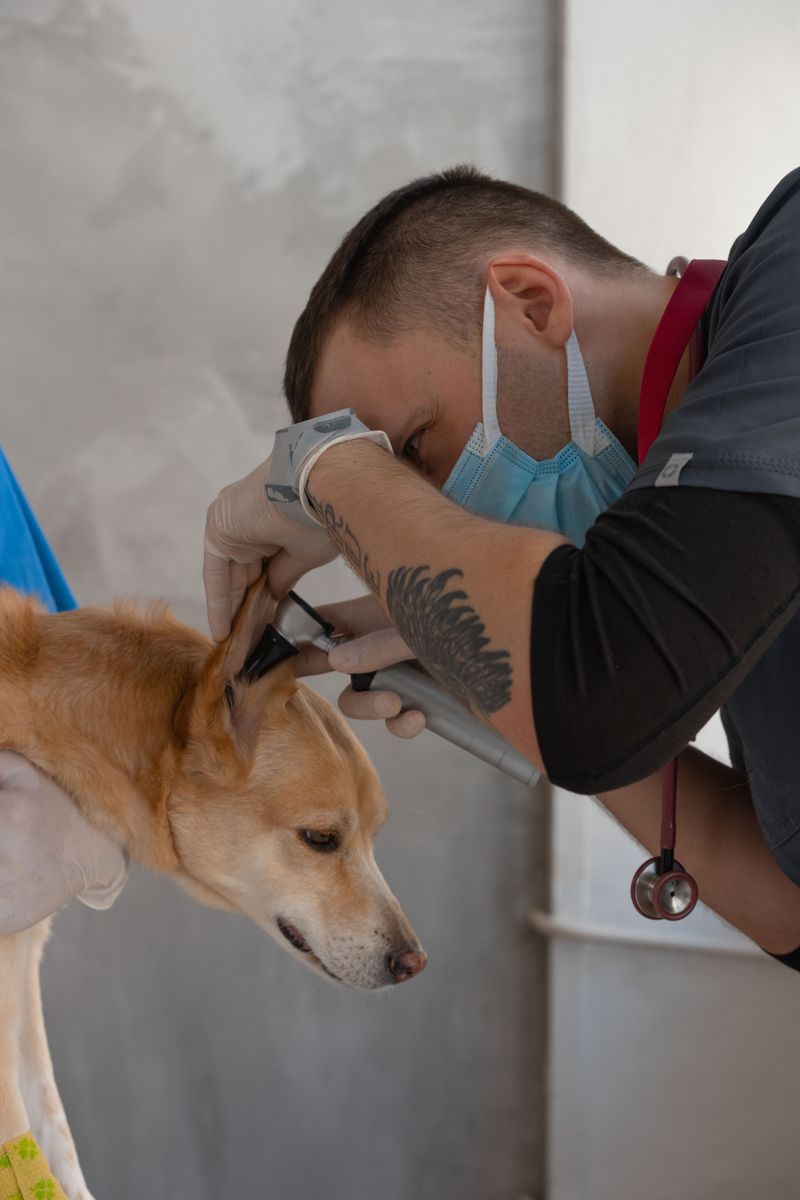
Cool weather does not mean ticks have disappeared from Alabama. After walking, feel through your dog’s coat and inspect ears, armpits, toes, and collar areas.
Check your own clothing too.
Ask your veterinarian about suitable tick prevention throughout the year. Remove attached ticks promptly with fine tipped tweezers, grasping near the skin.
Pull steadily without twisting or squeezing the body. Contact your veterinarian if removal proves difficult or your dog seems unwell after a recent outdoor outing.
14. Carry A First-Aid Kit And Emergency Information
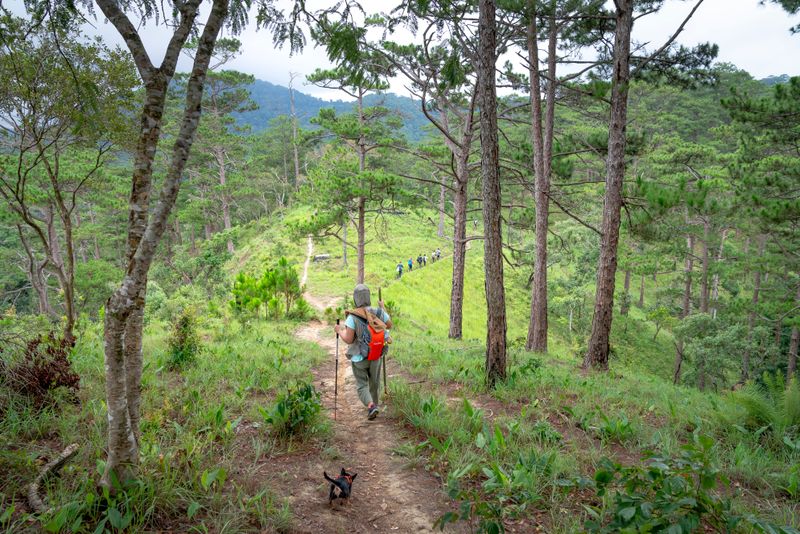
A small pack can make an unexpected problem easier to handle. Bring gauze, saline, bandaging supplies, gloves, water, and your veterinarian’s contact information.
Know where emergency veterinary care is available.
Download your route and share your plans with someone reliable. Carry a charged phone, while remembering coverage may be limited.
Do not give human pain medicines unless your veterinarian directs you. For urgent injuries, contact professional help rather than relying only on supplies carried in your pack.
15. Plan An Alternative Route When Hunting Activity Is Reported
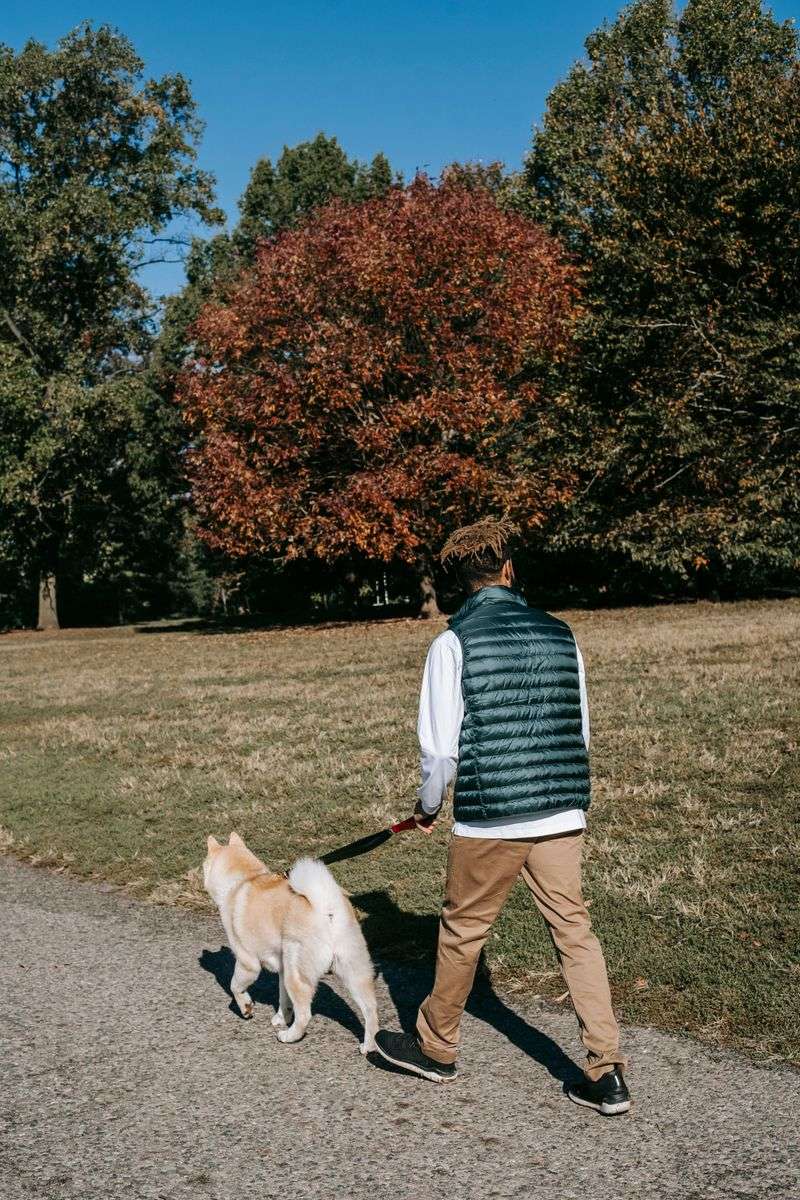
Changing plans is a smart choice, not a spoiled outing. Keep a backup park or neighborhood loop ready before leaving home.
Check that dogs are welcome and access remains open.
If you hear nearby shots or receive an activity warning, calmly leave by a known, permitted route. Avoid cutting through woods to save time.
Report immediate safety concerns to the appropriate authorities. Bright clothing, close control, and flexible plans help keep Alabama adventures comfortable for you both.