What to Do If Your Ohio Dog Meets a Skunk, Raccoon, or Opossum
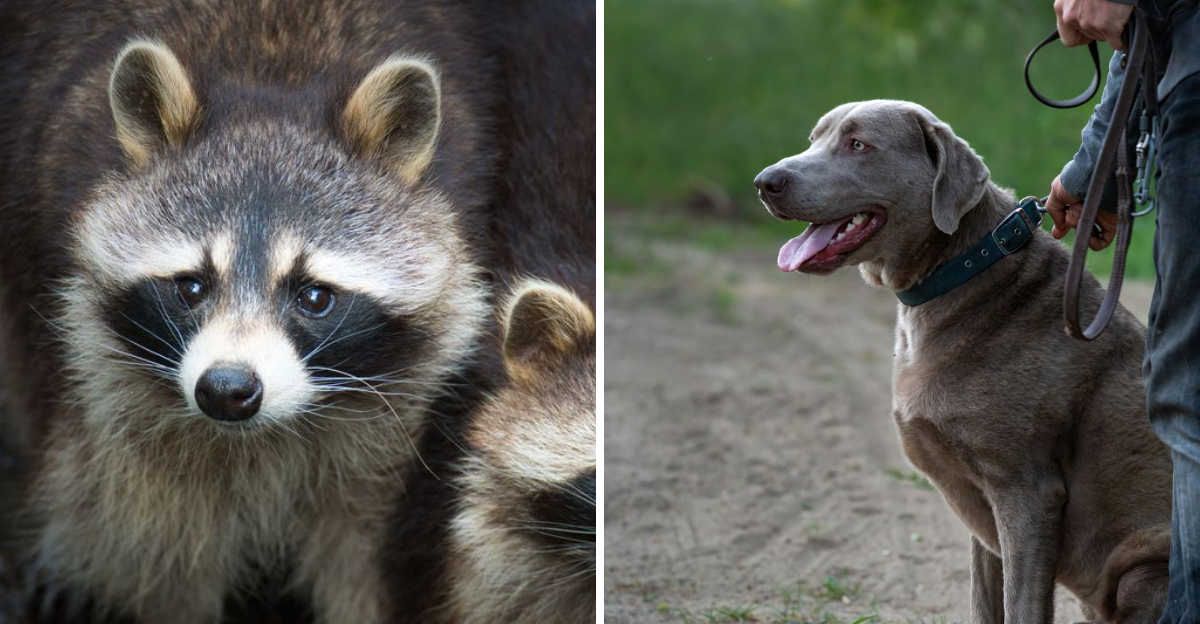
Ohio backyards and walking trails are full of wildlife, and skunks, raccoons, and opossums are some of the most common visitors.
Most Ohio dog owners will face at least one close encounter between their dog and a wild animal at some point. Knowing what to do in the moment can protect your dog, your family, and even the wild animal involved.
This guide walks you through every step, from the first second of contact to the follow-up care that keeps everyone safe and healthy.
1. Give the Wild Animal a Clear Escape Route
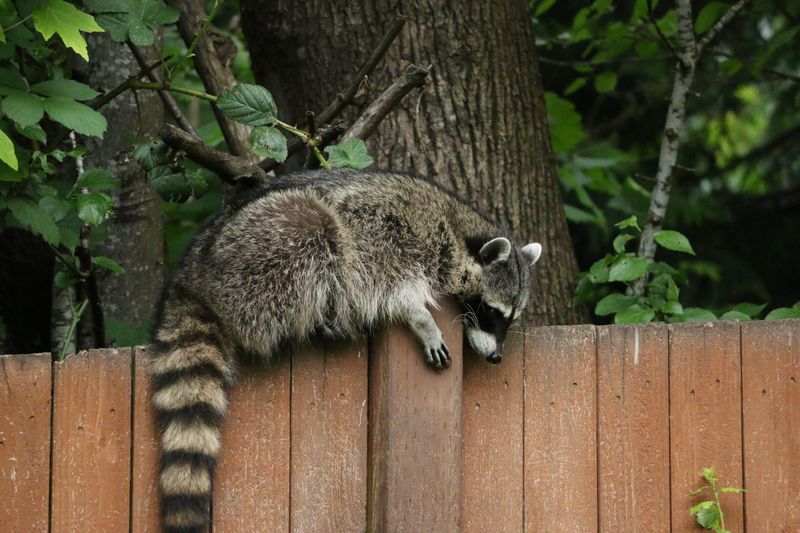
Cornered animals act out of fear, not aggression. When you back away slowly, you are doing more than protecting yourself.
You are opening a path that lets the animal leave without feeling threatened.
Step to the side rather than straight back if the animal is between you and a fence or wall.
A skunk, raccoon, or opossum that sees a way out will almost always take it. Giving them room to move is one of the simplest and most effective things you can do.
2. Do Not Chase or Corner the Animal
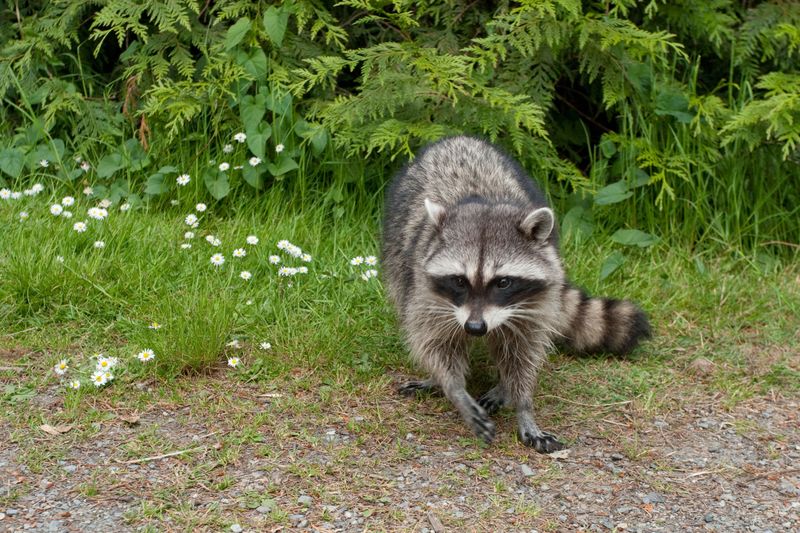
Chasing a wild animal almost always ends badly. Even an opossum, which is known for playing dead, will bite or scratch if it feels completely trapped.
Raccoons and skunks are even more likely to defend themselves when pursued.
Wild animals are not looking for a fight. They want to get away.
The moment you or your dog starts chasing, you remove that option and force the animal into self-defense mode. Stay still or back away, and let the animal make the first move toward escape.
3. Leash Your Dog and Create Distance
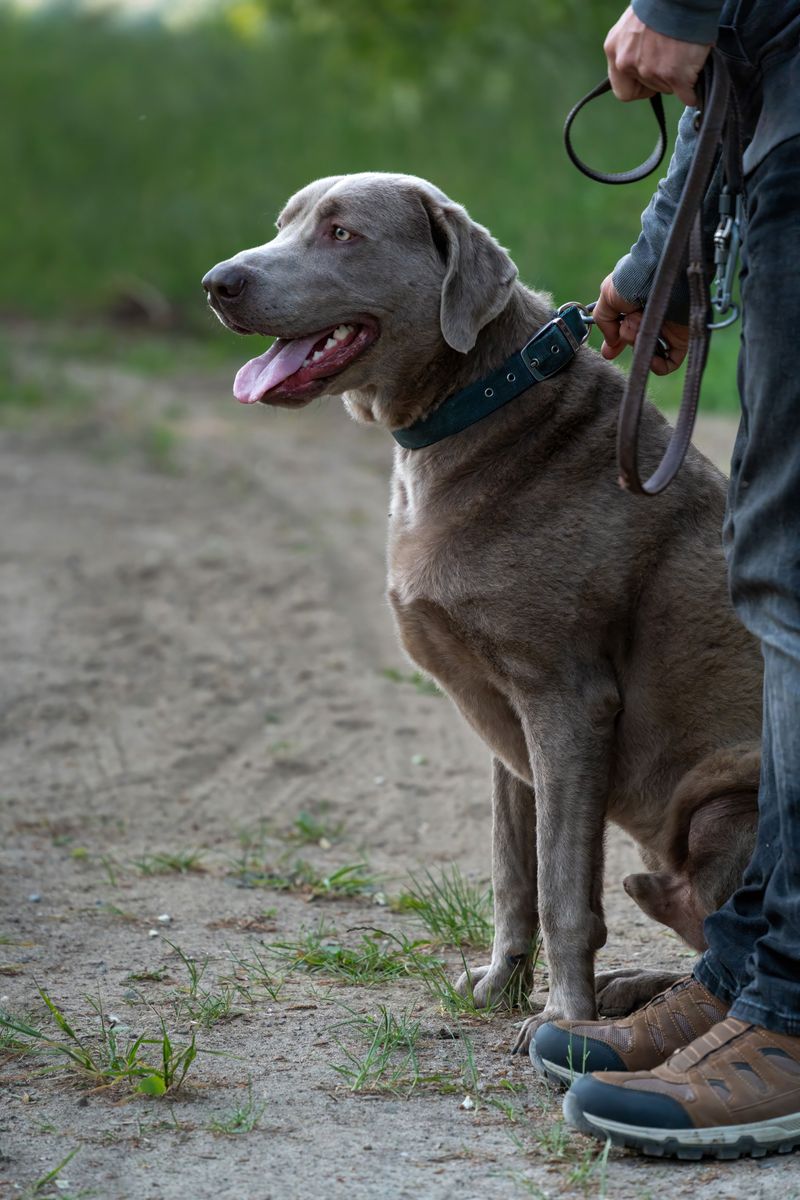
The fastest thing you can do when a wild animal appears is tighten your grip on the leash and calmly back away. Moving slowly and quietly is the key.
Sudden movements can startle both your dog and the animal, making a bad situation worse.
Keep your dog pressed close to your side as you create space. A calm, steady retreat signals to the wild animal that you are not a threat.
Give yourself and your dog as much room as possible before stopping.
4. Keep Children and Other Pets Indoors

Young children move unpredictably and may run toward a wild animal out of curiosity.
Other pets, especially dogs that are not yet vaccinated, can also be put at risk during a wildlife encounter. Getting everyone inside quickly removes those variables.
Pets that are too young to have received their rabies vaccination should especially be kept away from any wild animal contact.
Once children and other pets are safe indoors, you can focus calmly on handling the situation with your leashed dog.
5. Never Put Your Hands Between Fighting Animals
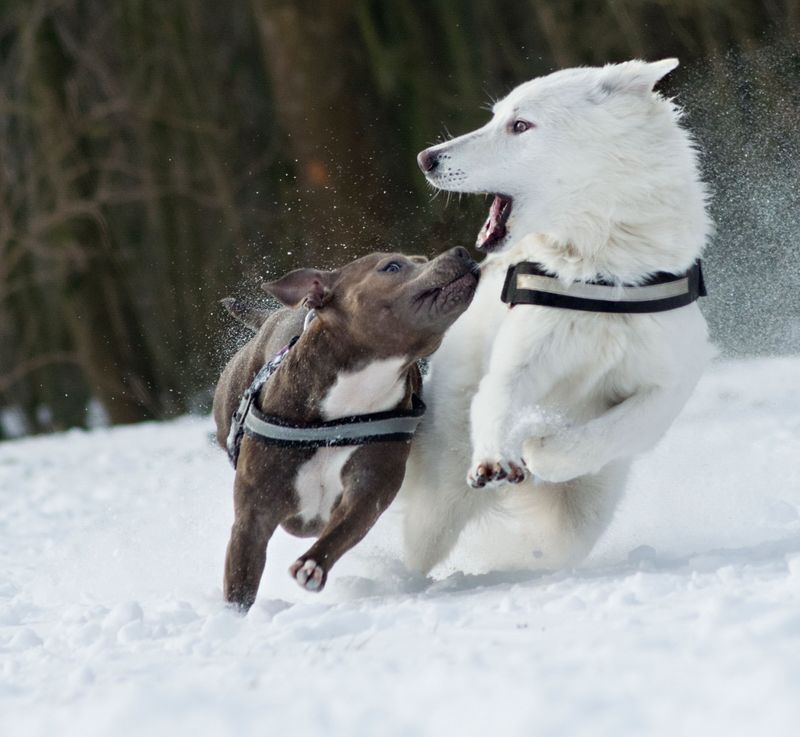
Reaching between two animals in a fight is one of the most dangerous things a person can do.
Both animals are in a heightened state of panic and will bite or scratch whatever is closest, including your hand. Bites from wild animals during a fight carry serious risks.
If separation is truly necessary, use a long object like a shovel, a broom, or a garden hose to create a barrier.
Protect yourself first. Your dog needs you to stay safe and uninjured so you can help them afterward.
6. Check Your Dog for Bites, Scratches, Bleeding, or Limping
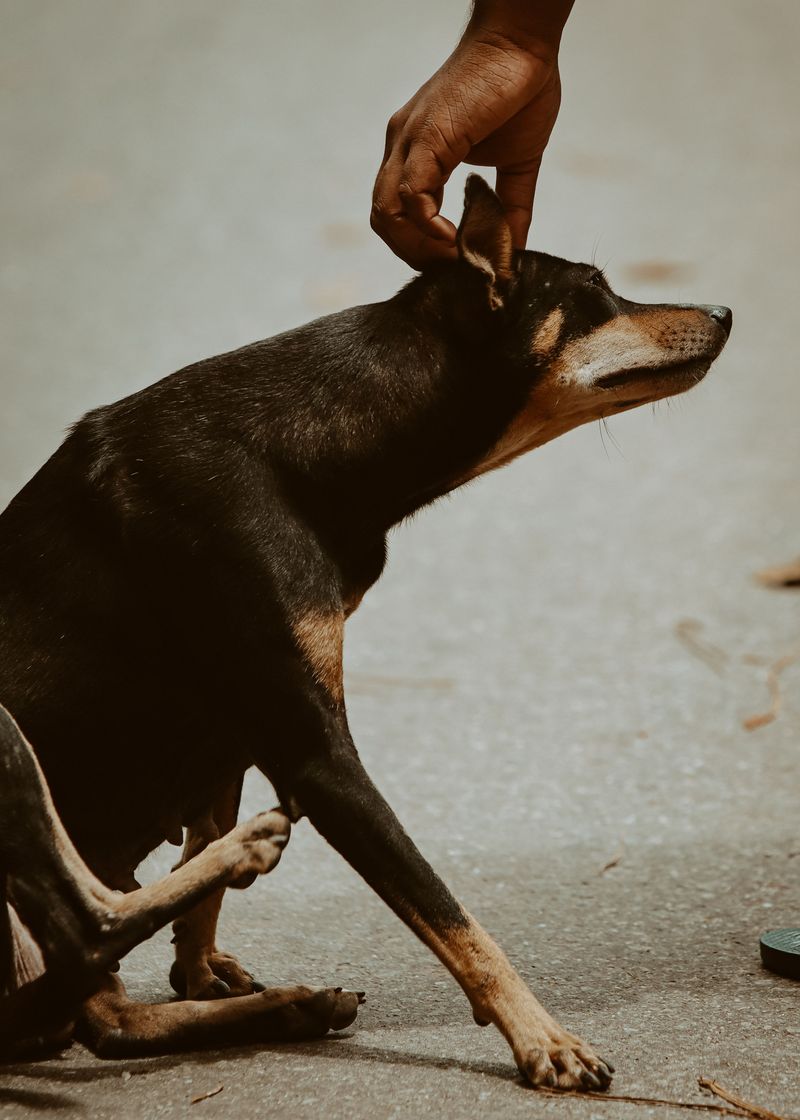
Once the wild animal is gone and your dog is calm, do a thorough check from nose to tail. Part the fur carefully to look for puncture wounds, scratches, or areas that seem painful to the touch.
Small bites can be easy to miss under thick fur.
Watch how your dog walks and stands. Limping or favoring one leg can signal an injury that is not immediately visible.
Any wound, no matter how minor it looks, should be cleaned and evaluated by a veterinarian as soon as possible.
7. Contact Your Veterinarian After Any Physical Contact
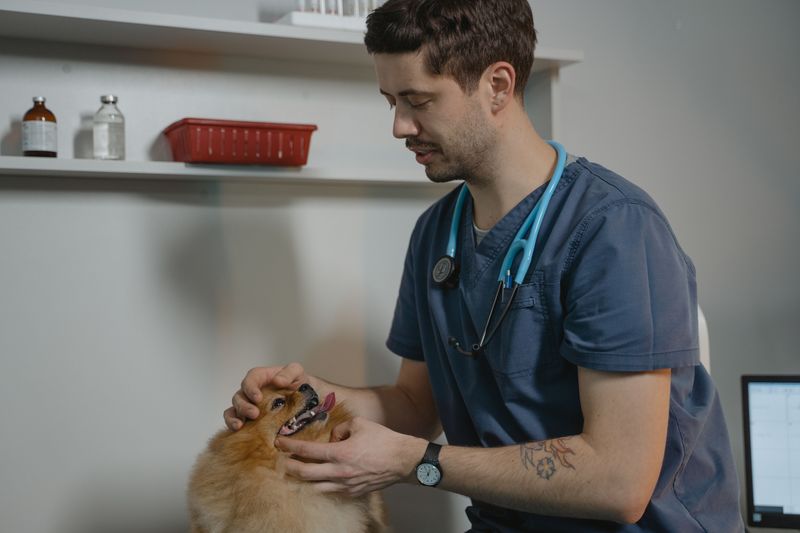
Even a brief physical contact between your dog and a wild animal is worth a call to your vet. Raccoons, skunks, and opossums can carry rabies, leptospirosis, and internal parasites.
A vet can assess the level of risk and recommend next steps based on your dog’s vaccination history.
Do not wait to see if symptoms develop before making that call. Early action gives your vet the most options for protecting your dog.
A quick phone conversation can clarify whether an office visit is needed right away or can wait until morning.
8. Confirm That Your Dog’s Rabies Vaccination Is Current
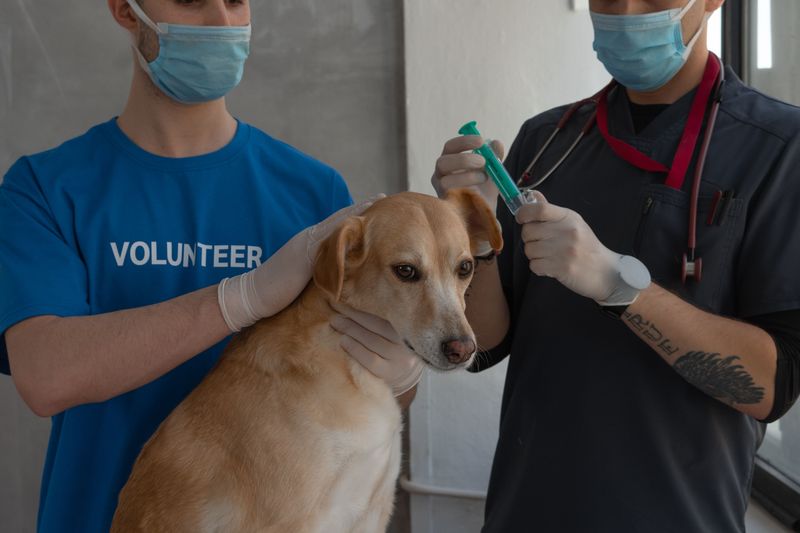
Ohio does not have a single statewide rabies vaccination law for all pets, but many counties require it. Franklin County, for example, requires dogs to be vaccinated against rabies before a license can be issued.
Check with your local county health department to learn the rules in your area.
Even where it is not legally required, keeping your dog’s rabies vaccination current is one of the smartest things you can do.
A valid vaccination certificate signed by a licensed vet is your best protection after any wildlife encounter.
9. Report Possible Rabies Exposure to Animal Control
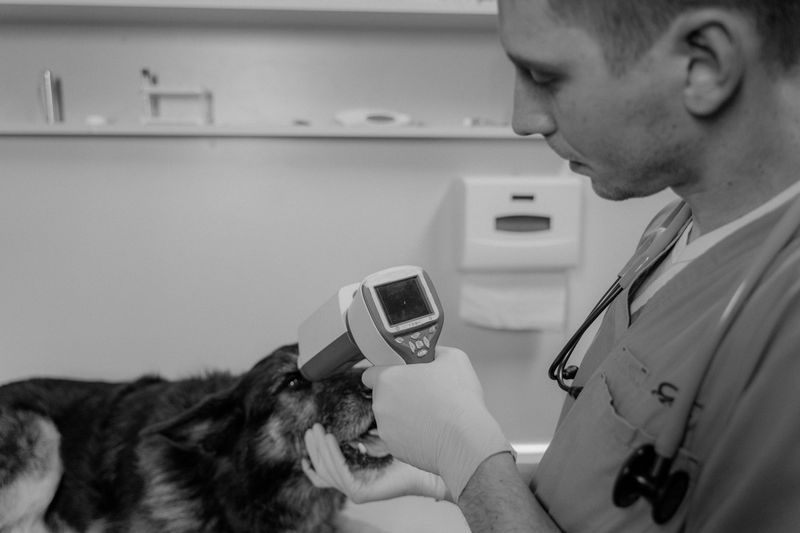
Ohio law requires that all animal bites to humans be reported to the local health department within 24 hours. If a wild mammal bites your dog, report the incident to your veterinarian and your local health district right away.
They will conduct a rabies exposure risk assessment.
Your local health department may require the wild animal to be tested if it can be safely captured.
Acting quickly gives authorities the information they need to assess the risk accurately and take appropriate steps to protect your family.
10. Do Not Touch or Capture the Wild Animal Yourself
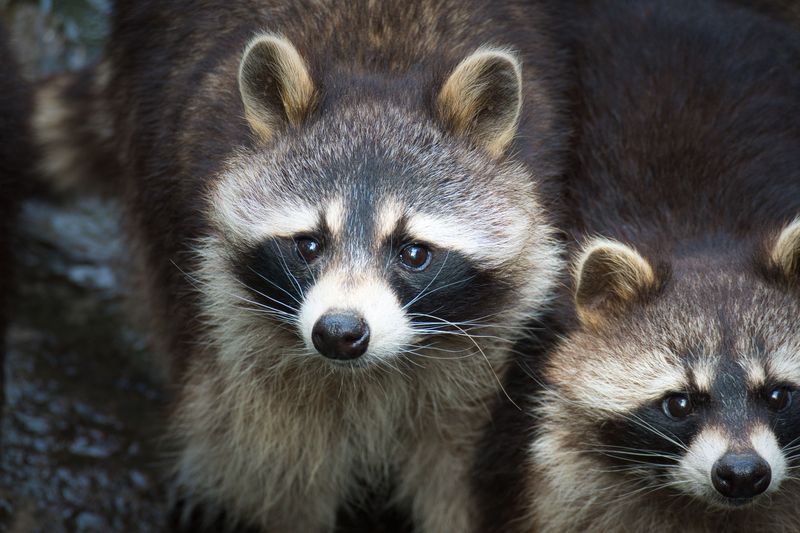
Wild animals that may have been involved in a bite or scratch should be handled only by trained professionals. Attempting to capture a raccoon, skunk, or opossum yourself puts you at serious risk of being bitten or scratched.
That exposure then creates a second health concern on top of your dog’s.
If a wild animal needs to be removed or tested, contact a licensed nuisance wildlife control operator or your local animal control office.
If a suspected rabid animal must be killed for testing, do not damage its head, as the brain is required for testing.
11. Note the Animal’s Location, Appearance, and Behavior
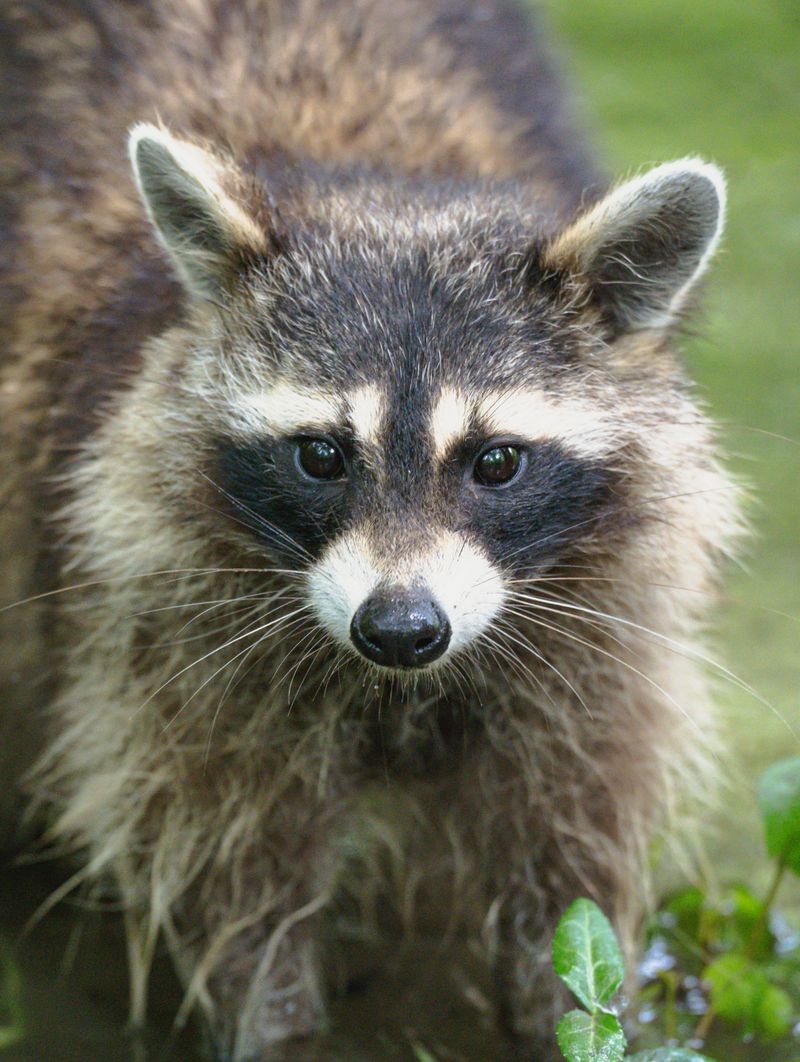
Before the animal leaves the area, take a mental note or a photo of where it was, what it looked like, and how it was acting. Unusual behavior is a key warning sign.
A wild animal that seems disoriented, stumbles, drools excessively, or shows no fear of people may be sick.
These details are genuinely helpful when you contact animal control or your veterinarian.
Describing the animal’s behavior accurately helps authorities assess whether a rabies risk exists and decide what follow-up action is needed in your neighborhood.
12. Wash Any Human Bites or Scratches With Soap and Water

If a wild animal scratches or bites a person during the encounter, wash the wound immediately and thoroughly with soap and water. This simple step can significantly reduce the risk of infection.
Do not wait until you get to a clinic to clean it.
After washing, contact a healthcare provider promptly and report the incident to your local health department.
They will evaluate the risk and let you know whether additional treatment, such as post-exposure care, is recommended based on the animal involved and your situation.
13. Keep a Skunk-Sprayed Dog Outside Until Cleaned
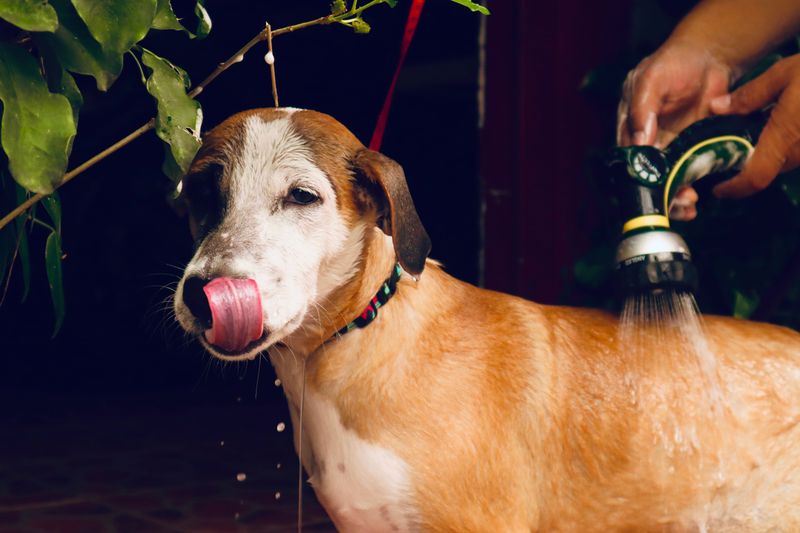
Skunk spray contains sulfur compounds that cling to fur, fabric, carpet, and furniture. Bringing a sprayed dog indoors before cleaning them can mean days of dealing with that smell throughout your entire home.
Keeping your dog outside is a practical first step that saves a lot of trouble.
Set up your cleaning station outdoors before you start. Gather your supplies, put on old clothes, and keep your dog calm and contained.
A leash tied to a post or fence works well while you get everything ready for the cleaning process.
14. Flush Skunk Spray From Your Dog’s Eyes With Water
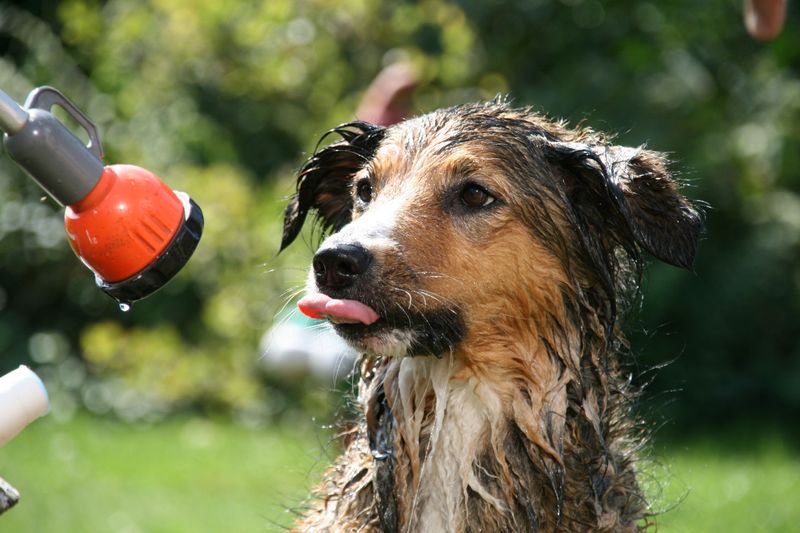
Skunk spray in the eyes causes real pain. Your dog may paw at their face, blink rapidly, or tear up heavily if spray made contact with their eyes.
Acting fast with a gentle flush of cool, clean water can ease the irritation quickly.
Hold your dog’s head steady and pour water gently across the eye from the inner corner outward. A saline solution works well if you have it on hand.
If redness or swelling continues after flushing, contact your vet, as persistent eye irritation warrants a professional look.
15. Seek Veterinary Care for Breathing Trouble, Vomiting, or Weakness
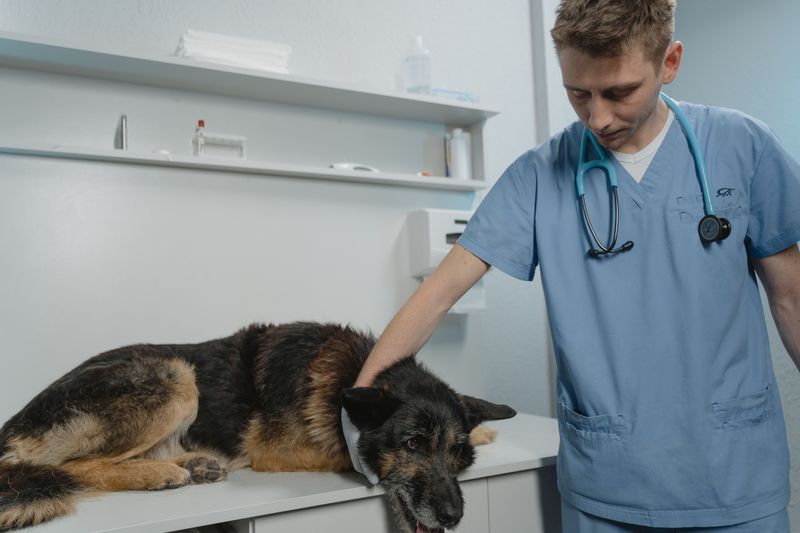
Most dogs recover from a skunk encounter without serious health issues. However, some dogs develop a rare condition called skunk toxic shock syndrome, which can damage red blood cells.
Symptoms include pale gums, weakness, vomiting, and trouble breathing. These signs need immediate veterinary attention.
Do not wait to see if your dog improves on their own if any of these symptoms appear. A quick trip to an emergency vet clinic can make a significant difference.
Trust your instincts: if your dog seems genuinely unwell, get them checked right away.
16. Use a Pet-Safe Skunk Odor Remover
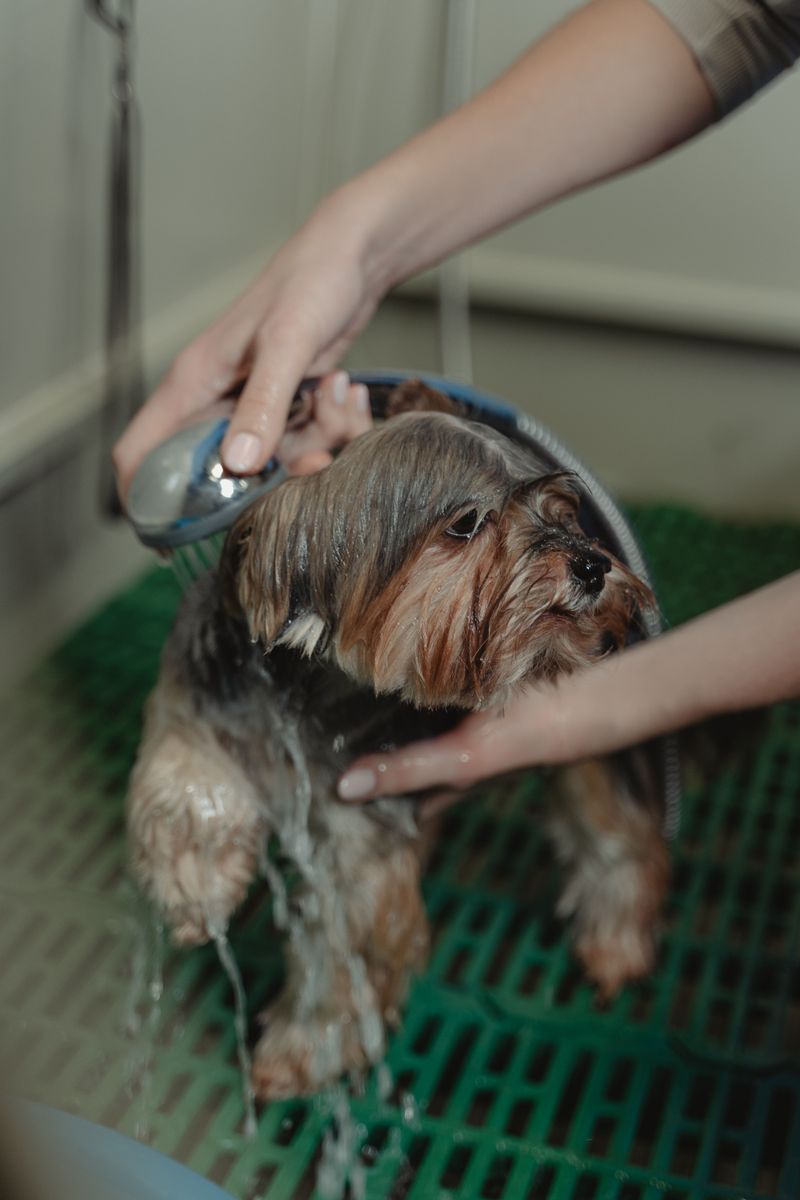
Commercial pet-safe skunk odor removers are widely available at pet stores and work well when used as directed.
A homemade option also works: mix one quart of 3% hydrogen peroxide, one-quarter cup of baking soda, and one to two teaspoons of liquid dish soap. Apply it to dry fur before wetting.
Keep the mixture away from your dog’s eyes. Do not store any leftover homemade solution, as it can build up pressure in a sealed container.
Rinse thoroughly after treatment and follow up with a regular dog shampoo for best results.
17. Secure Garbage, Compost, and Outdoor Pet Food
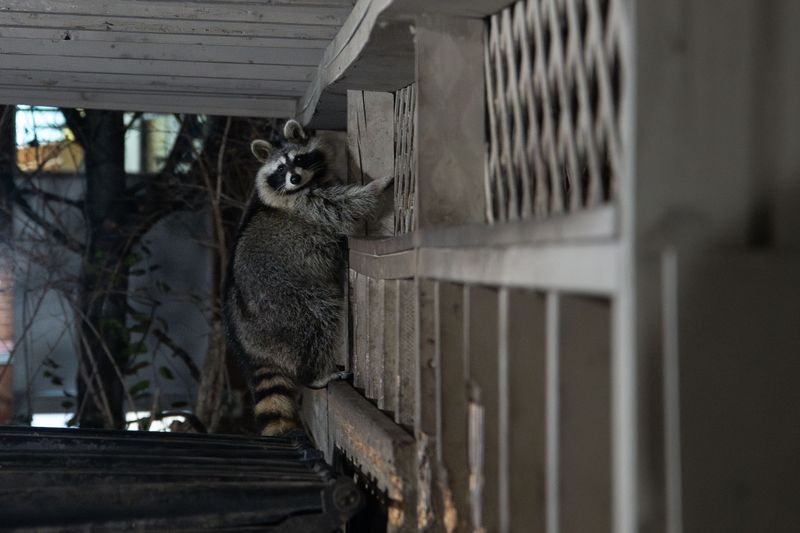
Raccoons, skunks, and opossums are opportunistic eaters. Unsecured trash cans, open compost bins, and bowls of pet food left outside overnight are open invitations.
Removing these food sources is one of the most effective ways to reduce wildlife visits to your yard.
Store garbage bins in a garage or shed when possible. Use lids that lock or latch securely.
Bring pet food inside after each feeding and clean up any fallen fruit or food scraps from outdoor meals.
A less appealing yard means fewer wildlife encounters for your dog.
18. Supervise Your Dog Outdoors, Especially After Dark
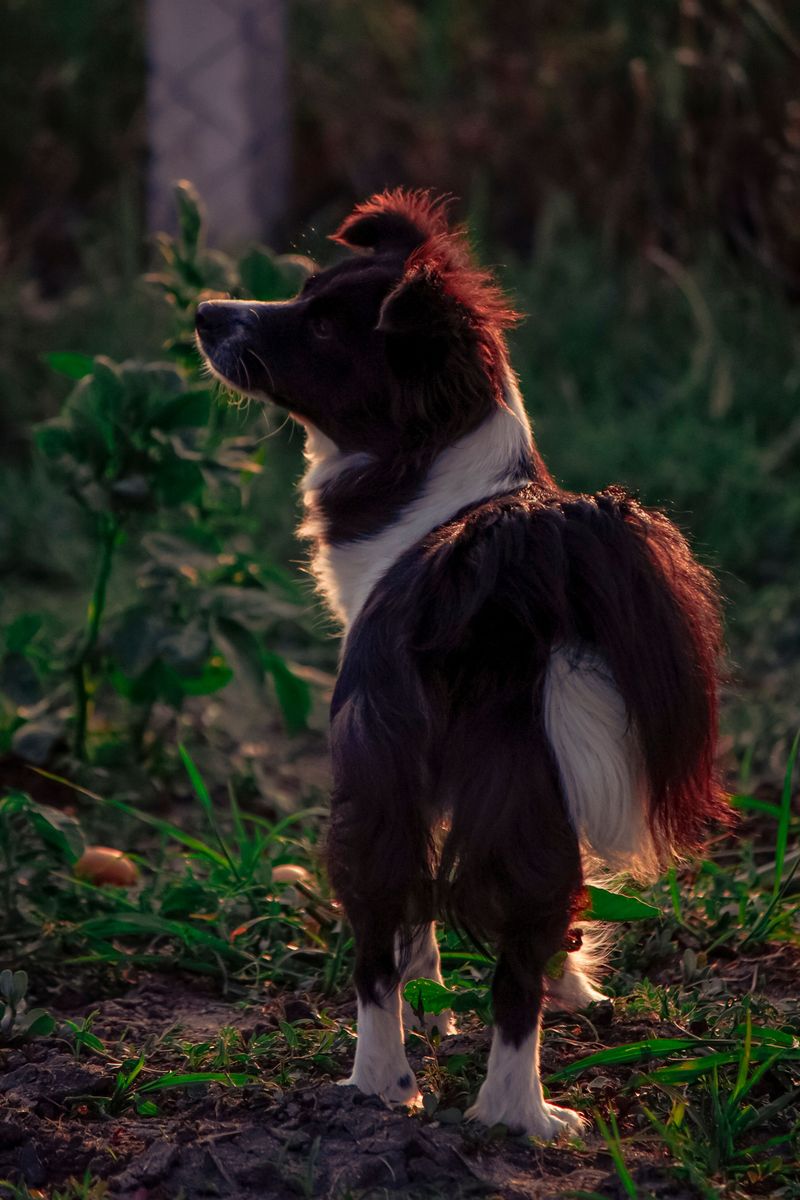
Skunks, raccoons, and opossums are most active at dawn, dusk, and through the night. A dog left alone in the yard during these hours is far more likely to have an unsupervised encounter with wildlife.
Even a fenced yard offers limited protection from animals that can climb or dig.
Turn on outdoor lights before letting your dog out at night. Making a little noise as you open the door can also encourage nearby wildlife to move along.
Staying present and attentive during outdoor time is the single most reliable way to prevent wildlife encounters before they start.