15 Dog Breeds That Love The North Carolina Coast
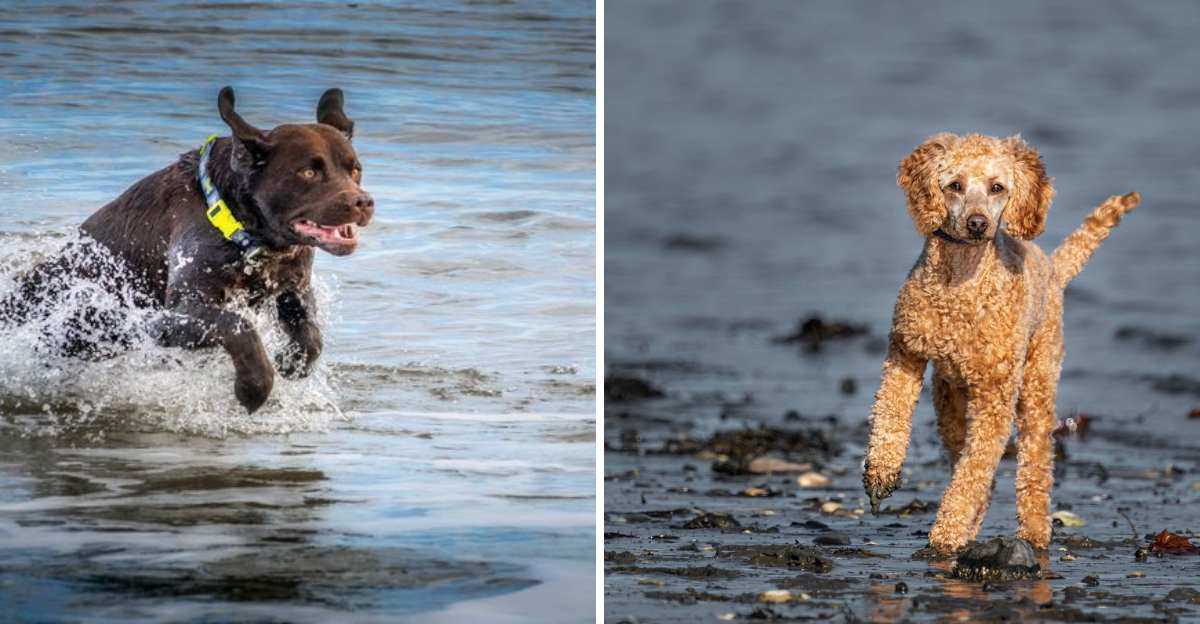
Something about the Outer Banks turns ordinary dogs into salty little athletes.
Between the wide dog-friendly beaches at Nags Head, the shallow sound-side flats near Duck, and the marshy creeks around Wilmington, certain breeds seem built for this stretch of shoreline. Webbed toes, oily coats, and a stubborn love of retrieving all help.
So which dogs handle warm sand, brisk surf, and long swims best? A few of the names ahead may genuinely surprise you.
1. Labrador Retriever
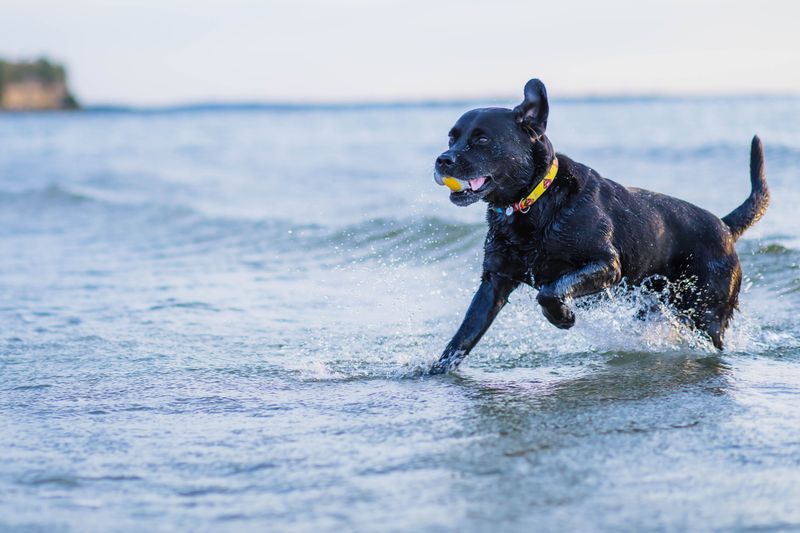
Ask any lifeguard on the Outer Banks which dog owns the shoreline, and the answer wears a wagging otter tail. Labs came from Newfoundland, helping fishermen haul lines in icy water.
Webbed paws, a thick water-repellent double coat, and endless energy make surf sessions easy. Bring a floating toy and plenty of fresh water.
Dry their ears carefully after swimming, since trapped moisture invites infections.
2. Golden Retriever
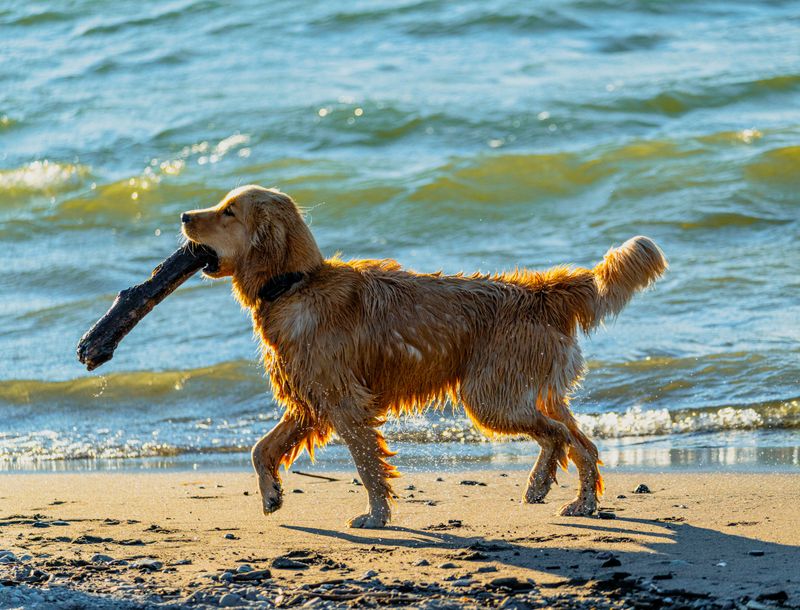
Goldens greet the ocean like an old friend they have been missing all winter. Bred in Scotland to fetch waterfowl from cold lochs, they swim with smooth, tireless strokes.
Their sunny disposition makes crowded boardwalks in Carolina Beach easy going.
That gorgeous feathered coat does trap sand, so rinse well and brush behind the ears and legs. Shade breaks matter during humid coastal afternoons.
3. Boykin Spaniel
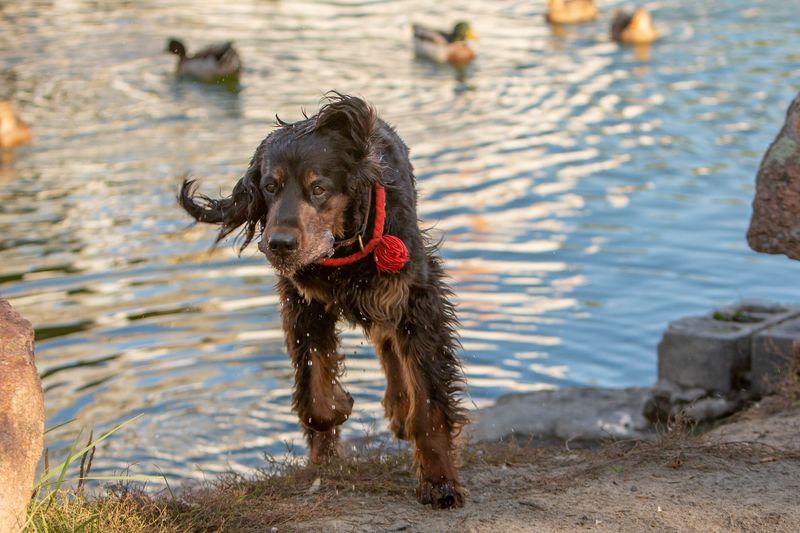
Here is a Southern original: the Boykin Spaniel was developed in South Carolina for hunting from small boats.
Compact, chocolate colored, and springy, it slips through marsh grass near Wrightsville Beach without breaking stride.
Swimming is second nature, and the medium curly coat dries fast in warm air. Keep sessions varied, because a bored Boykin invents its own games.
Fun fact: locals nicknamed it the little brown dog.
4. Portuguese Water Dog
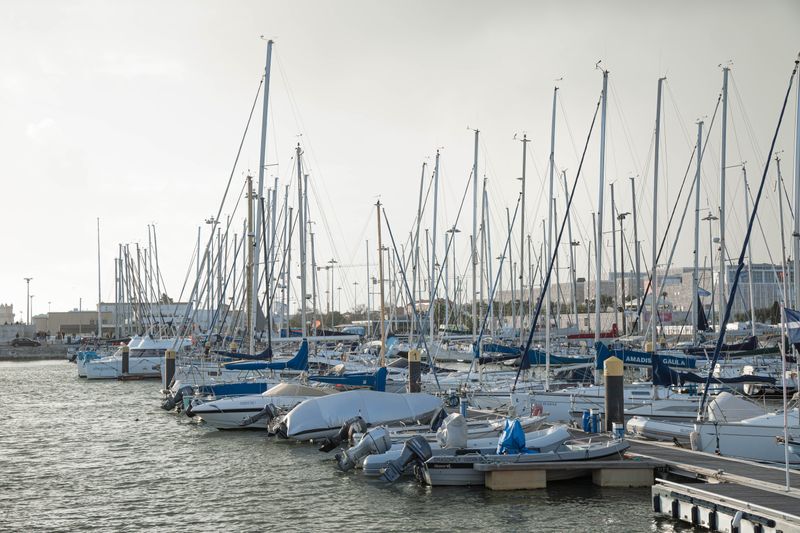
Fishermen along Portugal’s coast once used these curly swimmers to herd fish into nets and carry messages between boats.
All that history shows on the sound side near Duck, where they paddle for ages and dive after sinking toys.
The single coat sheds very little, though it needs regular clipping and combing.
Mental puzzles matter as much as swim time, since these dogs think constantly.
5. Standard Poodle
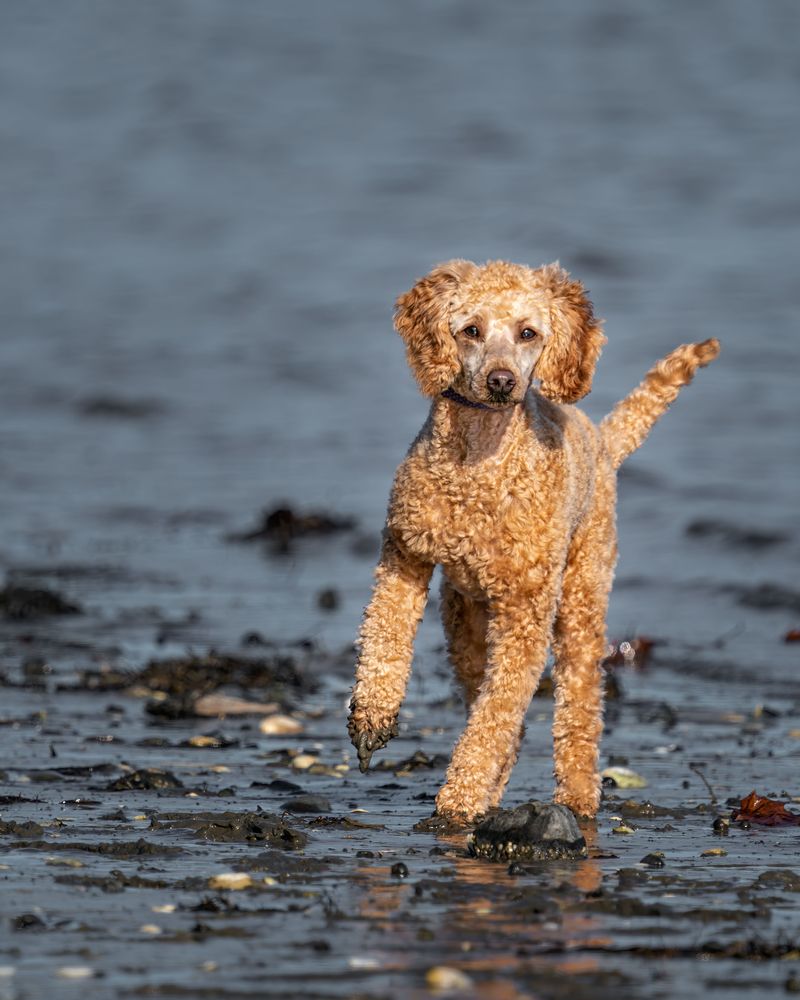
Forget the fancy show ring image for a moment. Poodle actually traces back to a German word for splashing in water.
These were duck retrievers first, and Standards still swim like they were designed for it.
A short sporting trim keeps them cool and cuts down on sand tangles during Emerald Isle beach walks.
Smart, quick to train, and hilariously goofy once the leash comes off.
6. Chesapeake Bay Retriever
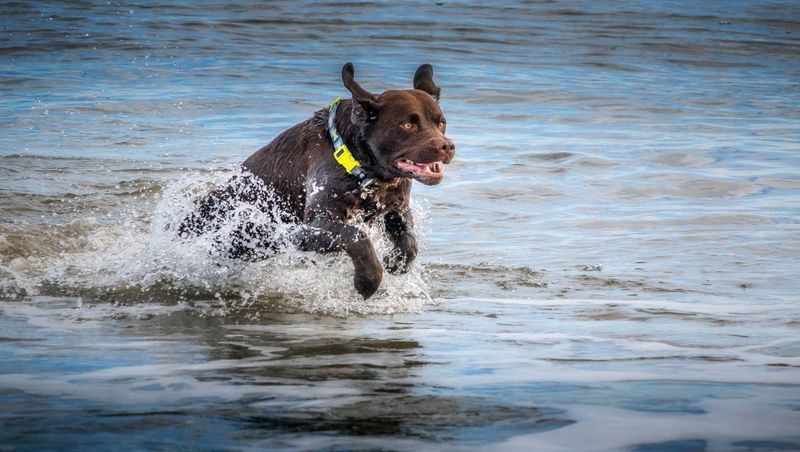
Built for rough, chilly water, the Chessie hails from the Chesapeake Bay just up the coast.
Its wavy coat carries natural oils that shed water like a raincoat, so cool spring surf barely registers.
Expect a serious, independent worker with a stubborn streak and deep loyalty to family.
Consistent training pays off. Give this powerhouse long swims, or it will find its own entertainment.
7. American Water Spaniel
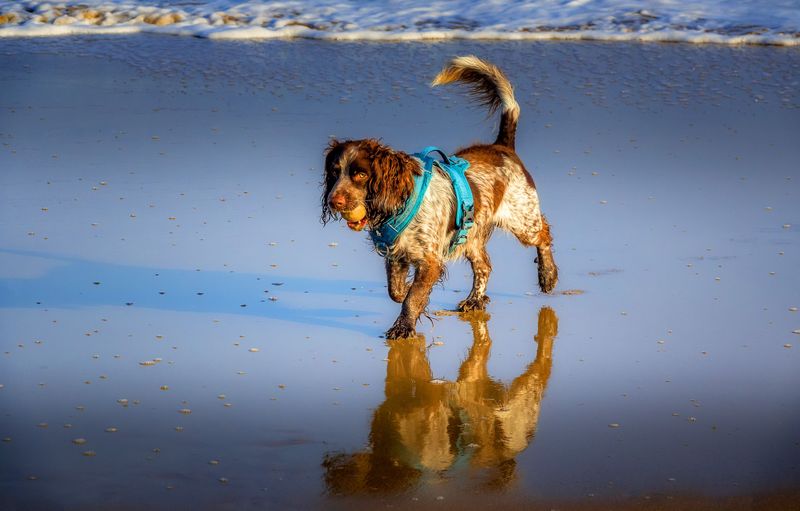
Rare, cheerful, and pocket sized compared to the big retrievers, this Wisconsin state dog was bred to work from tiny skiffs.
That makes it a natural for kayaking the calm creeks around Beaufort.
The curly liver coat repels water nicely and needs weekly brushing.
Sensitive souls, they respond best to praise and treats rather than pressure.
Only a few thousand exist worldwide, so heads will turn.
8. Irish Water Spaniel
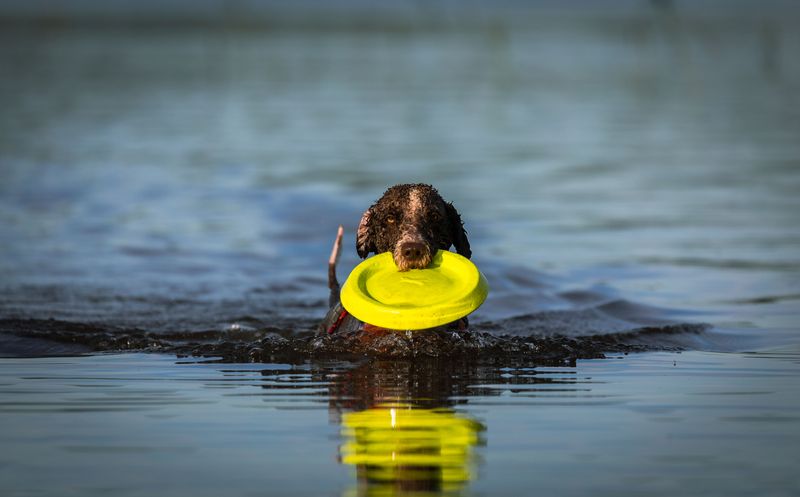
Crowned with a curly topknot and finished with a smooth rat tail, this clown of the spaniel family looks unforgettable.
Tallest of the spaniels, it powers through chop with real strength.
The ringlet coat hardly sheds but demands regular combing to prevent mats after salty swims.
Playful and a little mischievous, an Irish Water Spaniel keeps beach days lively from sunrise onward.
9. Spanish Water Dog
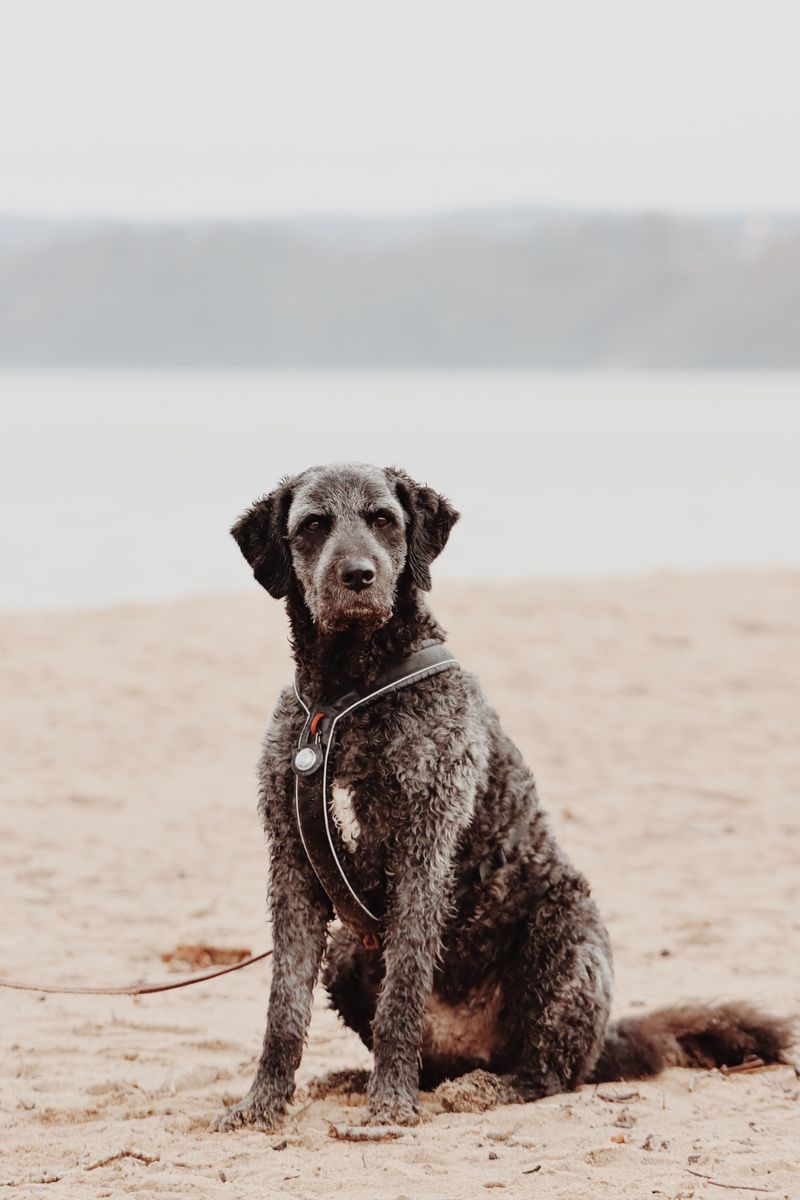
Picture a woolly little herder that also loves water, and you have the Perro de Agua Espanol.
Spanish shepherds used them for livestock and for retrieving in marshy ground.
Their cords form naturally and are never brushed, just clipped once or twice yearly.
Athletic and watchful, they need a job. Tidal pools along Topsail Island give them endless things to investigate.
10. Barbet
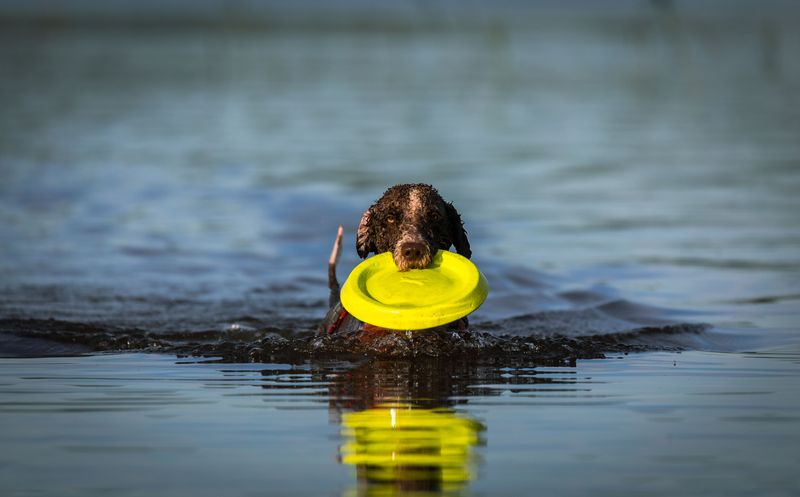
The name comes from barbe, French for beard, and one look explains everything.
Barbets are ancient French marsh retrievers, happy to wade into muck that other dogs avoid.
Their dense woolly coat handles cool water well but collects burrs and sand, so plan grooming time.
Sweet natured and eager to please, they bond hard with their people.
Sound side flats suit them beautifully.
11. Nova Scotia Duck Tolling Retriever
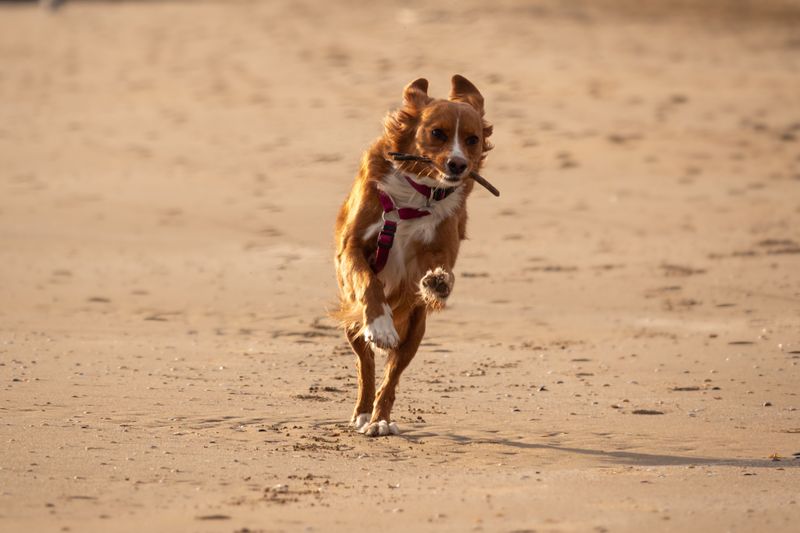
Smallest of the retrievers, the Toller earned its name by playing along shorelines to lure curious ducks closer.
That built-in shoreline game translates perfectly to fetch at Nags Head.
Fiery red coats, white markings, and boundless spring make them look like flying foxes.
Water-repellent double coats keep them comfortable, and their high drive means they truly need daily exercise.
Expect a talkative, joyful sidekick.
12. Flat-Coated Retriever
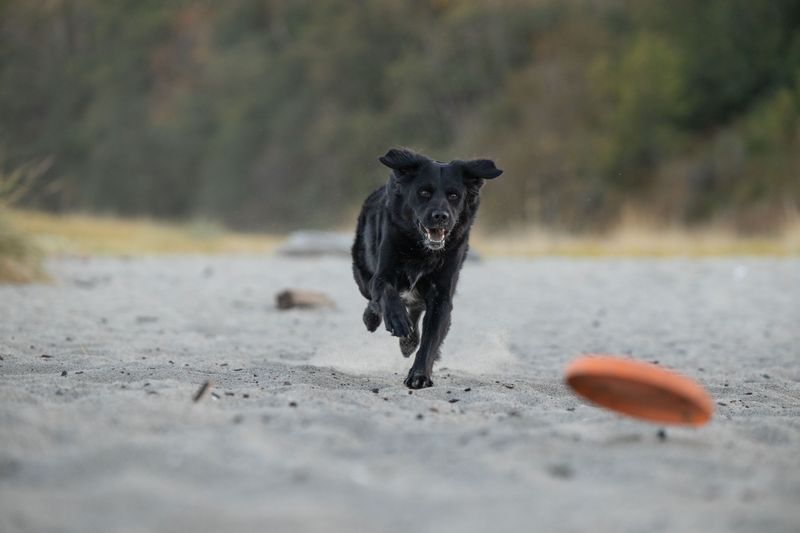
Nicknamed the Peter Pan of dogs, the Flat-Coat stays puppyish well past its youth.
Glossy black or liver feathering shines after a swim, and its lean build eats up sand at speed.
Originally a British gamekeeper’s retriever, it works land and water equally.
Friendly with strangers and other dogs, it thrives on Hatteras style open space.
Weekly brushing keeps that coat gleaming.
13. Curly-Coated Retriever
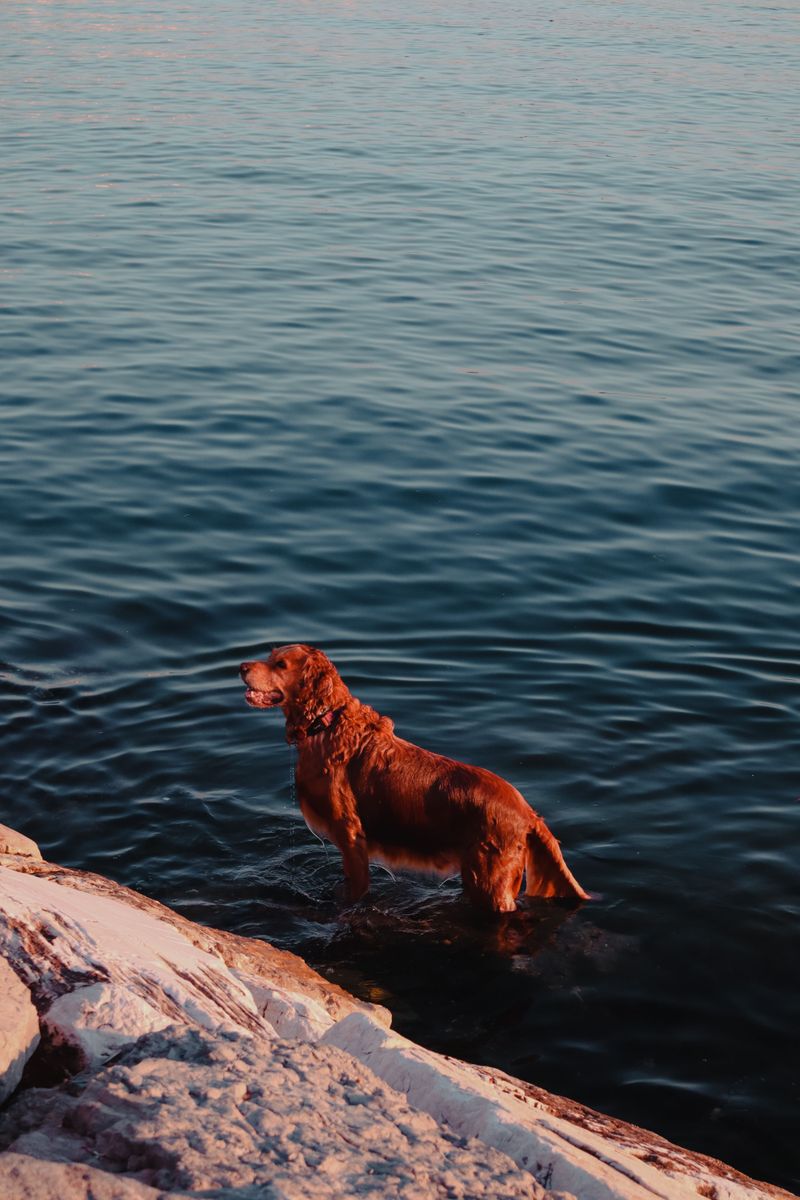
Tight, crisp ringlets cover this dog from head to tail, forming natural armor against water and rough cover.
One of the oldest retriever breeds, it hunted British marshes long before Labs arrived.
Curlies are more reserved with strangers than their retriever cousins, yet devoted at home.
Never brush the curls flat. Rinse, then let them air dry into shape after ocean swims.
14. Lagotto Romagnolo
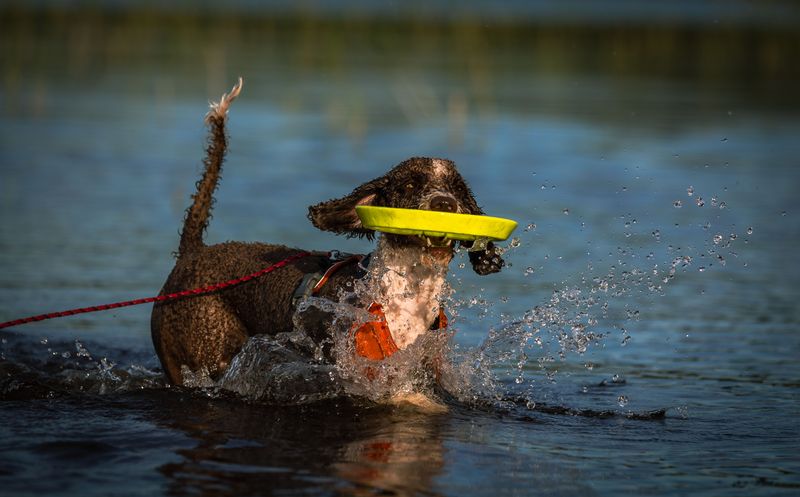
Italy’s truffle hunter began life as a marshland retriever in the wetlands of Romagna.
Draining those marshes changed the job, but the water love never left.
Compact and curly, a Lagotto happily paddles then switches to sniffing games in the dunes. Their nose work makes them wonderful for scent puzzles on rainy days.
Low shedding curls need trimming and gentle detangling.
15. English Setter
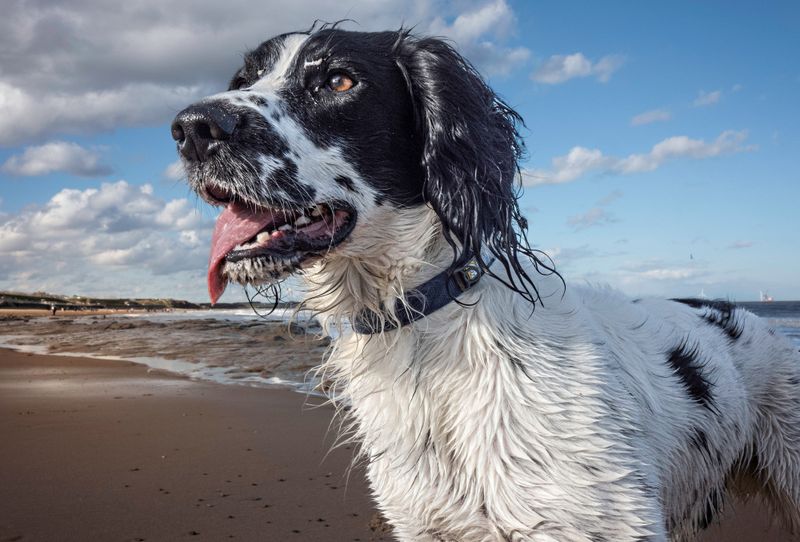
Freckled coats called belton markings make the English Setter look painted by the sea spray itself.
Bred to range wide across British moors, it loves the endless open sand of Ocracoke.
Not a hardcore swimmer like the retrievers, but happy to wade and splash.
Mellow indoors and elegant outdoors, it makes a graceful walking partner. Feathering needs regular combing after sandy adventures.