What Virginia Dog Owners Should Know About Ticks, Wildlife, And Long Trail Days
Virginia gives dog owners a lot to love: shaded mountain paths, quiet state park loops, and creeks worth splashing through. Along with all that green space come ticks, curious wildlife, and trails that can run longer than your dog expects.
None of it should keep you home. A little planning goes a long way, and most of it takes only a few extra minutes.
Here is what local owners find genuinely useful before, during, and after a day outdoors.
Ticks Can Be Active In Virginia Nearly Year-Round
Cold weather does not shut ticks down completely. The Virginia Department of Health notes that ticks can become active on warm days in any season, including mild winter afternoons.
That means a sunny February walk deserves the same attention as a July hike. Year-round prevention keeps you from guessing which days count.
Owners who pause protection over winter often get caught off guard. Staying consistent removes the guesswork entirely and protects your dog through every seasonal swing.
Know Which Virginia Ticks Your Dog May Encounter
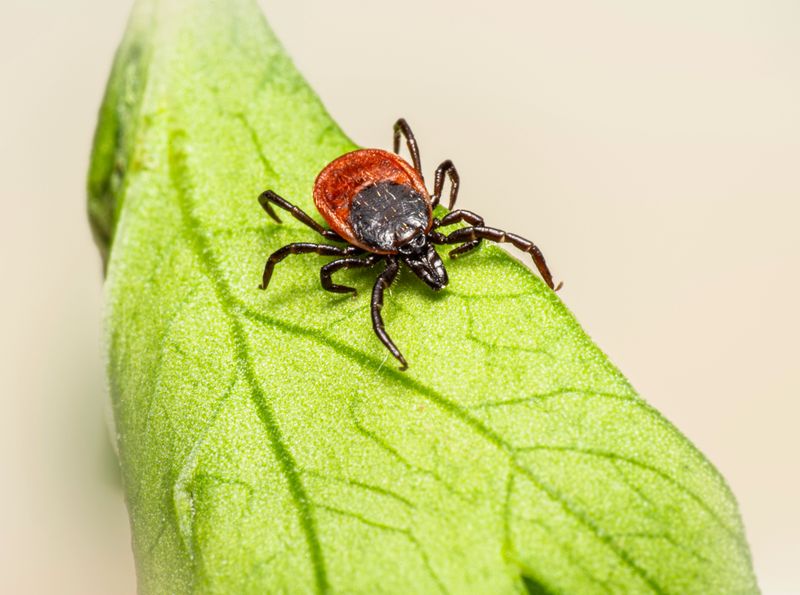
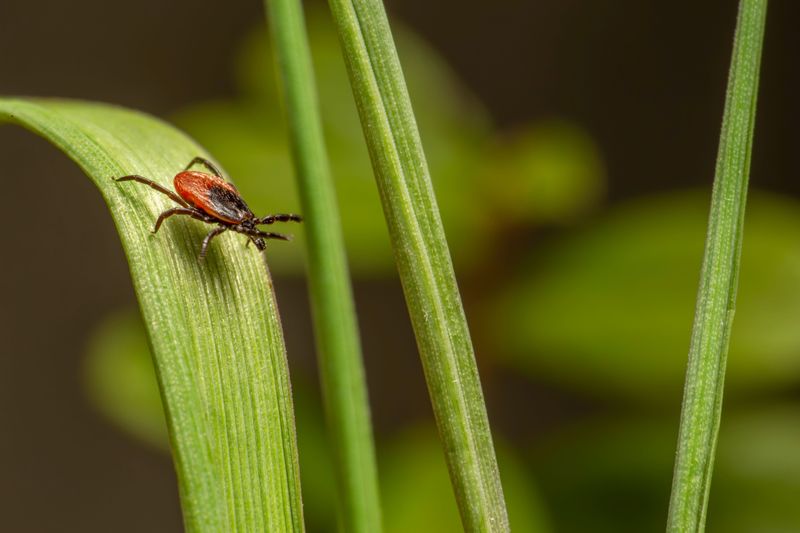
Four species come up most often here: blacklegged, lone star, American dog, and Gulf Coast ticks. Each looks a little different, and each can carry different illnesses.
You do not need to memorize every marking. Simply knowing several types exist explains why prevention and checks matter so much.
The lone star tick, for instance, carries a small white dot on its back. Recognizing that detail helps you describe what you found to your veterinarian.
Ask Your Veterinarian About Tick Prevention

Prevention is not one-size-fits-all. Your veterinarian weighs your dog’s age, weight, health history, and how much time you spend outdoors before recommending a product.
Some dogs do better with a topical option, others with a chew or collar. That conversation takes five minutes and saves considerable worry.
Sticking with the schedule matters just as much as the product choice. Handling prevention steadily is far simpler than treating an illness later.
Check Your Dog After Every Trail Day
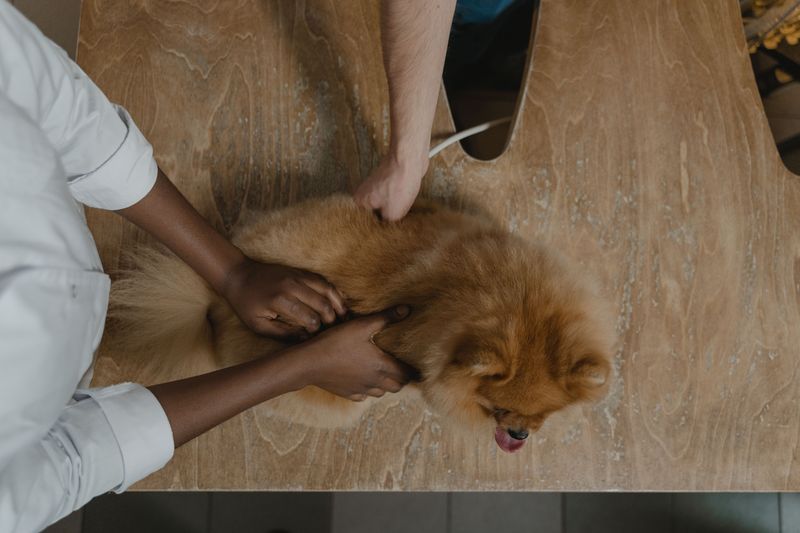
Make the post-hike check part of the routine, like unclipping the leash. Run your hands slowly through the coat and feel for anything small and firm.
Focus on the ears, neck, armpits, belly, and between the toes. Ticks favor warm, tucked-away spots.
Virginia health officials specifically recommend checking pets after time in grassy, brushy, or wooded areas. Most dogs happily accept it as an extra round of attention.
Pay Extra Attention To Brush And Leaf Litter
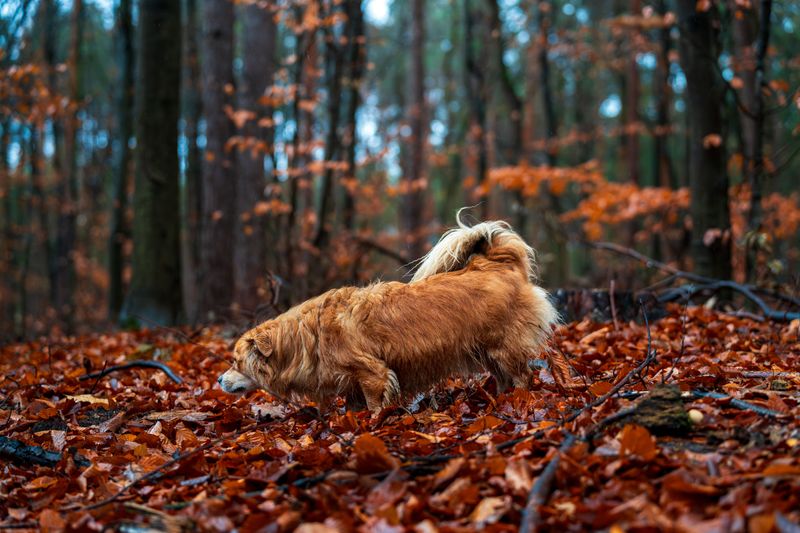
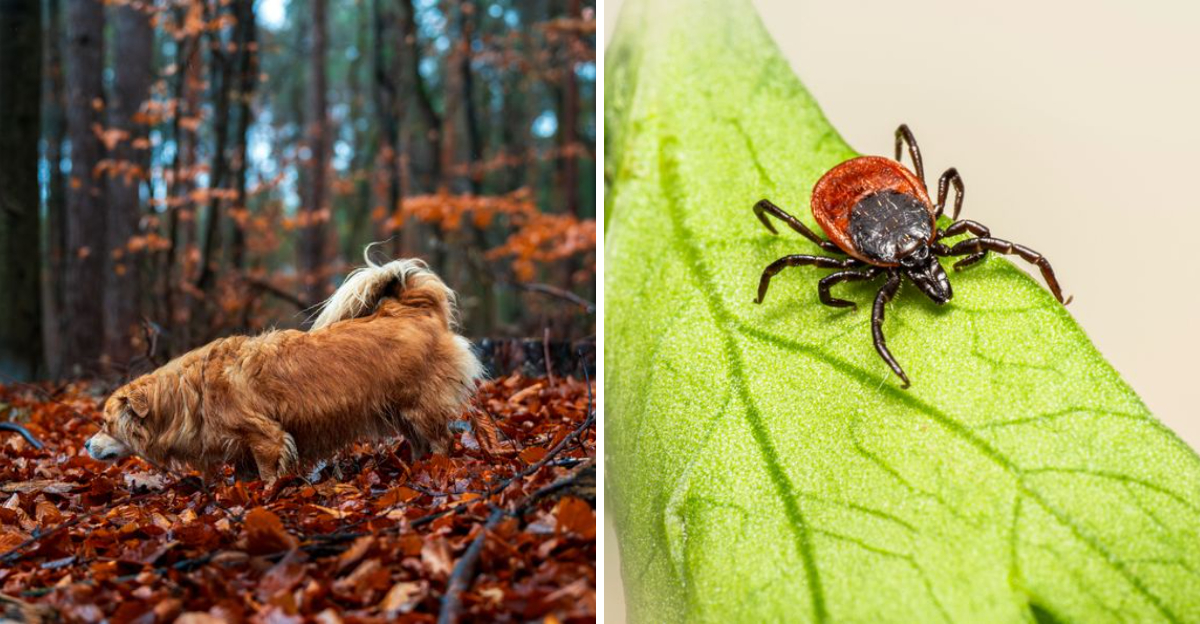
Dogs are drawn to exactly the places ticks wait. Low vegetation, leaf-covered ground, and shady edges along trails all hold moisture that ticks prefer.
A dog nosing through brush for thirty seconds can pick up passengers you never see happen.
Steering your dog toward the center of the path helps. When they do explore, just note it mentally and give that area an extra careful check later.
Learn How To Remove A Tick Safely

Finding one is not cause for alarm. Grasp the tick with fine-tipped tweezers as close to the skin as possible, then pull straight up with steady pressure.
Avoid twisting or crushing it. Clean the area afterward and wash your hands.
Keep a tick-removal tool in your hiking kit so you are never improvising. If anything about the bite concerns you, call your veterinarian for guidance.
Watch For Changes After A Tick Bite

Some bites go unnoticed entirely, which is why behavior matters. In the days and weeks after a hike, pay attention to how your dog acts.
If your dog develops unusual tiredness, reduced appetite, stiffness, limping, fever, or other concerning changes after a tick exposure, contact your veterinarian.
You know your dog’s normal better than anyone. Trust that instinct and make the call early rather than waiting to see what happens.
Wildlife Is Part Of The Trail Experience
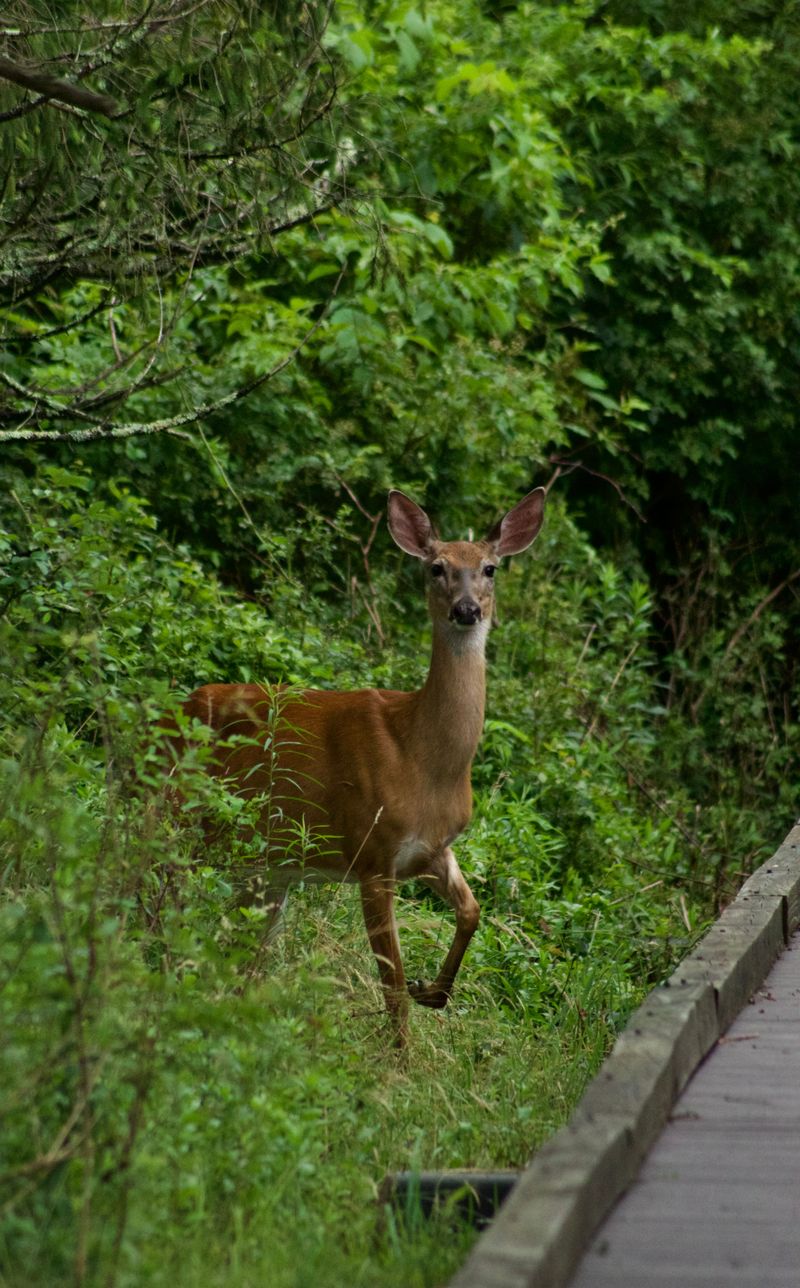
Half the fun of Virginia trails is what you might spot. Deer step out of the tree line, squirrels dart across paths, and hawks circle overhead.
Your dog will notice all of it before you do, usually with ears up and body frozen.
Enjoy those moments from a distance. Keeping space between your dog and any wild animal keeps the encounter pleasant for everyone involved.
Keep Your Dog Leashed Around Wildlife
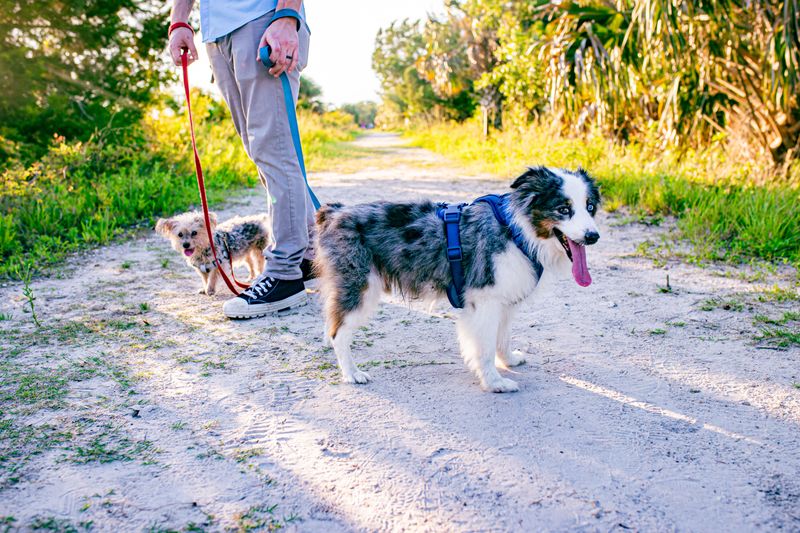
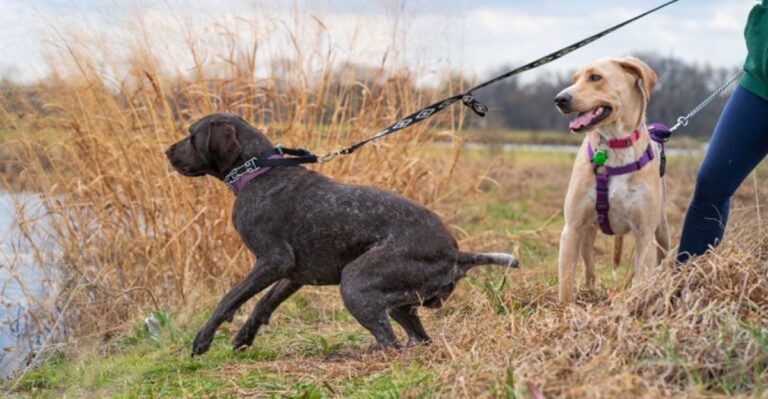
A leash is your fastest tool when something rustles in the underbrush. It stops a curious dog before instinct takes over.
Virginia State Parks require dogs to stay on a leash no longer than six feet and under the owner’s control.
Retractable leads offer less reliable control in surprise moments. A standard six-foot lead gives you a firm, immediate connection when you need it most.
Never Let Your Dog Chase A Wild Animal
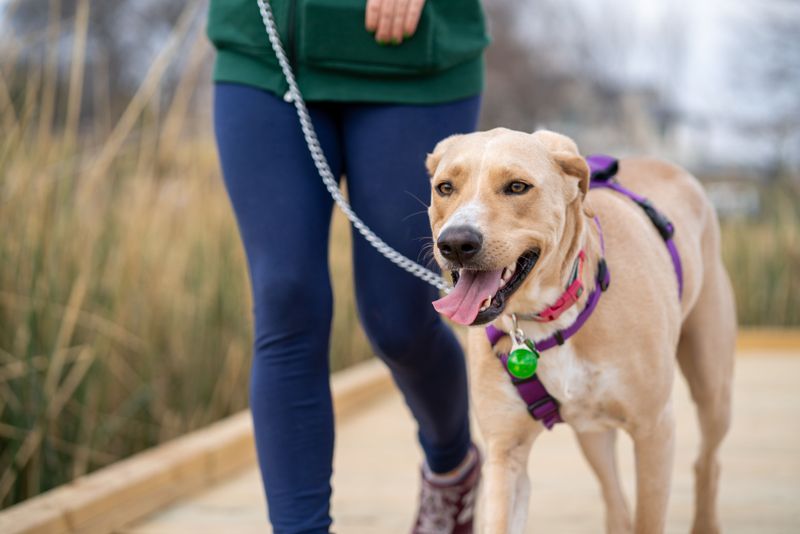
Even the mellowest family dog can flip into chase mode in a heartbeat. One squirrel is all it takes.
Chasing pulls dogs off-trail fast, where getting turned around or scraped up becomes likely. Some animals will also stand their ground when pressed.
Practicing a solid recall and a reliable leave-it cue at home pays off out here. Redirect early, before the chase instinct fully engages.
Give Wildlife Plenty Of Space
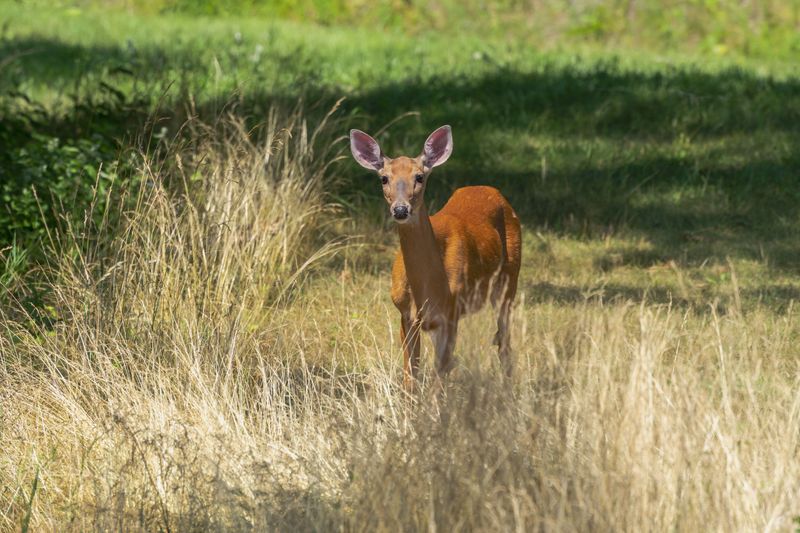
Excitement makes people step closer. Resist it.
Virginia State Parks asks visitors to respect wildlife by observing without feeding or touching.
Food left behind teaches animals to approach trails, which creates problems for future hikers and their dogs.
Stop, take a photo, and let the animal move along at its own pace. Your dog will follow your calm energy more often than you might expect.
Be Especially Careful Around Snakes
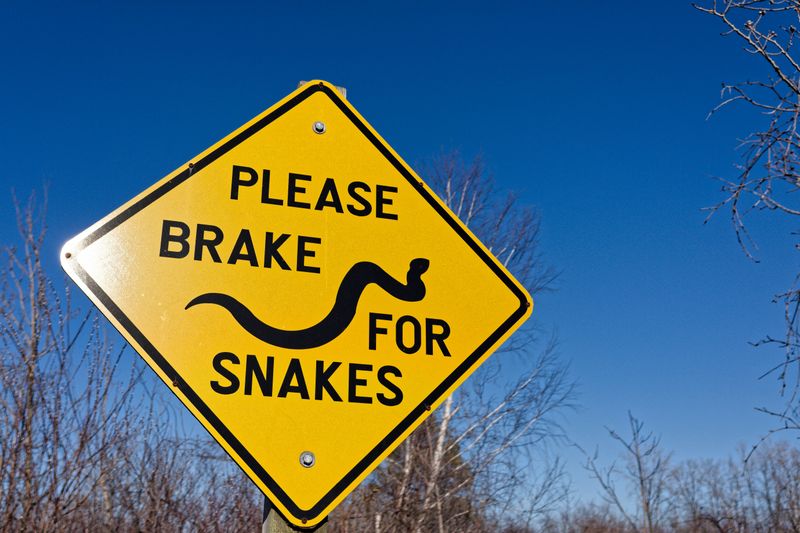
Noses lead dogs into tight spaces. Under rocks, inside hollow logs, and beneath dense vegetation are all places a snake might be resting.
Virginia has both harmless and venomous species, and telling them apart quickly is not realistic mid-hike.
The simple fix: keep your dog on the marked path and discourage poking around in shaded crevices. If a bite occurs, contact a veterinarian right away.
Bring More Water Than You Think You Need
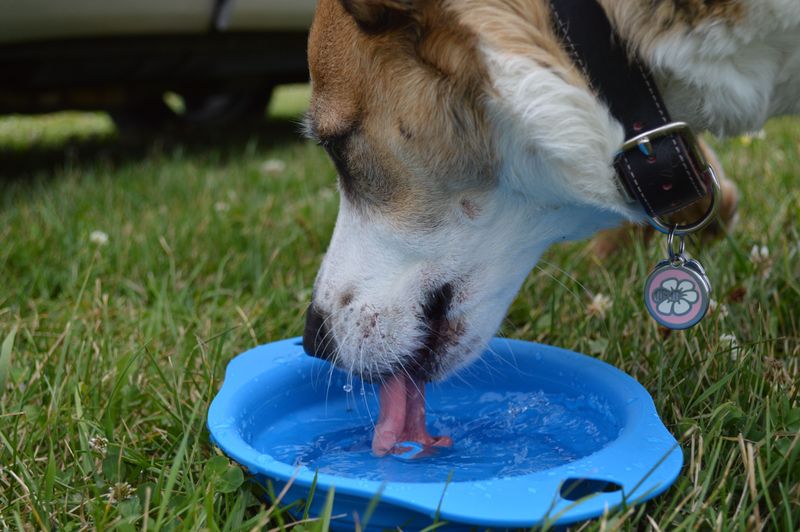
Dogs cannot cool themselves the way we do, so water is not optional. Pack more than the trail length suggests, plus a collapsible bowl.
Offer drinks at regular intervals rather than waiting for signs of fatigue.
Creek water seems convenient, but it can carry parasites. Carrying your own supply keeps things predictable, and a shaded rest stop every mile or so helps enormously.
Watch Your Dog For Heat Stress
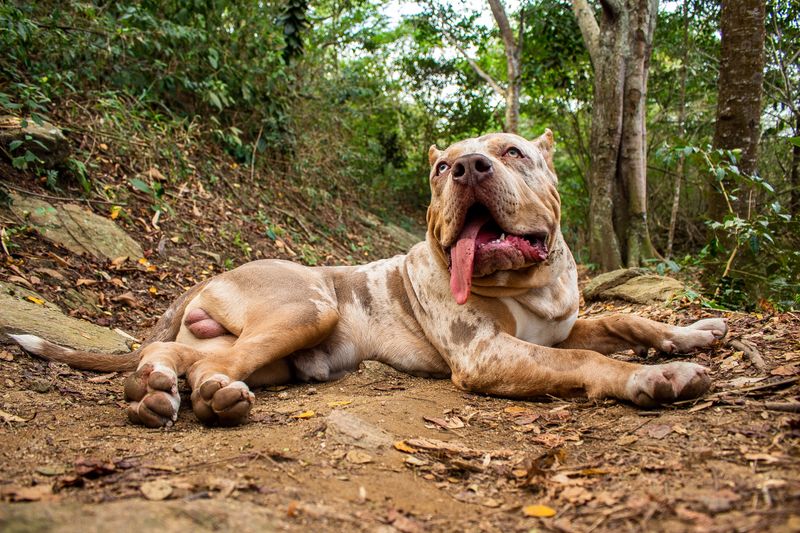
Panting after a climb is expected. Heavy, frantic panting paired with weakness, stumbling, bright red gums, or excessive drooling is your signal to stop.
Move into shade, offer small amounts of water, and let your dog settle.
Virginia summers bring real humidity, which makes three miles feel like six. Flat-faced breeds, seniors, and heavy-coated dogs need extra caution and shorter outings when it gets sticky.
Choose The Trail Length For Your Dog
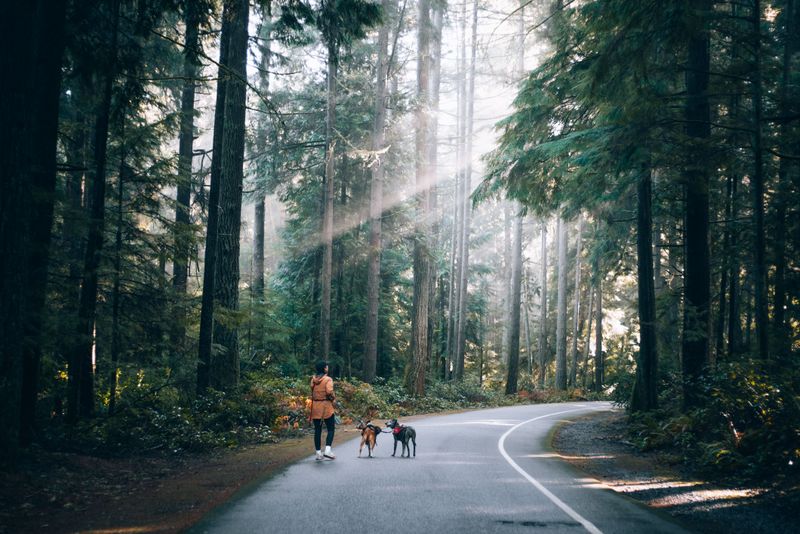
Your fitness level is not your dog’s fitness level. Puppies with growing joints, senior dogs, and couch-loving companions all need shorter routes.
Build distance gradually across several outings rather than attempting a big loop cold.
Virginia State Parks also advises against hikes that stretch too far to return safely before dark. Turning back early is a smart decision, never a failed one.
Keep An Eye On Your Dog’s Paws
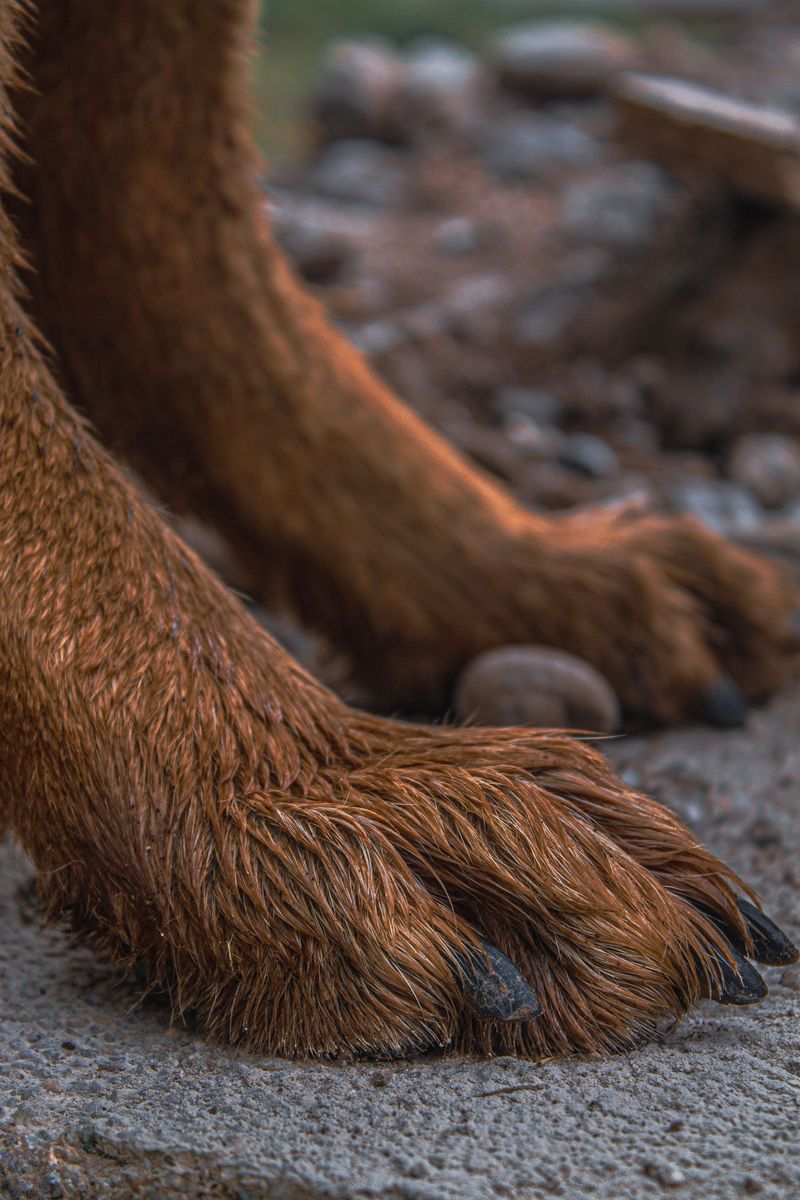
Paw pads take a beating on rocky Virginia terrain. Sharp gravel, hot stone, thorny plants, and long mileage all add up.
Slowing down, limping, or licking at the feet means it is time to look.
Check between the toes for pebbles, burrs, or cracks. Booties help on rough or hot surfaces, though most dogs need a few practice sessions at home first.
Stay On Marked Trails
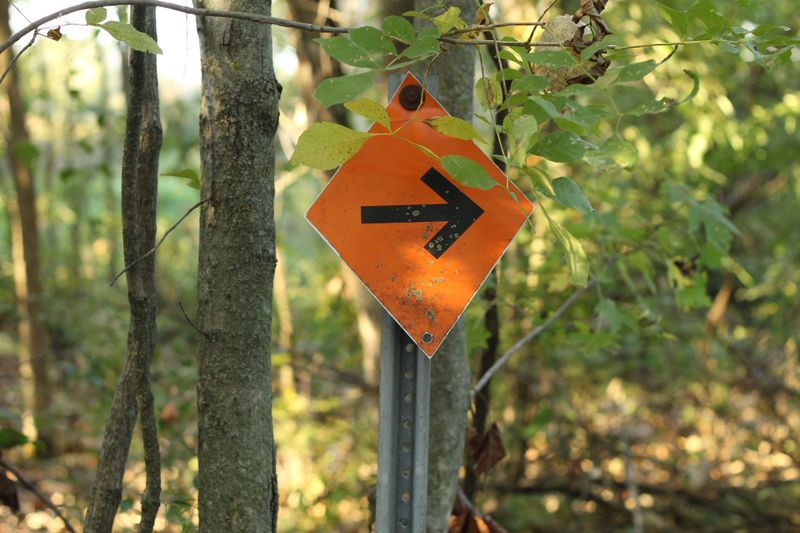
Blazes and markers exist for good reason. Following the designated route keeps you oriented and away from steep, unstable ground.
Off-trail wandering also pushes dogs deeper into brush where ticks and wildlife are more concentrated.
There is a conservation angle too. Staying on the path protects fragile plants and soil, keeping these places worth visiting for the next dog and owner.
Carry A Few Trail-Day Essentials
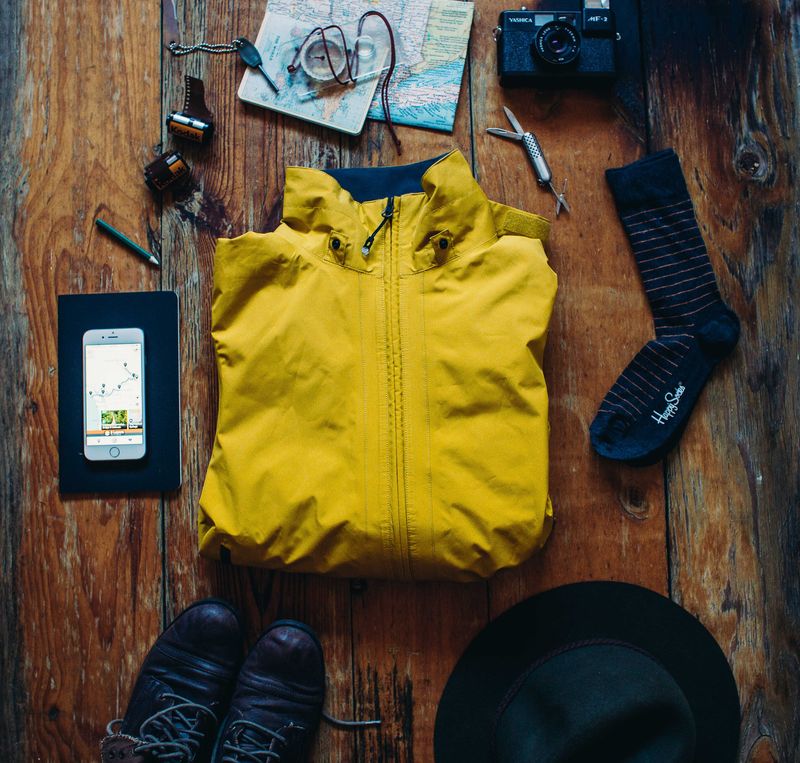
A small kit covers most surprises. Water, a bowl, waste bags, a sturdy leash, basic first-aid supplies, and a charged phone form the core.
Add tweezers or a tick remover and a few treats for good measure.
Longer outings call for extra food and something reflective or lighted if you might finish near dusk. Everything fits in a daypack pocket without weighing you down.
Check Park Rules Before You Leave Home
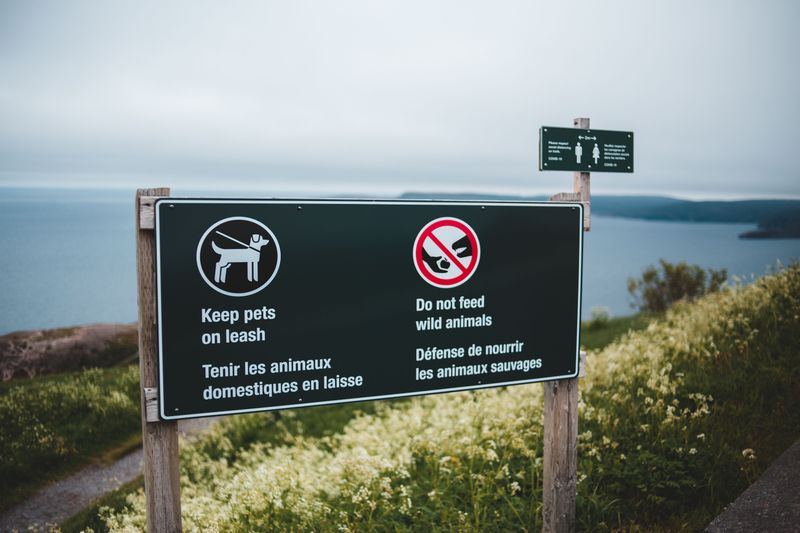
Policies shift from one location to the next, even within Virginia. State parks generally welcome pets, but leash rules and facility restrictions apply.
Certain buildings, swimming areas, and cabins may be off-limits to dogs.
National parks, city parks, and county trails each set their own terms. A quick look at the official website or a call to the office prevents a wasted drive.
Give Your Dog A Tick Check When You Get Home
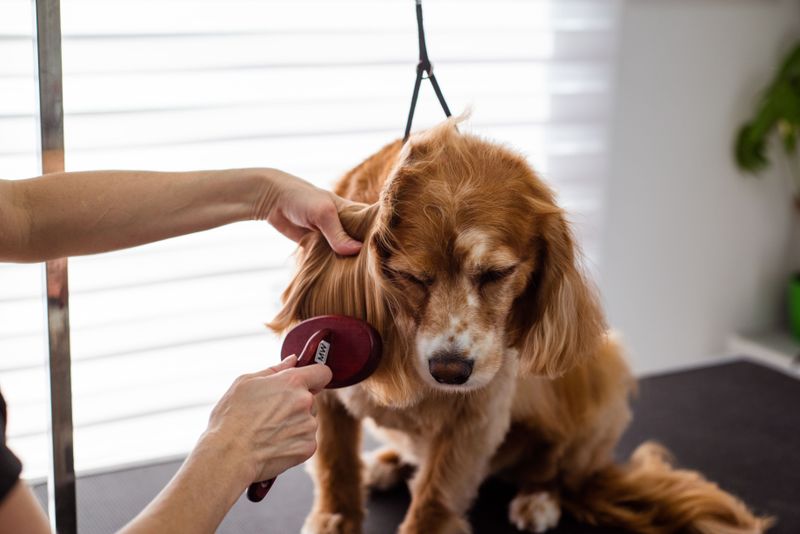
The trail may be behind you, but the routine is not quite finished. Good indoor lighting reveals what you missed in the parking lot.
Work through the coat section by section, using a comb on longer fur.
Ticks need time attached before problems develop, so a same-day catch matters. Finish with fresh water, a meal, and a well-earned nap for a tired, happy dog.