What Washington Dog Owners Should Know Before Hiking With Dogs In Cougar And Bear Country
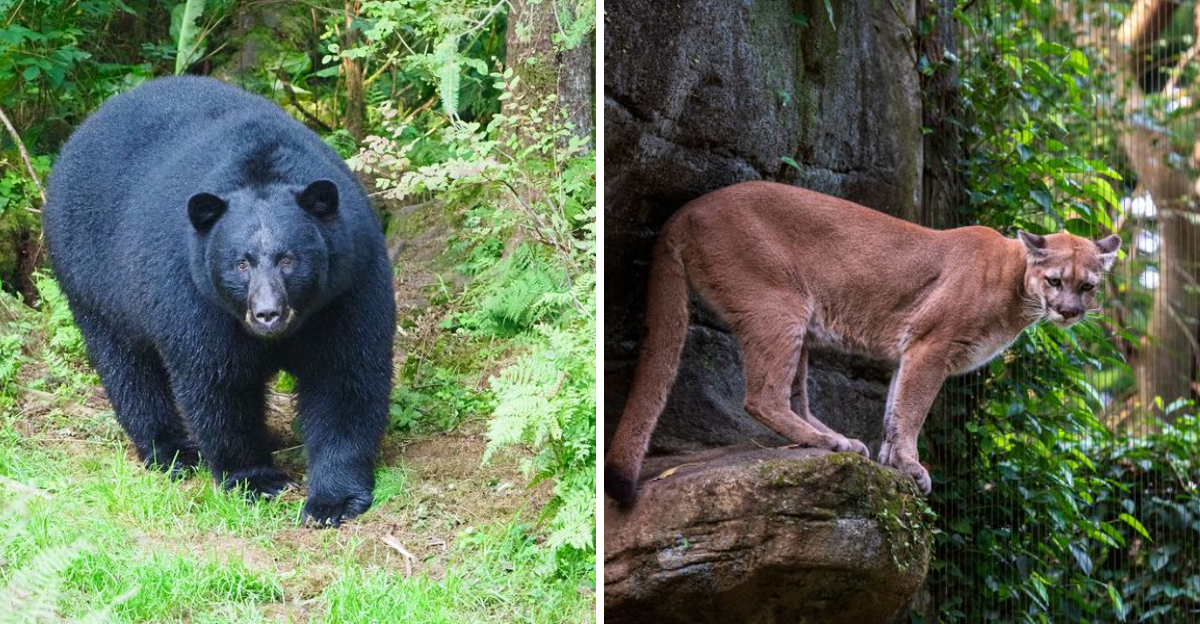
Washington trails are some of the best places in the country to walk with a dog. Forests, ridgelines, and river valleys are also home to black bears and cougars, which means a little preparation goes a long way.
The good news is that serious encounters are rare, and most are avoided with simple habits. Think of this as a friendly checklist from someone local who hikes with a dog, too, so you can head out feeling calm and ready.
Know the Wildlife You Could Encounter
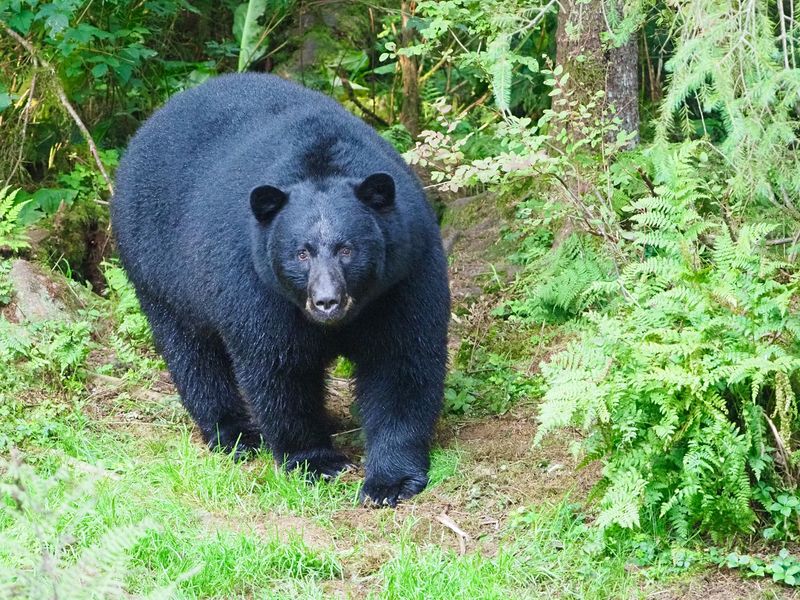
Washington is home to black bears across most forested areas, while cougars occur throughout much of the state, including the Cascade and Olympic mountain ranges.
Grizzly bears are extremely rare, mostly limited to the far northeast corner. Knowing which animals actually live near your trail helps you plan without worry.
Check the Washington Department of Fish and Wildlife site for regional information. Local ranger stations often share recent sightings, too, and that local knowledge is genuinely useful before you load up the car.
Keep Your Dog Close On The Trail
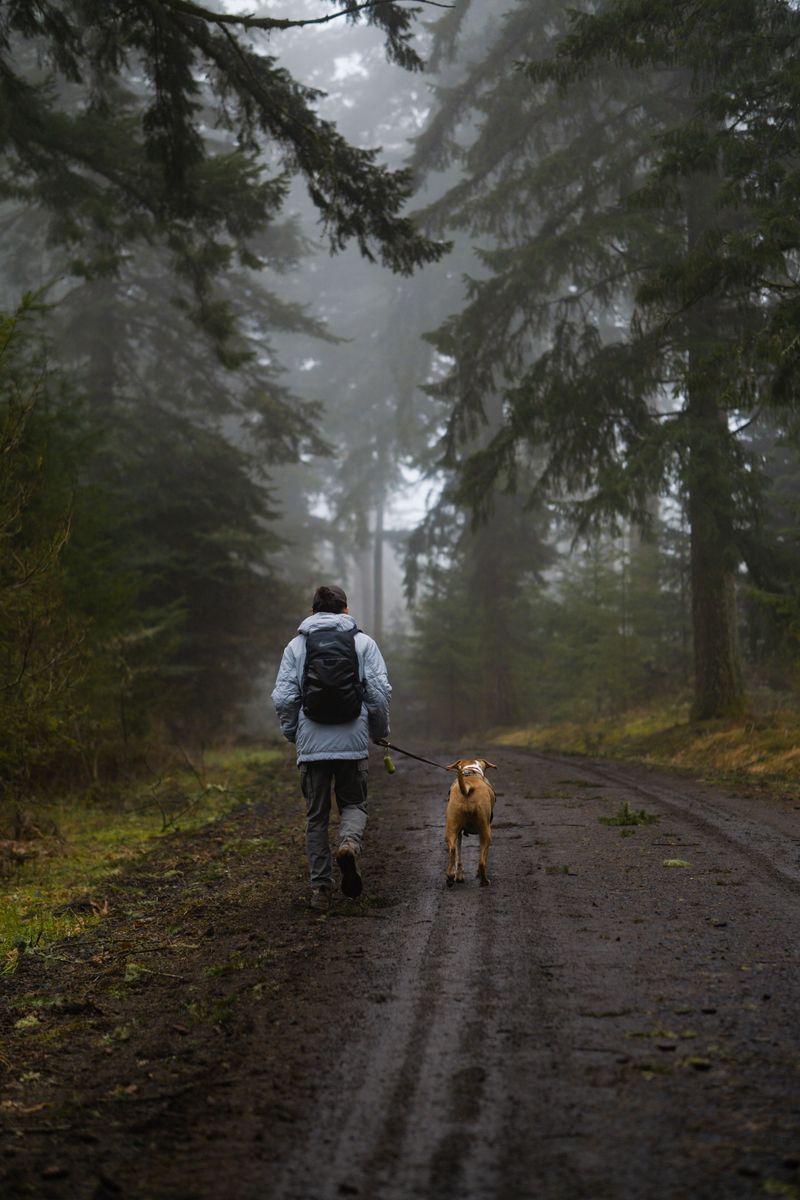
Distance is what turns a calm walk into a problem. A dog forty yards ahead can meet an animal long before you know anything is there.
Six feet of leash keeps your dog inside your bubble of control. That closeness also means wildlife sees one group, not a small animal alone.
Practice loose leash walking at home first. Trails feel easier when your dog already knows how to stay near your side without pulling.
Avoid Letting Dogs Roam Off-Leash
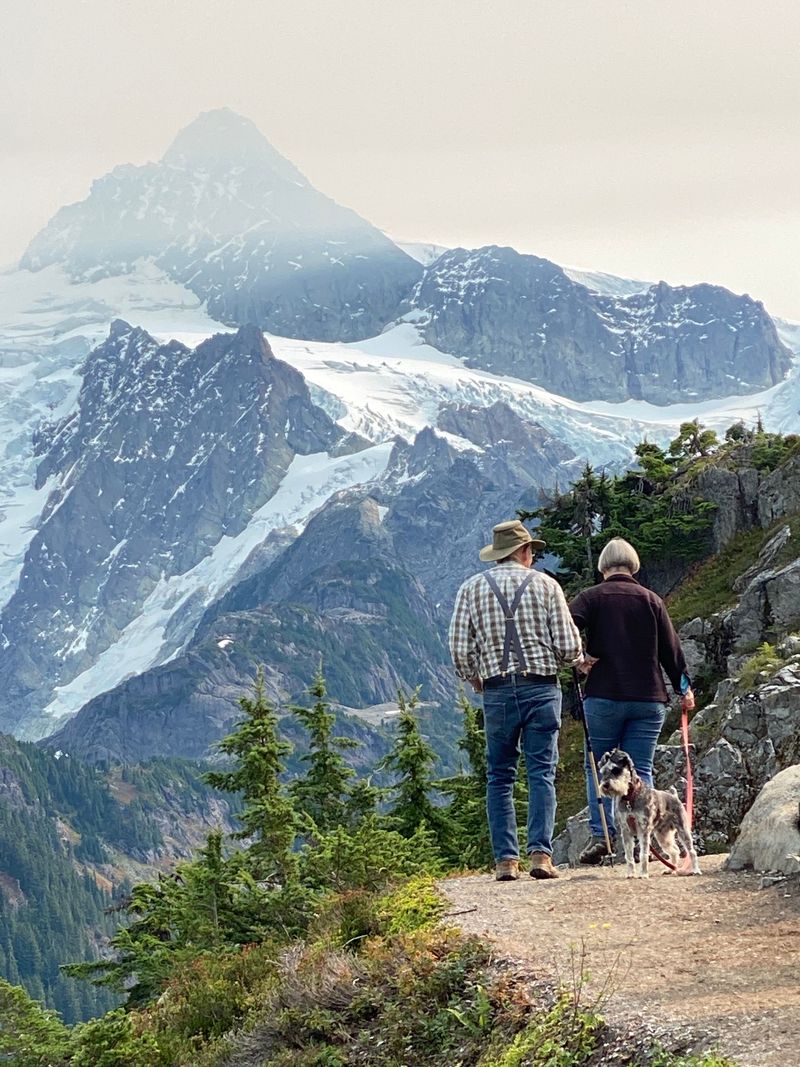
Off-leash freedom looks joyful, but it removes your ability to help if something goes sideways.
Many Washington trails legally require leashes, including national parks and plenty of state and county lands. Rules vary by agency and even by specific trail, so confirm before you go.
Loose dogs can also stir up wildlife and bring it back toward you. That is the situation everyone wants to avoid, so the leash stays clipped.
Make Your Presence Known
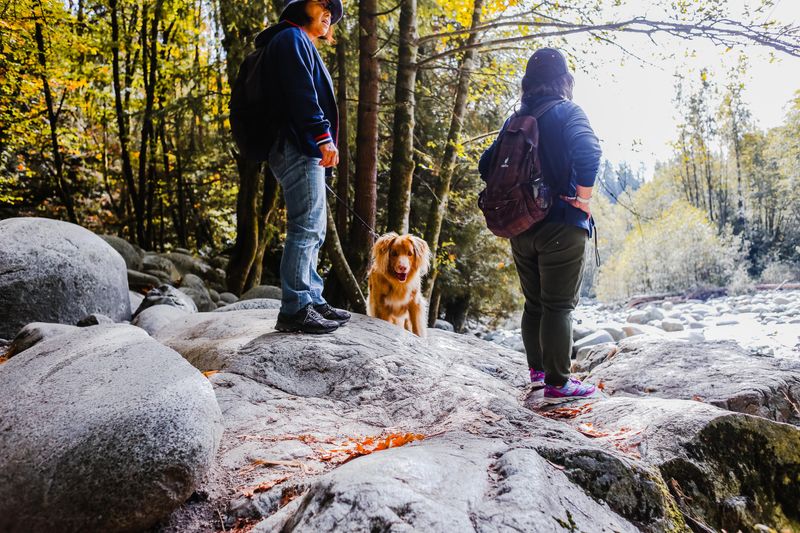
Most wild animals would rather leave than meet you. They just need a heads up.
Talk to your hiking partner, speak to your dog, or clap occasionally in thick brush. Making calm human noise can help alert wildlife to your presence and reduce the chance of surprising an animal.
Skip headphones so you can hear your surroundings. Near loud creeks and waterfalls, speak up a little more, because rushing water hides both your sounds and theirs.
Be Extra Careful Around Blind Corners
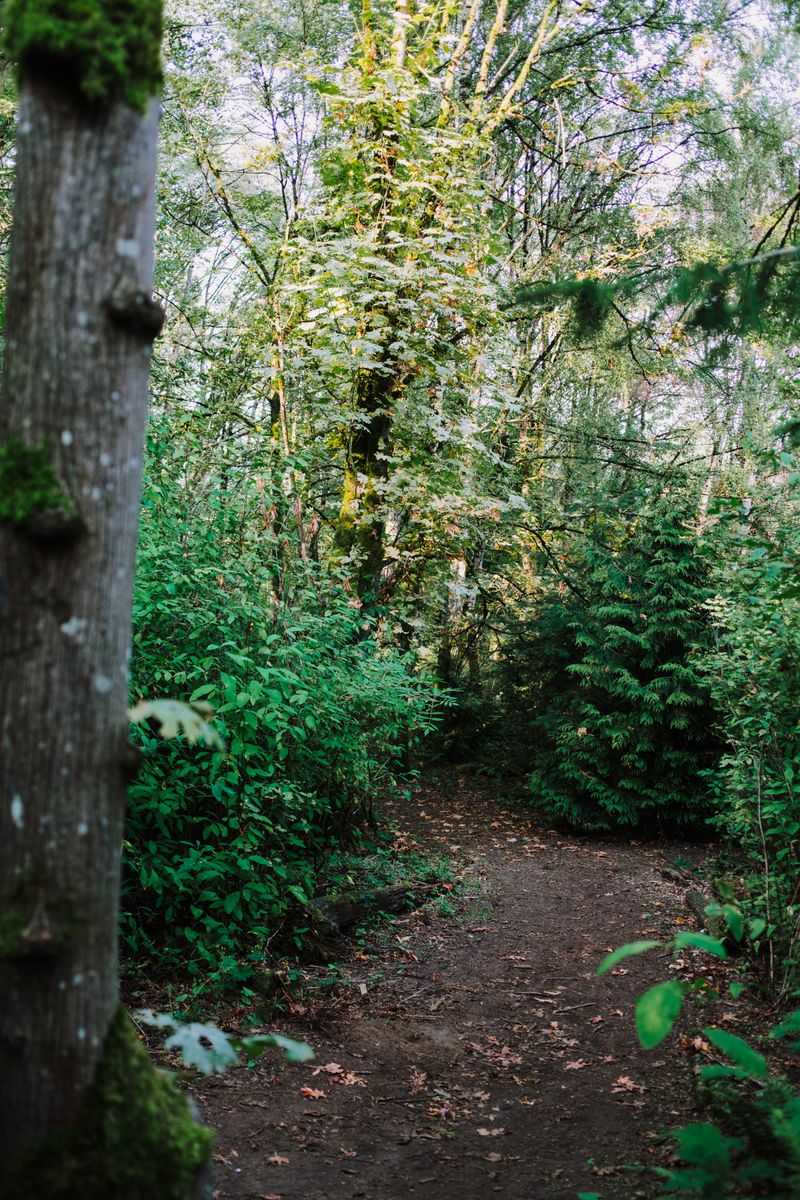
Switchbacks, dense salal, and tight bends are where surprises happen most often.
Slow your pace before a corner and shorten the leash. A quick word or two announces you before you round the bend.
Downhill hikers move fast and quiet, which is exactly what you do not want in brushy terrain. Ease off the speed, especially early morning and near dusk, when animals move more and light is low.
Learn To Recognize Bear Signs
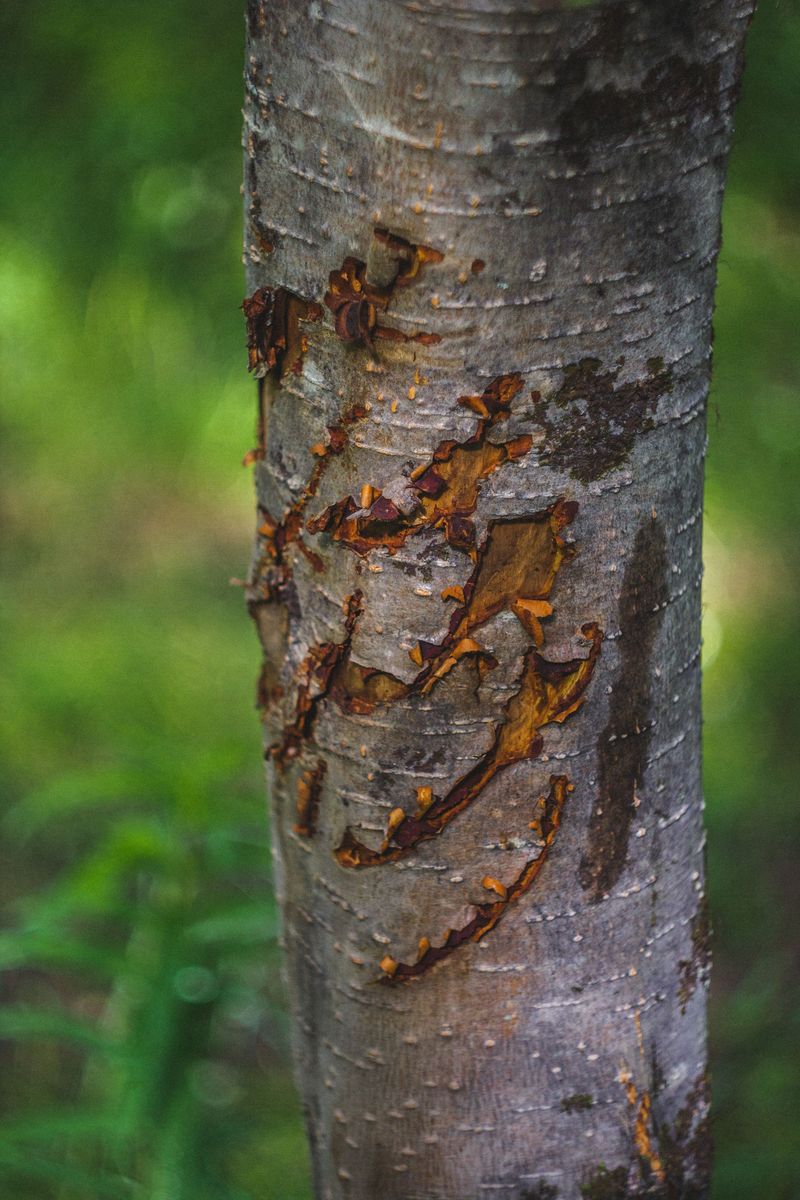
Bears leave a fairly obvious trail of clues once you know what to look for.
Flipped rocks, torn apart logs, claw marks on tree bark, and wide five-toed prints all suggest recent activity. Berry-filled scat is another common sign in late summer.
Fresh signs mean an animal may be nearby feeding. Rather than pushing on, consider heading back or choosing a different route, and keep your dog tight beside you meanwhile.
Watch For Signs Of Cougars
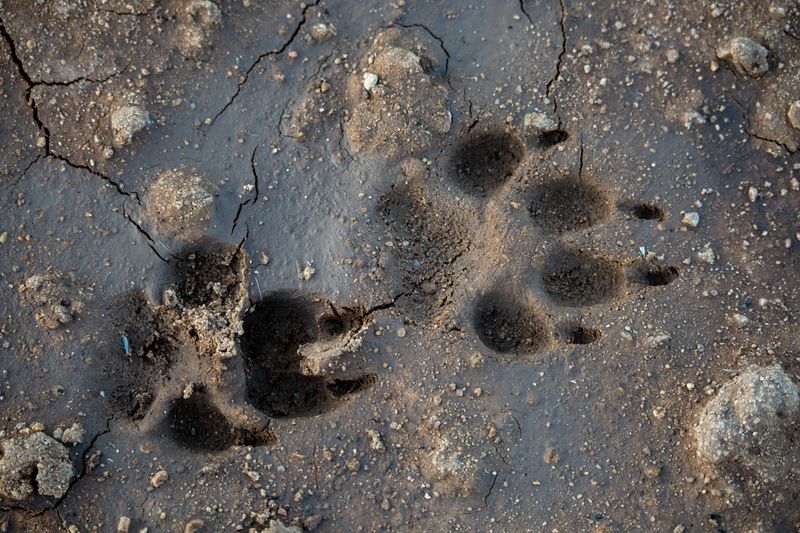
Cougars are famously hard to spot, so their signs matter more than sightings.
Look for round tracks without claw marks, plus small mounds of scraped leaves or dirt. Deer remains partly covered with debris are a strong signal to leave the area calmly.
Notice your dog, too. Sudden stiffening, staring at brush, or refusing to move forward is worth respecting.
Turn around and walk out the way you came.
Never Let Your Dog Chase Wildlife
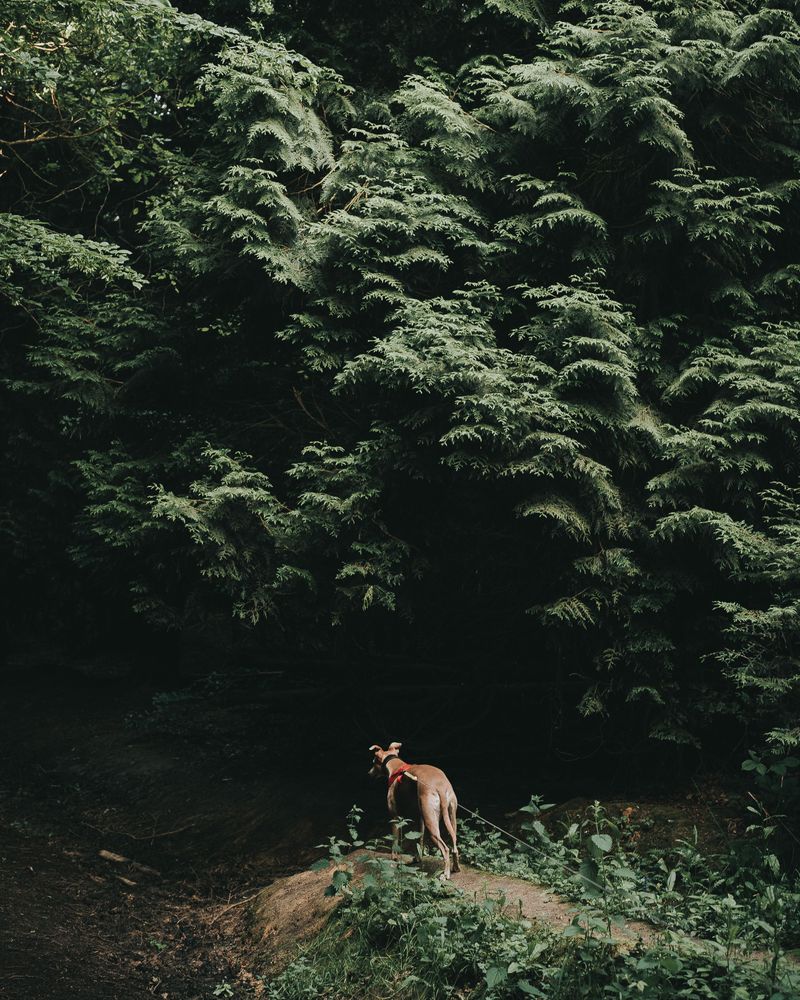
A dog chasing a deer usually loses interest fast. The problem is what it might bring back with it.
Chasing also stresses animals and is illegal harassment of wildlife in many settings. Washington rules treat pursuing wildlife seriously, so check state regulations if you are unsure.
Train a solid recall and a reliable leave it cue at home. Those two skills protect your dog more than any gadget you can buy.
Give Bears Plenty Of Space
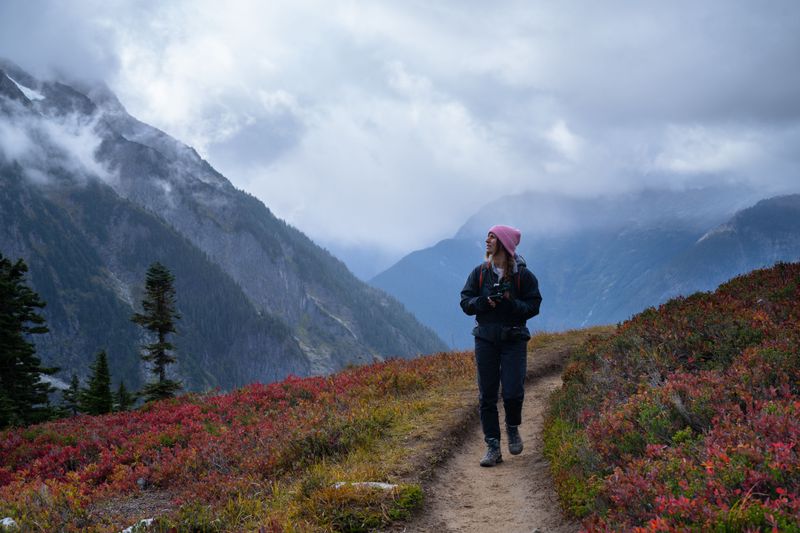
Spotting a bear from a distance is honestly kind of wonderful. Keep it that way.
Wildlife managers recommend staying at least one hundred yards from bears. Back away slowly while facing the animal, keeping your dog on a short leash beside you.
Never move closer for photos, and never come between a mother and cubs. If a bear is on the trail, wait it out or take another route entirely.
Know What To Do If You See A Cougar
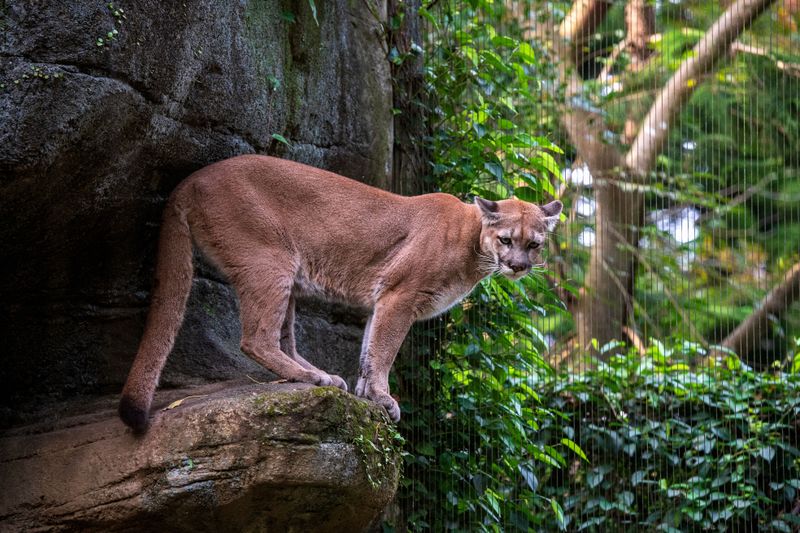
Standing your ground feels unnatural, yet it is exactly the right move.
Face the animal, look large, and speak in a firm voice. Pick up a small dog if you safely can, and keep a larger dog leashed at your side.
Do not run, crouch, or turn your back. Back away slowly once the cougar gives you room.
If it approaches, act boldly and throw objects toward it.
Keep Your Dog Between You And Wildlife
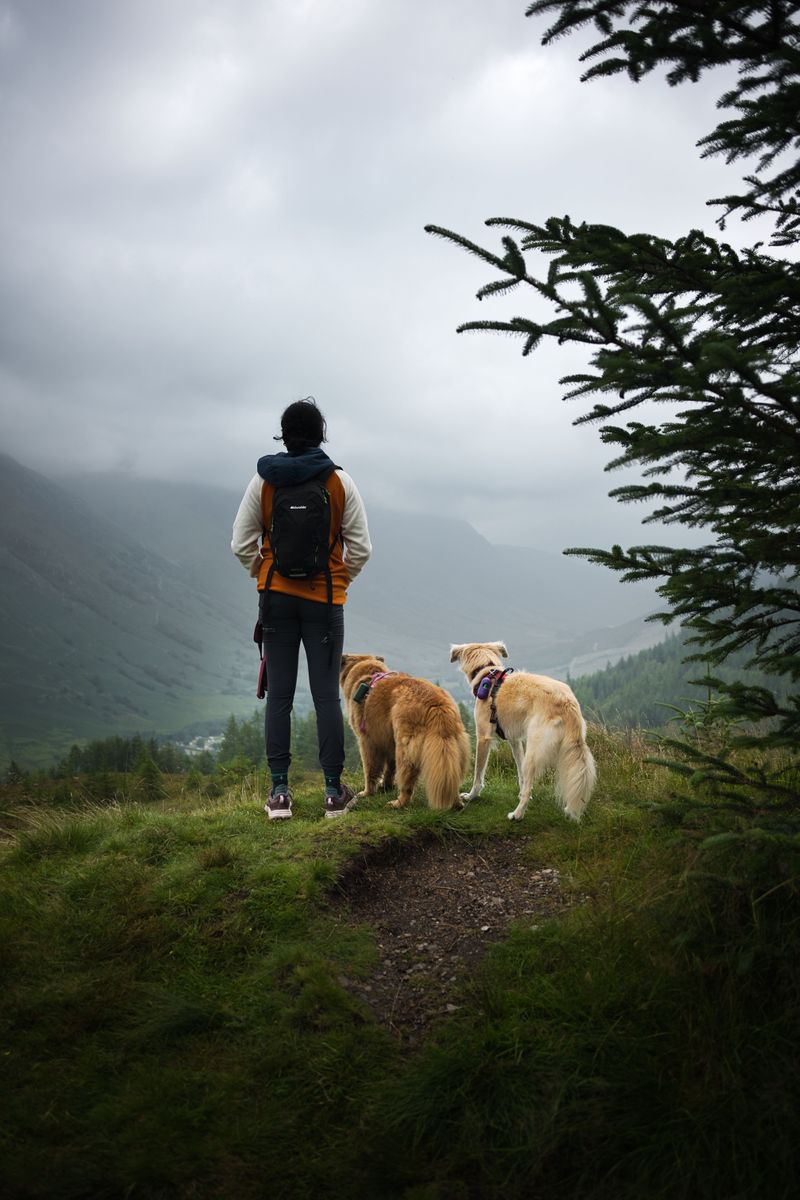
Positioning matters during any close encounter. Your goal is one solid group, not scattered pieces.
Bring your dog in beside or slightly behind you, never lunging ahead. Keeping the leash short prevents tangles around your legs if you need to move.
A hip belt clip or hands-free leash frees your arms while keeping the dog close. Practice this hold on easy walks so it feels automatic when it counts.
Carry Food Without Creating A Wildlife Attractor

Smells travel farther than most hikers realize, and dog food is surprisingly aromatic.
Pack kibble and treats in sealed bags or containers. Feed your dog at rest stops rather than leaving bowls out, and pack every crumb back out with you.
Waste bags count as attractants too, so carry them out instead of stashing them trailside. At campsites, follow local food storage rules, which sometimes require bear boxes or hanging.
Choose Trails Carefully During Wildlife Activity
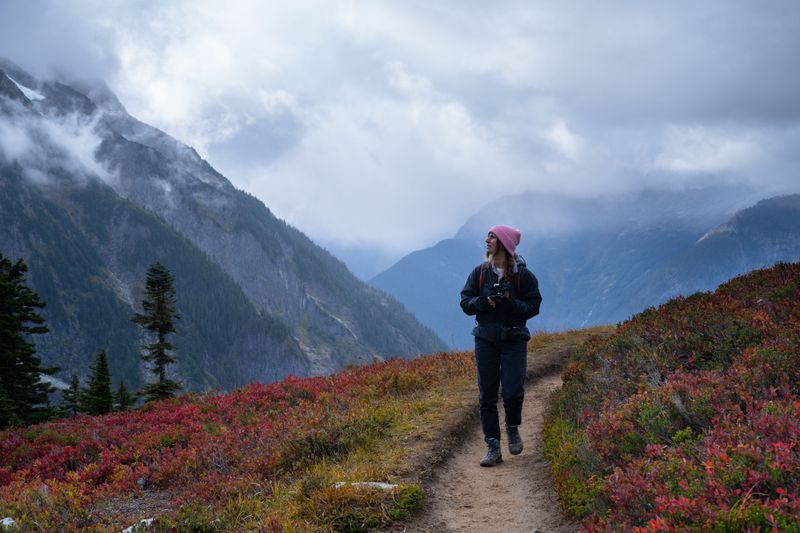
Timing shapes your odds more than almost anything else.
Late summer and fall bring bears into huckleberry patches, while spring means new cubs and hungry animals after a long winter. Dawn and dusk are peak movement hours for cougars.
Midday hikes on popular, well-traveled trails are a comfortable choice with a dog. Save the remote, brushy routes for times when you are hiking with company.
Avoid Hiking Alone In Remote Areas
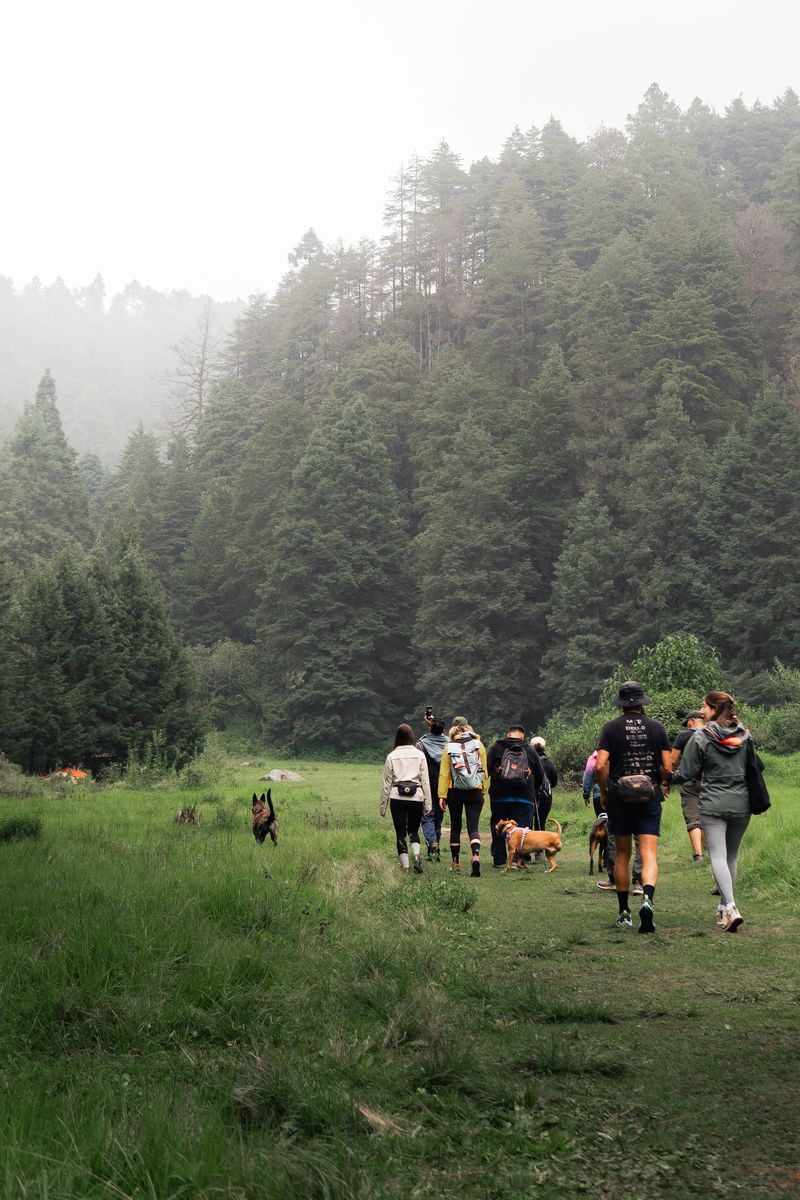
Groups are noisier, larger, and far less interesting to wildlife. That is a win on every level.
Two or three people plus a dog make a presence most animals happily avoid. Extra hands also help if someone twists an ankle miles from the car.
Hiking solo? Tell a friend your route and expected return time.
Cell coverage disappears fast in Washington canyons, so leaving a plan behind is simply smart.
Keep Your Dog Calm During An Encounter
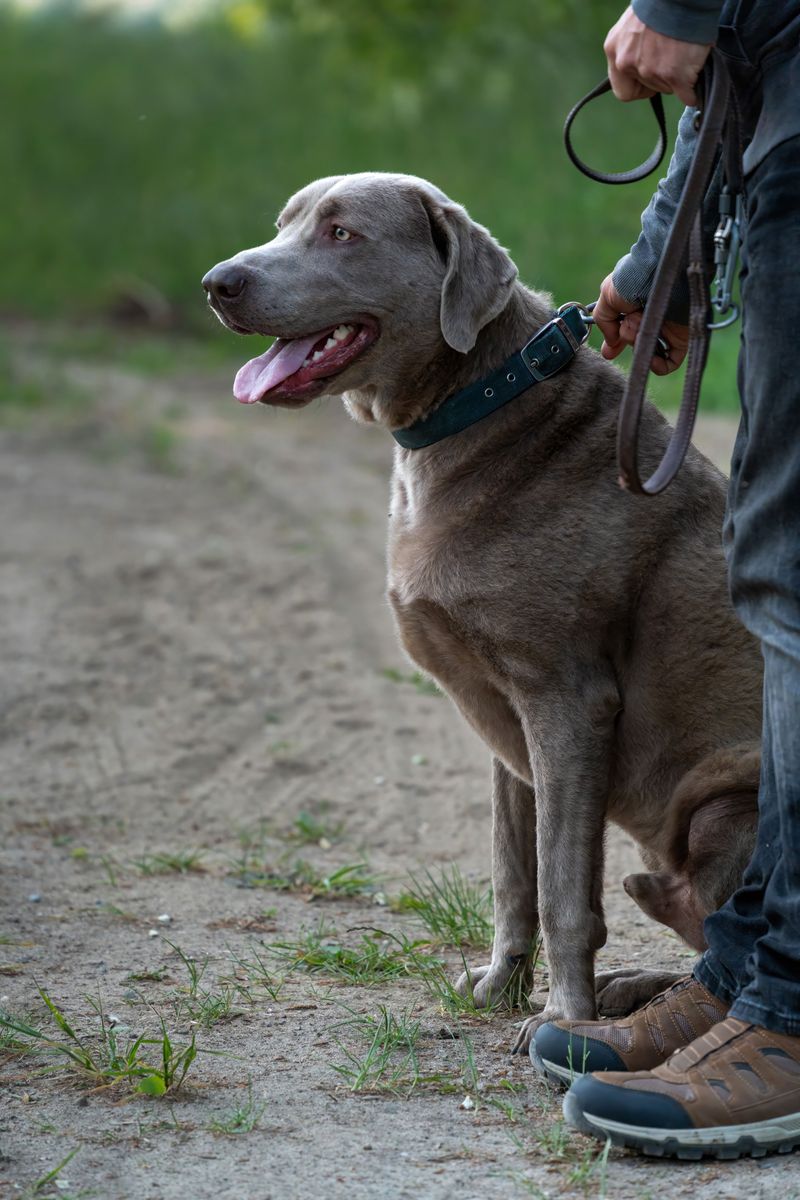
Barking and lunging escalate things quickly. A settled dog does the opposite.
Use a low, steady voice and a firm grip near the collar end of the leash. Reward quiet attention with a treat if your dog will take one.
Practice this at home around deer, squirrels, or noisy distractions. Dogs mirror our energy, so slow breathing and calm hands genuinely help more than you would expect.
Carry The Right Emergency Gear
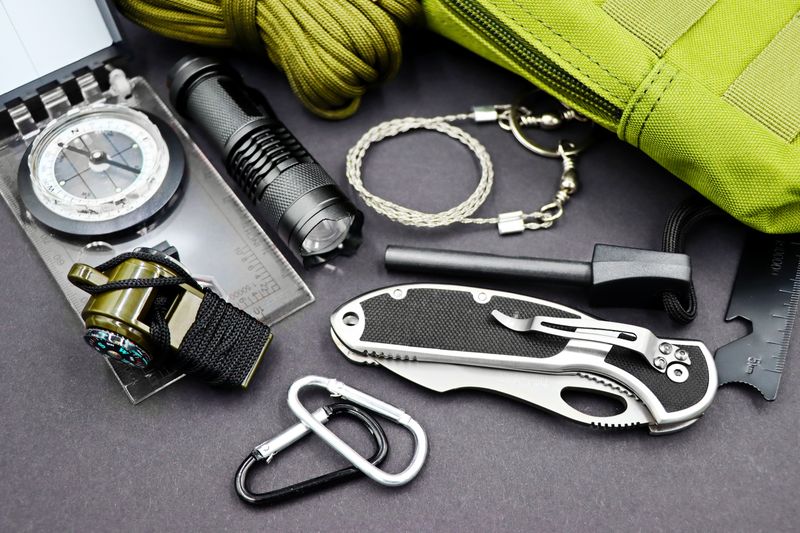
A small kit covers most trailside problems. Nothing fancy required.
Bear spray is legal in Washington and effective on both bears and cougars, but read the directions before you need them. Add a whistle, headlamp, first aid supplies for both of you, and water.
Trekking poles help you look bigger and steadier. Ask your veterinarian about pet-safe first aid items worth including for paw cuts and stings.
Know When To Turn Around
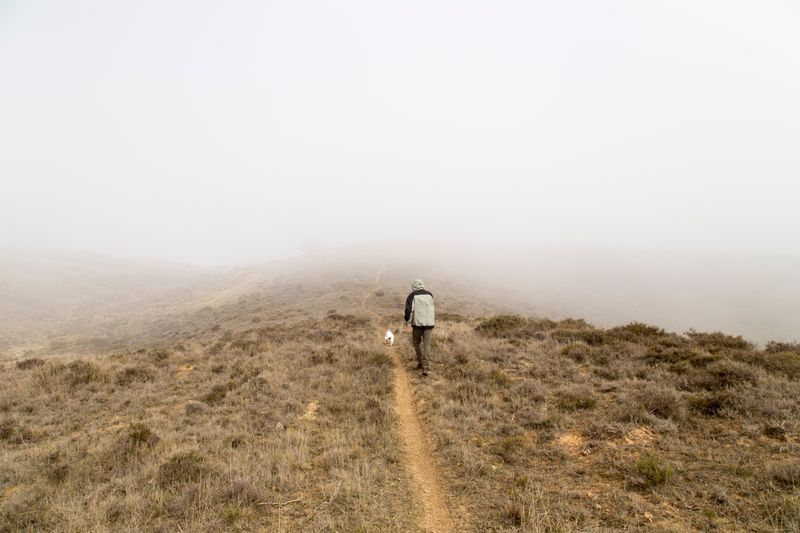
Some of the best hiking decisions involve going home early.
Fresh tracks, a nervous dog, fading daylight, or a gut feeling are all reasons enough. The trail will still be there next weekend.
Set a turnaround time before you start and honor it. Nobody ever regretted heading back to the car with plenty of light left and a tired, happy dog.
Check Washington Trail Rules Before You Go
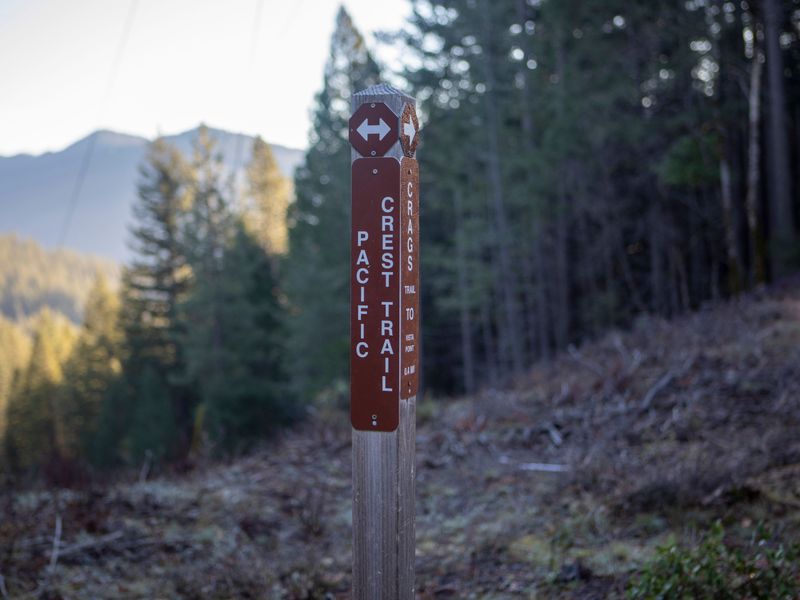
Rules shift depending on who manages the land, and that catches people off guard.
Dogs are banned from most trails in Mount Rainier, North Cascades, and Olympic national parks. National forests and many state parks allow leashed dogs instead.
Discover Pass or Northwest Forest Pass requirements vary too, and some counties add their own leash ordinances. Check the managing agency website first, then enjoy the walk with confidence.