What New Hampshire Dog Owners Should Know Before Hiking Above Treeline
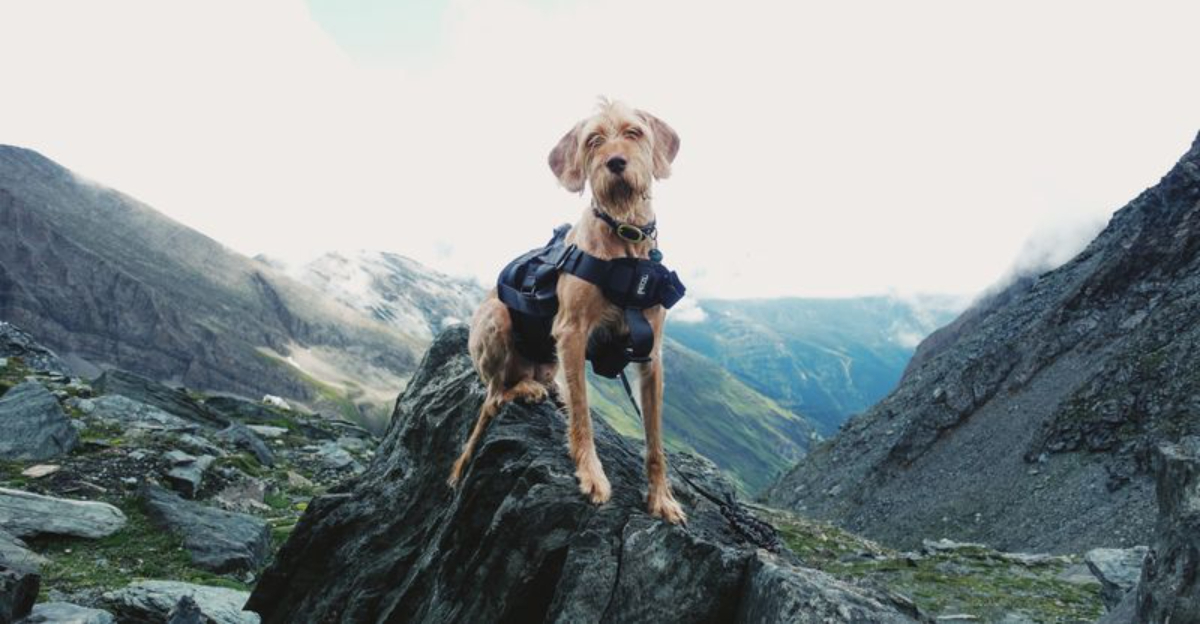
If you love sharing New Hampshire’s high ridges with your dog, a little planning goes a long way. The alpine zone above treeline is beautiful and wide open, but it asks more of both of you than a shaded woods walk does.
Here is what experienced local owners keep in mind before heading up, from leash rules and paw care to reading the sky. Think of it as friendly advice from someone who has been up there on a windy day.
Understanding Above-Treeline Conditions in New Hampshire
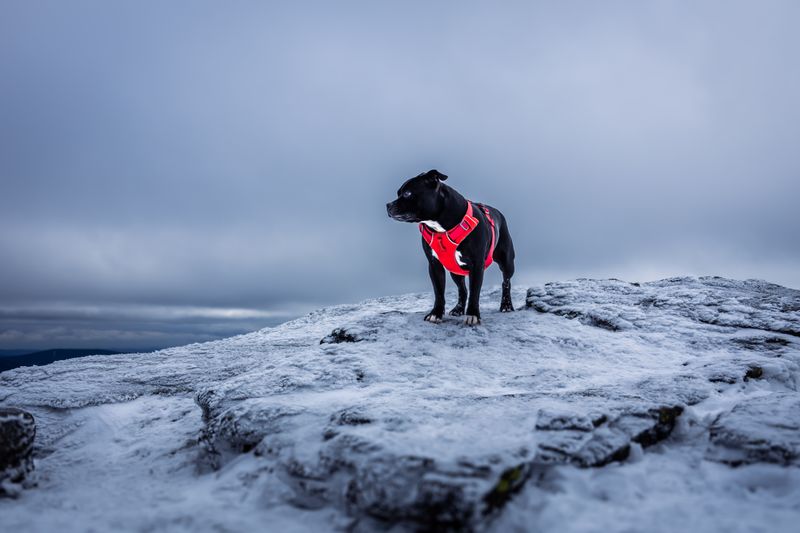
Above treeline in the White Mountains, trees give way to open rock, low shrubs, and alpine vegetation, although the elevation of treeline varies by location.
That zone acts more like northern Canada than New England. Wind, sun, and cold hit without any shelter.
Mount Washington and the Presidential Range hold the largest alpine area east of the Rockies. Franconia Ridge offers another stretch.
Your dog feels every bit of it too. Knowing what the alpine zone asks of you both makes planning much easier.
Why Weather Changes So Quickly Above Treeline
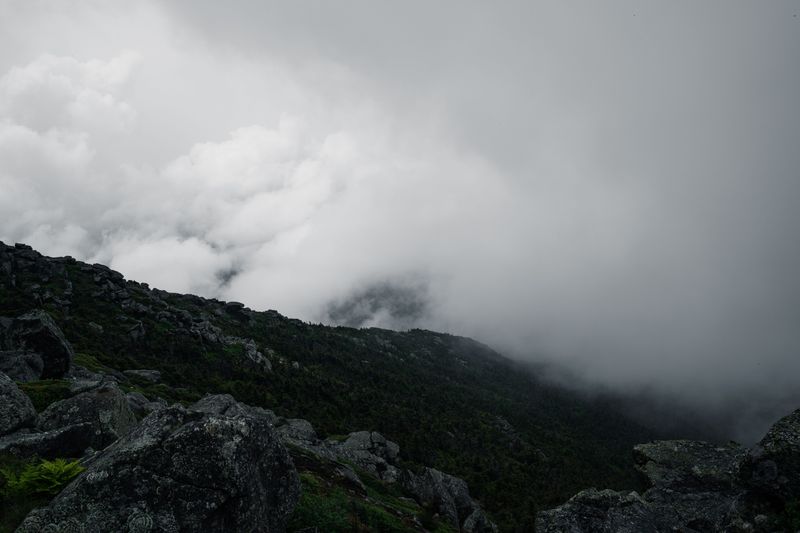
Mount Washington is known for some of the harshest weather recorded anywhere.
Storm tracks from three directions meet over the summits. Clouds build fast, and a calm morning can turn raw by noon.
Temperatures often drop sharply with elevation, and wind speeds climb. Pack layers for both of you.
Dogs cannot tell you when they are chilled or soaked. Check the Mount Washington Observatory higher summits forecast before you go.
Then plan for conditions worse than predicted.
Choosing a Trail Your Dog Can Safely Handle
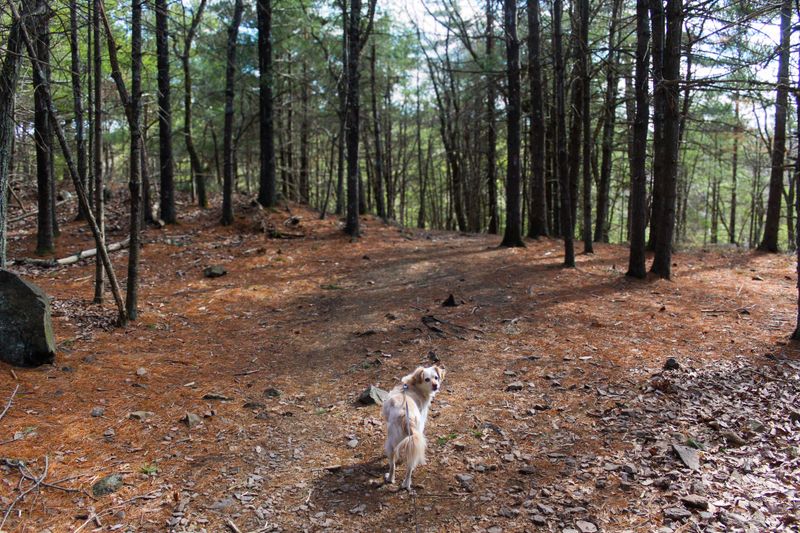
Not every summit suits every dog. Steep slabs, ladders, and boulder scrambles can stop a strong hiker cold.
Trails like Ammonoosuc Ravine and Falling Waters include wet rock and steep sections. Gentler options include Mount Pierce via the Crawford Path.
Ladders and rung sections are not dog friendly at all.
Think about your dog’s age, size, and fitness. Short legs and heavy coats change the math.
Build up with smaller hikes first.
Checking the Forecast Before Leaving Home
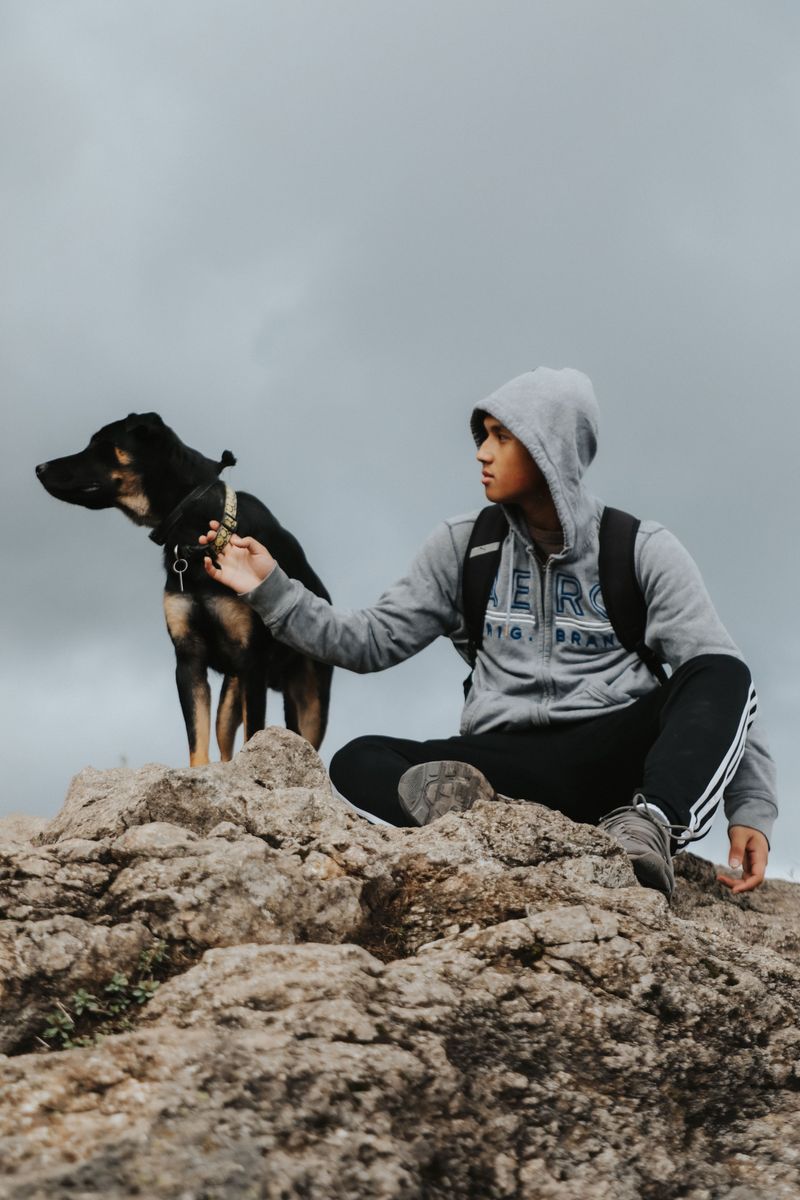
A quick glance at the valley temperature tells you almost nothing.
Summits often run 20 to 30 degrees cooler, with far stronger wind. Look up the higher summits forecast the night before.
Check it again at the trailhead.
Watch for thunderstorms, freezing rain, and wind above 35 miles per hour. Any of those is a good reason to pick a lower, wooded route with your dog.
Leash Rules and Staying Close on Exposed Trails
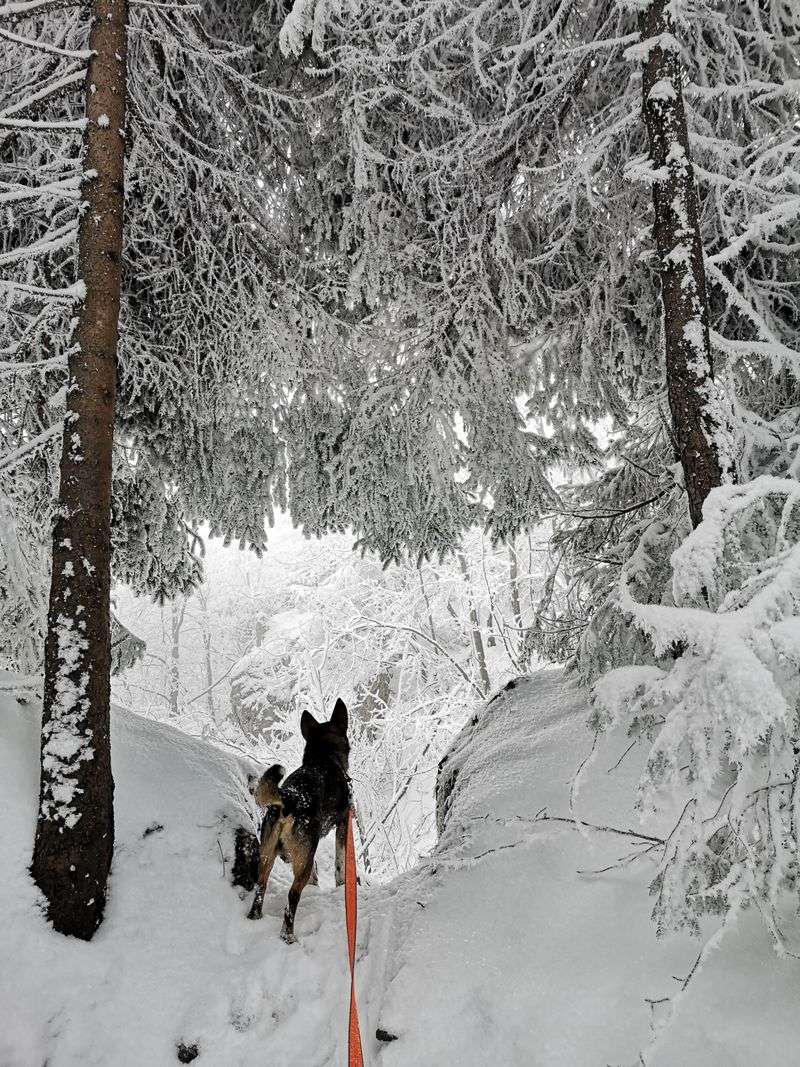
Rules differ by land manager, so a single answer does not cover the whole state.
In the White Mountain National Forest, dogs must be under control on most trails. New Hampshire state parks, including Franconia Notch, require a leash.
Some huts and shelters do not allow dogs inside at all.
Above treeline, a leash also protects fragile plants and nervous hikers. Confirm current rules with the Forest Service or park office before your trip.
Protecting Your Dog’s Paws From Sharp Rocks
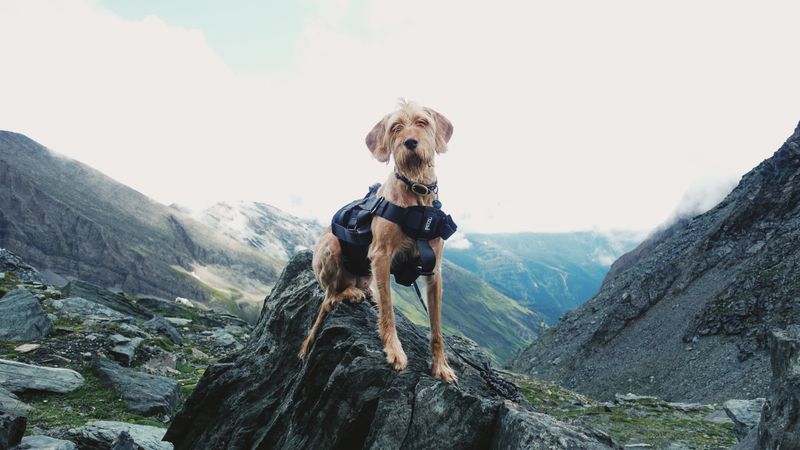
Alpine granite is coarse, angular, and unforgiving on soft pads.
A long day on ridge rock can leave paws raw, especially for dogs used to grass and sidewalks. Booties help, but only if your dog wears them at home first.
Paw balm before and after helps too. Winter ice adds another layer of trouble.
Carry a spare pair, since one usually goes missing. Check pads at every break, and stop early if you spot tenderness.
Watching for Loose and Uneven Terrain
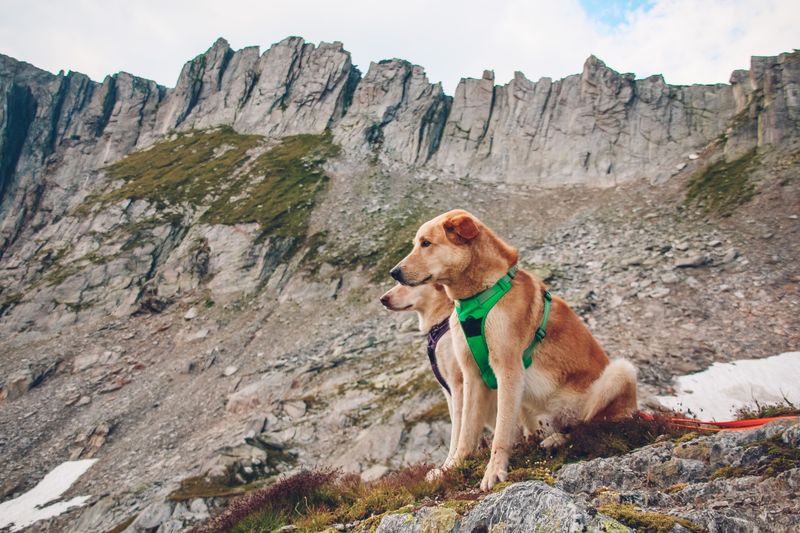
Cairn-marked ridges look simple from a distance. Up close, they are a jumble of tilted slabs and loose stone.
Dogs move fast and can wedge a leg between rocks. A shorter leash on the steepest sections keeps everyone steady.
Falls are the most common trouble above treeline.
Watch for wet lichen, which turns slick after fog. Give your dog time to pick a line instead of hurrying.
Keep your own footing solid.
Carrying Enough Water, Food, and High-Energy Treats
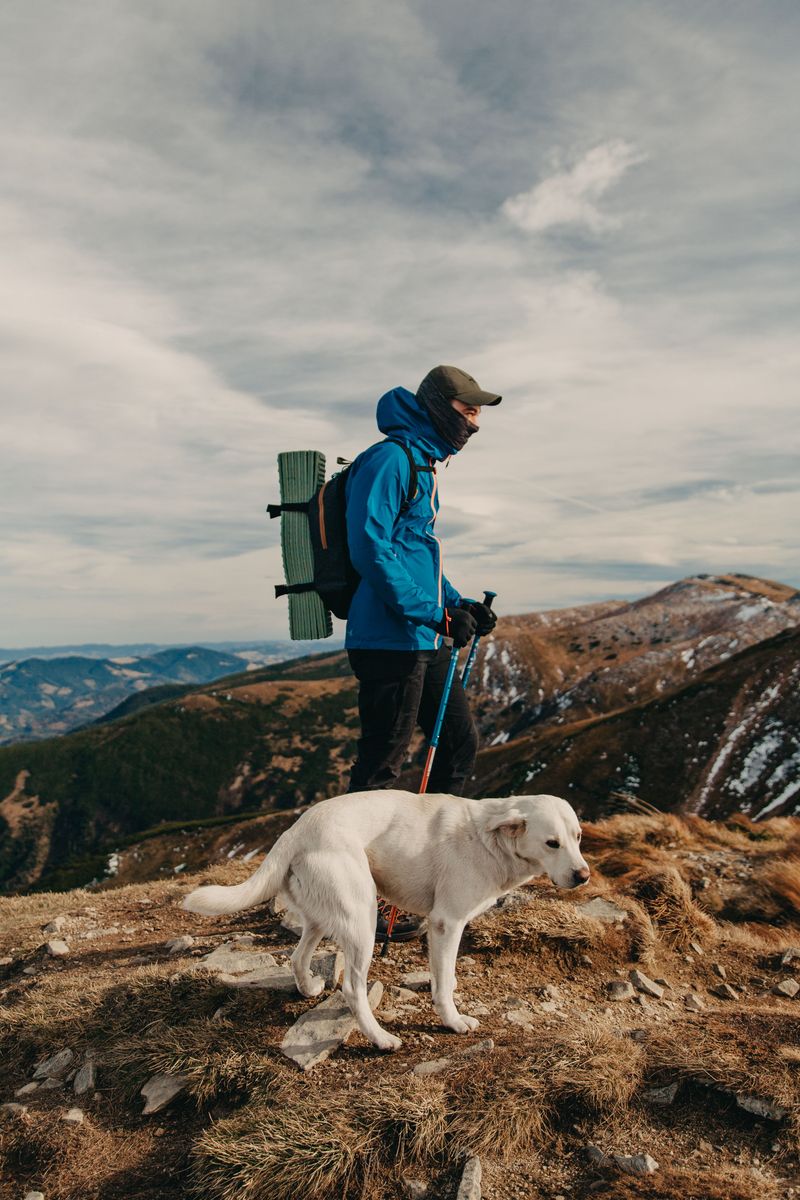
Alpine ridges offer few reliable water sources. Streams are often below the exposed summits, so plan to carry enough water for your dog rather than relying on finding a source along the ridge.
Plan on roughly one ounce per pound of body weight per day, and more on warm, windy hikes. Bring a collapsible bowl and offer drinks every 30 minutes.
Food matters as much. Pack the regular kibble plus a few high-calorie treats.
Hiking burns energy fast, and a snack break lifts a tired dog’s spirits.
Recognizing Signs of Heat Exhaustion
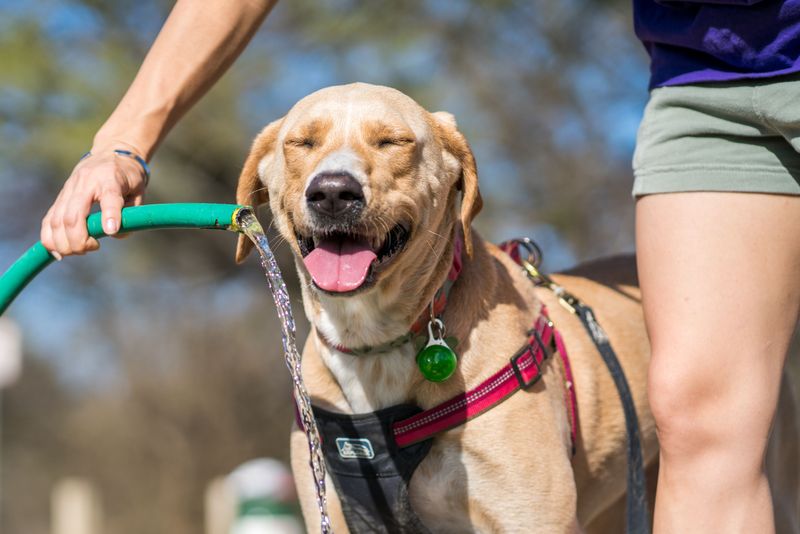
Open rock reflects sun, and there is no shade to duck into.
Heavy panting, thick drool, wobbly steps, and bright red gums all signal overheating. Move to shade or a breezy spot.
Offer small sips and cool the belly and paws.
Summer days above 70 degrees deserve extra caution.
Dark coats and flat-faced breeds heat up faster. Start early, rest often, and call your vet if your dog does not perk up quickly.
Preparing for Cold and Strong Winds
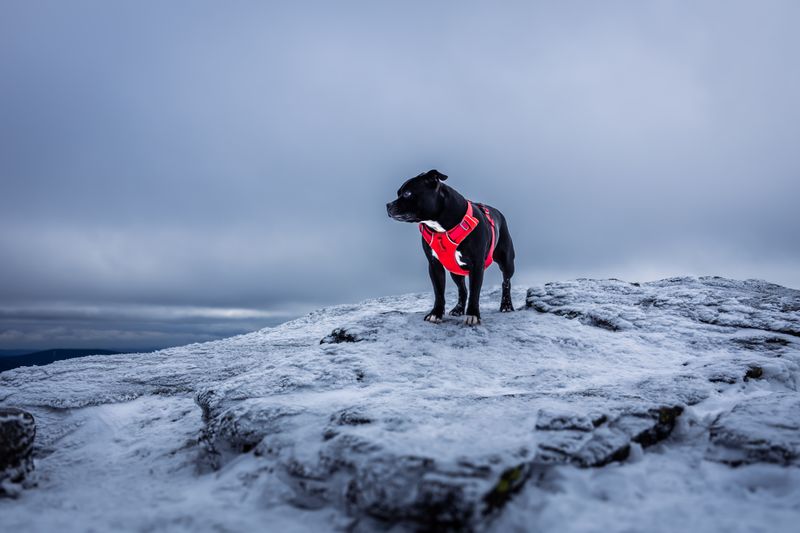
Wind is the defining feature of New Hampshire’s alpine zone.
Gusts over 50 miles per hour happen in every season, even July. Wet fur plus wind pulls heat away from a dog quickly.
Short-haired dogs benefit from a fitted jacket. Watch for shivering, hunching, or a sudden slow pace.
Carry a spare towel for the trip home.
Turning back below the ridge is always allowed. A warm car and a happy dog beat a summit photo.
What to Do When Fog Rolls In
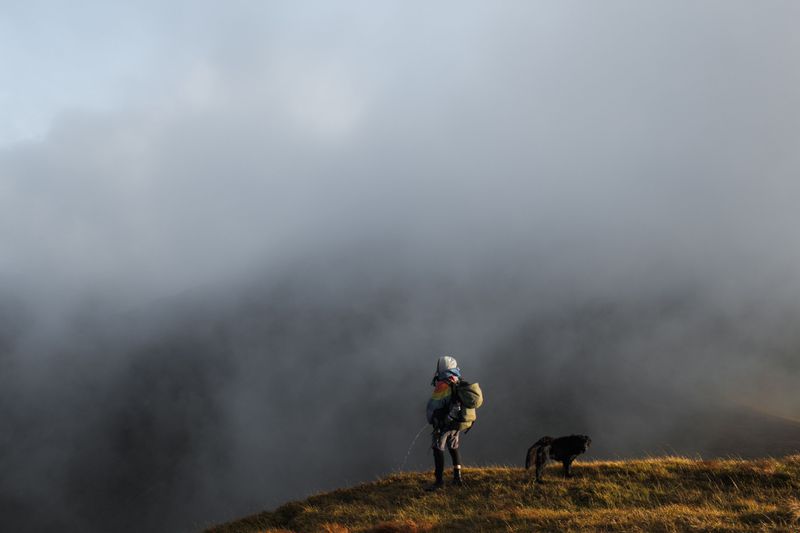
Clouds settle over the ridges without warning, and cairns vanish at 30 feet.
Navigation gets tricky fast, so carry a map, compass, and a charged phone with offline maps. Keep your dog leashed and close, since scent trails mean little on bare rock.
A bright vest or light on your dog helps you spot them.
Move slowly from cairn to cairn. If you cannot find the next one, return to the last known marker.
Keeping Dogs Away From Fragile Alpine Plants
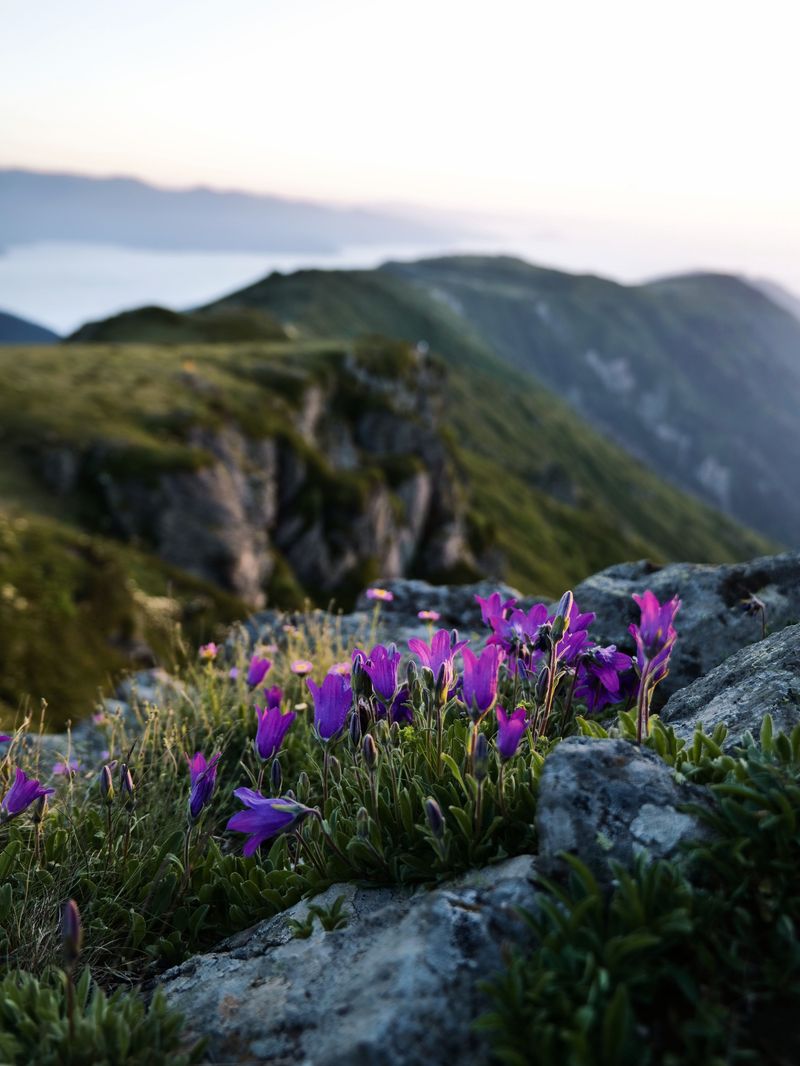
The tiny cushions of green beside the trail are decades old.
Alpine plants like diapensia and Robbins’ cinquefoil grow slowly in thin soil. One curious dog can undo years of growth in seconds.
Robbins’ cinquefoil once grew almost nowhere else on earth. Leashes make protection simple, especially with a nose-driven dog.
Stick to bare rock and the marked corridor between scree walls. Volunteer stewards on Franconia Ridge will happily point you the right way.
Wildlife You Might Meet Above Treeline
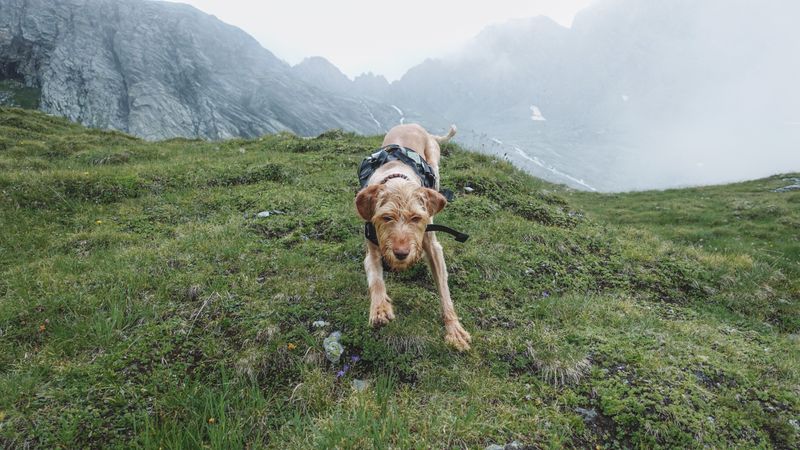
The alpine zone looks empty, yet it hosts specialized residents.
Ground-nesting birds such as American pipits raise young among the rocks. Bicknell’s thrush uses the stunted krummholz just below the open ridge.
A loose dog can disturb nests without meaning any harm. Lower down, moose, porcupines, and black bears use the same trails.
Keep your dog close and calm.
Porcupine quills lead to a long vet visit, so avoid dusk starts. Give wildlife plenty of room.
Giving Other Hikers and Dogs Enough Space
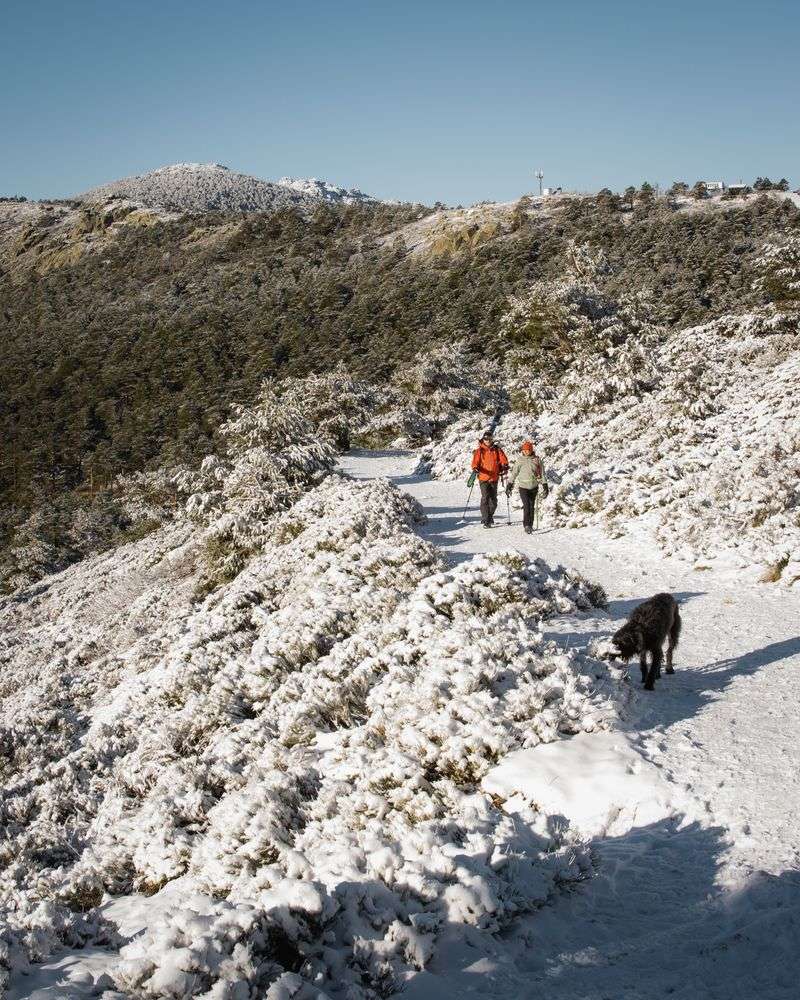
Ridge trails are narrow, with steep drops on either side.
Passing spots are few, so step aside early when you see someone coming. Uphill hikers usually get the right of way.
Not everyone is comfortable around dogs, and some hikers carry small children. Shorten the leash, keep your dog on the inside, and offer a friendly heads-up.
Trail crews and stewards appreciate the courtesy too. A calm pass keeps the day pleasant for everyone.
Packing a Dog-Friendly First-Aid Kit
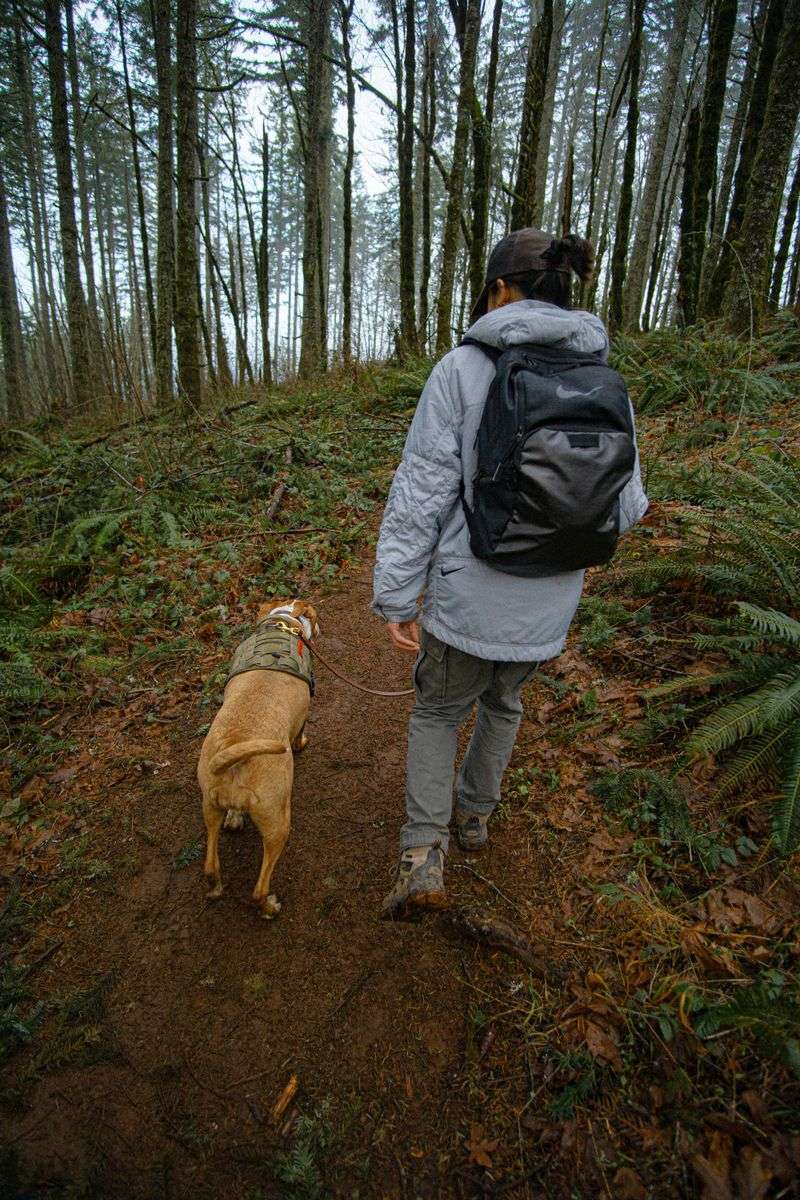
Most trail problems are small: a scraped pad, a torn nail, a bee sting.
Pack gauze, self-adhesive wrap, tweezers, blunt scissors, and a spare bootie. Add a wound-cleaning solution and a few extra plastic bags.
A lightweight emergency blanket doubles as insulation. Ask your vet which medications suit your dog, and never guess at human doses.
Learn how to carry your dog a short distance if needed. Practice the lift at home first.
Knowing When It Is Time to Turn Around
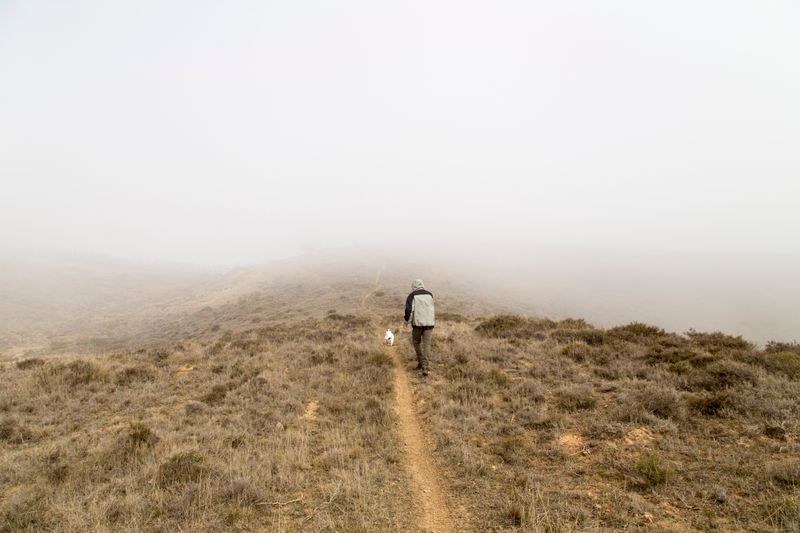
Set a turnaround time before you start, then honor it.
Weather, a slow pace, or a tired dog all count as good reasons to head down. Lagging behind, lying down, or refusing treats are clear messages from your dog.
Descending takes longer than most people expect.
Summits will still be there next month. The best hikers in the Whites make the easy call early.
A wagging tail beside you is the real prize.