17 Things Arkansas Dog Owners Should Know Before Hiking In The Ozarks
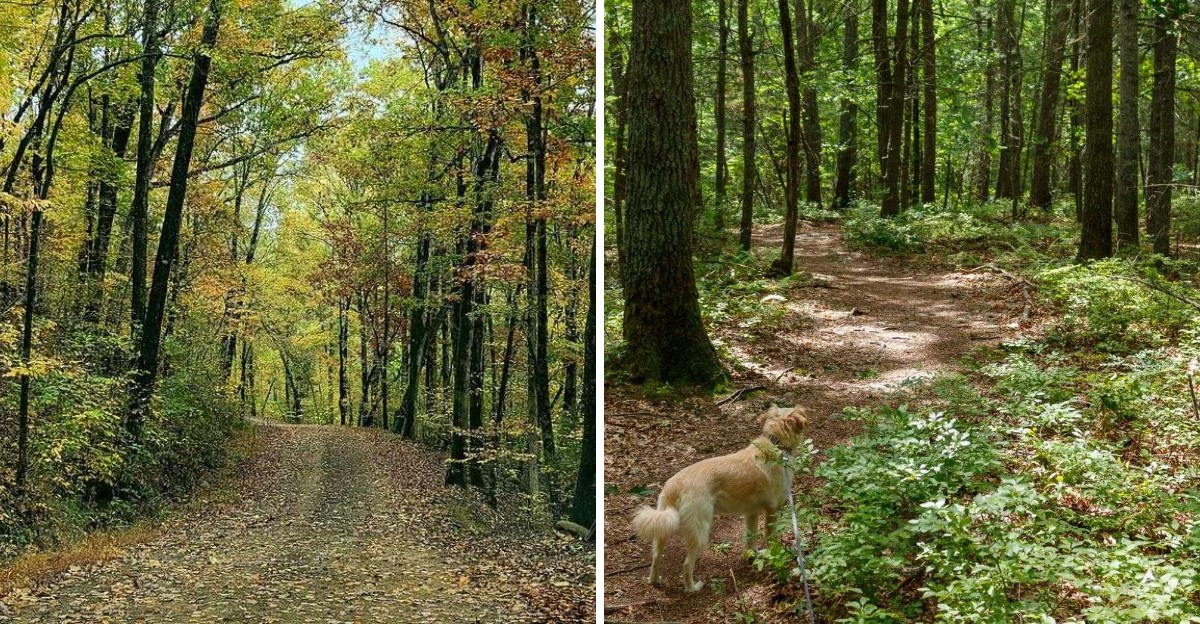
Ozark bluffs hide waterfalls that appear after one good rain and vanish by Friday. That mix of surprise and steep rock is exactly why hiking here with a dog takes a little planning.
Arkansas trails serve up sandstone ledges, clear creeks, ticks the size of poppy seeds, and weather that flips fast. Get a few details right and your pup will trot the Buffalo River country like a seasoned pro.
Here is what smart Arkansas dog owners sort out before the trailhead.
1. Check Trail Rules Before You Leave

Rules shift from one Ozark landholder to the next. Dogs are generally permitted on many Ozark-St. Francis National Forest trails, although individual areas can have additional restrictions.
Buffalo National River has much stricter pet rules, with dogs permitted on only specific trails and in certain other areas.
State parks such as Devil’s Den allow dogs in designated areas, and the park hosts dog-friendly hiking activities. Check the specific park’s current pet and leash rules before you go.
Print or screenshot the rules, because cell service in the hills can be unreliable.
2. Keep Your Dog Leashed Around Wildlife
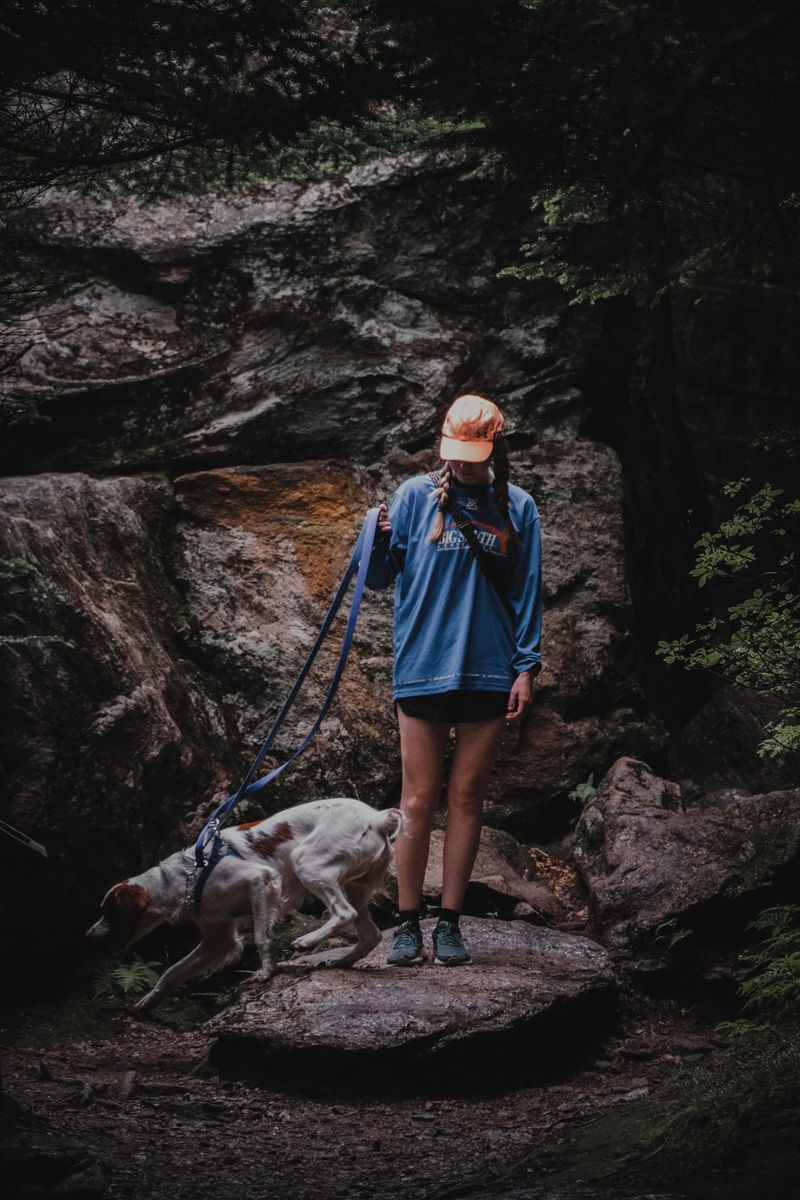
Deer, armadillos, and wild turkeys pop out of the brush constantly in the Ozarks. Even a mellow dog may bolt after them and lose the trail in seconds.
Leash requirements vary by land manager and location, so check the rules for the specific trail before you go. Keeping your dog leashed is a good practice around wildlife and helps prevent unexpected encounters.
Elk roam the Boxley Valley area near Ponca, drawing crowds each fall. Keep your dog close, quiet, and clipped in there.
3. Watch for Steep Ozark Terrain
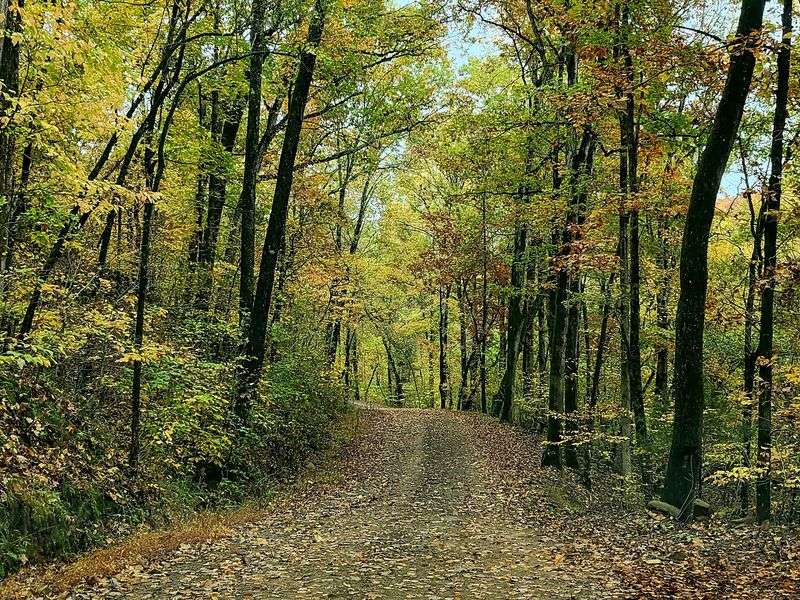
Those gentle green hills fool people. Trails like Hawksbill Crag near Jasper drop and climb over loose rock, roots, and stone steps built for human legs.
Short-legged breeds may need a lift over ledges, so practice picking your dog up safely at home.
Descending is harder on joints than climbing. Senior dogs appreciate slow pacing and frequent pauses on the way down.
4. Bring More Water Than You Think You Need
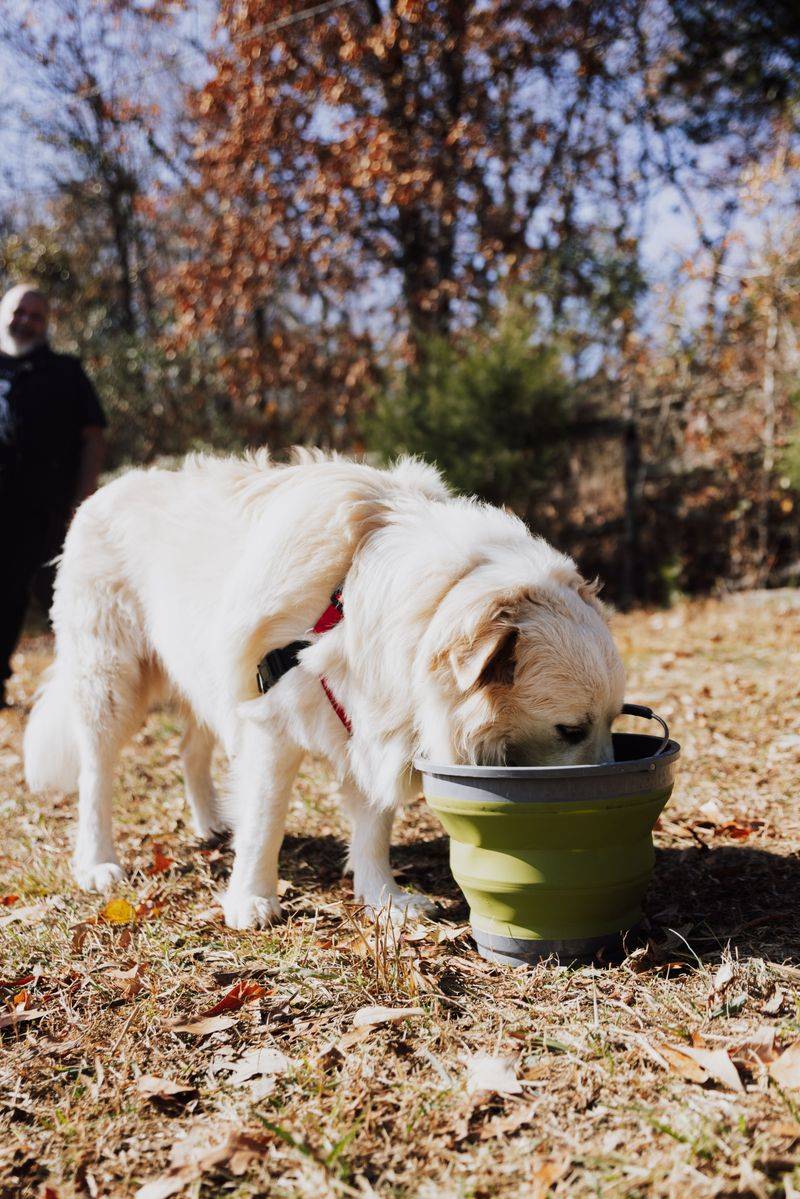
Arkansas humidity turns a three mile stroll into a sweat session by mid-morning. Dogs cool themselves by panting, which burns through water quickly.
Carry enough water for the entire outing, with extra for heat, humidity, exertion, and unexpected delays. Your dog’s needs vary with size, activity level, weather, diet, and health, so ask your veterinarian for a more appropriate daily intake rather than relying on a fixed hiking formula.
A collapsible bowl weighs almost nothing. Offer water regularly during the hike rather than waiting until your dog is very thirsty.
5. Be Careful Around Ozark Creeks and Rivers
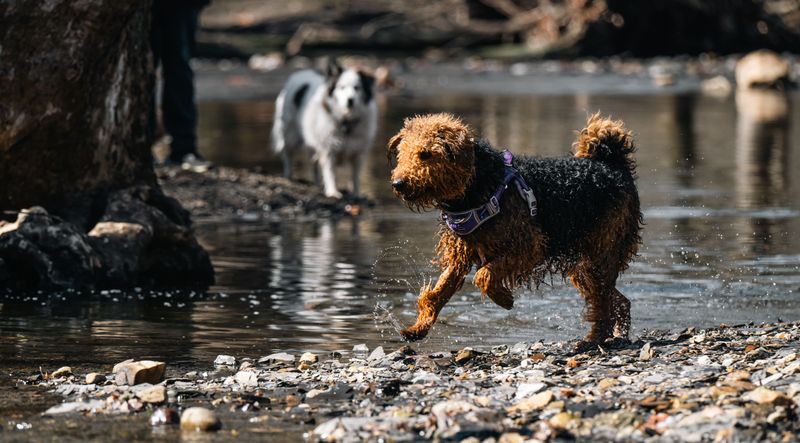
Clear water over gravel looks harmless, and usually is. After heavy rain, though, the Buffalo, Kings, and Mulberry rivers rise fast and pull hard.
Check flow gauges before planning any crossing with a dog in tow.
Slick algae-covered rock is the sneaky hazard on calm days. A canine life jacket makes float trips and deep pools far more relaxing for everyone involved.
6. Protect Your Dog From Ticks
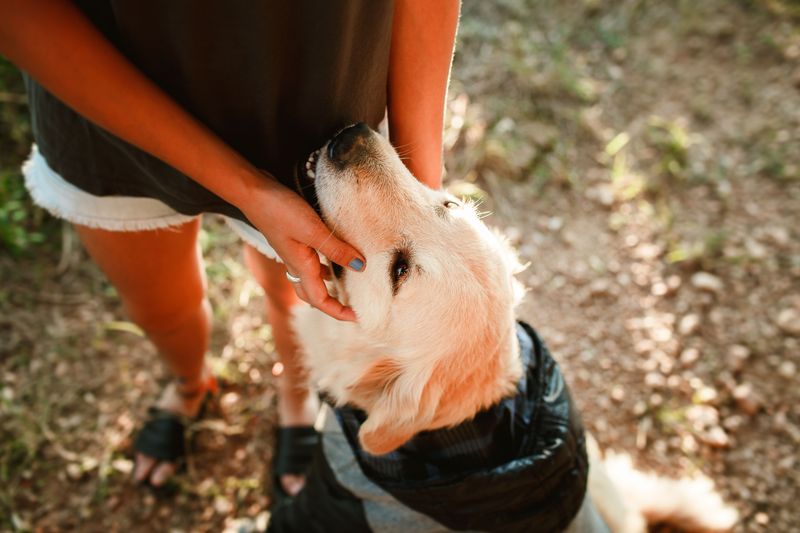
Arkansas ranks among the leading states for tick-borne illness, and the Ozarks are prime tick country from March through November.
Talk with your veterinarian about a preventive that fits your dog’s weight and lifestyle.
Then build a post-hike ritual: run your fingers through ears, armpits, groin, and toes. Keep fine-tipped tweezers in the truck.
Finding one early beats a vet visit later, paws down.
7. Know That Snakes Are Part of the Landscape
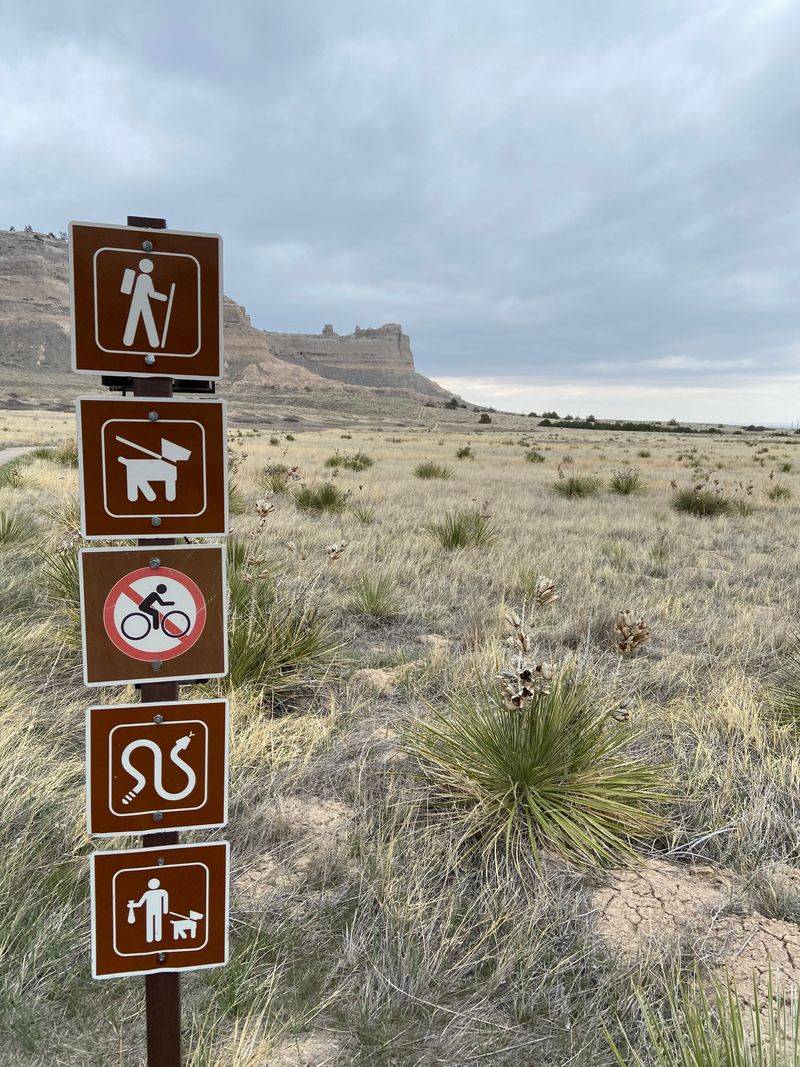
Copperheads blend into leaf litter like they were designed for it, because they were. Timber rattlesnakes and cottonmouths also call the Ozarks home.
Most encounters end quietly when dogs stay on trail and out of rock piles.
Warm evenings bring snakes onto sun-heated stone. Some Arkansas trainers offer snake avoidance classes, and knowing your nearest emergency vet is smart insurance.
8. Give Horses and Other Trail Users Space
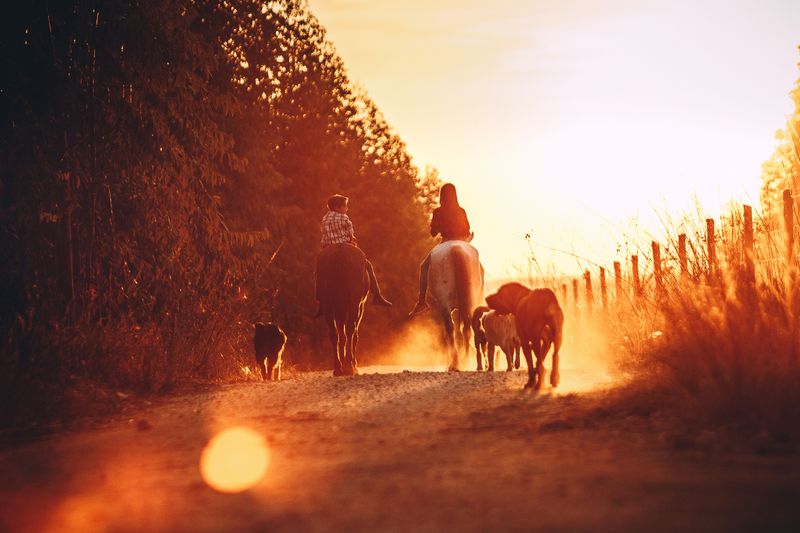
Horseback riders share many Ozark routes, especially around Devil’s Den and the Buffalo River backcountry. A barking dog can spook a thousand-pound animal in a blink.
Step off to the downhill side, shorten the leash, and speak calmly so riders know you are there.
Mountain bikers move quickly on Northwest Arkansas trails too. A short leash keeps everybody rolling happily.
9. Watch Your Dog Around Cliffs and Rock Ledges
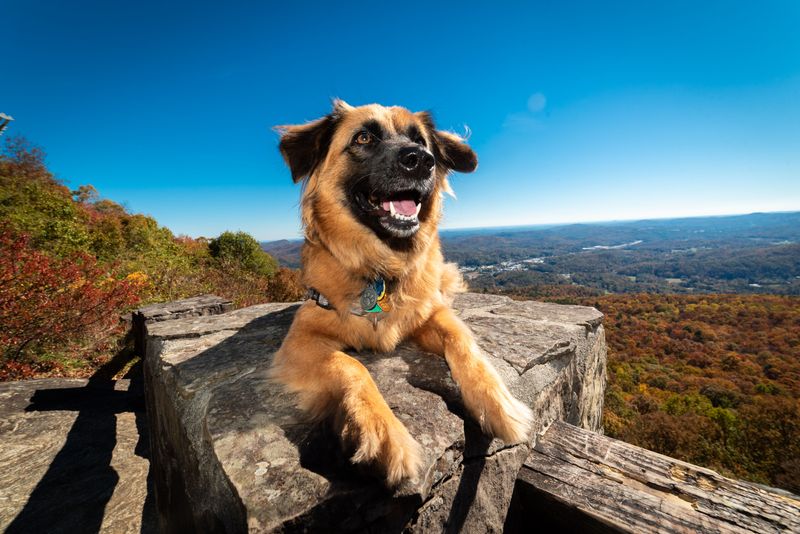
Hawksbill Crag, Whitaker Point, and the bluffs near Petit Jean deliver views worth the drive. They also end abruptly with no railings.
Wet sandstone and loose leaves get slippery, and dogs chase squirrels without checking the edge first.
Keep the leash short and wrapped around your wrist at overlooks. Take the photo from several feet back.
The view still looks incredible.
10. Choose the Right Trail Length
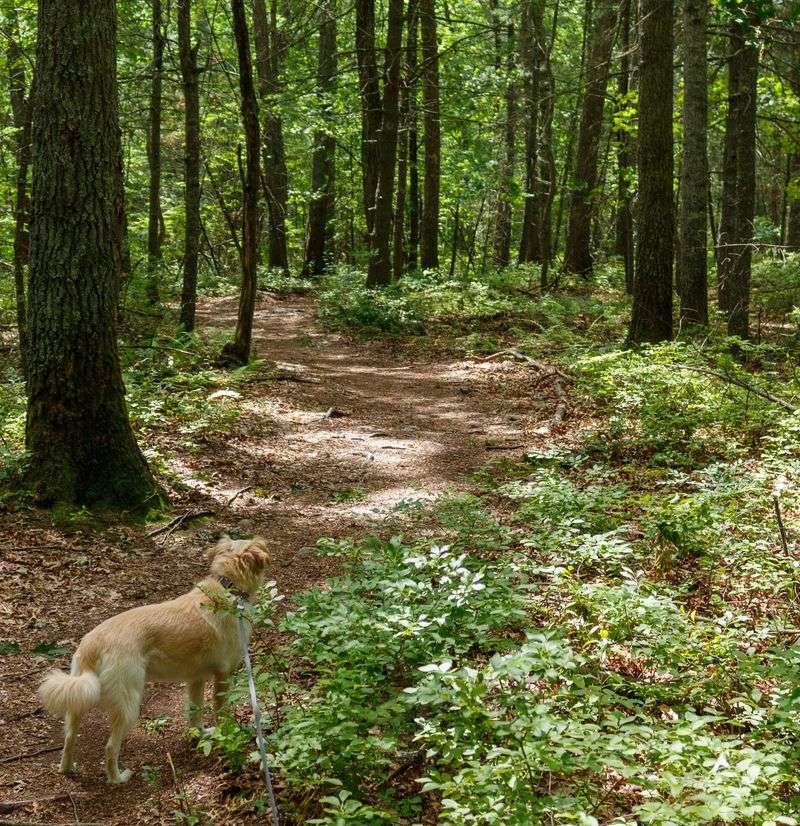
Ambition writes checks that little legs cannot cash. A fit young shepherd may love an eight mile loop, while a bulldog tops out around one.
Start with shorter Ozark options like the Yellow Rock Trail area or Lake Fayetteville paths, then build distance over weeks.
Remember that elevation gain matters more than mileage here. Two Ozark miles feel like four flat ones.
11. Protect Your Dog’s Paws From Sharp Rocks
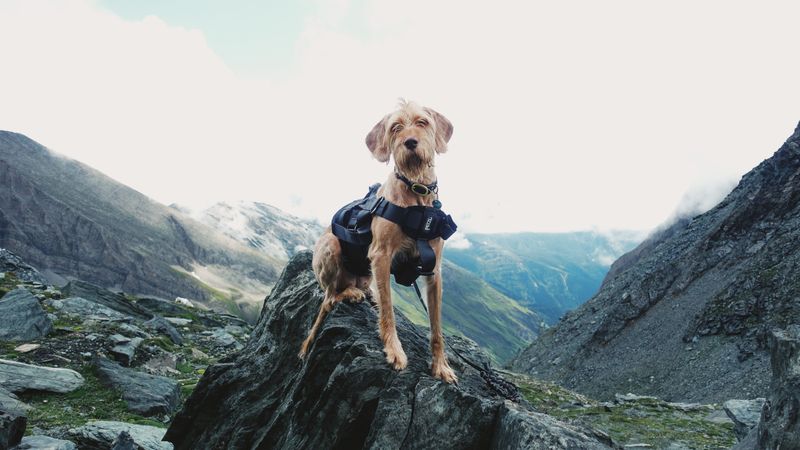
Ozark sandstone and chert have edges like broken tile. Pads that only meet sidewalks and carpet wear down fast on that grit.
Toughen them gradually with regular walks on gravel before a big outing.
Booties help, though most dogs need practice sessions indoors first. Pack self-adhesive wrap and a spare sock for surprise cuts.
Trim nails short so they do not catch in crevices.
12. Avoid Hiking During Extreme Heat
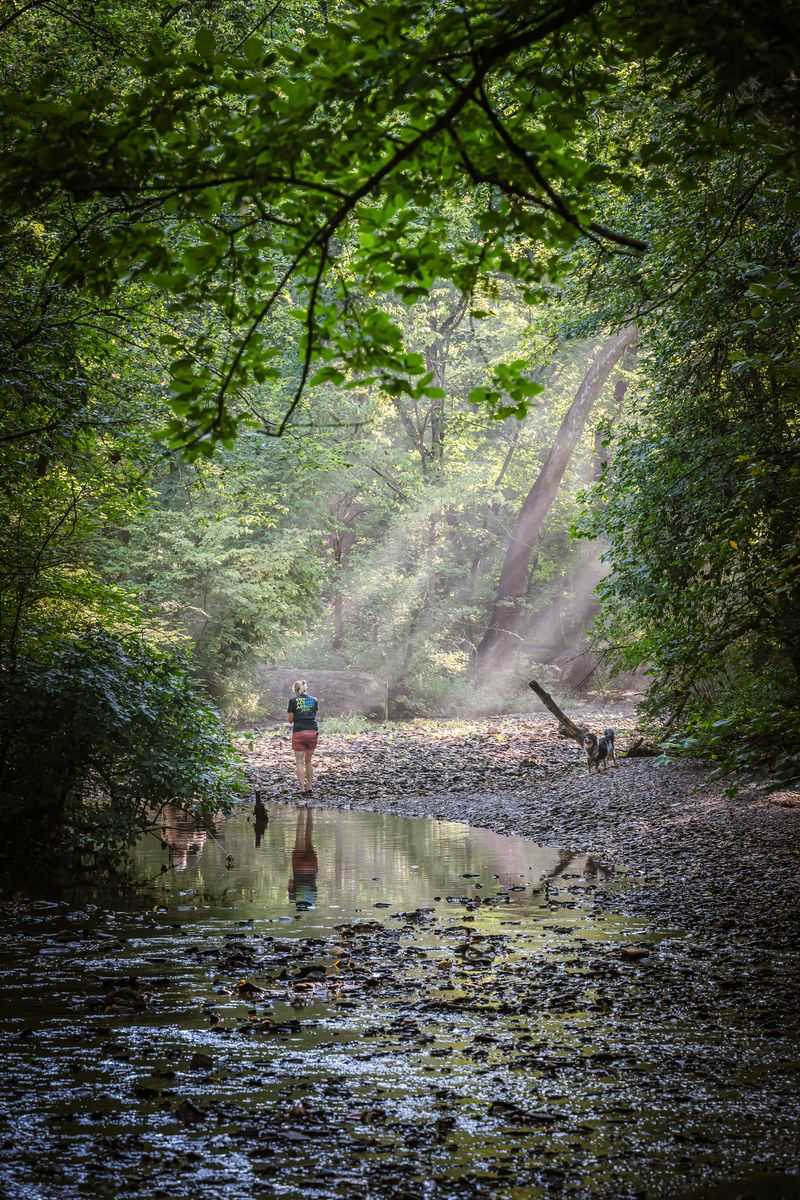
July in Arkansas can push heat index numbers past 105 degrees. Dogs overheat faster than people, and flat-faced breeds struggle most.
Press the back of your hand to the rock for seven seconds. Too hot for you means too hot for paws.
Sunrise starts are the answer. Shaded creekside routes beat exposed bluff tops once summer settles over the hills.
Heavy panting and stumbling mean stop immediately.
13. Be Ready for Sudden Weather Changes
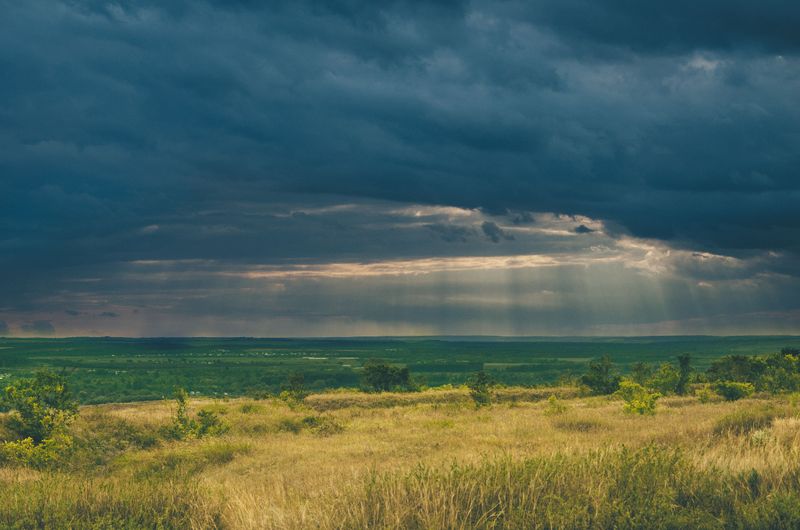
Arkansas skies love a plot twist. Spring mornings start at 60 degrees and end with thunderstorms rolling across the ridges by afternoon.
Download the forecast and a map before you lose signal, which happens quickly in the hollows.
Toss a lightweight towel and a dog coat in the pack. Wet fur plus a breezy bluff makes for a shivery hike home.
14. Do Not Let Your Dog Drink From Every Stream
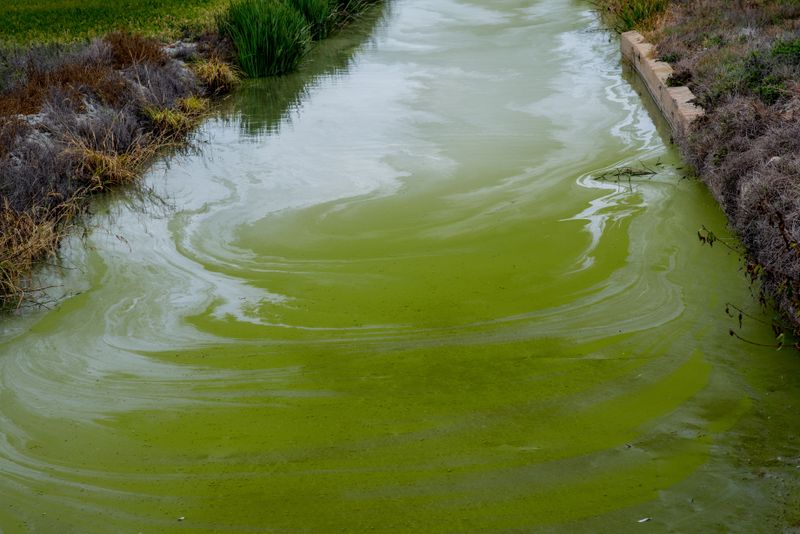
Standing water with a green or blue-green film deserves a wide berth. Harmful algae can bloom in warm, slow Arkansas water during late summer.
Giardia hitches a ride in seemingly clean runoff too, and the aftermath ruins the ride home.
Carry your own supply and offer it before your dog goes hunting for puddles. Fast-moving upstream water is the safer bet when needed.
15. Pack a Basic Dog Hiking Kit

A small pouch handles most trail hiccups. Include gauze, vet wrap, tweezers, saline, treats, waste bags, and a spare leash.
Add a copy of vaccination records and a photo of your dog on your phone.
Update the ID tag with a current number, since Ozark trailheads sit far from home. A soft muzzle sounds odd until an injured dog needs handling.
16. Leave No Trace With Your Dog
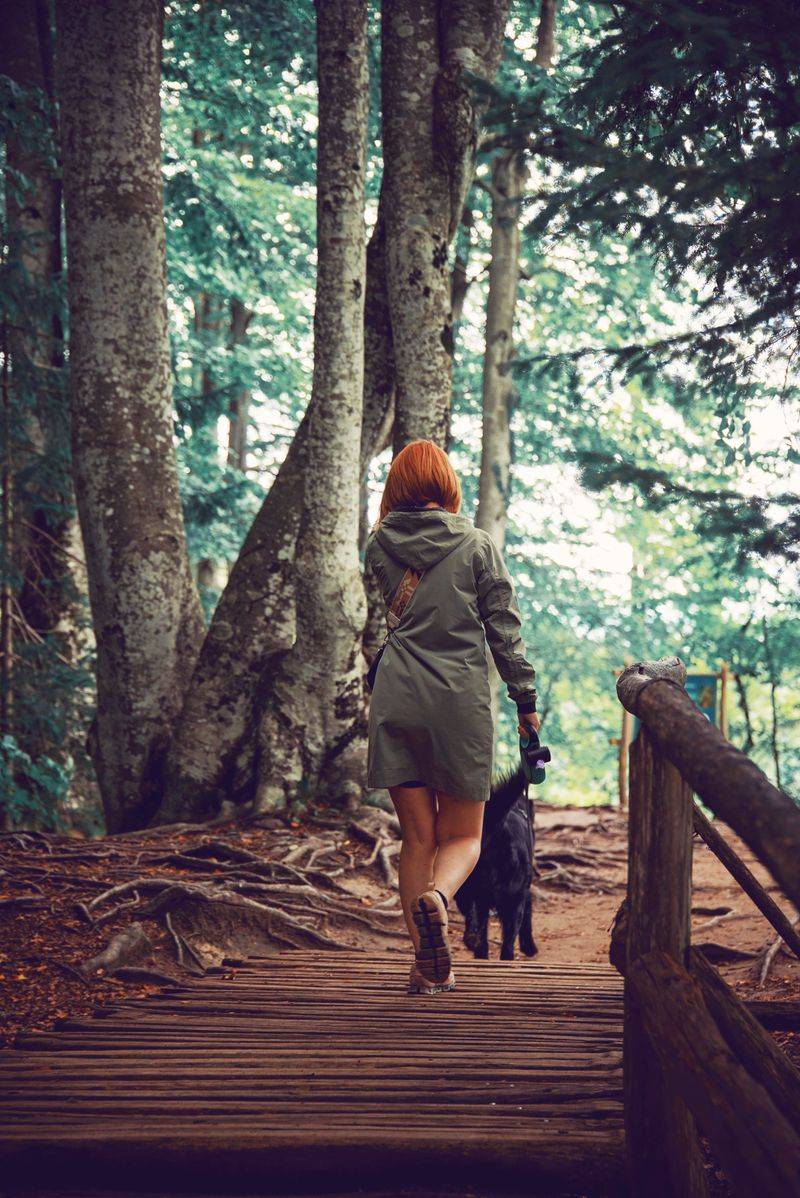
Nobody wants to find a surprise beside a waterfall. Pack out waste, even in remote spots, because Ozark rain washes everything into the creeks and karst below.
Bags left at trail junctions rarely get retrieved, so clip yours to the pack.
Keep paws on the path to protect fragile moss and wildflowers. Buffalo River country stays gorgeous when everybody pitches in.
17. Know When Your Dog Has Had Enough
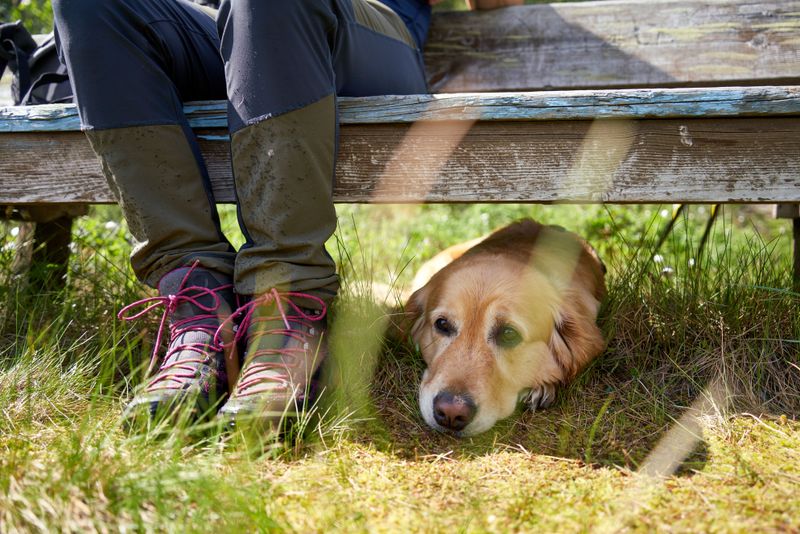
Dogs push through discomfort to keep up with their favorite person. Lagging behind, lying down, or seeking shade are polite requests for a break.
Watch for a wide tongue, glassy eyes, or a wobbly back end.
Turning around early is a win, not a failure. The bluff will still be there next weekend, and so will a happier hiking buddy.
Grab the leash. The Ozarks are calling.