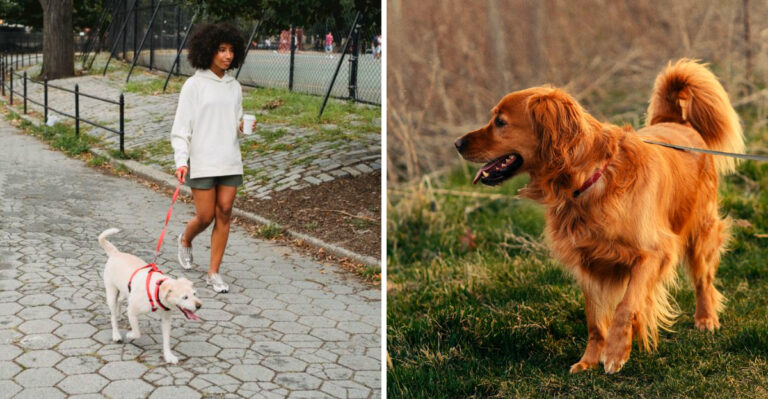
How To Plan A Dog-Friendly Road Trip Across New Mexico’s Long Desert Highways
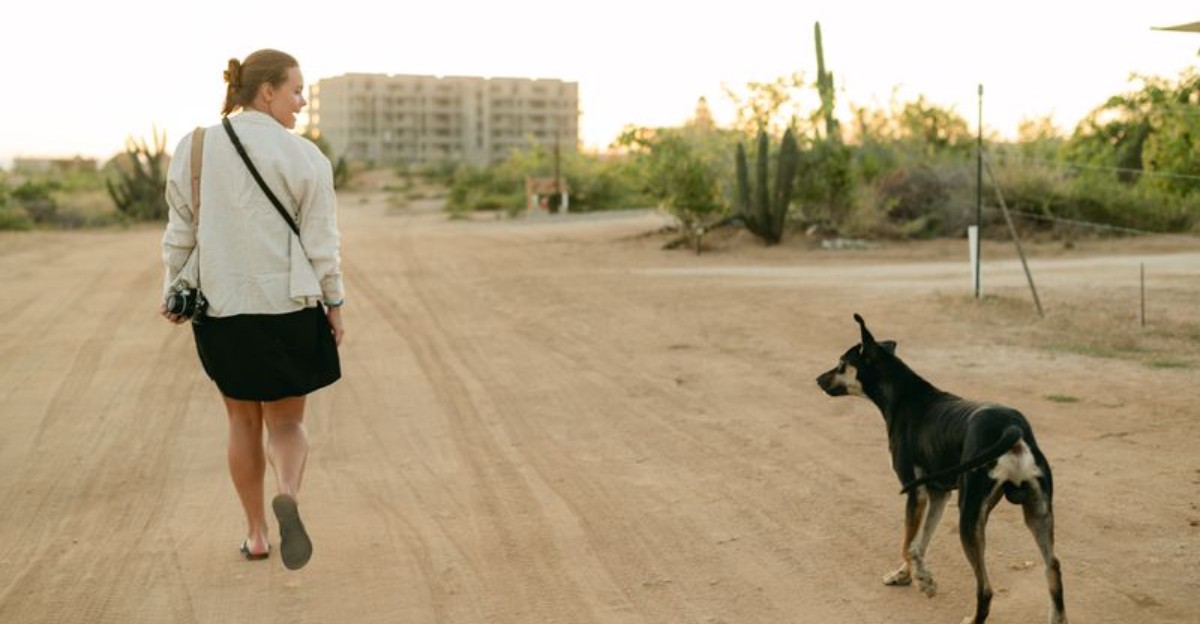
Between Alamogordo and Grants, some stretches of highway can have long gaps between fuel stops. That stretch of quiet is exactly what makes New Mexico magical, and exactly why traveling with a dog here takes a little strategy.
Gypsum dunes, lava fields, ancient rock carvings, and plaza patios all welcome leashed pups, but the highways in between ask for planning. Here is how to map a desert route that keeps tails happy and paws safe.
1. Plan Fuel Stops Before Leaving Town
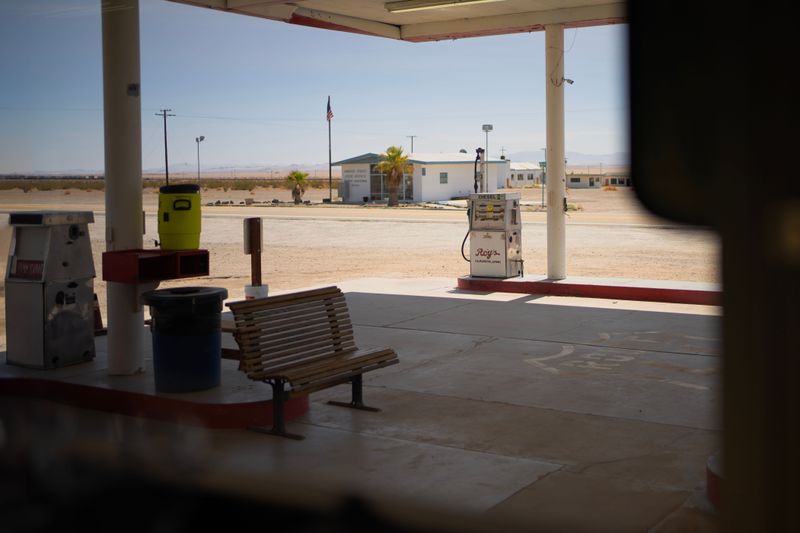
Gas stations thin out fast once you leave Albuquerque or Las Cruces behind. Some stretches of US 380 and US 60 run over a hundred miles between pumps.
Mark every station on your route before you pull out of the driveway, then refill at half a tank rather than a quarter.
Running the air conditioning burns extra fuel, and your dog needs that cool air more than you need a bargain price.
2. Carry Plenty of Water For Your Dog
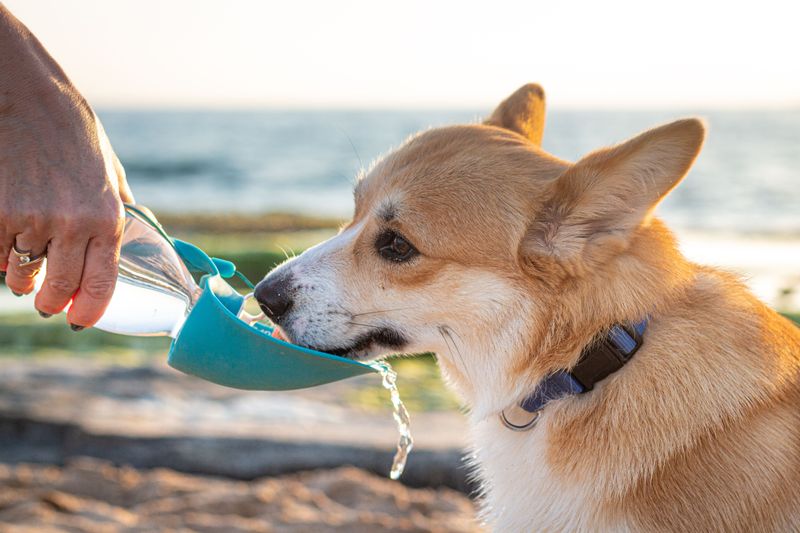
Desert air pulls moisture out of a dog faster than you would guess. Panting is their main cooling system, and dry heat makes it work overtime.
Pack at least one gallon per dog per day, kept in a cooler so it stays genuinely cool.
Offer small drinks every hour, even when your pup seems fine. A collapsible bowl in the door pocket makes those quick stops effortless.
3. Choose Dog-Friendly Stops Along The Route
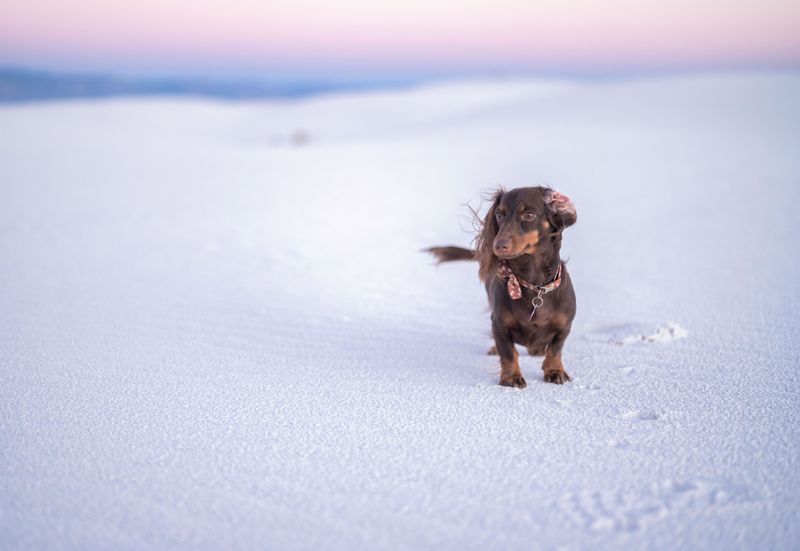
White Sands National Park near Alamogordo is particularly dog friendly. Leashed dogs are welcome throughout the outdoor areas of the park, although they are not permitted inside the visitor center or gift shop.
Petroglyph National Monument in Albuquerque allows leashed dogs at Rinconada Canyon and Piedras Marcadas Canyon, while pets are not allowed on the petroglyph viewing trails at Boca Negra Canyon.
Pecos National Historical Park allows leashed pets on its trails except the South Pasture Loop Trail.
The park previously offered BARK Ranger tags, but the current availability of those tags cannot be verified from the current park information.
4. Give Your Dog Regular Walking Breaks
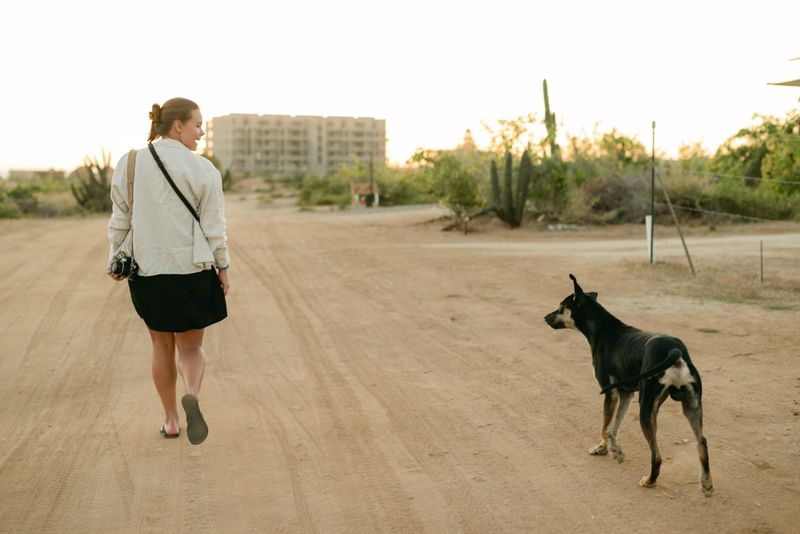
Two hours is about the limit before most dogs get restless and stiff. Stretching legs also helps prevent car sickness on twisty mountain sections.
Aim for a ten minute sniff walk at every stop, letting your pup choose the direction.
The picnic area at La Ventana Natural Arch near Grants provides a shaded place to take a break, while White Sands offers designated areas for walking with pets. Sniffing can provide useful mental stimulation, so let the nose lead when conditions are comfortable.
5. Protect Paws From Hot Desert Surfaces
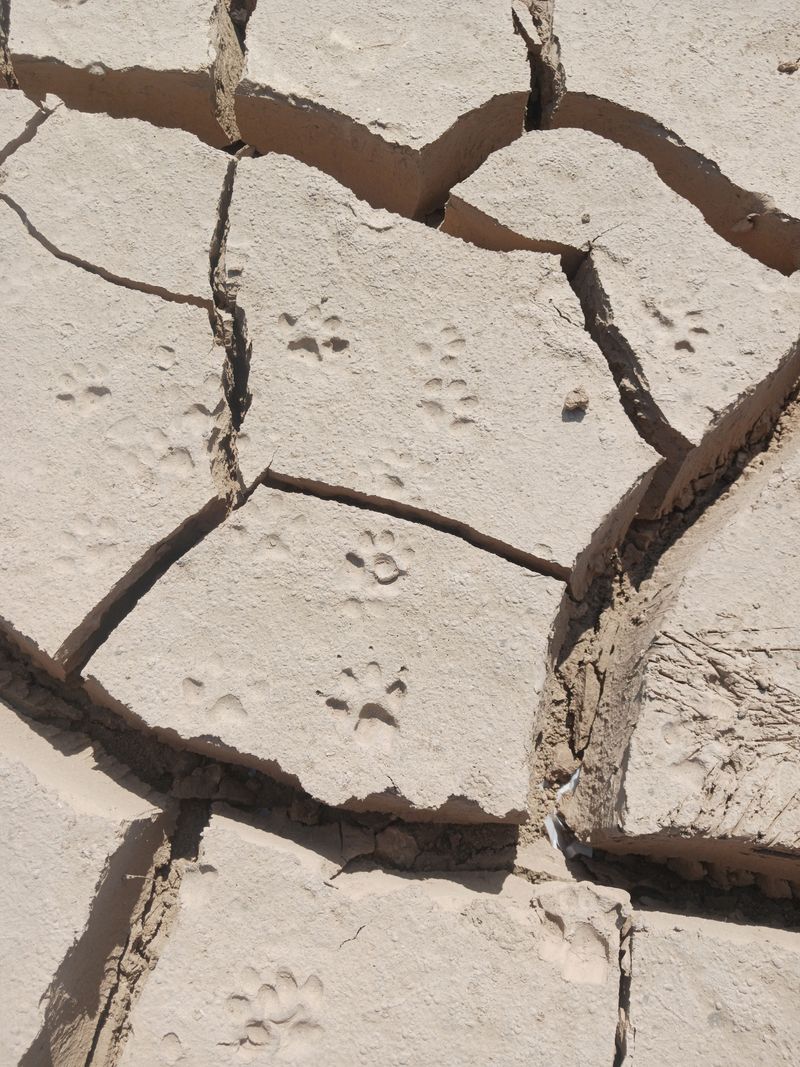
Try the five second test before every walk. Press your palm to the pavement, and if you cannot hold it for five seconds, neither can your dog.
Asphalt regularly climbs past 100 degrees on summer afternoons in southern New Mexico.
Booties help on rough ground too. The jagged lava at El Malpais National Monument near Grants is rough on pads, and goat head burrs at Oliver Lee Memorial State Park love hitchhiking.
6. Pack Extra Food And Familiar Supplies
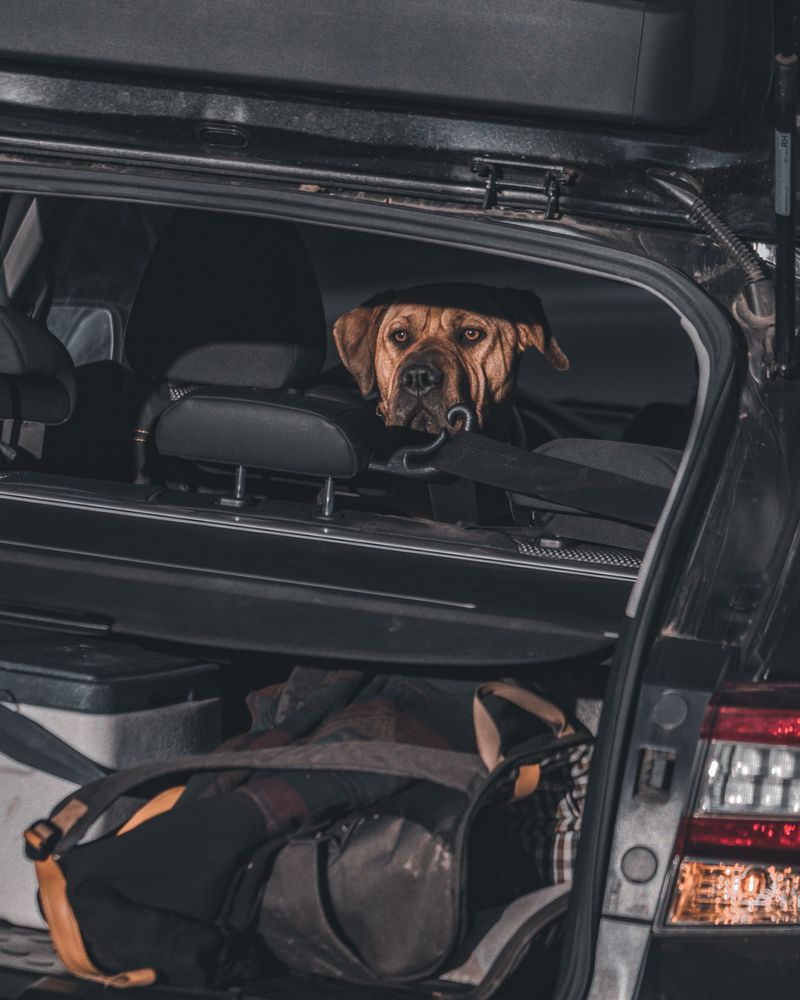
Switching kibble mid-trip is a recipe for an unhappy backseat. Bring three extra days of your dog’s usual food, sealed against dust and heat.
Small towns like Faywood and Sunspot have limited shopping, so restocking is not guaranteed.
Toss in the blanket from home too. That familiar smell settles nerves in an unfamiliar motel room, and it doubles as a car seat cover when the sand comes along for the ride.
7. Keep Your Dog Secure Inside The Vehicle
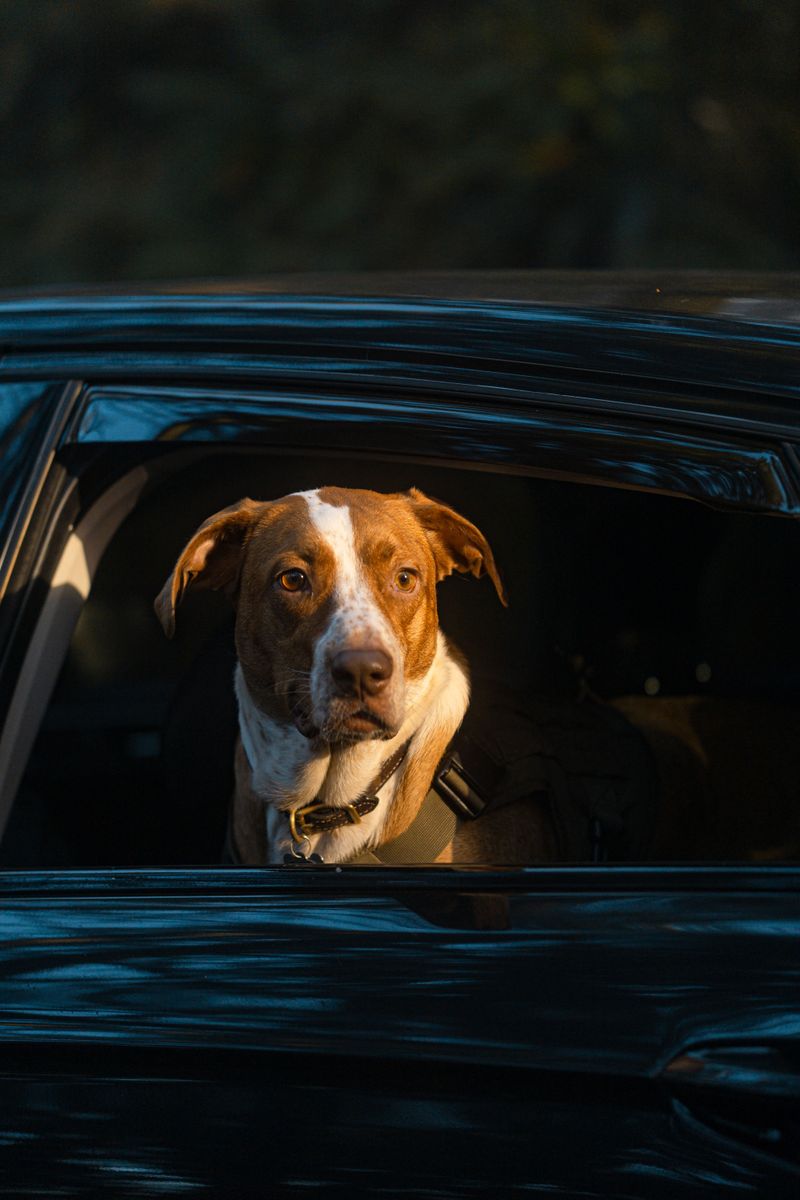
New Mexico does not require restraints, but an unsecured dog can distract a driver at highway speed. Loose pups also become projectiles during sudden stops.
A crash-tested harness clipped to the seat belt or a well-anchored crate solves both problems.
Back seat only, please. Front airbags are built for adults, not for a curious hound with her nose glued to the windshield watching antelope.
8. Check The Weather Before Crossing Remote Areas
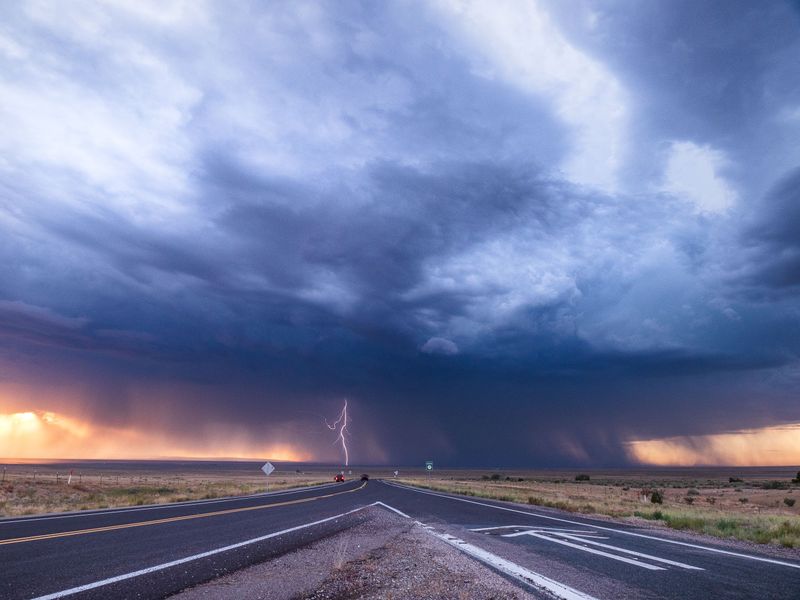
Summer monsoon storms roll in quickly and can flood arroyos across the road in minutes. Winds shift fast at spots like Navajo Lake State Park.
Check the forecast the night before and again over breakfast.
Elevation changes everything here too. Alamogordo can bake at 95 degrees while Red River sits pleasantly cool.
Pack a jacket for you and a warm layer for short-coated dogs.
9. Plan Around Your Dog’s Heat Tolerance
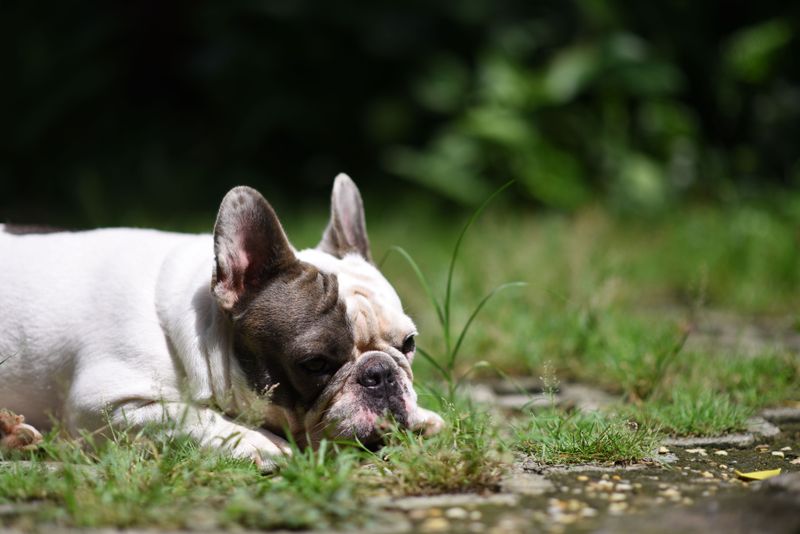
Flat-faced breeds like pugs, bulldogs, and boxers struggle badly in heat. Their short airways make panting far less effective.
Between 80 and 90 degrees, keep walks short and stick to shade, cool water, and a clip-on fan.
Sunrise and sunset outings beat midday every time. Never leave any dog alone in a parked car here, not even briefly.
Interiors heat up dangerously within minutes under desert sun.
10. Know Where Your Next Restroom And Walking Stop Is
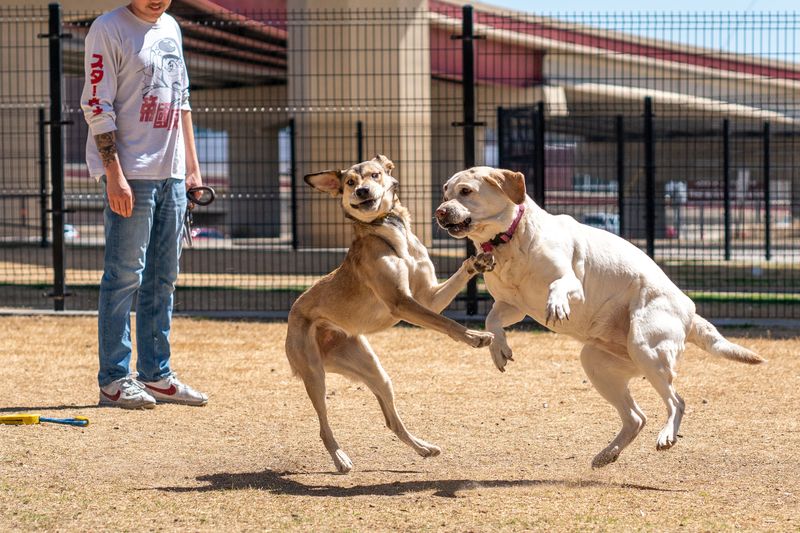
Nothing tests a road trip like a dog who needs out where there is no shoulder. Mark rest areas and town parks ahead of time.
Frank S. Ortiz Dog Park in Santa Fe spreads across 138 acres with off-leash trails, a genuine leg-stretcher.
Railyard Park nearby also welcomes leashed dogs. Spacing stops roughly every ninety minutes can help keep everyone comfortable and the upholstery blissfully dry.
11. Watch For Desert Wildlife At Roadside Stops
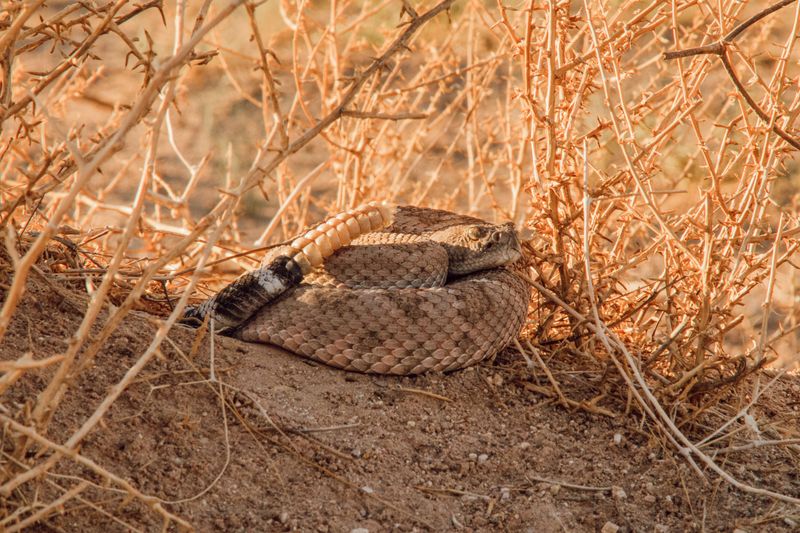
Rattlesnakes sun themselves on warm rocks and trail edges, especially in spring and early summer. Cholla and prickly pear spines also find curious noses.
Keep the leash short at every pullout and scan before your dog bounds ahead.
In remote country, coyotes, bobcats, hawks, and owls all take interest in small pets. Leashing protects native wildlife too, which keeps land managers happy to keep welcoming dogs.
12. Be Careful Around Remote Roads And Shoulders
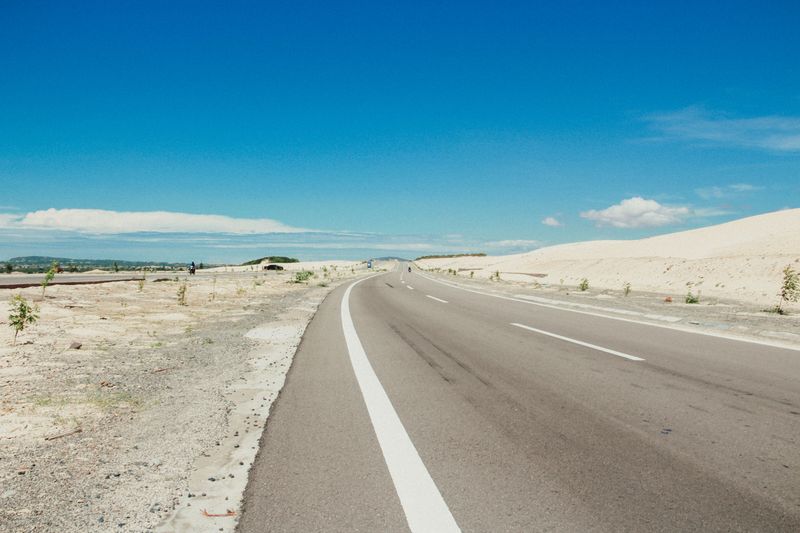
Soft sand shoulders swallow tires more often than travelers expect. Pull off only where the ground looks firm and the sight lines are long.
Clip the leash on before the door opens, every single time.
Trucks move fast on empty two-lane highways, and a dog crossing the centerline is a heart-stopper. Walk on the side away from traffic and keep visits brief.
Then get rolling again.
13. Build Extra Time Into Long Highway Days
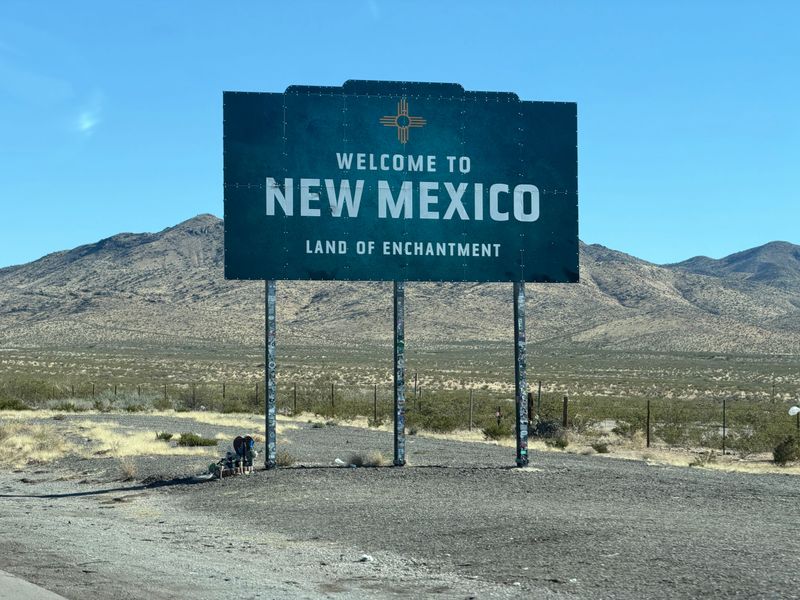
Distances here fool people. Gallup to Carlsbad looks reasonable on a map and eats an entire day in reality.
Cap driving at roughly five hours when a dog rides along, then pad the schedule by an hour.
Rushing leads to skipped water breaks and grumpy passengers. Slack in the plan means you can stop for La Ventana Natural Arch or a spontaneous stroll through Historic Mesilla’s plaza.
14. Pick Overnight Towns With Dog-Friendly Lodging
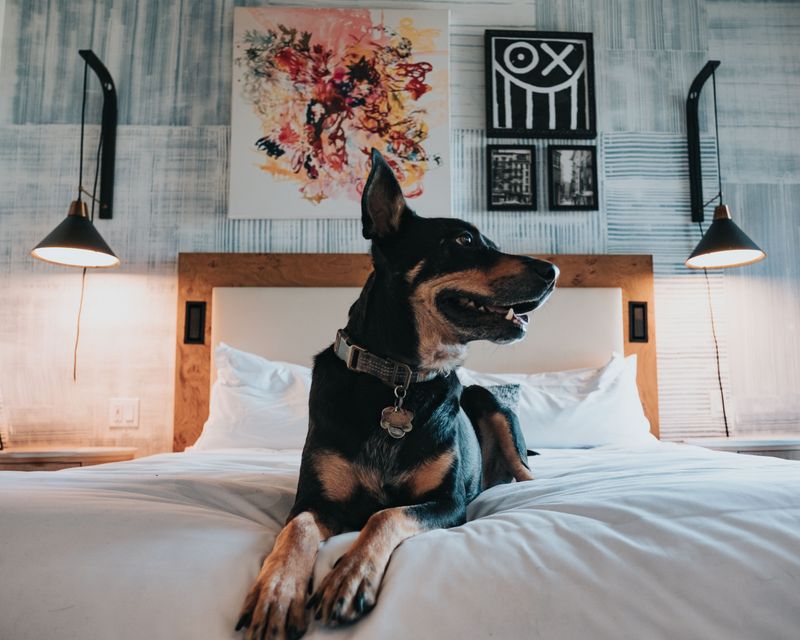
Book ahead, because pet rooms sell out first in small desert towns. Alamogordo offers the Classic Desert Aire Hotel and Home2 Suites by Hilton for White Sands visitors.
Santa Fe delivers charm at La Posada de Santa Fe and Santa Fe Motel and Inn.
Albuquerque travelers often choose Nativo Lodge or Hotel Chaco. Ask about weight limits, fees, and rules on leaving dogs alone in rooms.
15. Keep A Simple Dog Travel Kit Within Reach
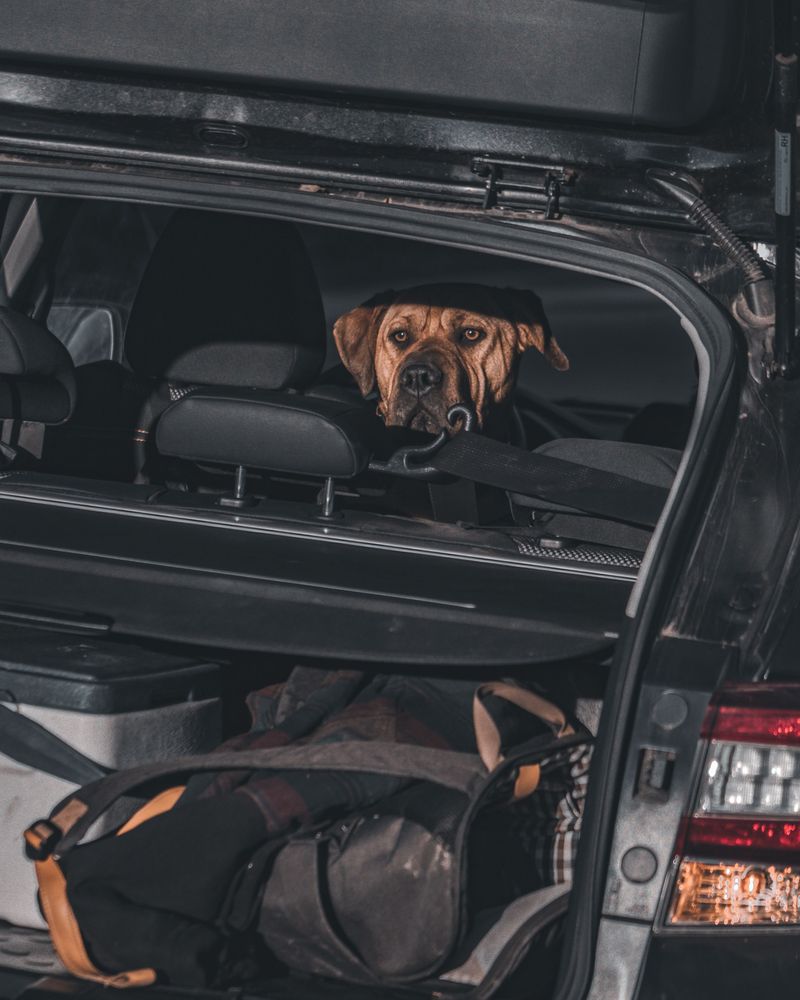
Store the essentials in the cabin, not buried under luggage in the trunk. You want them in seconds, not minutes.
Include a towel, waste bags, tweezers for cactus spines, gauze, saline rinse for dusty eyes, and a spare leash.
Add a chew toy for motel evenings. One traveler swears a frozen water bottle wrapped in a towel is the best desert cooling trick going.
16. Check Your Dog’s ID And Microchip Details
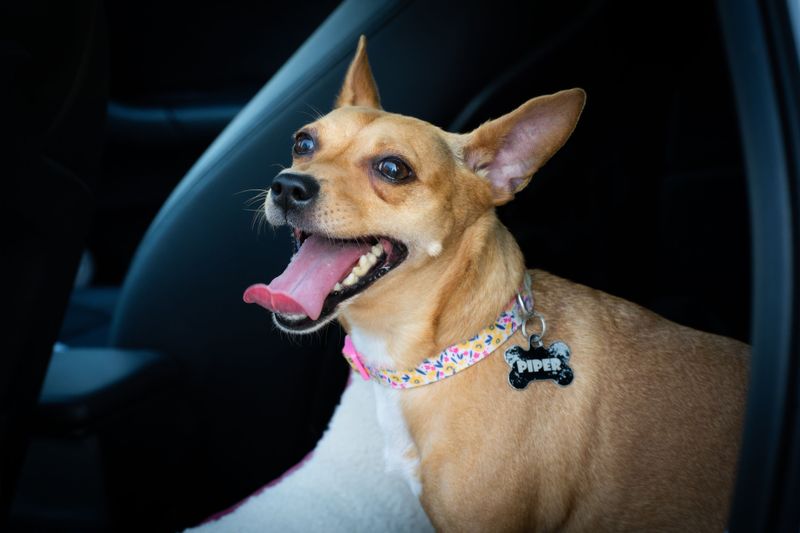
Phone numbers change, and microchip registrations quietly go stale. Verify both before the tires hit the highway.
Tags should carry your mobile number, not a landline sitting at home three states away.
Adding the name of your first overnight town helps a finder act fast. Snap a current photo of your pup on your phone too.
Descriptions get fuzzy under stress, but pictures never do.
17. Download Maps Before Entering Remote Areas
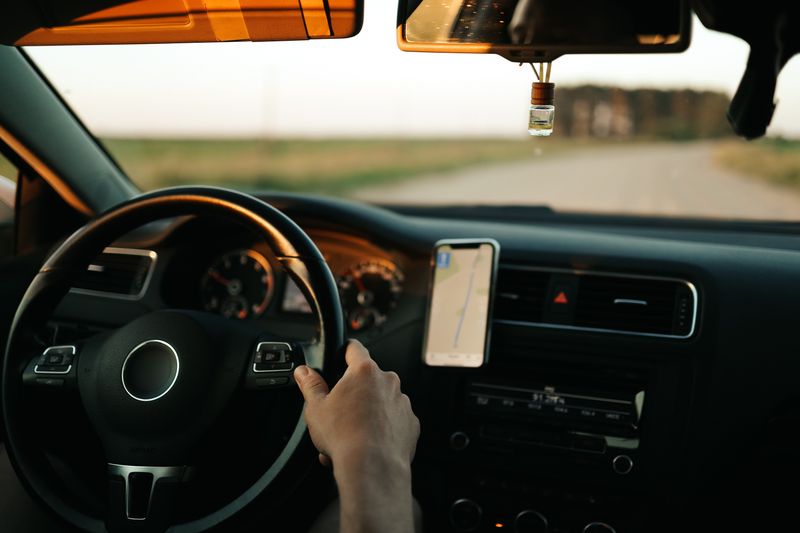
Cell bars vanish across huge chunks of New Mexico, including stretches near Gila National Forest and El Malpais.
Download offline maps for your whole route while you still have strong service in town.
Save the addresses of emergency vet clinics in Albuquerque, Santa Fe, and Las Cruces as well. A paper atlas in the glovebox never needs charging, and it makes a fine backup fan.