Rowhouse Living Can Create Dog Costs Pennsylvania Suburban Owners Never Think About
Rowhouses can be cozy, charming homes, and plenty of Pennsylvania dog owners love them. Still, close neighbors, smaller outdoor areas, and tight layouts can change what daily dog care really costs.
A few extra expenses show up slowly, not all at once, which is why they are easy to miss. Knowing them early helps you plan better, protect your dog, and keep home life calmer for everyone.
1. Shared Walls Can Make Barking A Bigger Issue
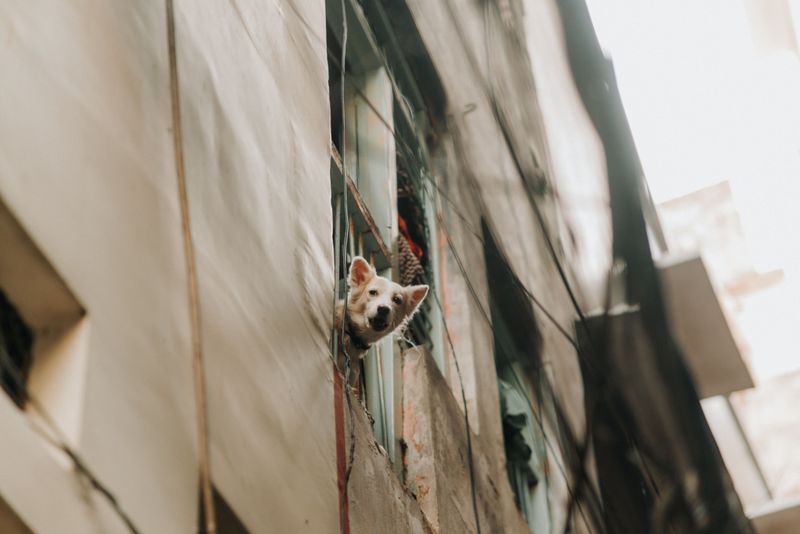
One sharp bark may feel small inside your home, but shared walls can carry sound farther than expected. Neighbors often notice patterns quickly, especially during work hours or late evenings.
Pennsylvania does not have one statewide standard that governs all residential barking complaints; local municipalities may regulate excessive or nuisance noise through their own ordinances. Depending on the municipality and circumstances, repeated complaints can lead to enforcement action or fines.
White noise machines, window covers, enrichment toys, and a certified trainer can help reduce nuisance barking before tensions grow.
2. Small Yards Can Mean More Walks
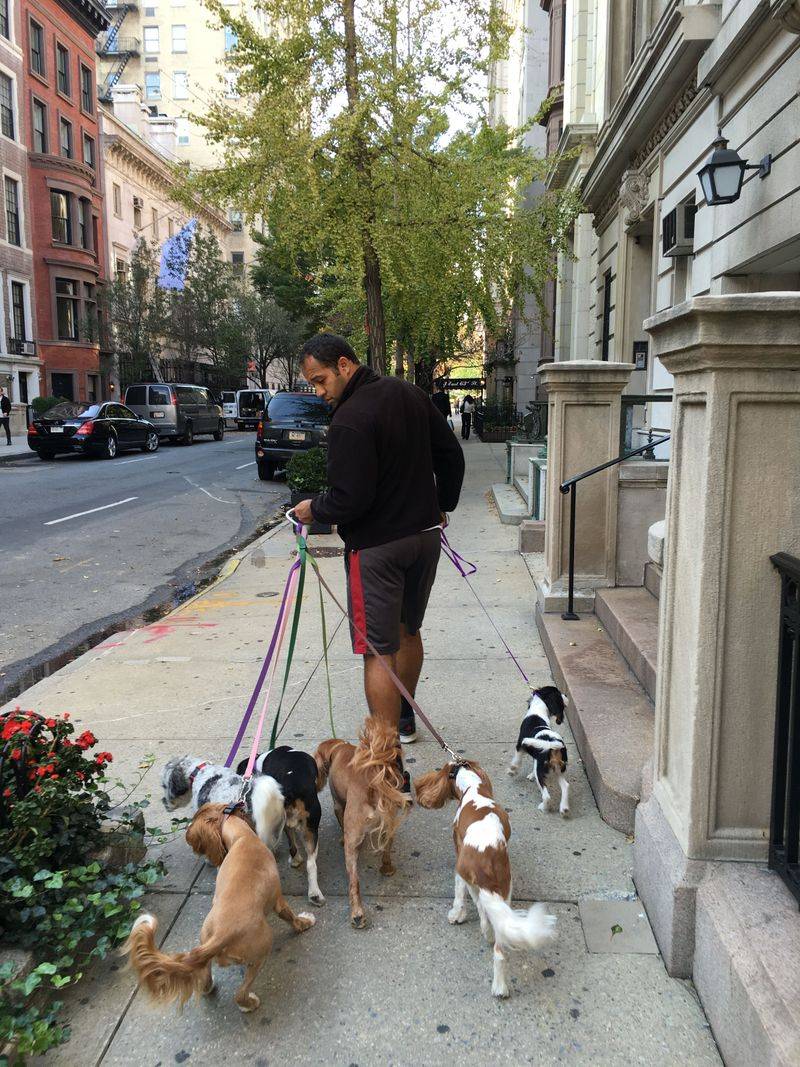
A tiny yard may work for quick bathroom trips, but it rarely covers a dog’s daily exercise needs. Many rowhouse owners end up walking more often than they first expected.
That means extra time, better rain gear, and sometimes paid help on busy days. Dog walker prices vary by Pennsylvania location and service length.
Building a weekly walking plan early can save money, prevent boredom, and reduce indoor chewing, pacing, and restless barking that follows too little activity.
3. Stairs Can Affect Older Dogs
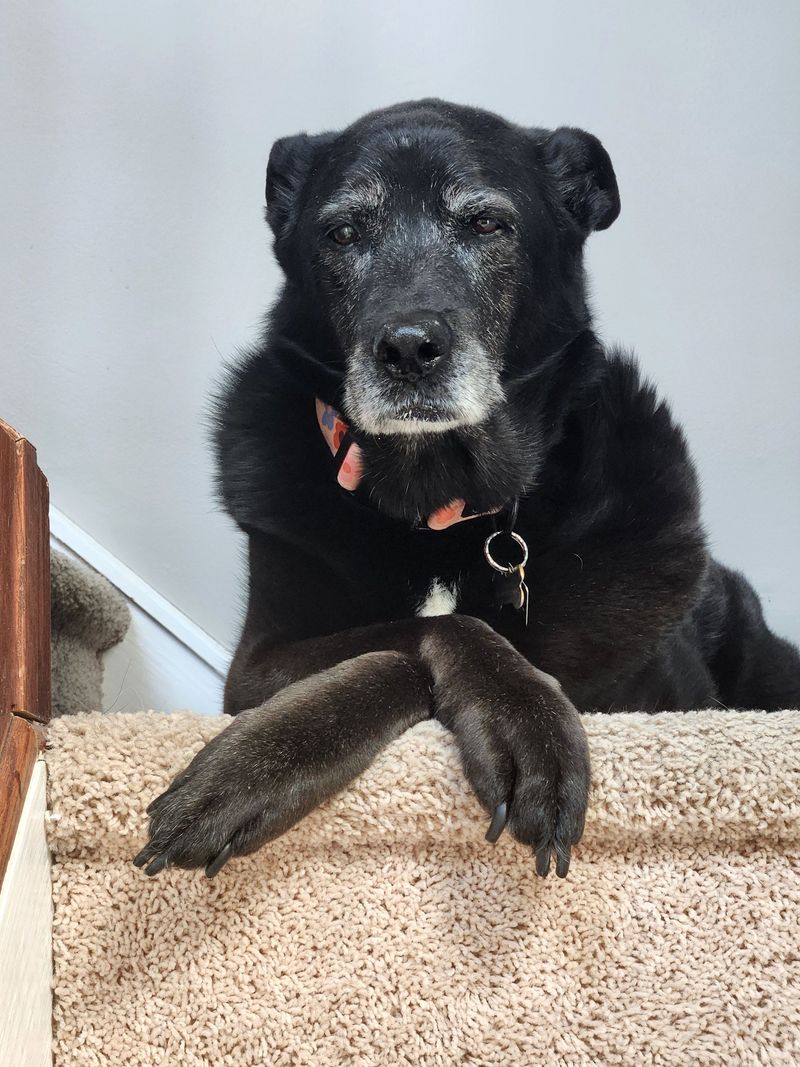
Many rowhouses stretch upward, and stairs become part of a dog’s routine from day one. For senior dogs, those daily trips can slowly turn into joint strain and slipping worries.
Going down is often harder than climbing up. Owners may need runners, traction treads, gates, or a lifting harness.
Those purchases seem minor alone, yet they add up fast. If your dog shows stiffness or hesitation, ask a veterinarian what movement changes could make home life safer.
4. Slippery Floors Can Lead To Extra Expenses

Hard floors look great, yet dogs often struggle to grip them, especially when turning corners fast. Puppies, large breeds, and older pets can slide more than owners realize.
That sliding may cause sore muscles, nail issues, or occasional injuries needing veterinary care. Many families end up buying rugs, runners, paw grips, or booties.
Choosing textured flooring during updates can also help. A few traction changes now may cost less than repeated cleanups, scratched floors, and visits for avoidable slips later.
5. Mud Can Become A Constant Cleanup Cost
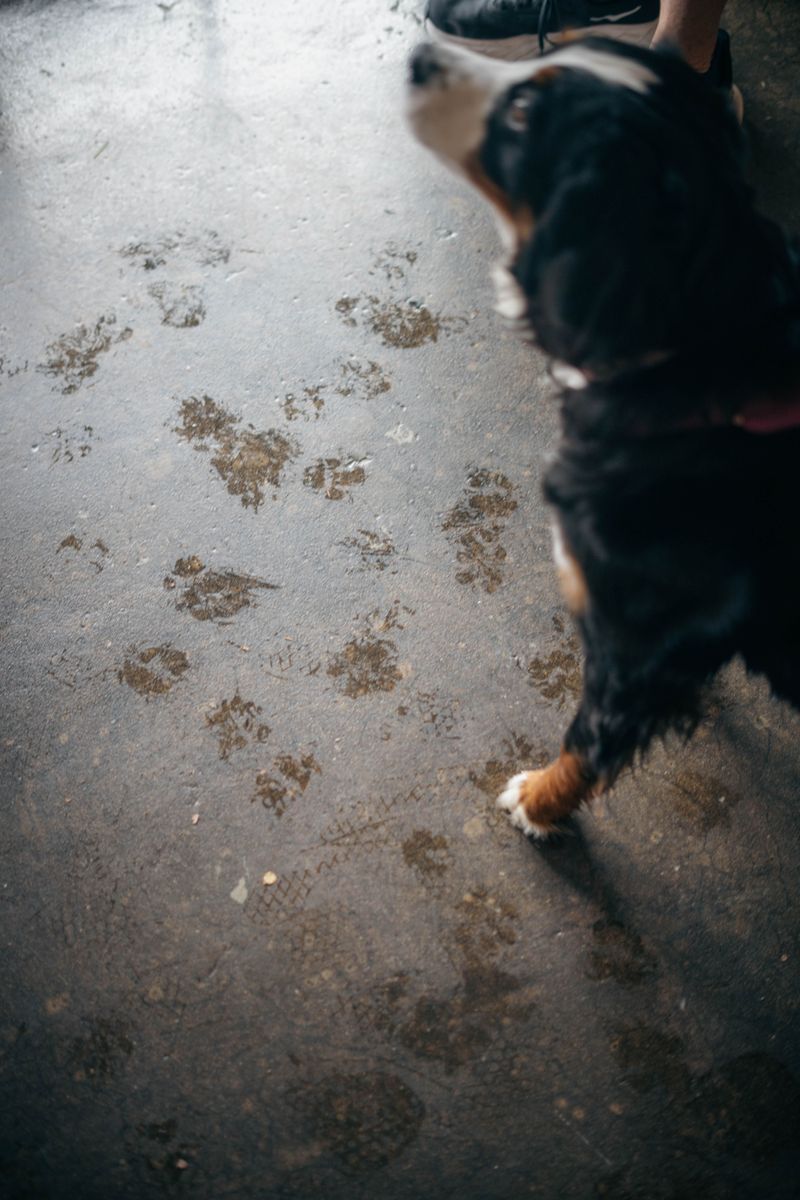
Rainy weeks can turn a simple potty trip into a full cleanup routine. Rowhouse entries are often tight, so mud reaches floors, stairs, and furniture before you can react.
Owners usually spend more on mats, pet-safe wipes, towels, and frequent floor cleaning supplies. Paw washing cups and grooming appointments may join the budget too.
Trimming fur around paw pads helps trap less dirt. Setting up one smart cleaning station by the door saves time and protects your home from daily mess.
6. Winter Salt Can Require More Paw Care

Cold weather walks can bring a hidden problem right to your dog’s feet. De-icing products used on Pennsylvania sidewalks and roads can irritate paw pads and may leave residue that dogs lick from their feet.
Many owners add balm, booties, paw washes, and extra towels to winter supplies. Traditional de-icers can bother skin, and some products are safer than others.
Local stores often carry pet-safer melt, but labels still matter. Wiping paws after every walk lowers discomfort, protects floors, and may prevent a small irritation from becoming a bigger vet bill.
7. Summer Pavement Changes Walks
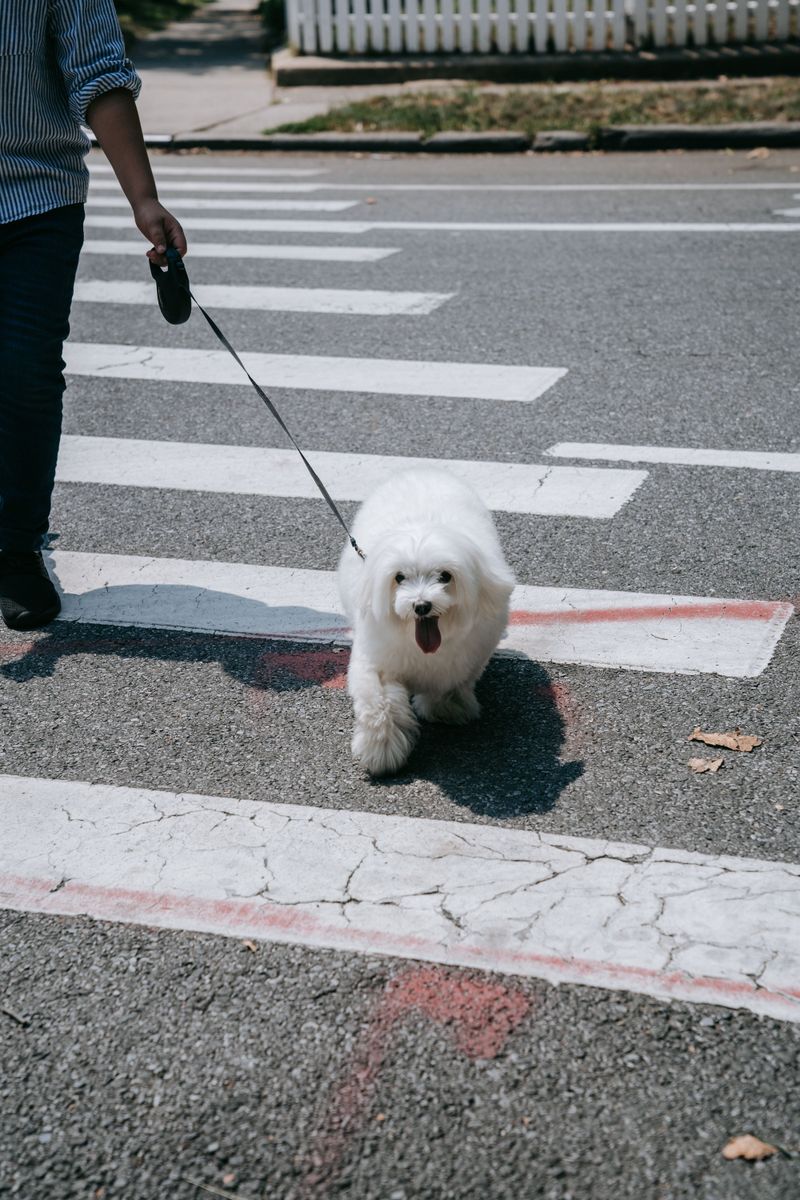
Summer can flip your routine without much warning. Pavement can become much hotter than surrounding air and may provide less relief than shaded or grassy areas.
That pushes walks to early mornings or later evenings, which may affect work schedules and pet care plans. Some owners buy booties or paw wax for extra protection.
Asphalt can get much hotter than the air, so testing surfaces matters. Picking greener routes and carrying water helps keep outings comfortable when Pennsylvania heat starts building.
8. Fences May Not Be As Simple As They Look
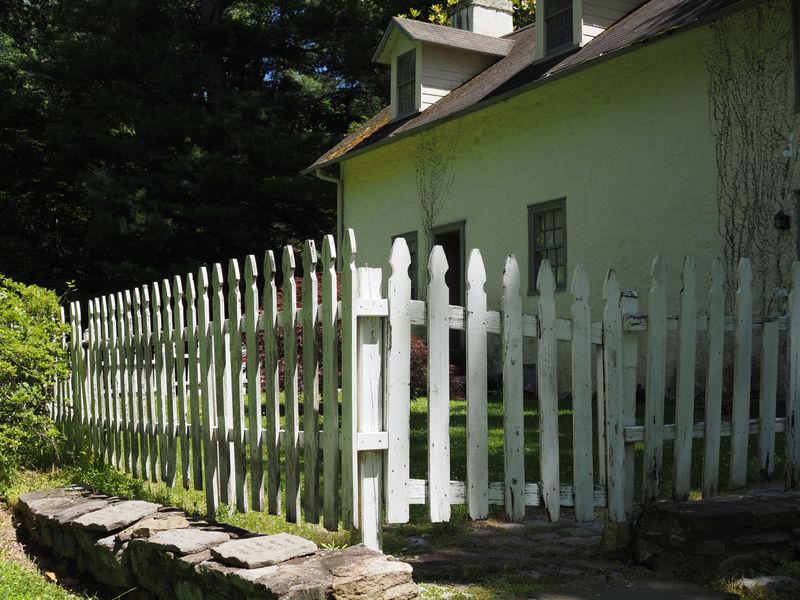
A fence sounds like an easy fix until the paperwork starts. Rowhouse lots can be small and property lines can be close together, while local rules may affect what you are allowed to build.
In Pennsylvania, fence requirements usually come from the municipality, and homeowners associations may add more limits. Height, setback, materials, and permits can all affect cost.
You may also need a survey before building. Checking codes first helps avoid paying twice, especially if a design change, dispute, or removal becomes necessary later.
9. Shared Outdoor Spaces Can Create New Challenges
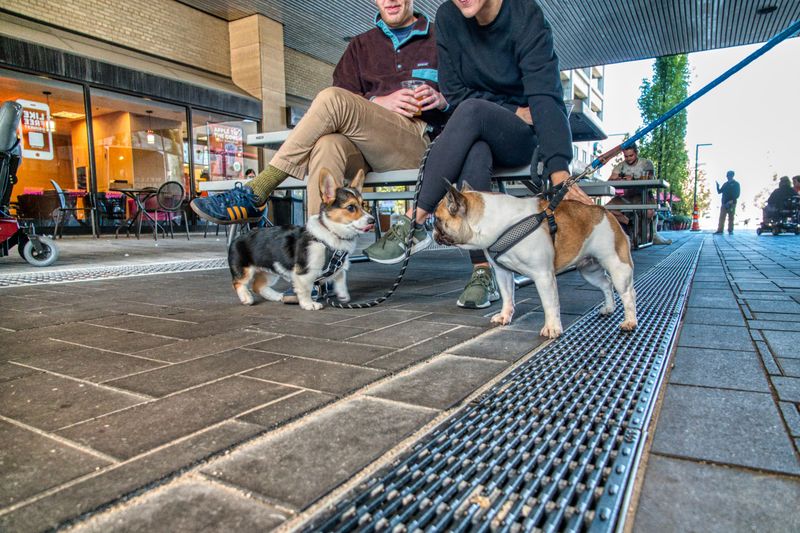
Close living means your dog’s outdoor world may overlap with neighbors more often than expected. Shared alleys, common yards, and nearby sidewalks can raise daily stress for pets.
Leash rules vary by city or township, so confirm local requirements before assuming a routine is fine. Short leashes, waste bags, and stronger recall training often become must-haves.
Some owners also schedule walks at quieter times. Thoughtful habits lower the chance of complaints, tense greetings, and surprise costs from damaged gear or rushed appointments.
10. Landscaping Can Become A Dog Expense
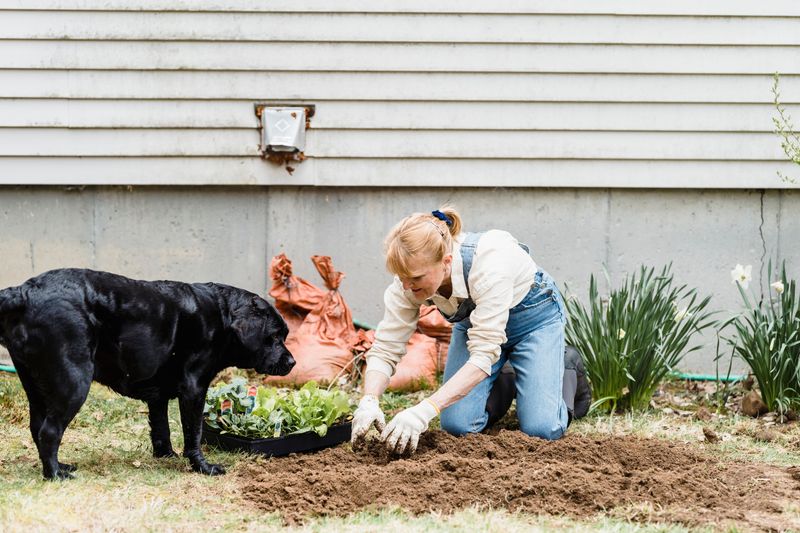
A small yard can still cost plenty when a dog uses it every day. Grass wears down fast, flower beds get trampled, and some popular plants are unsafe for pets.
Owners often switch to tougher ground cover, add barriers, or choose more pet-friendly plants. Hardscaping sometimes makes cleanup easier too.
Before planting, check whether a species may irritate or harm dogs if chewed. Replacing damaged greenery again and again gets expensive, so planning a durable yard layout usually pays off over time.
11. Dog-Proofing Narrow Spaces Takes Planning
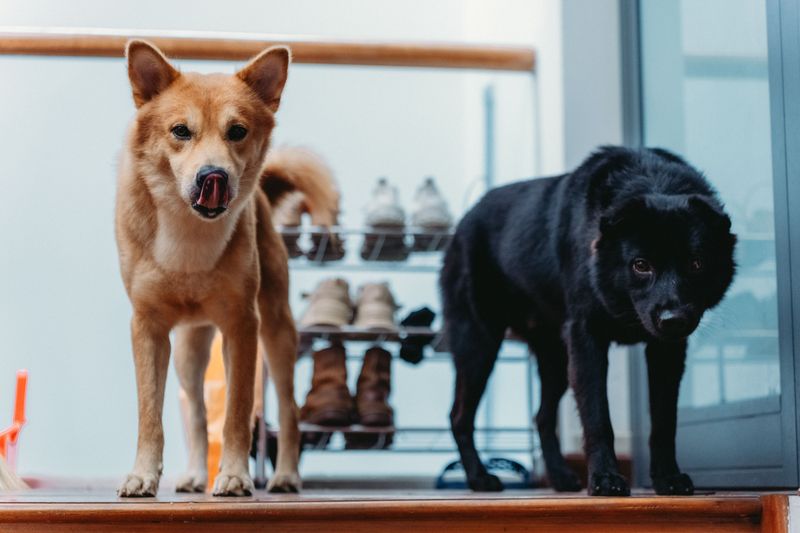
Small homes can hide hazards in plain sight because everything sits closer together. In a narrow rowhouse, cords, shoes, bags, and cleaners may stay within easy dog reach.
That often means spending more on gates, latches, cord covers, storage bins, and safer trash cans. Puppies are especially good at finding risky corners.
Good dog-proofing is less about fancy gadgets and more about smart layout choices. A careful setup can reduce damaged belongings and help prevent urgent calls to your veterinarian.
12. Crate Placement May Be Trickier
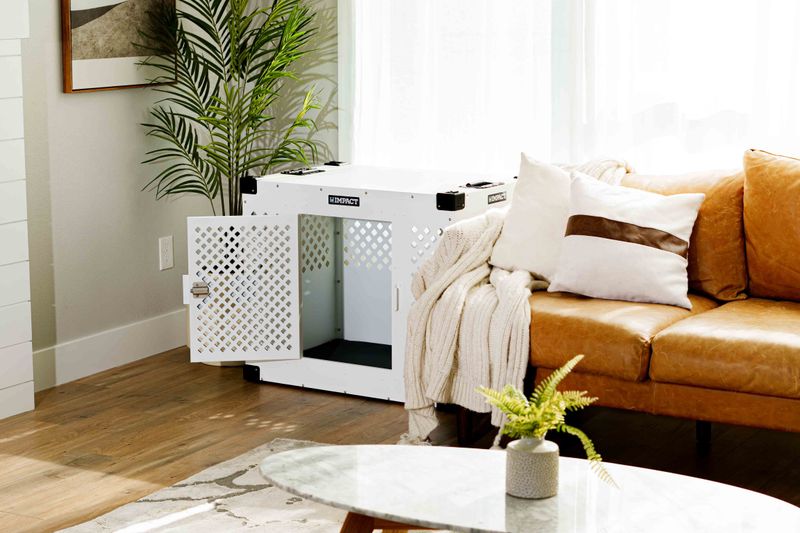
Finding crate space in a rowhouse can feel like solving a puzzle. You want quiet, airflow, and comfort, but narrow rooms do not always leave many good options.
Some owners buy slimmer furniture, foldable crates, or custom covers to make the setup work. Placement matters because noise, drafts, and heavy foot traffic can make resting harder.
A crate should feel secure, not isolated. Testing a few locations before buying a larger crate can prevent wasted money and a stressed dog.
13. Heating And Cooling Can Affect Pet Costs
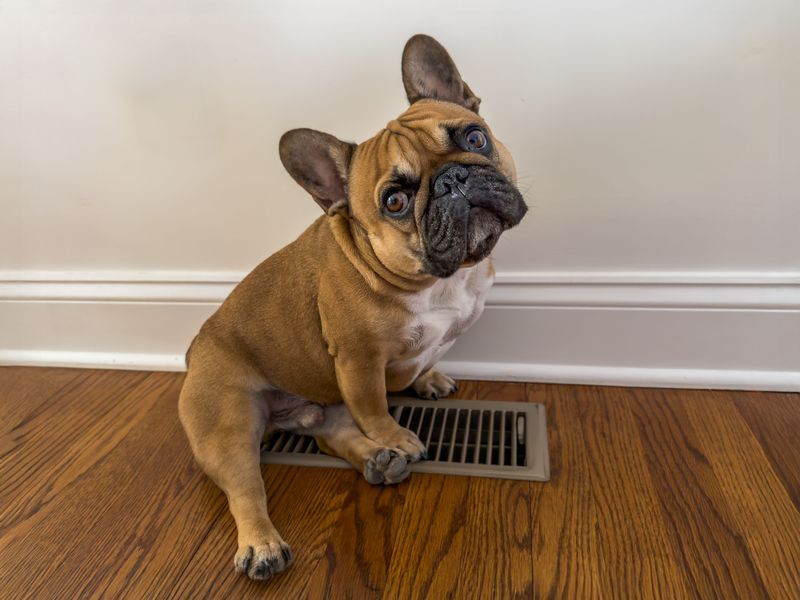
Rowhouses can hold heat in summer and feel uneven in winter, especially across different floors. Dogs notice those shifts too, even when people think the house feels fine.
Extra fans, space heaters used safely, insulated beds, or room-by-room temperature control can raise utility costs. Pet comfort also depends on age, coat type, and health.
If your dog pants heavily, shivers, or avoids certain rooms, review the setup. A veterinarian can help if temperature sensitivity seems stronger than expected.
14. Basement Moisture Can Create Extra Cleaning
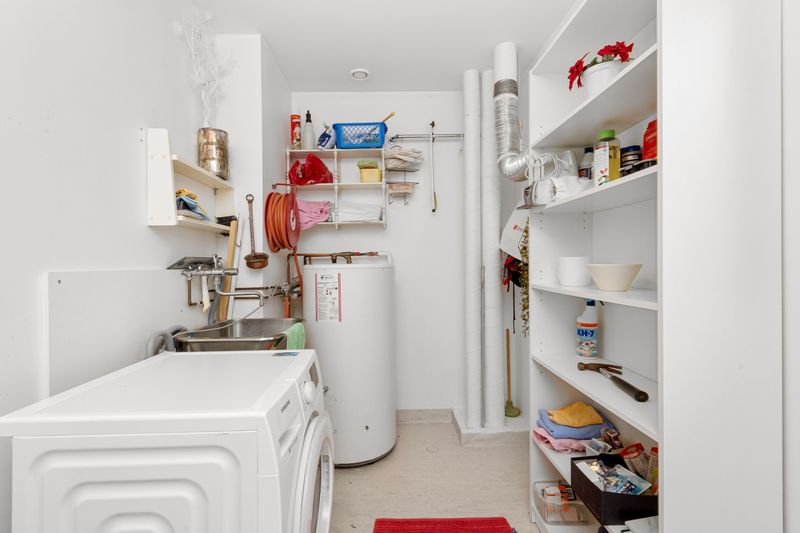
Basements can seem perfect for storage, laundry, or extra dog space, but damp air changes that fast. Moisture can cling to bedding, toys, and floors without looking dramatic.
Owners may need a dehumidifier, washable rugs, sealed bins, and more frequent laundry cycles. Musty areas also call for regular checks and better ventilation.
If you notice odor, condensation, or recurring damp spots, address the house issue first. Cleaner air and drier surfaces usually make the whole pet setup easier to manage.
15. Dog Doors May Not Be Practical
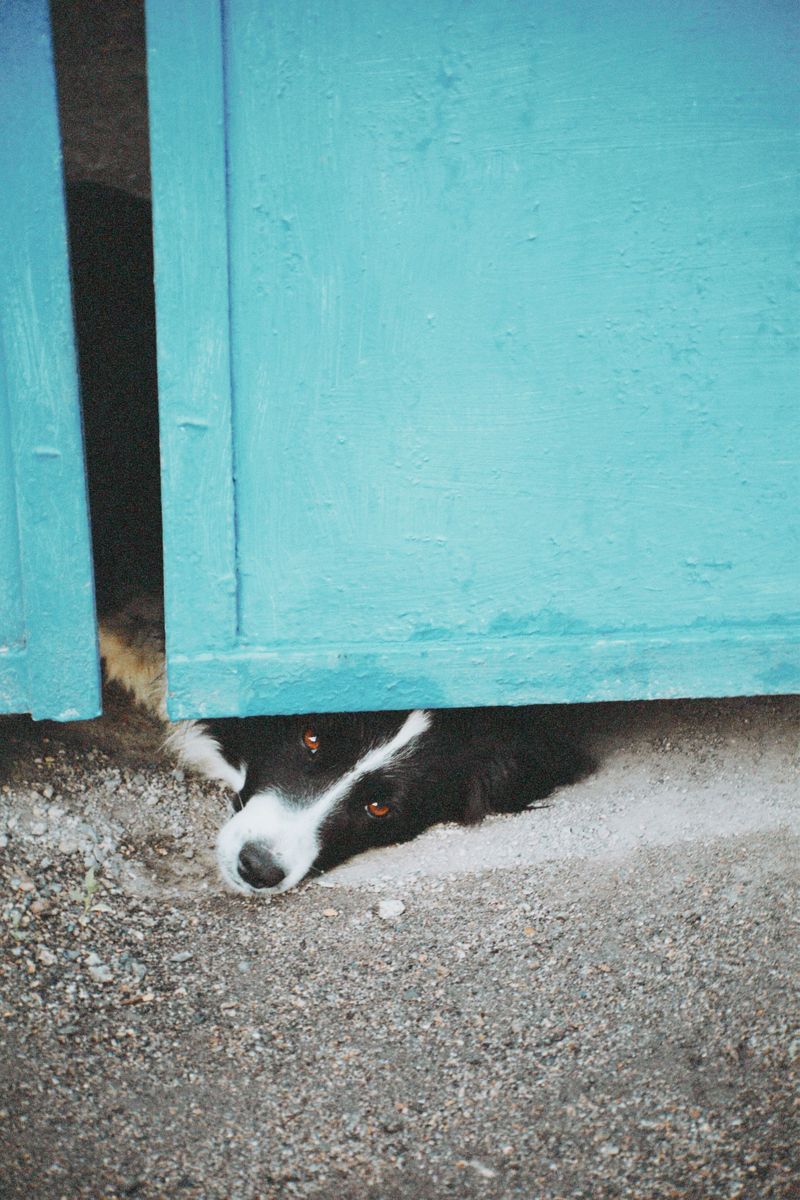
A dog door sounds convenient until you picture a rowhouse entry from the outside. Tight lots, public-facing access, and security worries can make the idea less appealing.
Installation may also increase drafts and limit door choices. Some homes simply do not have a smart spot for one.
Instead, owners often pay for better schedules, fenced relief areas, or walking help. If you still want a dog door, compare insulated models and ask whether the location creates safety concerns.
16. Professional Help Can Become Part Of The Budget, Training Can Be Worth Budgeting For Early

Sometimes the cheapest fix is skilled help before habits settle in. Barking, pulling, and separation stress often feel bigger in rowhouse living because neighbors are closer.
Early classes or private coaching can save money on damaged items, complaints, and daily frustration. Prices vary across Pennsylvania by trainer type and session length.
Look for humane, reward-based methods and clear credentials. If behavior seems intense or sudden, ask your veterinarian first, since pain or illness can sometimes affect training progress.
17. Home Repairs Can Be More Frequent With Active Dogs
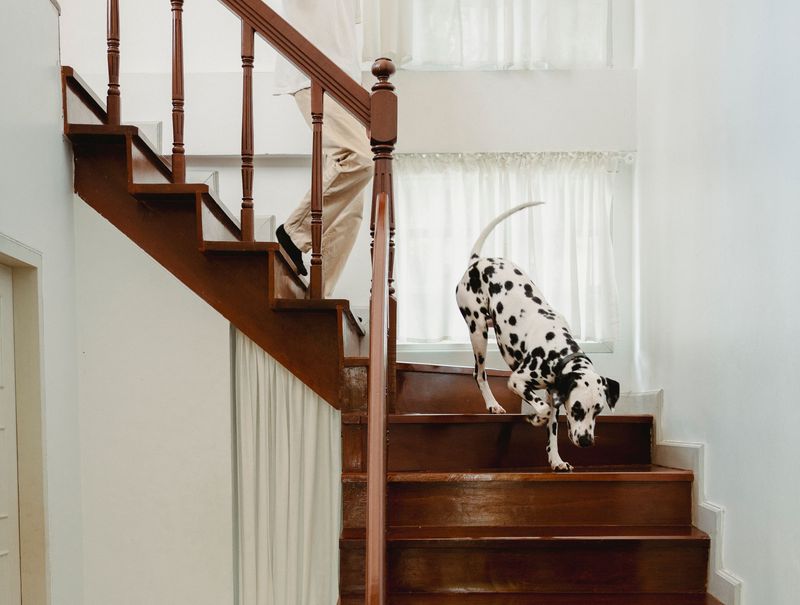
Busy dogs leave marks in ways owners rarely expect at first. Tight hallways, stairs, and frequent door traffic can speed up wear on floors, trim, and walls.
Scratches, chewed corners, torn screens, and stained rugs may need repairs sooner than planned. Standard homeowners or renters insurance policies may exclude damage caused by a pet, so owners should check their specific policy rather than assume such damage is covered.
Nail trims, exercise, enrichment, and supervised play help a lot. Setting aside a small home repair fund makes these fixes less annoying when they appear.
18. Pet Costs Can Extend Beyond Food And Vet Bills
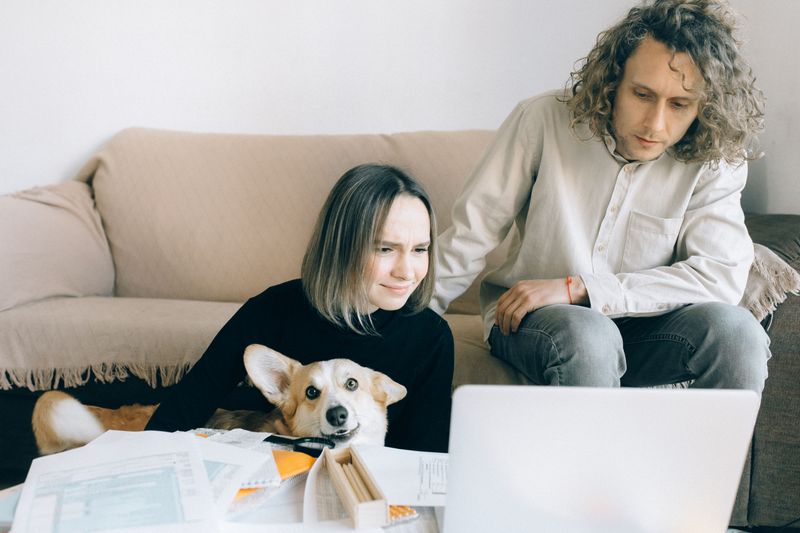
Food and checkups are only part of the real picture. Rowhouse living can quietly add costs through walking help, cleaning supplies, training, repairs, and seasonal gear.
That does not mean dog ownership becomes unmanageable. It simply works better with a wider budget plan.
Try listing monthly basics, home upkeep items, and one emergency fund line. A little planning brings peace of mind.
When you understand the setup, your rowhouse can stay comfortable, practical, and welcoming for both dog and owner.