What Louisiana Dog Owners Should Know About Water Moccasins Near Drainage Ditches
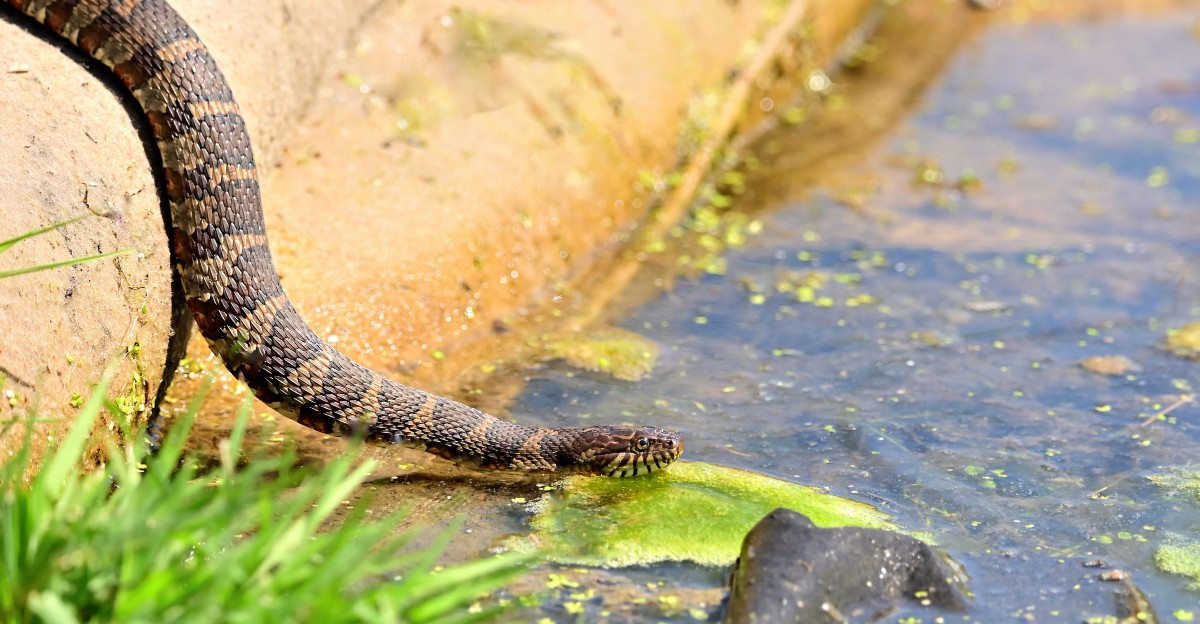
If you walk your dog anywhere in Louisiana, you have probably passed a drainage ditch lined with tall grass and still water. Those ditches are part of daily life here, and they happen to be good habitat for water moccasins, also called cottonmouths.
The good news is that most encounters are avoidable with a little awareness and a few simple habits. Here is what local dog owners should know, shared the way a neighbor would explain it over the fence.
1. Why Drainage Ditches Can Attract Water Moccasins
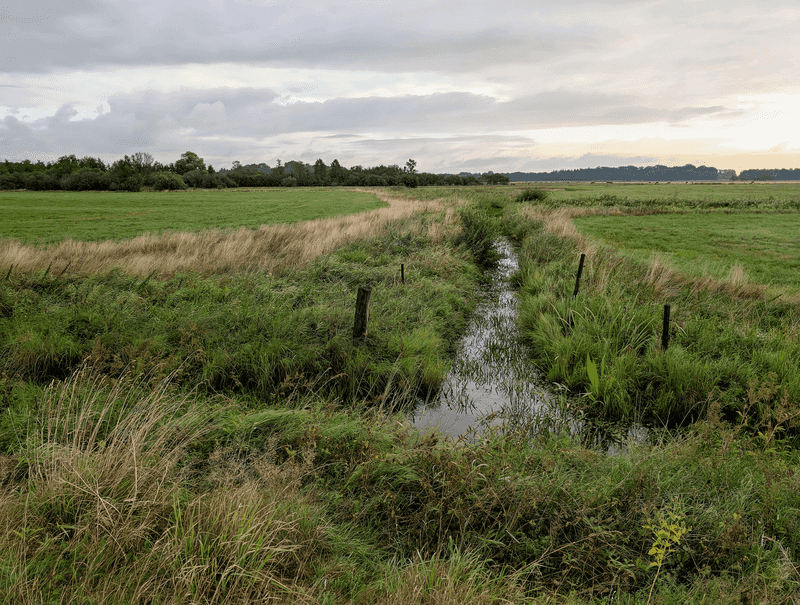
Ditches offer everything a cottonmouth needs in one narrow strip. There is shallow water, shade, thick cover, and a steady supply of frogs, small fish, and toads.
Louisiana’s warm, wet climate keeps those food sources active for much of the year. Snakes are not there to bother anyone.
They are simply hunting and resting where conditions suit them.
Understanding that helps you predict where to walk carefully rather than worrying everywhere.
2. Keep Dogs Away From Dense Vegetation
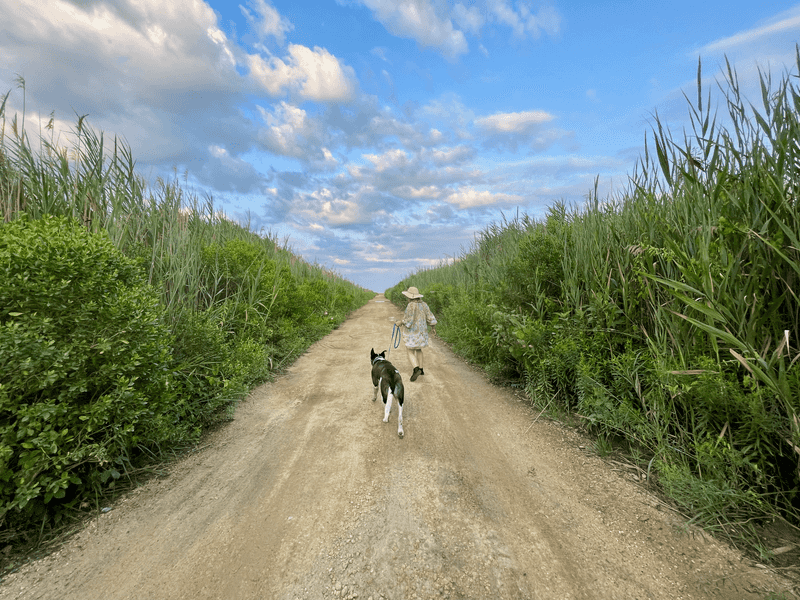
Thick weeds hide more than tennis balls. Tall grass, palmetto clumps, and bramble along ditch banks give snakes cover and make them nearly impossible to spot.
Steer your dog toward mowed paths, sidewalks, or open shoulders instead. If your own yard borders a ditch, keeping the grass trimmed removes hiding spots.
Less cover means fewer surprises for everyone, including the snakes that would rather stay unnoticed.
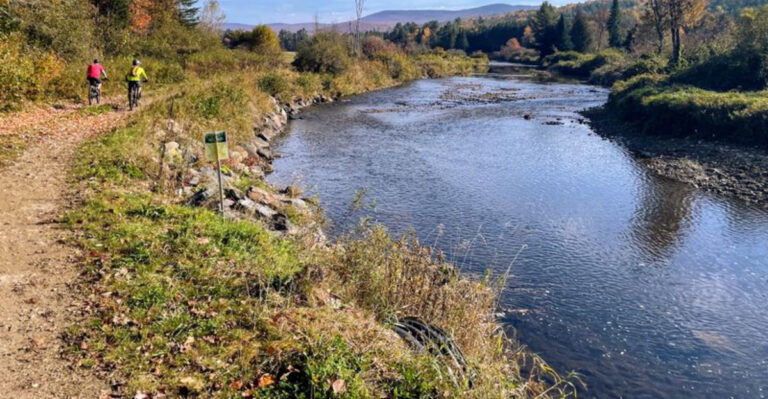
3. Watch the Edges of Slow-Moving Water
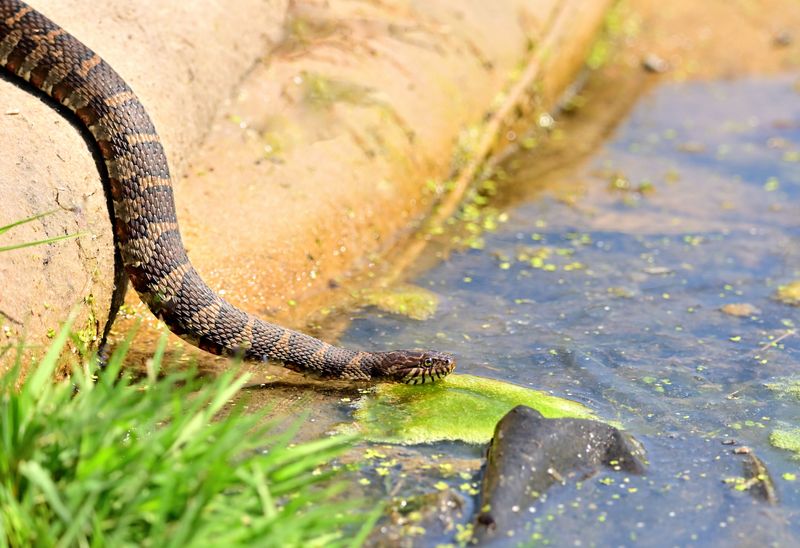
Cottonmouths often rest right where land meets water. That shallow margin is warm, shaded, and full of prey moving in and out.
Bayou backwaters, retention ponds, and canal edges follow the same pattern. Scan those transition zones before your dog steps down the bank.
A few seconds of looking gives you plenty of time to choose a different route. Slow water deserves more caution than fast-flowing channels.
4. Do Not Let Dogs Drink From Ditches
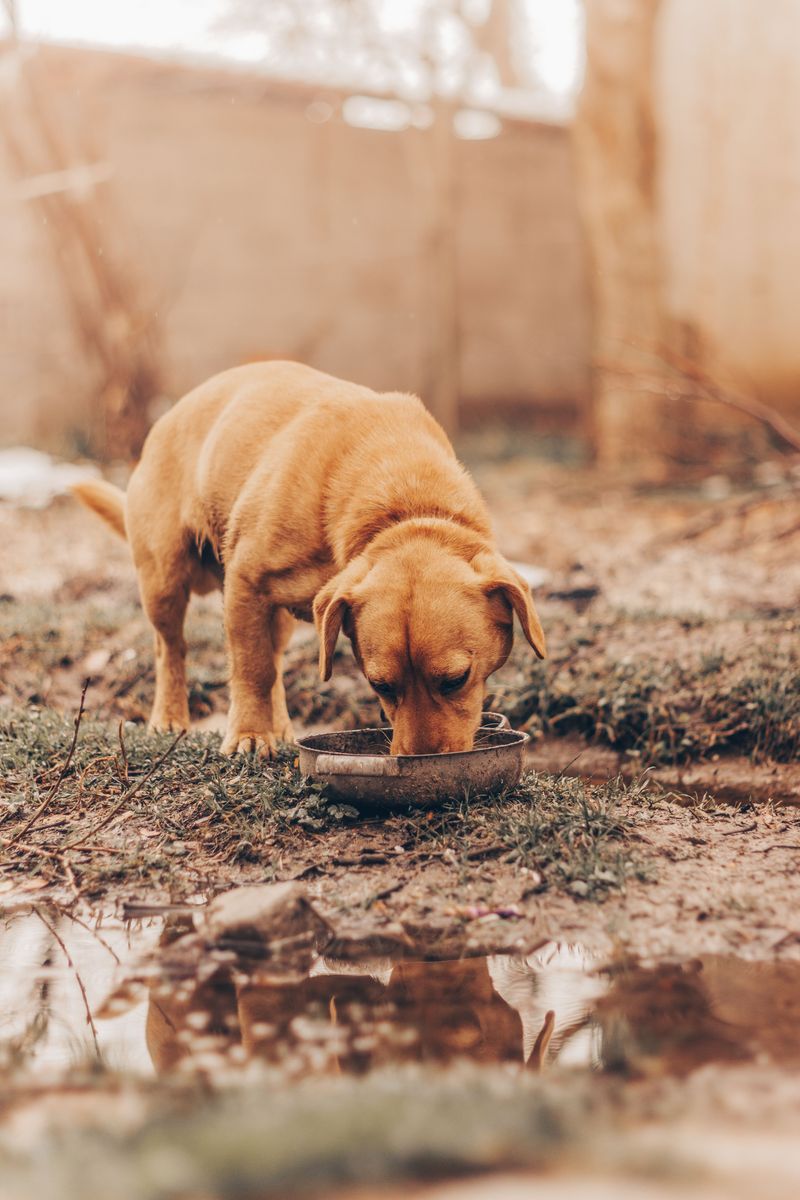
Ditch water tempts thirsty dogs on hot days, and it is worth discouraging for two reasons. Drinking puts your dog’s face right at the snake’s level.
Runoff also carries fertilizer, motor oil, and bacteria you would rather avoid. Carry a collapsible bowl and fresh water on every walk.
Offering a drink before you leave home cuts down on roadside stops. Simple preparation solves the problem entirely.
5. Leashes Give You More Control
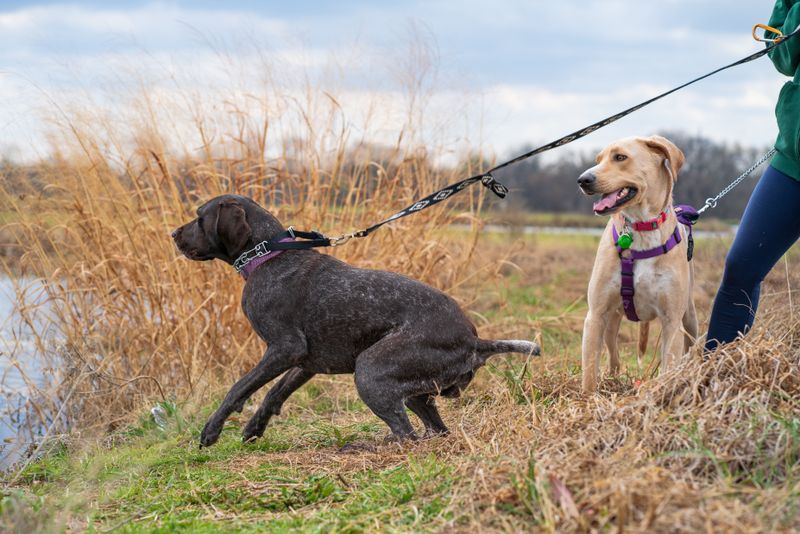
A standard six-foot leash is one of the best snake-safety tools you own. It lets you steer your dog away from a bank before curiosity takes over.
Retractable leads allow too much distance for quick decisions near water. Keep your dog close when ditches run alongside your route.
Many Louisiana parishes and cities also require leashes in public. Rules vary locally, so confirm yours with animal control.
6. Learn What A Cottonmouth Looks Like
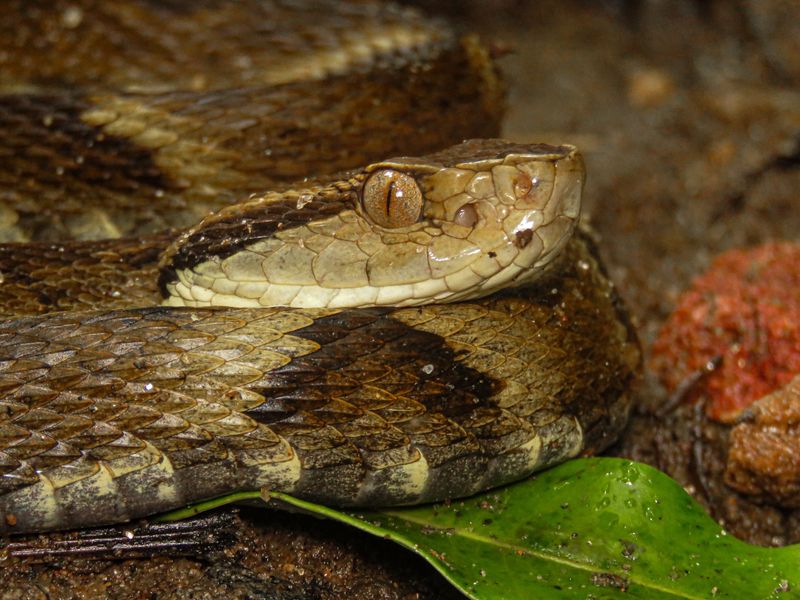
Recognizing a cottonmouth takes practice, because plenty of harmless water snakes look similar. Adults are usually dark olive, brown, or nearly black with faint crossbands.
The head looks blocky and wide compared to the neck, and the chin is pale. Young ones show brighter patterns and a yellow tail tip.
When in doubt, treat any snake near water as one to leave alone. Identification can wait.
7. Give Snakes Plenty of Space
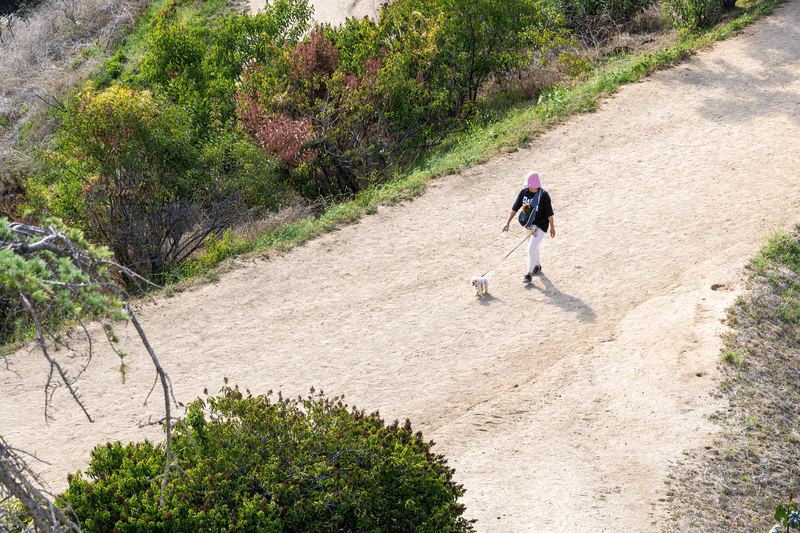
Distance solves almost every snake encounter. Cottonmouths rarely pursue people or pets, and most bites happen when someone gets too close.
If you spot one, shorten the leash, turn calmly, and walk the other direction. No shouting, no throwing objects, no photos from two feet away.
Ten feet of separation is generally plenty. Giving the animal an easy exit keeps the moment uneventful for both of you.
8. Do Not Let Your Dog Chase Snakes
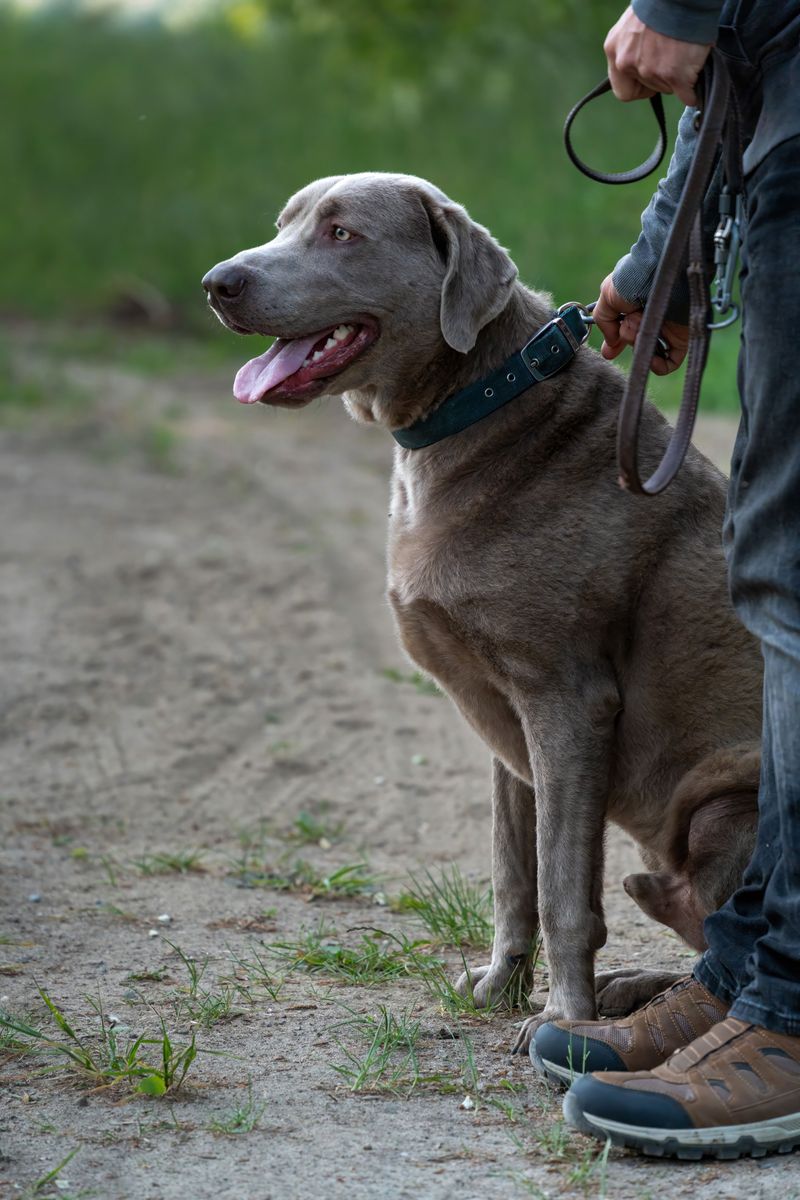
Terriers and other high-drive dogs find snakes fascinating, which is exactly the problem. A dog that lunges or paws at a snake turns a calm situation tense.
Work on impulse control at home with treats and a firm redirect cue. Some owners also pursue professional snake-avoidance training.
Ask your veterinarian or a certified trainer whether that fits your dog. Prevention beats reaction every single time.
9. Be Extra Careful Around Fallen Logs and Debris
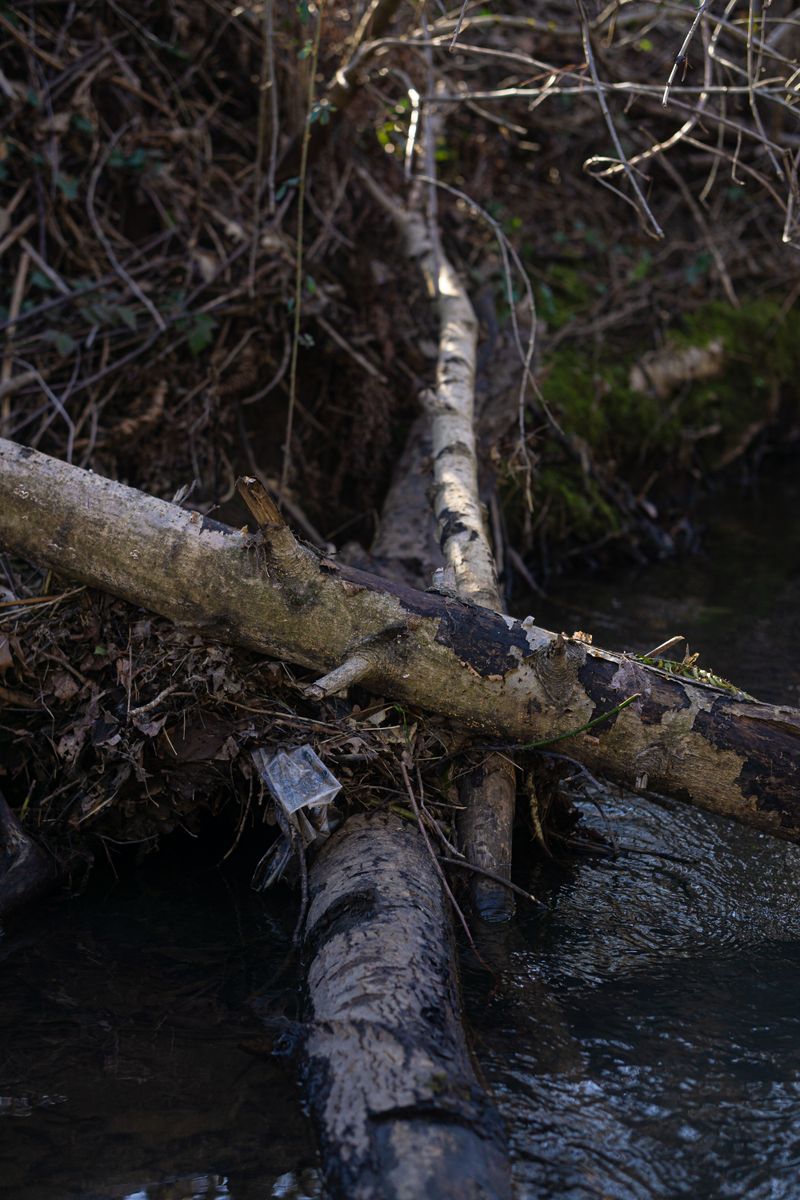
After a good Louisiana downpour, ditches collect logs, boards, and tangled branches. Snakes use that debris for shade, basking, and shelter.
Discourage your dog from sniffing under or climbing over those piles. Same goes for culvert openings and stacked yard waste.
Clearing debris from your own ditch frontage removes an inviting hideout. Where you cannot clear it, simply route your walk a few feet wider.
10. Check Ditch Banks Before Letting Dogs Explore
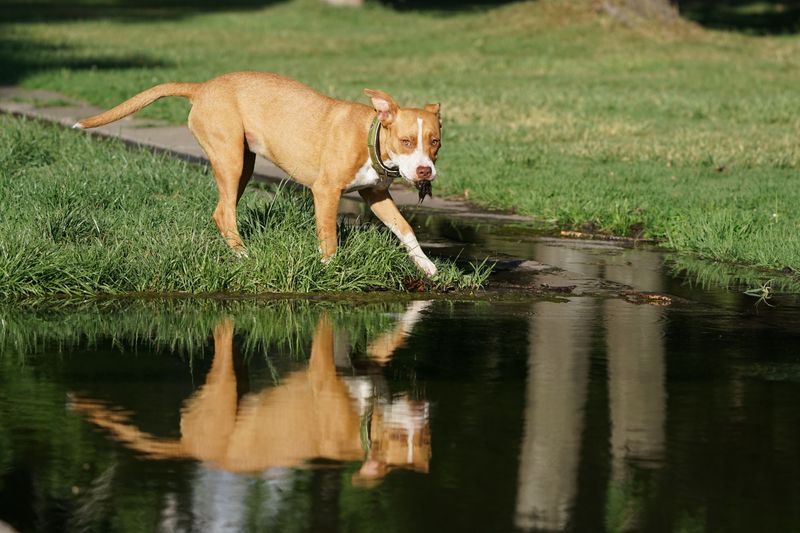
Ten seconds of scanning changes the odds considerably. Glance along the bank, the waterline, and any shaded pockets before your dog heads down.
Morning and evening light creates shadows that hide a resting snake easily. A long walking stick helps you part grass without using your hands.
Neighbors who do yard work near ditches often follow the same habit. It becomes automatic quickly.
11. Warm Weather Can Increase Snake Encounters
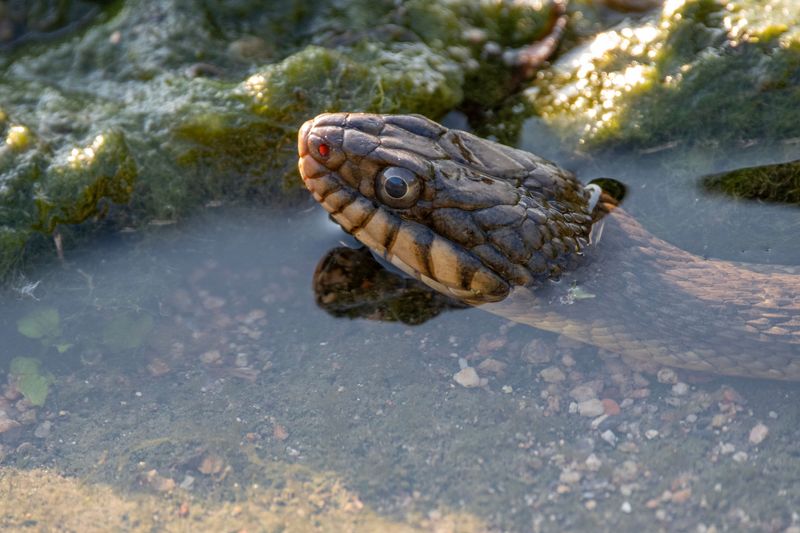
Snake activity here follows the thermometer. Spring through early fall brings the most sightings, with dawn and dusk especially busy during peak heat.
Cottonmouths slow down in cold snaps but never fully disappear in our mild winters. Heavy rain can also push them onto sidewalks and lawns.
Adjust walk times seasonally and stay alert after storms. Awareness shifts with the calendar, and so should your route choices.
12. Teach a Reliable Come Command
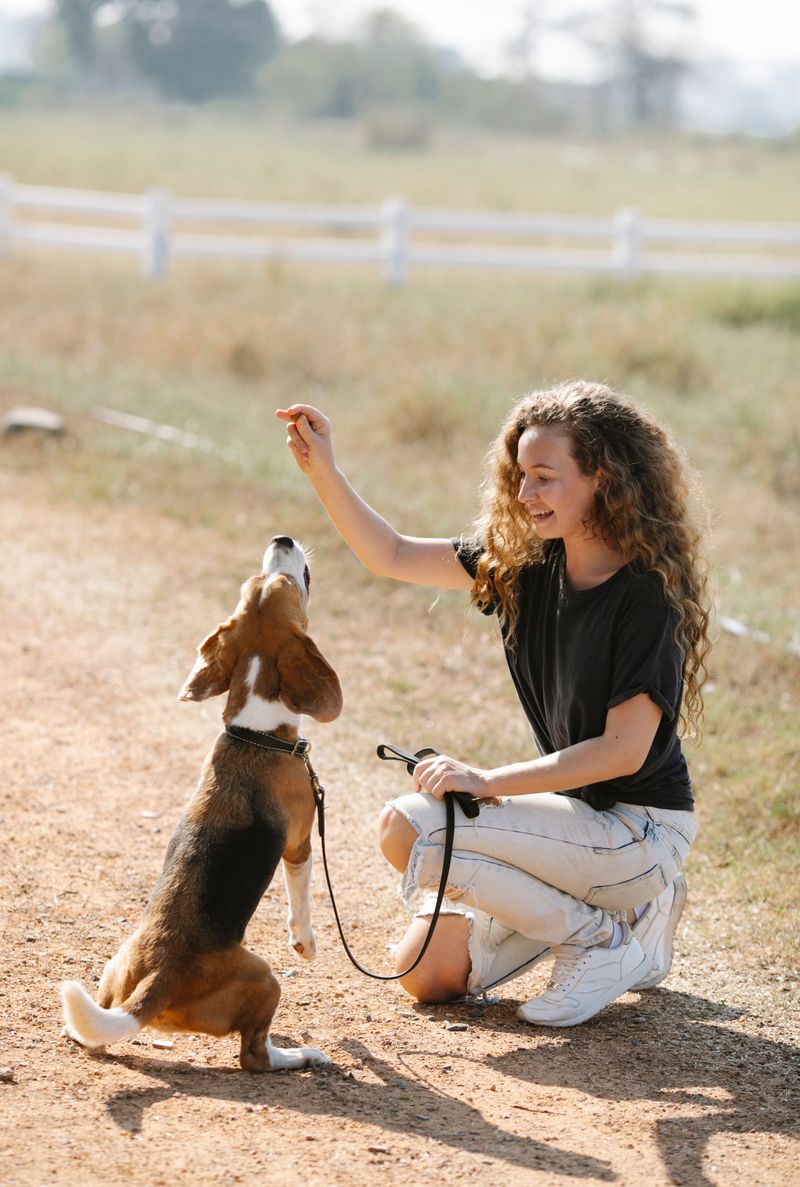
A solid recall is worth more than any gadget. When your dog returns instantly, you can pull them back from a bank before trouble starts.
Practice in the yard first with high-value treats, then add mild distractions. Keep the cue cheerful so coming back always feels rewarding.
Never call your dog for something unpleasant. Reliable recall protects against snakes, traffic, and a dozen other everyday hazards.
13. Keep Curious Dogs From the Water’s Edge
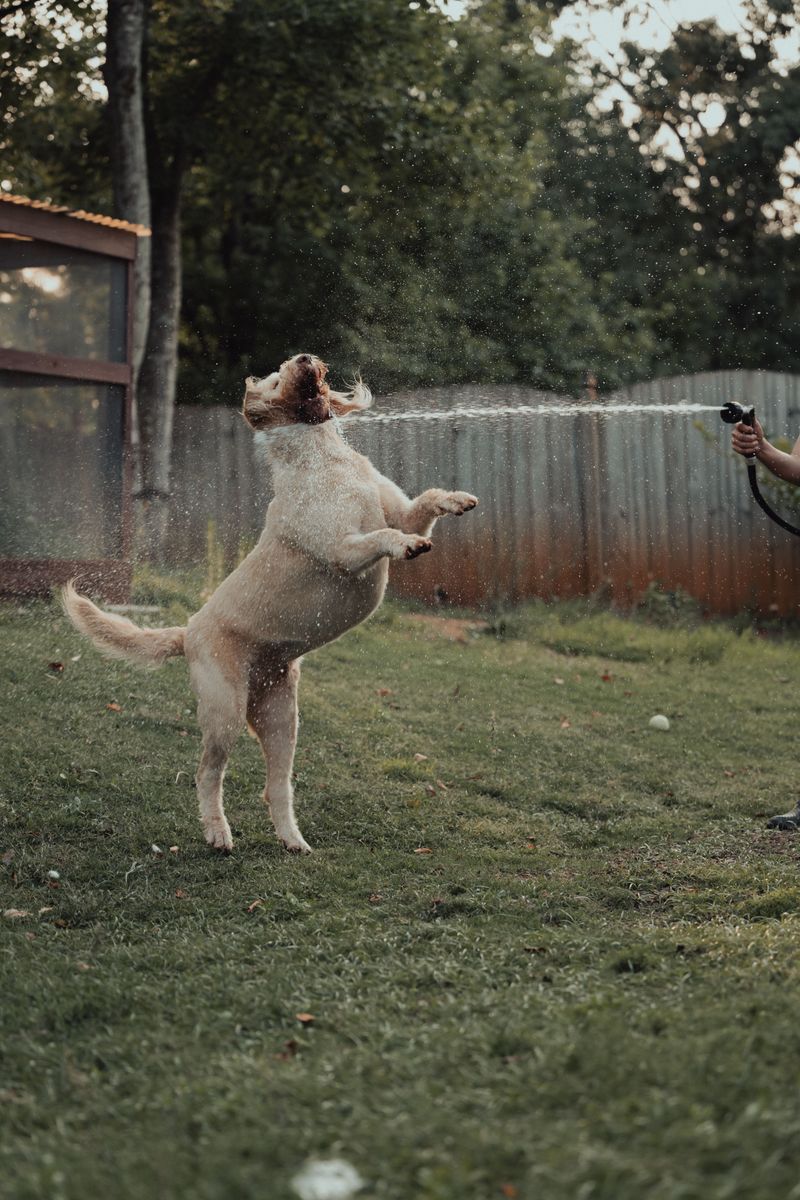
Some dogs treat every puddle as an invitation. Wading, splashing, and nose-first exploration all put them right where cottonmouths hunt.
Redirect that energy toward a safer outlet: a kiddie pool at home, a sprinkler, or a designated swim spot away from ditches.
Fencing along a backyard ditch line also helps considerably. Your dog still gets the fun without the guesswork.
Substitution works better than scolding.
14. Know What a Snakebite May Look Like
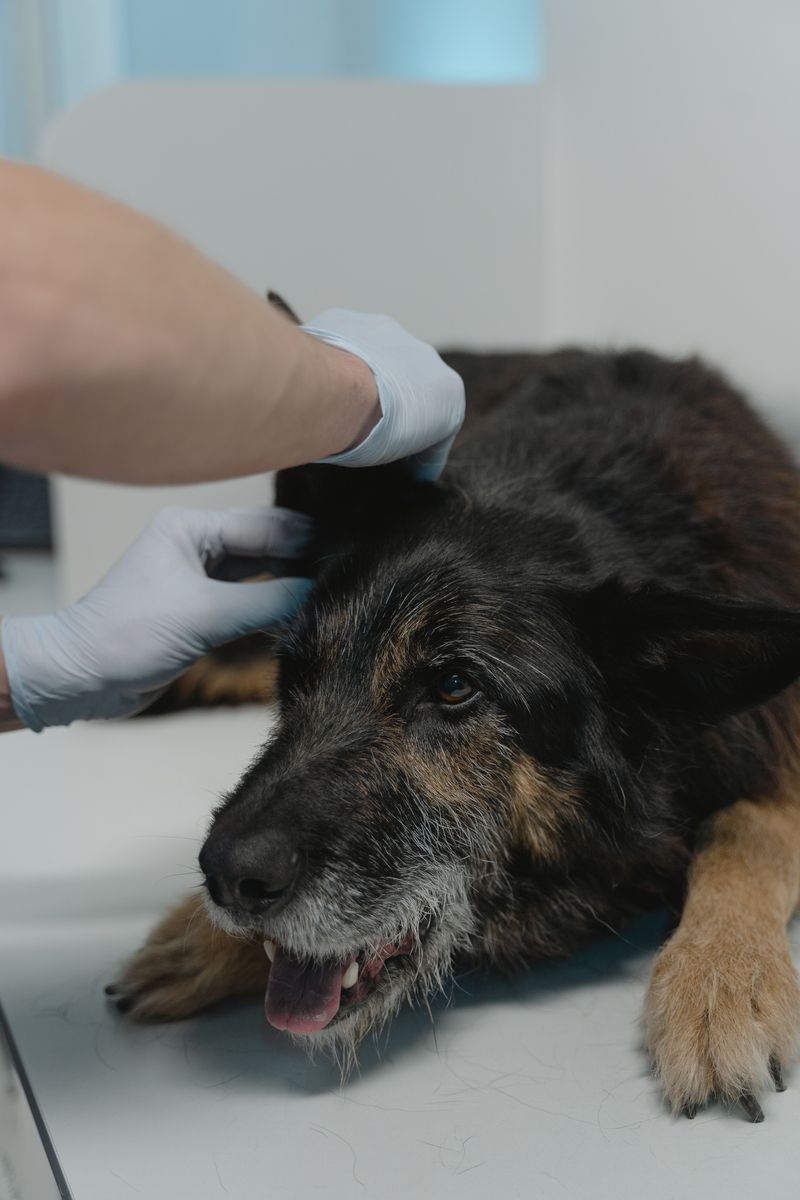
Signs often appear fast. Look for sudden swelling on the face, muzzle, or a leg, plus puncture marks, drooling, or unusual bruising around the area.
Your dog may whimper, limp, act restless, or seem unusually weak and wobbly. Breathing changes can also occur.
You will not always see the snake, so trust the symptoms. Any sudden swelling after ditch time deserves immediate veterinary attention.
15. Get Veterinary Help Quickly After a Suspected Bite
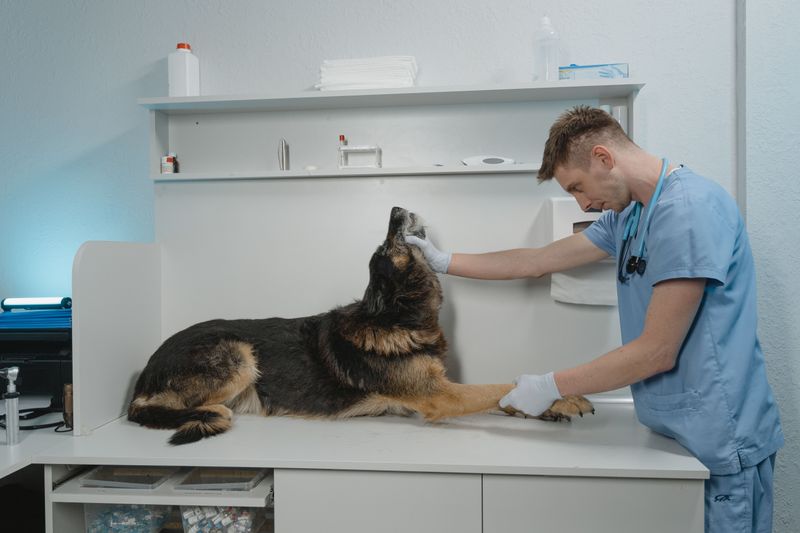
Time matters more than anything else in this situation. Keep your dog calm and carry them if possible, since movement speeds circulation.
Call ahead so the clinic can prepare while you drive. Antivenin, pain management, and fluids are veterinary decisions, not home ones.
Bring a phone photo of the snake only if you got it safely from a distance. Never go back for one.
16. Do Not Try Home Treatments for a Snakebite

Folk remedies still circulate around here, and veterinarians advise against all of them. Skip tourniquets, ice, cutting, suction devices, and any attempt to draw out venom.
Those methods can worsen tissue damage and waste precious minutes. Avoid giving human medications unless a veterinarian directs you.
Your job is simple: keep your dog still, keep yourself steady, and drive. Professional care handles the rest.