17 Georgia Backyard Pond And Drainage Hazards Dog Owners Often Miss
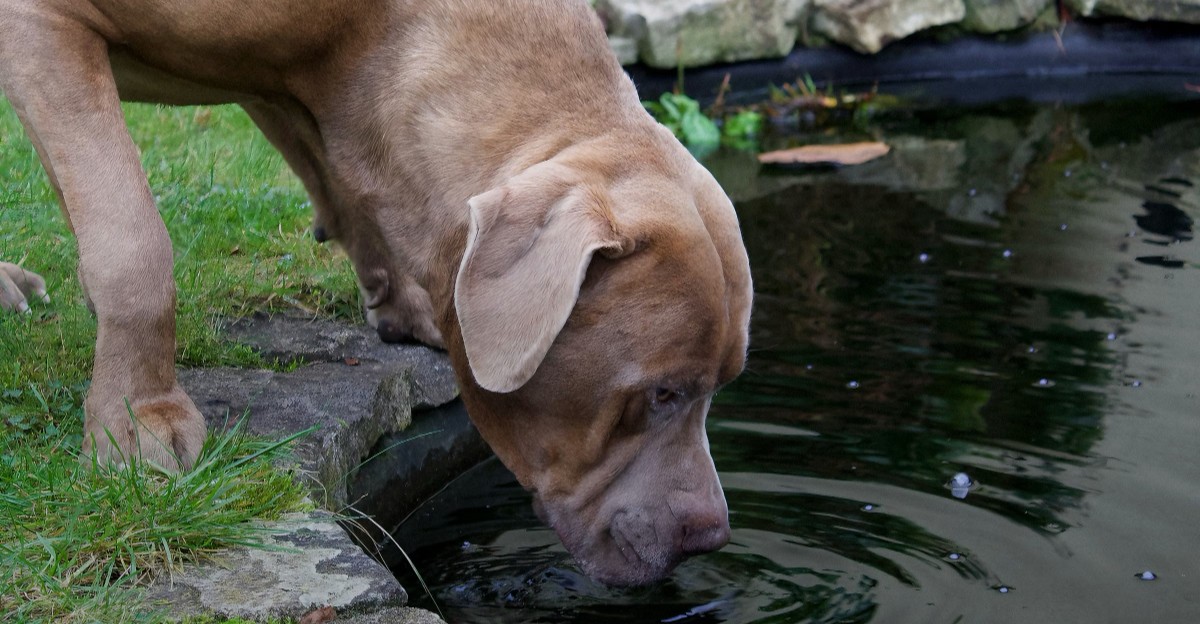
A Georgia backyard can change quickly after a summer storm. A calm pond may rise, while a shallow ditch can carry more water than you expect.
If your dog loves to sniff and explore, a few small checks can make outdoor time safer. Here are the pond and drainage hazards worth noticing, plus simple ways to manage them.
1. Backyard Ponds With Steep, Slippery Edges
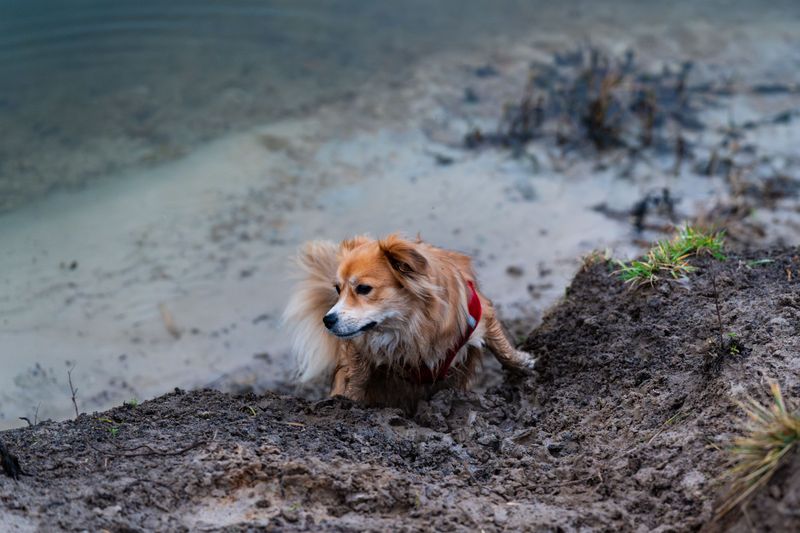
One quick drink can put a dog beside a slick pond bank. Clay, wet stones, and algae may make that edge harder to climb than it looks.
Small dogs and older dogs can have even more trouble finding firm footing.
Check the shoreline after rain, when soft spots are easiest to see. Keep your dog back from steep sections.
Where possible, add a gently sloped exit with secure footing, and supervise every visit.
2. Deep Water Can Be Dangerous Even for Strong Swimmers
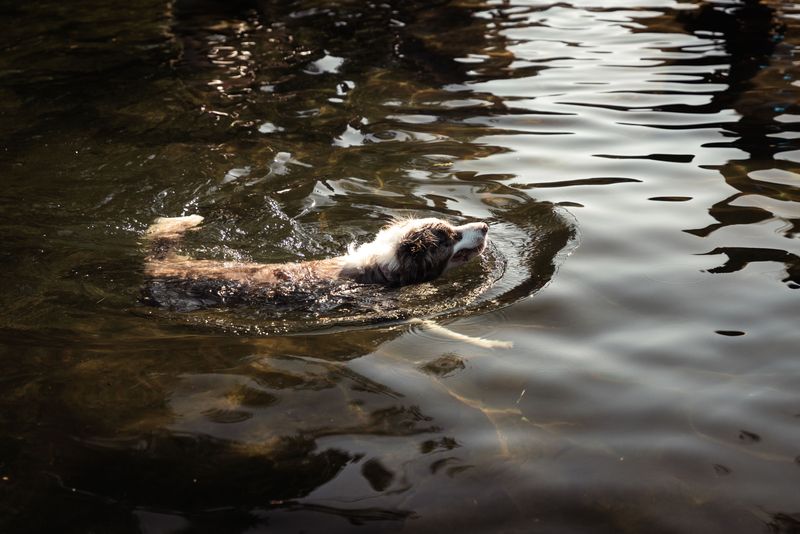
A dog that swims happily at the lake may still struggle in a backyard pond. Deep water, fatigue, and a hard climb out can change the situation fast.
Even confident swimmers need an easy way to reach land.
Learn the pond’s depth before allowing access. Keep play near a shallow, stable exit, and stay close enough to help.
If your dog becomes tired or seems distressed, guide them out promptly and call your veterinarian if concerns remain.
3. Pond Plants Can Hide Drop-Offs
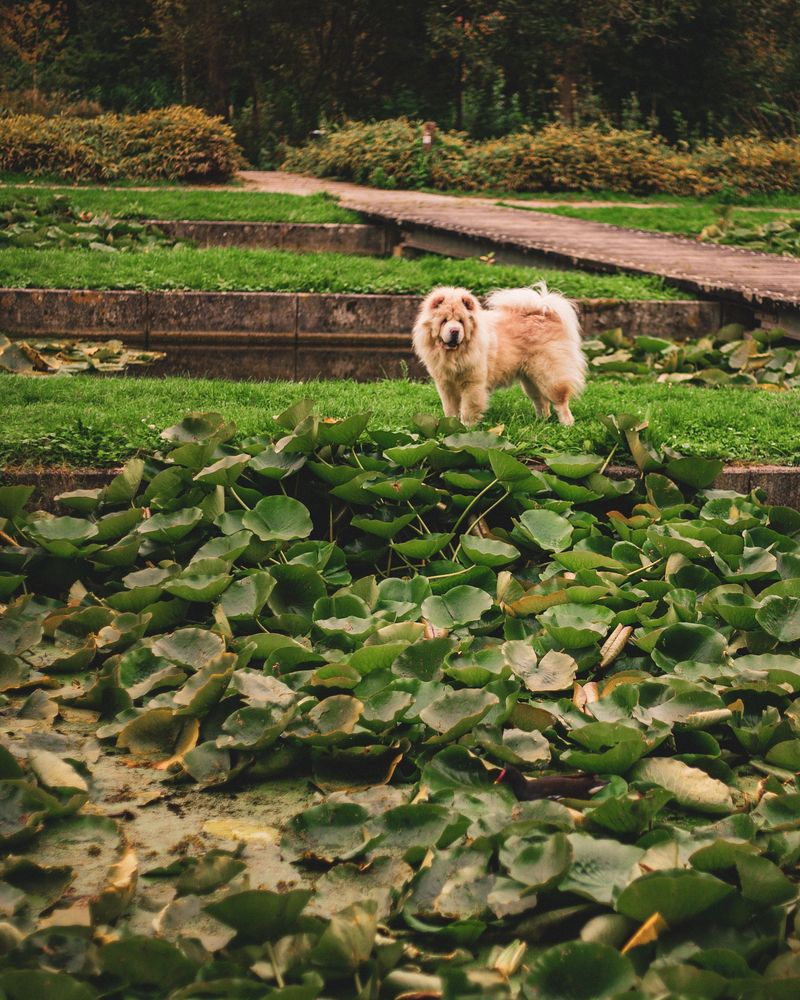
Lily pads and tall reeds can make a pond look shallow from the yard. Beneath that cover, the bottom may slope sharply.
A dog following a scent might step farther than expected before noticing the change.
Walk the edge without your dog and note any sudden drop-offs. Trim plants enough to keep exits visible, while protecting the pond’s healthy habitat.
Use a leash near thick growth, especially when puppies are learning where the shoreline begins.
4. Stagnant Water Can Become a Health Concern
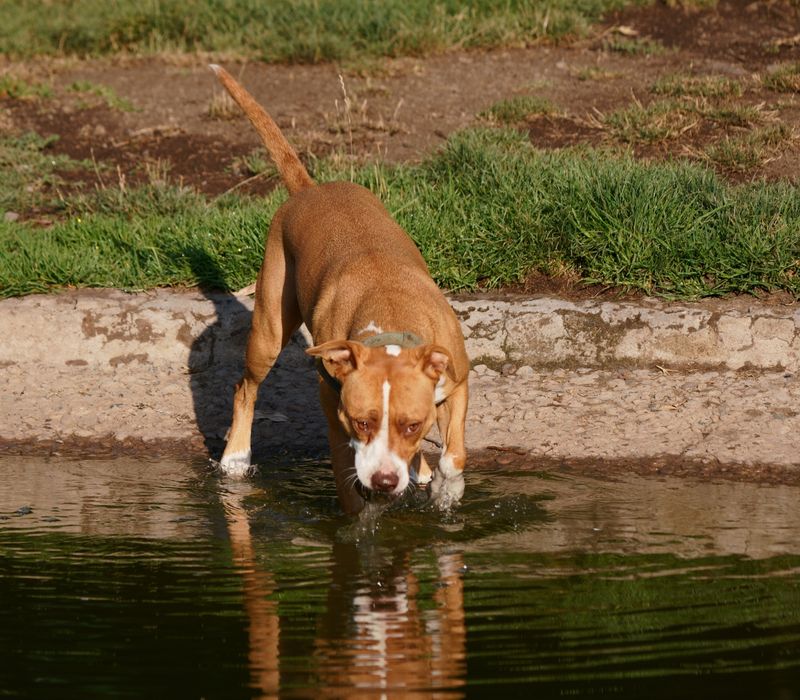
Still water can look harmless on a quiet afternoon. Yet ponds and puddles may collect germs, wildlife waste, or runoff that can upset a dog’s health.
Drinking from them is not a good substitute for fresh water.
Set out a clean bowl before your dog goes outside. Remove reachable puddles where practical, and discourage pond drinking.
If your dog develops vomiting, diarrhea, or unusual tiredness after water exposure, contact your veterinarian and explain where they played.
5. Algae Growth Can Turn a Pond Into a Hidden Hazard
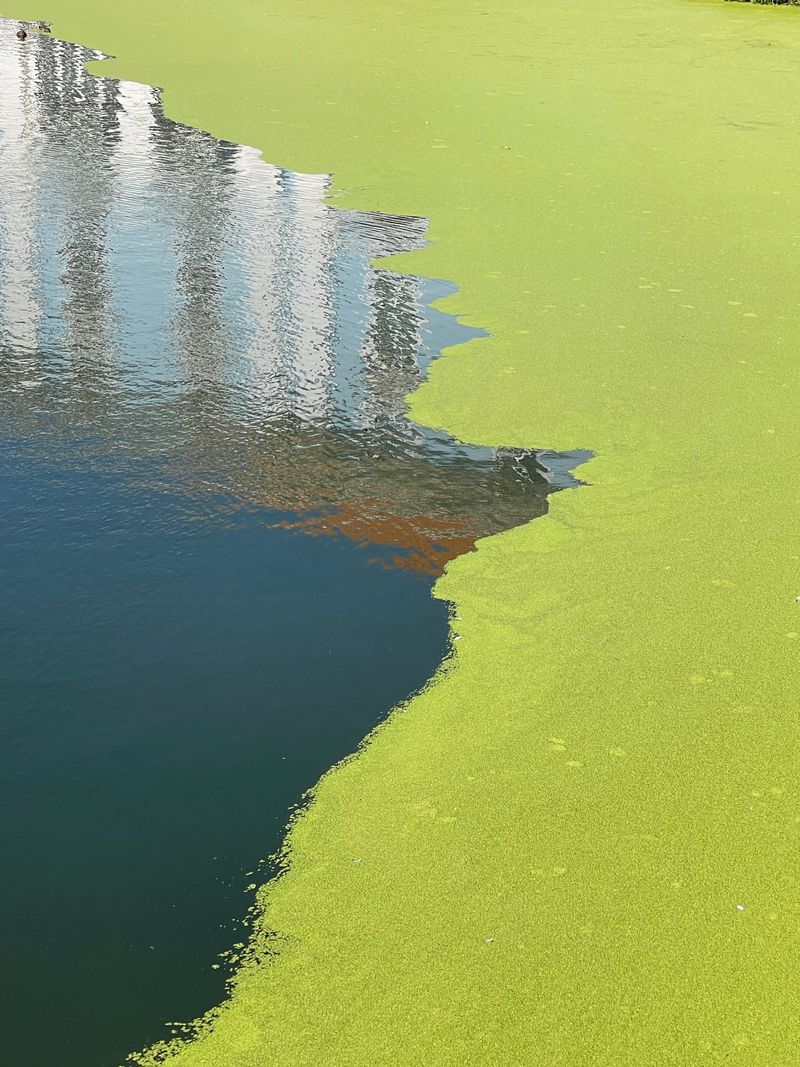
Green water deserves a closer look, not a guess. Some harmful algal blooms can produce toxins, and appearance alone cannot tell you whether water is safe.
Scum, unusual color, or a strong odor are reasons to keep dogs away.
Do not let your dog drink, swim, or lick wet fur after contact with suspicious water. Rinse exposed fur with clean water.
Contact a veterinarian promptly if exposure may have occurred, and ask local officials about testing.
6. Drainage Ditches Can Look Like Easy Places to Explore
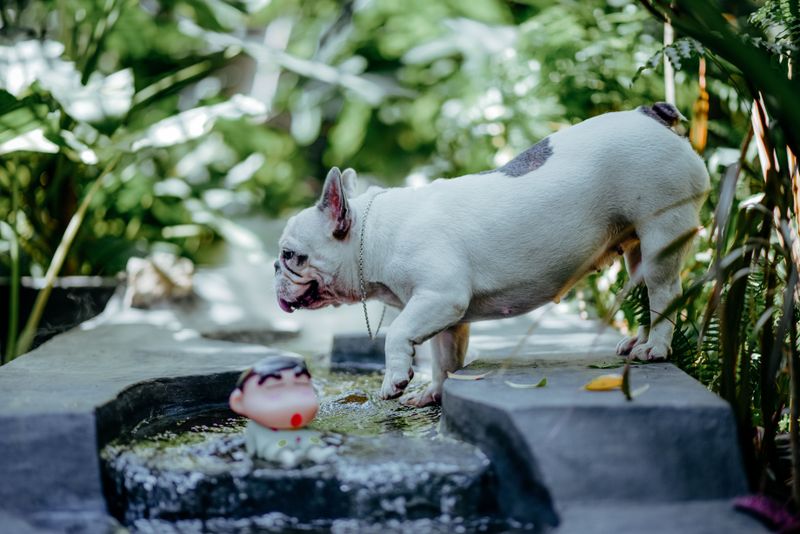
To a curious dog, a grassy ditch is just another place to sniff. Its sides may be steeper than they appear, and rain can leave debris beneath the grass.
Ditches near roads add traffic concerns too.
Walk the ditch line after storms, but keep your dog on higher ground. Remove reachable litter only when conditions are safe.
If the ditch belongs to a public drainage system, ask your city or county before changing its shape or flow.
7. Culverts Can Hide Fast-Moving Water
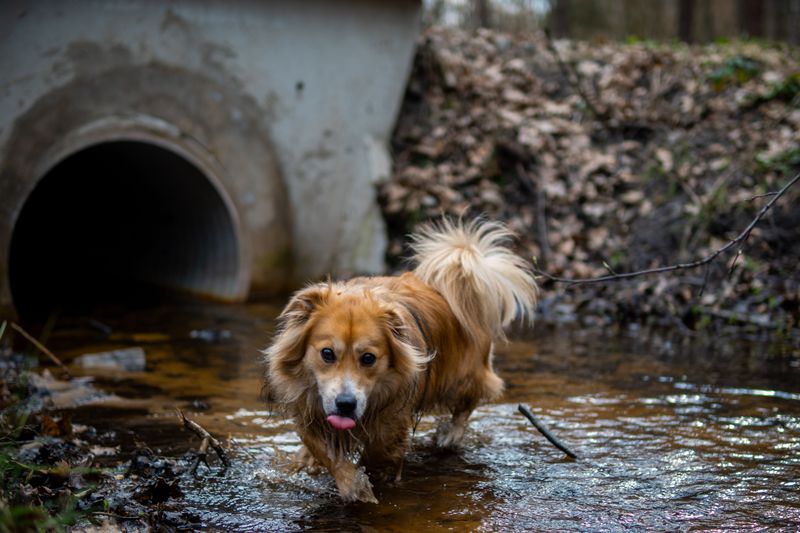
A pipe opening can seem like an exciting tunnel to a dog. During heavy rain, a culvert may carry swift water even when nearby ground looks calm.
Water levels can also change before you notice.
Keep dogs away from both ends of any culvert, especially during and after storms. Never send a dog inside to retrieve a toy.
Report blocked or damaged public culverts to the local public works department. Let trained crews handle repairs and clearing.
8. Muddy Drainage Areas Can Trap Paws
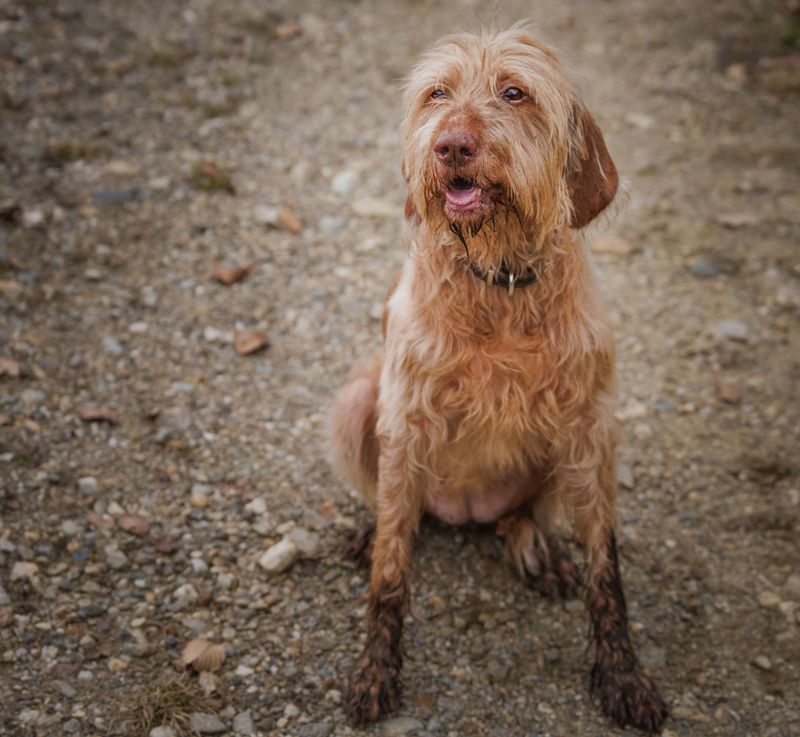
Mud along a drainage path can hold a paw more firmly than expected. A dog may twist while pulling free, especially beside roots or buried debris.
What looks like a small puddle may cover much softer ground.
Test suspect areas from firm ground with a long stick, not your foot. Guide your dog around deep mud until it dries.
After a muddy walk, rinse paws and check between toes for grit, cuts, or irritation.
9. Mosquitoes Gather Around Standing Water
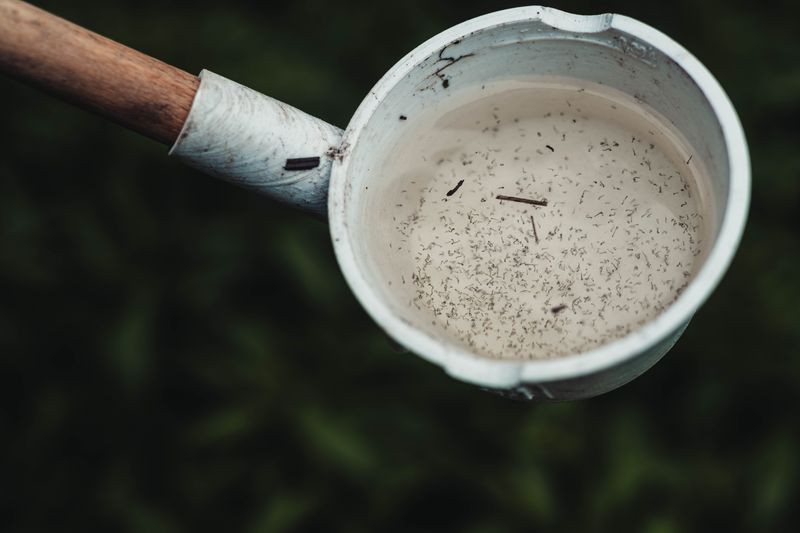
A forgotten bucket can matter as much as a pond. Mosquitoes can breed in standing water, including clogged gutters, plant saucers, and containers left outdoors.
In Georgia, mosquito bites can expose dogs to heartworm, which is caused by a parasite transmitted by infected mosquitoes.
Empty small containers regularly and keep drainage moving where you can. Ask your veterinarian about year-round heartworm prevention and testing for your dog.
Avoid applying mosquito products unless the product label specifically allows use on dogs, and follow every direction carefully.
10. Snakes May Use Wet Areas Around the Yard
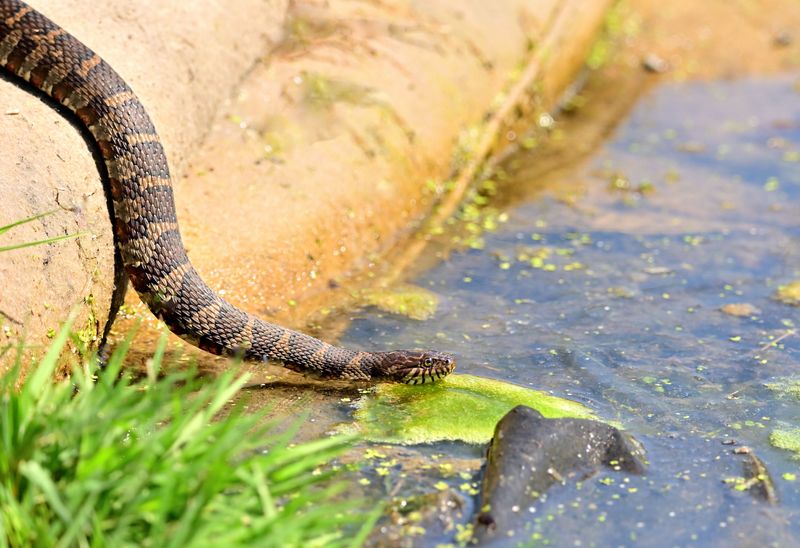
Pond edges offer water, shade, and places for snakes to shelter. Many Georgia snakes are harmless, but identifying one at a glance is difficult.
A dog that noses through rocks or thick grass may get too close.
Keep pond borders tidy without disturbing wildlife, and watch dogs near logs and brush. If you spot a snake, bring your dog inside and give it space.
Contact a veterinarian promptly if you suspect a bite.
11. Frogs And Toads May Draw Curious Dogs
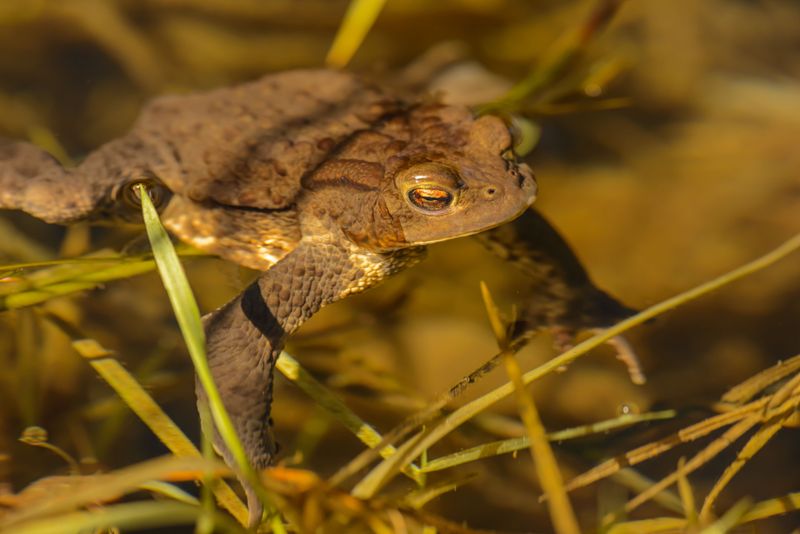
A hopping visitor can turn a calm evening into a lively chase. Frogs and toads gather near water, and some toads release irritating substances when mouthed.
Dogs may drool or paw at their mouths after contact.
Teach a reliable leave it cue and supervise outdoor time at dusk. If your dog mouths a toad, remove access and contact your veterinarian for guidance.
Do not assume every amphibian is safe because it looks small or familiar.
12. Hidden Holes Can Form Along Pond Banks
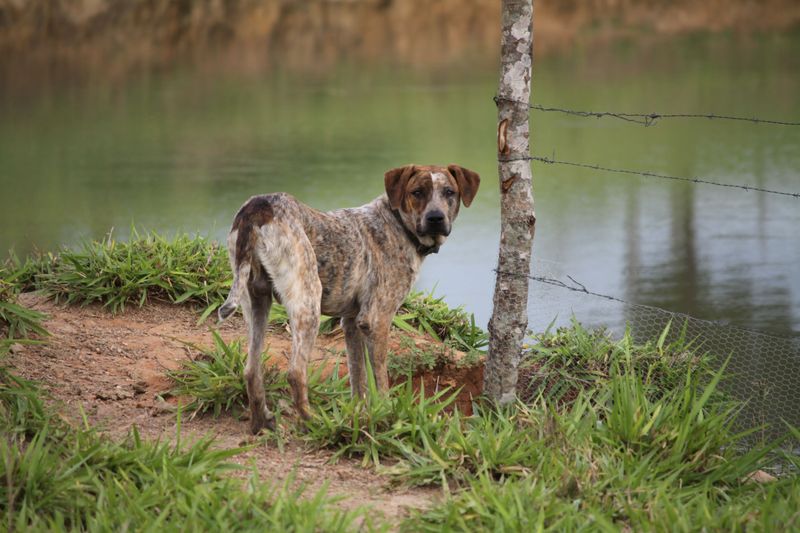
Firm grass can hide empty space beneath a pond bank. Erosion, burrowing animals, and repeated runoff may leave holes where a paw can slip.
Banks can change gradually, so last month’s safe route may need another look.
Check the shoreline from stable ground after heavy rain. Mark weak spots and keep dogs away until they are repaired.
For ongoing erosion, ask a qualified pond or drainage professional which fix suits your property and local rules.
13. Overflow Can Turn A Yard Into A Temporary Waterway
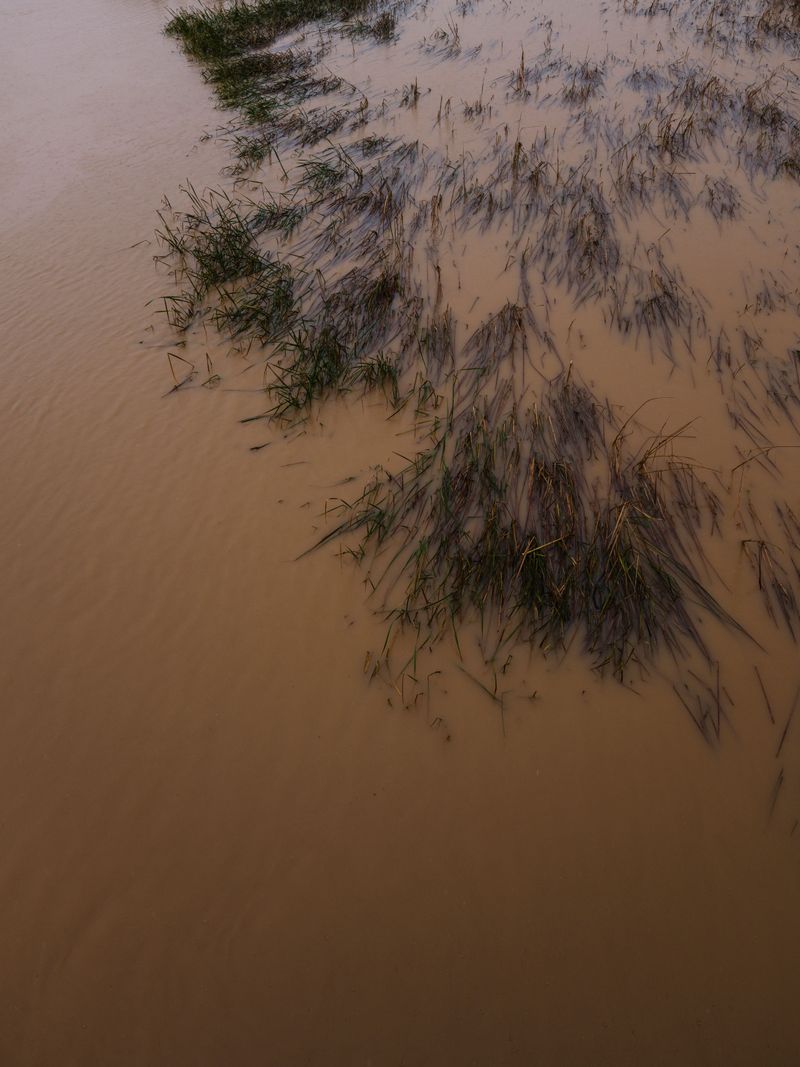
When a Georgia storm fills a pond, water may cross the lawn in new directions. Shallow overflow can carry mulch, sticks, and other hidden obstacles.
A dog may follow the moving water straight toward a ditch or road.
Bring pets inside during heavy rain and wait until runoff slows before yard time. Watch where overflow travels from a safe spot.
If flooding repeats, consult a drainage professional and check local requirements before changing an outlet.
14. Yard Drains Can Become Dangerous During Heavy Rain
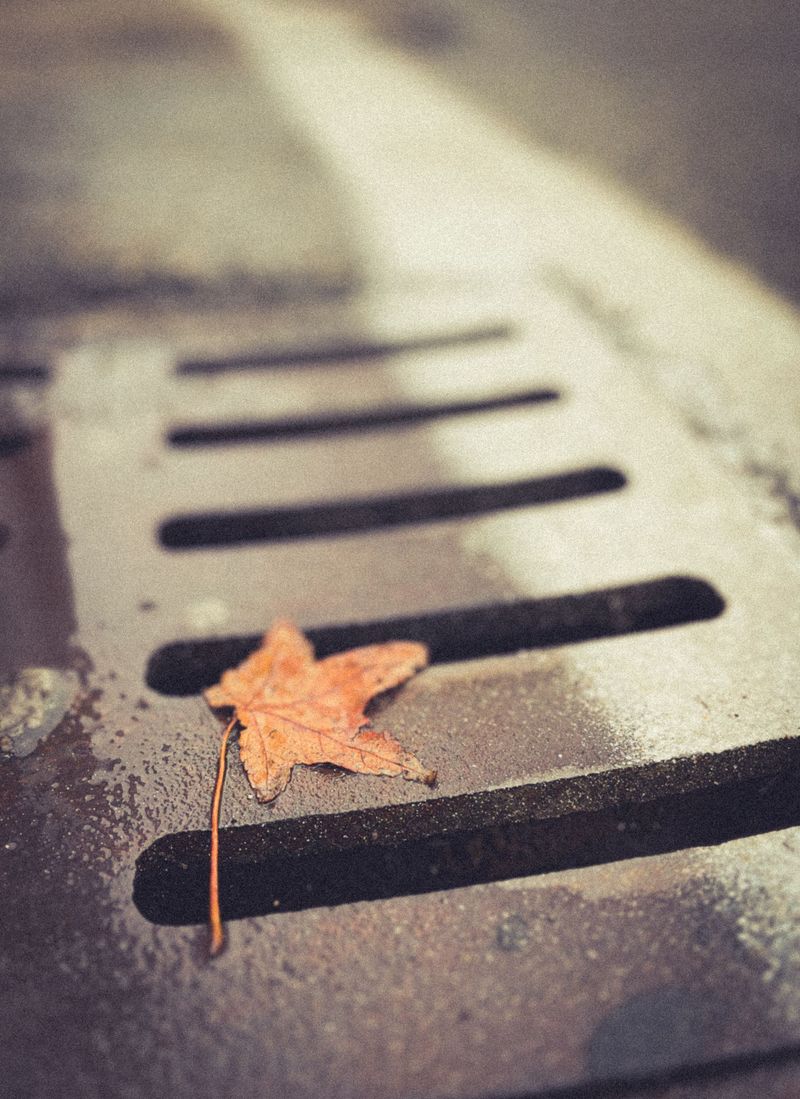
That small grate in the grass does important work during a downpour. Water moving toward it can pull toys, leaves, and loose material across the yard.
A damaged or missing cover also leaves an opening for paws.
Inspect drain covers when the ground is dry, and keep debris from collecting nearby. Keep dogs indoors while water is rushing.
If a drain is broken or backs up often, contact the responsible property owner or local public works office.
15. Fences May Not Be Enough Around Water Features
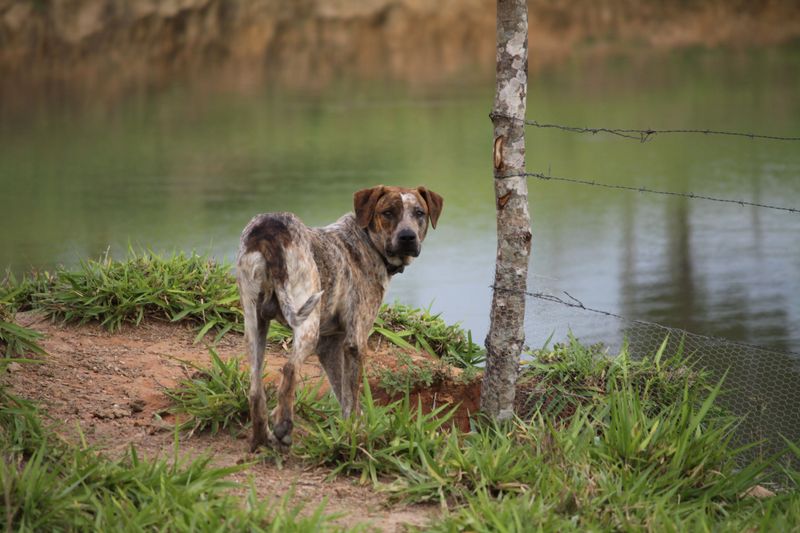
A fence offers peace of mind only when every part works. Gaps beneath panels, open gates, and loose latches can give a dog access to water.
Flooding may also weaken posts or leave debris against a gate.
Walk the fence line at your dog’s eye level. Check latches, ground gaps, and panels after storms.
Local fence rules vary by city and county, so confirm any requirements before building. Supervision still matters, even with a sturdy barrier.
16. Wet Grass Around Ponds Can Hide Sharp Objects
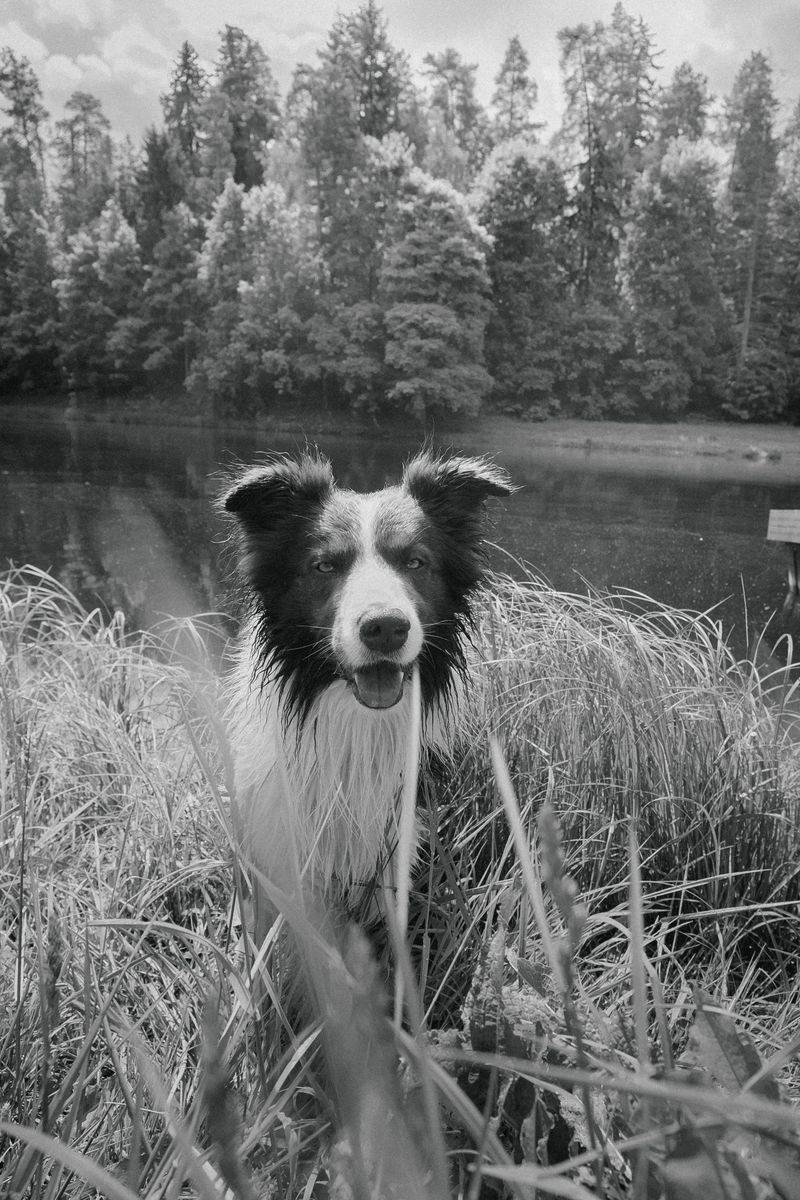
After a storm, tall grass can cover more than damp soil. Runoff may leave broken plastic, metal scraps, fishing hooks, or fallen branches near a pond.
A dog exploring nose first might not see them.
Scan the ground before letting your dog roam, especially after yard work or flooding. Wear gloves and use safe tools to collect sharp litter.
Keep grass trimmed enough to spot trouble. Check paws after pond visits if your dog limps or licks them.
17. A Pond-Safe Yard Still Needs Regular Checks
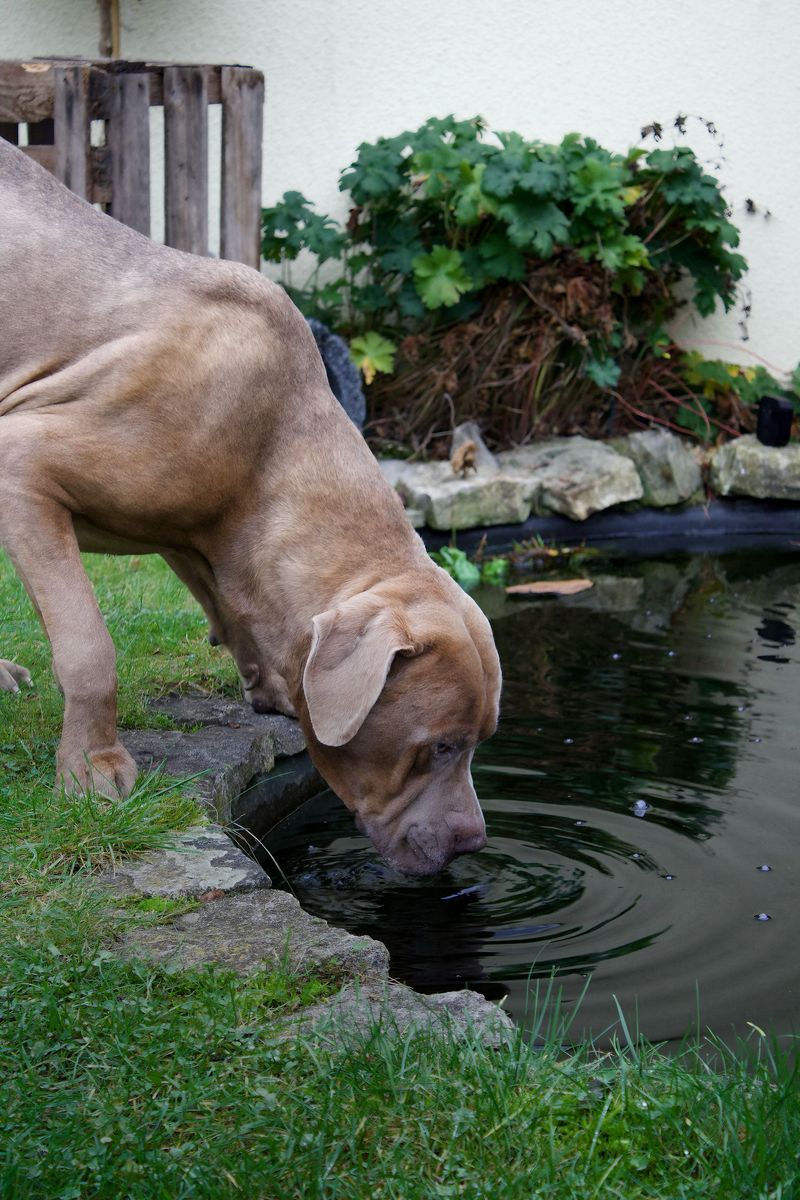
A safe yard is not a one-time project. Rain, plant growth, wildlife, and normal wear can change pond edges and drainage paths.
A short weekly walk helps you notice small problems before your dog finds them.
Look for loose covers, new holes, standing water, algae, and damaged fencing. Repeat the check after strong storms.
Keep fresh drinking water ready and supervise pond visits. With a simple routine, you and your dog can enjoy the yard with greater confidence.