12 California Car-Storage Mistakes Dog Owners Make When Heat And Long Drives Are Part Of The Routine
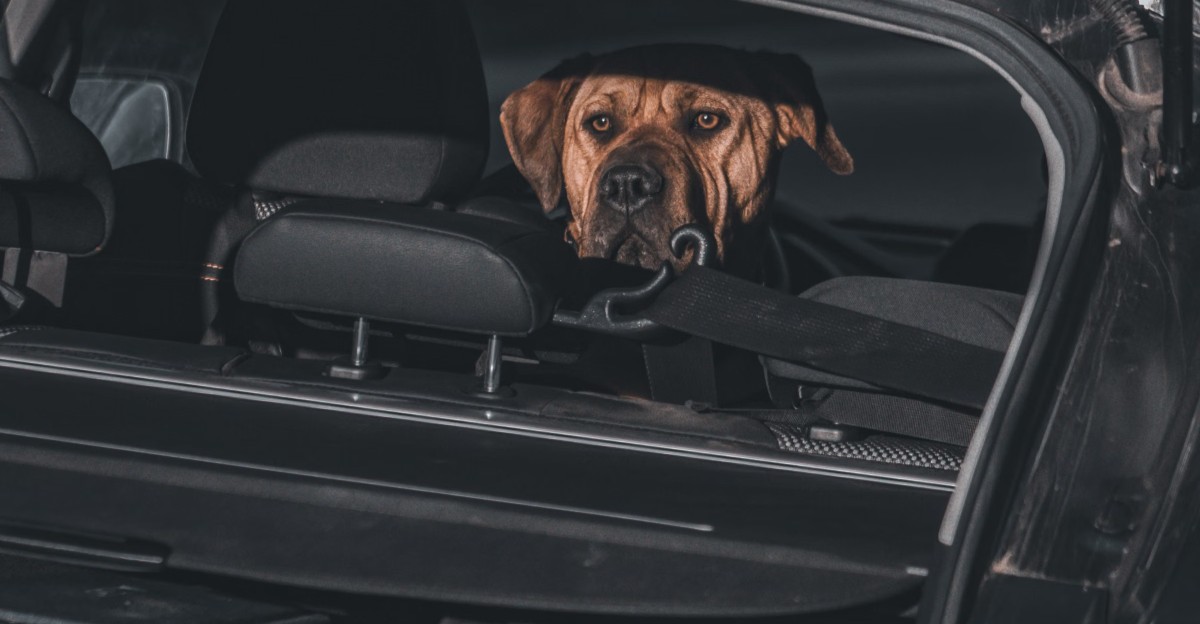
California drives can take you from cool coastal mornings to warm inland afternoons before your dog finishes a nap. Your packing habits, parking choices, and rest stops all help shape a comfortable trip.
A little planning also keeps everyday errands from becoming tricky when the weather changes. Here are the car habits worth checking before your next outing, with practical ways to keep your dog comfortable and your supplies ready.
1. Leaving Your Dog Behind During Parking Stops
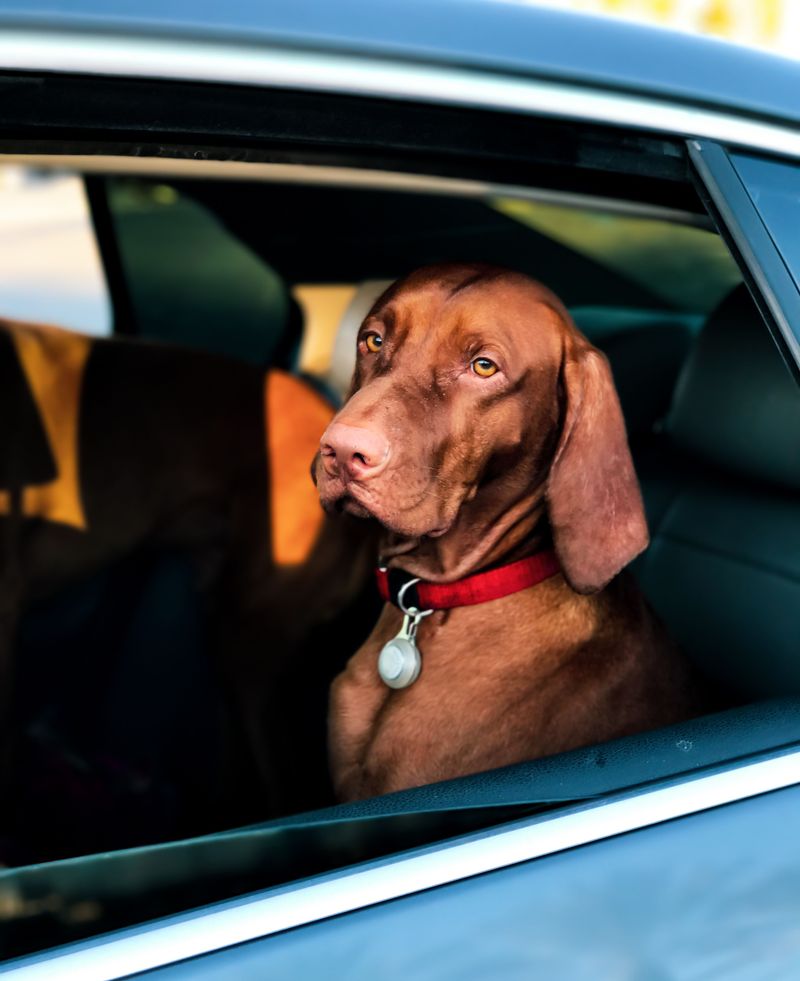
A quick grocery stop can stretch when checkout lines grow or a prescription needs extra time. Never leave your dog alone in a parked car, even with cracked windows.
California law prohibits leaving an animal unattended in a vehicle when conditions endanger the animal’s health or well-being. Heat, inadequate ventilation, and lack of food or water are among the conditions covered by the law.
Choose stores allowing dogs, bring someone who can stay outside with them, or leave your dog comfortably at home before running errands instead.
2. Trusting Shade To Keep A Parked Car Cool
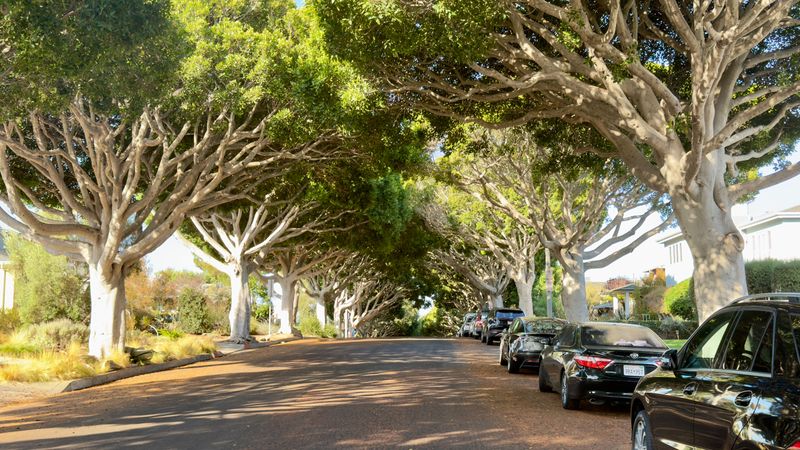
That leafy parking space looks inviting, but shade moves while you shop or eat. A shaded vehicle can still become dangerously warm, and cracked windows do not provide reliable cooling.
Cars heat quickly, even when outdoor temperatures feel mild. Do not use your own comfort outside as a test for conditions inside.
Treat shade as a helpful parking choice, not permission to leave your dog. Bring your companion with you whenever you step away from it.
3. Packing Without Protecting Supplies From Heat
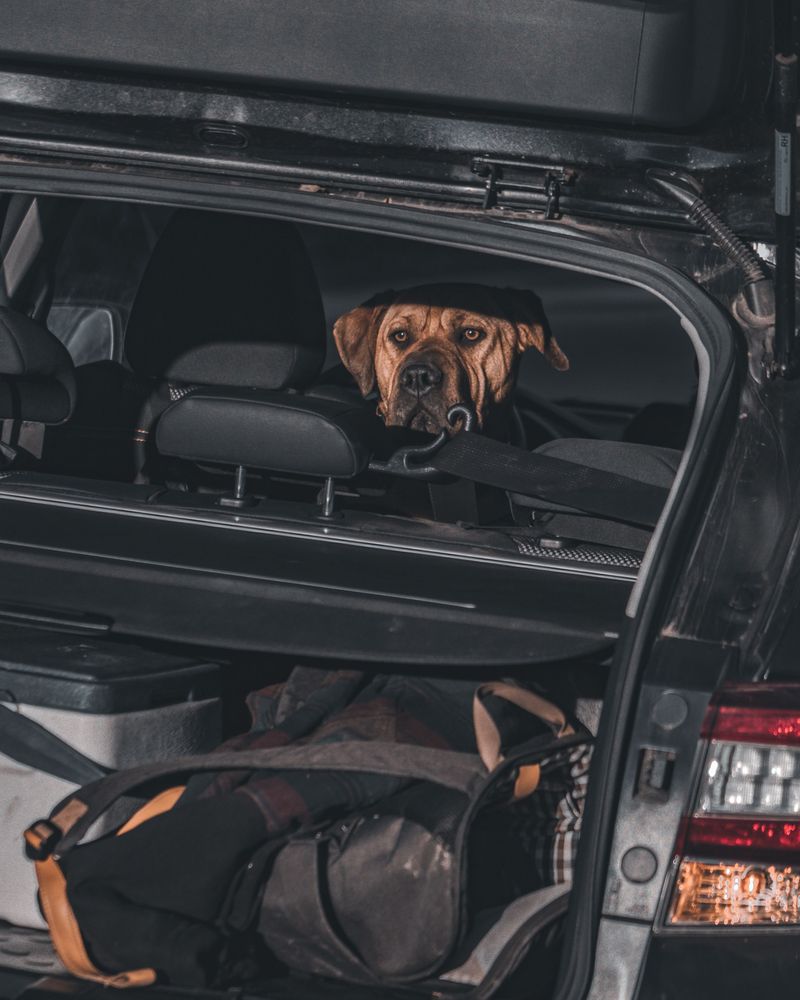
Your trunk should not become a permanent storage cupboard for everything your dog needs. Heat can damage medications and affect food quality, depending on the product and storage instructions.
Keep medicines within their labeled temperature range. Ask your veterinarian or pharmacist about safe travel storage rather than guessing.
Pack only needed supplies, keep food sealed, and remove sensitive items after driving. Arrange bags before departure so nothing crowds your dog’s space or covers the air vents.
4. Setting Off Without Testing The Air Conditioning
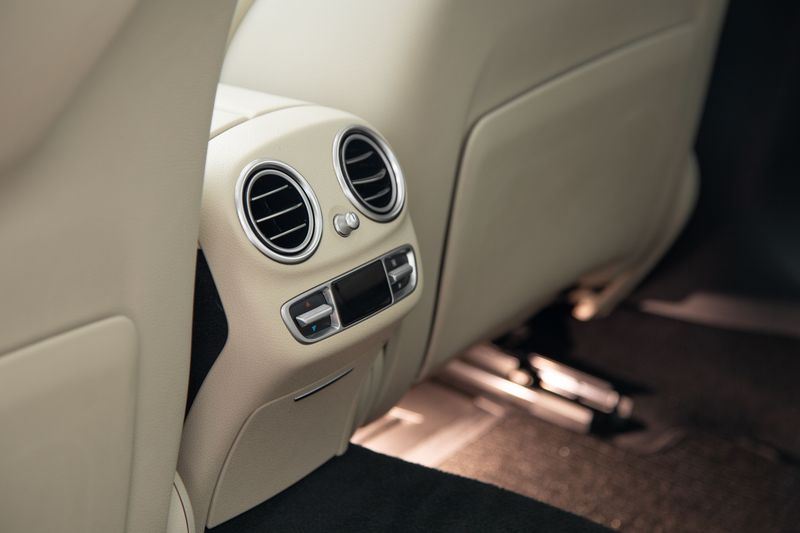
Warm air from the dashboard is a problem best discovered in your driveway, not halfway across the Central Valley. Test your air conditioning before loading your dog.
Check whether cool air reaches the back seat or cargo area where your companion rides. Front seats may feel comfortable while rear spaces remain warm.
Have weak cooling checked before a long journey. Cool the cabin first, and postpone travel if you cannot maintain comfortable conditions throughout the drive.
5. Carrying Too Little Drinking Water
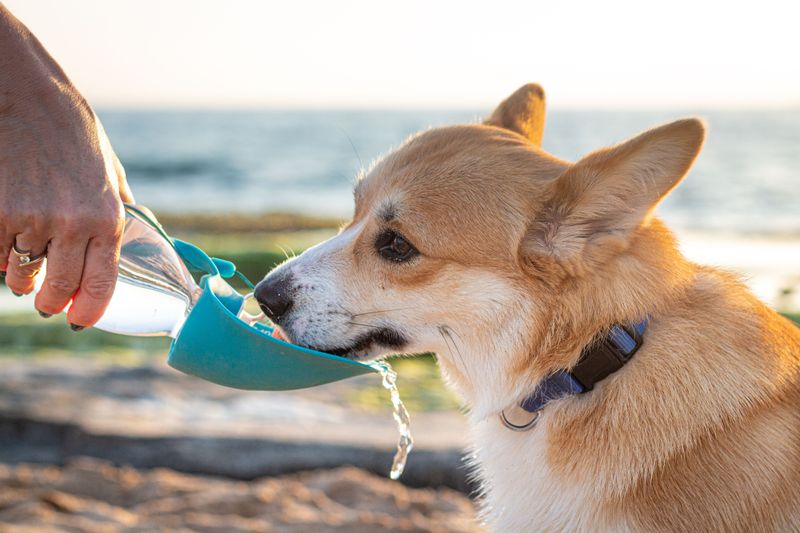
A single bottle may cover your coffee stop, but it may not cover your dog’s whole day. Pack fresh drinking water for everyone, plus extra for delays.
Bring a stable bowl and offer water during safe stops. Needs vary with size, health, activity, and weather, so ask your veterinarian about your dog.
Store containers away from direct sunlight when possible. Refill before supplies run low, and never depend entirely on fountains being available along unfamiliar routes.
6. Stretching Long Drives Without Cooling Breaks
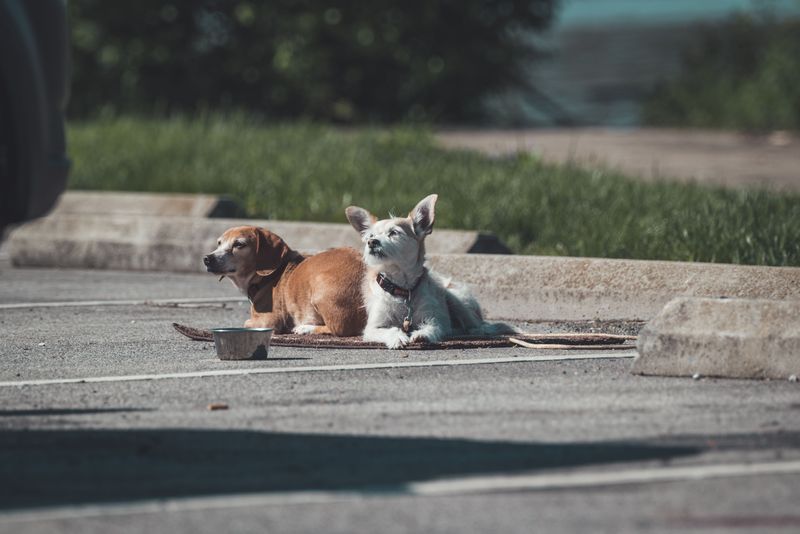
Miles pass easily when traffic is moving, but your dog still needs chances to rest and drink. Plan breaks before starting a long California drive.
Many dogs benefit from stops about every two hours, with adjustments for individual needs. Puppies, older dogs, and dogs with health concerns may need more.
Pick shaded locations with safe walking surfaces. Keep walks easy during heat, offer water, and let your dog settle before continuing in a comfortably cooled cabin.
7. Missing Early Signs Of Overheating
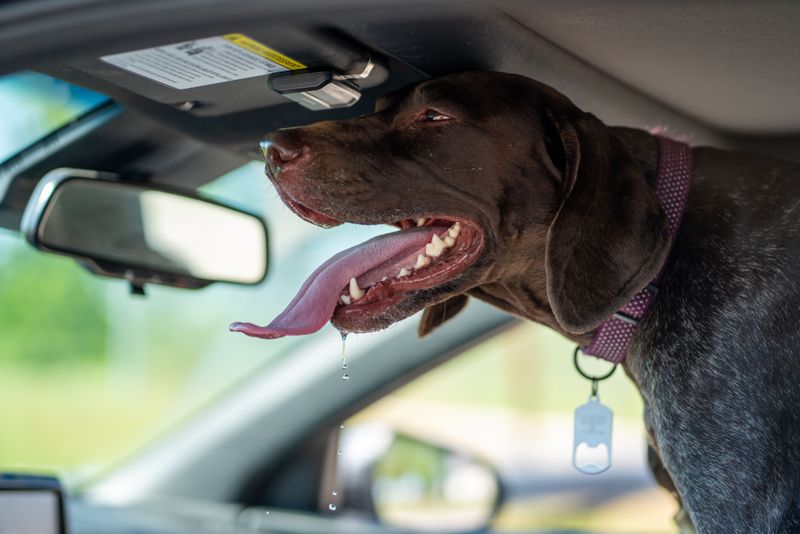
Unusual panting deserves attention, especially when your dog cannot seem to settle. Heavy drooling, weakness, vomiting, or confusion can also signal overheating.
Stop safely, move your dog into a shaded or comfortably cool environment, and contact a veterinarian immediately. Begin cooling with room-temperature water and airflow while arranging veterinary care.
Avoid ice water.
Offer small drinks only if your dog is alert and able to swallow. Never force water.
Do not wait for symptoms to worsen before asking for professional help.
8. Ignoring Hot Hours And Changing Route Temperatures
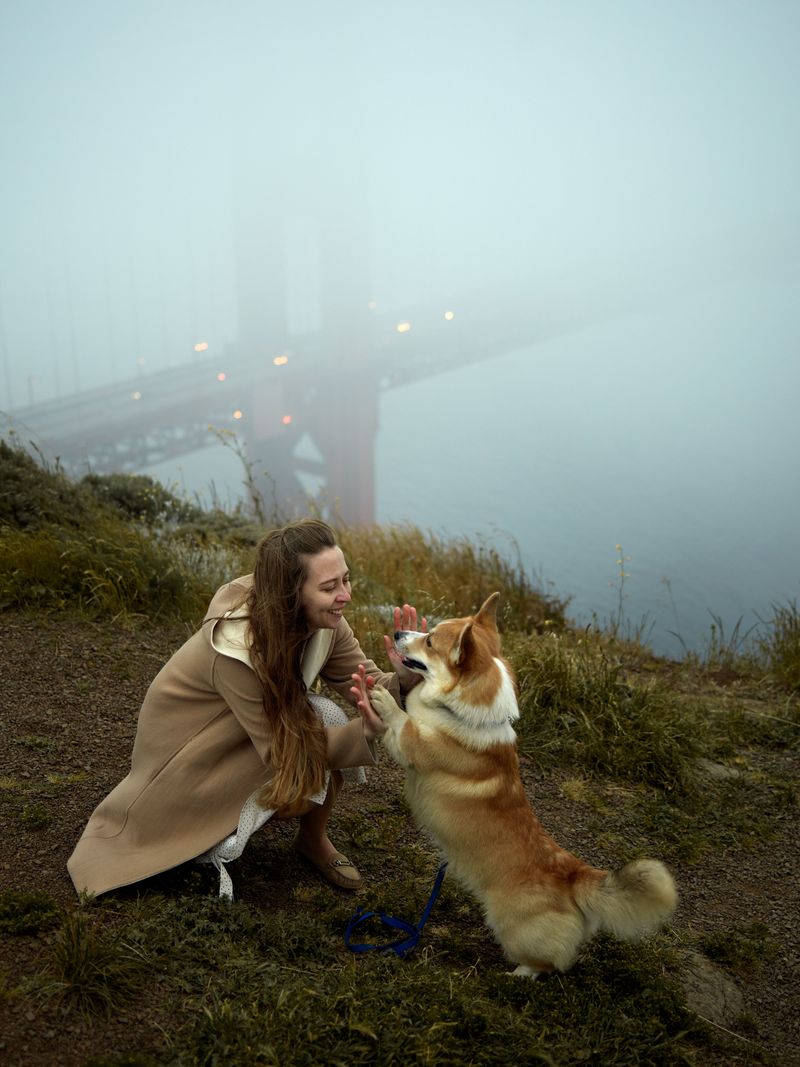
Coastal fog does not tell you what the afternoon will feel like farther inland. Check forecasts for your starting point, destination, and places between them.
When possible, drive during cooler morning hours rather than the hottest afternoon period. Remember that traffic can shift your arrival into warmer weather.
Mountain, desert, and valley routes bring different conditions. Adjust your stop locations and timing as forecasts change, and check your dog’s comfort throughout the journey, not just departure.
9. Blocking Airflow Around A Travel Crate
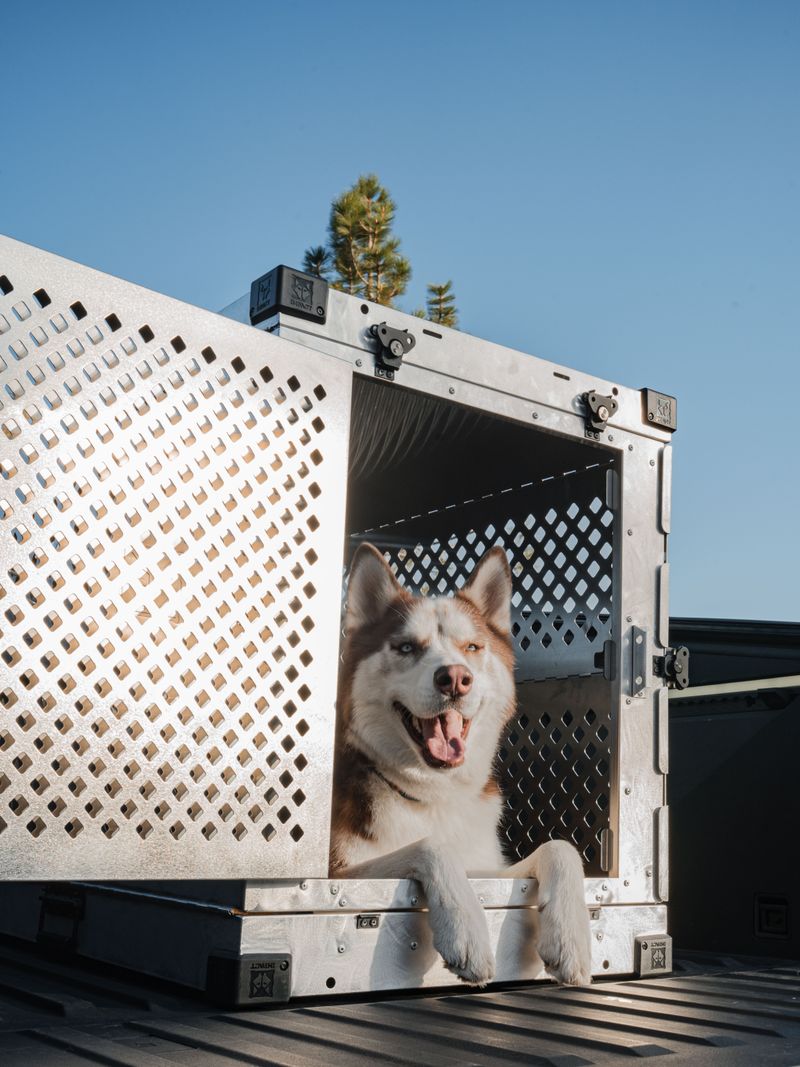
Suitcases piled around a crate can turn a tidy packing job into an airflow problem. Leave ventilation openings clear and keep luggage away from nearby vents.
Choose a crate that lets your dog stand, turn around, and lie comfortably. Secure it according to the manufacturer’s directions.
Avoid covering the crate with heavy blankets during warm travel. Check conditions where your dog actually sits, because the driver’s cool dashboard breeze may not reach that enclosed space well.
10. Overlooking Hot Seats, Pavement, And Other Surfaces
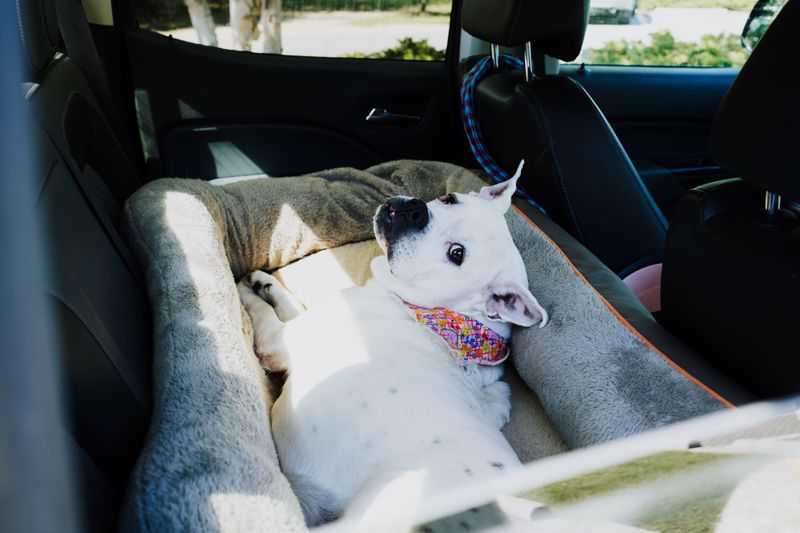
Sunlight through a window can warm seats, seatbelt hardware, and plastic surfaces before your dog climbs aboard. Check resting areas with your hand first.
Cool the cabin and use a suitable seat cover where needed. A cover does not replace cooling or make unattended parking safe.
Outside, pavement may be too hot for paws even when the air feels tolerable. Choose grass or shaded paths, and avoid surfaces that feel uncomfortably hot to your own touch.
11. Letting Your Dog Ride Without Proper Restraint
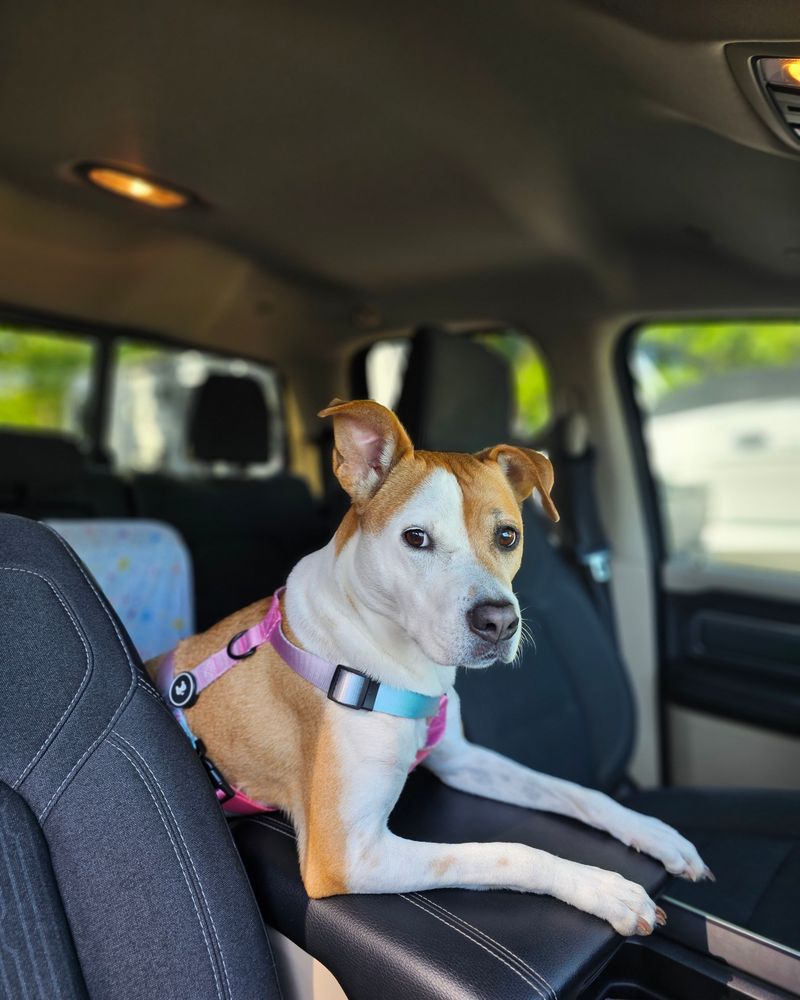
A dog wandering between seats can distract you and make sudden braking more risky. Use a properly fitted vehicle harness or a securely anchored travel crate.
Look for equipment with credible crash testing, and follow its instructions carefully. Attach restraints to a harness, not your dog’s collar.
Keep your companion away from front airbags and prevent heads hanging outside windows. Secure loose supplies too, so bottles and bags cannot slide into your dog’s area during turns.
12. Having No Backup Plan For Unexpected Delays
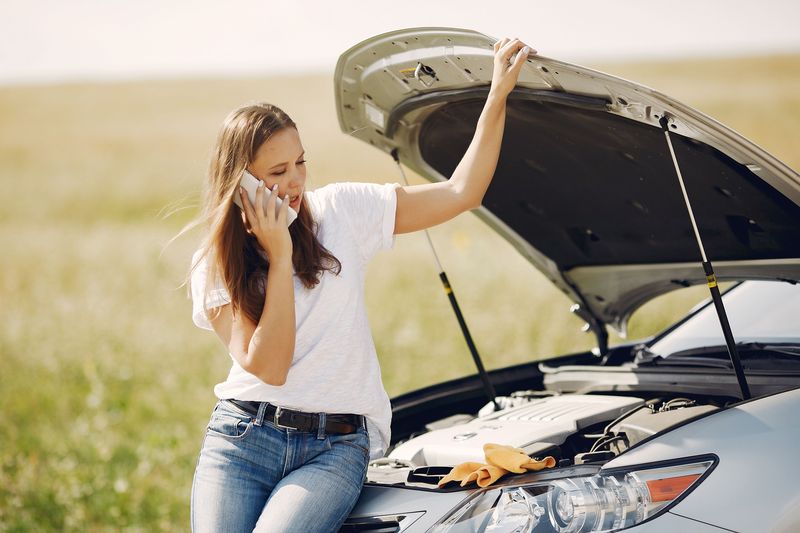
Traffic jams, road closures, and car trouble can upset even a carefully timed trip. Save veterinary contacts and identify places where you could safely wait indoors with your dog.
Carry a charged phone, extra water, and roadside assistance details. If cooling fails, reach a safe stopping place and arrange help promptly.
Never leave your dog unattended while seeking assistance. Keep the plan simple: cool air, safe restraint, regular water, and flexibility make California miles easier for everyone.