How Flooded Farm Fields Can Expose Illinois Dogs To Fertilizers And Debris
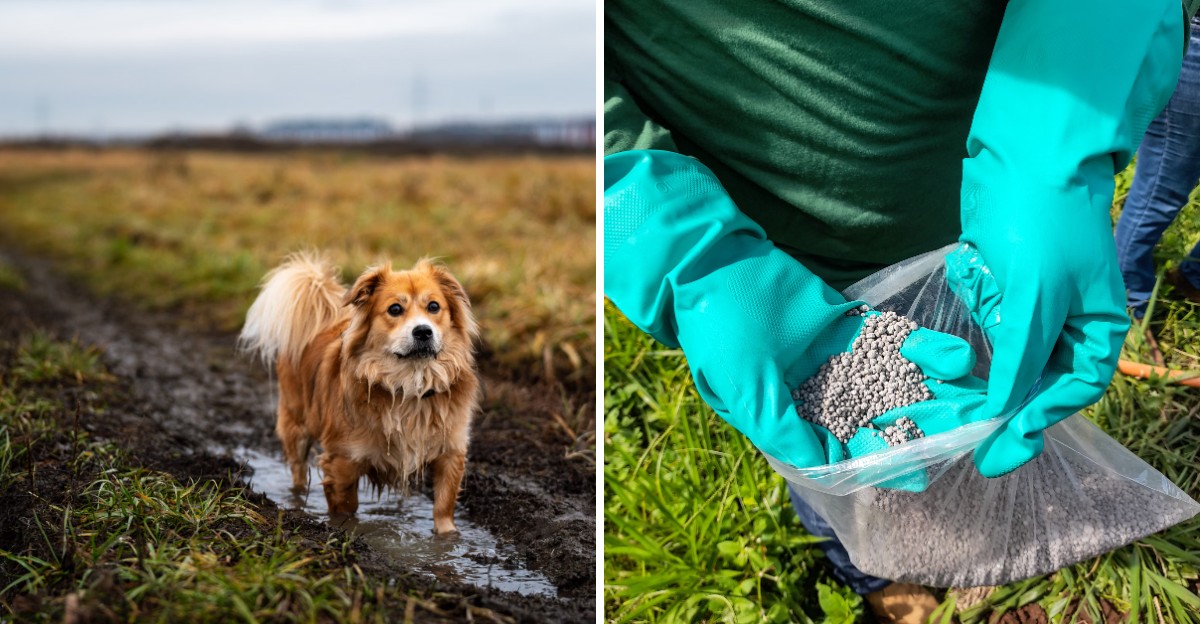
After heavy rain, your usual Illinois dog walk can look a little different, especially near cornfields, soybean fields, and ditches. Water can move fertilizer and loose debris into places your dog normally explores without trouble.
You do not need to guess what every puddle contains to make safer choices. A few simple habits can help you spot trouble, avoid risky ground, and know when your veterinarian should get involved.
1. Why Flooded Farm Fields Can Be Risky For Illinois Dogs
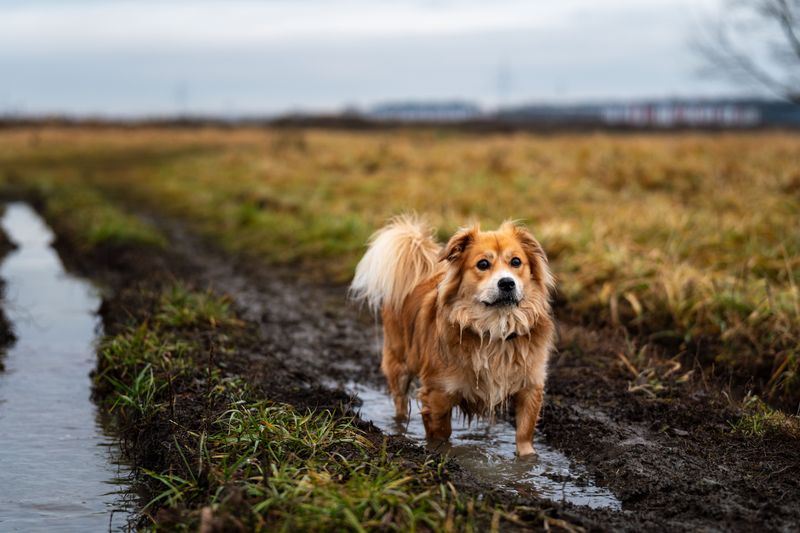
A familiar field can change quickly when rain covers its edges. Water may mix with fertilizer, soil, crop waste, and objects normally hidden between rows.
Dogs explore with their noses and mouths, creating several ways to encounter that mixture.
Not every flooded field contains dangerous amounts of chemicals. Still, appearance alone cannot confirm safety.
Keep your dog on dry, stable ground, and choose another route whenever water covers the path or nearby field entrances after storms.
2. Fertilizer Runoff Can Contaminate Standing Water
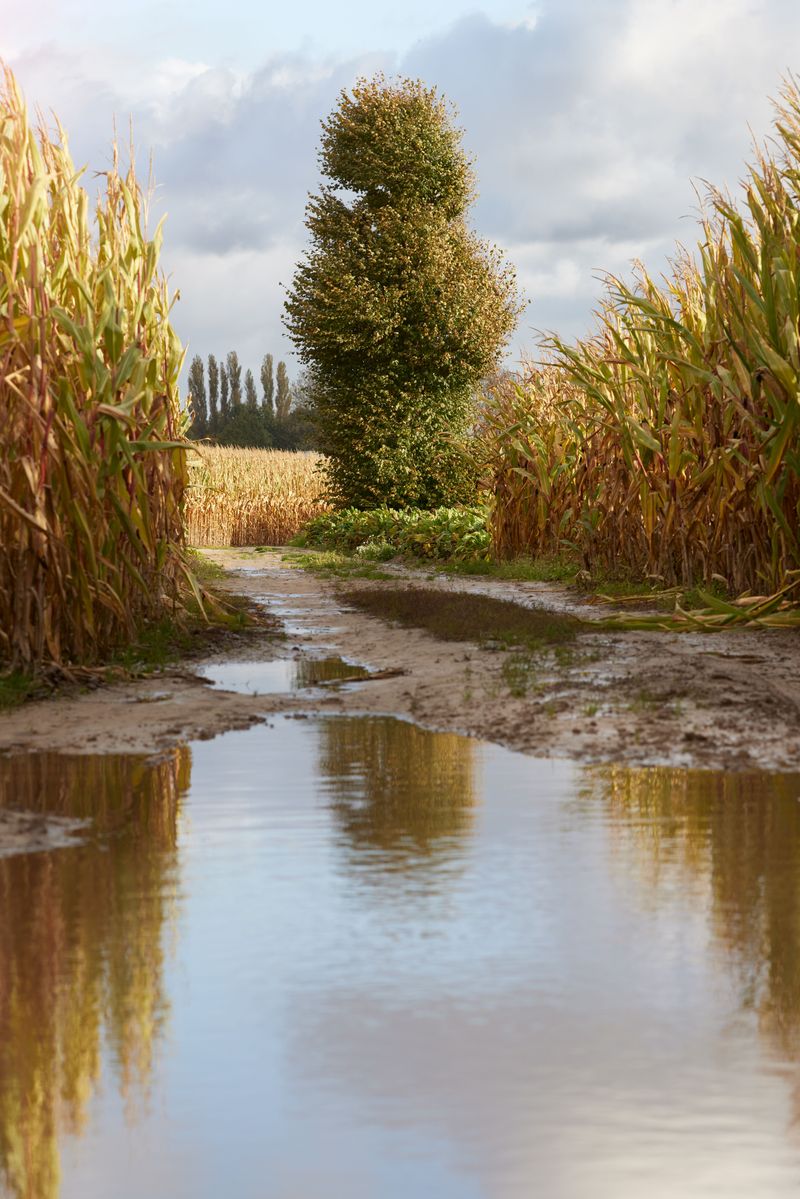
Clear water does not always mean clean water. Rain can dissolve fertilizer nutrients and carry them into low spots around fields.
The amount present depends on application timing, rainfall, drainage, and other local conditions.
Swallowing fertilizer-contaminated water may cause gastrointestinal irritation, and some fertilizer products can cause more serious effects depending on their ingredients and the amount ingested. Prevent your dog from drinking from farm puddles rather than trying to judge contamination by appearance.
Offer fresh water before walks and bring enough for regular breaks along your chosen route.
3. Keep Dogs Away From Recently Treated Fields
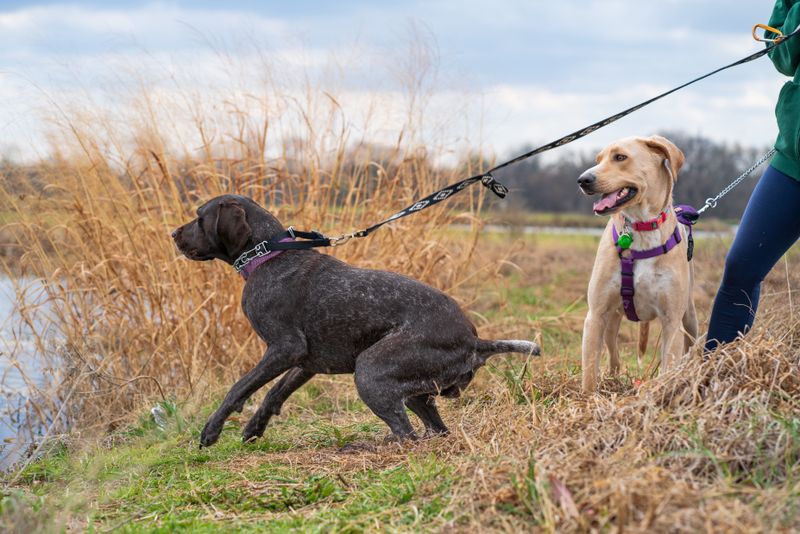
Freshly spread fertilizer deserves extra space, even before flooding begins. Loose material can cling to paws or attract a curious dog.
Some products also contain pesticides, which require different precautions from plain fertilizer.
Ask the landowner about treatment before entering any permitted walking area. Follow the product’s specific restrictions instead of assuming one waiting period fits everything.
Rain does not automatically make treated ground safe, especially when water collects or carries material toward nearby paths afterward.
4. Floodwater Can Carry Farm Chemicals Beyond Field Boundaries
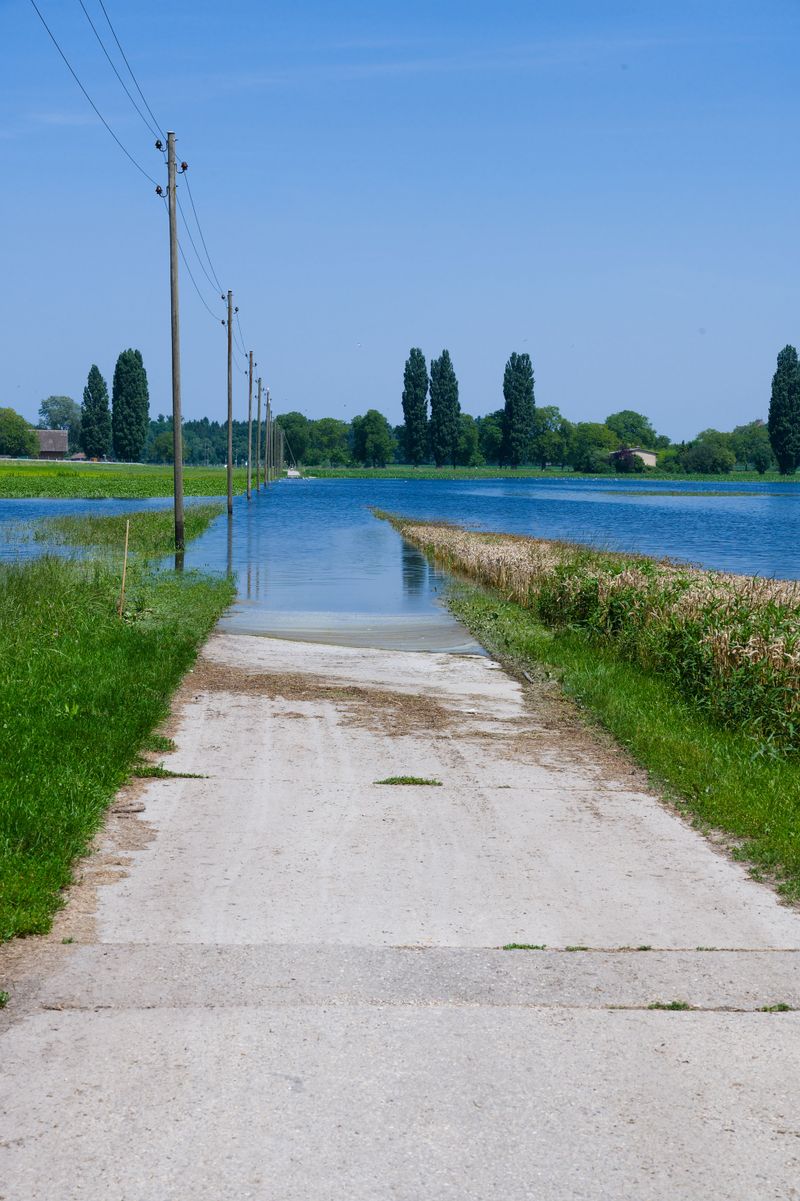
A fence cannot stop moving water. Runoff can travel through ditches, across driveways, and onto low sections of nearby walking routes.
That means exposure is possible without your dog ever entering a planted field.
Look at where water comes from, not just where you are standing. Avoid channels draining agricultural land during flooding.
If your usual public path receives runoff, turn around and use a dry alternative until conditions improve and local closures have been lifted.
5. Watch For Fertilizer Granules And Residue
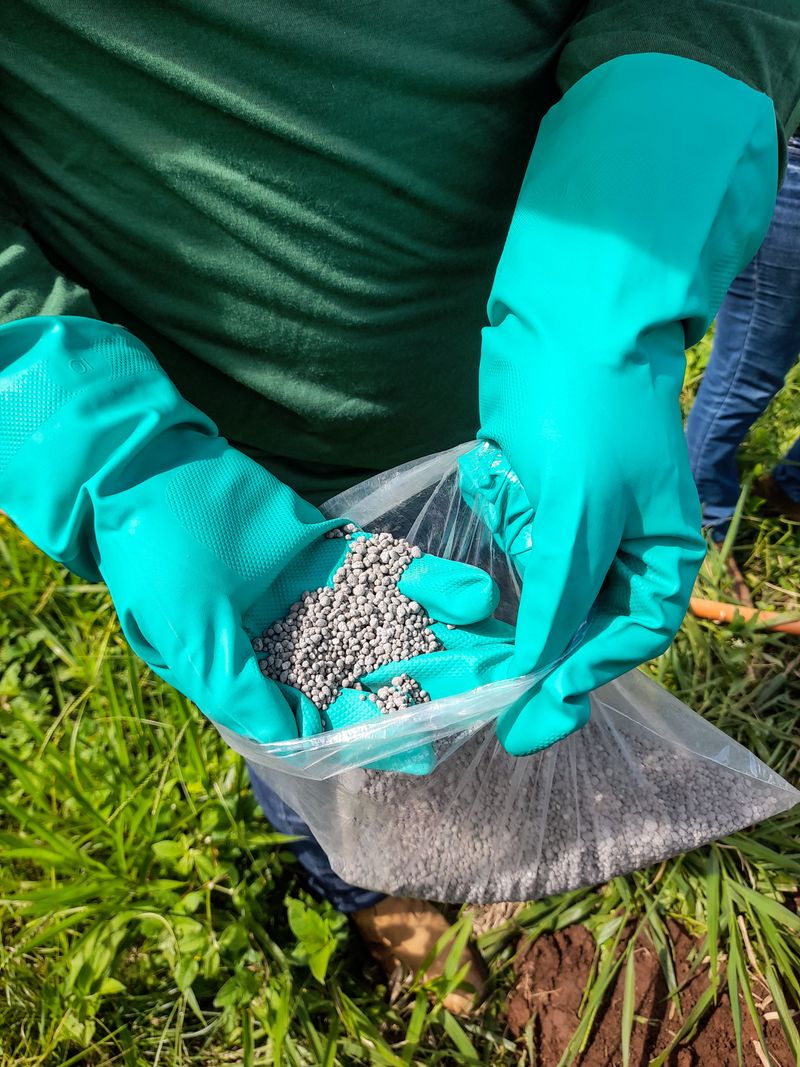
Small pellets beside a muddy entrance may deserve a second look. Fertilizer can appear as granules, powder, or residue, although appearance cannot reliably identify an unknown substance.
Flooding may gather material where water slows down.
Keep your dog’s nose away from suspicious piles and deposits. Do not handle unknown material with bare hands or collect samples without guidance.
Photograph it from a safe distance if useful, then ask the landowner or local officials about the location.
6. Broken Cornstalks And Crop Debris Can Cause Injuries
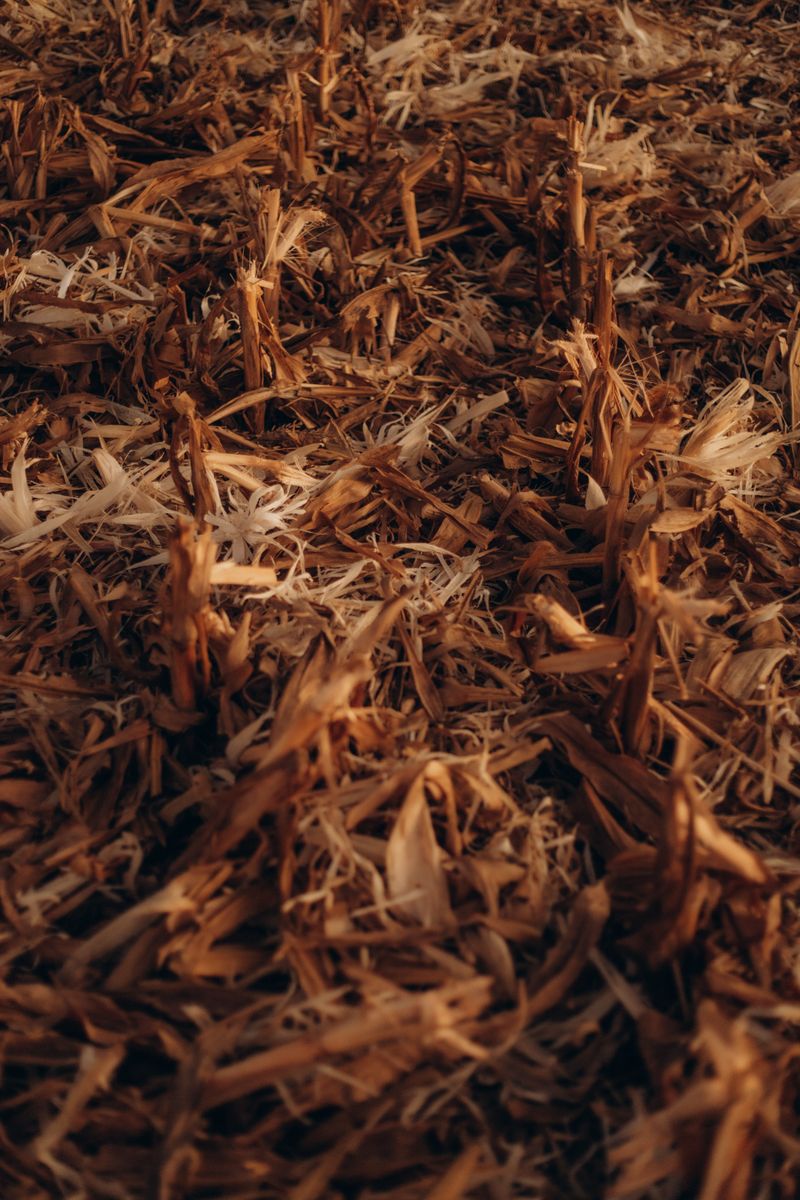
Last season’s stalks can become this week’s walking hazard. Floodwater shifts broken corn stems, husks, and other crop remains into tangled piles.
Stiff ends may scratch skin, poke paws, or irritate a dog’s mouth.
Steer around debris rather than letting your dog climb through it. After an accidental encounter, check paw pads and spaces between toes.
Contact your veterinarian for limping, persistent licking, swelling, or anything embedded in the skin instead of digging it out yourself.
7. Flooded Ditches May Hide Sharp Objects
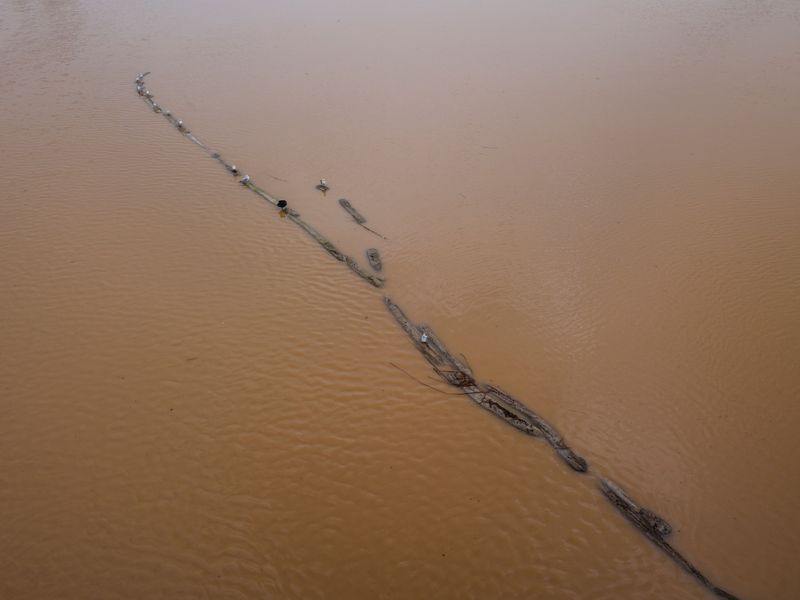
Cloudy ditch water hides more than its bottom. Wire, glass, metal scraps, and damaged fencing may collect where flowing water deposits debris.
Even a shallow crossing can conceal something that could cut a paw.
Skip ditch crossings when you cannot clearly see firm ground. Never send your dog ahead to test the route.
If a paw gets cut, apply gentle pressure with clean material and seek veterinary guidance, especially for deep wounds or bleeding that continues.
8. Mud Can Conceal Holes And Unstable Ground
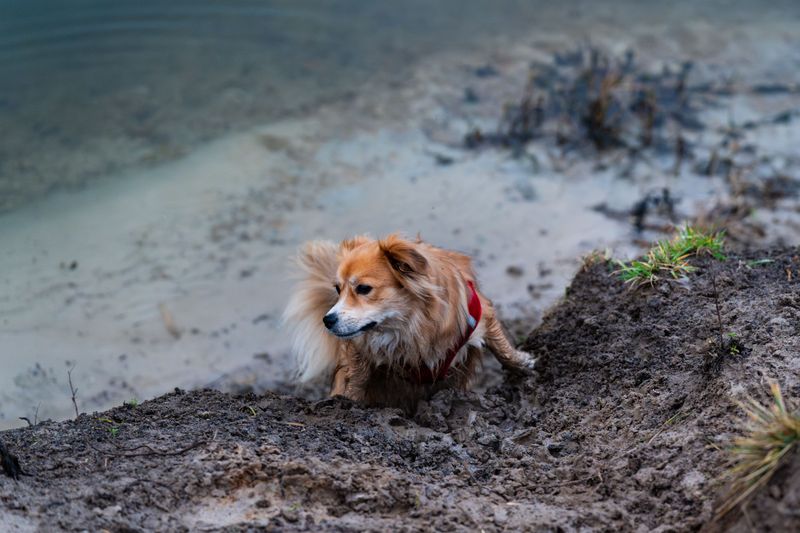
Solid-looking mud can give way under a single step. Flooding may wash soil from field edges, soften ditch banks, or hide ruts beneath shallow water.
Dogs can slip or strain a leg while scrambling free.
Stay back from eroded edges, including places that appear dry on top. Choose pavement or another firm surface away from moving water.
A shorter walk on stable ground beats a longer outing that requires crossing mud you cannot safely assess first.
9. Avoid Drinking From Farm Puddles And Drainage Channels
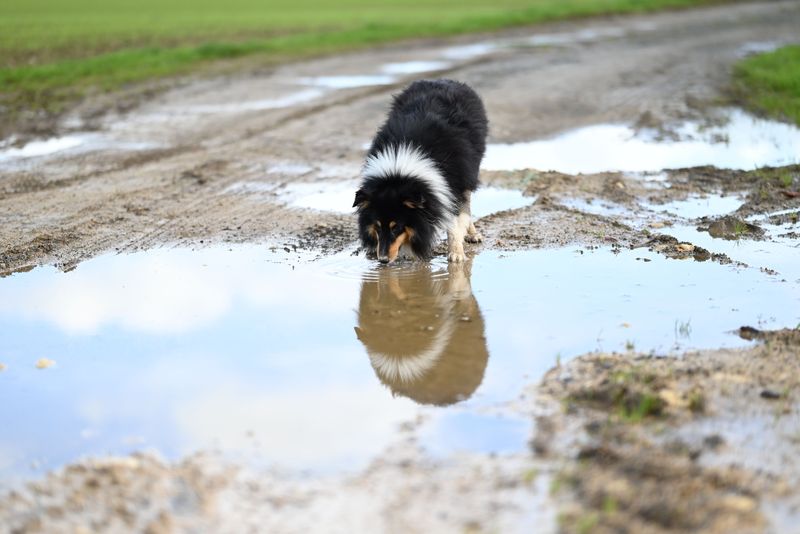
A thirsty dog rarely pauses to consider a puddle’s source. Besides fertilizer, farm runoff may contain germs, manure, or other substances washed from surrounding land.
Drainage channels are not reliable drinking sources, even when water looks clear.
Carry a bottle and bowl, then offer small drinking breaks during your outing. Use a leash to prevent quick sips near flooded ground.
If your dog drinks runoff, note the location and contact your veterinarian for advice about monitoring.
10. Recognize Possible Signs Of Fertilizer Exposure

An upset stomach after a muddy outing deserves attention. Fertilizer exposure may cause drooling, vomiting, diarrhea, or belly discomfort.
Weakness, shaking, breathing changes, or unusual behavior need urgent veterinary advice.
Symptoms depend on the product, amount, and exposure route. Some dogs seem normal at first, so do not wait for symptoms after suspected swallowing.
Call your veterinarian or an animal poison service promptly. Explain where your dog went and share any available product information with the professional.
11. Rinse Paws And Fur After Accidental Contact
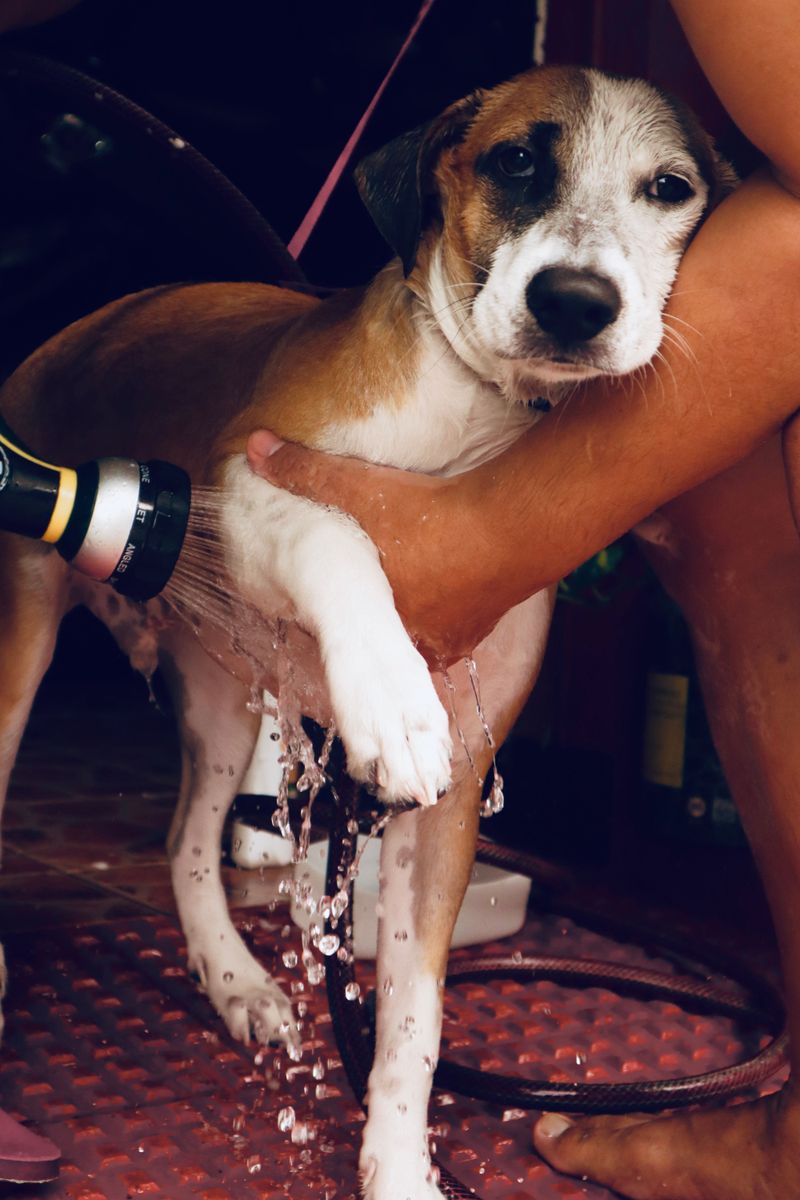
A quick cleanup can reduce licking after an unexpected splash. Move your dog away from the water and prevent grooming while you prepare.
Wear gloves if the coat has unknown residue.
Rinse affected paws and fur thoroughly with clean, lukewarm water. For sticky contamination, ask your veterinarian about suitable washing products.
Avoid solvents, harsh cleaners, and attempts to neutralize chemicals yourself. Contact a veterinarian for eye exposure, skin irritation, or suspected swallowing, even after rinsing contaminated areas.
12. Know What To Do If Your Dog Swallows Something
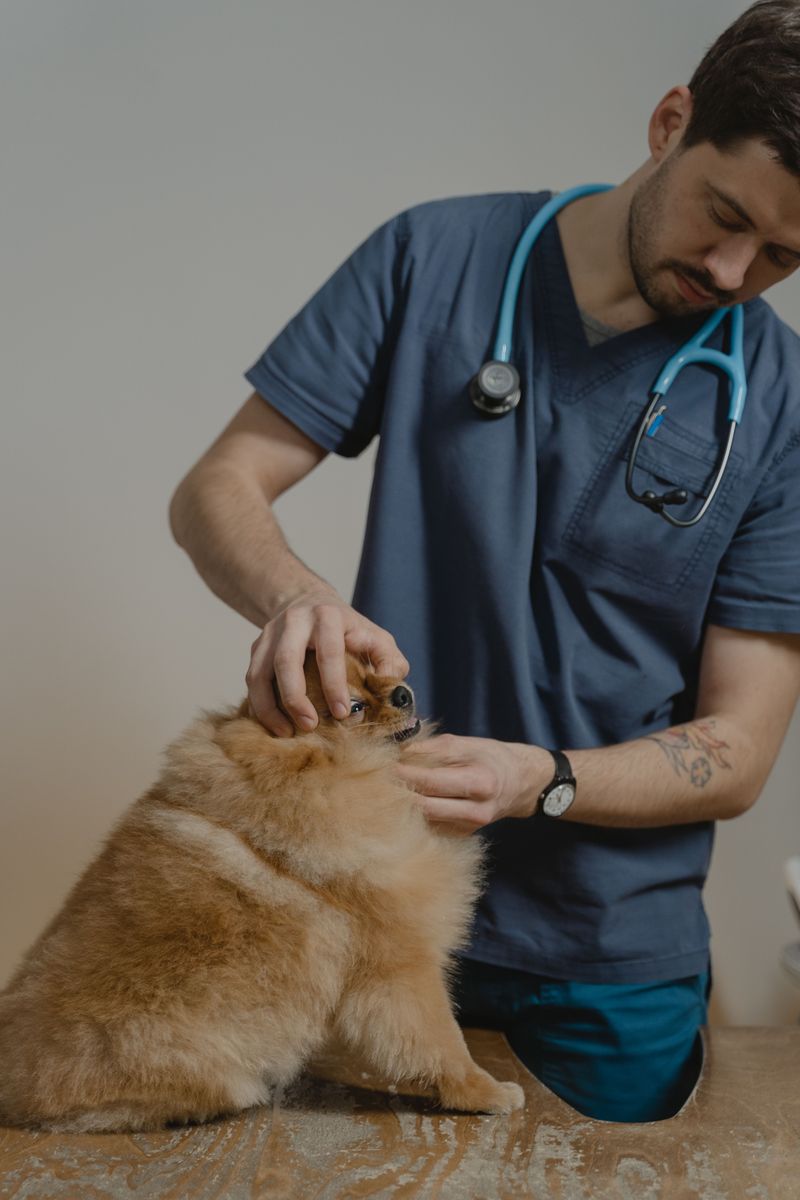
Quick, clear information helps more than a home remedy. Move away from the suspected source and call your veterinarian immediately.
An animal poison service can also advise, although consultation fees may apply.
Report your dog’s weight, what happened, the estimated amount, and the time. Keep packaging or photographs available when safe.
Do not induce vomiting or give food, milk, or treatments unless directed. Sharp debris and certain chemicals require different care, so professional instructions matter right away.
13. Take Product Labels Seriously
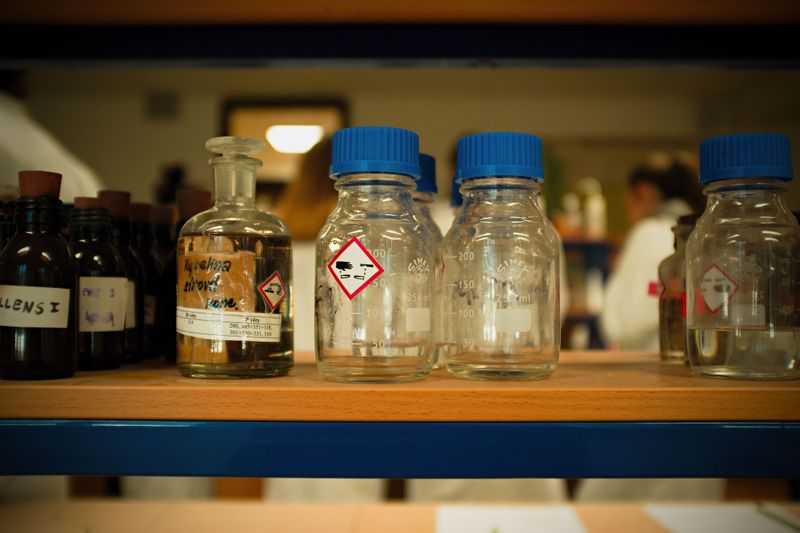
The word fertilizer covers many different products. Some blends contain iron or other ingredients that change the health risk.
Products combined with weed or insect treatments need their own careful handling.
Read the actual label for ingredients, precautions, and directions about pets. Keep its identification number when one is listed.
Labels help veterinarians assess exposure more accurately than a general product description. If the source is unknown, say so rather than guessing about its contents or strength.
14. Check Flood Warnings And Local Road Conditions
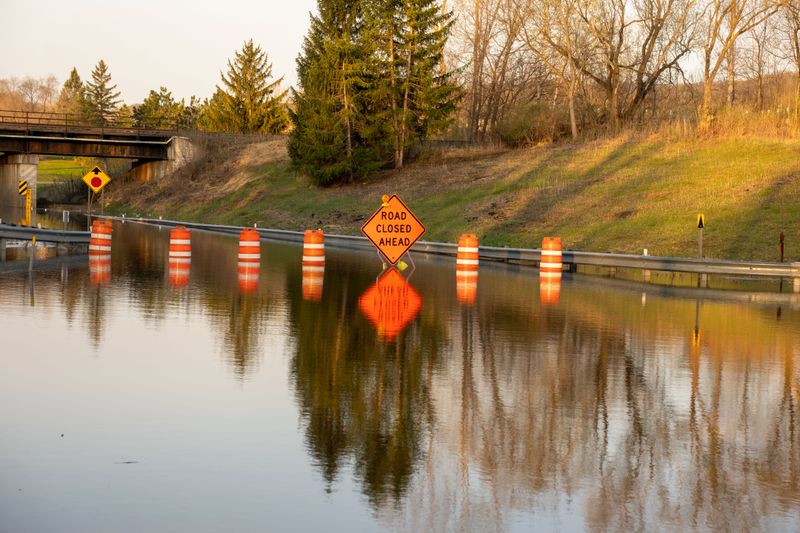
Before clipping on the leash, check more than the forecast. National Weather Service alerts can flag flooding across your area.
County emergency management offices and transportation agencies may provide road closures and local updates.
Never walk or drive around flood barriers to reach a favorite route. Conditions can change while you are outside, particularly near creeks and drainage systems.
If warnings affect your neighborhood, choose brief outings on known dry ground and follow instructions from local officials.
15. Choose Walking Routes Away From Agricultural Runoff
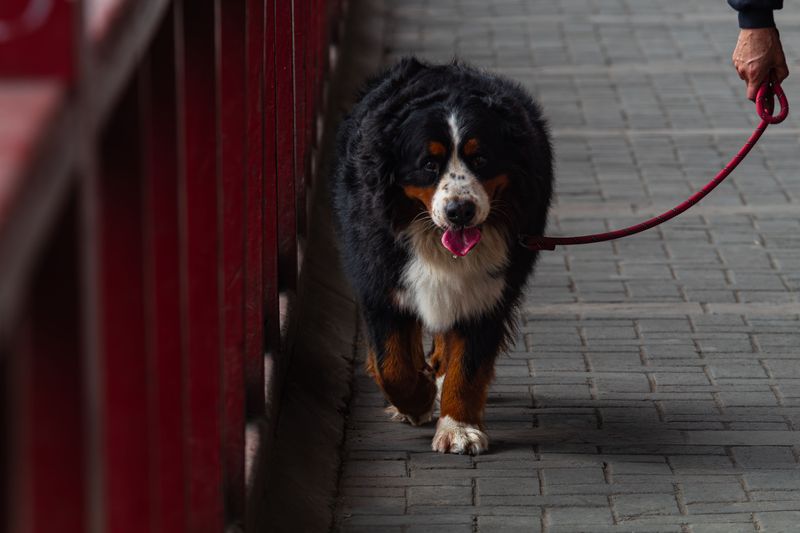
Your backup walk does not need to be exciting. A dry neighborhood sidewalk or open paved park route can provide useful exercise without approaching flooded fields.
Check park notices before leaving, since public spaces can flood too.
Favor routes away from drainage outlets and low crossings. Keep the leash short enough to prevent sudden puddle visits without pulling your dog.
When outdoor choices are limited, add indoor scent games and simple training to make shorter walks satisfying.
16. Keep Dogs Out Of Flooded Crop Fields
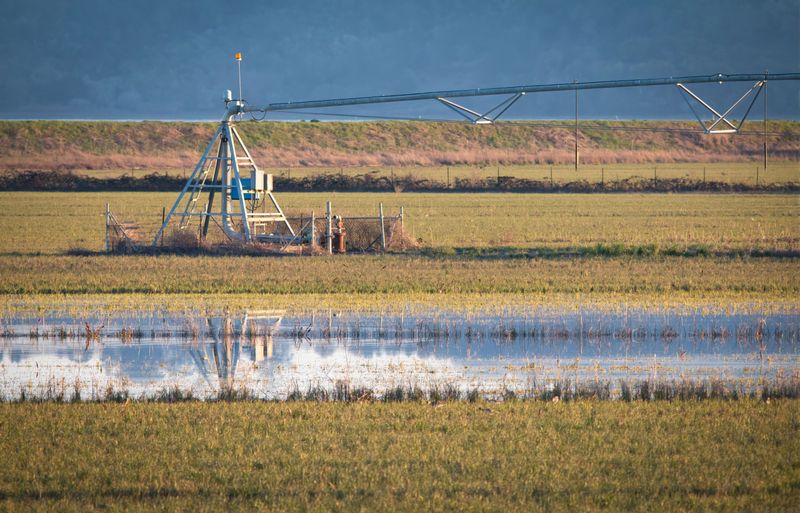
An open field is not automatically an open invitation. Agricultural land may be private, and permission does not remove flood hazards.
Standing crops, equipment tracks, and drainage features can make safe movement difficult.
Stay on authorized routes and respect gates, signs, and closures. Avoid retractable leash lengths that let dogs reach flooded rows unexpectedly.
If your dog enters water, call them toward safe ground without stepping into danger yourself. Contact emergency services if a rescue would endanger people.
17. Be Extra Careful After Heavy Illinois Rain
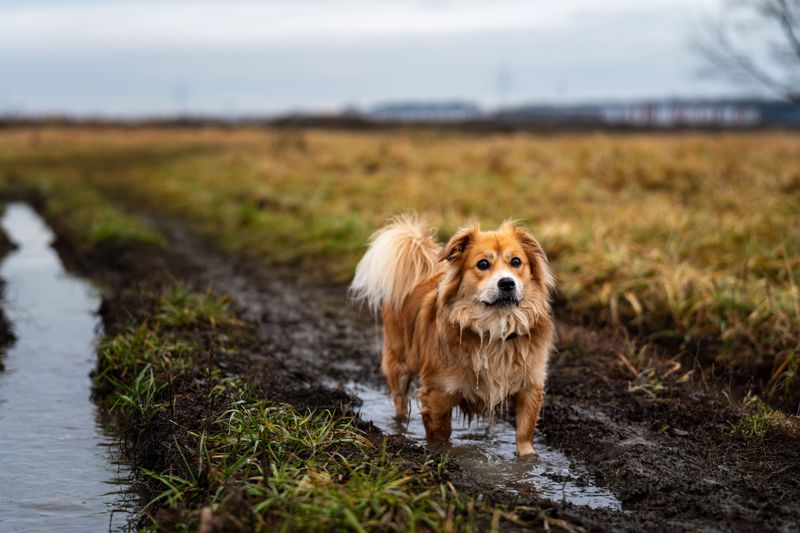
Blue skies do not mean yesterday’s flooding has finished moving. Water may continue draining from fields after rainfall stops.
New puddles, washed material, and softened banks can appear along routes that were previously clear.
Recheck familiar paths after each heavy storm instead of relying on yesterday’s conditions. There is no universal waiting period that makes every field safe.
Consider current flooding, recent treatments, official notices, and landowner guidance before returning to nearby walking areas with your dog.
18. Report Suspicious Spills Or Unusual Discharges
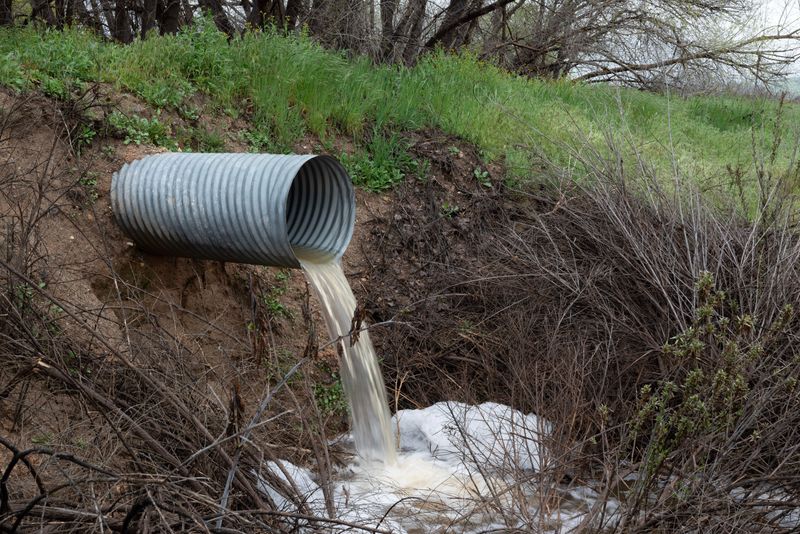
Unusual foam, strong odors, or dumped containers deserve a cautious response. They do not prove contamination, but they can justify reporting concerns.
Keep your dog away and observe only from safe, permitted ground.
For suspected pollution, contact the Illinois Environmental Protection Agency through its current reporting channels. Call emergency services for immediate danger.
Share the location, time, and photographs when safe. Keep the routine simple: avoid floodwater, offer clean water, and ask for help when something seems wrong.