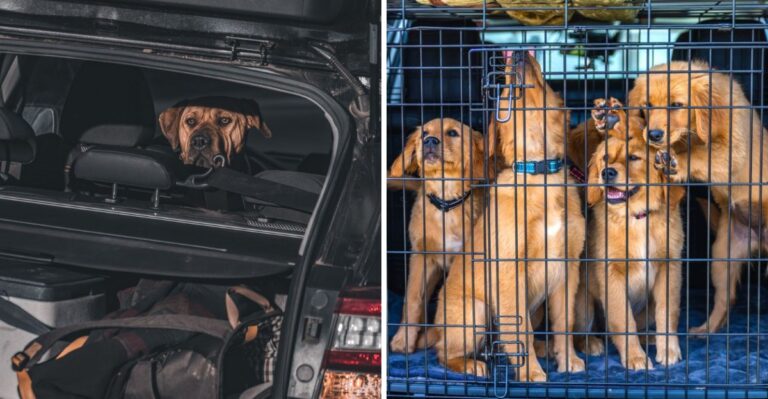
What North Carolina Dog Owners Should Know Before Taking A Dog On A Coastal Ferry
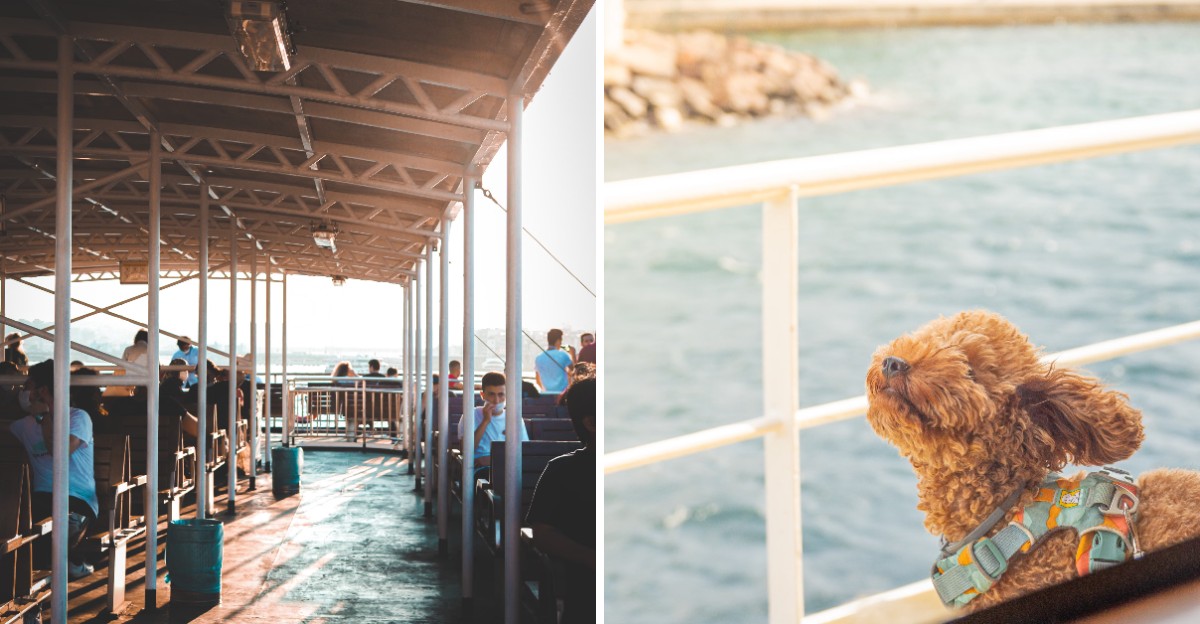
Few things beat watching your dog sniff the salty air as a ferry glides across the sound. North Carolina’s coastal ferries can make island trips easy and fun for the whole family, including the four-legged members.
Still, a little planning goes a long way toward a calm, safe ride. Here is what every local dog owner should know before heading to the dock.
1. Good News: Dogs Can Ride
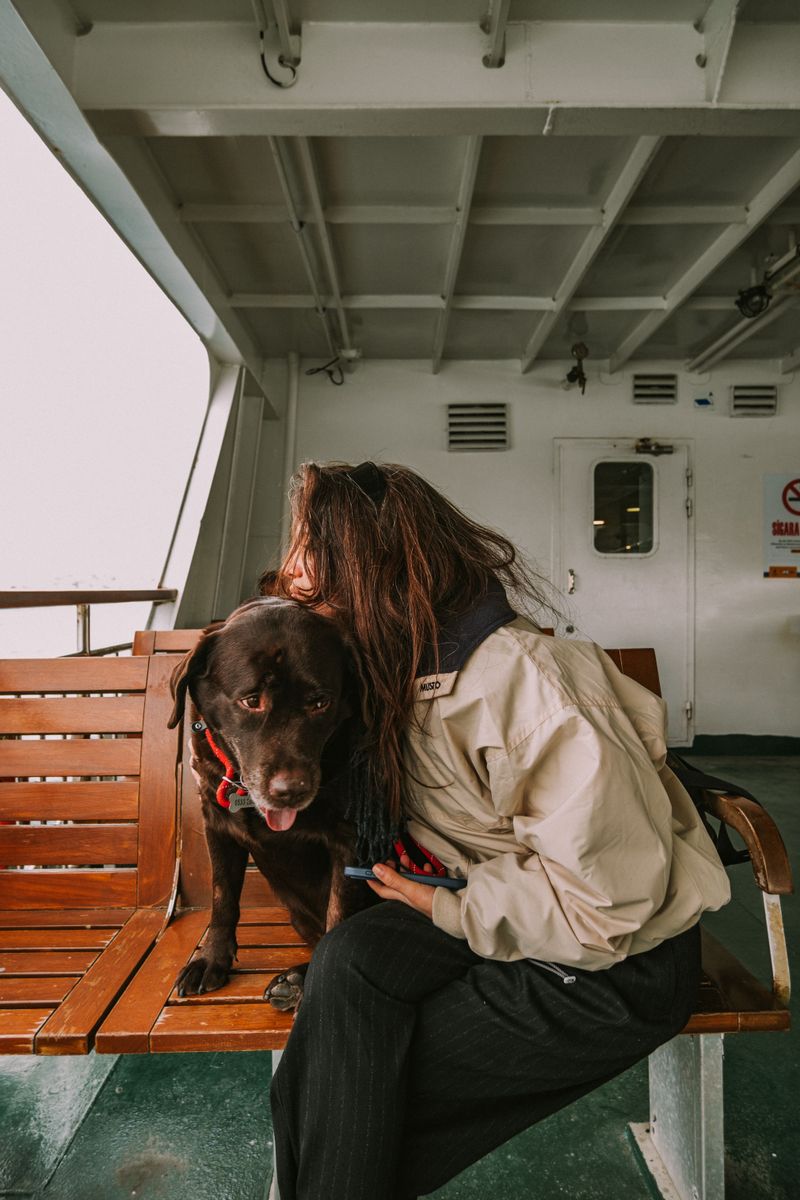
Planning an island getaway with your pup? North Carolina’s state-operated coastal ferries welcome dogs aboard.
That makes reaching places like Ocracoke much simpler for pet families.
Many owners are pleasantly surprised by how dog-friendly the trip can be. The ride itself often becomes a highlight, with breezes, gulls, and wide water views.
Of course, being welcome comes with a few house rules. Knowing them ahead of time keeps the journey smooth for everyone on board.
2. Car Seat or Leash, Your Choice
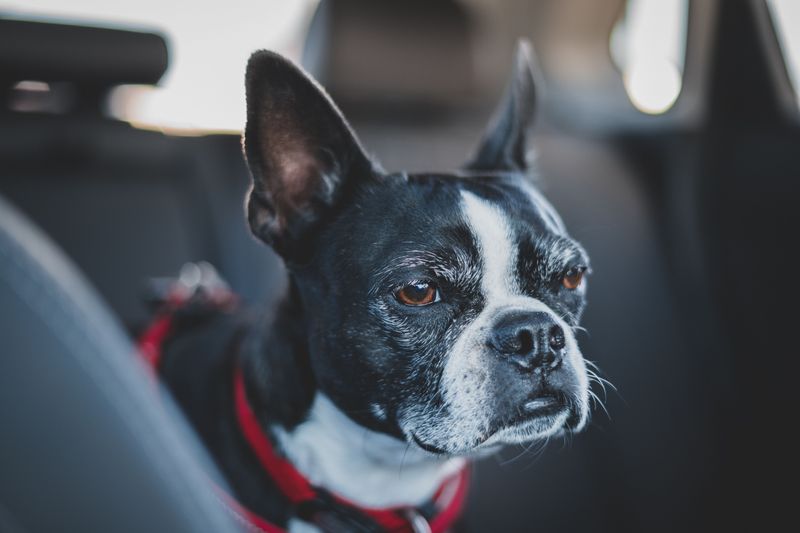
Ferry staff ask for one simple thing: dogs must stay inside vehicles or be securely leashed while aboard. Both options work well, depending on your dog.
Some pups feel safest in the familiar car. Others love stepping out to explore the deck and feel the wind.
If your dog stays in the car, crack the windows and check on them often. Comfort and airflow matter, even on shorter crossings.
3. Short Leash, Big Control
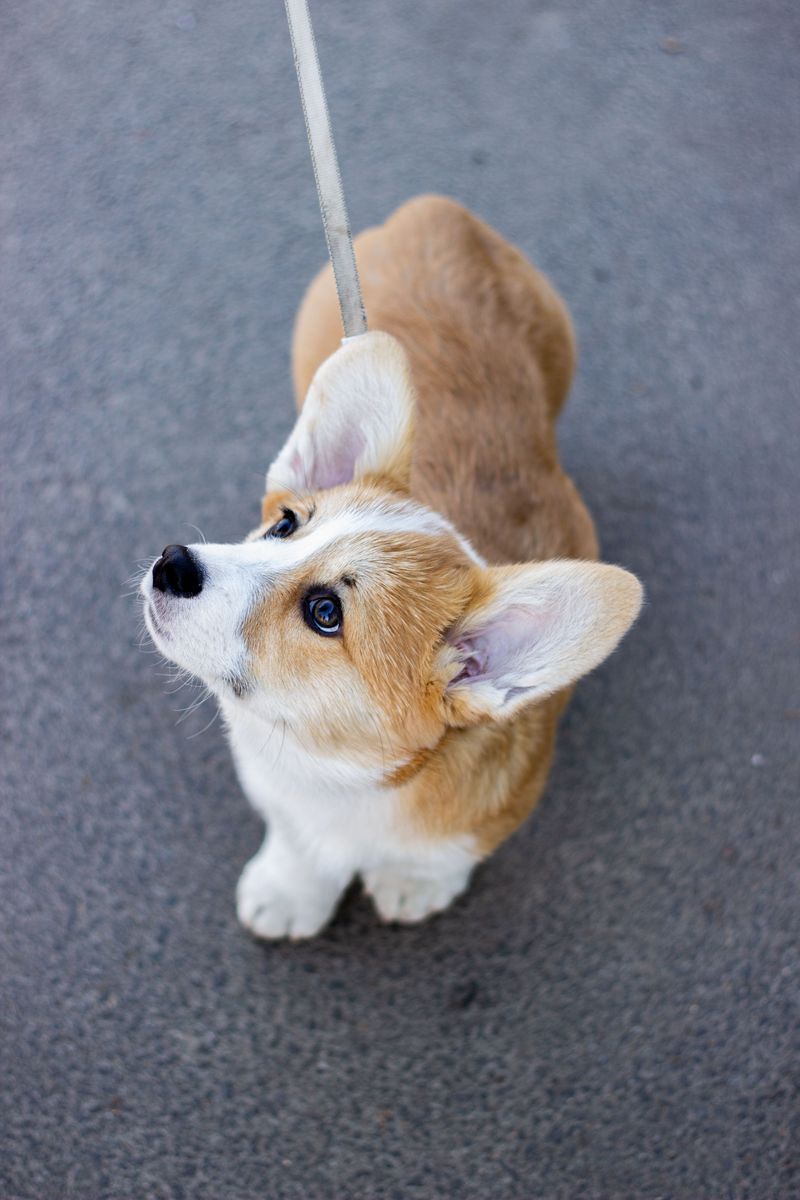
Picture a busy summer crossing, with kids, coolers, and camera-happy travelers everywhere. A long or retractable leash can tangle quickly in that crowd.
A short, sturdy leash keeps your dog close and calm. It also helps you guide them away from people who may be nervous around animals.
Choose a strong clip and a well-fitted collar or harness. Check both for wear before the trip, since salty air can be tough on gear.
4. Lounges Are for Service Animals Only
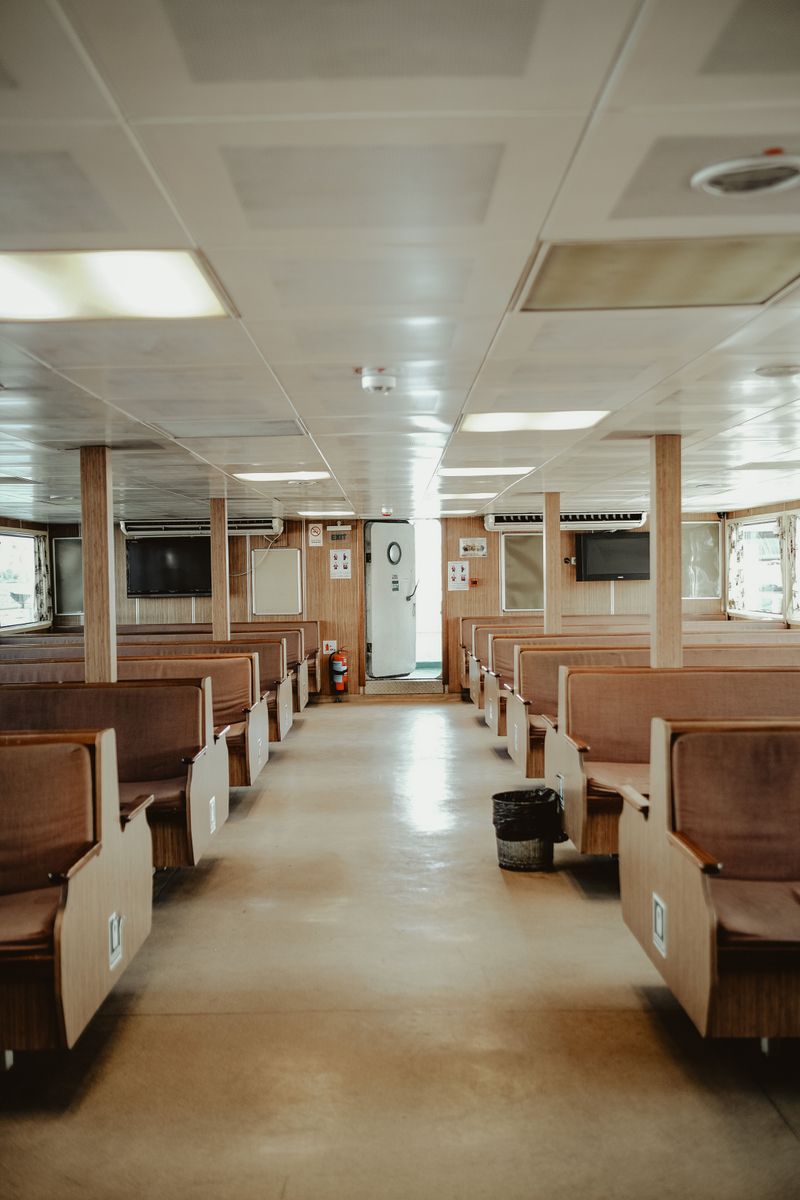
Ferry passenger lounges and visitor centers have a clear policy. Only service animals are allowed inside these indoor spaces.
That means pet dogs should stay on the open deck or in your vehicle. Plan for this if rain is in the forecast or the day is chilly.
A light towel or travel blanket can help your dog stay cozy outside. Your service animal, if you have one, may join you indoors.
5. Pack the Poop Bags

Accidents happen, especially when a dog is excited or a little nervous. On a ferry, owners are required to clean up after their pets.
Tuck a roll of waste bags into your pocket or clip a dispenser to the leash. A few paper towels and a small spray of cleaner help too.
Tidy decks keep ferries welcoming for dogs. Every responsible owner helps protect that privilege for the next pup in line.
6. No Extra Charge for Your Pup
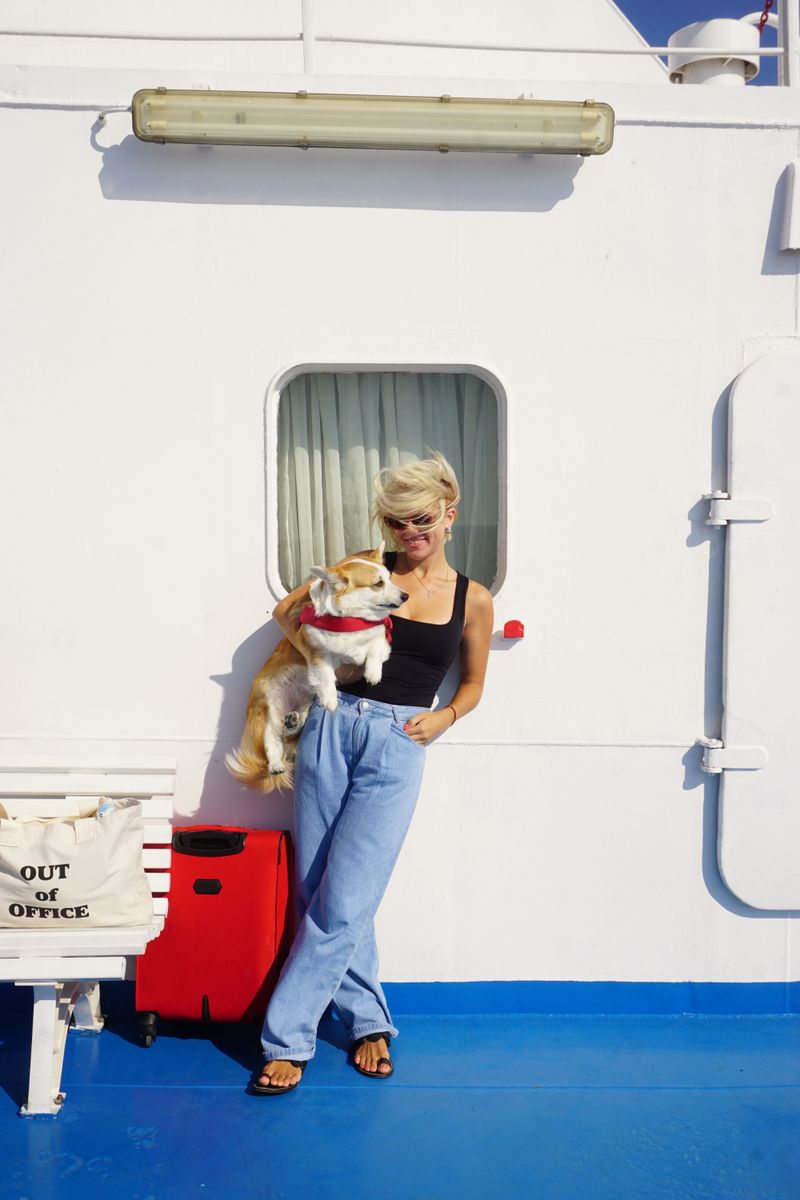
Here is a pleasant surprise for budget-minded travelers. Dogs riding with passengers on North Carolina’s state ferries do not carry an additional pet fee.
Many state routes are free to begin with. Others charge vehicle or passenger fares, but your dog simply tags along.
Fares can change over time, so glance at the NCDOT Ferry Division website before you go. That quick check keeps surprises off your trip.
7. Listen to the Crew
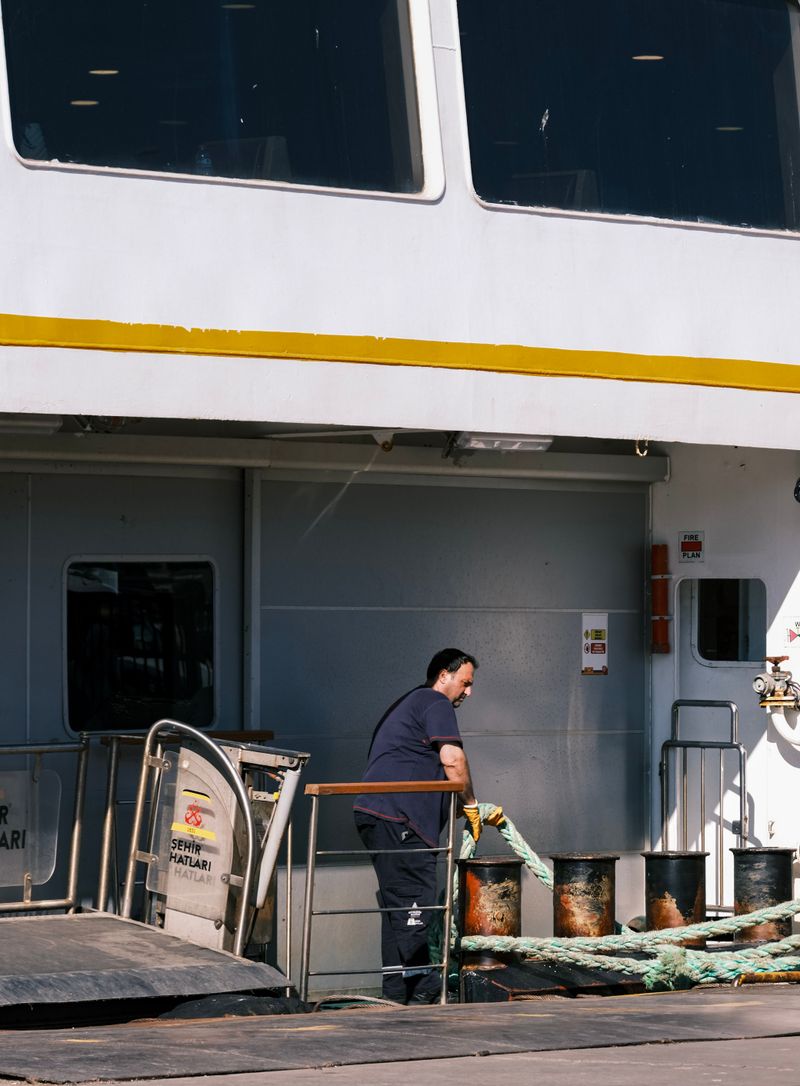
Ferry crews know their vessels inside and out. They may direct owners to keep dogs in certain spots for safety reasons.
Follow their lead with a smile. Crews watch for loading traffic, weather shifts, and crowd flow you might not notice.
The Ferry Division also reserves the right to refuse passage for security concerns. A cooperative attitude keeps your trip relaxed and helps everyone stay safe.
8. Private Ferries Play by Their Own Rules
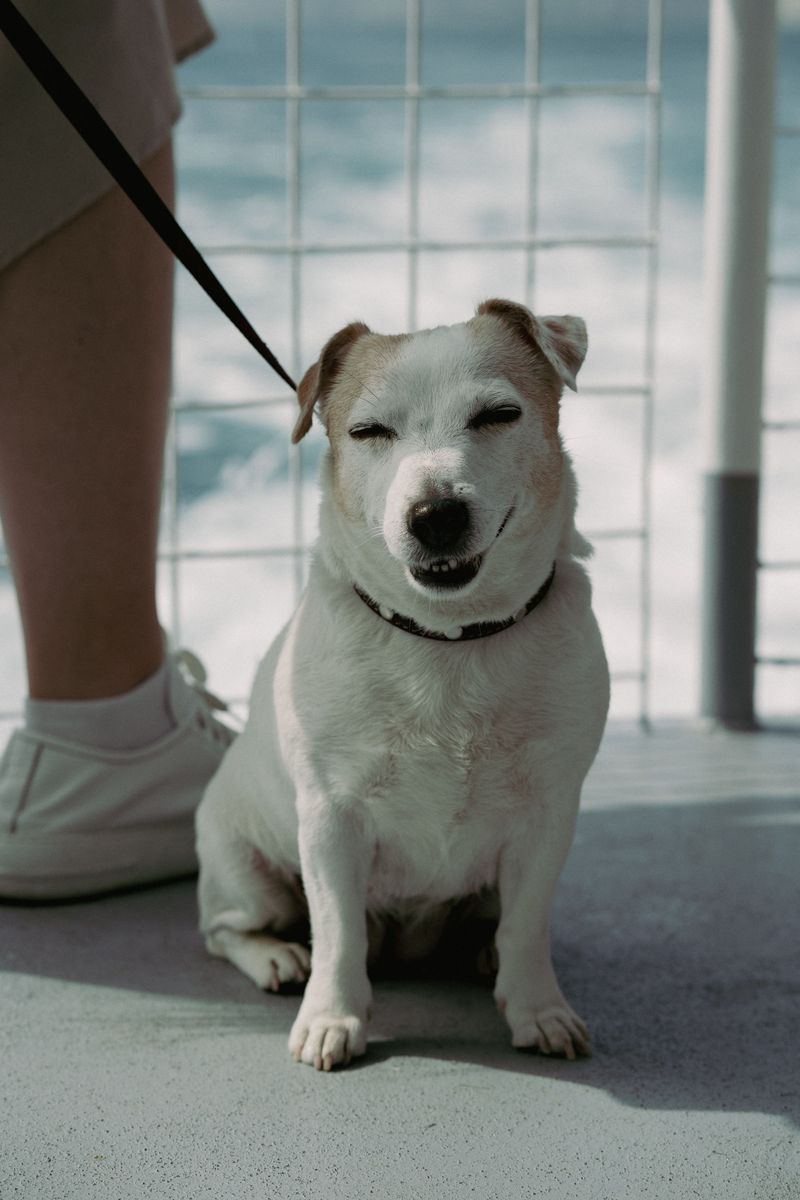
Heading to Cape Lookout? You will likely ride a private ferry rather than a state vessel.
Those companies set their own pet policies.
Some private operators, like ones serving Cape Lookout, welcome dogs but may charge a fee. They may also require leashes no longer than six feet.
Rules can differ from one company to the next. Never assume the state ferry policy applies to a private boat.
9. Call Before You Click Buy

A quick phone call can save a whole day of disappointment. Confirm pet acceptance directly with any private ferry operator before purchasing tickets.
Ask about fees, leash length, crate rules, and any size limits. Also ask whether certain trips or seasons have special restrictions.
Most companies list contact details on their websites. Jot down the answers so your whole group knows the plan on travel day.
10. Hatteras to Ocracoke: Free and First Come
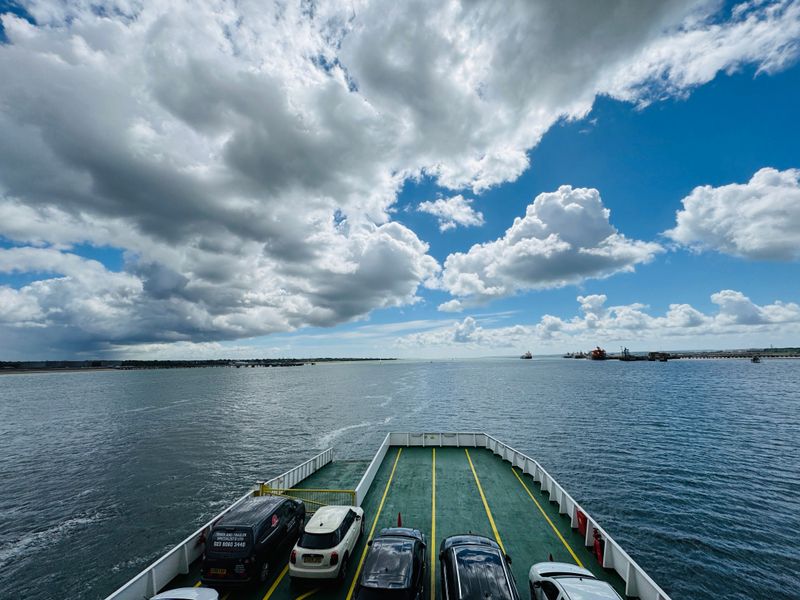
Ocracoke lovers know this route well. The Hatteras to Ocracoke vehicle ferry is free and runs on a first-come, first-served basis.
No reservations are needed, but summer lines can grow long. Arriving early helps, especially on weekends and holidays.
While waiting, give your dog shade, water, and a short leashed stretch nearby. A calm wait sets the tone for an easy crossing.
11. Book Ahead for the Long Hauls
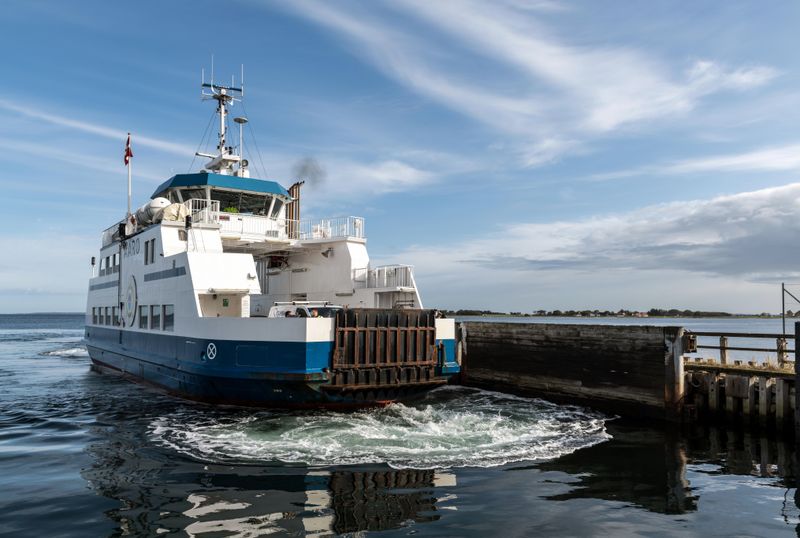
Longer crossings need a bit more planning. Reservations are recommended for the Cedar Island to Ocracoke and Swan Quarter to Ocracoke routes.
These rides take a couple of hours or more, and spots fill up fast in busy months. Reservations open up to 90 days ahead.
Booking early means less stress at the terminal. Your dog will appreciate a predictable, unhurried departure too.
12. The Ocracoke Express Has a Season
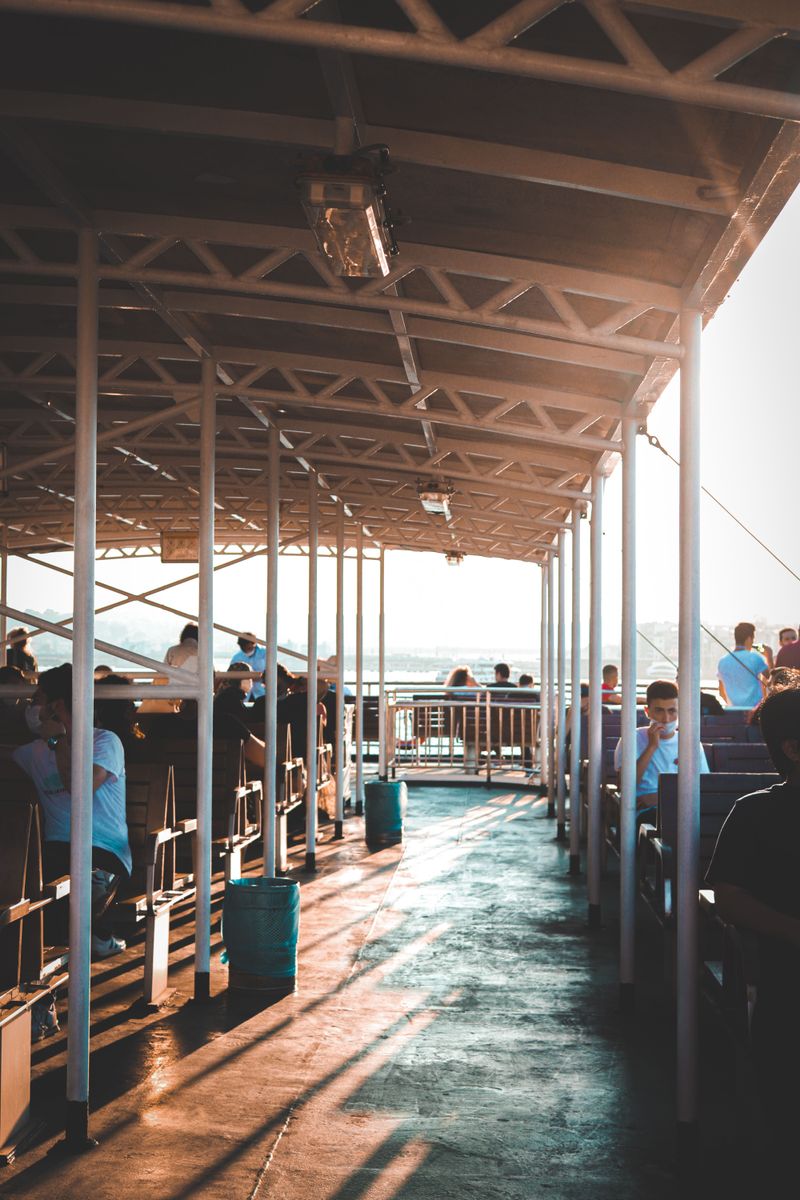
Fun fact: the Ocracoke Express is a passenger-only ferry, so no cars ride along. It runs seasonally, typically from mid-May through early September.
Exact dates and schedules can shift from year to year. Check the official NCDOT site before building your trip around it.
Since you will not have a car to retreat to, plan for leashed time on deck. Ask about current pet rules when booking.
13. Weather Has the Final Say

Coastal weather can change its mind quickly. Strong winds, rough water, tides, or severe storms may delay or cancel ferry departures.
The NCDOT Ferry Division shares alerts about schedule changes. Signing up for notifications or checking before you leave is a smart habit.
Pack extra food, water, and a plan for a longer wait. A flexible schedule keeps both you and your dog relaxed.
14. Burn Off Energy First
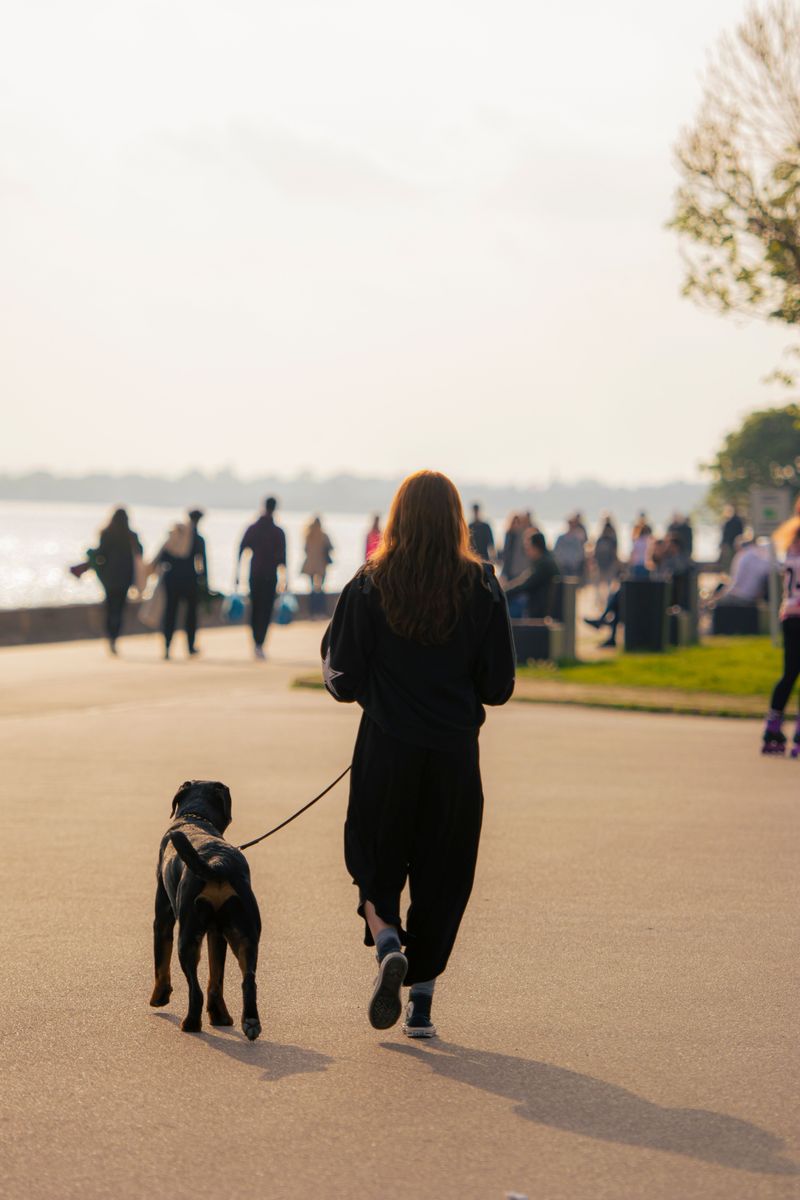
A tired dog is usually a calm passenger. Give your pup a good walk and a bathroom break before boarding.
This matters most on longer crossings, where chances to relieve themselves are limited. A brisk stroll near the terminal works nicely.
Some light play can also ease nervous energy. Your dog may even settle in for a nap once the engines start humming.
15. Bring Your Own Water Station
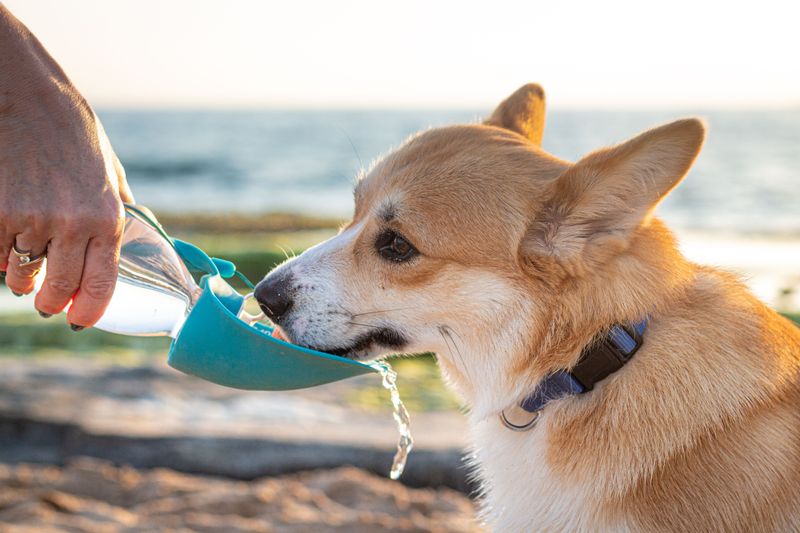
Ferries offer plenty for people, but they do not provide dedicated pet amenities. That means no water bowls waiting on deck.
Pack fresh drinking water and a portable bowl. Collapsible bowls fold flat and fit easily in a bag or glove box.
Salty breezes and sunshine can make dogs thirsty fast. Offer small sips throughout the ride, and keep a little extra for the drive afterward.
16. Hot Decks, Tender Paws
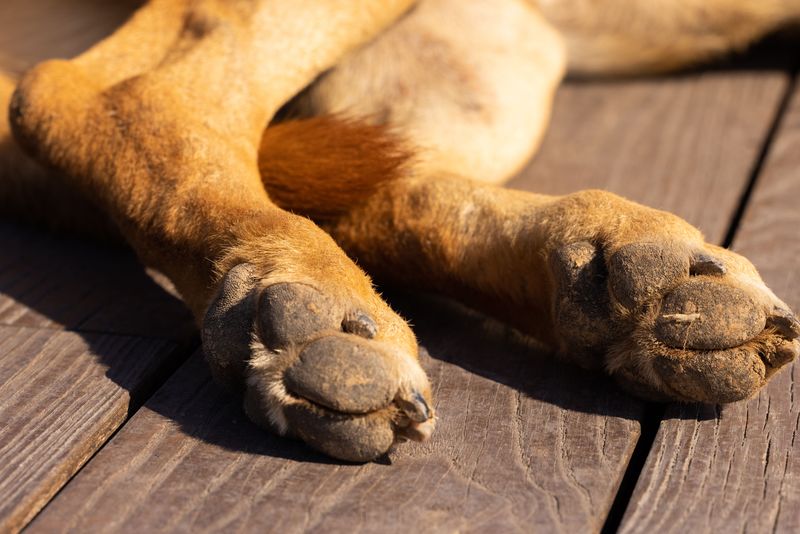
Try this quick test: press your palm on the deck for a few seconds. If it feels too hot for you, it is too hot for paws.
Ferry decks can heat up like pavement in summer. Sensitive paw pads may get burned on sun-baked surfaces.
Look for shaded spots, bring a towel to stand on, or consider dog booties. Early morning sailings are often cooler and more comfortable.
17. Steer Clear of Railings and Ramps
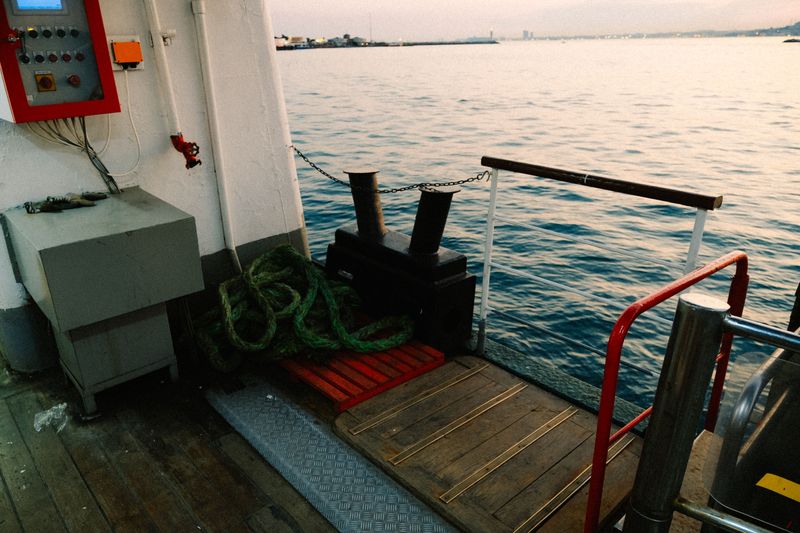
Ferries have plenty of busy, moving parts. Keep dogs away from railings, loading ramps, moving vehicles, and other potential hazards.
Loading and unloading times are especially lively. Cars roll on and off while crew members direct traffic.
During those moments, many owners keep dogs safely inside the vehicle. On deck, stay centered and keep the leash snug.
Curious noses are best enjoyed from a safe distance.
18. A Life Jacket Adds Peace of Mind
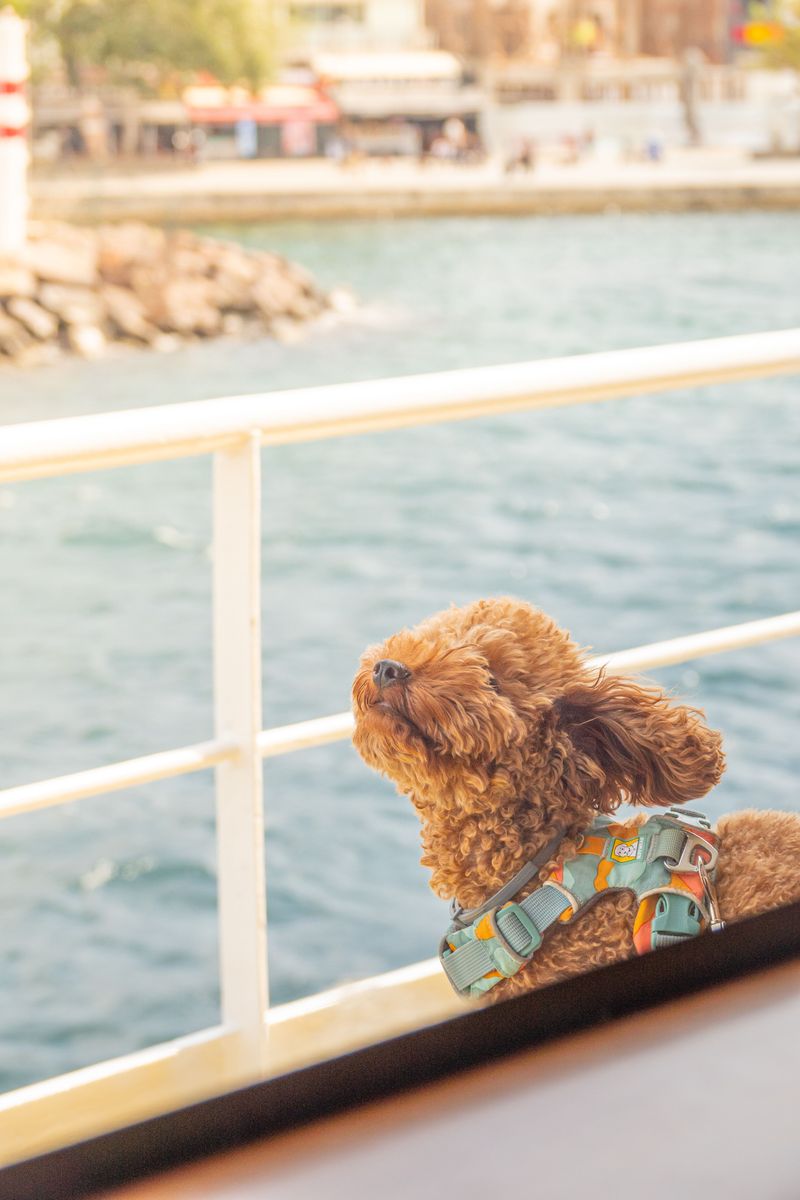
Ferries carry life vests for human passengers, but not for pets. A properly fitted canine life jacket is a thoughtful extra step.
It makes the most sense for small dogs or pups new to boats. Many jackets include a top handle for easy lifting.
Try it on at home first so your dog gets used to the feel. A snug, comfortable fit matters more than bright colors.
19. Queasy Pups Need a Plan
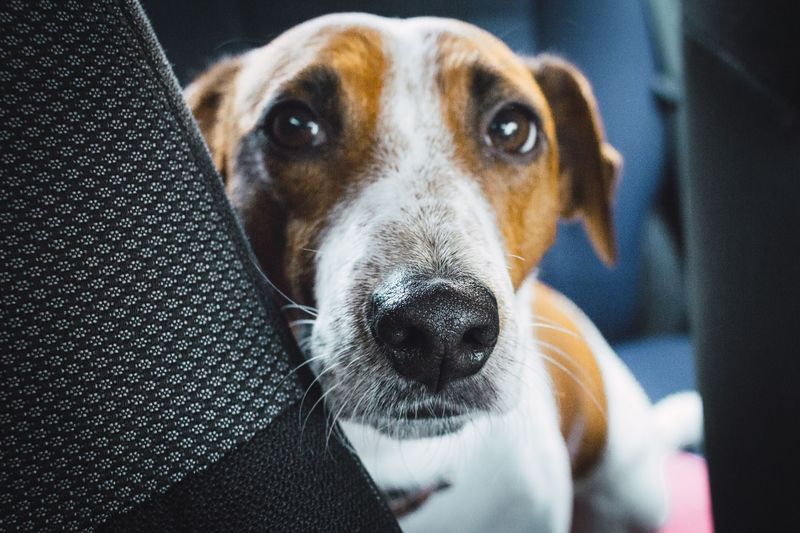
Some dogs drool, pace, or look uneasy once the boat starts rocking. Motion sickness and travel anxiety are fairly common.
If your dog struggles on car rides, talk with your veterinarian before the trip. They can suggest safe options suited to your pet.
Familiar items help too. A favorite blanket or toy can bring comfort.
Never give medication without professional guidance.
20. Know the Leash Rules Ashore
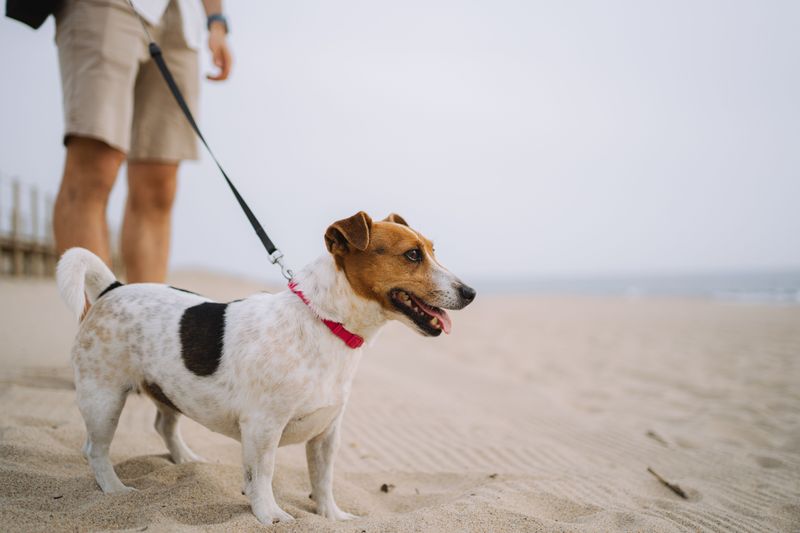
The ferry ride ends, but the rules continue. Ocracoke requires dogs on leashes no longer than six feet in public areas, including beaches.
Cape Lookout National Seashore also requires leashes no longer than six feet at all times. Retractable leashes can easily exceed that limit.
Rules may change, so check with local authorities or park staff. Then enjoy those sandy walks together, knowing you are fully prepared.