New York Dogs That Split Time Between City And Country Need One Consistent ID And Microchip Record
Your dog may enjoy city sidewalks one week and country trails the next, but identification should stay consistent. When you split time between New York homes, old phone numbers and scattered records can create confusion.
A few simple checks help vets, shelters, and neighbors reach the right person if your dog wanders. Here is how to keep both homes connected through clear tags, reliable contacts, and an updated microchip record.
1. Keep One ID Record for Both New York Homes

Two front doors should not mean two competing sets of contact details. Build one master identification sheet with your dog’s name, microchip number, registry, and reliable phone numbers.
Use that sheet whenever you complete forms for either home.
A consistent record does not replace local licensing requirements. New York City and other municipalities handle licensing through different offices.
Ask the relevant licensing authorities how seasonal residence affects your dog’s license and address information before making changes.
2. Make Sure the Microchip Is Registered
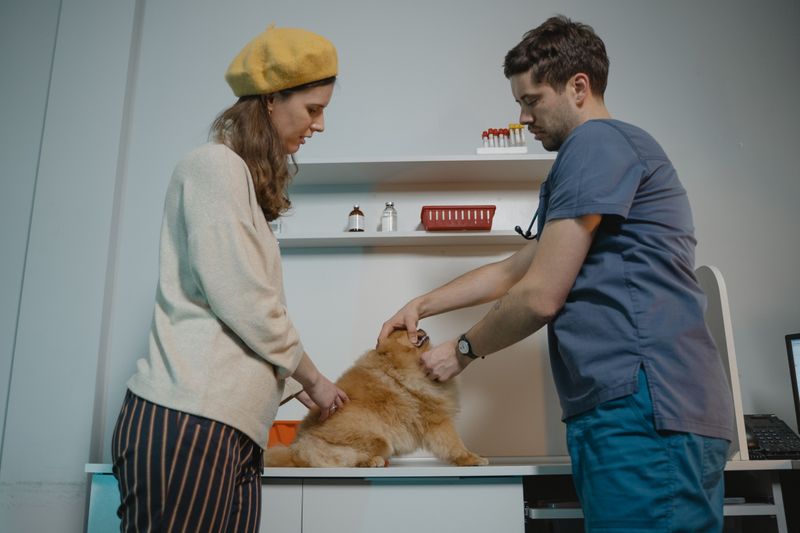
A chip under the skin cannot help callers reach you unless its number connects to current registration details. Ask your veterinarian for the number and registry information.
Then confirm that the registry lists you as the current owner.
Adoption paperwork alone does not prove a transfer was completed. Contact the registry if ownership still belongs to a shelter or previous keeper.
Save confirmation, and ask which services are optional before paying for any extra subscription features.
3. Include Both Addresses in Your Dog’s Record
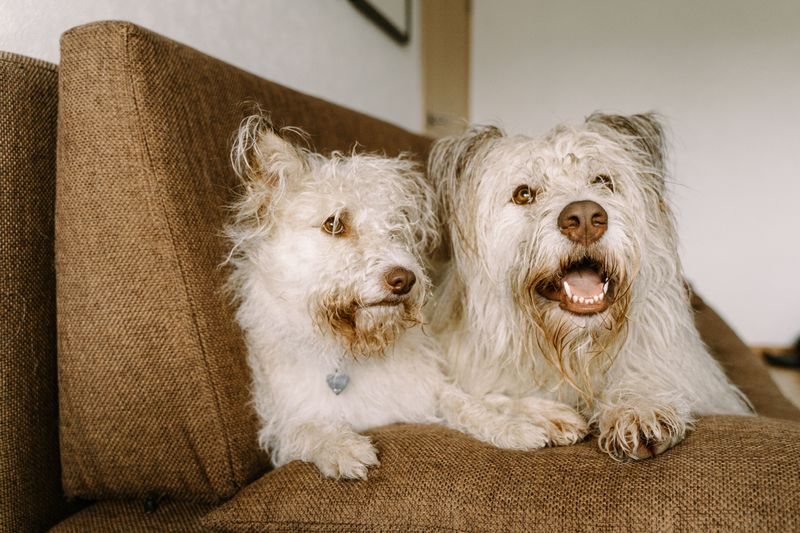
Your city apartment and country house both belong in your planning folder. Record each full street address, including apartment numbers and useful property directions.
Clearly label which home is your current location.
Registry systems differ, so some may not offer space for a second address. Use approved alternate address or notes fields when available.
Otherwise, keep the primary address accurate and store both locations in your master sheet for caregivers, veterinarians, and family members to reference.
4. Use a Phone Number That Works Everywhere
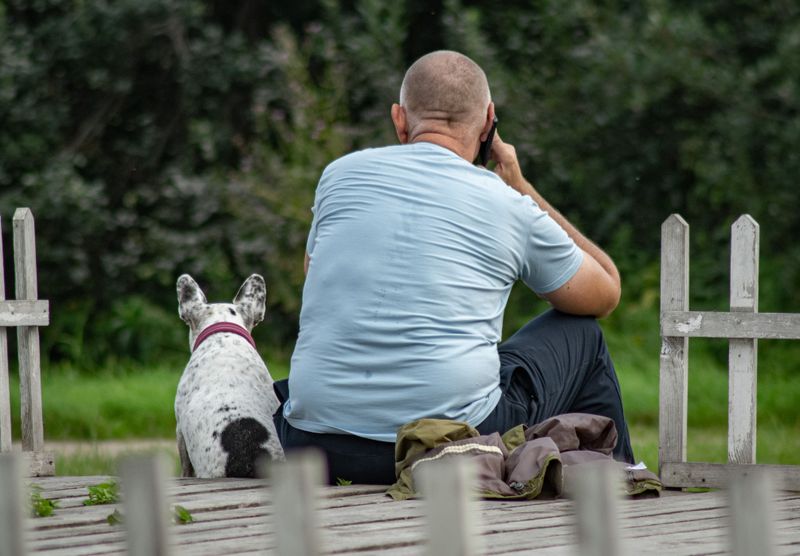
The best contact number follows you, not the house. Choose a mobile number you check regularly, and make sure voicemail accepts messages.
Record a greeting that helps callers recognize they reached the correct person.
Country coverage can be uneven, even near familiar roads. Test reception at your property and check whether supported Wi-Fi calling works indoors.
Add another reachable contact to the registry when possible, especially if your usual number often loses service during weekend visits.
5. Keep the Collar Tag Current During Every Trip
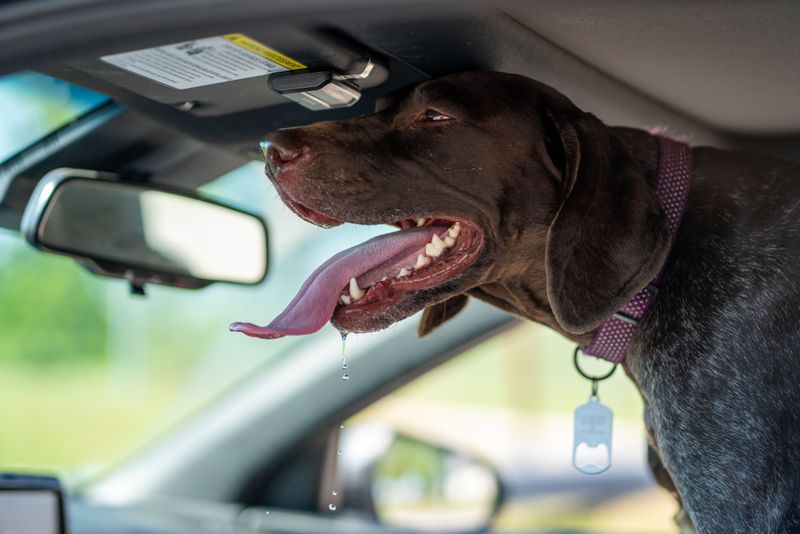
A readable tag gives a nearby finder a simple way to call you. Put your current phone number on it, and inspect the lettering for wear.
Check the attachment ring before loading the car.
Personal identification tags do not replace required license or rabies tags where applicable. Follow the rules for your location and your veterinarian’s guidance on safe collar fit.
Replace outdated tags promptly rather than carrying conflicting phone numbers through another season of travel.
6. Update Your Address Before Moving Between Homes
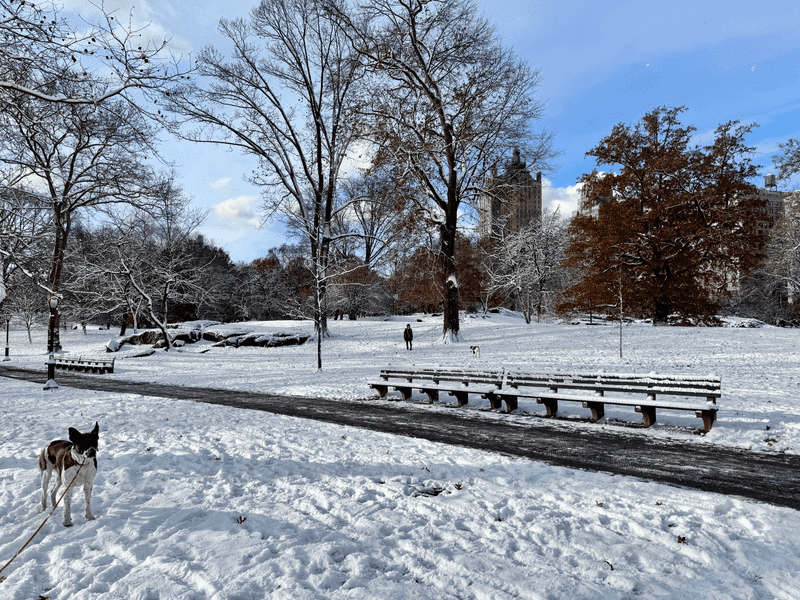
Packing day gets busy, so handle contact changes before the suitcases appear. Review your registry account and update the current address when appropriate.
Keep both properties documented wherever the system allows.
You generally do not need a new microchip simply because your dog changes homes. The existing number stays with your dog while contact details change.
Separately, ask licensing offices about address updates and seasonal residence rules, since a registry update does not notify those agencies.
7. Add an Emergency Contact Who Knows Both Properties
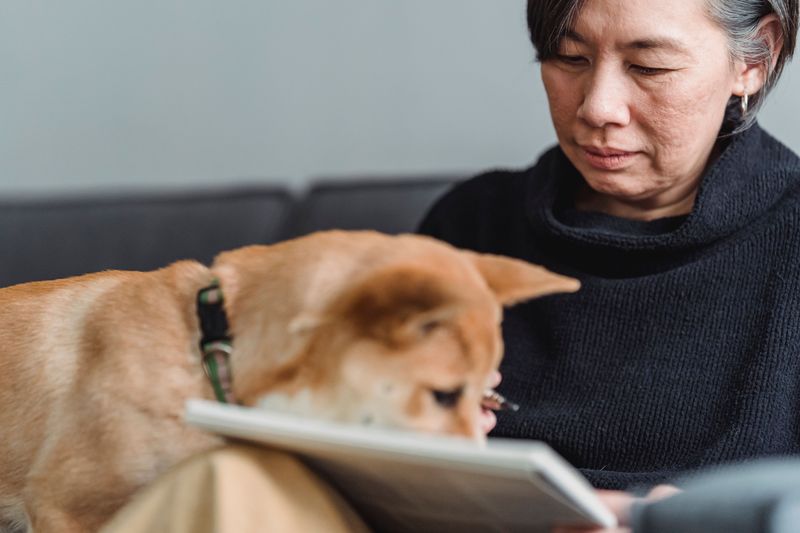
Someone else should know the plan when you cannot answer. Choose a trusted adult who understands your dog’s routine and both home locations.
Ask permission before adding their number to your records.
Explain how to reach each property and where spare supplies are stored. Confirm whether they can collect your dog or contact another helper.
Review their details regularly, because a dependable backup contact needs current information just as much as the primary owner does too.
8. Check the Microchip After a Move or Contact Change
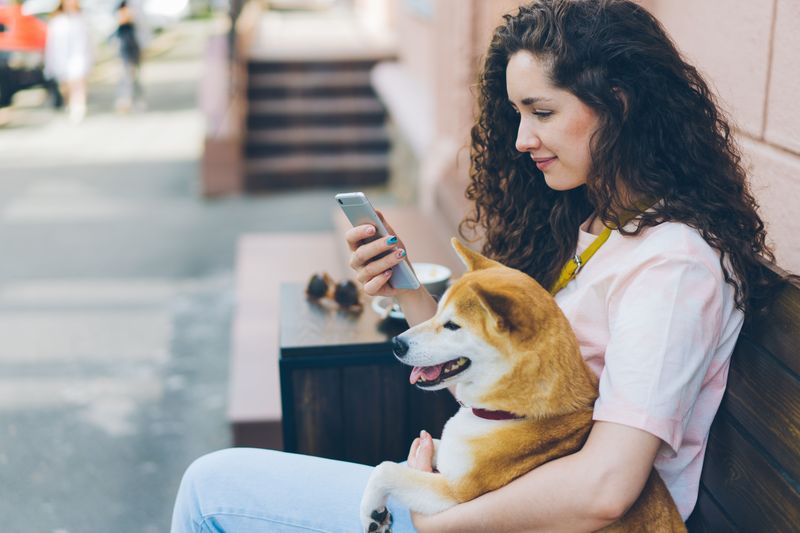
One mistyped digit can send a helpful call to the wrong place. After editing your account, reopen it and read every contact field.
Compare the chip number with your veterinary paperwork.
Save the confirmation message or take a dated screenshot for your private records. If information looks wrong, contact the registry directly rather than creating another account immediately.
Checking the registration details after a move is separate from having a veterinarian physically scan your dog’s chip.
9. Keep Your Dog’s Veterinary Records Consistent
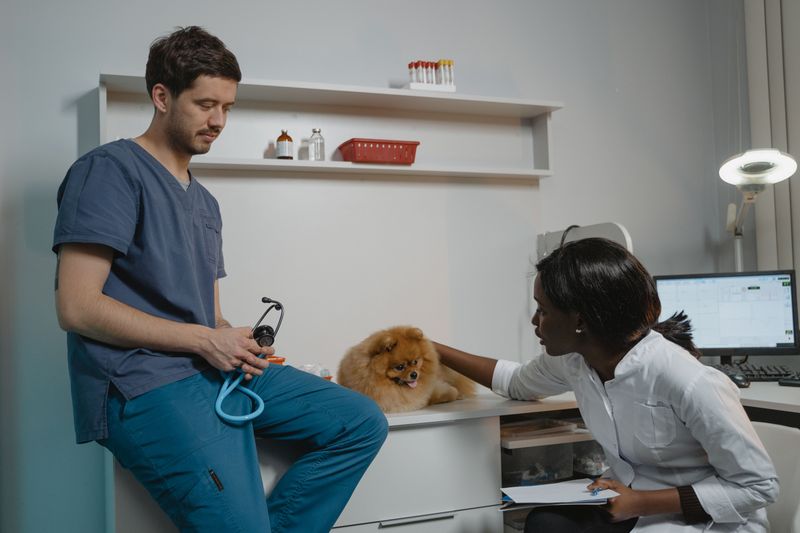
City and country veterinary teams need the same basic picture of your dog. Give both practices the microchip number, current contacts, medication list, and vaccination records.
Ask how they prefer to exchange medical information.
Tell each clinic about care received elsewhere, including recent prescriptions or test results. This helps avoid missing details during appointments.
Keep your dog’s name and owner information consistent across files, while clearly noting any alternate names that appear on older adoption paperwork.
10. Save a Recent Photo for Both City and Country Trips

A clear photo can show what a written description misses. Take pictures in daylight, including your dog’s face, full body, and distinctive markings.
Refresh them after major grooming changes or noticeable growth.
Save original images on your phone and in a shared folder accessible to trusted helpers. Choose shots without costumes or distracting backgrounds.
For public notices, share a contact number but avoid posting your full home address or a complete collection of private identification documents.
11. Make Sure Every Caregiver Knows the Microchip Number
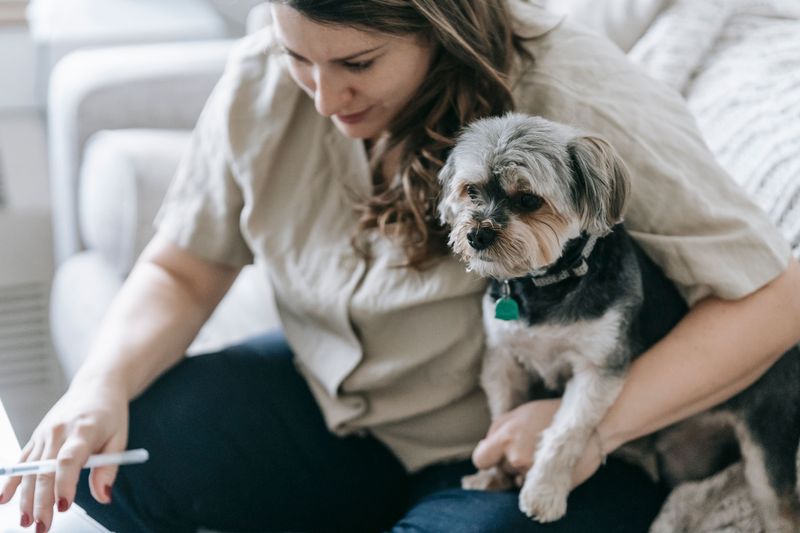
Your walker may be the person answering questions while you are traveling. Give each caregiver a concise identification sheet with the chip number and registry name.
Include your preferred phone number and backup contact.
Explain that the number identifies the chip, not your dog’s live location. Share registry contact instructions, but keep account passwords private unless access is truly necessary.
Ask caregivers to save the sheet somewhere reachable, rather than searching old messages during a busy moment.
12. Prepare for Lost-Dog Situations at the Country Property
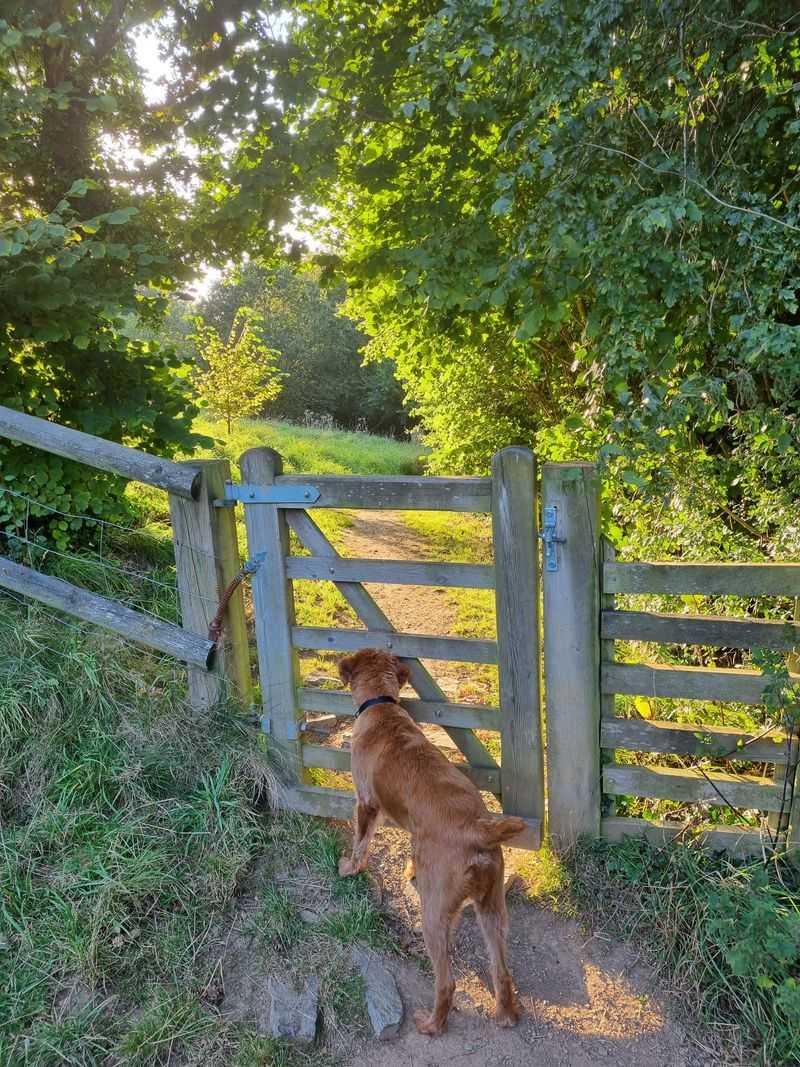
Wide yards and wooded lanes can make familiar boundaries less obvious. Inspect gates, fences, and door routines when you arrive.
Keep your dog supervised while everyone settles into the country schedule.
Save the local dog control officer’s number and identify nearby veterinary clinics before you need them. If your dog goes missing, report the location and contact the registry promptly.
A standard identification microchip is not GPS, so it cannot show movement across fields or roads.
13. Take Extra Precautions in Busy New York City Neighborhoods
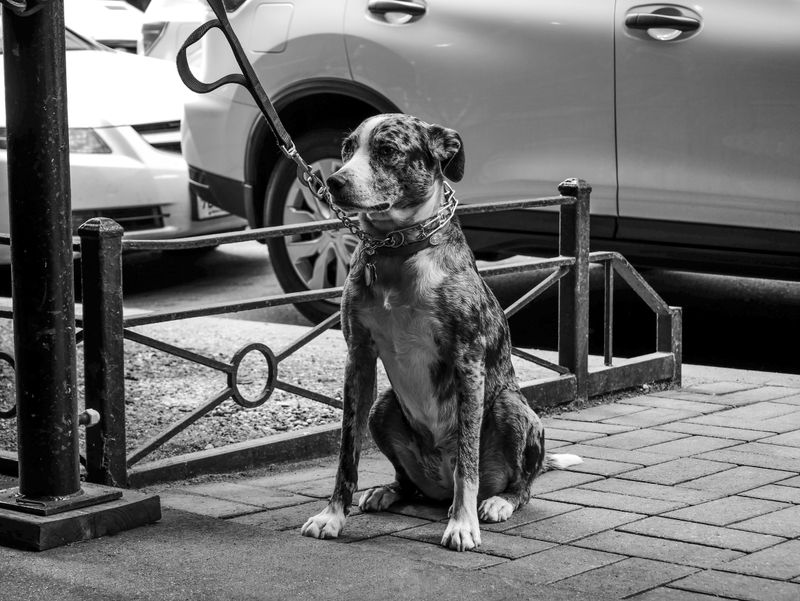
Elevators, building entrances, and crowded sidewalks create plenty of distractions. Secure the leash before opening your apartment door, and check harness fit regularly.
Keep identification attached during ordinary neighborhood outings.
If your dog becomes separated from you, note the exact block and travel direction. Notify building staff, nearby veterinary offices, and the appropriate animal services organization.
In New York City, check Animal Care Centers of NYC’s current lost pet guidance and search its available animal listings promptly.
14. Verify Your Dog’s Microchip Can Be Read
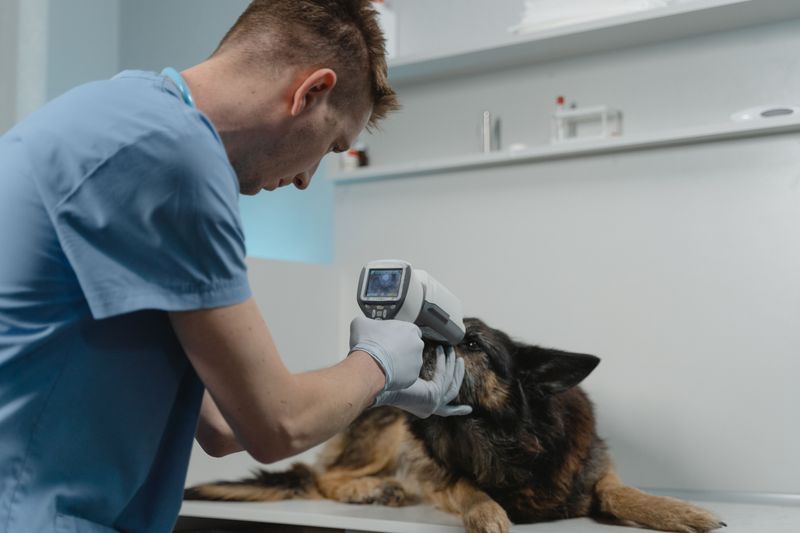
A quick scan adds reassurance during a routine veterinary visit. Ask the team to confirm that the chip can be detected.
Have them compare the displayed number with your registry and medical records.
Chips can sometimes shift beneath the skin, so trained staff may scan beyond the usual placement area. If a chip is not found, let the veterinarian guide next steps.
Do not assume another implant is needed before proper scanning and record checks are completed.
15. Know How New York Shelters and Animal Control Can Help
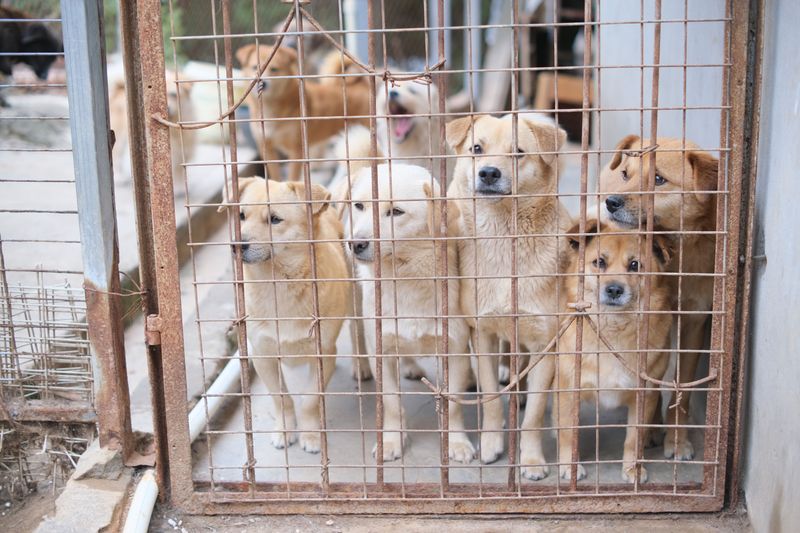
Help depends partly on where your dog was last seen. Outside New York City, start with the municipality’s dog control officer or designated shelter.
Local arrangements vary, even between neighboring towns.
Provide a recent photo, chip number, collar details, and your reachable phone number. Ask about found animal reports and intake procedures.
Shelters commonly scan animals, but registration accuracy still matters. Keep checking directly, since online listings and reports may not reflect every recent arrival right away.
16. Keep Digital and Printed Copies of Identification Details
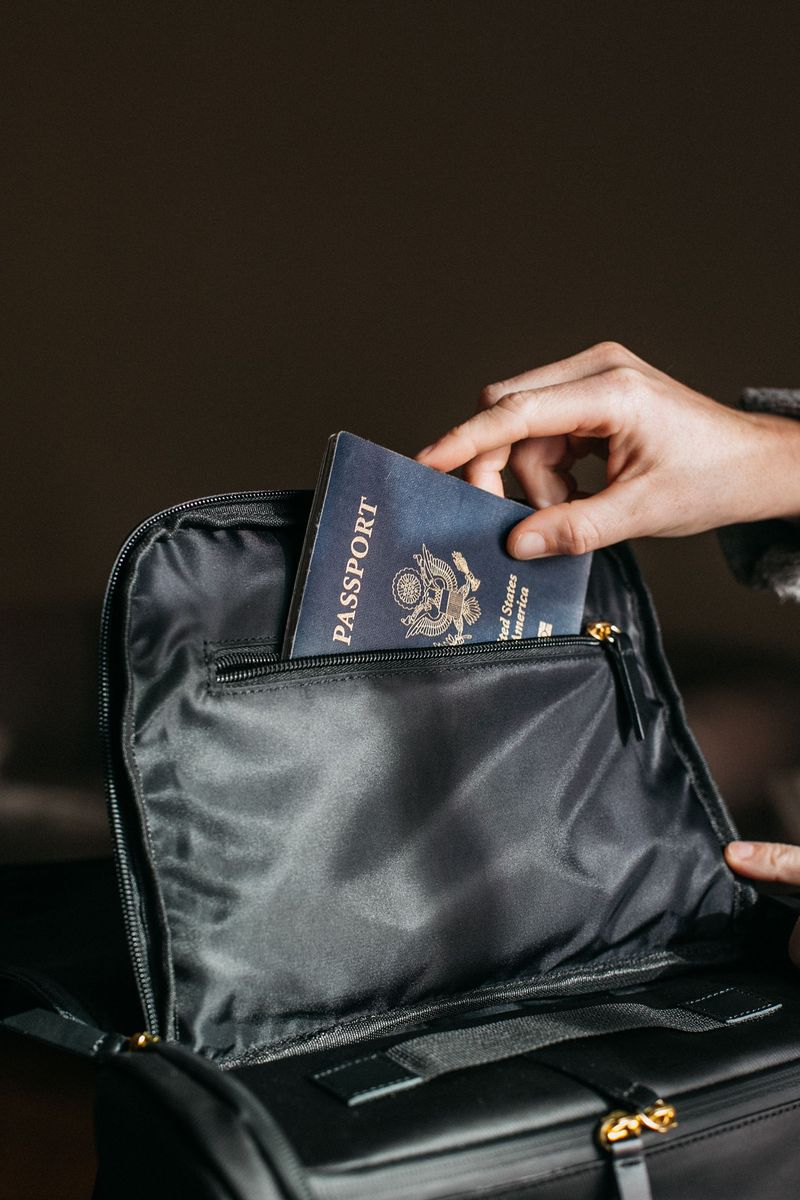
A dead phone battery should not hide your dog’s essential details. Keep a printed identification sheet in your travel bag and another at each home.
Store digital copies where trusted helpers can find them.
Include the chip number, registry contacts, license details, veterinary numbers, and current photos. Protect sensitive information with sensible sharing settings rather than public links.
Date each copy and replace older versions after updates, so everyone works from the same reliable set of facts.
17. Review Your Dog’s Identification Before Every Seasonal Move
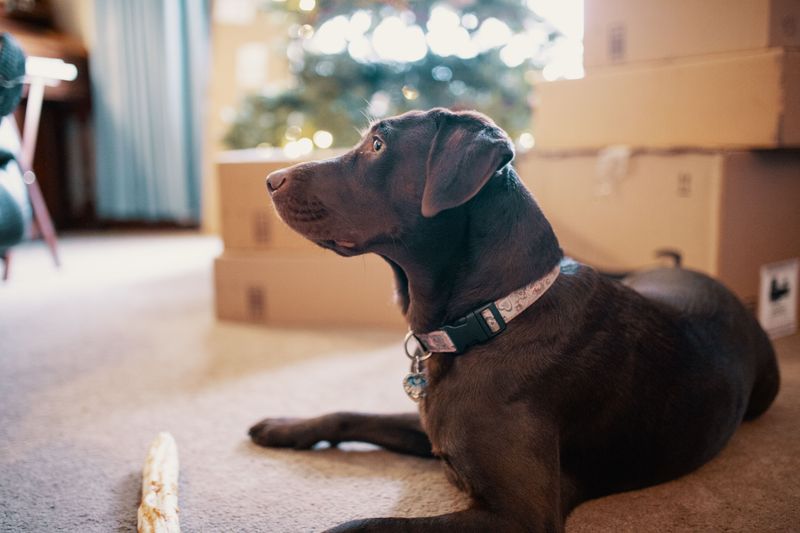
Let the change of seasons become your reminder to check everything. Read the collar tag, open the registry account, and confirm backup contacts.
Compare both home folders before your next departure.
Add license renewal and veterinary record checks to the same calendar reminder. A short review is easier than correcting scattered details later.
Whether your next stop has subway sounds or birdsong, one clear identity record helps others reach you. Two homes, one dog, one dependable plan.