How Flash Floods Can Turn Familiar Virginia Creek Walks Into Dog Hazards
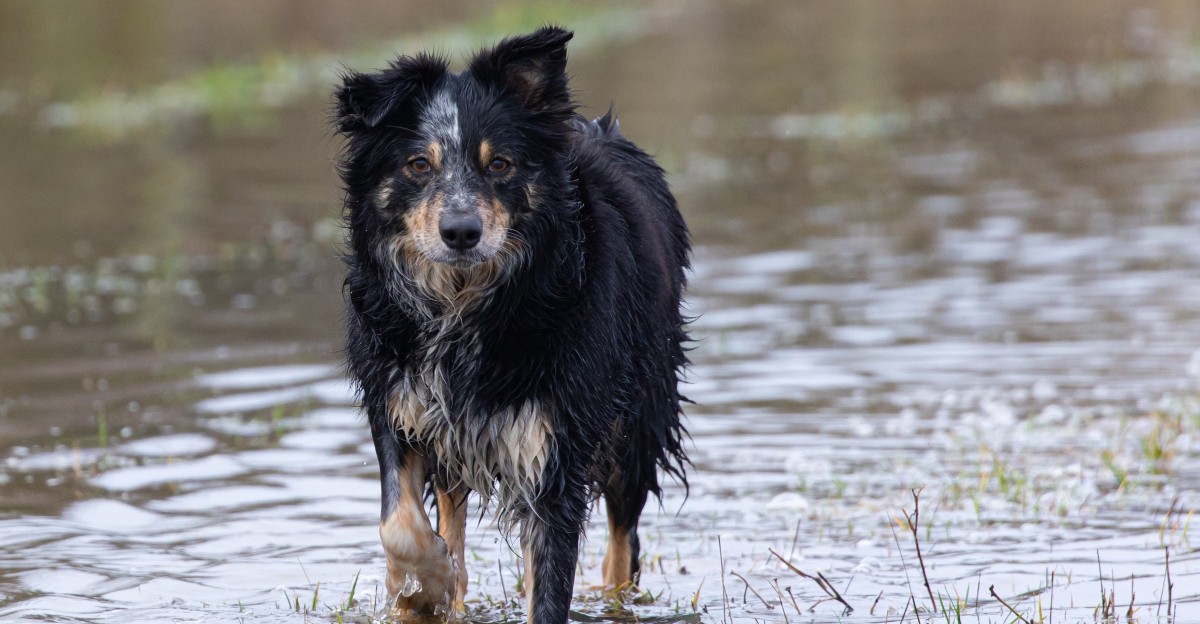
If you walk your dog along a Virginia creek, you know how peaceful those trails can feel. Still, a calm stream can change fast after heavy rain, sometimes in less than an hour.
Knowing the warning signs helps you and your pup stay safe and relaxed. Here is what every local dog owner should understand before the next big storm rolls through.
1. Surges Arrive Faster Than You Think
A creek that looked sleepy at breakfast can swell by lunchtime. Flash floods push a wall of water downstream with surprising speed and force.
Dogs often stand right at the edge to sniff or drink. A sudden surge can knock them off their feet before you notice the change.
Keep your dog several steps back from the bank during rainy weeks. A short leash gives you quick control if water starts climbing.
2. Strong Swimmers Get Tired Too
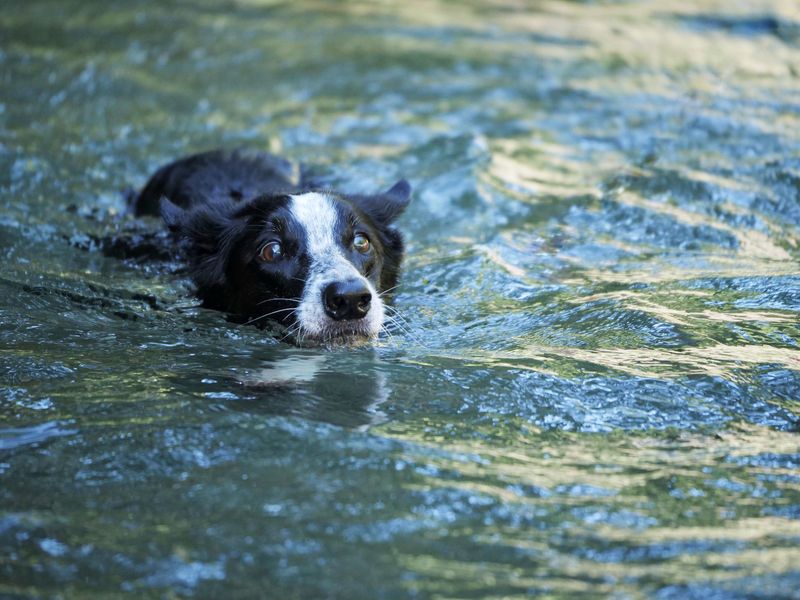
Plenty of owners trust their water-loving retriever completely. Swift floodwater is different from a calm lake, though, even for confident paddlers.
Dogs cannot fight a strong current for long. Their energy drains quickly, and reaching the shore becomes much harder.
Skip swimming entirely when creeks run high or cloudy. Save water play for clear, slow days, and consider a canine life jacket for extra peace of mind.
3. Hidden Holes Beneath the Surface
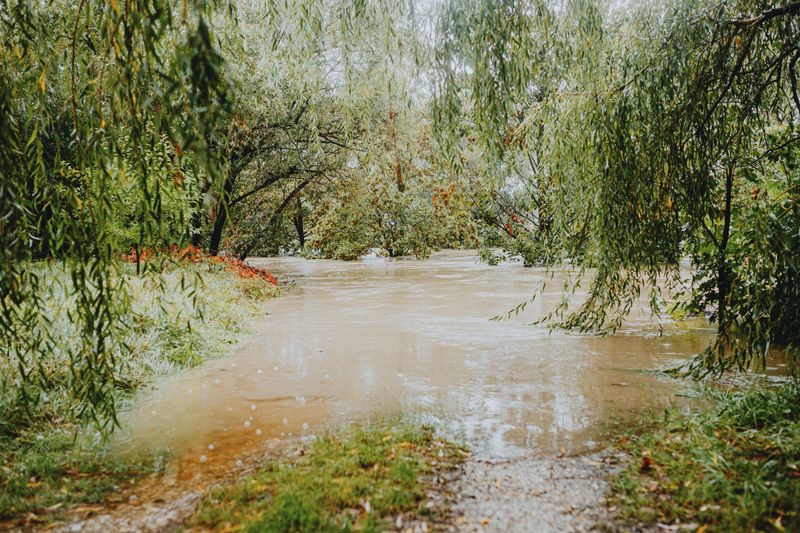
Shallow-looking water can fool anyone. Floods scour the ground, carving holes and sudden drop-offs where flat dirt used to be.
One step can take your dog from ankle-deep to fully submerged. That sudden shift can startle even calm pups.
Treat any covered ground as unknown territory. If you cannot see the bottom clearly, guide your dog around it rather than through it.
4. Slick Rocks and Wobbly Paws
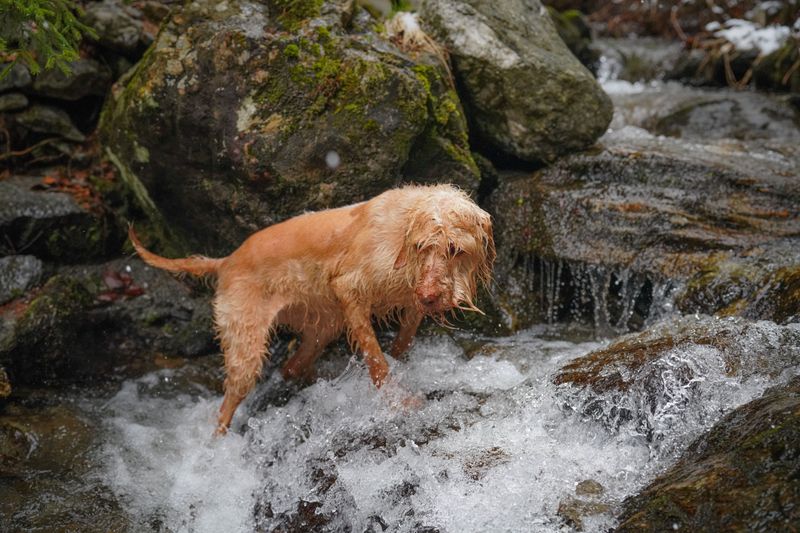
Rock hopping looks fun, and many dogs love it. After rain, those same stones get coated with slick algae and silt.
Paws lose grip easily on wet surfaces. A slip near moving water can turn a playful moment into a struggle.
Choose dry, flat routes after storms. Dog boots with rubber soles can help on damp trails, but they do not make fast water safe.
5. Banks That Give Way
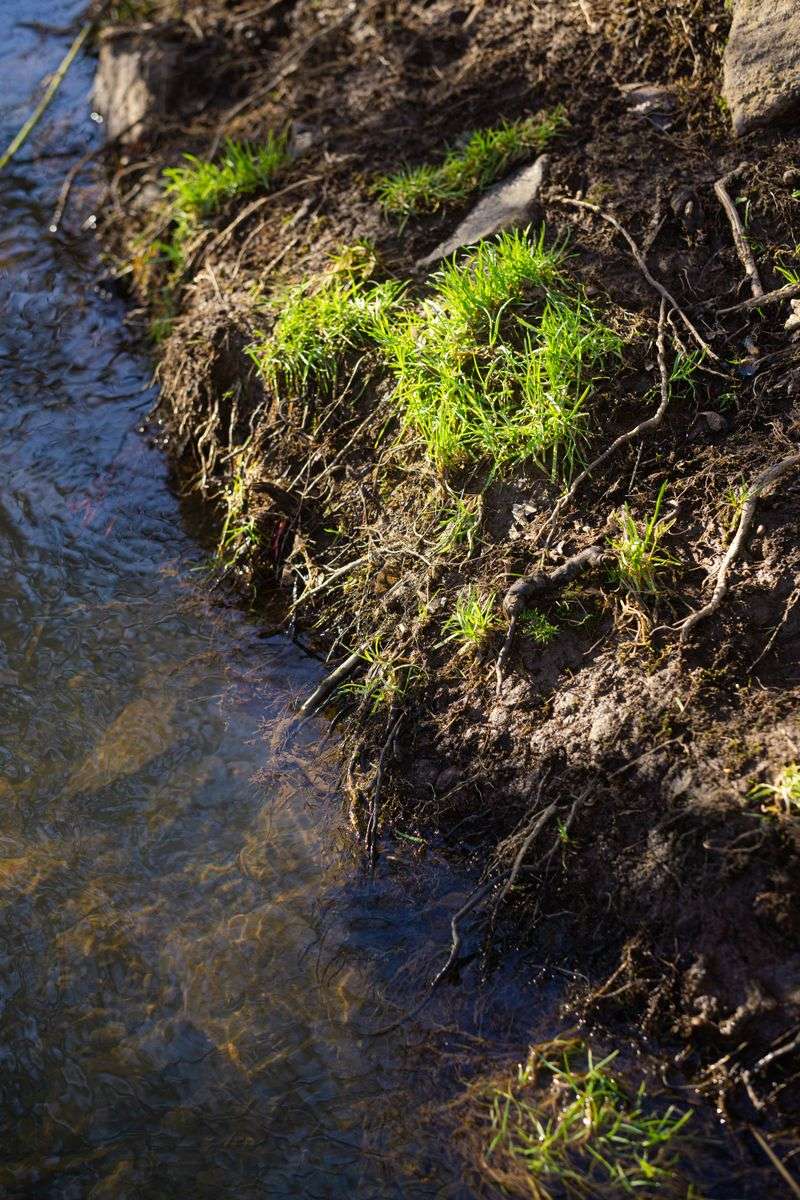
Ever noticed a creek edge that hangs over the water? Floods eat away soil underneath, leaving a fragile shelf behind.
That ledge may look solid on top. It can still crumble when a curious dog steps out for a closer sniff.
Watch for exposed roots, fresh cracks, and overhanging dirt. Stay well back from these edges, especially for days after heavy rain.
6. Logs on the Move
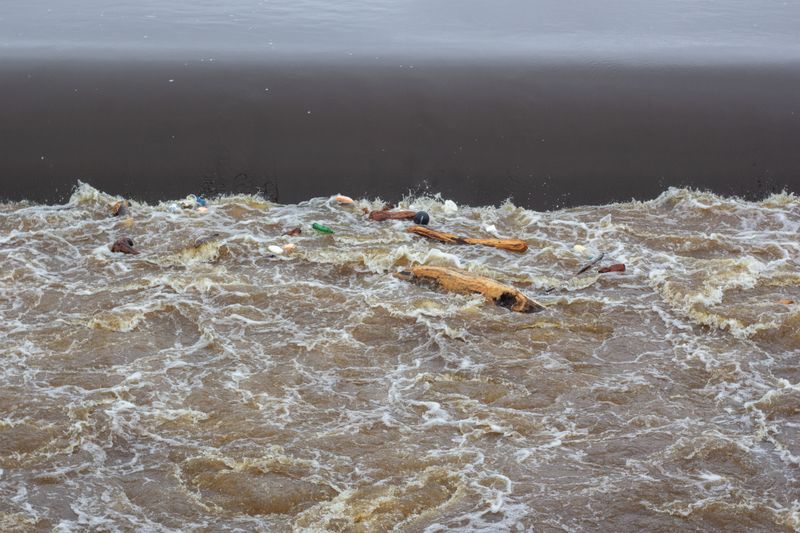
Floodwater acts like a conveyor belt for tree limbs. Branches and whole logs can race downstream with real weight behind them.
A floating log may bump a dog hard or pin it against the shore. Your pup may not see it coming at all.
Keep dogs out of swollen creeks completely. Watching debris roll by from high ground is a much better way to enjoy the show.
7. Sharp Surprises Below
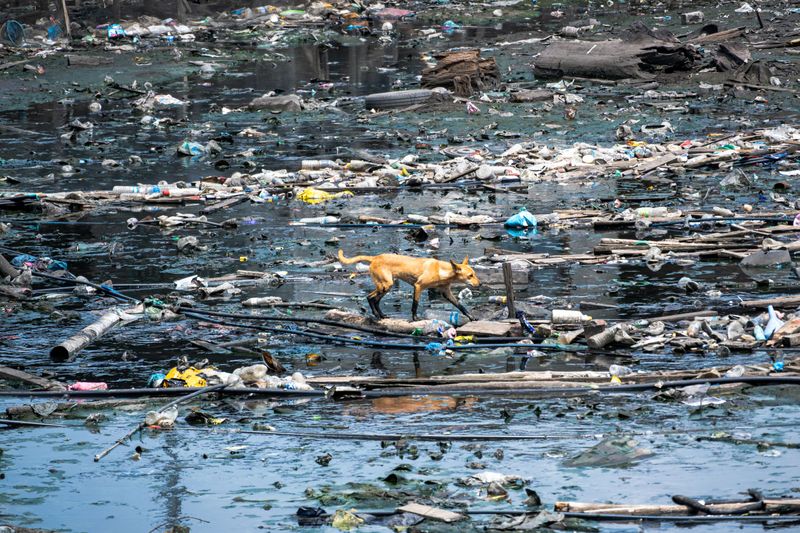
Broken glass, nails, wire, and jagged metal often wash into creeks during storms. You rarely see any of it.
Paw pads and legs are easy targets for cuts and punctures. Wounds touched by floodwater can also become infected.
Check your dog’s feet after any creekside walk. Rinse with clean water, and call your veterinarian if you find a cut, limping, or swelling.
8. Brown Water Hides Everything
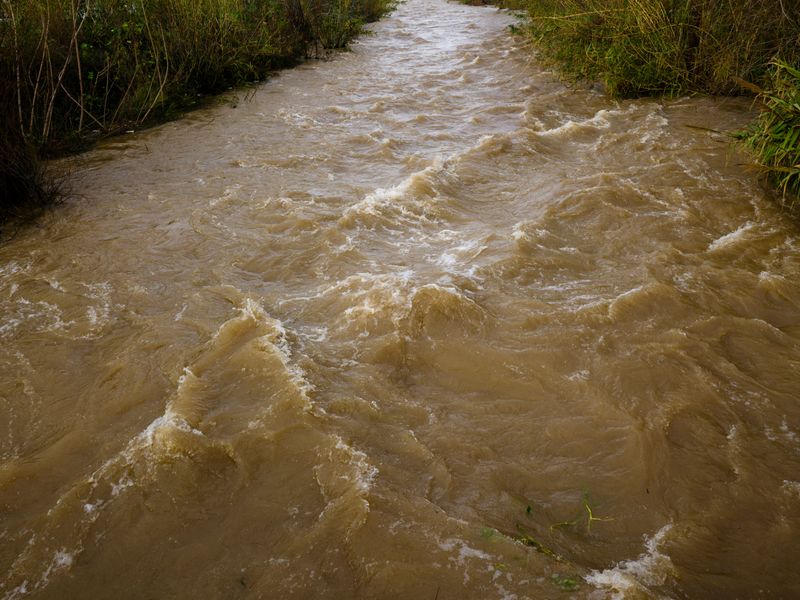
Clear creeks let you spot rocks and roots easily. Once rain churns up silt, the water turns brown and opaque.
Muddy water hides stumps, wire, and uneven ground. Neither you nor your dog can judge what waits below.
Here is a simple rule many hikers follow: if you cannot see through it, stay out of it. Your dog will happily accept a dry detour.
9. Bridges Worth a Second Look
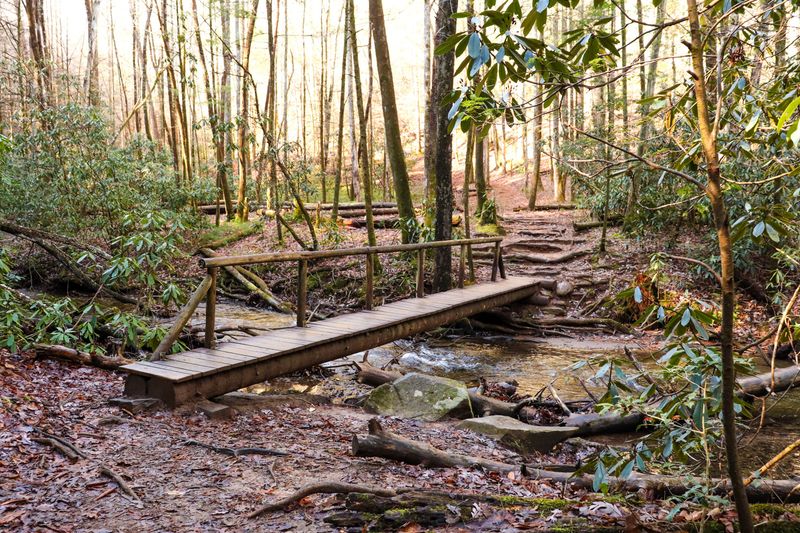
Footbridges feel like the safe way across. During floods, water can rush over the deck or weaken the supports underneath.
Debris may pile against railings, and boards can loosen. A bridge that looks fine may not be sound.
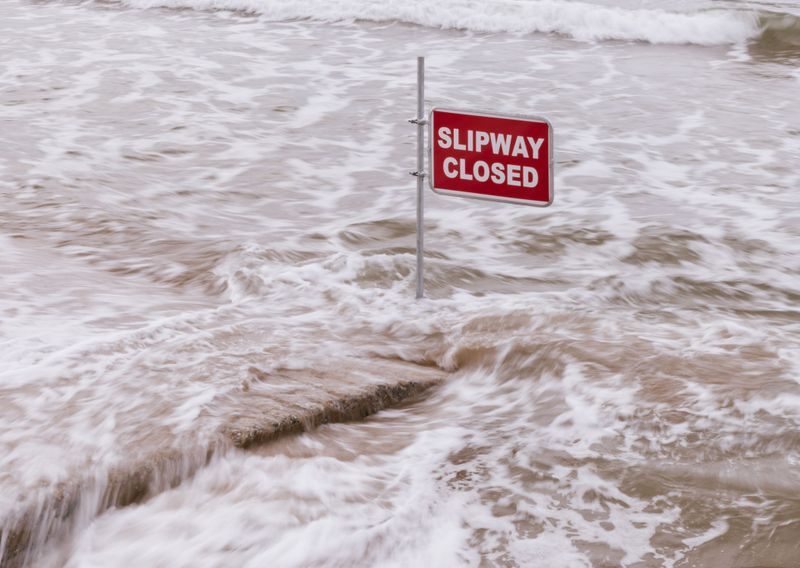
Never cross a bridge with water flowing over it. Afterward, wait until park staff inspect and reopen it.
Closure signs are there for good reason.
10. Strainers Catch More Than Leaves
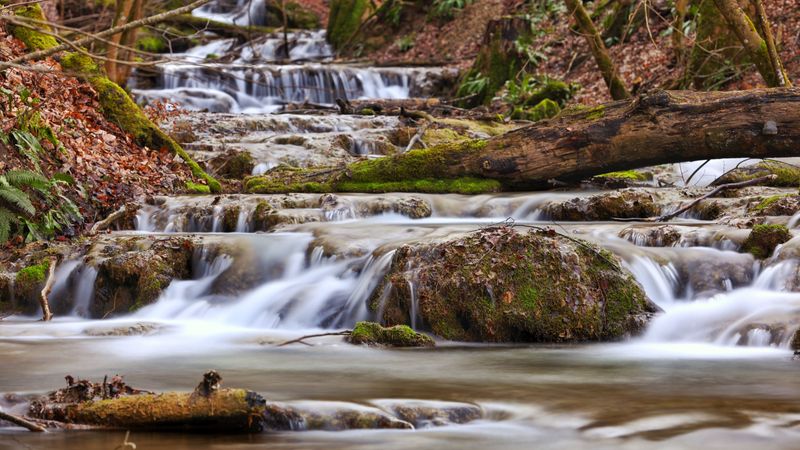
Paddlers have a name for fallen trees in moving water: strainers. Water passes through, but solid things get caught.
A dog swept into a strainer can be held against branches or rocks by current pressure. Escaping becomes very difficult.
Learn to spot downed trees across your local creek. Keep your dog well away from them whenever the water runs fast.
11. When the Way Back Disappears
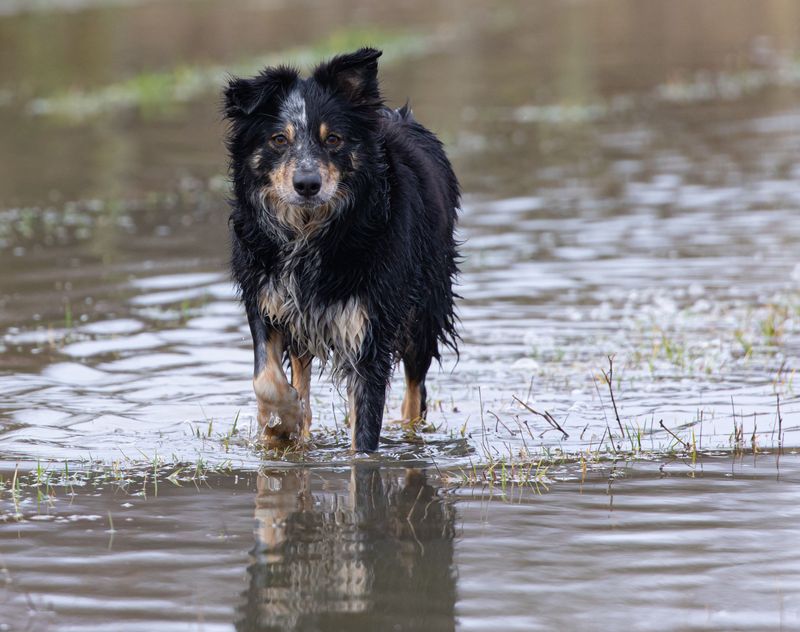
You crossed a dry channel on the way out. An hour later, that same channel is running deep.
Flash floods can cut off return routes quickly. Familiar scents and landmarks may also change, which can confuse dogs.
If water blocks your path, head uphill and wait. Call 911 if you are truly stranded.
Make sure your dog wears a current ID tag and microchip.
12. Tight Channels, Faster Water
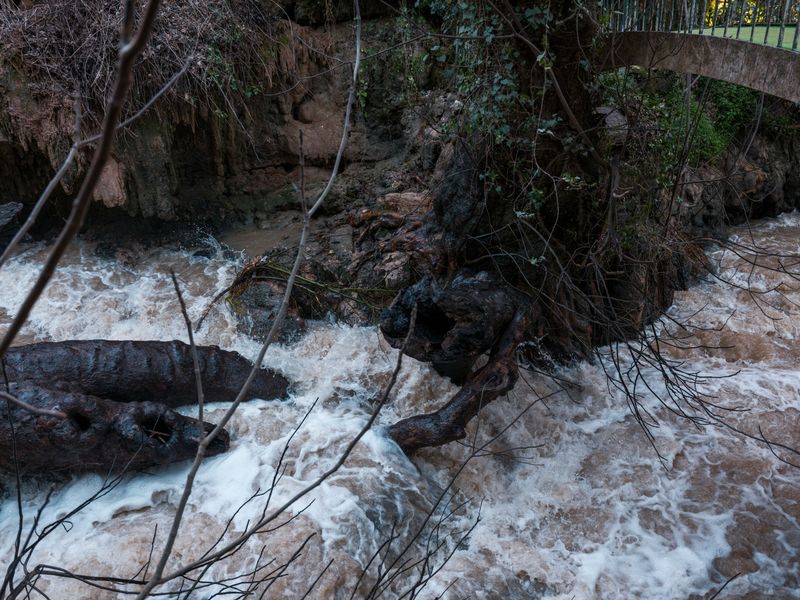
Think of putting your thumb over a garden hose. Narrow creek sections squeeze water the same way, making it faster.
Small gorges and rocky chutes can become the roughest spots during a flood. Currents there build real power.
Plan rainy-day walks away from tight channels. Wide, open fields or upland trails make calmer choices until water levels settle.
13. Culverts Are Not Tunnels to Explore
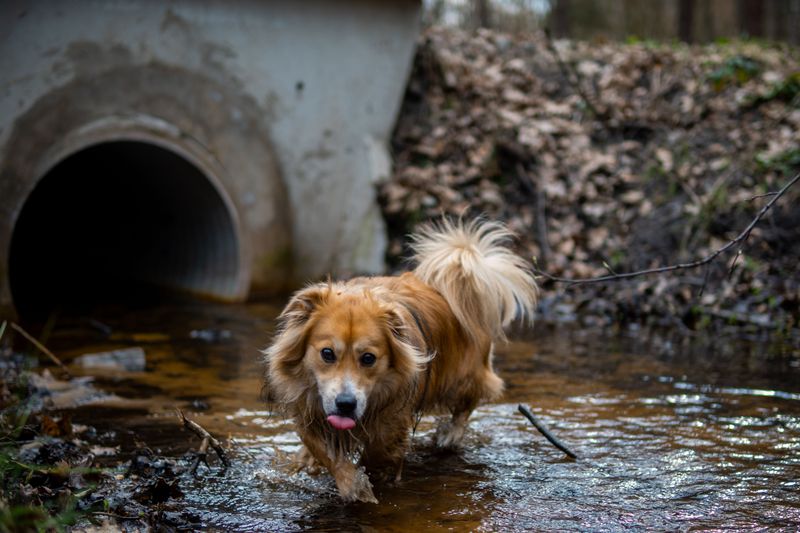
Curious dogs love poking their noses into pipes and culverts. During storms, those openings can pull water in hard.
Rescuers have freed dogs from flooded culverts and drains. The suction and tight space make escape very tough.
Steer clear of drain openings during and after rain. Keep your dog leashed near road crossings, where culverts often sit hidden in brush.
14. Chilly Water Drains Energy
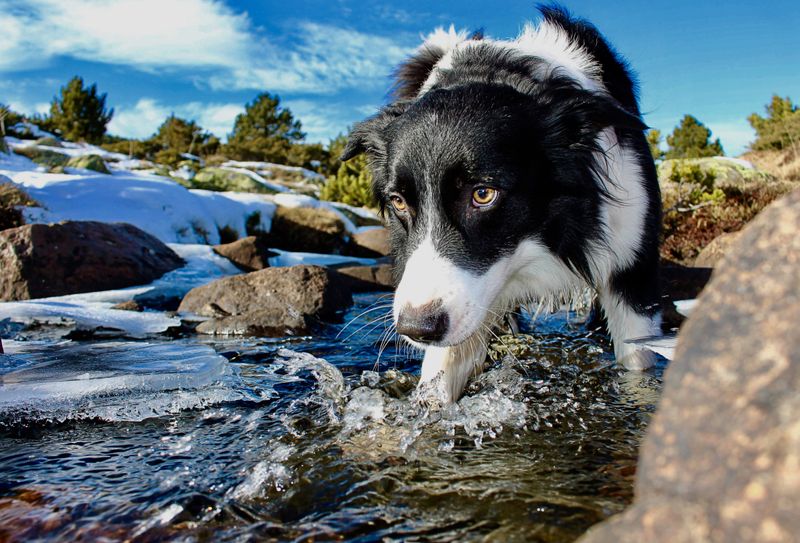
Spring floods in Virginia often run colder than the air. Wet fur loses heat quickly, especially on smaller dogs.
Cold water can lead to hypothermia and fast exhaustion. Watch for shivering, sluggishness, stiff muscles, or pale gums.
Dry your dog right away with a towel and warm them gently. If symptoms seem strong, or shivering stops suddenly, call your veterinarian promptly.
15. Steep Slopes After Soaking Rain
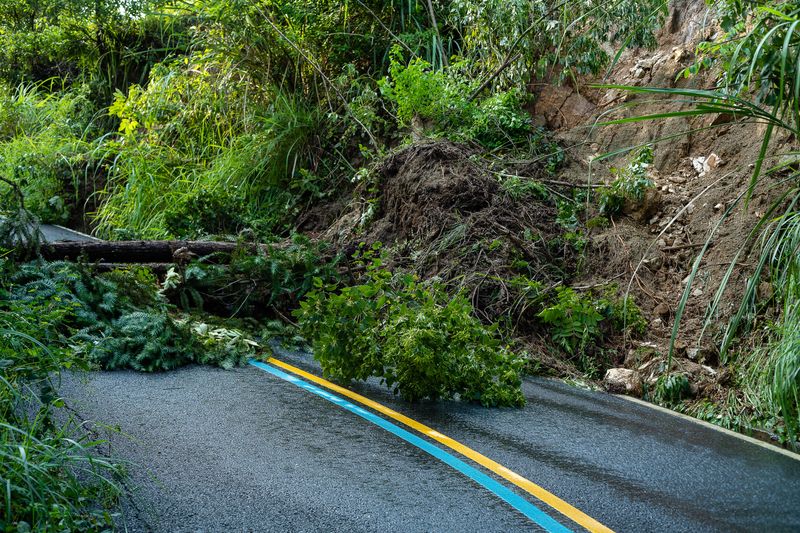
Virginia’s hilly creek trails are beautiful, but heavy rain soaks the soil through. Saturated slopes can slide or slump.
Loose dirt, rocks, and even small trees may shift downhill. Steep paths near water carry the most risk.
Watch for fresh mud slides, leaning trees, or cracks in the trail. Pick flatter routes for a few days after big storms.
16. Leashes and Tangles
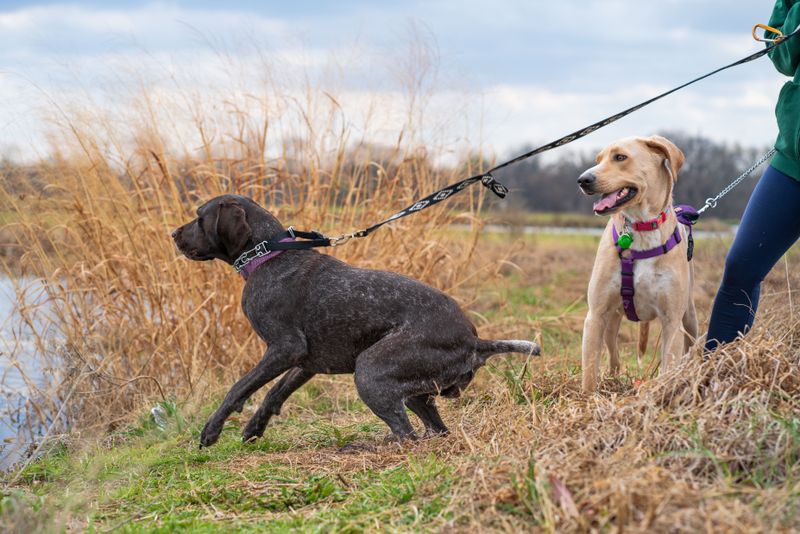
Leashes keep dogs close, which is usually a great thing. Near floodwater, though, a trailing leash can snag on debris.
Branches, wire, and brush can wrap around a line. A caught dog loses freedom to move or climb out.
Hold the leash firmly and never let it drag near water. Many owners prefer a short leash in these spots for better control.
17. After the Water Drops
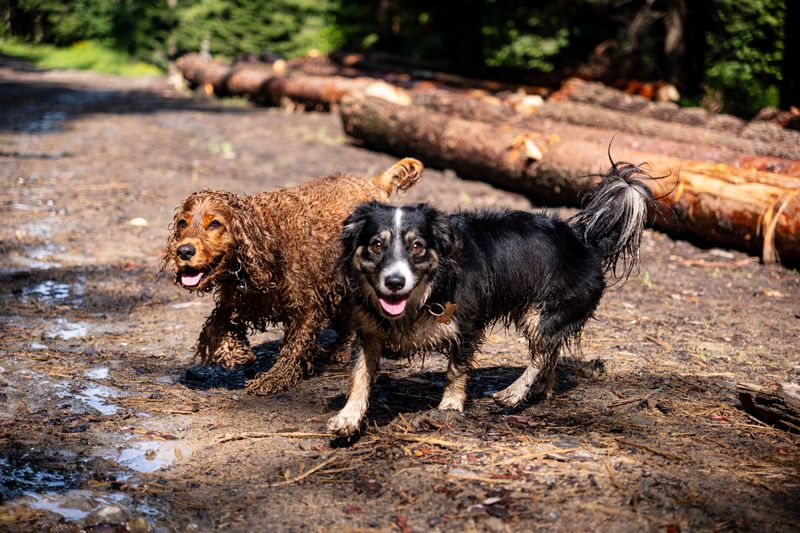
Sunshine returns, and the creek looks normal again. Still, the trail it leaves behind needs time to recover.
Banks stay unstable, and mud may hold bacteria for a while. Debris often lingers in brush and puddles.
Wipe paws and wash your dog after muddy walks. Wait for park updates before returning.
With a little patience, your favorite creek walk will welcome you back soon.