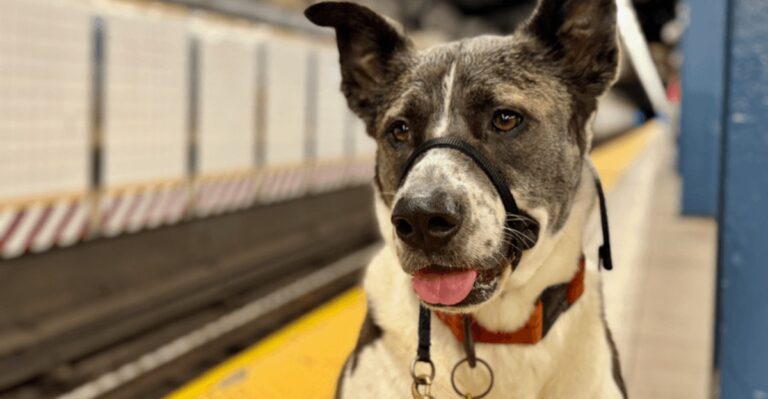
15 Florida Snowbird Dog-Care Handoffs To Plan Before Leaving For Another State

Leaving Florida for part of the year takes more planning when a dog depends on you. Whether your dog travels with you or stays with a trusted caregiver, a few clear handoffs can keep daily care steady.
You do not need a complicated binder or a perfect plan. Start with the people, records, and routines your dog will need, then check that everyone knows what to do.
1. Confirm Your Dog’s Next Vet Before You Leave
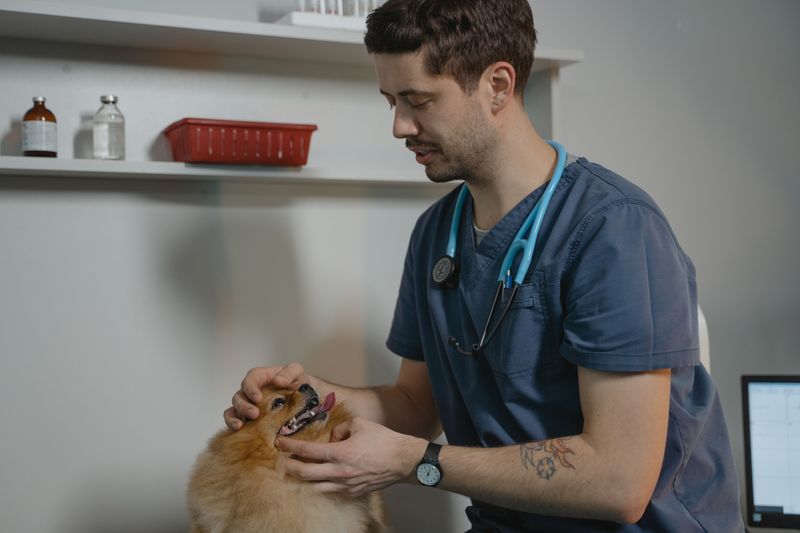
A familiar clinic can feel far away once you cross state lines. Choose a veterinarian near your seasonal home or your dog’s caregiver before departure.
Ask whether the clinic accepts new patients and how appointments work. Save its phone number, address, and after hours instructions.
If your dog stays in Florida, confirm that their regular clinic has the caregiver’s contact details. For a traveling dog, ask the new clinic what records it needs.
Share the plan with everyone involved.
2. Send the Medical Records Ahead

Records help a new veterinarian understand your dog without guessing. Request copies of vaccination history, recent test results, ongoing conditions, and treatment notes.
Ask your Florida clinic how it prefers to transfer records securely. Then confirm the receiving clinic got them.
Keep your own digital copy for travel, boarding, or an unexpected appointment. Check whether your destination requires specific documents for dogs entering the state.
Rules can vary, so confirm current requirements with the destination state’s animal health office before leaving.
3. Write Down Every Current Medication
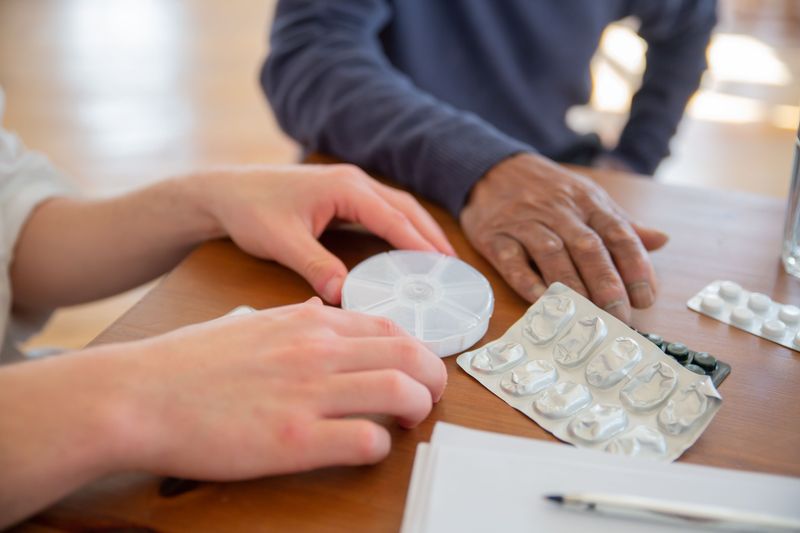
Medication details are easy to mix up during a busy move. Make a current list with each medicine’s name, prescribed amount, timing, and purpose.
Include supplements, as well as instructions for missed doses from your veterinarian. Keep medicines in their original labeled containers.
Show the list to anyone giving your dog care. Ask that person to repeat the schedule back, especially when meals affect timing.
Never change a dose to make travel simpler without speaking with your veterinarian first.
4. Check Prescription Refill Options
A nearly empty bottle can become a nuisance halfway through a seasonal stay. Count your dog’s remaining doses and check refill dates before packing.
Ask your veterinarian whether a refill can be sent to a pharmacy near your destination. Prescription requirements vary by medication and applicable laws, and some may require additional veterinary authorization.
Confirm shipping times if you use an online pharmacy. Leave enough time for the veterinarian to review any request.
If a caregiver handles refills, give them the clinic number and written instructions for ordering.
5. Leave Clear Feeding Instructions
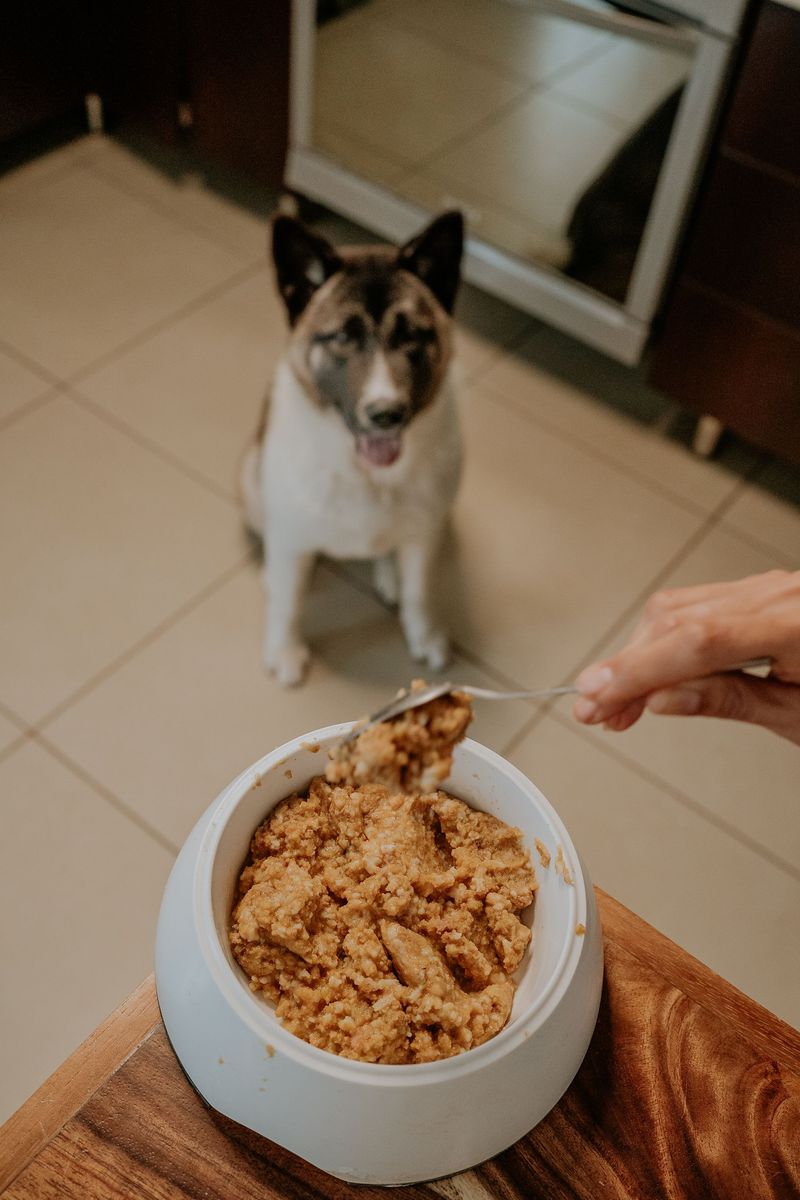
That familiar scoop may mean something different to another person. Write down the food brand, exact amount, meal times, and how you measure portions.
Explain any food allergies, treats, or veterinarian recommended feeding limits. Leave enough food for the first days of a handoff.
If your dog travels, bring a supply for the trip and check availability near your destination. Sudden food changes may upset some dogs.
Ask your veterinarian how to switch foods if the usual kind is unavailable.
6. Explain Your Dog’s Normal Routine
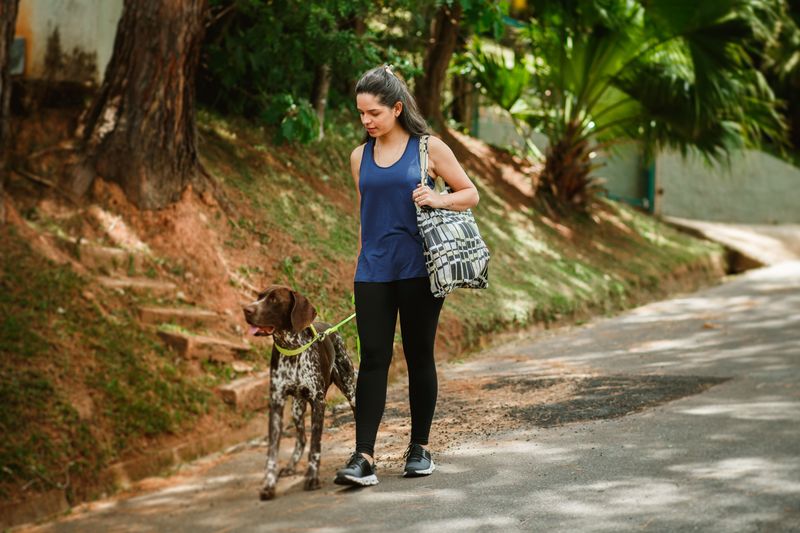
Dogs notice when their day suddenly runs on a new clock. Tell your caregiver when walks, bathroom breaks, meals, and quiet time usually happen.
Mention small habits, like waiting at a door or needing company during storms. Note how your dog responds to visitors and other dogs.
A routine does not have to be exact to be helpful. Mark which parts are flexible and which matter most.
For traveling dogs, keep a few familiar habits during the first week away.
7. Share Your Dog’s Emergency Contacts

When something changes, your caregiver should know whom to call first. List your phone numbers, a backup contact, your regular veterinarian, and a nearby emergency veterinary clinic.
Include addresses and hours where available. Ask each backup person whether they can actually help.
Put one copy in your dog’s care folder and another where the caregiver can find it quickly. Check mobile coverage along your route.
If you might be unreachable, explain when the caregiver should contact the backup person instead.
8. Prepare a Travel-Day Care Plan
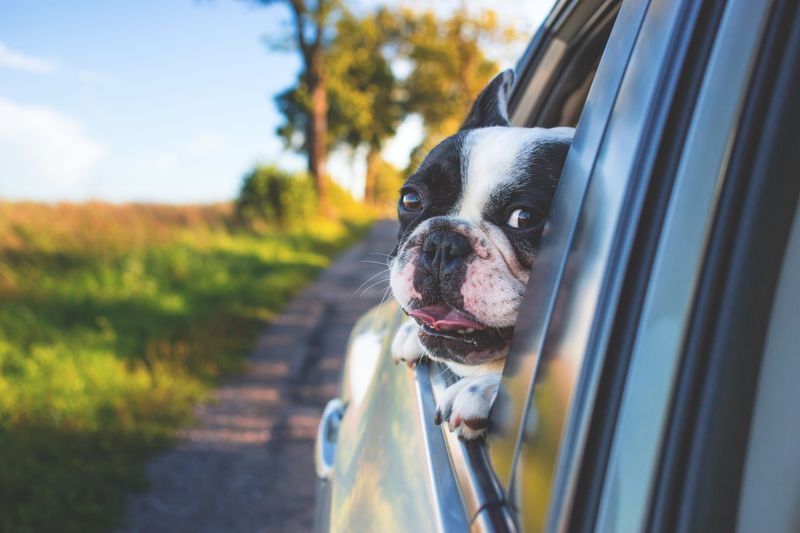
Departure day can scramble even a well practiced schedule. Decide who handles your dog’s last walk, meals, water, and bathroom breaks before you leave.
For a road trip, plan safe stops and use an appropriate carrier or vehicle restraint. Never leave your dog alone in a parked car.
If your dog stays behind, tell the caregiver exactly when responsibility begins. Share your route and expected arrival time.
A quick check in after departure confirms that the handoff happened as planned.
9. Pack a Familiar Comfort Kit
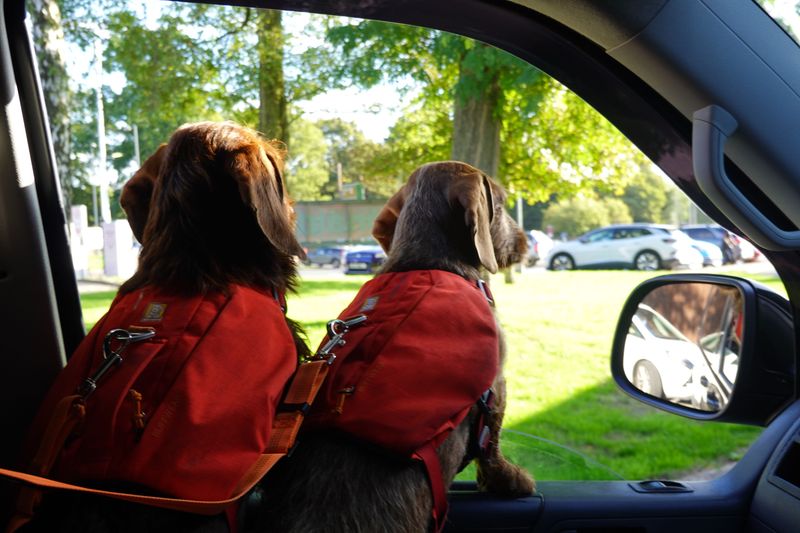
A favorite blanket can make a new room feel less strange. Pack your dog’s bed, a few familiar toys, leash, waste bags, and cleaning supplies.
Add food, water gear, and any care items your dog uses daily. Check that everything fits safely in your travel space.
For a dog staying with someone else, bring familiar items to that home before departure. Avoid packing a toy with loose pieces or worn parts.
Keep the kit simple enough that the caregiver knows what belongs where.
10. Update Identification Before Departure

An old phone number on a tag cannot help anyone reach you. Check your dog’s collar tag and update it with a number you will answer.
If your dog has a microchip, verify its registration and contact information with the registry. Add your seasonal address when the registry allows it.
Give your caregiver a recent photo and your dog’s identifying details. Local licensing rules vary by county and city, so check the requirements that apply where your dog will stay.
Check both locations if your dog will spend time there.
11. Leave Instructions for Heat and Weather Changes
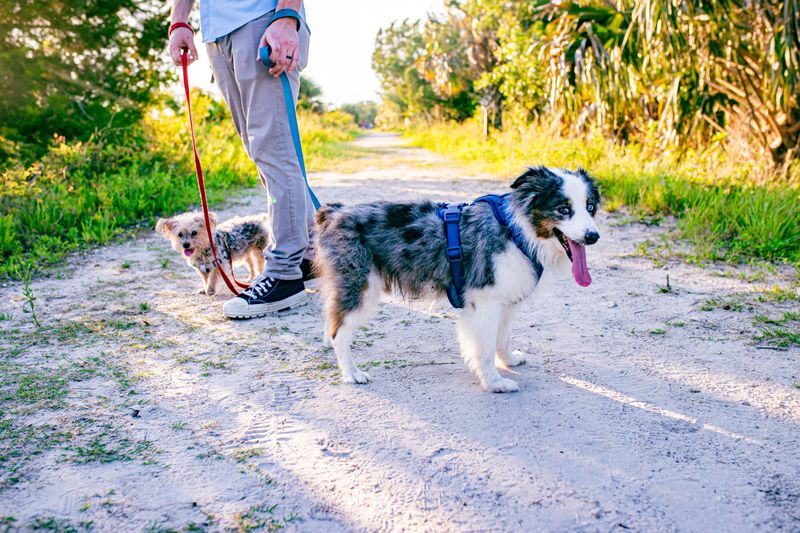
Florida weather may change after you head north. Tell your caregiver which walking times suit your dog and where shade and water are available.
Ask them to check pavement with a hand before walks during hot weather. Explain your dog’s usual response to rain or thunder.
Share your household plan for storms and local weather alerts. Include where your dog’s carrier, leash, and supplies are kept.
A traveling dog may face cooler weather, so discuss suitable outdoor time with your veterinarian.
12. Plan for Unexpected Travel Delays

Flights change, roads close, and return dates sometimes shift. Arrange a backup caregiver before you need one.
Confirm that person has access to your dog, supplies, routine notes, and emergency contacts. Agree on how you will ask for help if plans change.
Leave extra food and necessary supplies, but check storage guidance for medications. If your dog travels with you, identify pet friendly lodging along your route.
Keep the backup plan realistic for your dog’s needs and your caregiver’s schedule.
13. Put Important Instructions in One Place

Scattered notes make simple questions harder to answer. Gather your dog’s schedule, medical list, contact numbers, and household instructions in one clearly labeled folder.
Add a digital copy if your caregiver finds that easier. Remove old pages so conflicting directions do not linger.
Point out where supplies, keys, and cleaning materials are kept. If an alarm or gate affects access, explain how it works securely.
Walk through the folder together. That short conversation often reveals a missing detail before you leave.
14. Decide Who Can Approve Veterinary Care
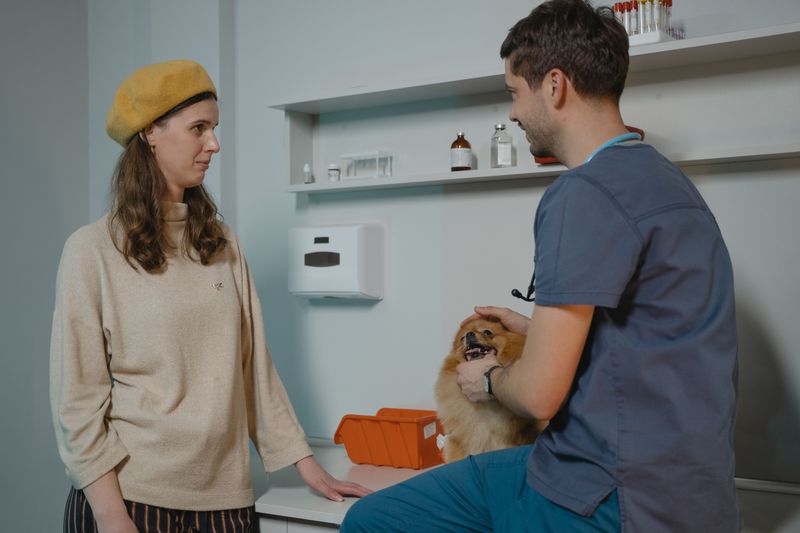
A caregiver may need to make decisions while you are driving or out of reach. Ask your veterinarian how its clinic handles consent and payment when someone else brings your dog.
Provide any authorization the clinic requests. Discuss spending limits and how the caregiver should contact you.
Choose a backup decision maker if your first contact is unavailable. Check whether emergency clinics need separate paperwork.
Written permission helps explain your wishes, but clinic policies vary. Confirm the arrangement directly with each clinic involved.
15. Do a Final Handoff Check Before Leaving
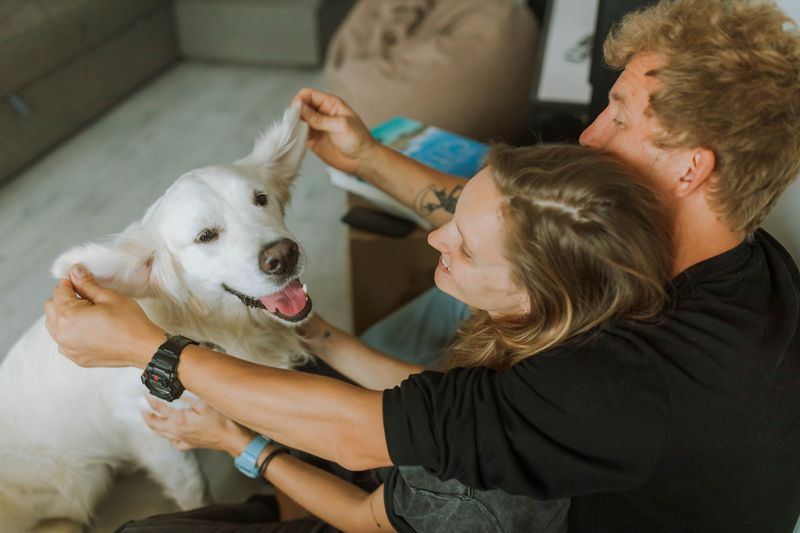
Right before departure, take five quiet minutes to check the plan together. Confirm the first visit, feeding supplies, medicines, keys, contacts, and the best way to reach you.
Show the caregiver where your dog rests and how doors or gates latch.
Ask whether anything still feels unclear. For a traveling dog, check the carrier, identification, records, and next stop.
Then send a brief arrival message. A clear handoff gives everyone a steadier start, wherever the season takes you.