What Louisiana Dog Owners Should Know About Nutria Near Canals And Marshes
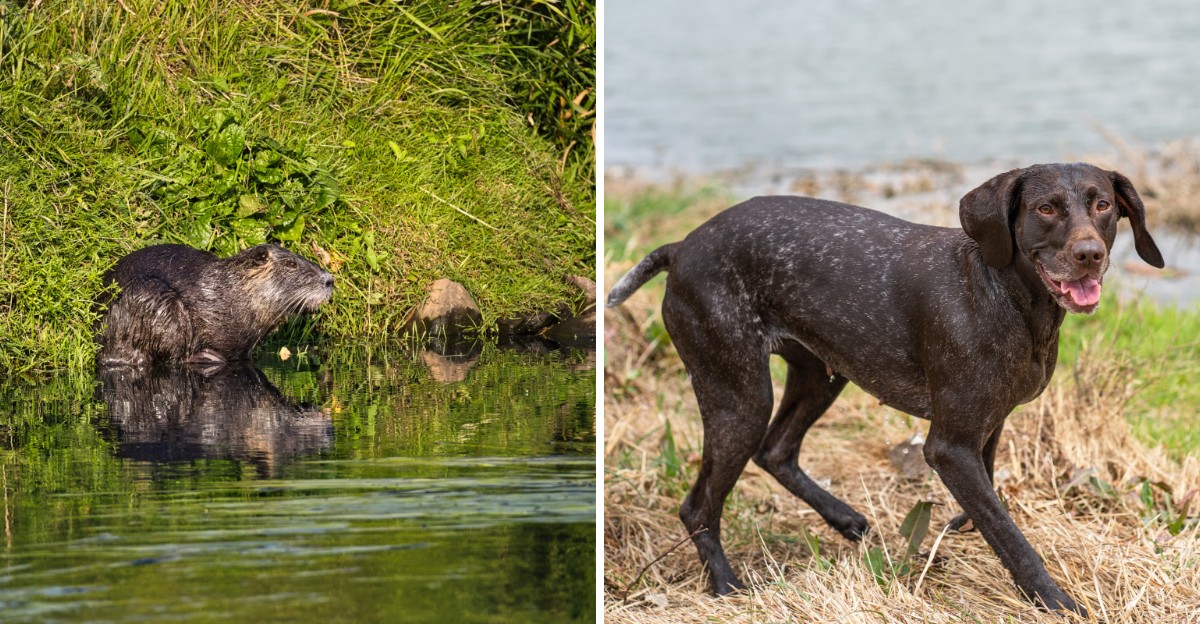
A canal walk can be a favorite part of your dog’s day. In Louisiana, those same paths may also be home to nutria, large rodents that live near water.
Most sightings need nothing more than a little space and a change of direction. Knowing what to watch for helps you protect your dog while still enjoying the marshes and waterways around you.
1. Where Louisiana Dogs May Encounter Nutria
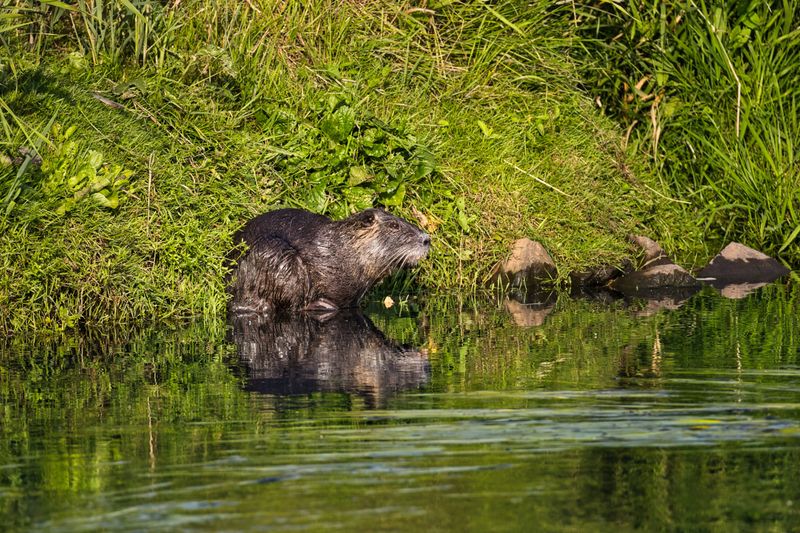
A rustle beside a neighborhood canal might be a nutria heading toward the water. These large rodents live around Louisiana canals, bayous, ponds, swamps, and freshwater or brackish marshes.
They usually stay near water and feed mostly on plants.
Watch grassy edges during walks, including those beside parks and drainage channels. You do not need to search for nutria.
Simply notice where the water begins, keep your dog close, and give wildlife a quiet route away.
2. Why Nutria Attract Dogs Along Canals
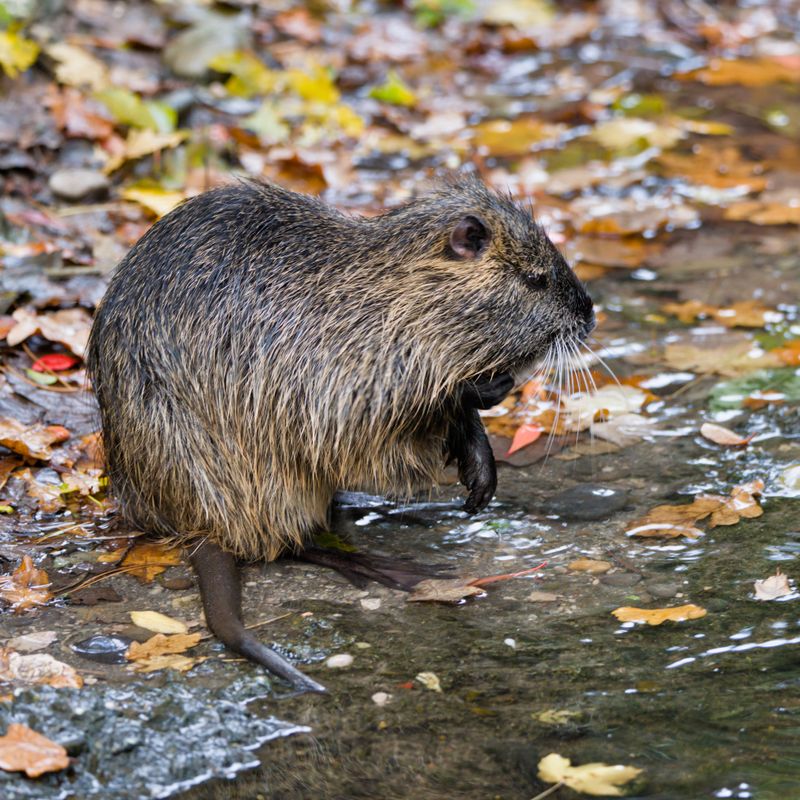
To a curious dog, a moving shape in the reeds can be hard to ignore. Nutria travel on land and slip into water, which may trigger a dog’s urge to chase.
Their size can also make them especially noticeable along an open bank.
Notice your dog’s early signals, such as staring, pulling, or suddenly going still. Call their name, reward their attention, and walk away before curiosity becomes a dash toward the canal.
3. Keep Dogs Leashed Near Canal Banks
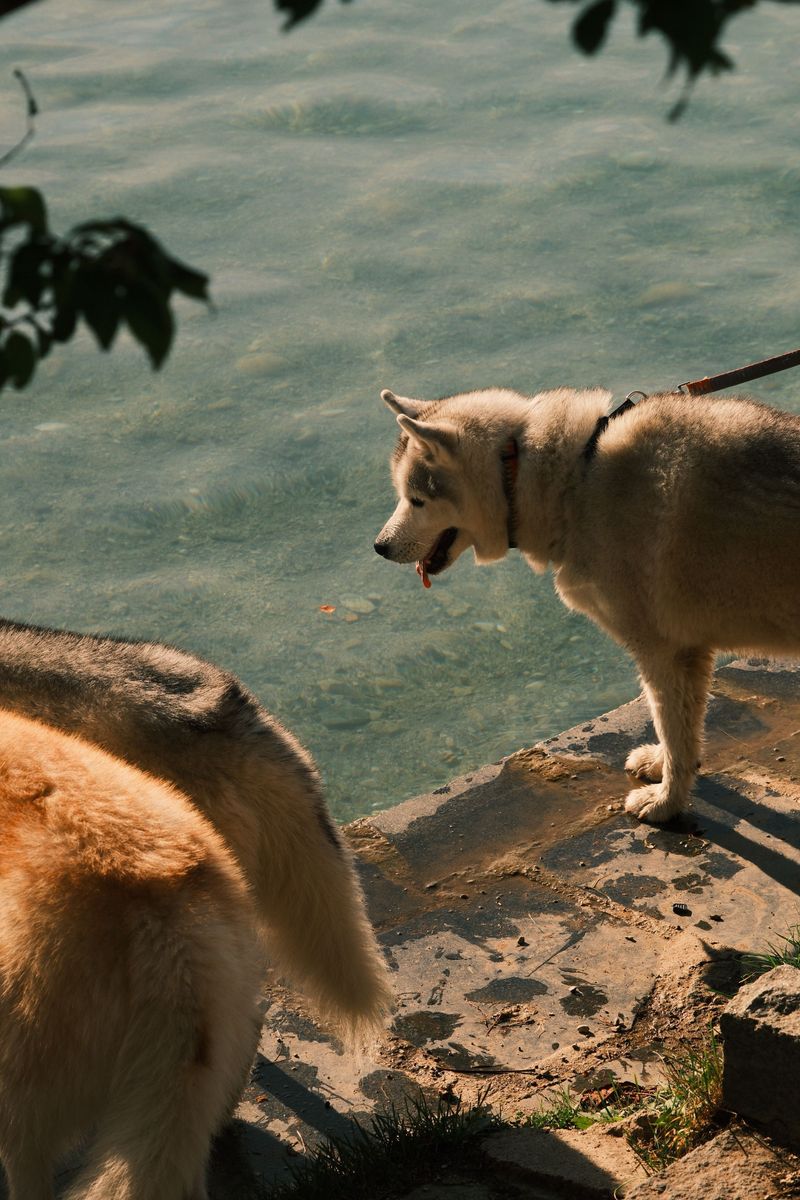
A leash gives you time to respond when wildlife appears without warning. Keep your dog close enough to guide them away from water, burrows, and passing nutria.
A long line can still let an excited dog reach a steep bank quickly.
Leash rules differ by parish, city, and park, so check signs before your walk. Even where off-leash activity is allowed, keeping your dog securely leashed can make it easier to manage a wildlife encounter beside canals.
Practice a cheerful turn-around cue.
4. Give Nutria Plenty of Space
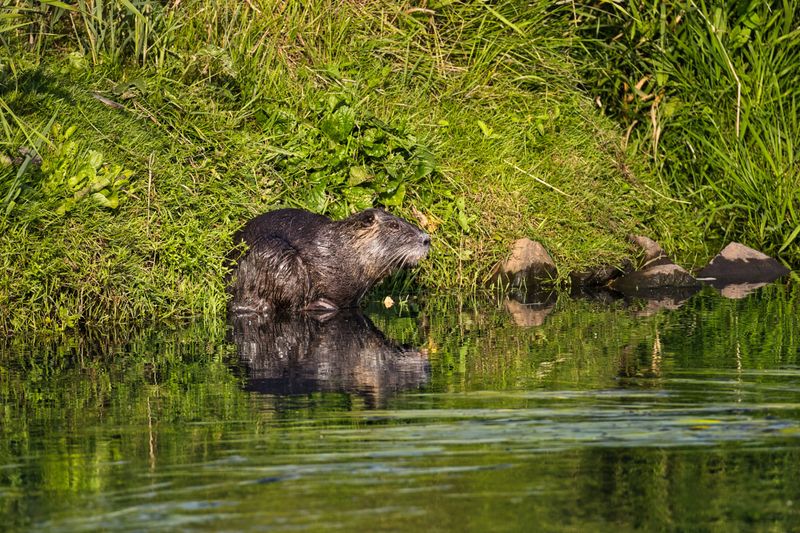
Think of distance as a simple kindness to both animals. Nutria generally prefer an escape route, but a cornered animal may defend itself.
Do not bring your dog closer for a look or a photograph.
Instead, pause well back, shorten the leash, and choose another path if needed. Leave room between the nutria and the water so it can move freely.
If your dog cannot settle, calmly turn around before closing the gap.
5. Why Dogs Should Not Chase Nutria
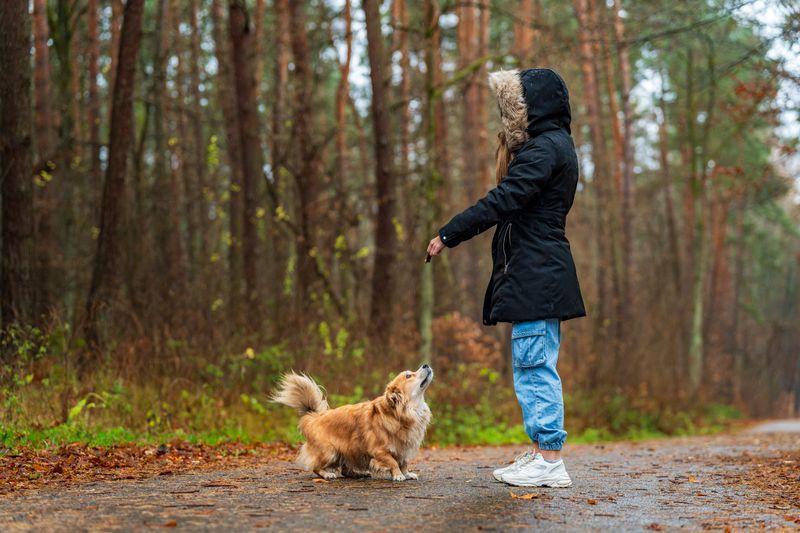
A chase can turn a peaceful sighting into a difficult moment within seconds. A dog may follow a nutria down a slippery bank or into water.
If the nutria feels trapped, it may bite or scratch in defense.
Practice calling your dog away from moving distractions before visiting a canal trail. Reward a quick response with praise or a treat.
Keeping the outing calm protects your dog and gives the nutria space to leave.
6. Nutria Can Defend Themselves
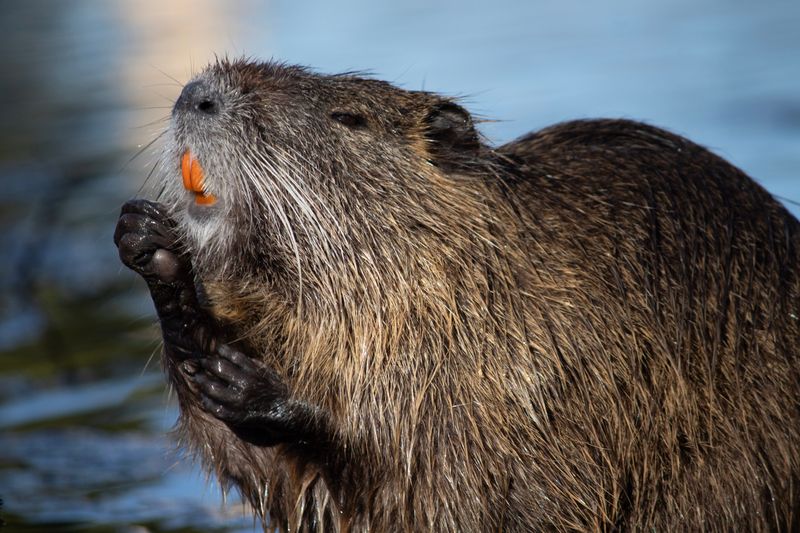
Those bright orange front teeth are one reason to admire a nutria from afar. Like other wild animals, it may use its teeth if a dog crowds or grabs it.
Its claws can also leave scratches during a close encounter.
Do not rely on your dog’s size or training to make contact safe. Keep a firm hold on the leash and move away.
If your dog is excited, create more distance before asking for attention or offering a treat.
7. Watch for Burrows Along Waterways
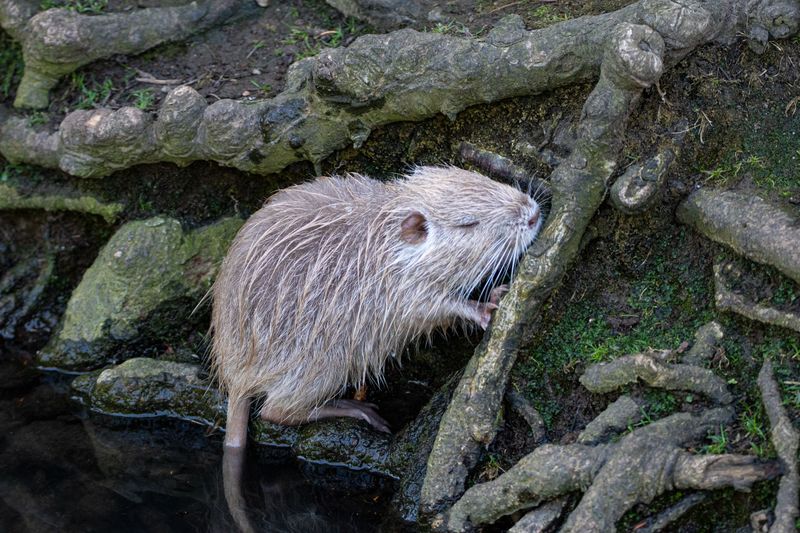
A small opening in a grassy bank may lead to a nutria burrow. Nutria dig into waterway edges, and the ground above their tunnels can weaken.
Holes may also be hidden by plants, making a quick step risky.
Scan ahead rather than letting your dog explore every patch of brush. Keep paws away from openings and avoid stepping onto thin overhangs yourself.
Choose a wider path when the edge looks hollow, cracked, or freshly disturbed.
8. Keep Dogs Away From Unstable Canal Banks
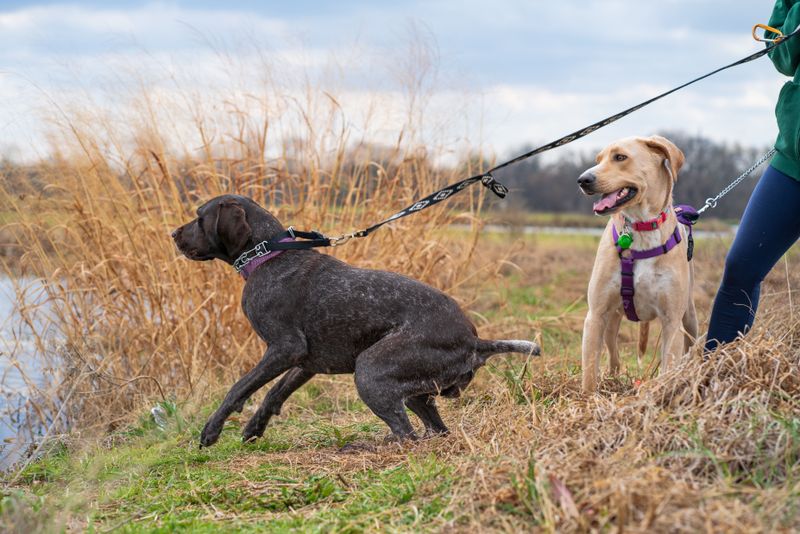
After rain, a familiar canal edge may be softer than it looks. Burrows, erosion, and changing water levels can leave parts of the bank unstable.
Your dog might reach the edge before you notice a crack or drop.
Walk on firm ground set back from the water, especially after storms. Avoid muddy slopes and areas where soil has fallen away.
If a path narrows near a damaged bank, turn back or find another route rather than testing it.
9. Why Marsh Water Can Be Risky for Dogs
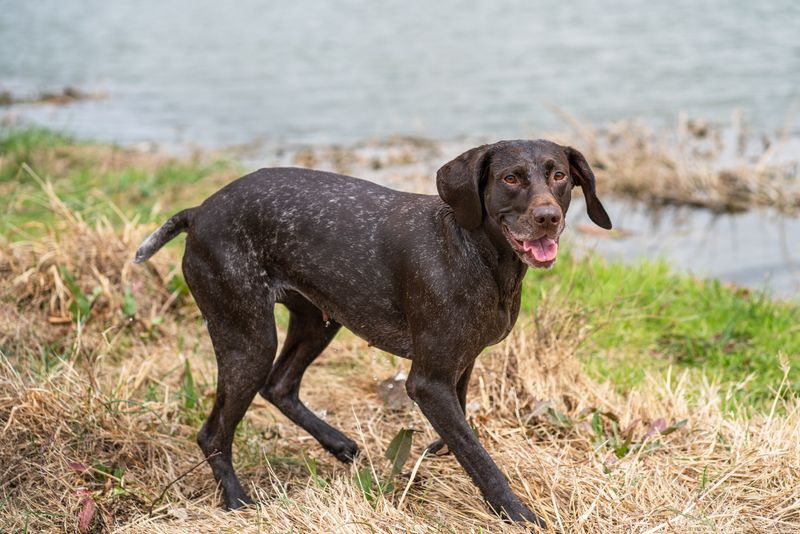
Still marsh water can look inviting on a warm Louisiana day. Yet natural water may contain germs, parasites, or other hazards you cannot see.
Contact may be a greater concern when a dog has a cut or irritated skin.
Choose dry trails instead of letting your dog wade through unknown water. If they get wet, rinse them with clean water and dry them afterward.
Ask your veterinarian about any skin problem or illness that follows an outing.
10. Do Not Let Dogs Drink From Canals
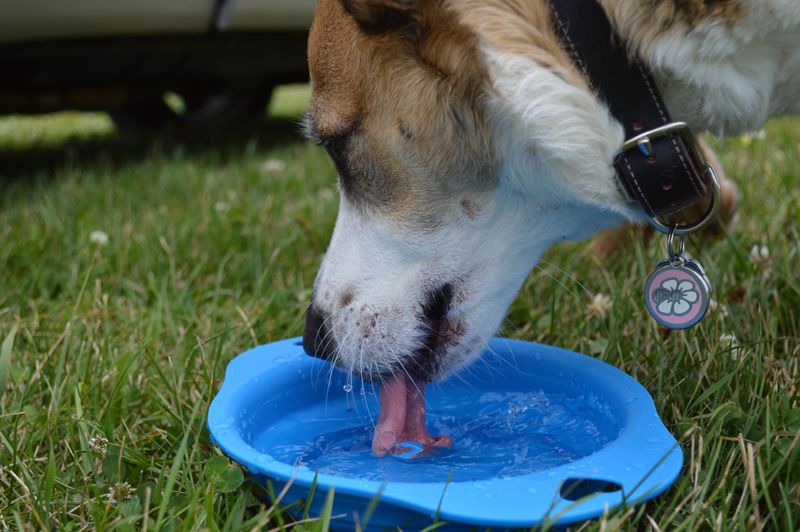
A thirsty dog may head straight for the canal after a long walk. Canal water can contain germs or parasites from wildlife and other sources, even when it looks clear.
Bring drinking water from home and offer it often.
A portable bowl makes a clean drink easy during warm weather. If your dog tries to lap at the bank, guide them back without scolding.
Watch for stomach upset afterward, and call your veterinarian if concerning signs appear.
11. Watch for Wildlife Waste Near the Water
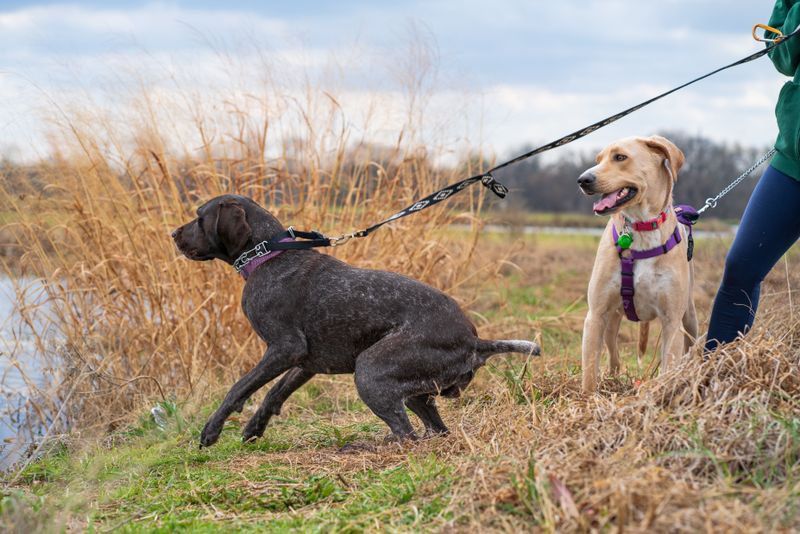
Dogs investigate the ground with their noses, including places wildlife has visited. Droppings near a canal may come from nutria or other animals.
You cannot reliably judge safety by appearance, so keep your dog from sniffing or eating waste.
Use a short leash through grassy patches and guide your dog around soiled spots. Wash your hands after handling anything dirty on the trail.
If your dog eats wildlife waste, ask your veterinarian what signs to watch for.
12. Nutria and Leptospira Exposure
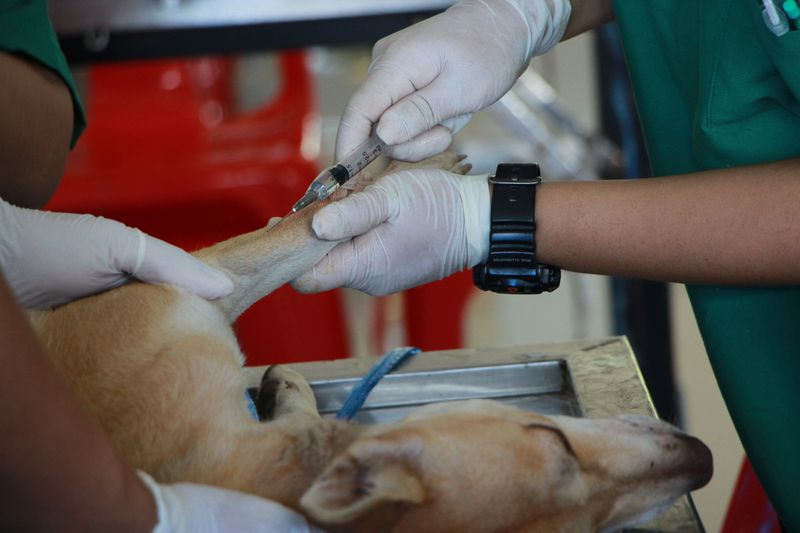
One water-related concern has a name worth knowing: leptospirosis. Leptospira bacteria can spread through urine from infected animals, and Louisiana records and research have documented Leptospira exposure in nutria.
Dogs may be exposed through contact with contaminated water or soil, including through damaged skin.
Signs can include fever, vomiting, tiredness, and changes in urination. These signs have many possible causes, so let a veterinarian assess them.
Ask whether leptospirosis vaccination fits your dog’s activities and local exposure risk.
13. What to Do if a Nutria Approaches
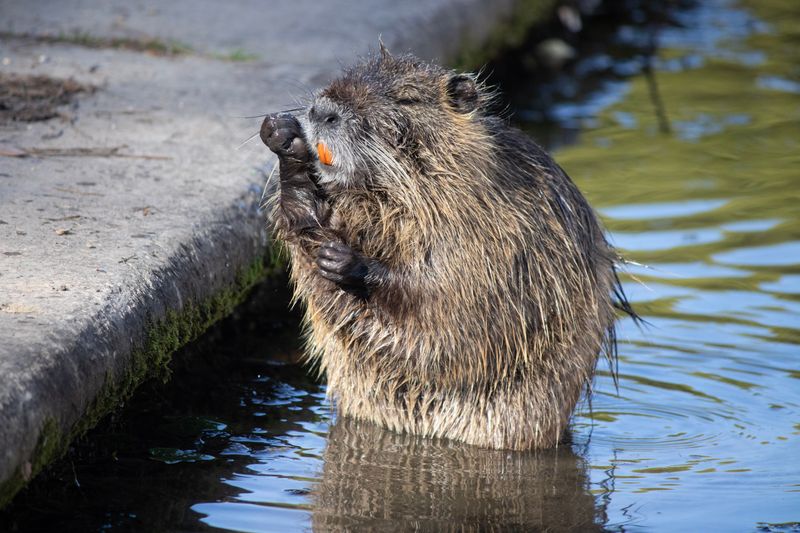
Sometimes a nutria appears ahead before you have room to pass. Stay calm, hold your dog’s leash securely, and slowly move away.
Avoid blocking the animal against a fence, wall, or water’s edge.
Give it a clear way out and wait at a comfortable distance. If your dog barks or pulls, focus on creating space rather than making contact.
Do not send your dog forward to scare the nutria. A different path is usually the easiest answer.
14. Keep Dogs Away From Injured Nutria
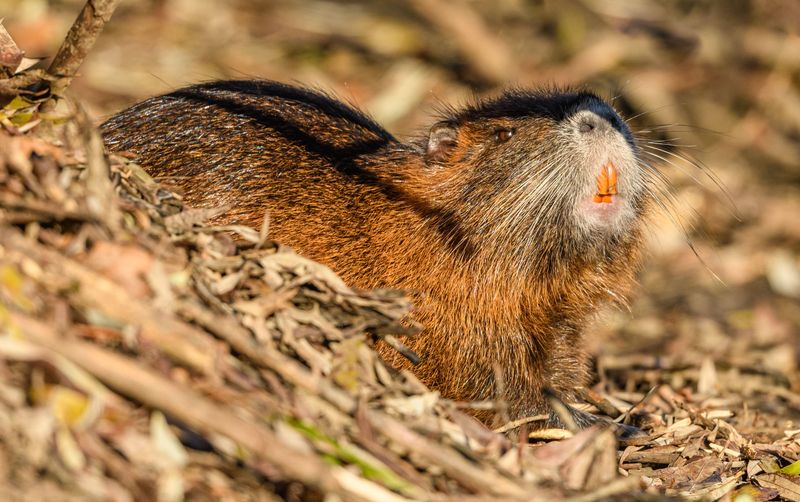
An injured nutria needs space, not a closer look from your dog. An animal that cannot easily leave may react defensively when approached.
Keep your dog leashed and move away without trying to touch, feed, or carry the nutria.
From a safe location, note where you saw it. Contact local animal control or the Louisiana Department of Wildlife and Fisheries for guidance.
Follow their instructions, and keep other pets away from the spot while help is arranged.
15. What to Do After a Nutria Bite or Scratch
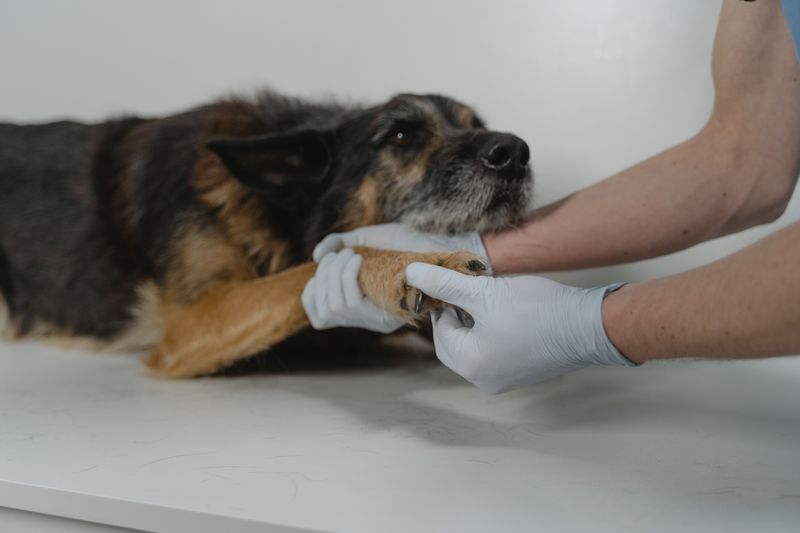
Even a small bite or scratch deserves a call to your veterinarian. First, move your dog away from the nutria and keep them calm.
If you can do so safely, gently rinse the area with clean water.
Avoid handling the wound if your dog may snap from pain. Your veterinarian can check for deeper injury, infection risk, and needed care.
Tell them when and where the contact happened. Do not wait for swelling before seeking advice.
16. When to Call Your Veterinarian
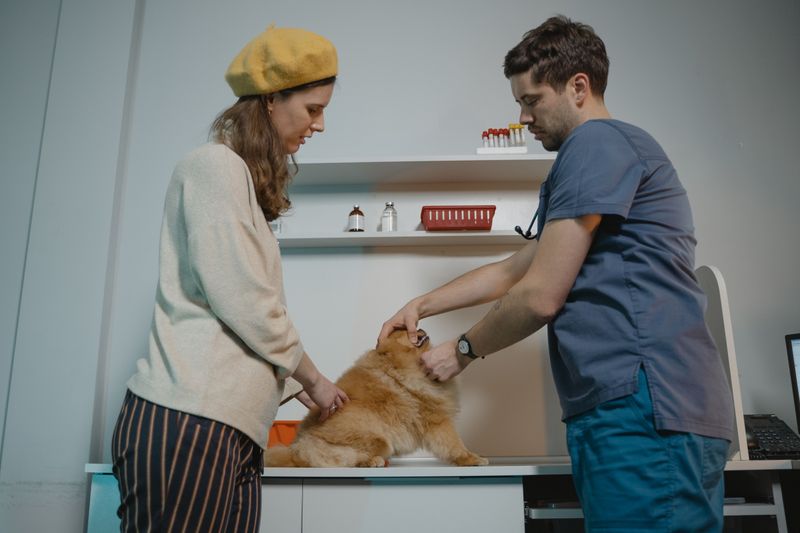
You know your dog’s usual energy, appetite, and bathroom habits best. Call your veterinarian promptly after a nutria bite or scratch.
Also call if your dog seems ill after drinking canal water or exploring wet ground.
Mention vomiting, diarrhea, fever, unusual tiredness, or changes in urination. Share the date and place of possible exposure, even if symptoms appeared later.
Your veterinarian can decide whether an examination or testing is needed. Ask about prevention during routine visits.
17. How to Handle a Nutria Sighting Safely
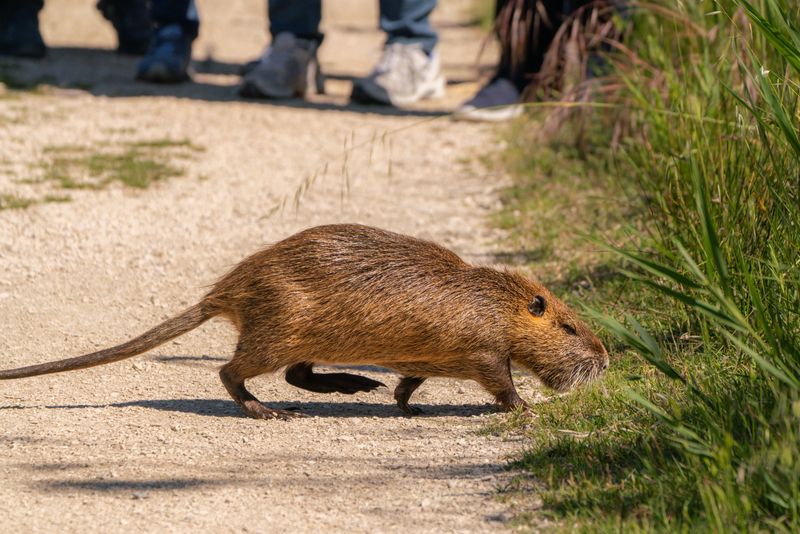
Seeing a nutria does not usually call for action beyond giving it room. Keep your dog close, watch the animal from a distance, and continue your walk another way.
Never corner, feed, or attempt to catch it.
If nutria repeatedly damage a public area or create a concern, report the location to local authorities. The Louisiana Department of Wildlife and Fisheries can also offer guidance.
A useful report describes the place and problem without putting anyone near the animal.
18. Louisiana Wildlife Rules for Nutria
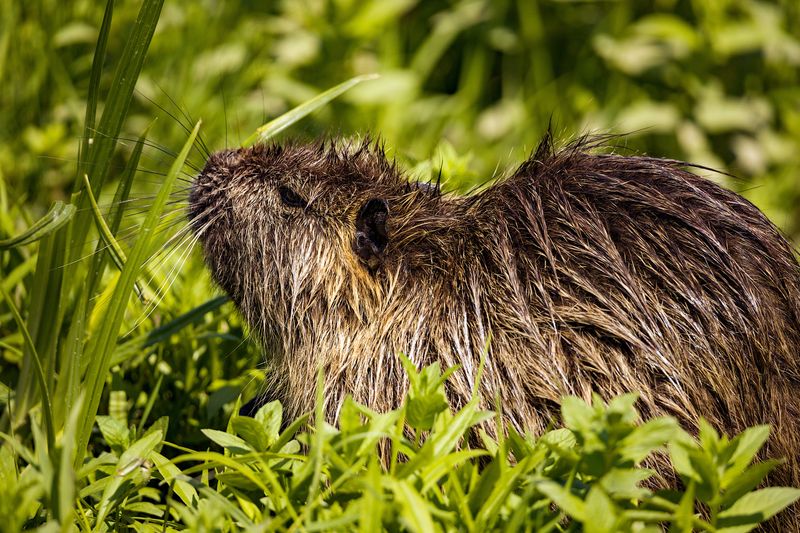
Louisiana manages nutria because their feeding can damage coastal wetlands. The state has a Coastwide Nutria Control Program, which operates in coastal Louisiana and involves registered hunters and trappers.
Do not trap, move, or handle a nutria based on advice from neighbors.
Rules depend on the activity, location, property, and applicable permissions. Check current Louisiana Department of Wildlife and Fisheries guidance before taking any action.
For a problem on public land, contact the managing agency instead.
19. Safer Walks Through Louisiana Marsh Areas
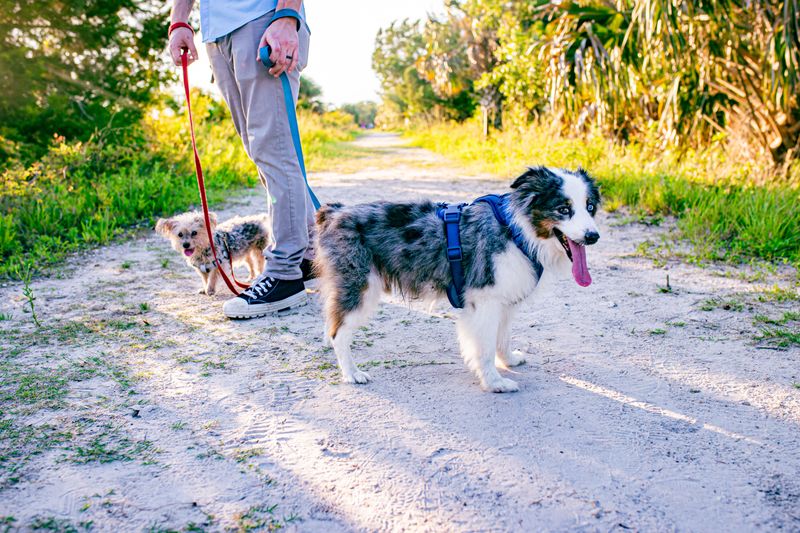
A little planning makes marsh walks easier for both of you. Pick marked trails, keep your dog leashed, and carry fresh water.
Scan ahead for nutria, burrow openings, muddy edges, and places where your dog might enter the water.
Before leaving home, check local trail rules and pack a small towel. Ask your veterinarian whether leptospirosis vaccination suits your dog’s routine.
With space, clean water, and a steady path, you can enjoy Louisiana’s wetlands with confidence.