What Dog Owners Should Know Before Letting Dogs Swim In Hawaii’s Strong Surf
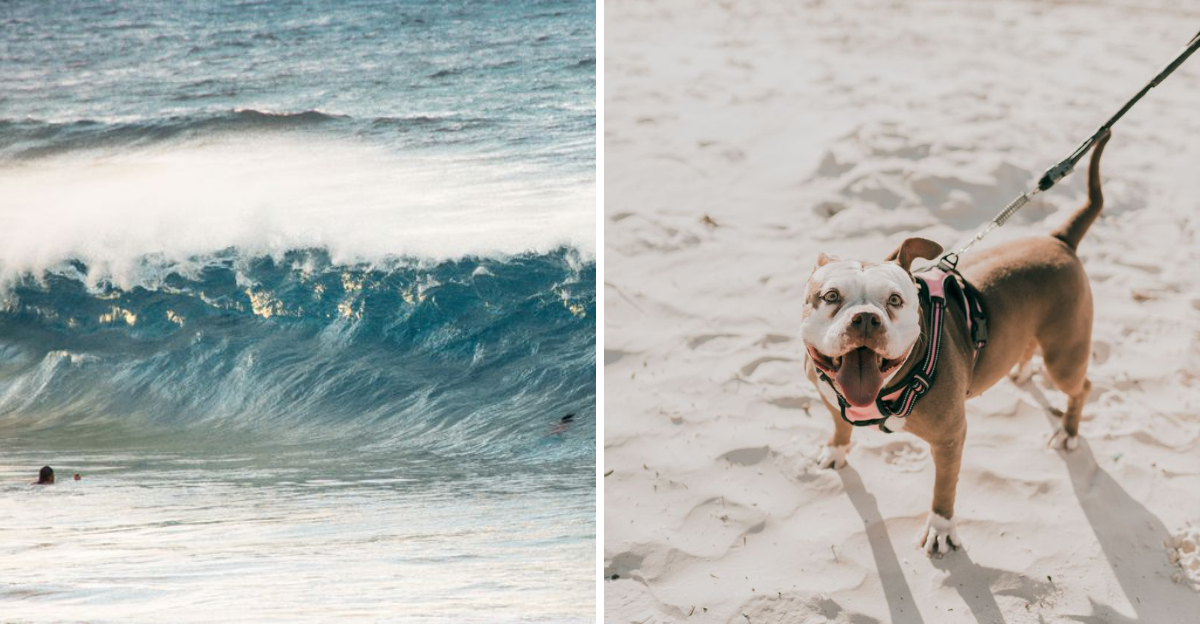
Hawaii’s shoreline is stunning, and sharing it with your dog can be one of the best parts of island life. The ocean here is also powerful, with shifting swells, sudden currents, and rules that change from county to county.
A little planning goes a long way toward keeping beach days happy and uneventful. Here is what local dog owners learn over time, gathered in one place so you can head out feeling prepared rather than guessing.
1. Confirm Dogs Are Allowed at the Beach
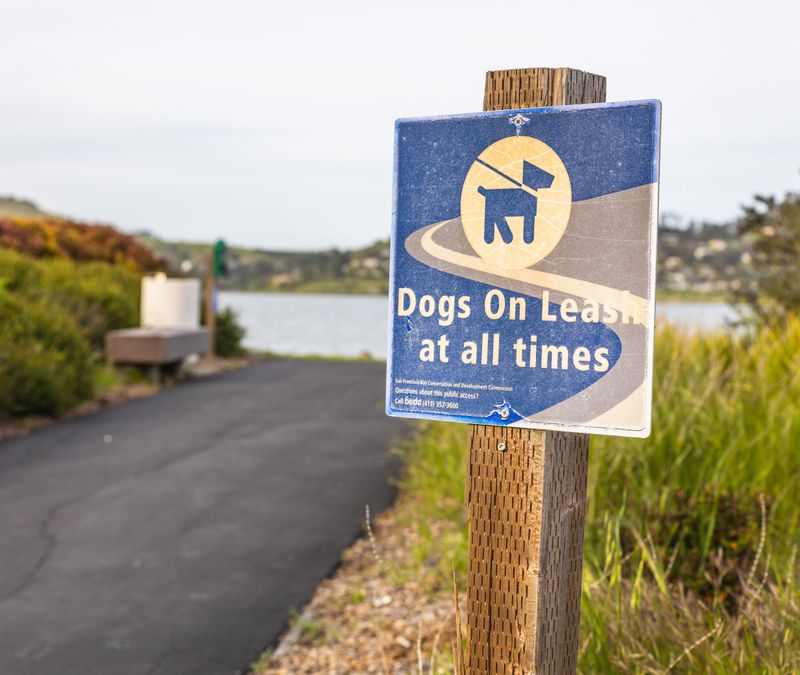
Beach access rules for dogs shift from island to island, so a quick check saves disappointment. On Oahu, leashed dogs are often permitted on wet sand below the high-tide line, and Honolulu keeps only one official off-leash beach area.
Maui requires leashes no longer than ten feet. Kauai generally welcomes leashed dogs outside county-maintained beaches.
Big Island county and state beach parks largely prohibit dogs.
Read posted signs, and confirm with local parks staff when unsure.
2. Check the Local Surf Forecast Before Leaving
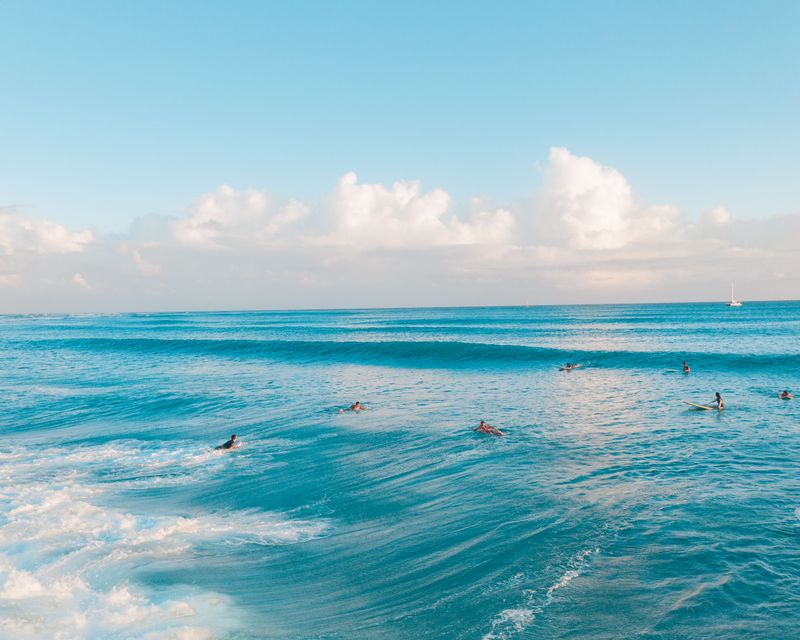
Every good beach day starts at home, with the forecast open on your phone. The National Weather Service Honolulu office posts surf heights, swell period, and wind direction for each shore.
Bigger swell height means bigger waves. A longer period, meaning more seconds between waves, usually means more power behind them.
Onshore wind brings choppy water, while offshore wind tends to clean things up. Together, those details paint the picture.
3. Skip Swimming During High Surf Advisories or Warnings
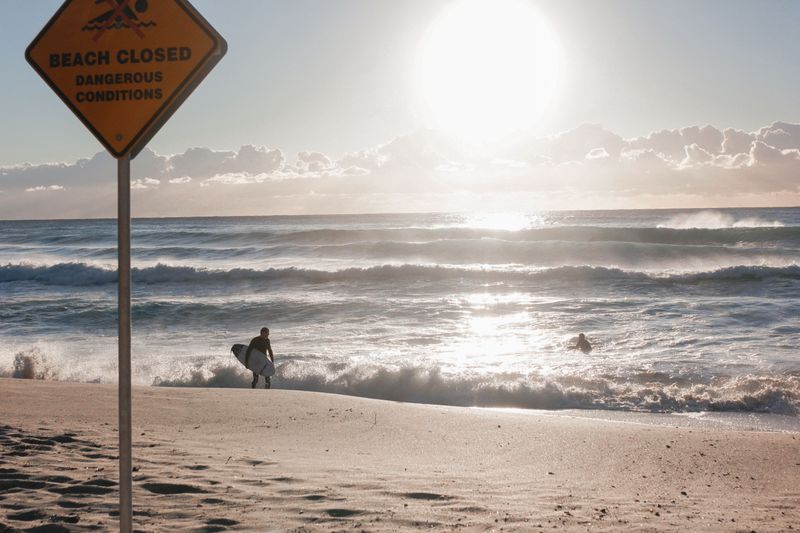
Advisories exist for good reason. A High Surf Advisory in Hawaii signals roughly 10 to 14 feet on north and west shores, or 6 to 9 feet on south shores.
A High Surf Warning means about 15 feet or more, with beach closures possible. Both bring strong shorebreak and fast currents.
Even confident canine swimmers get overwhelmed quickly. On those days, walk the dry sand instead and enjoy the view.
4. Assess the Actual Conditions at the Beach
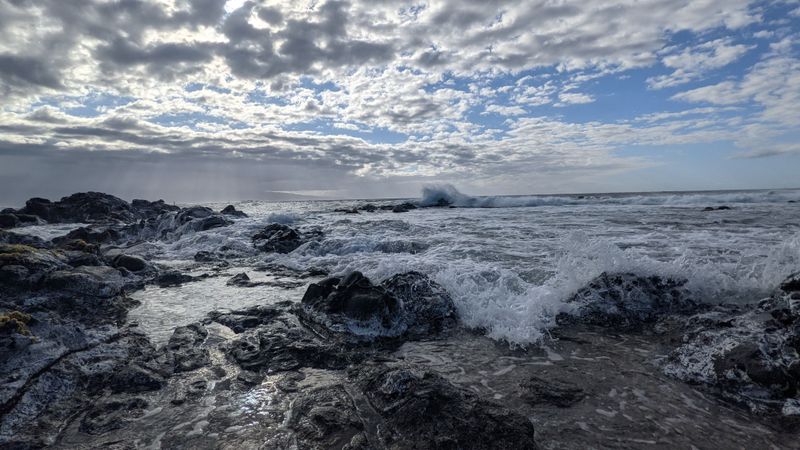
Forecasts guess, but your eyes confirm. Give yourself around fifteen minutes on arrival to read the ocean’s rhythm before your dog goes anywhere near the water.
Look for churning channels, surge zones, and how far waves run up the sand. Then scan the shoreline itself.
Sharp lava rock, lost fishhooks, broken glass, and washed-up marine life all threaten paws. Keep a comfortable buffer between your dog and rocky edges.
5. Choose a Beach with Lifeguards on Duty
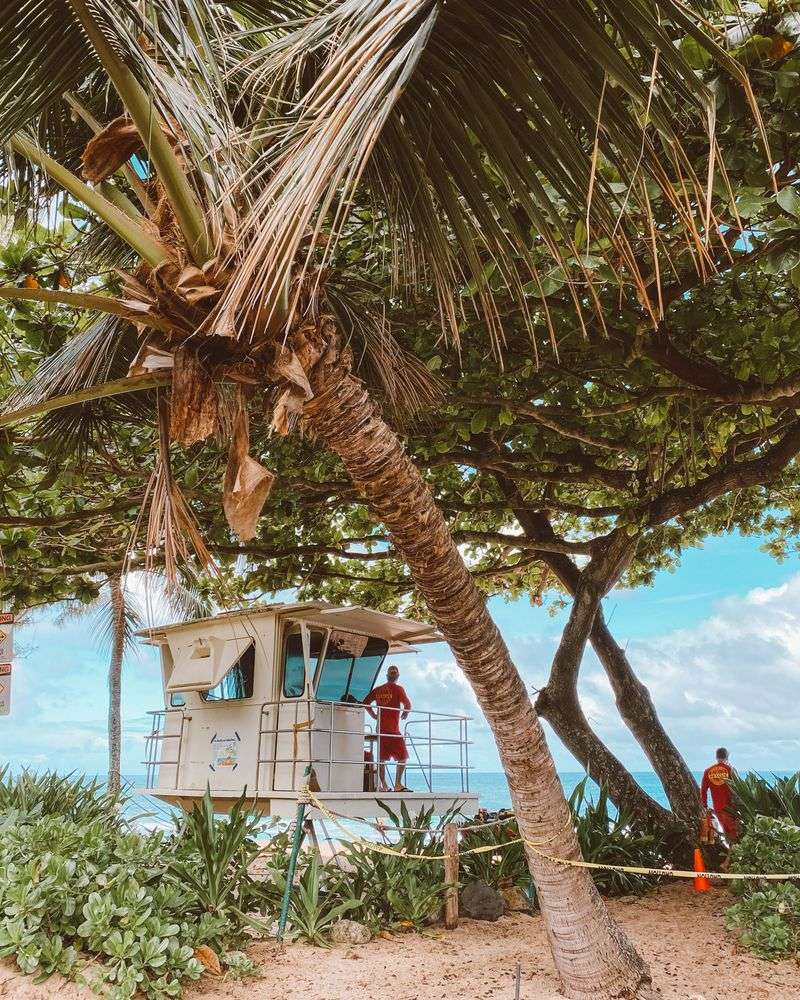
Lifeguard towers add a safety net that no gear can replace. Trained guards watch conditions all day, spot currents you might miss, and respond fast when something goes sideways.
They also answer questions kindly, so ask about the water before you settle in.
Some dog-friendly spots have coverage, including H.A. Baldwin Park on Maui and Hickam Harbor Beach on Oahu during weekends.
Staffing varies, so verify locally.
6. Watch Several Wave Sets Before Entering
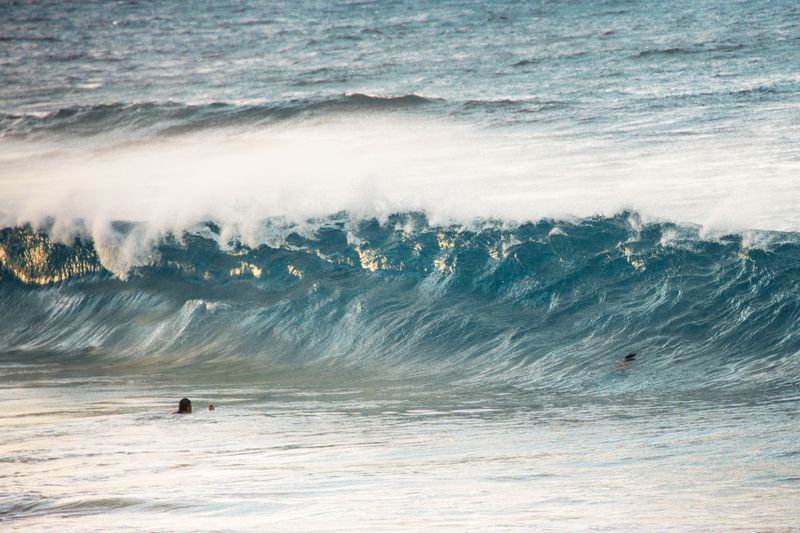
Waves arrive in sets, not steady rows. A calm stretch of five minutes can be followed by something much larger, which catches plenty of visitors off guard.
Patience pays here. Watching several sets shows you the average size, the occasional outlier, and where water funnels back out to sea.
You will also spot the safest entry and exit points, which matters more than anything once your dog is swimming.
7. Avoid Beaches with Pounding Shorebreak
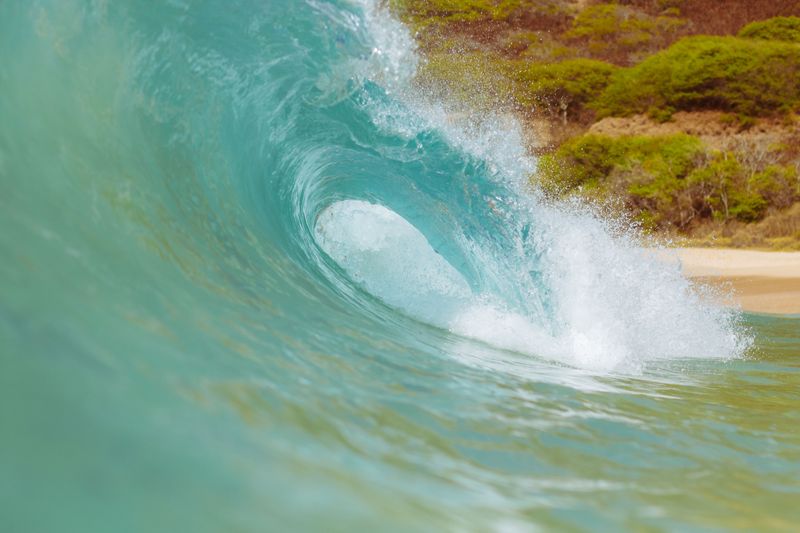
Shorebreak is the wave that folds over right at the sand, in water barely knee deep. The force concentrates in a small space, which is why it causes injuries even on modest days.
Surf of just two to four feet can create punchy shorebreak at exposed beaches.
For swimming with a dog, favor gently sloping sand and softer, rolling waves. Sandy Beach on Oahu allows leashed dogs but is known for heavy surf.
8. Never Underestimate Rip Currents
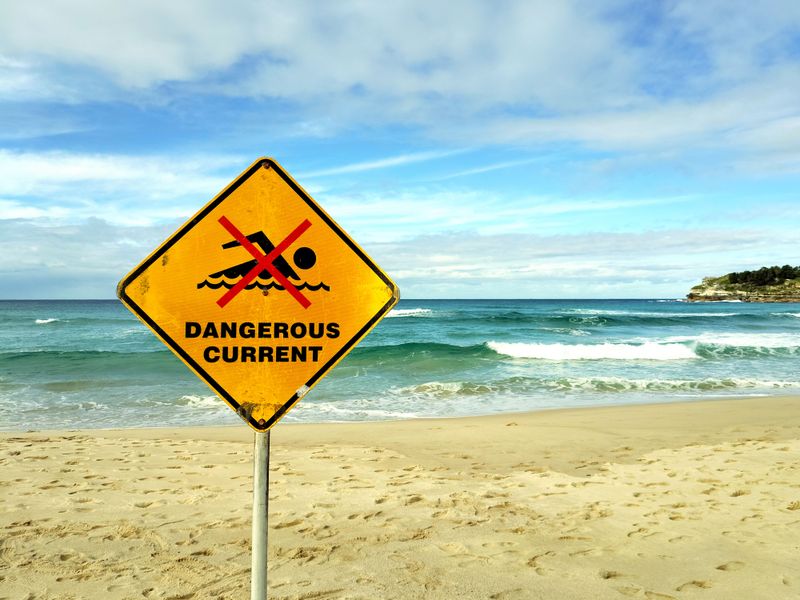
Rip currents drive a large share of ocean rescues across the islands. Picture a narrow treadmill of water heading offshore, strong enough to carry a swimming dog past the breakers quickly.
Clues include a choppy, churning channel, foam or debris drifting steadily seaward, and a gap where waves stop breaking.
Spot those signs from dry land first. If you see one, pick a different stretch of beach or a different day.
9. Use a Properly Fitted Canine Life Jacket
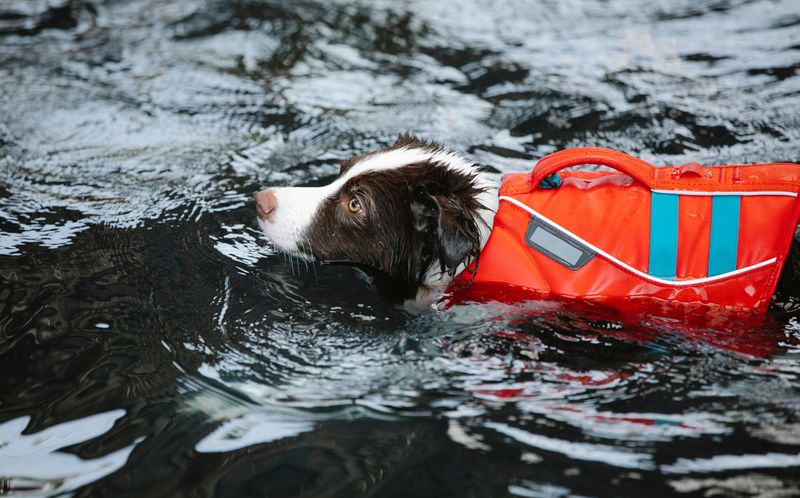
Strong swimmers benefit from flotation too, because a jacket saves energy on long swims and adds buoyancy when water turns bumpy.
Look for marine-grade foam supporting the back and sides, bright color with reflective accents, and a sturdy handle across the shoulders for lifting.
Fit matters most. Allow no more than two fingers under each strap, keep pressure off the throat, and leave the tail free to wag.
10. Begin in Shallow, Calm Water with an Easy Exit
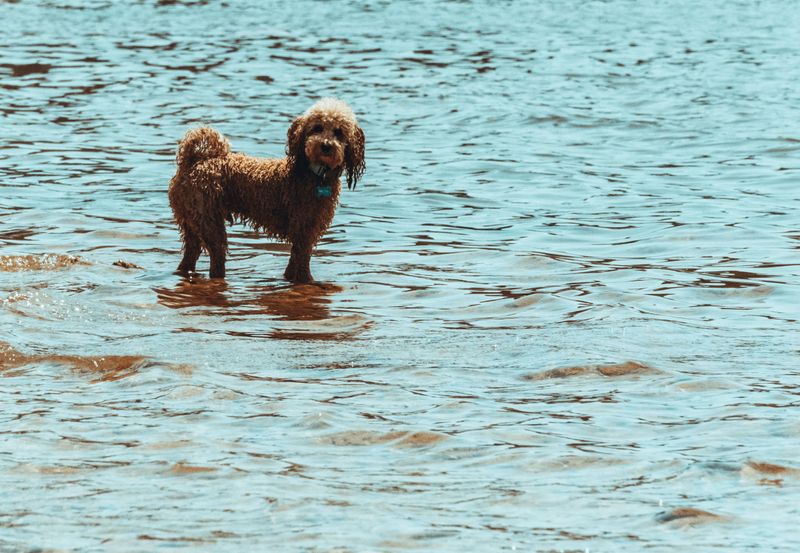
Confidence gets built in boring water, not exciting water. Start where waves barely reach the ankles and the bottom slopes gradually.
Let your dog feel the temperature, the shifting sand, and the pull of retreating water at their own pace.
Show them a clear way out, whether that is a soft sandy ramp or a low bank. Dogs that know their exit stay far calmer when conditions change.
11. Keep the Dog Within Immediate Reach
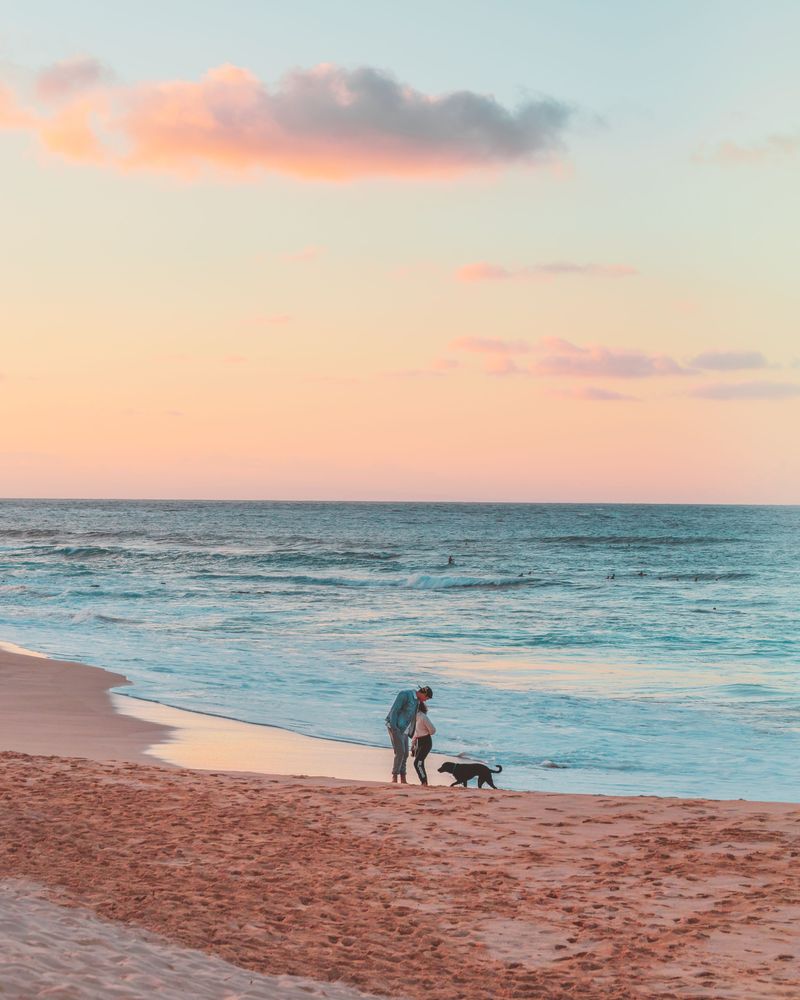
Close means close: near enough that two steps put your hands on your dog. That margin lets you intervene before a current, a submerged rock, or a surprise wave becomes a problem.
Distraction is the usual culprit behind dogs drifting out. Birds, floating coconuts, other dogs, and thrown toys all pull them seaward.
Keep toys near shore, and resist throwing anything into deeper water.
12. Follow Leash Rules Without Creating an Entanglement Hazard
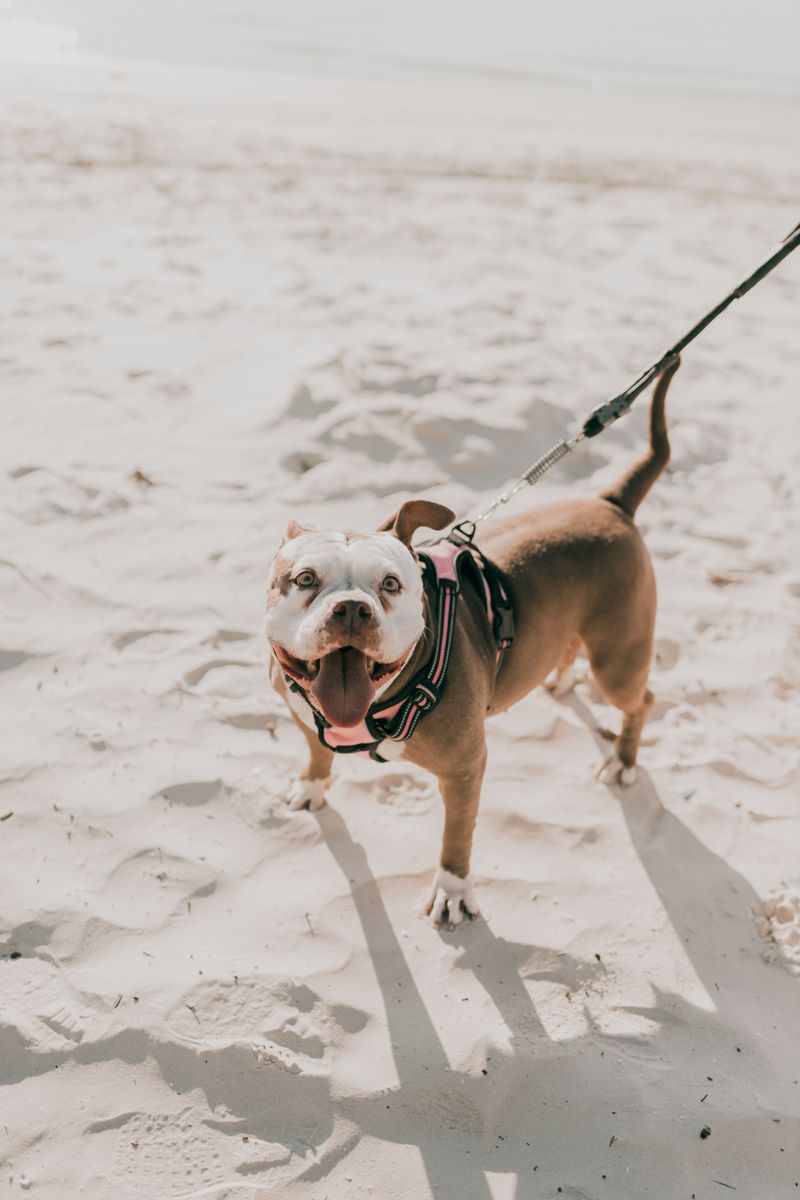
Hawaii leash laws are enforced, and Oahu violations can bring fines reaching up to $500. Maui caps leash length at ten feet, and short leads are generally preferred over extendable ones.
In water, a long line becomes a snag risk around rocks and coral.
Keep the lead short enough to control, and clip it to a well-fitted harness with a secure D-ring rather than a collar alone.
13. Keep Swimming Sessions Short and Provide Rest Breaks
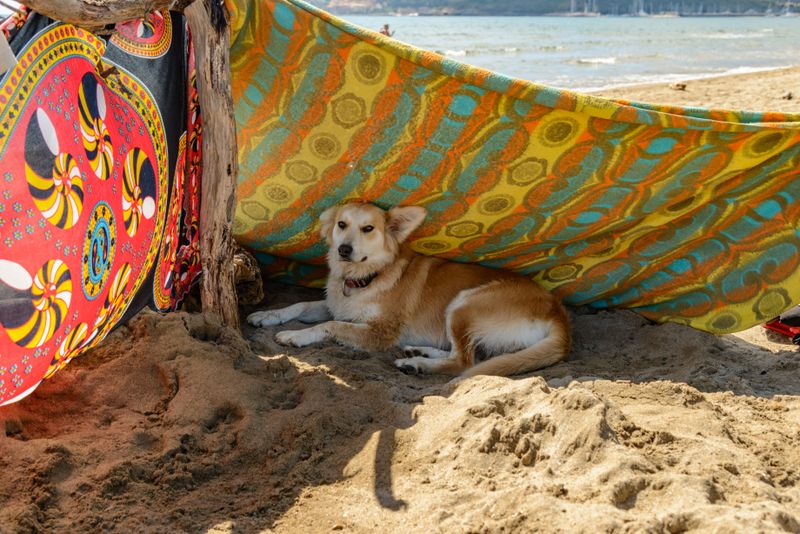
Ocean swimming burns energy fast, far faster than a pool or pond. Salt, chop, and sun stack up on a dog’s body without much warning.
Plan a break every fifteen to thirty minutes, ideally in shade, with water offered each time.
Heavy panting, thick drooling, or hesitation to head back in all mean the session is over. Ending early keeps the next visit something to look forward to.
14. Bring Plenty of Fresh Drinking Water
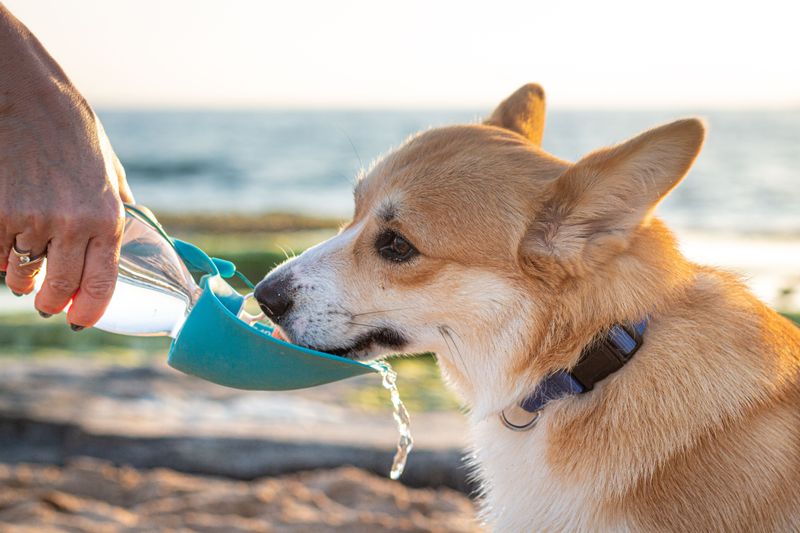
Fresh water is the simplest safeguard you can pack, and probably the most valuable. Thirsty dogs will happily lap seawater if nothing better is offered.
Bring more than you think you need, plus a collapsible bowl, and offer drinks between every swim.
A hydrated dog is far less tempted by salt water. Many local owners freeze a bottle overnight so the supply stays cool through the afternoon.
15. Learn the Signs of Saltwater Toxicity
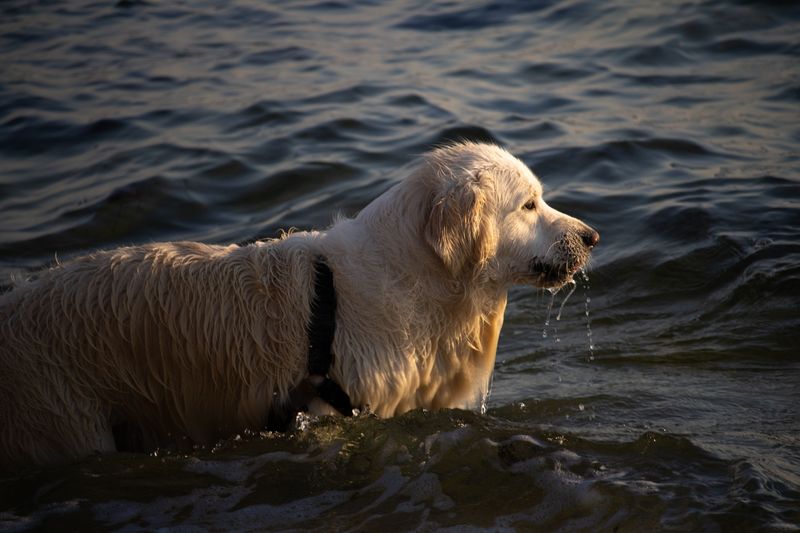
Swallowing too much seawater can raise a dog’s sodium levels, a condition vets call hypernatremia. Extra salt pulls water out of tissues and upsets electrolyte balance.
Watch for unusual thirst, frequent urination, tiredness, weakness, vomiting, diarrhea, poor appetite, confusion, or muscle tremors.
Signs sometimes appear right away, sometimes hours later. If any show up, contact your veterinarian promptly rather than waiting to see how things go.
16. Check Water-Quality Advisories After Heavy Rain
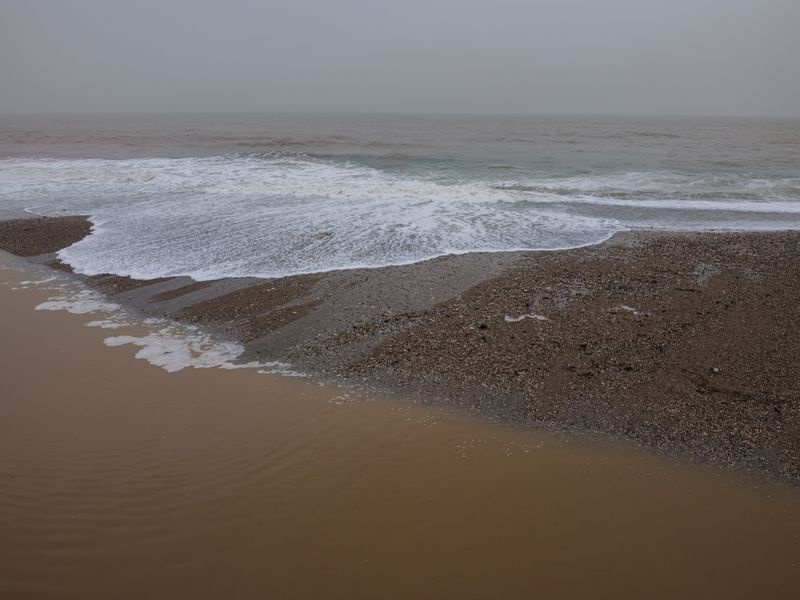
Island rain moves fast from mountain to sea, carrying bacteria, sediment, and debris into nearshore water. The Hawaii Department of Health advises staying out of the ocean for at least 72 hours after heavy rainfall.
Brown or murky water is an easy visual cue to skip the swim.
Not every beach gets monitored, and posting can lag behind conditions. Waiting it out is the safer call.
17. Keep Dogs Far Away from Hawaiian Monk Seals
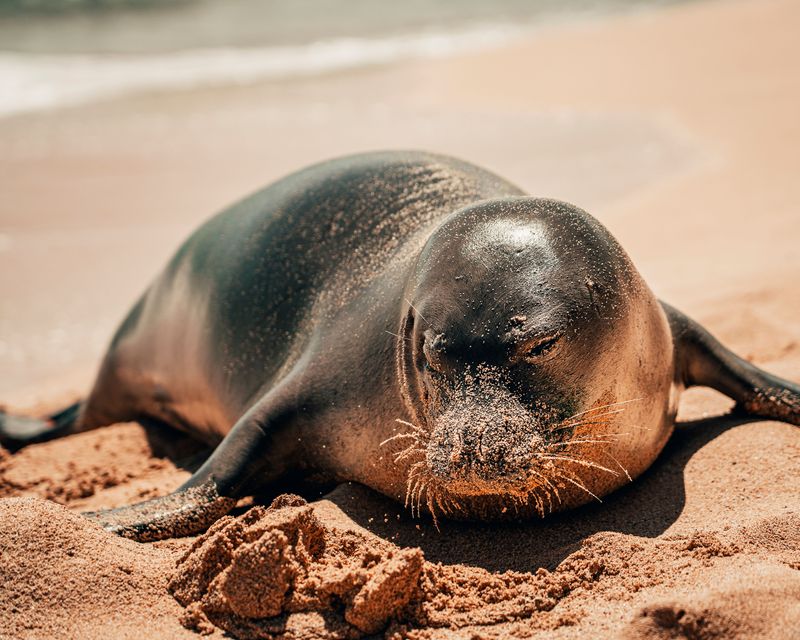
Monk seals are endangered and protected under state and federal law. Approaching, touching, or disturbing them can bring significant fines.
Give any resting seal at least 50 feet of space, and at least 150 feet when a mother is with her pup.
Leash up immediately, since dogs and seals can injure or pass illness to each other. Report sightings or disturbances to the NOAA Marine Wildlife Hotline at 1-888-256-9840.
18. Keep Dogs Away from Sea Turtles and Nesting Areas
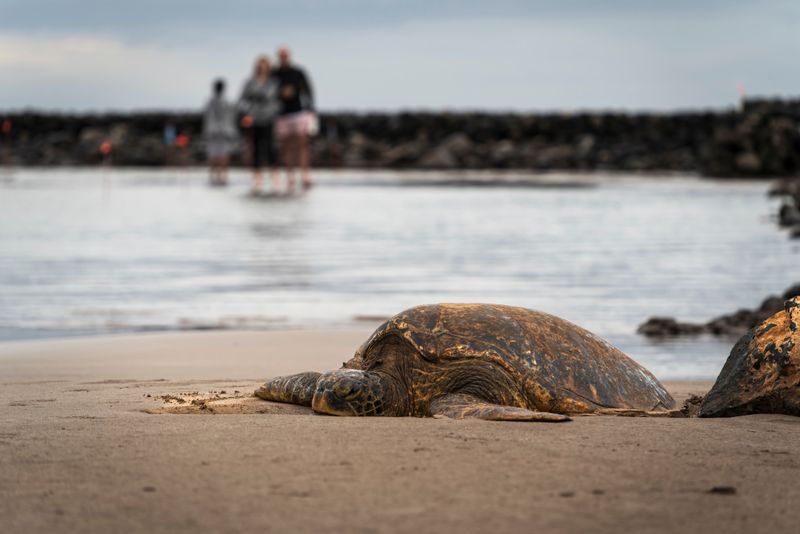
Honu, the Hawaiian green sea turtle, holds deep cultural meaning and legal protection under state and federal rules. Harassing or disturbing one is illegal, whether it is swimming or basking.
Habitat and nesting areas fall under that same protection, so avoid roped-off dunes entirely.
Steer wide and keep your dog leashed and close. Curiosity looks harmless, but a nose in the wrong place can carry real penalties.
19. Rinse and Examine the Dog After Swimming
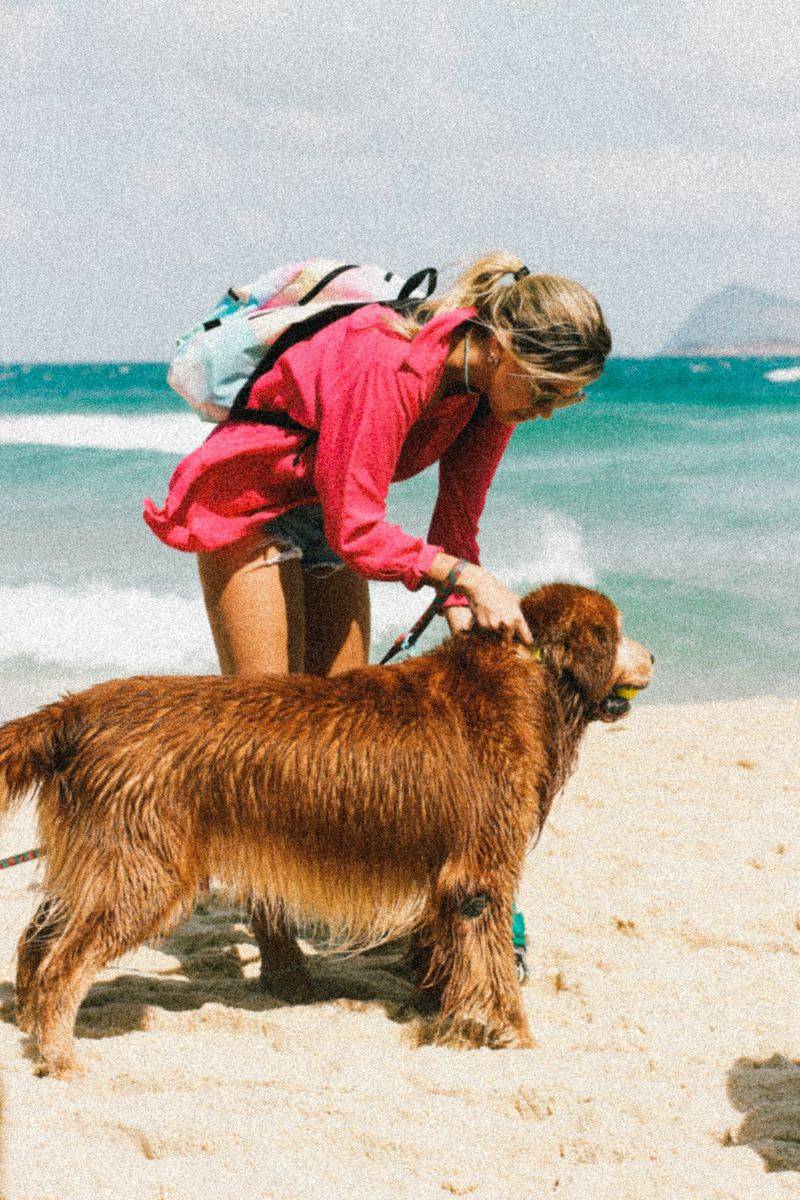
The routine after swimming matters as much as the swim itself. Rinse thoroughly with fresh water to clear salt, sand, and grit from coat and skin.
Salt dries skin out, and trapped sand between paw pads causes rubbing and sores.
Pay attention to paws, belly, and ears, then dry ears gently to discourage infection. Finish with a quick check for cuts, scrapes, shells, or hooks.
20. Do Not Enter Strong Surf Impulsively If the Dog Is Swept Away
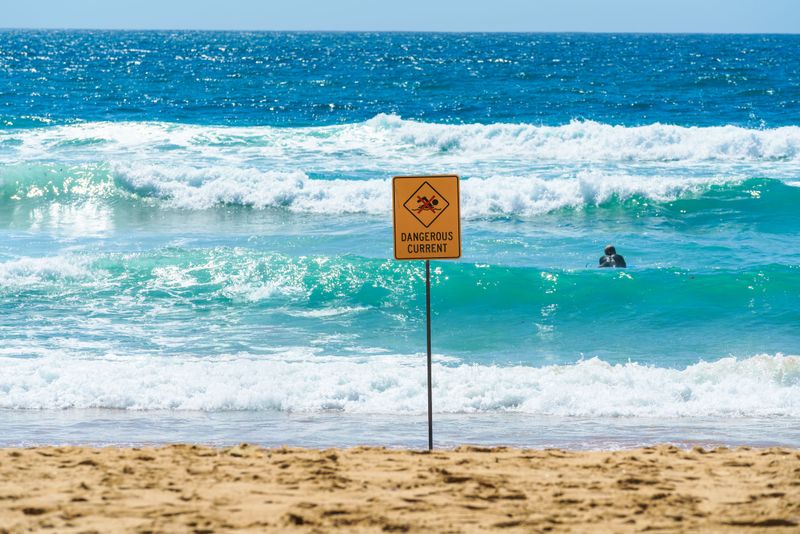
Instinct says jump in. Coastal safety experts urge the opposite, because rescuers who rush into strong water get into trouble themselves.
Dogs float well and swim horizontally, which conserves energy inside a current.
Stay on land, keep eyes on your dog, and walk parallel along the beach. Rips are narrow, so calling from a new angle helps them cut sideways out.
Alert lifeguards or emergency services right away.