What To Know Before Taking Your Dog Camping In A Michigan State Park
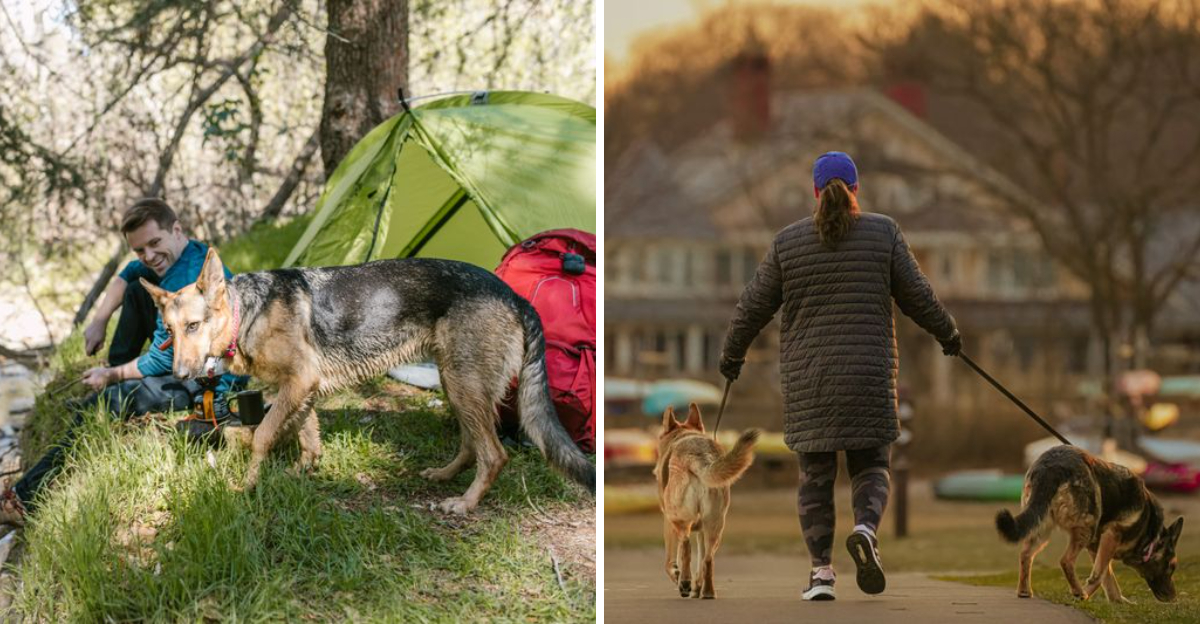
Michigan has more than 100 state parks, and most of them roll out the welcome mat for dogs. The catch is that the rules are surprisingly specific, from leash length to which stretch of sand your pup can splash in.
Learn them ahead of time and your trip runs smooth as a calm morning on Lake Michigan. Skip them and you may be packing up early.
Here is everything worth knowing before the tent goes up.
1. Never Leave Your Pup Alone At Camp
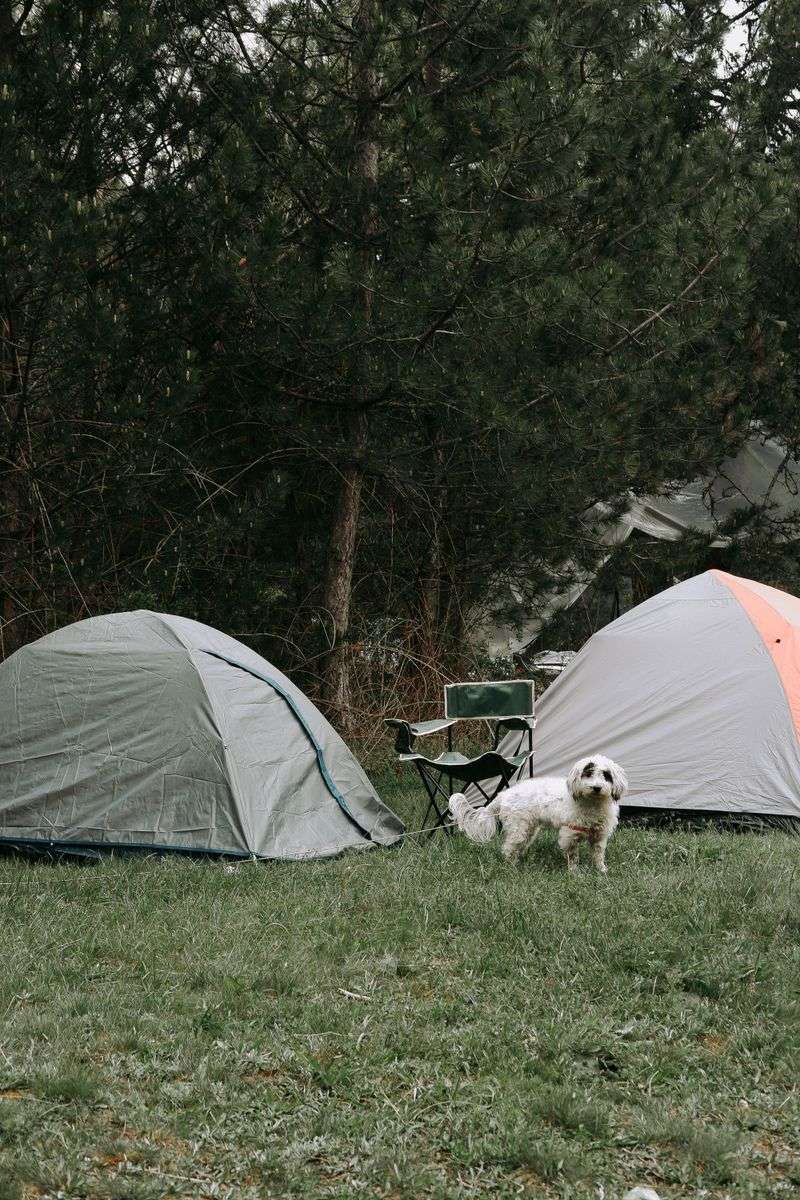
Planning a quick trip to the ranger station without your dog? Not allowed.
Animals cannot be left unattended anywhere in the park, including at the campsite, inside a camper, or in a vehicle.
Alone dogs get nervous, and nervous dogs get loud. Vehicles also heat up fast on sunny Michigan afternoons.
Plan activities you can do together, or take turns with a camping buddy watching the pup.
2. Dogs Are Welcome At Regular Campsites
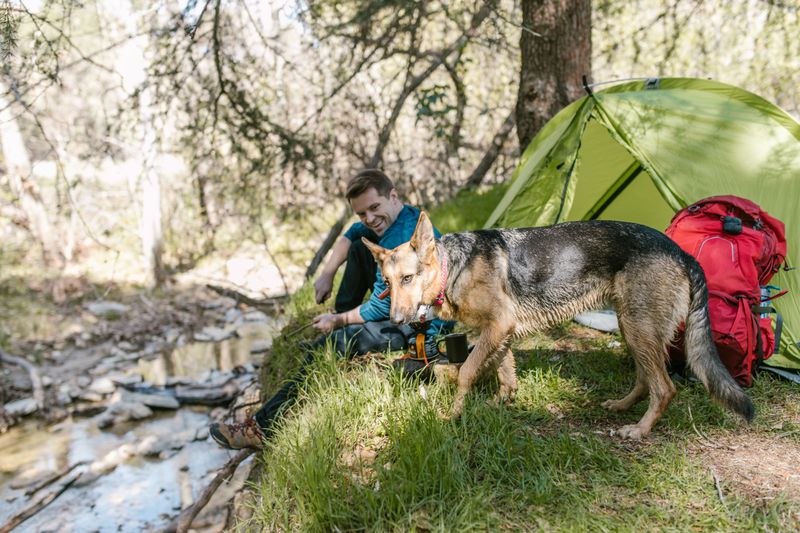
Good news first: pets are allowed at Michigan state park campgrounds and state forest rustic campgrounds. That means your pup can share the tent, the picnic table shade, and the smell of breakfast cooking.
Regular campsites, meaning tent and RV spots, are open to dogs across the system. No special pet site is required.
Just remember that permission comes bundled with rules. Follow them and you both stay happy campers.
3. Scoop It, Bag It, Bin It
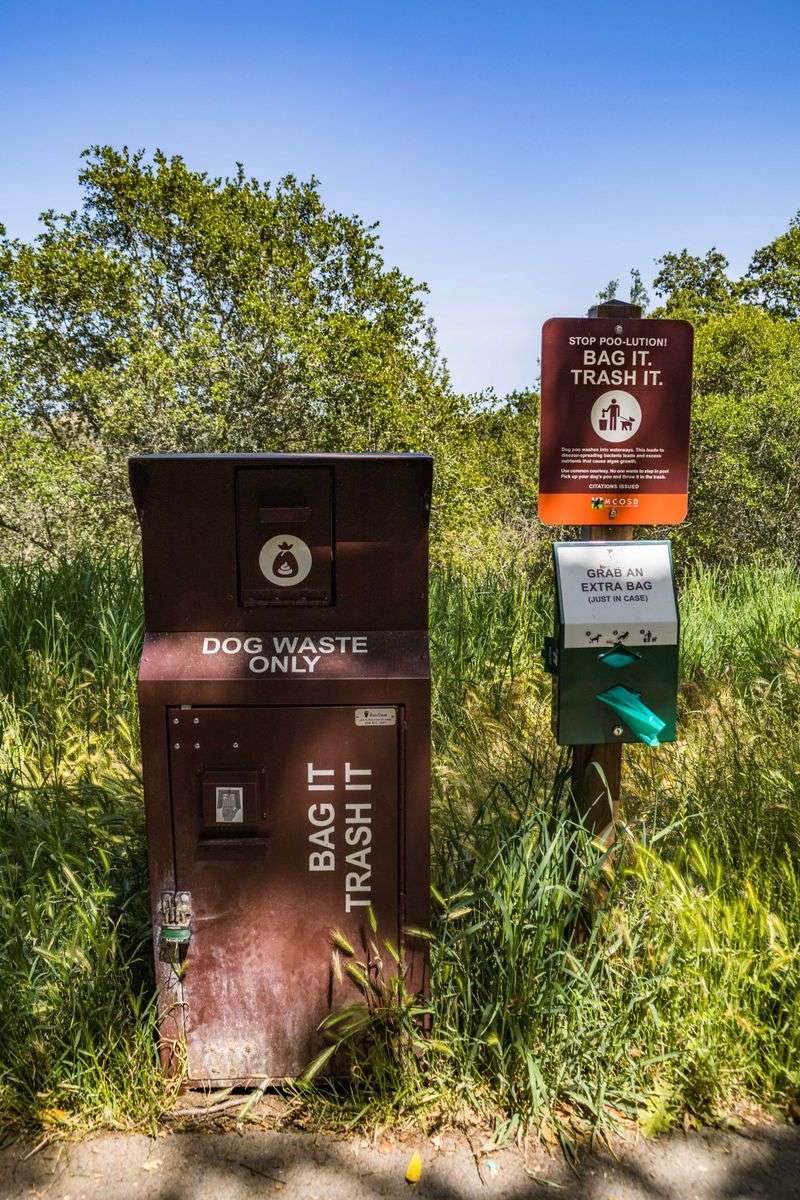
Cleaning up after your dog is not optional here. Owners must pick up waste and dispose of it properly, every single time.
Plenty of parks provide bag dispensers near trailheads and campground entrances, but supplies run out. Stash a roll in your pocket, your pack, and your glove box.
Left behind waste washes into lakes and streams. Nobody wants that in Michigan’s beautiful water.
4. Six Feet Of Leash, No More
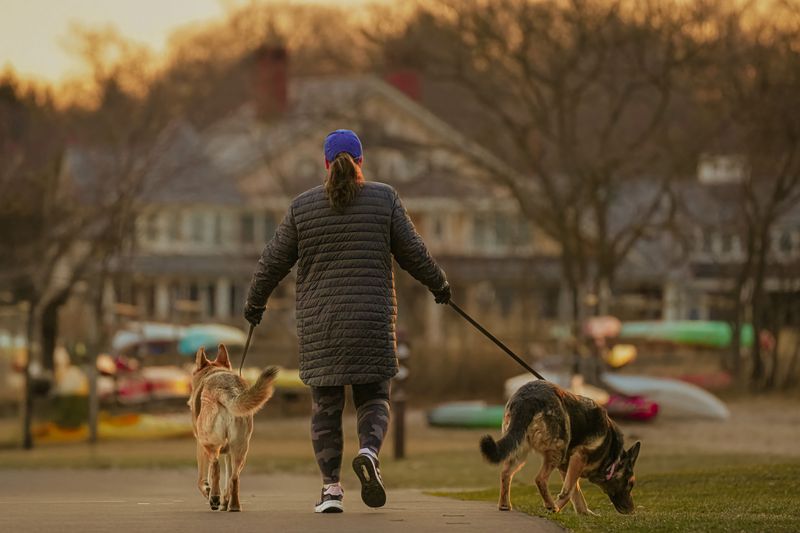
Michigan keeps this one simple. Dogs in state parks must be on a leash that measures six feet or shorter, held under your immediate control.
Retractable leads that stretch to twenty feet do not meet the rule, even if you lock them short. Bring a standard six foot lead instead.
Short leashes also keep noses out of poison ivy and away from other campers’ dinner plates. Everybody wins.
5. Park Buildings Are Off Limits
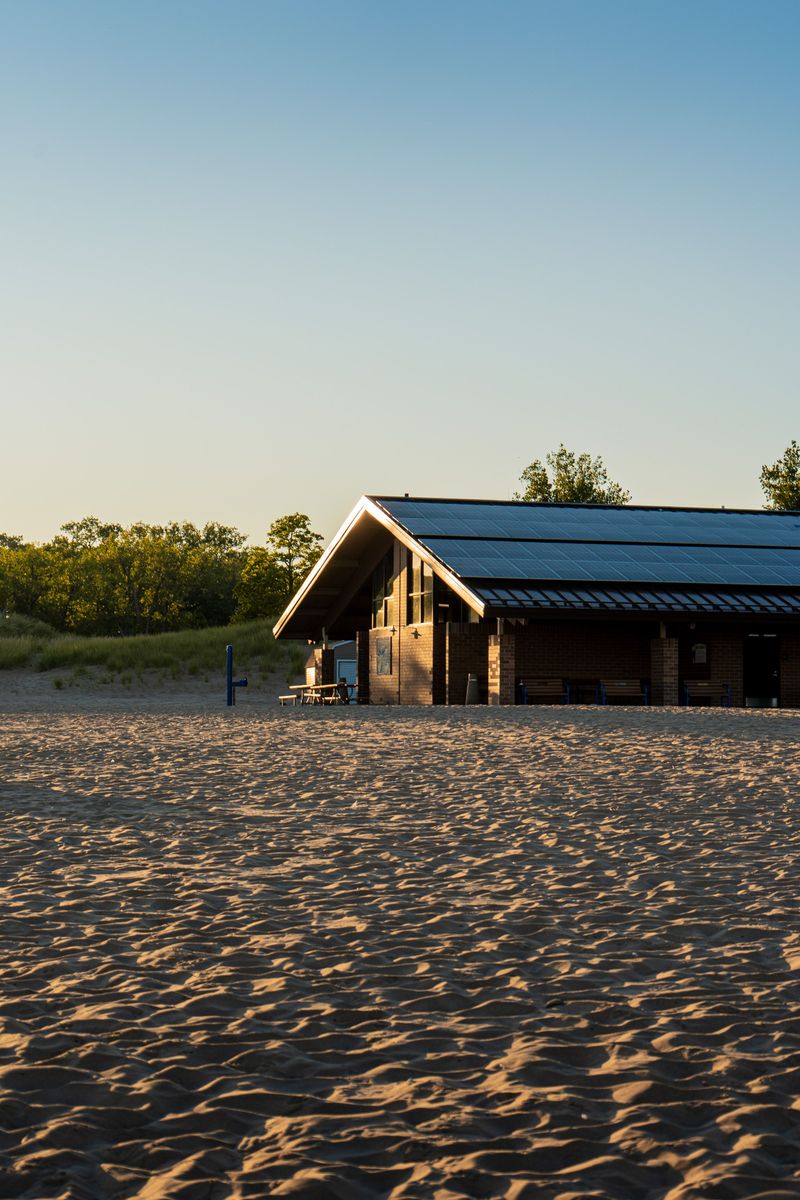
Restrooms, showers, park offices, and visitor centers are no-dog zones. Pets are not permitted inside state buildings, and that includes the bathhouse you will visit every morning.
Service animals are the exception, along with designated pet-friendly lodging.
The easy fix is teamwork. One person showers while the other stays with the pup, then swap.
Solo campers can plan quick trips while their dog rests safely in the tent with them nearby.
6. Barking Can Cut Your Trip Short
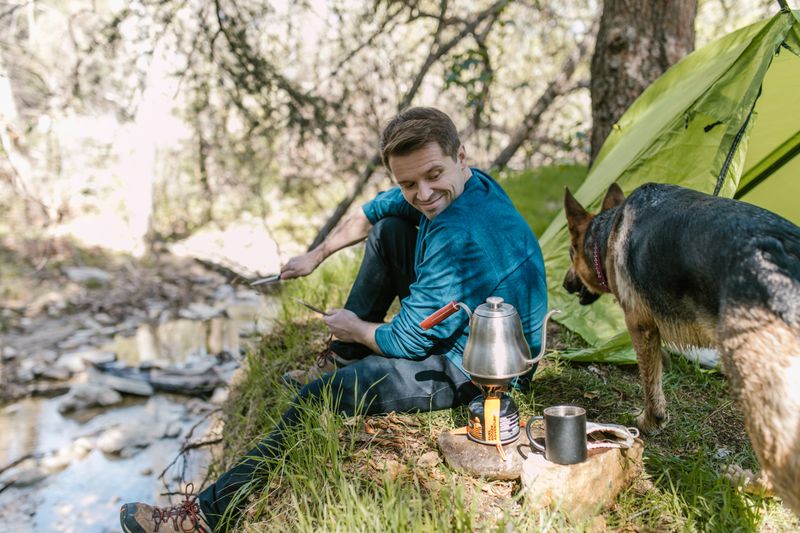
Campground staff take noise seriously. A camp permit can be revoked, or you may be asked to remove a pet that barks excessively or creates a disturbance.
Practice helps. Bring a favorite chew, a familiar bed, and something that smells like home to settle nerves.
Sites tucked away from busy loops also reduce triggers like passing bikes and squirrels on patrol. Quieter dog, longer stay.
7. Designated Swim Beaches Say No
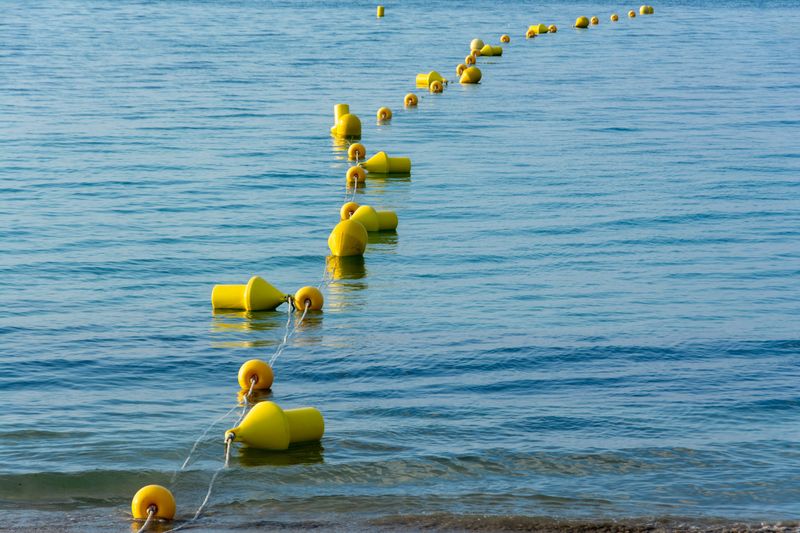
That gorgeous roped-off beach with the buoys? Reserved for people only.
Pets are not allowed in designated swim beaches, buoyed swimming areas, or bathing beach zones.
Look for posted signs at the sand’s edge, since boundaries are usually marked clearly.
Disappointing for water-loving breeds, sure, but Michigan has thousands of shoreline miles. The next entry has better news for your swimmer.
8. Shoreline Splashing Outside Swim Zones
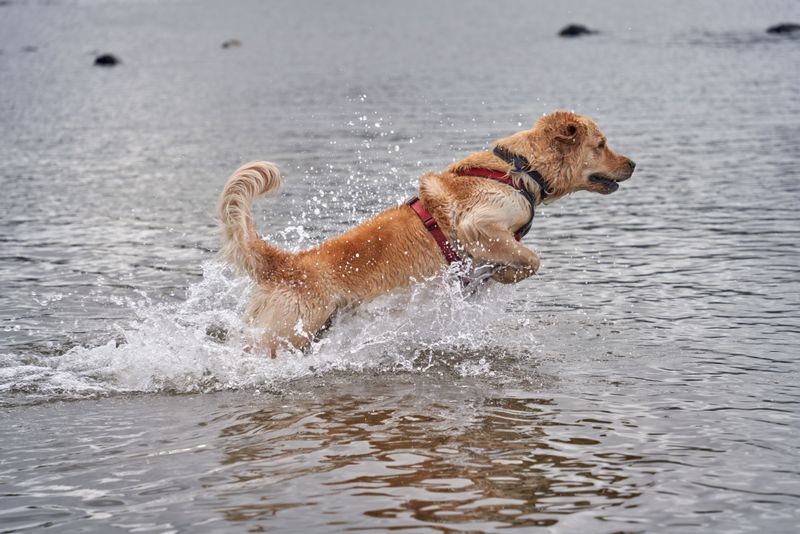
Here comes the fun part. Pets are allowed along shoreline in non-designated bathing beach areas, and many parks mark specific pet-friendly stretches of sand.
Your six foot leash still applies, even when paws hit the water. Yes, even mid-doggy-paddle.
Rinse the sand out of the fur afterward and check between toes. Zebra mussel shells can be sharp on Great Lakes beaches, so watch where those paws land.
9. Wildlife Protection Zones Have Extra Rules
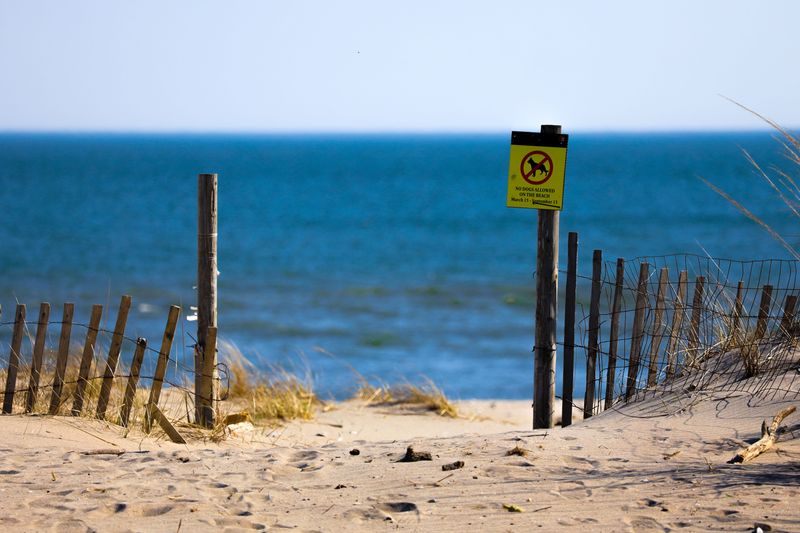
Some corners of Michigan parks belong entirely to the animals. Pets are restricted from endangered species habitats, including piping plover nesting zones, plus other posted protection areas.
Those tiny shorebirds nest right on open sand, so their eggs blend in almost perfectly.
Signs and string fencing mark the boundaries. Respect them, take the detour, and know your dog helped protect one of the Great Lakes’ rarest birds.
10. Seasons Can Change The Rules
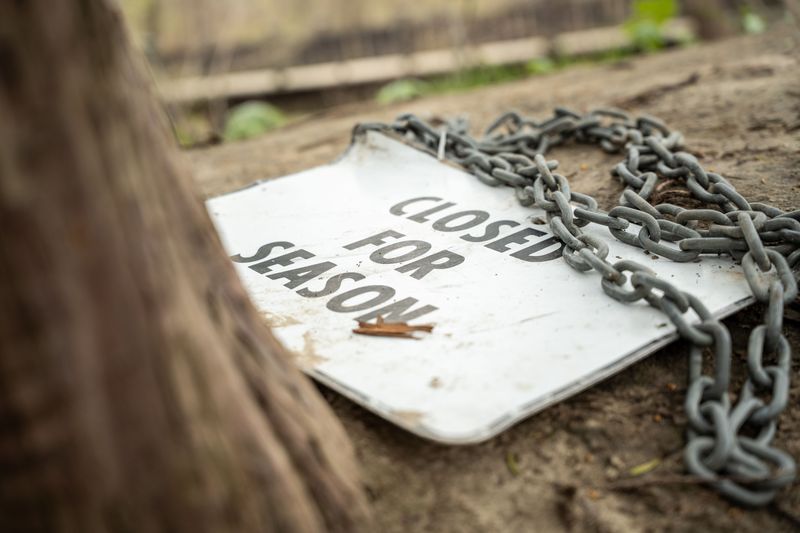
Rules that applied in October may not apply in May. Certain parks limit pet access seasonally, often to shield nesting wildlife during breeding months.
Some shoreline sections, for example, restrict access from April through August for piping plover habitat.
A quick look at the park’s page before you load the car saves confusion at the gate. Seasonal signage on site always has the final word.
11. Only Certain Cabins And Yurts Take Pets
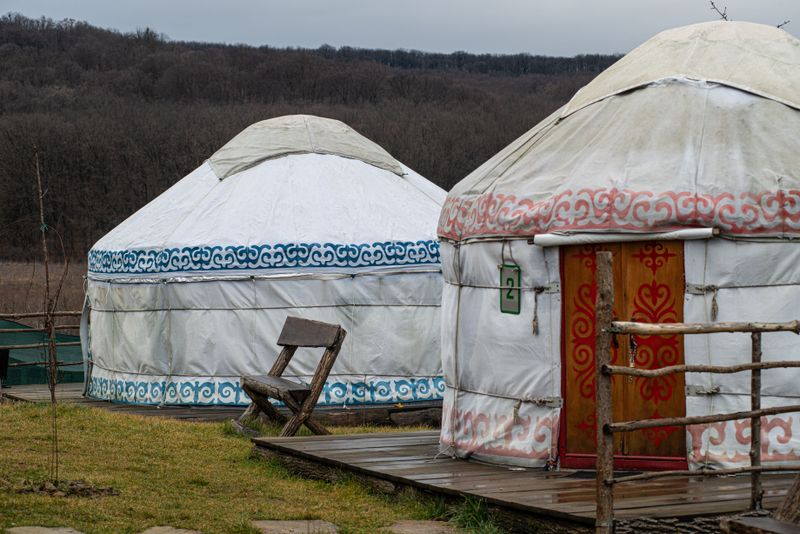
Not into tents? Michigan state parks rent cabins, yurts, and lodges, and a portion of them accept pets.
Up to two animals, cats and dogs only, are permitted in designated pet-friendly units.
The key word is designated. Bringing a dog into a non-pet unit is not allowed.
Filter for pet-friendly lodging when you book, because these units disappear quickly during summer weekends.
12. Budget For The Pet Fee
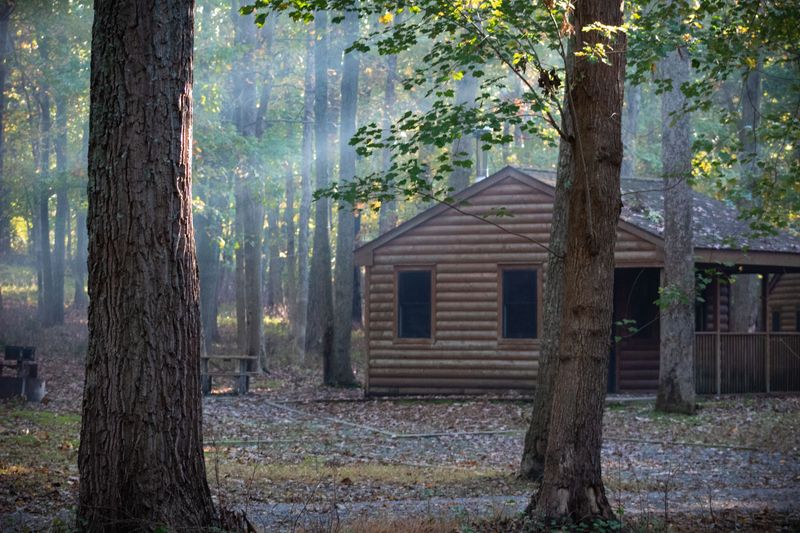
Staying in lodging rather than a tent adds a line to the bill. An extra pet fee applies, generally around ten dollars per night per pet for cabins and fifteen for lodges.
Campsites themselves do not carry a pet charge, which is why tent camping stays cheap with a dog.
Confirm current rates when you reserve, since fees can be updated between seasons.
13. Tick Checks Are Non-Negotiable
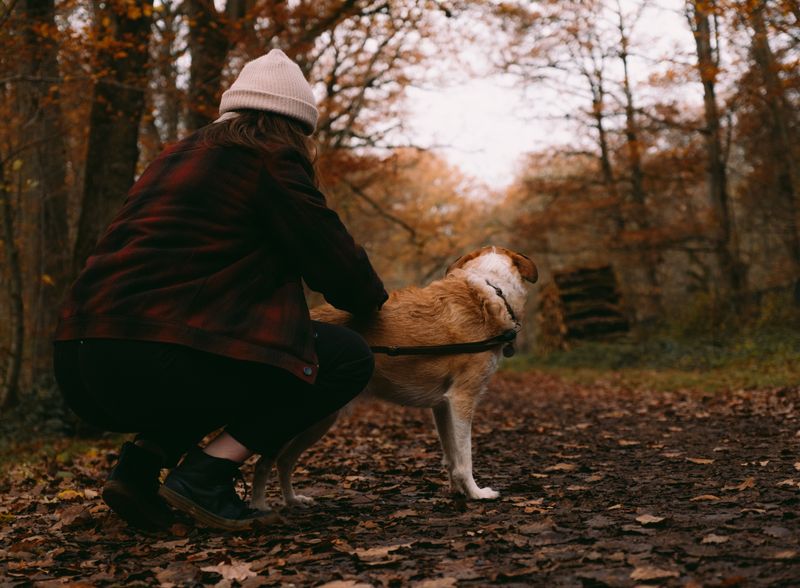
Michigan’s woods and tall grass hide tiny hitchhikers. After every hike, run your fingers through your dog’s coat and check ears, armpits, between toes, and around the collar.
A fine-toothed comb speeds things up on fluffy coats. Bring a tick removal tool too.
Talk with your veterinarian about prevention before the trip. Ten minutes of checking beats weeks of worrying later.
14. Let Wildlife Stay Wild
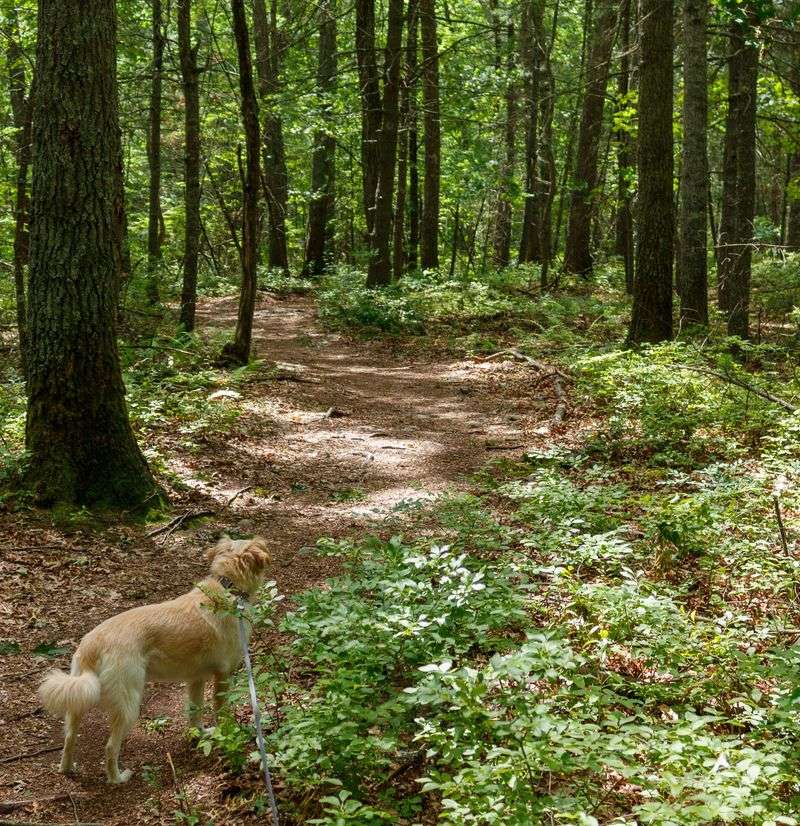
Deer, raccoons, turkeys, and the occasional skunk all call these parks home. Owners must keep pets from interacting with wildlife or disturbing other visitors.
Chasing stresses animals and can lead your dog somewhere dangerous, fast.
Work on a solid recall and a reliable leave it cue before you go. A pocket of high-value treats turns distractions into training wins right there at camp.
15. Lock Down The Kibble

Kibble smells like an invitation to every critter in the neighborhood. Store dog food and treats in sealed containers, tucked in your vehicle or a hard-sided camper overnight.
Northern Michigan and the Upper Peninsula are black bear country, so this matters more up north.
Feed your dog on a schedule rather than leaving a bowl out. Wash the bowl and pack it away with the rest of your kitchen gear.
16. Quiet Hours Run 10 p.m. To 8 a.m.
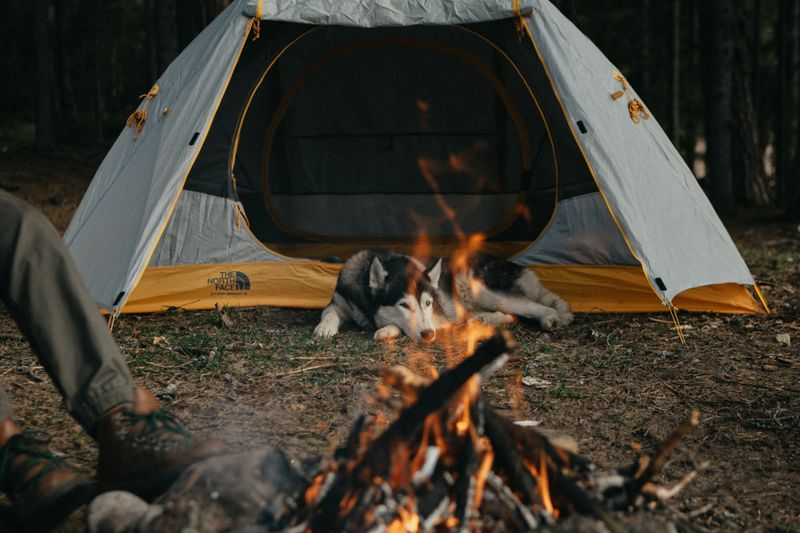
Once the clock hits ten, campgrounds hush. Quiet hours typically run from 10 p.m. until 8 a.m., and that includes barking.
Night sounds like footsteps and rustling leaves set off many dogs, so a tent with a view of the loop can help them feel less startled.
Tiring your pup out during the day is the best trick of all. A well-hiked dog sleeps deeply.
17. Grab A Recreation Passport
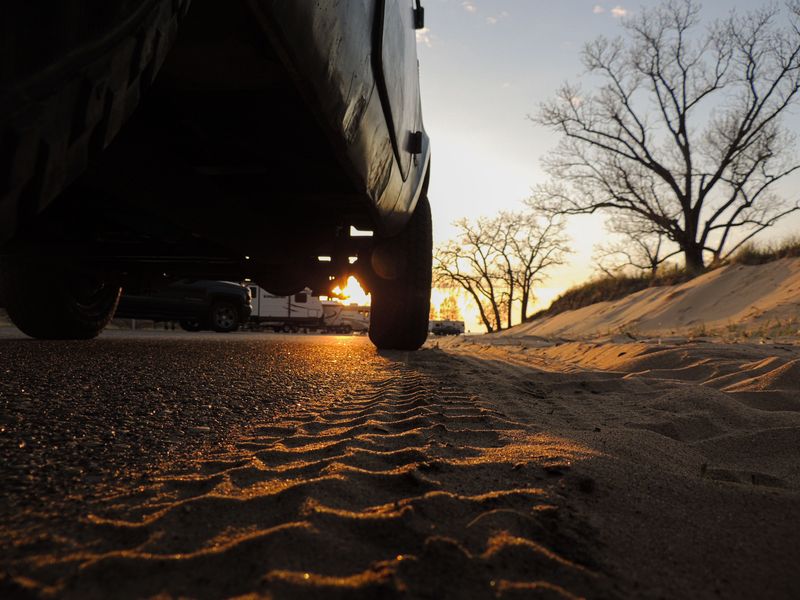
Your car needs a pass before your dog gets a trail. A Recreation Passport is required for vehicle entry into Michigan state parks, recreation areas, state forest campgrounds, and scenic sites.
It also covers DNR boating access sites and many trailhead parking lots.
Add it when renewing your license plate, or buy one at the park entrance. Check your plate sticker before leaving home.
18. Book Up To Six Months Ahead
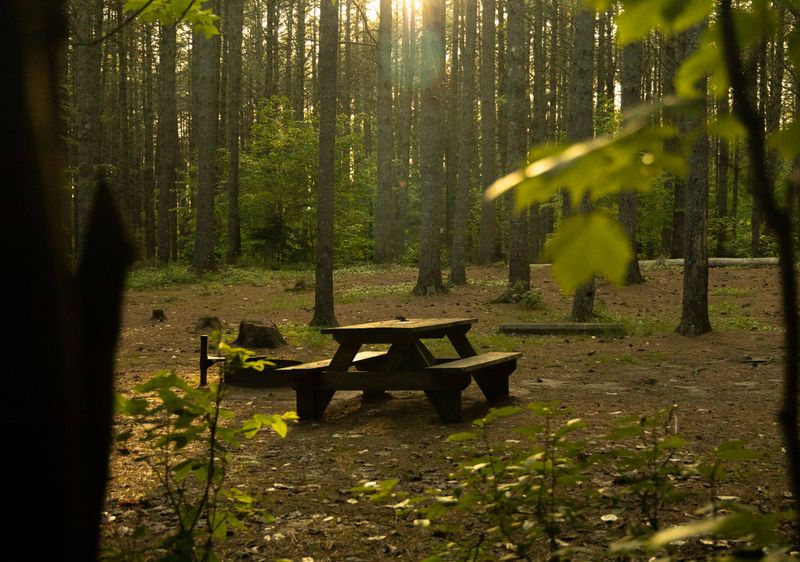
The reservation window is six months, changed from the old twelve month system. Popular lakeshore parks fill the moment sites open, especially for July weekends.
Mark your calendar six months out and book early in the morning for the best selection.
Look for sites near a park boundary or trail access, which makes those late-night potty walks quick and easy on everybody.
19. Modern Versus Rustic: Pick Your Comfort
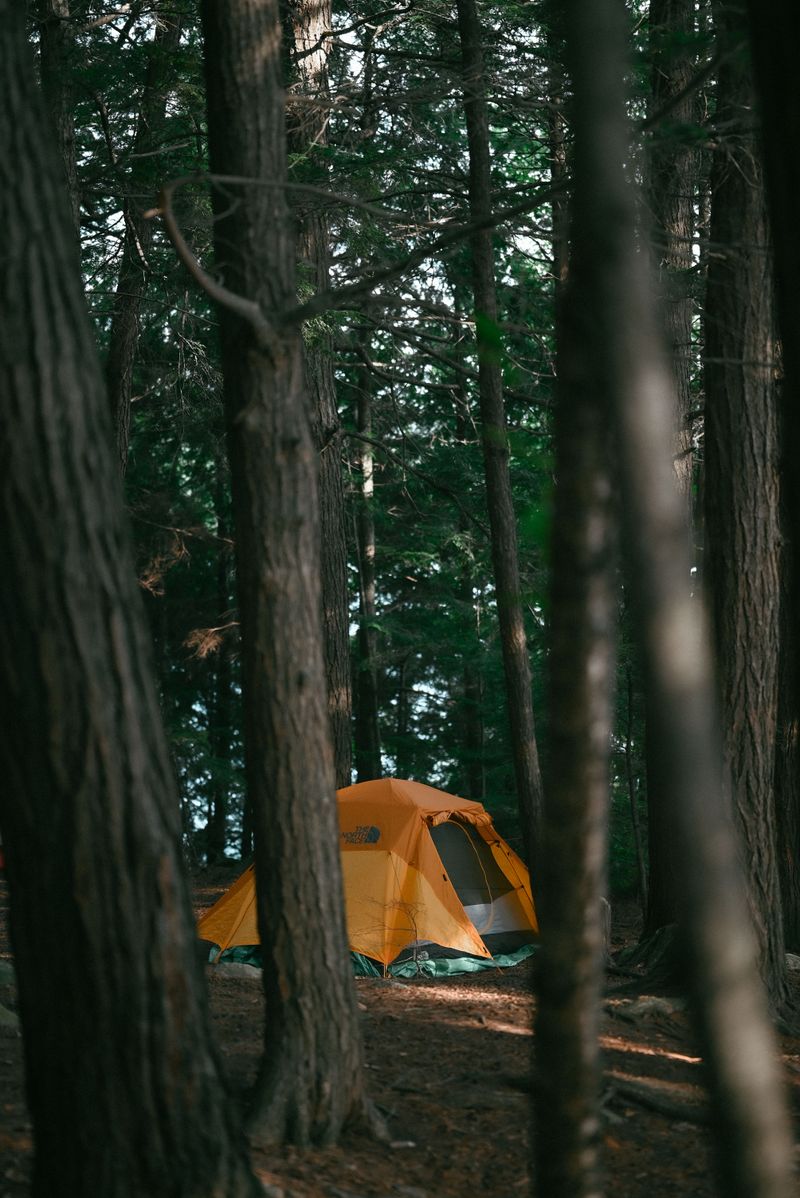
Both styles allow dogs, so the choice comes down to what you want. Modern campgrounds offer electrical hookups, flush toilets, and showers, plus paved roads and closer neighbors.
Rustic state forest campgrounds trade those comforts for vault toilets, hand pumps, and glorious quiet.
Anxious or reactive dogs often relax more at rustic sites. Puppies and senior dogs may appreciate the conveniences of a modern loop instead.
20. Do A Final Check Before You Roll Out
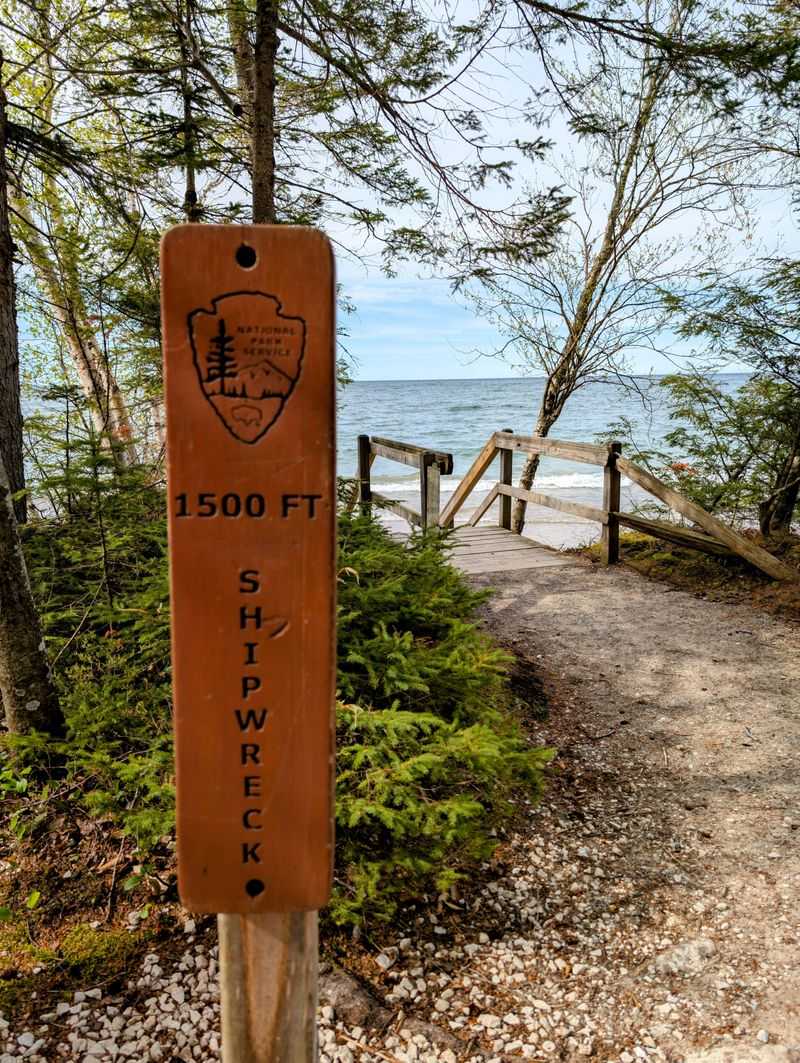
Trails wash out, beaches close, and local pet rules shift without much warning. Review the park page for closures, trail conditions, and current pet restrictions a day or two before departure.
Then read the signage at trailheads once you arrive, since posted notices always outrank whatever you read online.
Pack vaccination records, a photo of your dog, and your vet’s number too.
Now go make some memories.