Why A Move Across New York Can Change Which Local Dog Paperwork Needs Attention
Moving is busy, and your dog’s paperwork can slip through the cracks. In New York, dog rules are mostly handled by your town, city, or village.
That means a new address can bring a new office, new fees, and new forms. Here is a friendly guide to what changes, so you and your pup can settle in with confidence.
1. Your Licensing Office Follows Your Address
Picture two neighbors on opposite sides of a town line. They live minutes apart, yet their dogs answer to different offices.
New York hands dog licensing to local governments, not one statewide desk.
So when you change municipalities, the office in charge of your dog changes too. Your old clerk no longer handles your license.
Before moving day, look up your new municipality’s website. Find the clerk or licensing office and note their hours and contact details.
2. The 10-Day Address Rule
Here is a deadline many owners never hear about. New York State law asks dog owners to report an address change in writing.
That notice goes to the municipality where your dog is currently licensed. You have 10 days to send it.
A short letter or email usually works, but ask what format your clerk accepts. Include your dog’s name, license number, and new address.
Keep a copy for your records, just in case.
3. Crossing Town Lines Often Means a New Application

A fresh start in a new town usually comes with a fresh form. Moving between towns, cities, or some villages typically means applying for a new local dog license.
Each place keeps its own records. Your old license generally does not carry over automatically.
Gather your documents early so the process feels easy. Your new clerk can confirm exactly what they need and whether any credit from your old license applies.
4. Staying Local Keeps Things Simple

Good news for short-distance movers. If you are staying in the same town, city, or village, life gets easier.
In most cases, you only need to update the address on your current license. No brand new application is usually required.
A quick call, email, or visit to the clerk often handles it. Remember that the written notice within 10 days still applies, even for a move across the street.
5. New York City Plays by Its Own System
The five boroughs do things a little differently. In New York City, dog licenses come from the Department of Health and Mental Hygiene.
Outside the city, a town or city clerk usually handles licensing instead. That difference surprises many people moving in or out of NYC.
Moving from Queens to Long Island? Expect to switch from the city health department to your new local clerk.
Moving into the city works the same way in reverse.
6. Villages Can Go Either Way
Villages add a fun twist to the map. Some New York villages issue their own dog licenses through a village clerk.
Others rely on the clerk of the town that surrounds them. From the outside, you often cannot tell which system applies.
If you are moving into a village, call the village office first. Ask plainly who licenses dogs there.
One quick question can save you a wasted trip.
7. Fees Can Shift With Your Zip Code
Budget-minded owners, take note. Each municipality sets its own dog licensing fees, so your yearly cost may rise or fall after a move.
State law does set some ground rules. Fees for unspayed or unneutered dogs must be at least five dollars higher than for altered dogs.
State surcharges for animal population control programs may also be added. Check your new fee schedule online so the total does not catch you off guard.
8. Renewal Calendars Are Not Universal
Ever had a reminder show up at the wrong time? Renewal dates can differ from one jurisdiction to the next.
Many licenses last one year. Some places, including New York City, let owners buy licenses covering several years, up to five in the city.
When you license in a new spot, ask about the expiration date and term options. Then add a reminder to your phone.
Your future self will thank you.
9. Keep That Rabies Certificate Handy
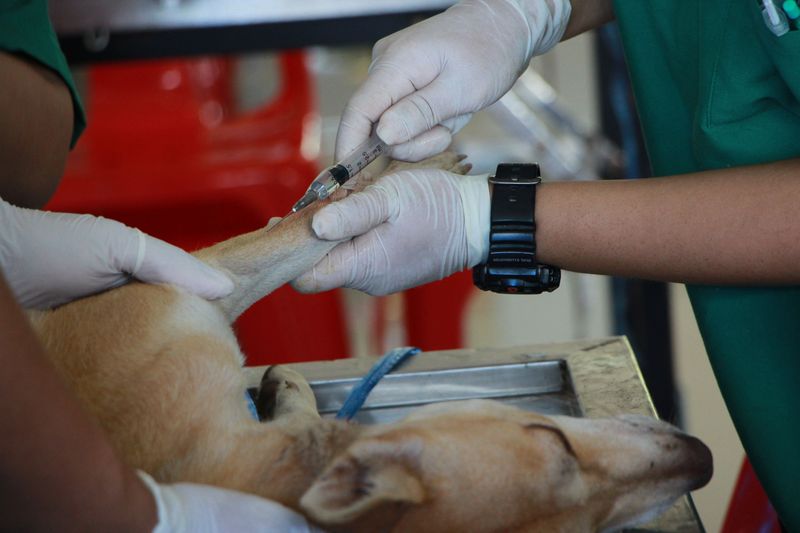
One document opens nearly every licensing door. New York licensing offices generally ask for proof of current rabies vaccination.
A veterinarian’s certificate showing the vaccine date and how long it lasts usually does the job. A simple tag on the collar is often not enough.
Store a copy in your phone and a paper copy in a folder. If the vaccine expires soon, schedule a booster before applying.
10. Spay or Neuter Proof Saves Money
A small piece of paper can lower your bill every year. Most municipalities offer reduced fees for spayed or neutered dogs.
Your new office, though, has never seen your dog’s records. You may need to show proof again, usually a certificate from a licensed veterinarian.
Ask your vet’s office for a copy before you move. Clinics can often email it within a day, which keeps your application moving smoothly.
11. A Shiny New Tag May Be Coming
Think of it as a little welcome gift for your pup. A new municipality will likely issue a different tag and identification number.
Once it arrives, attach it to your dog’s collar right away. Remove the old tag so nobody gets confused about where your dog lives.
Write the new license number somewhere safe too. It helps if you ever need to contact the office or replace a lost tag.
12. Online, Mail, or Counter Visit
Every office has its own style. Some New York municipalities offer online portals, while others prefer mail-in forms or in-person visits.
Many offer a mix, so you can choose what fits your schedule. Payment options can vary as well.
Check your new clerk’s website before heading out. If online is offered, you might finish in your pajamas.
If not, bring every document so one trip covers everything.
13. Accurate Records Guide Wandering Pups Home
A license tag is often called a lost dog’s ticket home. That ticket only works when the address behind it is correct.
Animal control officers use licensing records to find owners quickly. Outdated details can slow down a happy reunion.
New neighborhoods are confusing for dogs, especially in the first few weeks. Updated records give your pet the best chance of a fast trip back to you.
14. Dog Park Passes Might Reset

Your pup’s favorite playground may not follow you. Some dog parks require registration or access permits for local residents.
Many also ask for proof of a current license and rabies vaccination. An old pass from another town probably will not work.
Look up parks near your new home and check their entry rules. Once registered, you can enjoy those zoomies and meet new furry friends.
15. Extra Care for Dogs With Court Orders
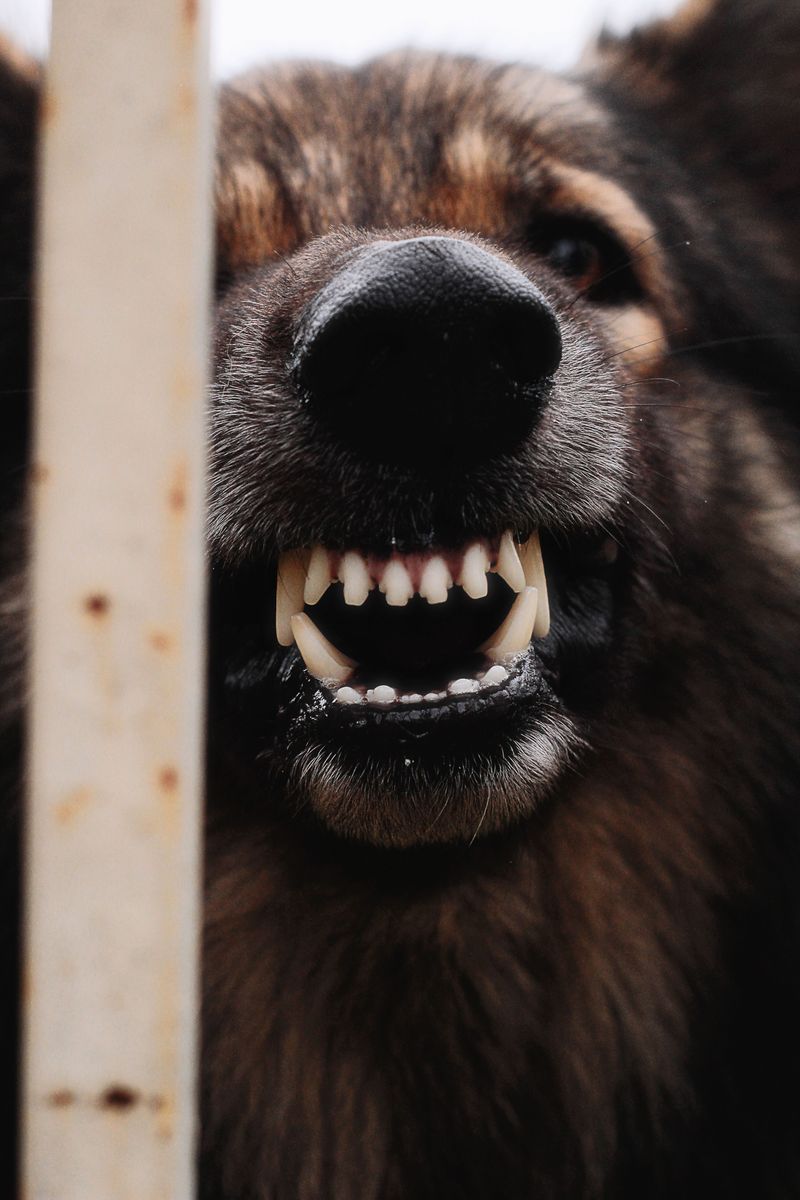
Some dogs carry special restrictions from a past incident. If yours has a dangerous-dog designation, moving calls for extra attention.
Court orders may set conditions like secure enclosures, insurance, or leash requirements. Your new municipality may have its own compliance steps too.
Review your order carefully and contact the new animal control office. A local attorney can also help clarify obligations.
Clear communication keeps everyone safe and calm.
16. Let Animal Control Reach You
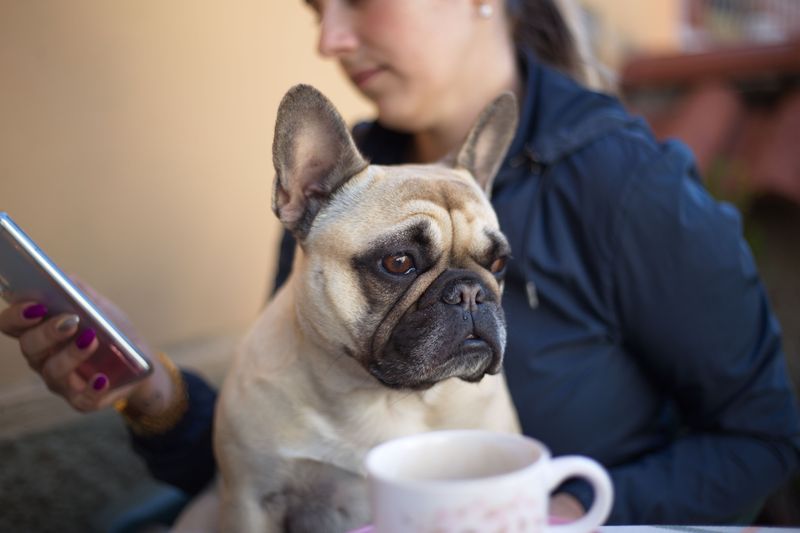
Phone numbers change during moves more often than people realize. Local animal control departments rely on accurate contact details.
They use them for enforcement matters and emergency notifications. If your dog is found or involved in an incident, they need to reach you fast.
Share your current phone number and email with the right office. A two-minute update now prevents frustrating delays later.
17. Skipping Updates Can Cost You
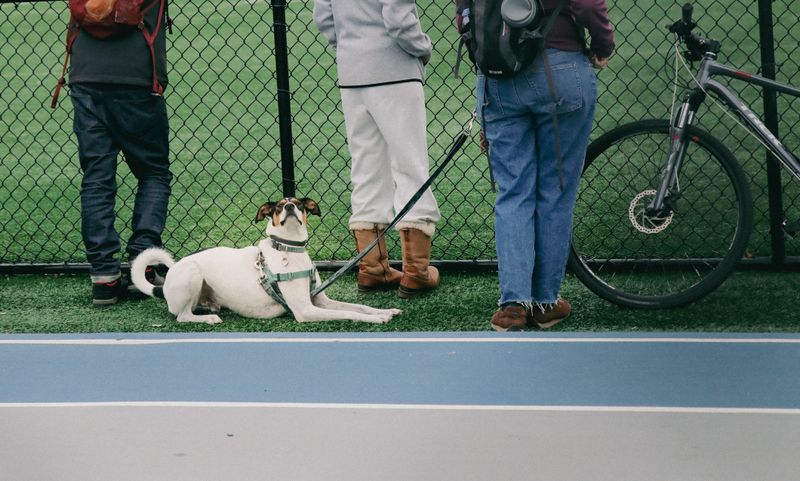
Nobody enjoys surprise bills. Failing to update records or meet local licensing rules can lead to fines or other penalties.
Amounts and consequences vary by municipality. An unlicensed dog picked up while roaming may also mean impoundment fees.
Staying current is the easiest way to avoid hassles. If you missed a deadline, contact the office soon.
Clerks are usually helpful when owners reach out honestly.
18. Microchip and Vet Records Complete the Picture
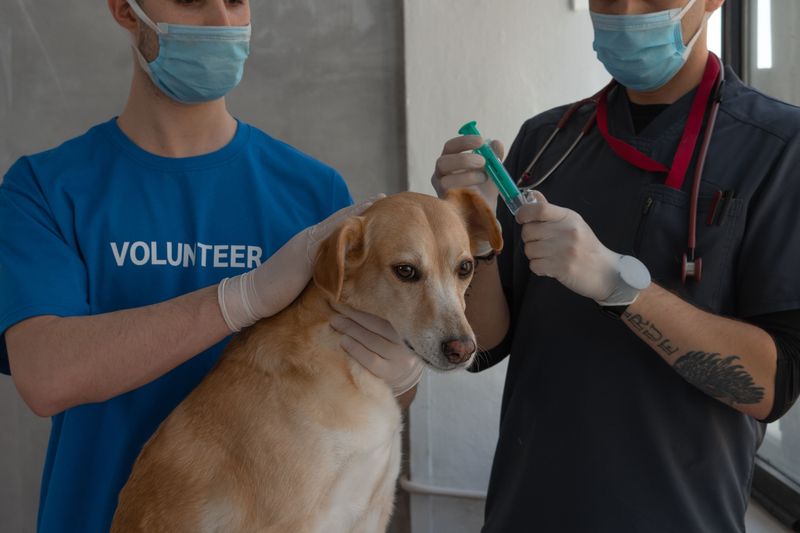
Collars slip off, but microchips stay put. Update your dog’s microchip registry with your new address and phone number.
Let your current veterinarian know about the move, too. If you are switching clinics, request records be sent to your new vet.
Matching details across your license, microchip, and vet files keeps everything consistent. That consistency gives your dog solid identification wherever life takes you both.
With these steps done, you can unpack knowing your pup is covered.